


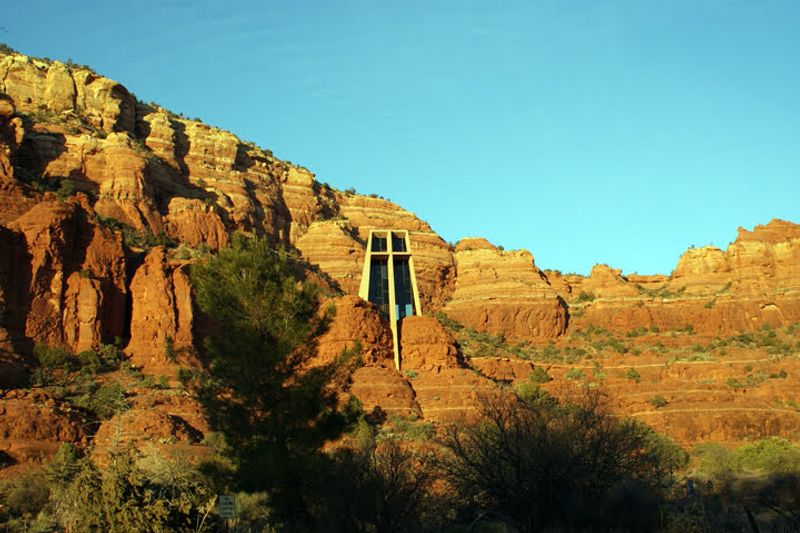
When most people picture Arizona in July, they imagine sun-baked pavement and triple-digit temperatures. But head north or climb into the high country, and the state hides a completely different side of itself.
Up in the mountains, the air turns crisp, pine forests stretch for miles, and the thermometer drops enough to make a sweater feel nice at night. These small towns give you cool weather, easy hiking, and a slower pace without the crowds you find in bigger destinations.
If summer heat has you searching for an escape, this list of quiet Arizona mountain towns is a great place to start planning. Grab your walking shoes and maybe a light jacket, because these spots stay comfortable while the desert bakes below.
1. Pinetop-Lakeside
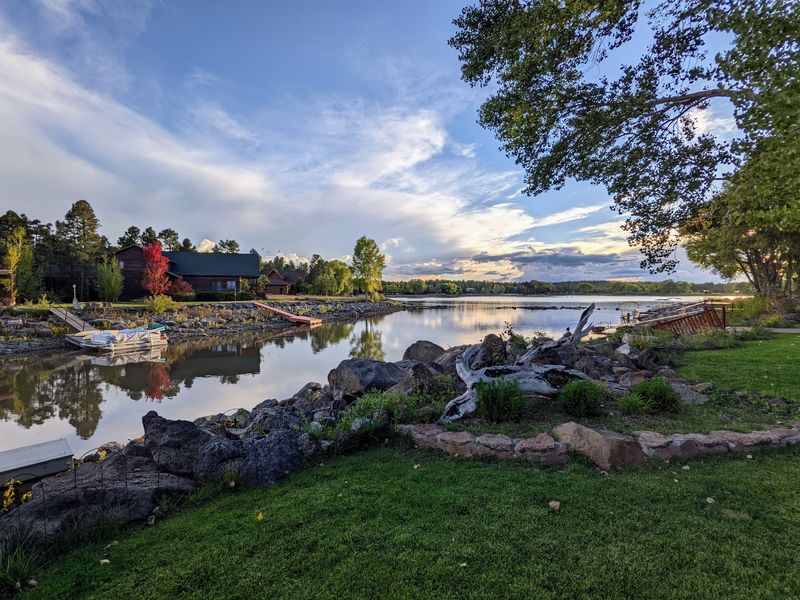
Sitting up in the White Mountains at around 7,000 feet, Pinetop-Lakeside stays comfortable even when Phoenix is roasting. The town is surrounded by one of the largest stands of ponderosa pine in the country, which keeps the air cooler and the scenery green.
The community is famous for the White Mountains Trail System, a large network of paths popular with hikers, mountain bikers, and horseback riders. Rainbow Lake and Woodland Lake Park give you spots to fish, walk, or just sit near the water.
Golf is another big draw here, with several courses that stay green through the warm months. The town also hosts summer events and small shops along the main road that make for easy afternoon wandering.
I like this area because it feels like a full mountain getaway without a long drive from the Valley. It works well for families who want easy trails and a calm base for exploring the region.
2. Greer
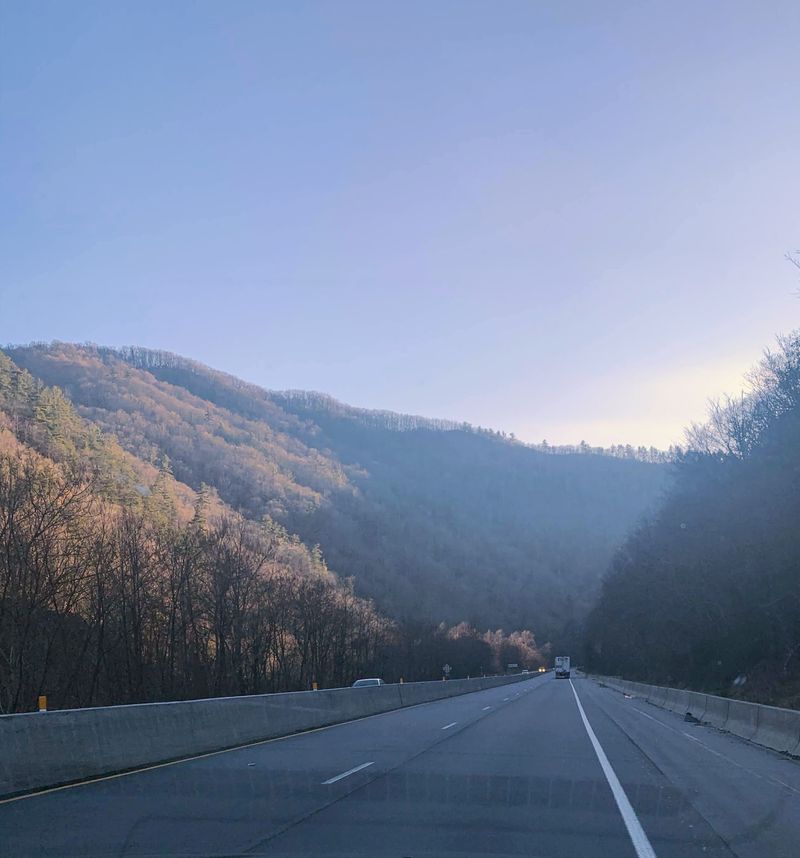
Tiny does not begin to describe Greer, a village tucked in the White Mountains at roughly 8,300 feet. With only a few hundred residents, it is one of the highest and quietest communities in the state.
The Little Colorado River runs right through town, drawing anglers who come for the trout. Meadows, aspen groves, and spruce forest wrap around the village, and the elevation keeps summer days mild and evenings genuinely cool.
Trails from the area connect into the surrounding Apache-Sitgreaves National Forest, giving hikers plenty of ground to cover. Nearby lakes like River Reservoir add more options for fishing and paddling.
What sets Greer apart is how removed it feels. There is no big commercial strip, just cabins, small lodges, and open country.
This is the kind of place I would pick when the goal is to unplug and let the mountain air do the rest.
3. Alpine
Nicknamed the Alps of Arizona, Alpine sits near the New Mexico border at about 8,000 feet in a broad grassy valley. It is remote, and that is exactly the appeal for people who want quiet.
The town is a gateway to the Apache-Sitgreaves National Forest and sits along the Coronado Trail Scenic Byway, one of the most winding and scenic drives in the state. Drivers who like mountain roads and long views tend to make this a stop.
Fishing, camping, and hiking fill most summer days here, with several lakes and streams nearby. Wildlife is common in the surrounding meadows, so bring binoculars if you enjoy watching for elk.
Because it is so far from the big cities, Alpine rarely gets crowded. For travelers chasing cool temperatures and open country far from the desert, it delivers both.
4. Flagstaff
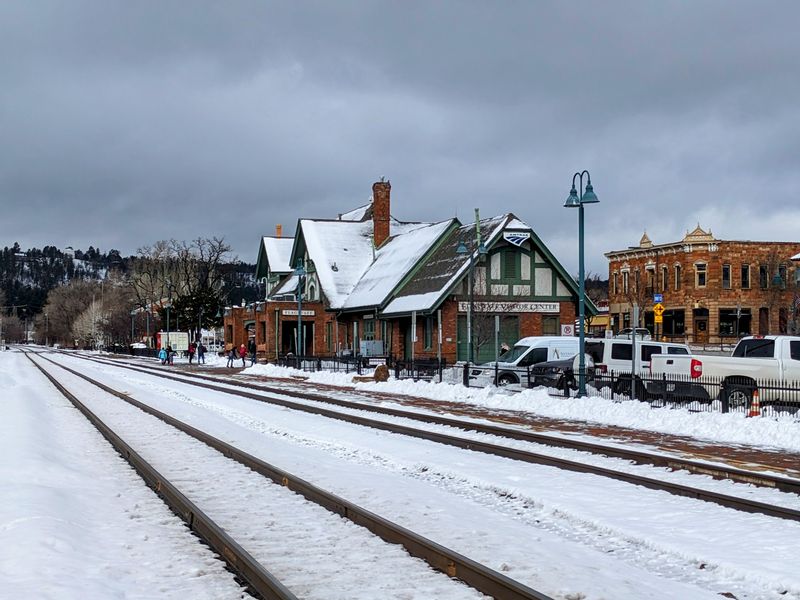
Home to towering ponderosa pines and the tallest peaks in Arizona, Flagstaff sits at nearly 7,000 feet and stays noticeably cooler than the desert below. The San Francisco Peaks rise just north of town and hold patches of snow long into spring.
Flagstaff mixes college-town energy with easy access to the outdoors. Downtown is walkable, with historic buildings, local shops, and cafes filling the old railroad district.
Lowell Observatory, where Pluto was discovered in 1930, offers stargazing programs that take advantage of the dark mountain skies. The city is also a dark-sky community, so nights are a real attraction.
Trails like those around Buffalo Park and the Arizona Trail give hikers quick access to pine forest. Flagstaff is a bit larger than the other towns here, but it earns its place because you can cool off and still find plenty to do after your hike.
5. Prescott
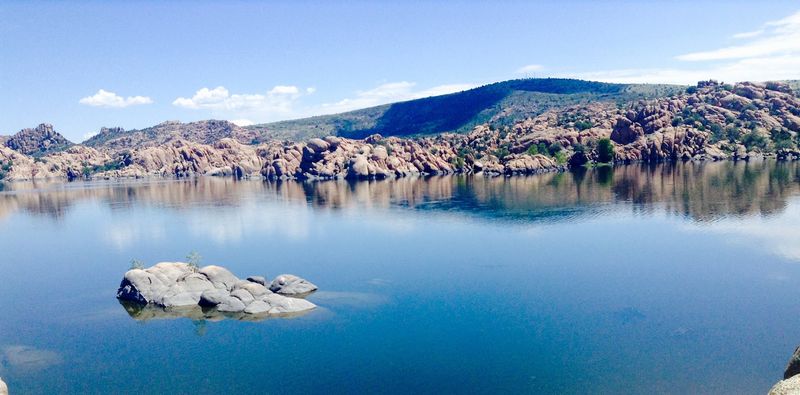
Cooler summers and a classic small-town square have made Prescott a favorite escape for generations. Sitting around 5,400 feet in the pine-dotted hills of central Arizona, it stays milder than the low desert without feeling remote.
The Courthouse Plaza anchors downtown, surrounded by the historic buildings of Whiskey Row and rows of local shops and restaurants. It is an easy place to spend an afternoon on foot.
Just outside town, Watson Lake shows off dramatic granite boulders that jut out of the water, a favorite spot for kayaking and photography. The surrounding Granite Dells offer trails winding through the rock formations.
Prescott also leans into its Western history, with museums and events tied to its ranching past. For anyone who wants cooler air plus a walkable town center, this one checks a lot of boxes.
6. Show Low
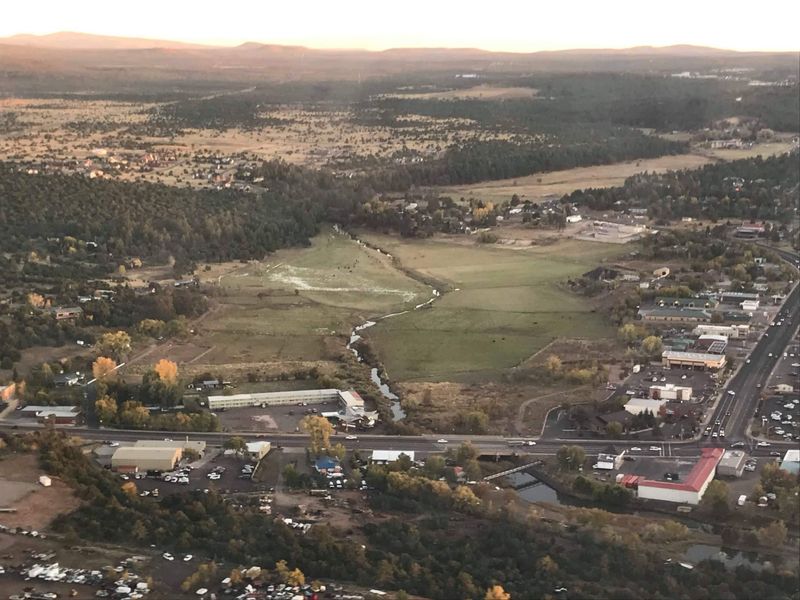
The name alone gets people asking questions, and the story is a good one. Legend says two ranchers settled ownership of the land with a card game, where the winning move was to show low, and the main street is still called Deuce of Clubs.
Set at about 6,300 feet in the White Mountains, Show Low serves as a hub for the surrounding high country. It has more services and shopping than the smaller villages nearby, which makes it a practical base.
Fool Hollow Lake Recreation Area sits just outside town, offering fishing, camping, boating, and shaded picnic spots. Show Low Lake is another easy option for a calm day on the water.
The town connects easily to trails and forest roads that lead deeper into the mountains. If you want cool weather with the convenience of a real town, Show Low balances both nicely.
7. Payson
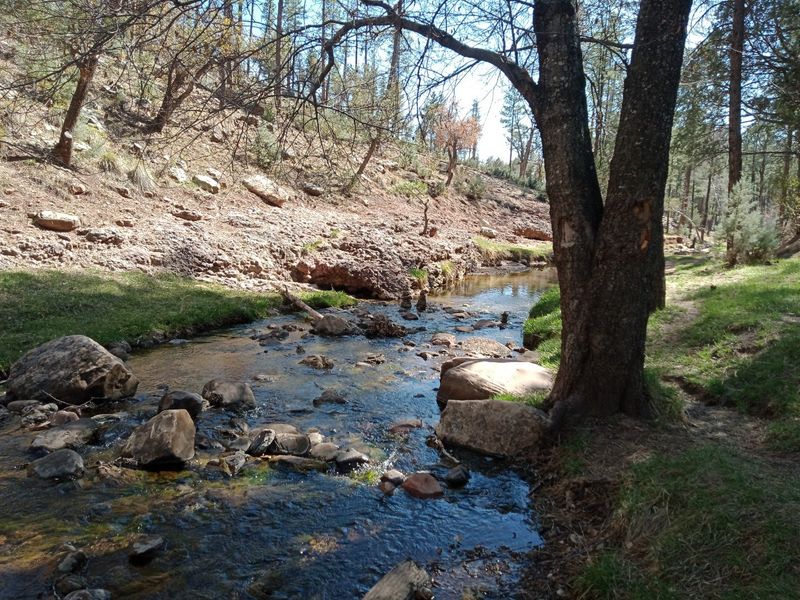
Billing itself as the Heart of Arizona, Payson sits at about 5,000 feet right below the towering Mogollon Rim. The Rim is a long escarpment covered in ponderosa pine, and it defines the whole feel of the area.
Payson is closer to Phoenix than most mountain towns on this list, making it a popular quick escape from the heat. The drive up brings a real change in scenery and temperature.
Outdoor options are everywhere, from creek pools and fishing spots to hiking trails along the Rim. The Tonto Natural Bridge State Park, north of town, features what is considered the largest natural travertine bridge in the world.
The town keeps a friendly, unhurried pace with local shops and diners. For a weekend cooldown without a marathon drive, Payson is hard to beat.
8. Williams

Route 66 nostalgia and pine-covered hills give Williams a personality all its own. Sitting at around 6,700 feet, it stays cool through the summer while keeping its retro roadside charm.
Williams is known as the Gateway to the Grand Canyon, and the Grand Canyon Railway departs from here for a scenic ride to the South Rim. That connection brings visitors, but the town itself stays small and easy to explore.
The old downtown is lined with classic Route 66 signs, diners, and souvenir shops that lean into the highway’s history. It is a fun stop for anyone who loves vintage Americana.
Nearby, the Kaibab National Forest offers lakes and trails for hiking and fishing. Between the cool air, the railroad, and the Route 66 heritage, Williams gives you both scenery and a story.
Enjoyed this story?
Add Fast Food Club as a preferred source to see more of our reporting on Google.