


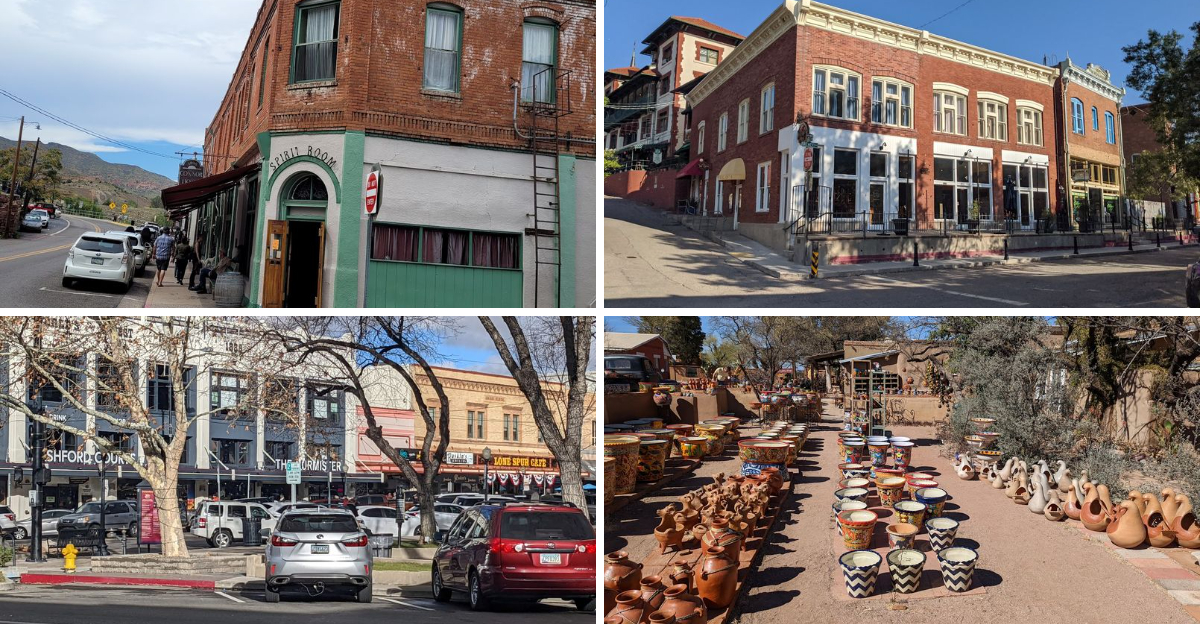
Arizona has plenty of fast-moving cities, but the real magic often shows up when you slow down and take a back road somewhere quieter. This list rounds up eight small towns where the pace is easy, the streets are walkable, and the scenery keeps changing from red rocks to pine forests to old mining hills.
Each stop gives you a different reason to linger, whether that means browsing artist studios, sipping something warm on a shaded porch, or just watching the light shift over the mountains. You do not need a big plan or a long weekend to enjoy any of them.
Pick one, pack a snack, and let the drive do the work. Here are eight charming Arizona towns worth building a slow day trip around.
1. Jerome
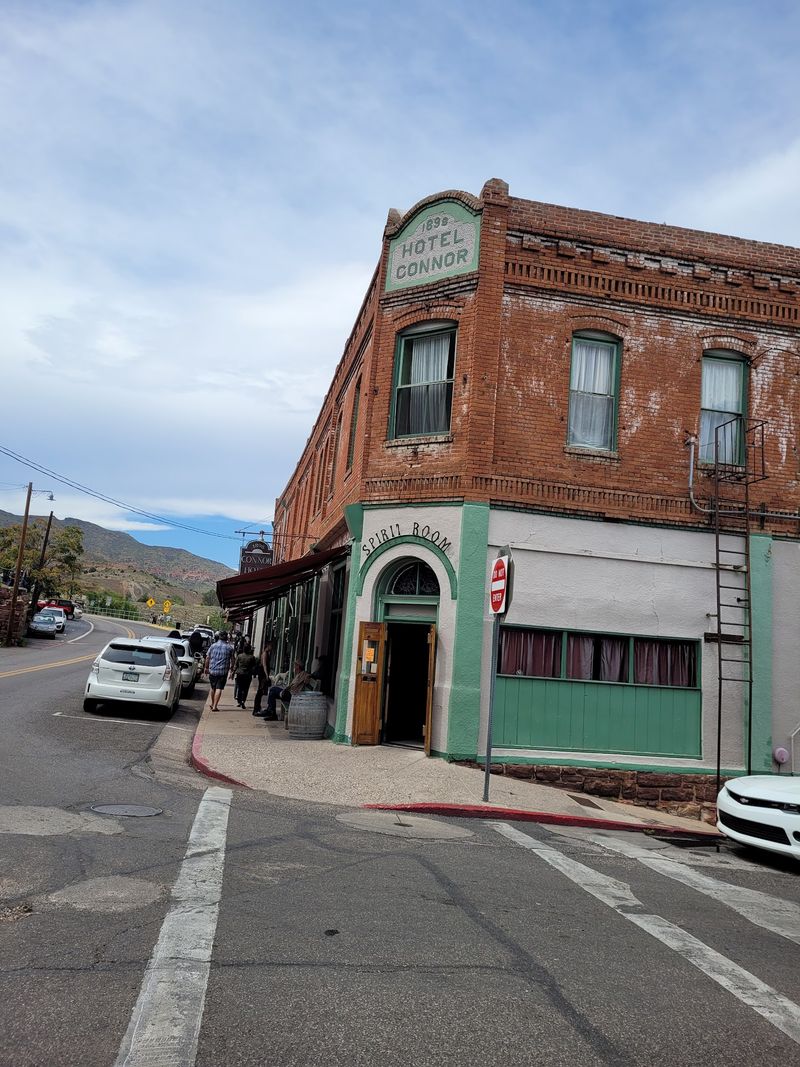
Clinging to the side of Cleopatra Hill at around 5,000 feet, Jerome started as a copper mining town and now leans fully into its artsy, offbeat reputation.
The steep streets are packed with galleries, small shops, and studios where you can watch working artists. Because the whole town is built on a slope, the views stretch across the Verde Valley toward the red rocks near Sedona.
History buffs can visit the Jerome State Historic Park at the Douglas Mansion, which covers the mining era and the families who ran it. Parking is limited, so arriving earlier in the day makes the walk around town easier.
I like Jerome for a slow afternoon because everything is close together and best explored on foot. It fits this list perfectly since rushing through it defeats the whole point.
2. Bisbee
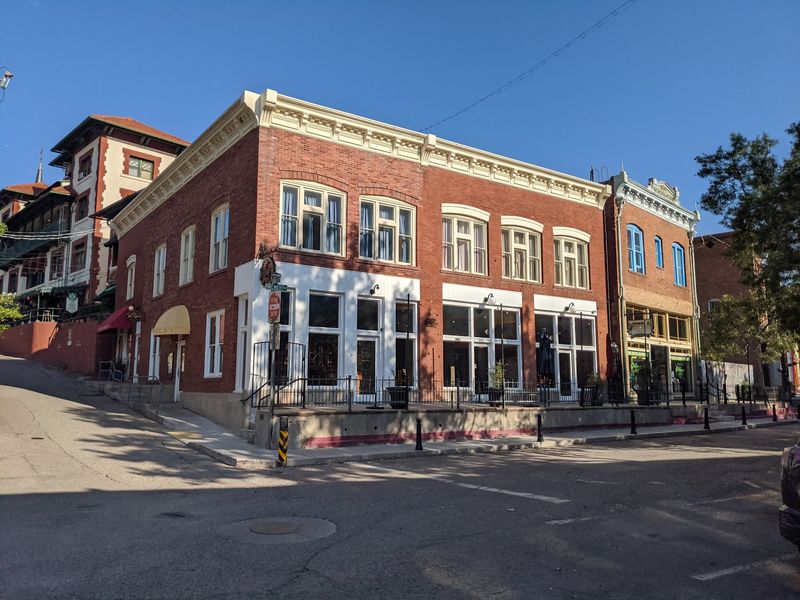
Down in the southern corner of the state, Bisbee is a former copper town that reinvented itself as a haven for artists and independent shops.
The town is famous for its steep public staircases that climb the hillsides between homes, and there is even an annual stair-climb event that uses them. Old Bisbee’s main street is lined with historic buildings, bookstores, and galleries.
You can go underground on the Queen Mine Tour, where former miners guide you into the tunnels and explain how the copper was pulled out. The Bisbee Mining and Historical Museum sits in the old company headquarters and covers the town’s boom years.
Bisbee makes the list because it rewards wandering. The winding streets and layered hillsides mean you keep discovering new corners, so plan to walk more than you drive.
3. Prescott
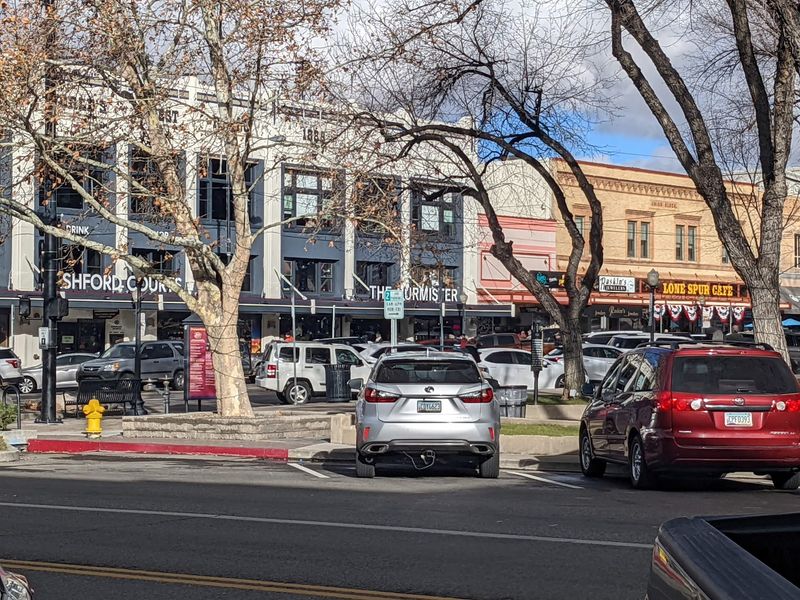
Set among pine forests at about 5,300 feet, Prescott offers a cooler escape and a genuinely walkable downtown centered on a courthouse plaza.
The Yavapai County Courthouse anchors the square, surrounded by shade trees, benches, and grassy areas that make it easy to sit for a while. Just off the plaza is Whiskey Row, a strip of historic buildings that now houses shops and restaurants.
History fans can visit the Sharlot Hall Museum, which spreads across several historic buildings and gardens covering central Arizona’s past. The Phippen Museum focuses on Western art if you want something more gallery-style.
What earns Prescott a spot here is its mix of mountain air and small-city comfort. You get a real downtown to stroll without the crowds or heat of the bigger cities.
4. Tubac
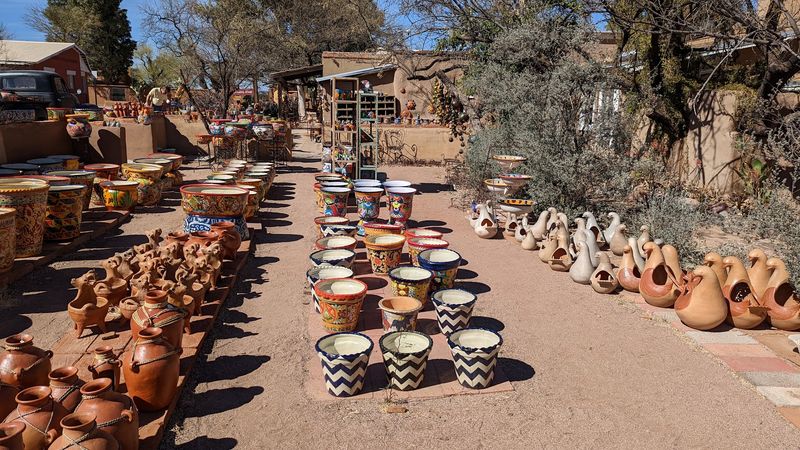
Founded as a Spanish presidio in the 1750s, Tubac wears its long history openly while doubling as one of the state’s most concentrated arts communities.
The village is packed with galleries, studios, and shops selling pottery, jewelry, and Southwestern crafts, all within an easy walking loop. Adobe-style buildings and shaded courtyards give the streets a relaxed, unhurried feel.
Tubac Presidio State Historic Park sits right in the heart of town and preserves the site of the original fort, along with an underground archaeology exhibit. Each February the town hosts a large arts festival that draws visitors from across the region.
I would save Tubac for a day when you want to browse without any rush. The whole village is designed for slow strolling, which is exactly what this trip is about.
5. Williams
Route 66 runs right through the middle of Williams, and the town has kept its retro roadside character alive with vintage signs and classic storefronts.
Williams is also known as the gateway to the Grand Canyon, and the Grand Canyon Railway departs from the historic depot here for a scenic ride north to the South Rim. That makes it a natural base for a bigger adventure or a quiet stop on its own.
The downtown blocks are lined with diners, souvenir shops, and old-school motels that lean into the Route 66 theme. At around 6,700 feet, it sits in ponderosa pine country, so summers stay milder than the desert floor.
Williams belongs on this list for travelers who like a little nostalgia with their slow day. It is easy to park, walk the main strip, and let the road-trip spirit take over.
6. Cottonwood
Sitting along the Verde River, Cottonwood pairs an easygoing Old Town district with quick access to the water and nearby state parks.
Old Town Cottonwood has a compact main street of restored brick buildings now filled with cafes, boutiques, and tasting rooms. Everything is close enough to explore in a single relaxed loop.
Outdoors, Dead Horse Ranch State Park offers riverside trails, fishing lagoons, and shaded picnic spots along the Verde. It is one of the easier places in the region to get right up to the water.
Cottonwood also works as a central launch point, since Jerome, Sedona, and the Verde Valley wine area all sit close by. That combination of a walkable center and outdoor options is why it fits so well into a slow-paced day.
7. Patagonia
Birdwatchers put Patagonia on the map, and for good reason, since this tiny town near the Mexican border sits in one of the country’s richest birding regions.
The Patagonia-Sonoita Creek Preserve, managed by The Nature Conservancy, protects a rare stretch of cottonwood-willow forest along a year-round creek. Trails wind through the trees, and the area draws serious birders hoping to spot species that are hard to find elsewhere in the U.S.
The town itself is small and quiet, with a shaded central park, a few cafes, and local shops that keep things simple. Nearby Patagonia Lake State Park adds boating, fishing, and more birding along the water.
Patagonia is the kind of place I would visit when I want genuine quiet and nothing rushing me. For nature lovers, it is one of the calmest stops on this route.
8. Tombstone
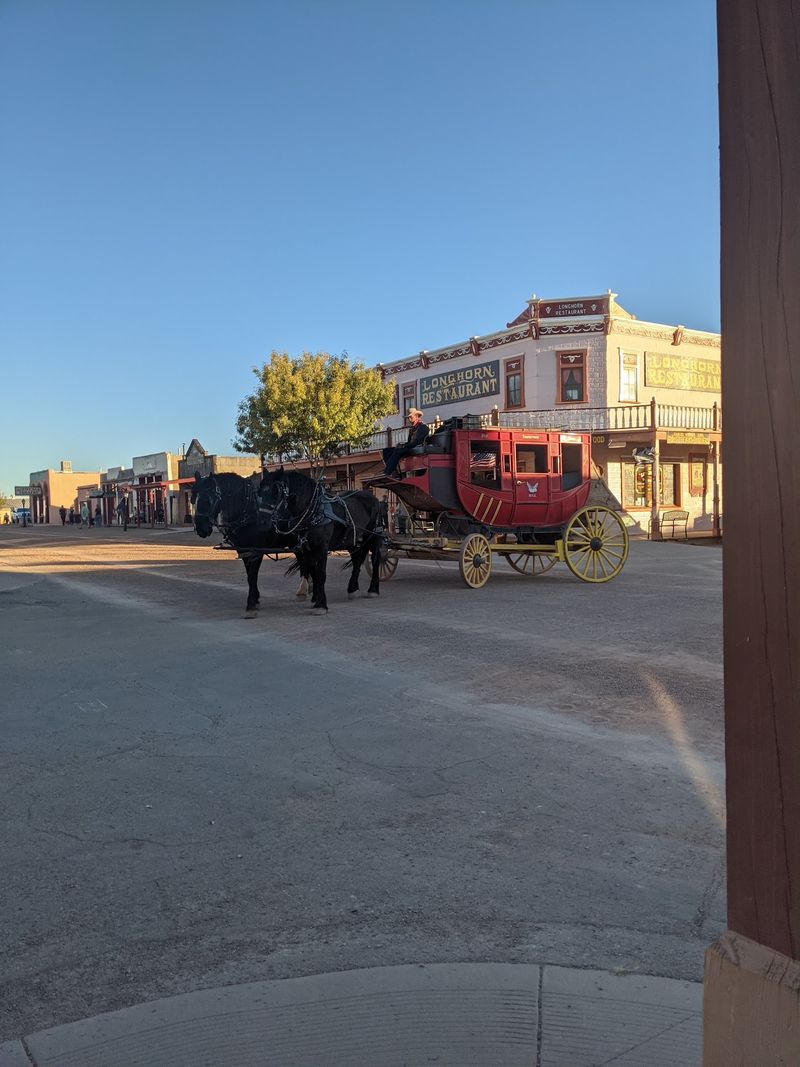
Few small towns lean into their history quite like Tombstone, the silver-mining boomtown that became a symbol of the Old West.
Allen Street is closed to regular traffic in the historic district, so you can walk the wooden boardwalks past preserved 1880s buildings. Stagecoach rides roll down the street, and daily reenactments bring the frontier era to life for visitors.
The Bird Cage Theatre and the O.K. Corral site are among the best-known stops, and the Tombstone Courthouse State Historic Park explains the town’s early government and mining days.
Costumed performers and period storefronts keep the whole district themed.
Tombstone earns its place because it is a full immersion into one specific chapter of Arizona history. Take your time, catch a reenactment, and let the town’s Old West setting set the pace for your day.
Enjoyed this story?
Add Fast Food Club as a preferred source to see more of our reporting on Google.