


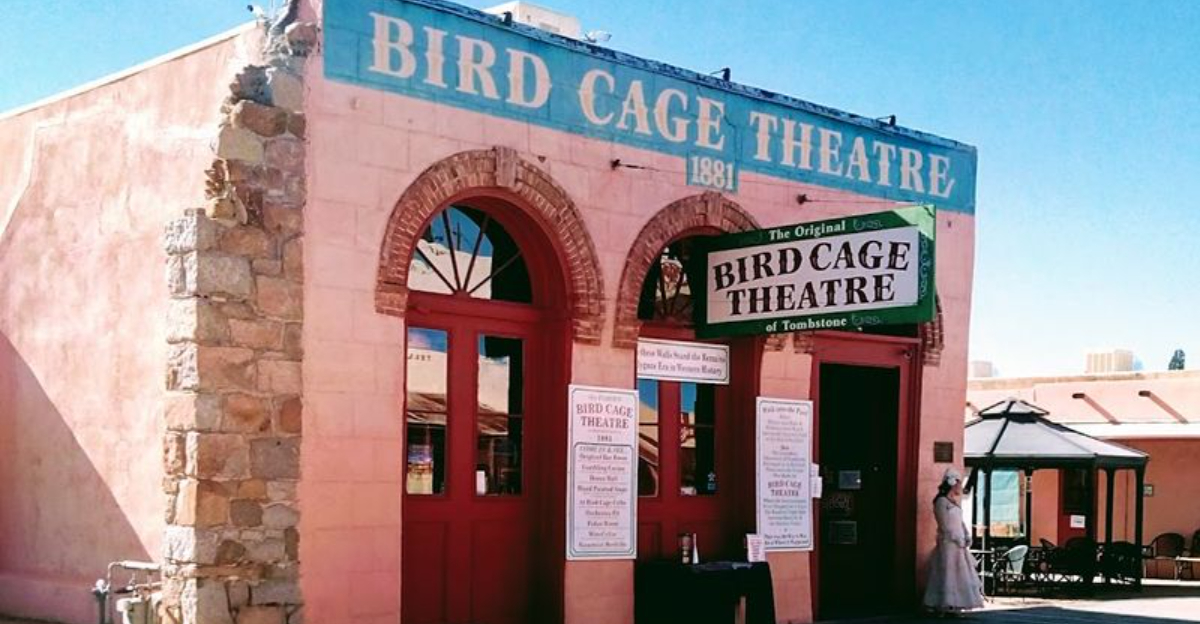
Tombstone, Arizona is one of those rare places where history feels alive and breathing. Tucked in the dusty hills of southeastern Arizona, this small town became famous during the silver boom of the 1880s and never let go of its Wild West spirit.
From legendary gunfights to ghost stories, Tombstone offers visitors a one-of-a-kind trip back in time. Whether you are a history buff, an adventure seeker, or just curious about the Old West, Tombstone has something truly unforgettable waiting for you.
The O.K. Corral Gunfight Re-enactment
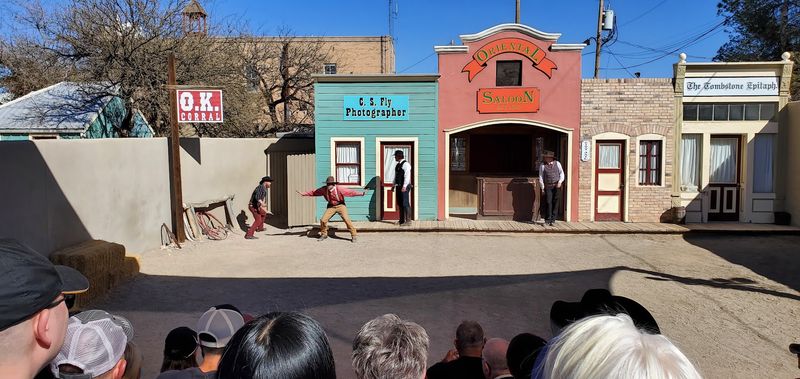
Few moments in American history are as legendary as the gunfight at the O.K. Corral on October 26, 1881.
That 30-second showdown between lawmen and outlaws became the stuff of Western legend, and today you can watch it come to life right where it happened.
The outdoor theater on historic Allen Street stages dramatic re-enactments with costumed actors who bring the Earp brothers and Doc Holliday back to life. The performances are lively, entertaining, and surprisingly educational.
Kids and adults alike find themselves completely absorbed in the action. Arrive a few minutes early to grab a good spot, because crowds do gather quickly.
The O.K. Corral site also includes exhibits, historical photos, and life-size figures that help paint a vivid picture of frontier justice.
This is easily one of the most iconic stops in all of Tombstone.
Boothill Graveyard
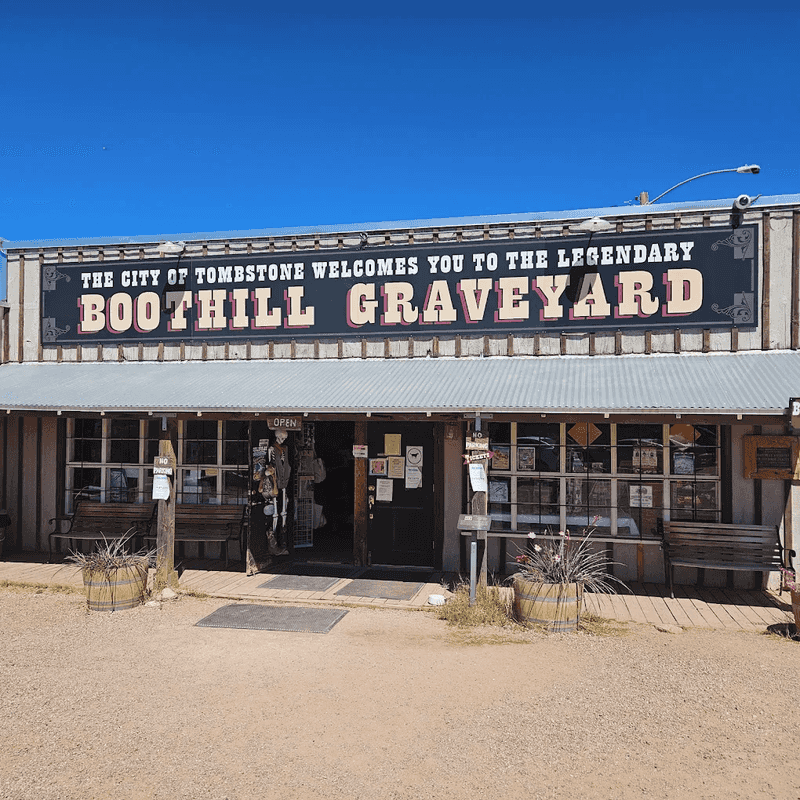
Boothill Graveyard has been quietly telling stories since 1878, and every crooked grave marker holds a tale worth hearing. Outlaws, miners, gamblers, and lawmen all ended up here, and their epitaphs range from solemn to surprisingly witty.
Walking through the cemetery feels like flipping through the pages of a dusty history book. Some markers read like short stories, hinting at violent ends and colorful lives.
The graves of Billy Clanton and the McLaury brothers, who were killed in the O.K. Corral gunfight, are among the most visited spots.
Admission is free, making it an easy and meaningful stop for any visitor. The graveyard sits just north of town and is well-maintained, with informational signs throughout.
Sunrise and late afternoon are especially atmospheric times to visit, when the desert light casts long shadows across the old stones.
Bird Cage Theatre
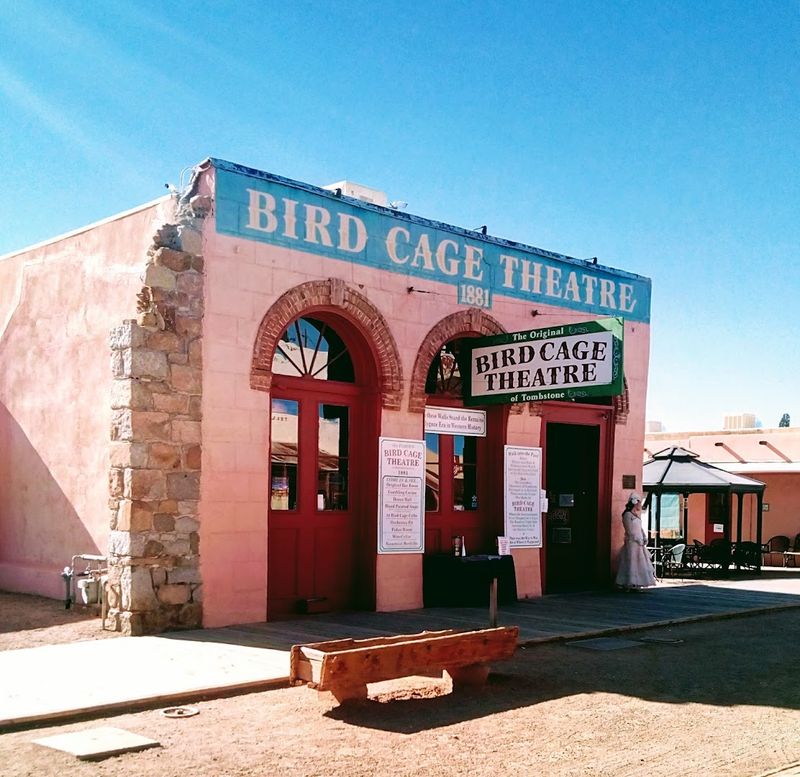
Bullet holes still dot the walls of the Bird Cage Theatre, and that alone tells you this place had a wild past. Open from 1881 to 1889, this combination saloon, gambling hall, and theater never closed its doors, running 24 hours a day, seven days a week for nearly a decade.
The New York Times once called it the wildest, wickedest night spot between Basin Street and the Barbary Coast. Today, visitors can walk through the original building, which has been preserved almost exactly as it was left when it closed.
Costumes, poker tables, and personal belongings from the 1880s are still on display. The Bird Cage is also famous for reported ghost sightings, making it a hotspot for paranormal enthusiasts.
Guided tours are available and packed with fascinating stories that bring every dark corner of this legendary building to life.
Tombstone Courthouse State Historic Park
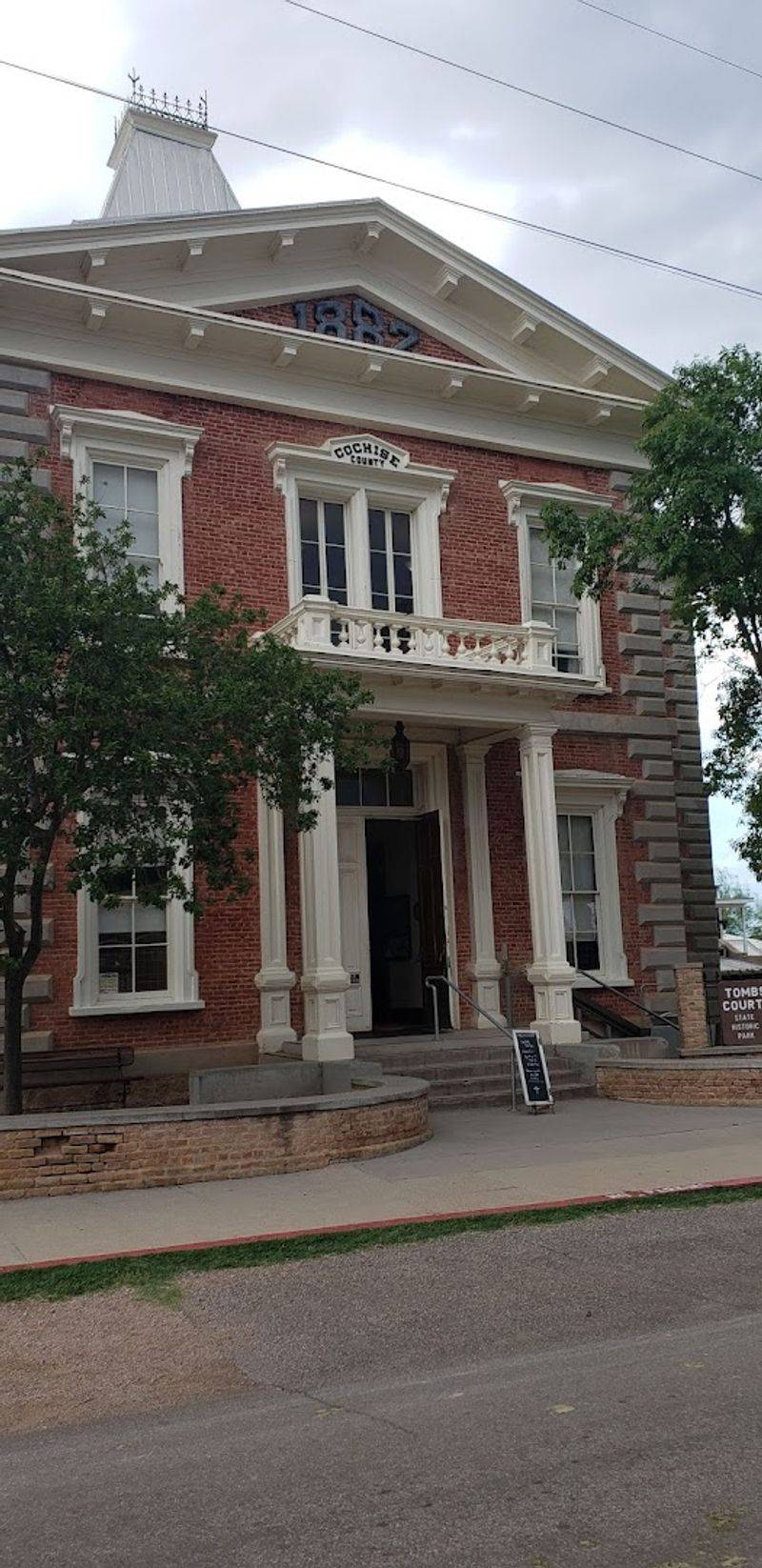
Built in 1882, the Tombstone Courthouse served as the center of law and order in one of the rowdiest territories in the American West. Today it operates as a state historic park and museum, offering one of the most well-organized collections of frontier history in Arizona.
Inside, exhibits cover everything from mining life and frontier justice to the political history of Cochise County. A replica gallows stands in the courtyard as a stark reminder of how punishment was carried out in those rough-and-tumble days.
The building itself is a beautiful example of Victorian-era architecture, which feels wonderfully out of place in the rugged desert setting. Rangers and museum staff are knowledgeable and happy to answer questions.
Whether you spend 30 minutes or two hours here, the courthouse park delivers rich historical context that deepens your appreciation for everything else you see in Tombstone.
Historic Allen Street
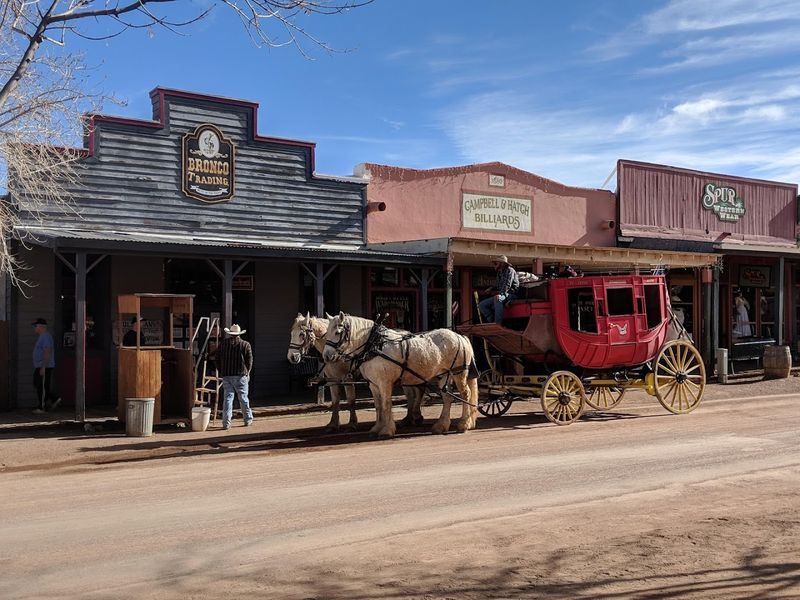
Step onto Allen Street and the modern world melts away almost instantly. The wooden boardwalks, period storefronts, and costumed locals create an atmosphere that feels genuinely rooted in the 1880s rather than just staged for tourists.
Allen Street is the beating heart of Tombstone, lined with shops, restaurants, saloons, and museums all within easy walking distance. You can pick up authentic Western gear, taste frontier-style food, or simply soak in the atmosphere with a cold drink in hand.
Street performances, gunfight shows, and stagecoach rides pop up throughout the day, keeping things lively and entertaining. The street is mostly pedestrian-friendly, which makes exploring it relaxed and enjoyable for families.
Come in the late afternoon when the golden desert light hits the wooden facades and the whole street glows with a warm, cinematic quality that makes every photo look like a painting.
Wyatt Earp and Doc Holliday History
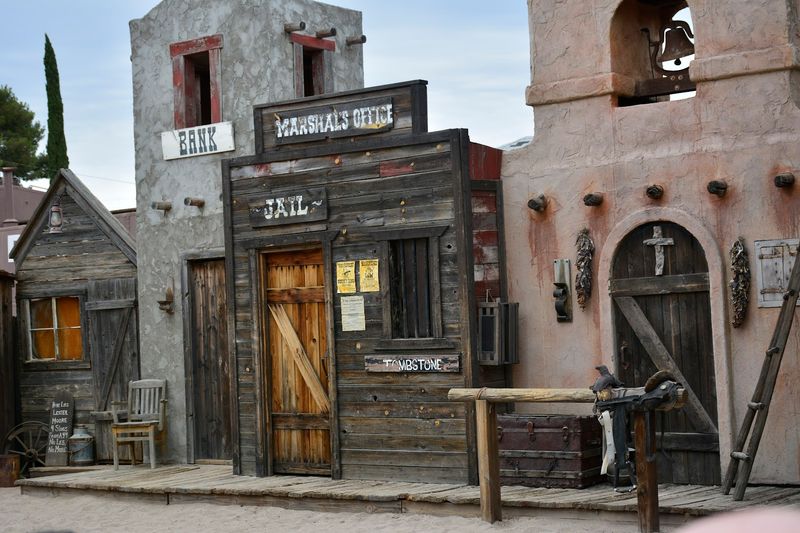
Wyatt Earp and Doc Holliday are two of the most fascinating figures in American frontier history, and Tombstone is where their legends were cemented forever. Wyatt was a lawman with an iron reputation, while Doc was a tuberculosis-stricken gambler and dentist who somehow became one of the most feared gunfighters of his era.
Their friendship was unlikely but unshakeable, and Tombstone gives visitors plenty of opportunities to explore their stories in depth. Museums, walking tours, and re-enactments all paint vivid portraits of these two complex men.
The Wyatt Earp House on Fremont Street is a must-see for fans of frontier history. Several books and exhibits also shed light on the political tensions and personal rivalries that led to the famous gunfight.
Understanding these two men makes every other part of Tombstone feel richer and more meaningful.
Tombstone Silver Mining History
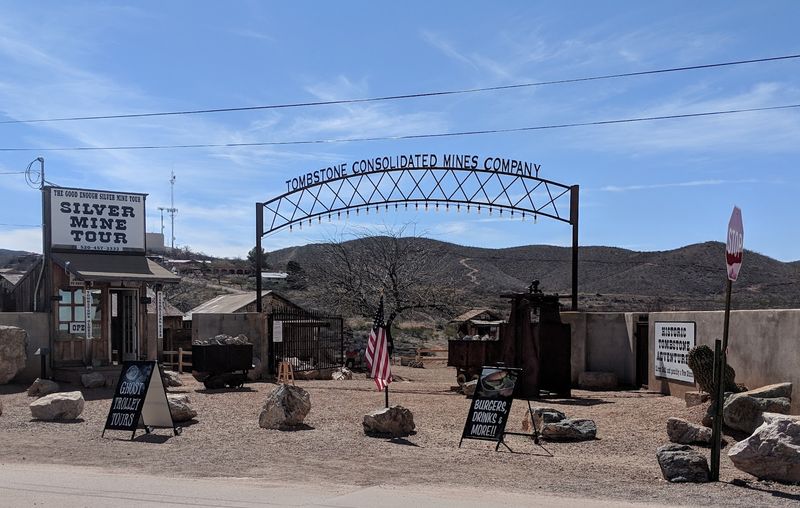
Before the gunfights and ghost stories, silver is what put Tombstone on the map. Ed Schieffelin discovered silver in these hills in 1877, and within a few years the town had exploded into one of the richest mining communities in the American West.
At its peak, Tombstone boasted a population of around 10,000 people, which was extraordinary for a desert town in the 1880s. The mines produced millions of dollars worth of silver ore before flooding and falling silver prices eventually shut them down.
Today, visitors can learn about this mining heritage through exhibits at the Tombstone Courthouse and various local museums. The story of Tombstone’s rise and fall mirrors countless other boom-and-bust tales from the American frontier, but few are told with as much drama and color.
Understanding the silver rush adds a whole new layer to your visit.
Stagecoach Rides Through Town
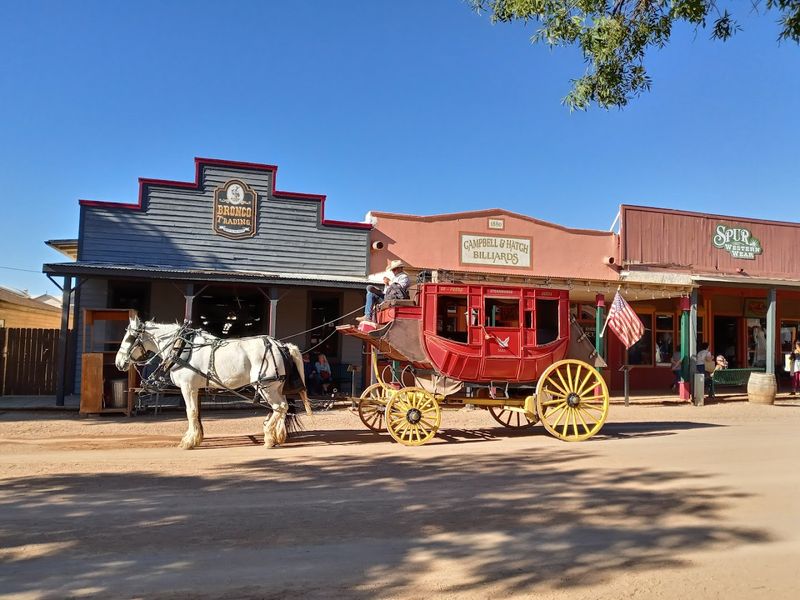
Climbing aboard a real stagecoach and rolling down the dusty streets of Tombstone is one of those experiences that simply cannot be replicated anywhere else. The creak of the wooden wheels, the clip-clop of the horses, and the warm desert air combine into something genuinely magical.
Stagecoach rides are available throughout the day along Allen Street and the surrounding historic district. Drivers often double as tour guides, sharing colorful stories and historical tidbits as you roll past landmarks.
It is a wonderful option for families with younger children who may not have the patience for museum exhibits.
Rides are usually short but deeply memorable, offering a perspective on Tombstone that you just cannot get on foot. Prices are reasonable, and the photo opportunities are outstanding.
If you only pick one extra activity during your visit, make it this one.
Tombstone Epitaph Newspaper Museum
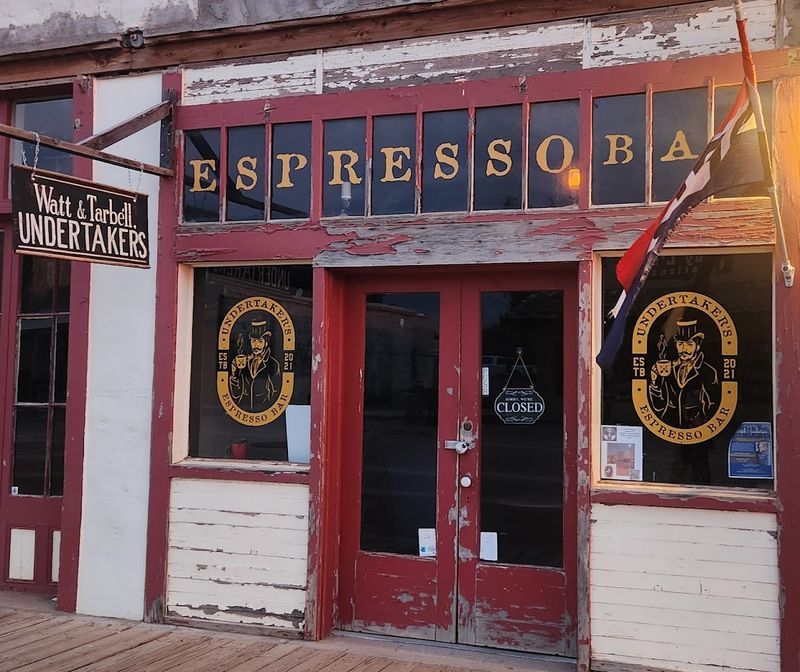
Founded in 1880, the Tombstone Epitaph is one of the oldest continuously published newspapers in Arizona, and its museum is a hidden gem that most visitors overlook. The name itself was famously mocked when it was founded, with critics joking that every tombstone needed an epitaph.
Inside, you can see original printing presses, historic front pages, and artifacts that document Tombstone’s wildest years. The paper covered the O.K.
Corral gunfight as breaking news, and seeing those original headlines feels like touching history with your bare hands.
The museum is small but packed with fascinating material, especially for anyone interested in journalism, printing history, or frontier life. Staff members are enthusiastic and knowledgeable, often sharing behind-the-scenes stories about the paper’s long history.
You can even purchase reprints of historic editions as unique souvenirs to take home.
Rose Tree Museum
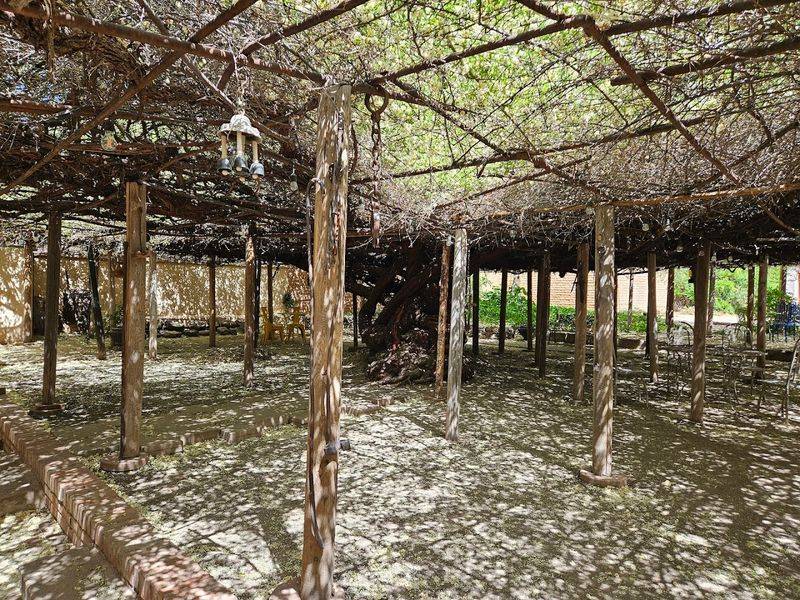
Tucked quietly on Fourth Street, the Rose Tree Museum is home to one of the most unexpected sights in all of Tombstone. A single Lady Banksia rose bush, planted in 1885, has grown into what the Guinness World Records once recognized as the world’s largest rose tree, covering over 8,000 square feet of trellis.
When it blooms in April, the effect is absolutely breathtaking, with thousands of small white roses cascading across the wooden framework in a stunning floral canopy. Even outside of bloom season, the museum itself is worth a visit for its collection of Victorian-era furniture, clothing, and household items.
The museum offers a softer, quieter side of Tombstone that balances out all the gunfight drama beautifully. Admission is affordable, and the garden setting makes it a lovely spot to rest your feet and enjoy a peaceful moment.
Good Enough Mine Tour
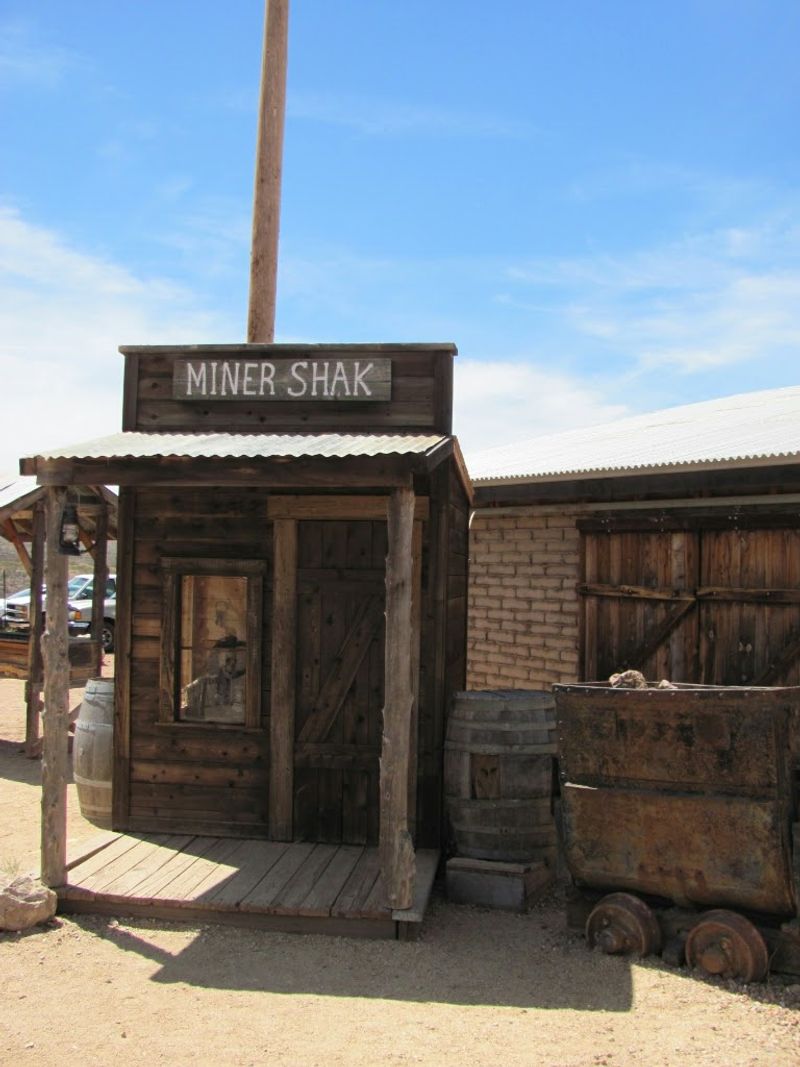
Going underground at the Good Enough Mine is one of the most thrilling and educational experiences Tombstone has to offer. This was one of the most productive silver mines of the 1880s, and descending into its tunnels gives you a visceral sense of the dangerous, grueling work that built this town.
Guided tours take visitors through original mine shafts and explain the equipment, techniques, and daily realities of frontier mining life. The temperature underground is noticeably cooler than the Arizona desert above, which is a welcome relief on hot summer days.
Guides are entertaining and informative, weaving real history with personal anecdotes that make the experience memorable rather than just educational. The mine tour is suitable for most ages, though those with claustrophobia may want to check the tunnel dimensions beforehand.
It is a genuinely immersive step back into Tombstone’s silver rush era.
Helldorado Days Festival
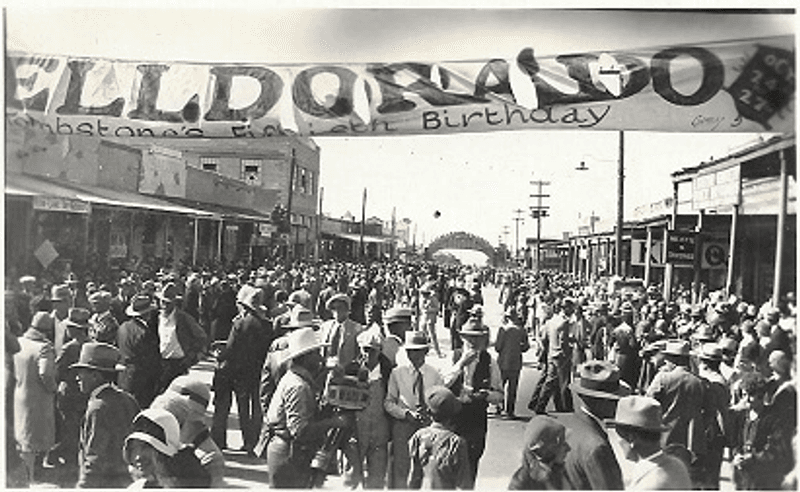
Every October, Tombstone throws one of the most spirited Western festivals in the entire country, and Helldorado Days has been drawing crowds since 1929. The three-day celebration transforms the already colorful town into an even wilder version of its 1880s self.
Events include gunfight competitions, Western fashion shows, live music, street dances, and a lively parade down Allen Street. Competitors travel from across the country to participate in shooting competitions that test both speed and accuracy with period-correct firearms.
The festival atmosphere is infectious, with locals and visitors alike dressing in full period costumes and embracing the frontier spirit wholeheartedly. Food vendors line the streets with hearty Western fare, and the whole event has an energy that is hard to describe until you experience it yourself.
If your travel dates are flexible, planning your Tombstone visit around Helldorado Days is absolutely worth it.
St. Paul’s Episcopal Church
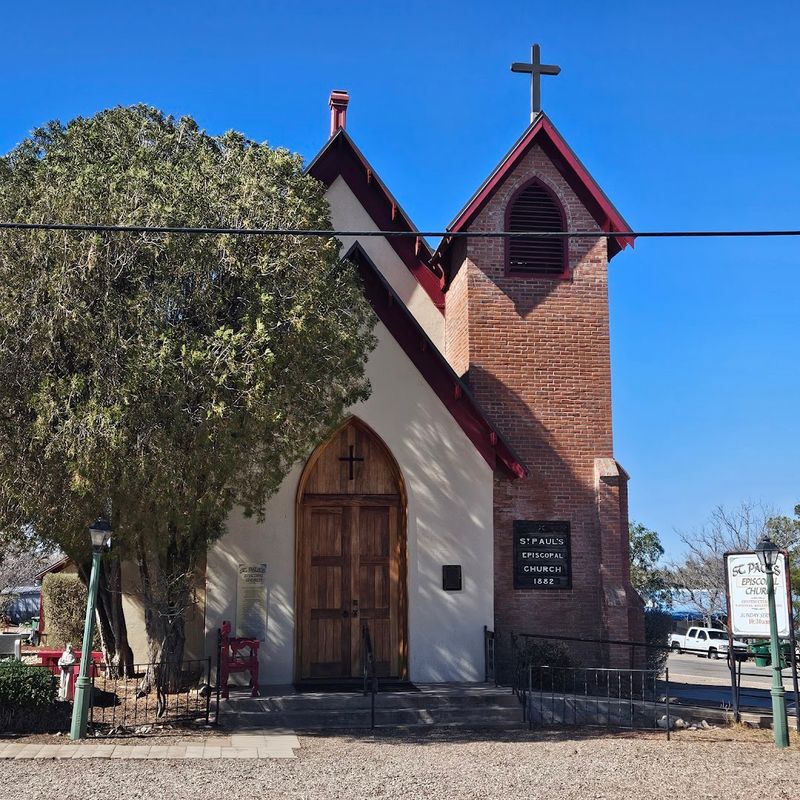
Not everything in Tombstone is about outlaws and gunfights. St. Paul’s Episcopal Church, built in 1882, stands as a quiet reminder that everyday community life existed alongside all that frontier chaos.
It holds the distinction of being the oldest Protestant church in Arizona that is still in use today.
The building is beautifully simple, with white-painted wood siding and a modest steeple that has weathered well over 140 years of desert heat and storms. Inside, the original pews, stained glass windows, and altar create a serene atmosphere that feels genuinely sacred.
Visitors are welcome to step inside during open hours and take in the peaceful surroundings. The church also holds regular services, meaning it is still an active place of worship rather than just a museum piece.
Stopping here offers a moving and humanizing counterpoint to the more dramatic attractions that Tombstone is known for.
Enjoyed this story?
Add Fast Food Club as a preferred source to see more of our reporting on Google.