


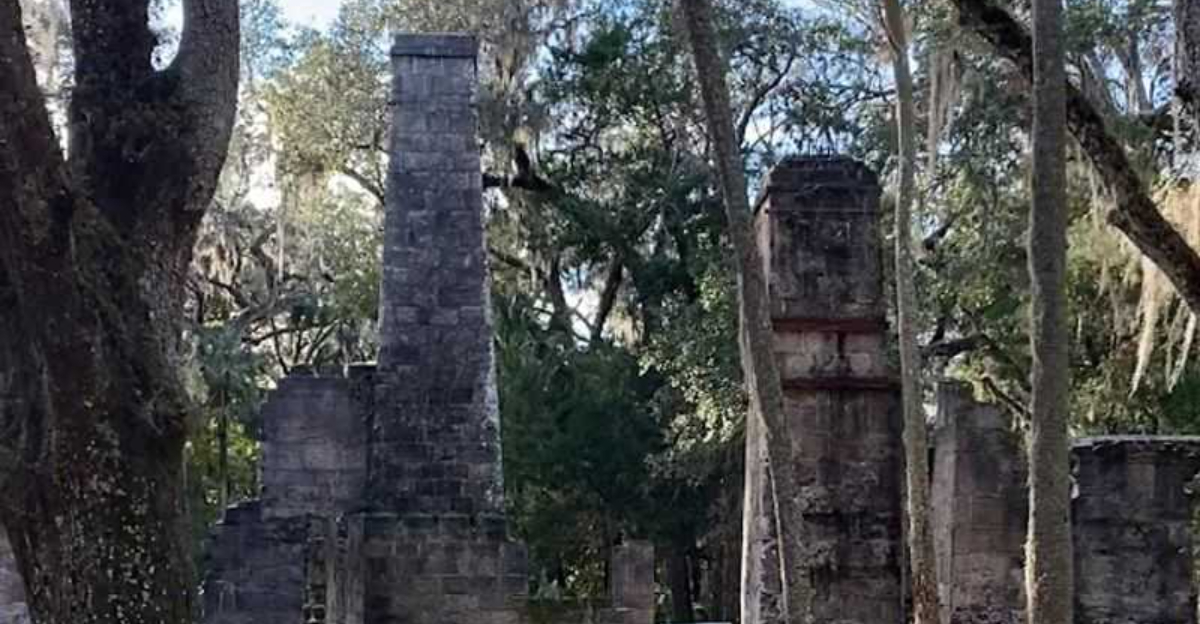
Tucked away down a long, winding dirt road in Flagler Beach, Florida, Bulow Plantation Ruins Historic State Park holds stories that stretch back nearly 200 years. Once the largest sugar plantation in East Florida, this site was burned to the ground during the Second Seminole War in 1836, leaving behind haunting coquina stone walls that still stand today.
Famous naturalist John James Audubon even visited this remote region, making it a place where history and nature collide in the most unexpected way. Whether you love hiking, paddling, or learning about the past, this hidden gem is absolutely worth the trip.
The Coquina Sugar Mill Ruins
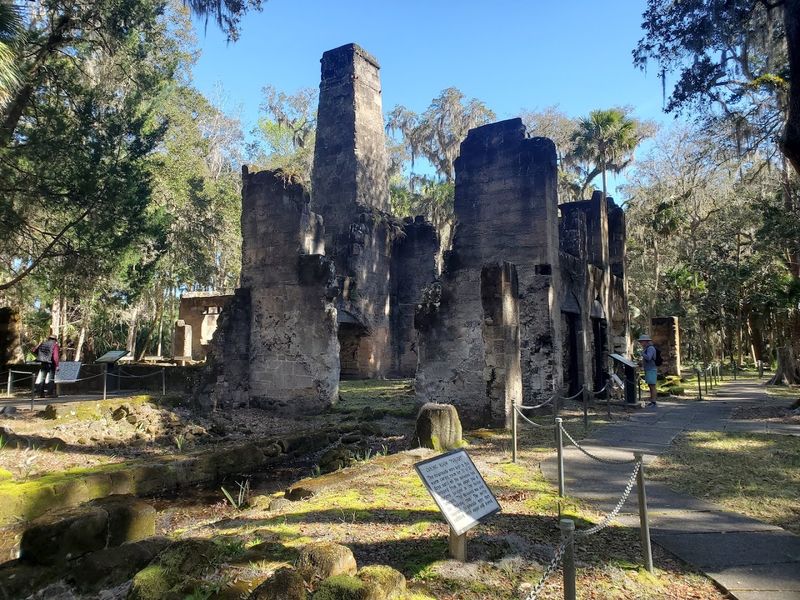
Standing face-to-face with walls built nearly two centuries ago gives you an eerie, almost magical feeling. The coquina sugar mill ruins at Bulow Plantation are the most striking feature of the entire park.
Made from a shell-rock material called coquina, these walls have survived fire, war, and time itself.
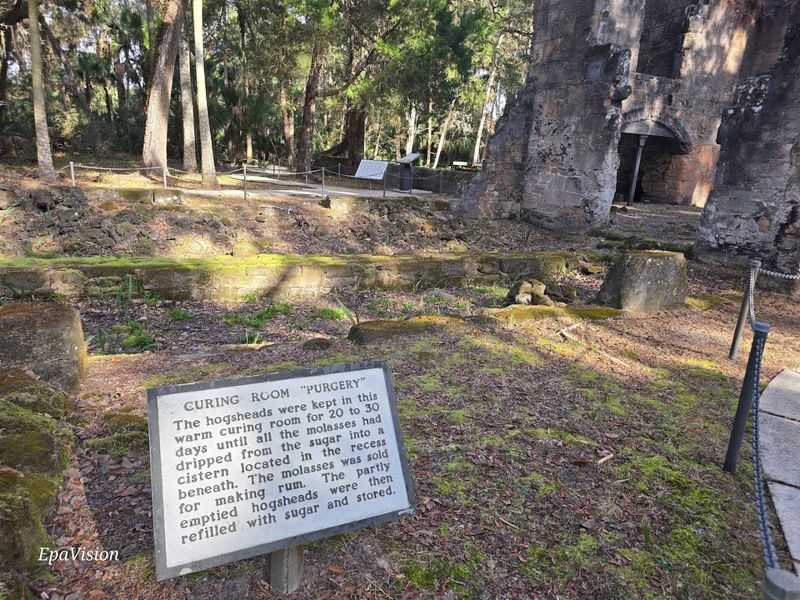
Informational plaques placed throughout the site explain exactly how sugar cane was processed here in the sweltering Florida heat. You can almost picture the enormous machinery grinding away, powered by enslaved workers who had no choice in the matter.
The preserved structure tells a story that no textbook quite captures.
Visitors consistently describe the ruins as breathtaking, especially when dappled in golden afternoon sunlight. A short walk from the main parking area brings you right to the site.
Bring your camera, because every angle of these ancient walls makes for a stunning photograph worth keeping.
The History of the Bulow Family Plantation
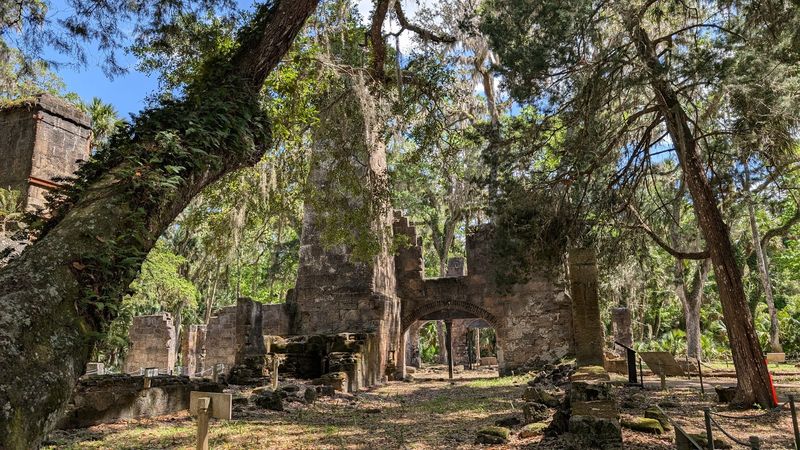
Charles Wilhelm Bulow purchased this land in 1821, and his son John Joachim Bulow expanded it into the largest plantation in East Florida. At its peak, the plantation covered over 4,000 acres and produced sugar cane, cotton, rice, and indigo.
The scale of the operation was enormous by any standard of that era.
John Bulow was only in his early twenties when he took over after his father died, yet he managed a workforce of over 300 enslaved people. The plantation operated a sugar mill, a cotton gin, and even a rum distillery.
Prosperity here was built entirely on the labor of people who were never paid or free.
By 1836, everything changed when the Second Seminole War reached the plantation’s doorstep. The ruins you see today are all that remain of what was once a thriving, troubling empire.
Walking the grounds encourages visitors to reflect on this layered, complicated history.
The Second Seminole War Connection
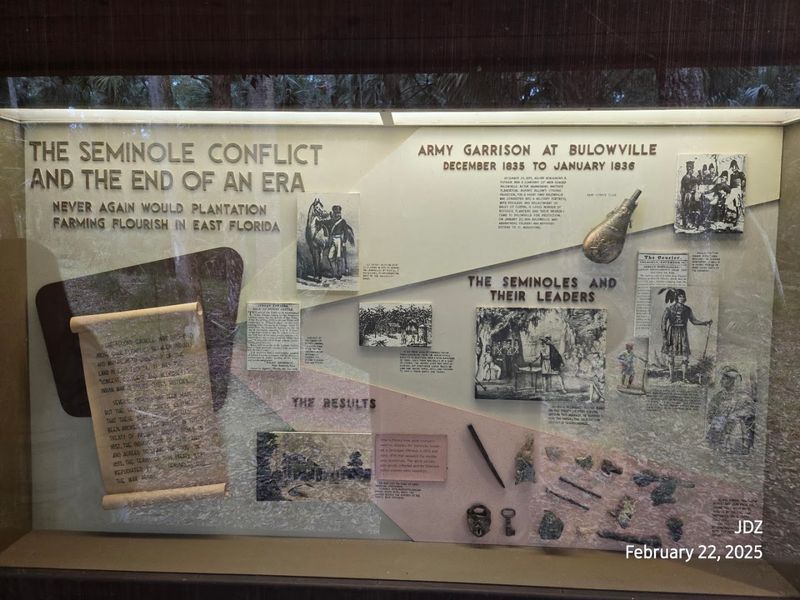
Few people realize that a major chapter of the Second Seminole War played out right here in Flagler County. In January 1836, Seminole warriors burned the Bulow Plantation to the ground rather than let it serve as a military base for U.S. forces.
That single act of resistance ended the plantation era almost overnight.
John Bulow had actually tried to maintain a neutral stance between the U.S. military and the Seminole people. He reportedly refused to allow soldiers to use his property as a staging ground.
But the conflict swept through regardless, and the plantation never recovered.
The park does a thoughtful job of presenting multiple perspectives on these events through its interpretive displays. Understanding the Seminole side of the story adds real depth to your visit.
Rangers who lead guided tours break down the timeline in a way that is both educational and genuinely engaging for all ages.
John James Audubon’s Visit to the Area
Long before the plantation was destroyed, the legendary naturalist John James Audubon visited the Bulow area during his 1831 Florida expedition. He was in his late 40s at the time and traveling the Southeast coast in search of birds to document for his famous work, “The Birds of America.” The wild, untouched landscape around Bulow Creek was exactly the kind of habitat he sought out.
Audubon stayed as a guest at the plantation and used the surrounding hammock and waterways to observe and sketch native bird species. Several birds he documented during this trip are believed to have been spotted right in this region.
His presence here adds a remarkable layer of cultural and scientific history to the site.
For bird lovers and history buffs alike, knowing that Audubon once walked these same trails makes every step feel more meaningful. Keep your eyes open along Bulow Creek, because the birdlife here is still spectacular today.
Bulow Creek Canoe and Kayak Trail
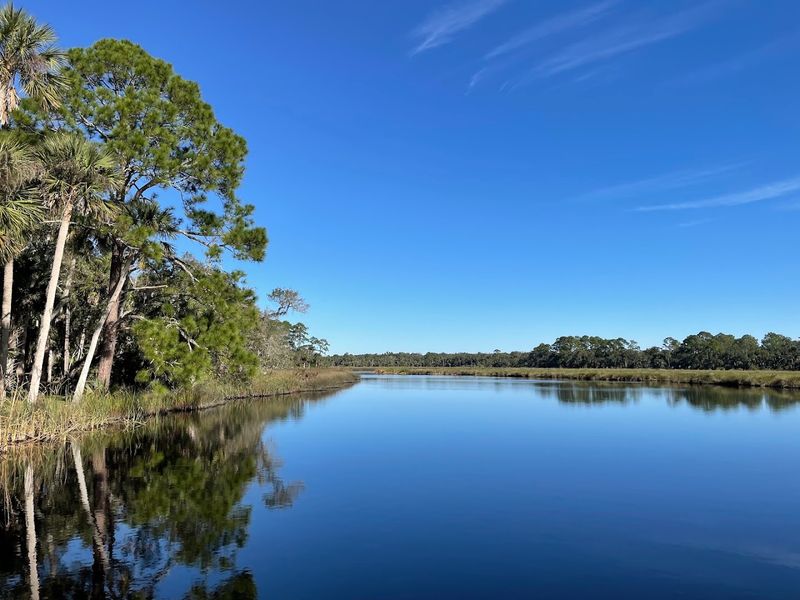
Gliding along Bulow Creek in a canoe or kayak is one of those experiences that feels completely removed from the modern world. The waterway winds through a dense coastal hammock, shaded by ancient oaks draped in Spanish moss.
It is quiet, peaceful, and absolutely stunning no matter what time of year you visit.
The park provides a convenient boat ramp and kayak launch area, making it easy to get on the water without much hassle. Paddlers often spot herons, ospreys, turtles, and even the occasional manatee along this stretch of creek.
The calm current makes it manageable for beginners and still enjoyable for experienced paddlers.
One reviewer described launching their kayak here and having the entire creek to themselves, which honestly sounds like a dream. Plan to spend at least a couple of hours on the water to fully soak in the scenery.
Bulow Creek is one of Florida’s most underrated paddling destinations, full stop.
The Self-Guided Walking Tour
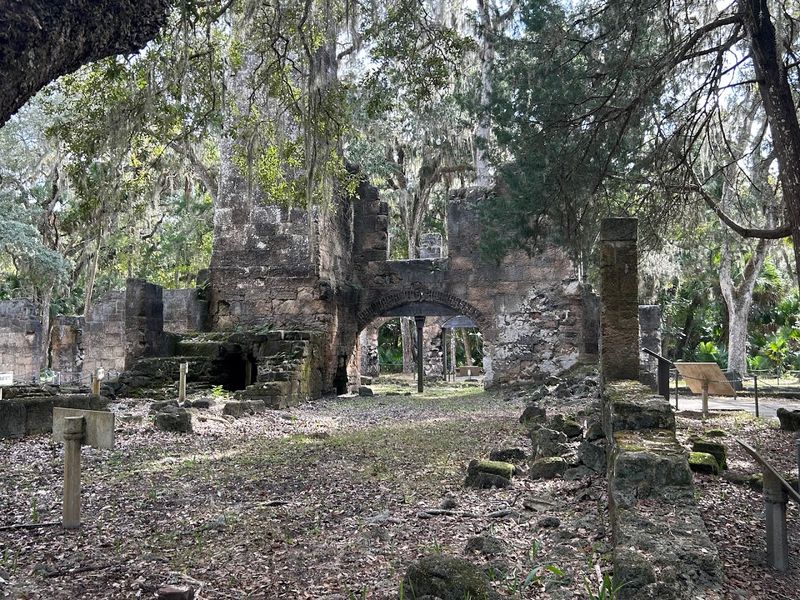
Not everyone wants to wait for a ranger tour, and that is perfectly fine at Bulow Plantation Ruins Historic State Park. A well-marked self-guided tour takes you through the key historic sites at your own pace, with detailed signage explaining what you are looking at every step of the way.
It is genuinely one of the better self-guided experiences in Florida’s state park system.
The route covers the sugar mill ruins, the plantation house foundation, the tabby slave cabin remains, and several interpretive exhibits. Each stop adds a new layer to the story, building a picture of daily life on the plantation from multiple angles.
You will leave knowing far more than when you arrived.
Most visitors complete the main loop in about 45 minutes to an hour, though curious explorers often linger much longer. Comfortable shoes are a must since parts of the trail can be uneven.
Go at your own pace and let the history sink in naturally.
Tabby Slave Cabin Remains
Tucked behind the main picnic area, a short side trail leads to one of the most sobering spots in the entire park: the remains of the tabby slave cabins. Tabby is a building material made from oyster shells, sand, and water, and it was commonly used in the antebellum South.
These foundations are among the few surviving physical traces of the hundreds of enslaved people who lived and worked here.
Standing at this site is a quiet, reflective moment that many visitors say stays with them long after they leave. The park does not shy away from this history, presenting it honestly through interpretive signage that acknowledges the full human cost of the plantation system.
That honesty makes the experience more meaningful, not less.
One reviewer noted that this spot made them truly appreciate the immense hardship of enslaved workers in a way that felt deeply personal. Do not skip this trail.
It is small but carries enormous historical weight.
The Entrance Road Experience
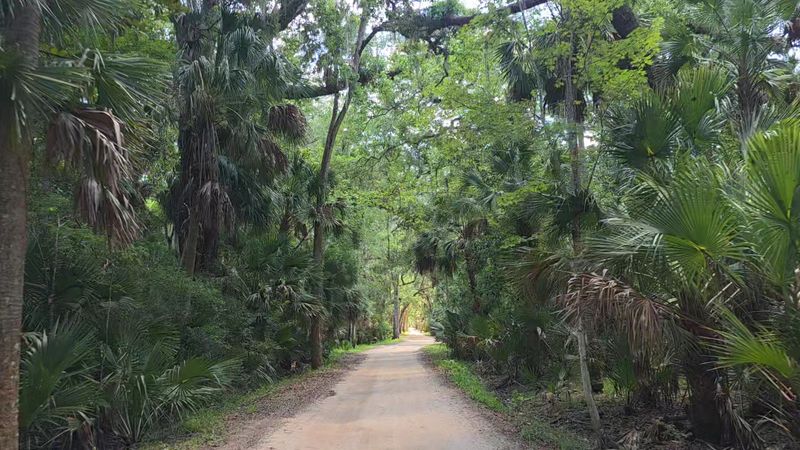
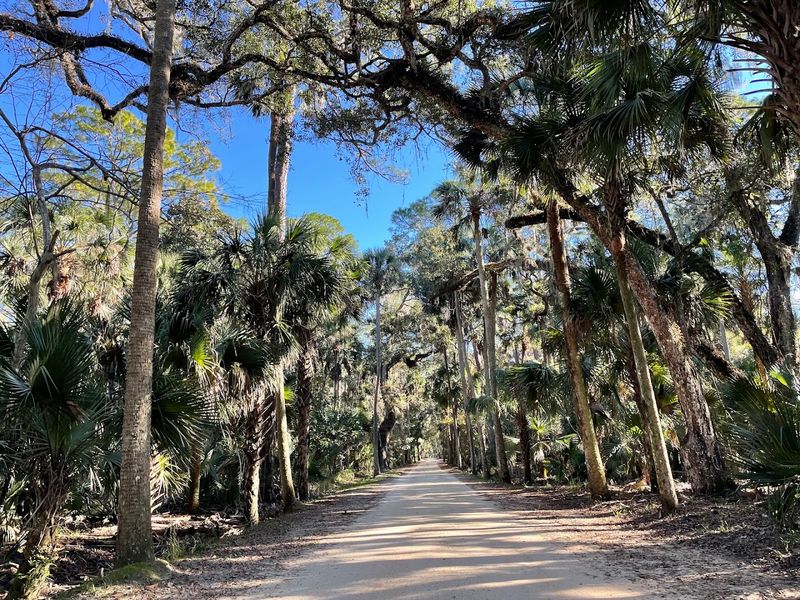
Before you even reach the ruins, the park itself starts making an impression. The entrance road to Bulow Plantation Ruins is a long, narrow dirt path that winds through a dense coastal hammock, and driving it feels like traveling back in time.
Overhanging trees form a natural canopy that blocks out the modern world almost entirely.
Several visitors have described this drive as surprisingly atmospheric, even a little adventurous. The road is passable in a regular car, but go slowly and enjoy the transition from highway to wilderness.
It genuinely sets the mood for everything you are about to see and learn.
After a rainy day, parts of the road can get soft, so checking conditions ahead of your visit is a smart move. The park address is 3501 Old Kings Rd, Flagler Beach, FL 32136, and your GPS should get you there without trouble.
That entrance road alone is part of what makes this place feel so special and secluded.
Hiking Trails Through the Coastal Hammock
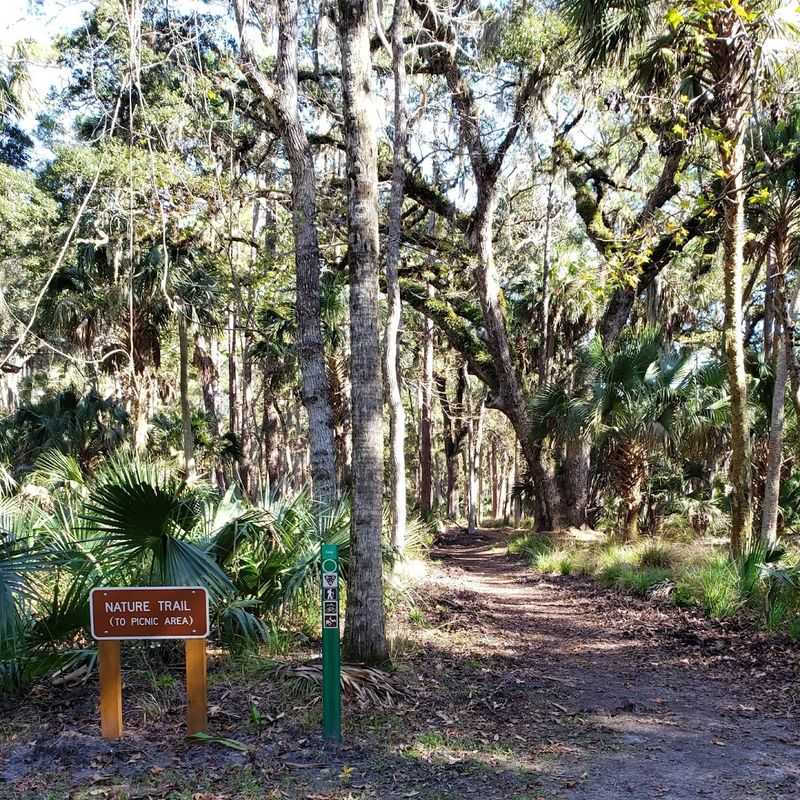
Beyond the ruins, Bulow Plantation Ruins Historic State Park offers some seriously rewarding hiking through one of Florida’s most beautiful natural environments. The coastal hammock ecosystem here is dense, green, and full of wildlife, with towering live oaks, sabal palms, and an understory thick with native plants.
It feels nothing like the flat, scrubby landscapes many people associate with Florida.
The park features both short loops and longer trail options, including access to a six-mile trail that serious hikers absolutely love. One reviewer hiked out to Cedar Creek and raved about the view from the footbridge, calling it a highlight of their entire trip.
Even a shorter walk rewards you with shade, birdsong, and a real sense of wilderness.
Early morning is the best time to hike here, both for cooler temperatures and better wildlife sightings. Bring water, wear sunscreen, and lace up those shoes properly.
The trails here are well worth every step you take.
Park Hours, Fees, and Practical Visitor Tips
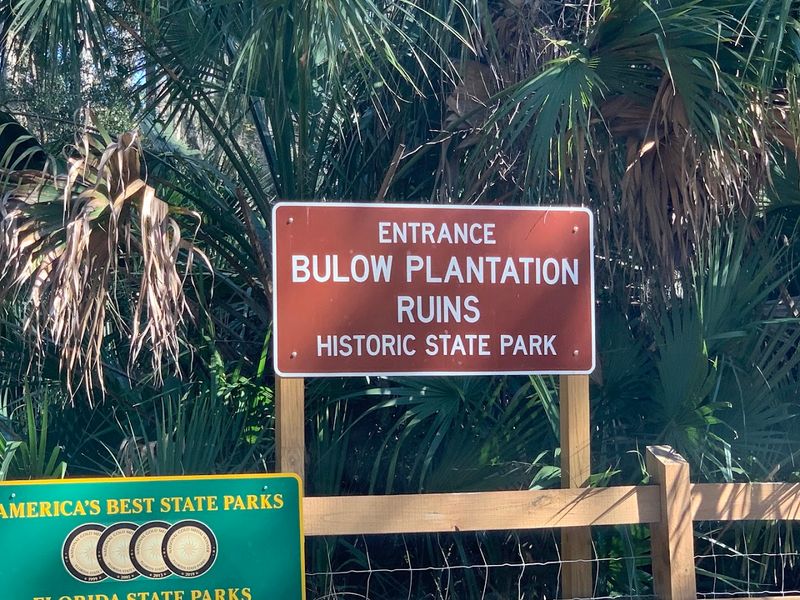
Planning your visit smartly makes all the difference at this park. Bulow Plantation Ruins Historic State Park is open Thursday through Monday from 9 AM to 5 PM, and it is closed on Tuesdays and Wednesdays.
If you are driving from out of town, double-checking those days before you go will save you a wasted trip.
Admission is just $4 per vehicle, collected through an honor-box system at the entrance. A QR code is available if you prefer to pay digitally, which is a handy modern touch for a park that feels refreshingly old-school in every other way.
Pedestrians and cyclists pay $2. Bring a few dollars in cash just in case.
Restrooms are available at the park, and there are shaded picnic areas perfect for a lunch break between hiking and exploring. The park phone number is +1 386-517-2084 if you want to call ahead.
Arriving early on weekends is wise since parking is limited near the main ruins area.
Wildlife Watching and Birdlife
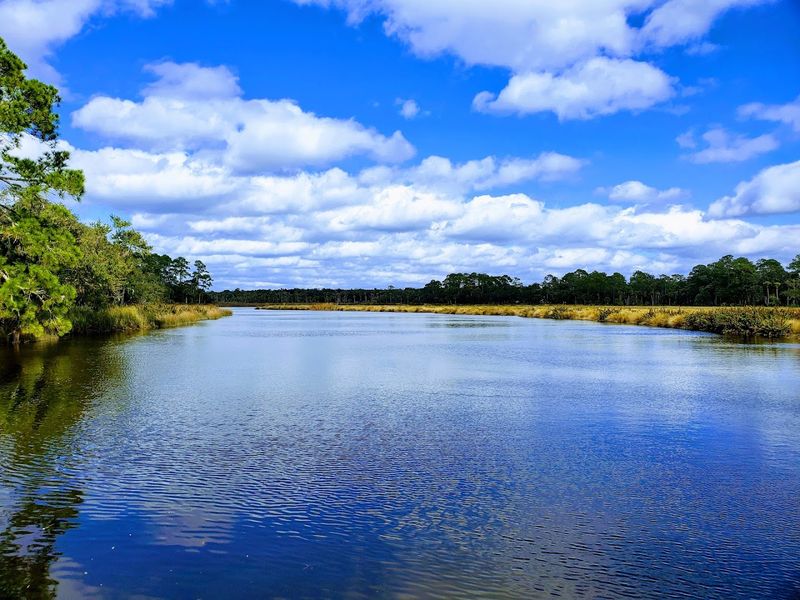
Wildlife enthusiasts are going to absolutely love what Bulow Plantation Ruins has to offer beyond the history. The coastal hammock and creek ecosystem supports an impressive variety of birds, reptiles, and mammals that make every visit feel like a mini nature documentary.
Herons, ospreys, woodpeckers, and wild turkeys are among the species spotted regularly by visitors.
Given that John James Audubon himself came here specifically for the birdlife nearly 200 years ago, you know the habitat has to be something special. Bulow Creek in particular is a prime corridor for wading birds and migratory species during the right seasons.
Bring binoculars if you have them, because the views from the waterfront are tailor-made for birding.
Turtles often sun themselves along the creek banks, and lucky visitors have even reported manatee sightings near the boat ramp. The park feels alive in every direction.
Nature here is not a backdrop to the history, it is an equal part of the whole experience.
Picnic Areas and Family-Friendly Amenities
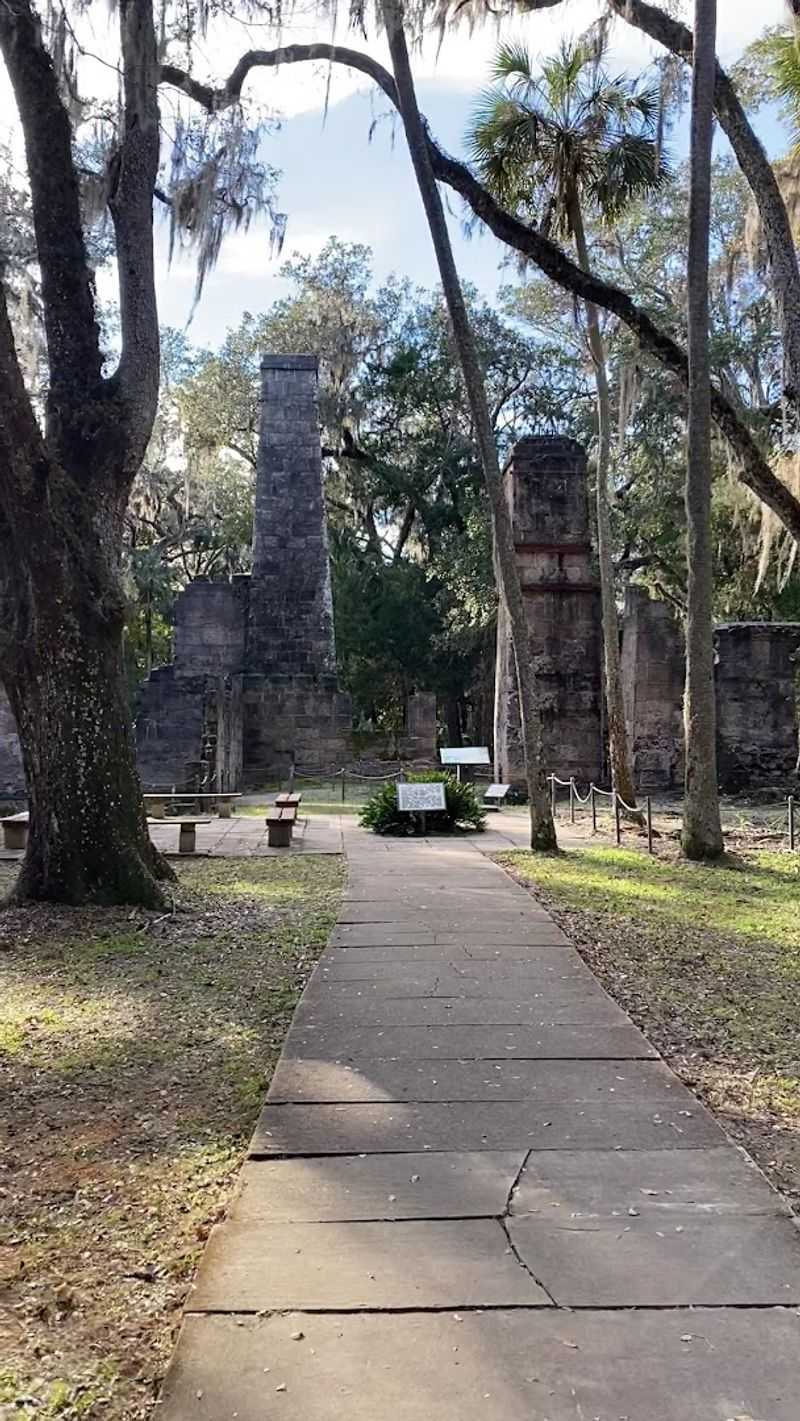
Bulow Plantation Ruins is not just a place to learn, it is a genuinely relaxing spot to spend a full day with family. Shaded picnic tables are scattered throughout the park, sitting beneath enormous live oak trees that keep things cool even on warm Florida afternoons.
It is the kind of setting that makes a packed lunch feel like a gourmet experience.
The park is dog-friendly, so leashed pups are welcome to join the adventure. Kids tend to love the mix of walking trails, open spaces, and the dramatic ruins that spark imagination and questions in equal measure.
More than one reviewer brought their family here over holiday weekends and described it as a perfect outing.
Clean restrooms are available on-site, and the overall condition of the park is consistently praised in visitor reviews as well-maintained and tidy. For a $4 entrance fee, the value here is genuinely outstanding.
Few places offer this much history, nature, and relaxation all in one spot.
Why Bulow Plantation Ruins Is a Must-Visit Hidden Gem
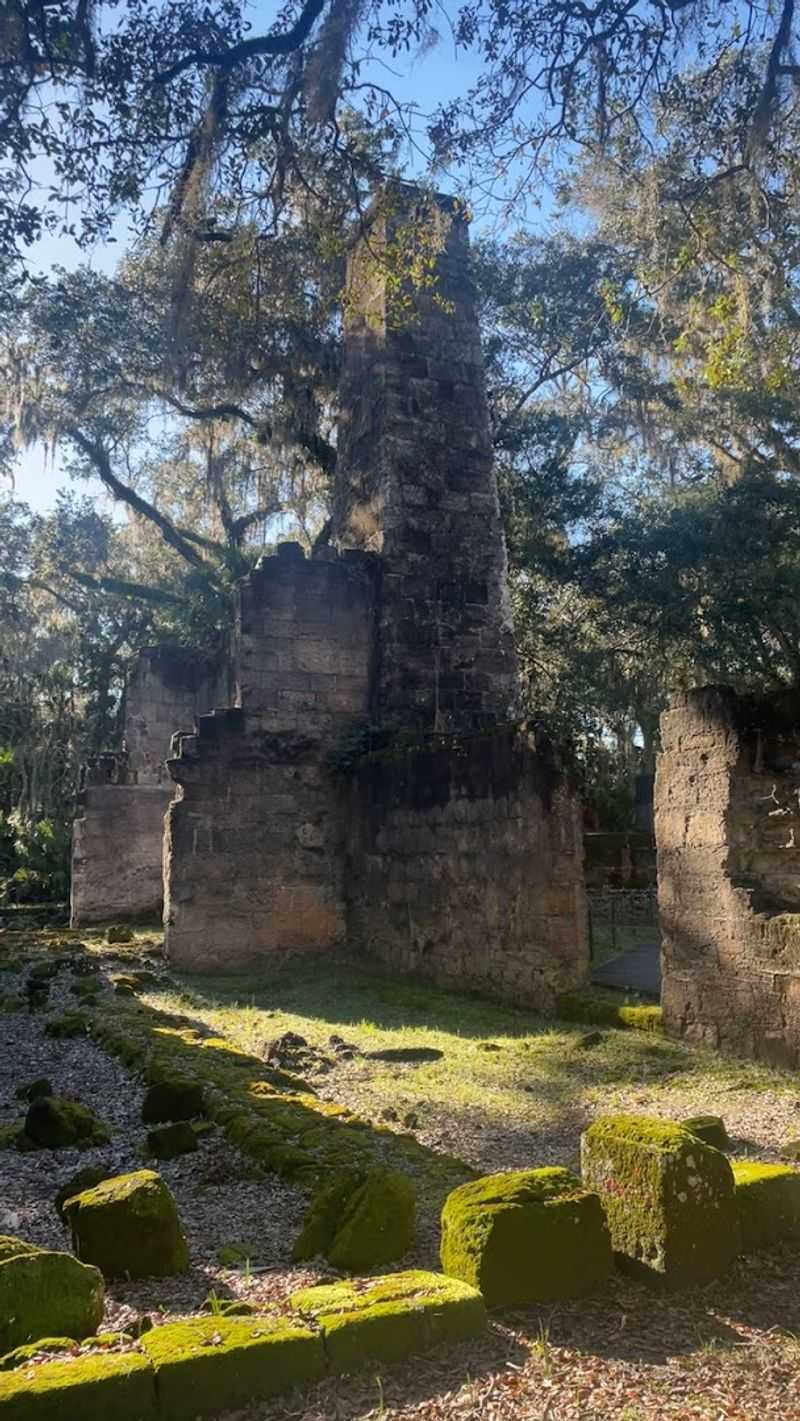
Some places carry a weight that you feel before you even read the first sign, and Bulow Plantation Ruins is exactly that kind of place. It sits well off the beaten tourist path, free from the crowds and commercialization that swallow up so many Florida attractions.
That quiet, unassuming quality is a huge part of its charm.
Visitors consistently rate it 4.6 out of 5 stars across hundreds of reviews, praising everything from the historical depth to the natural beauty to the affordable entry price. People who stumble upon it while staying in nearby Flagler Beach or Ormond Beach often say it ends up being their favorite stop of the whole trip.
That kind of surprise is rare and worth seeking out.
Whether you are a history lover, a nature enthusiast, or simply someone who appreciates a good hidden gem, this park delivers on every level. Mark it on your map, set aside a few hours, and prepare to be genuinely moved by what you find.
Enjoyed this story?
Add Fast Food Club as a preferred source to see more of our reporting on Google.