


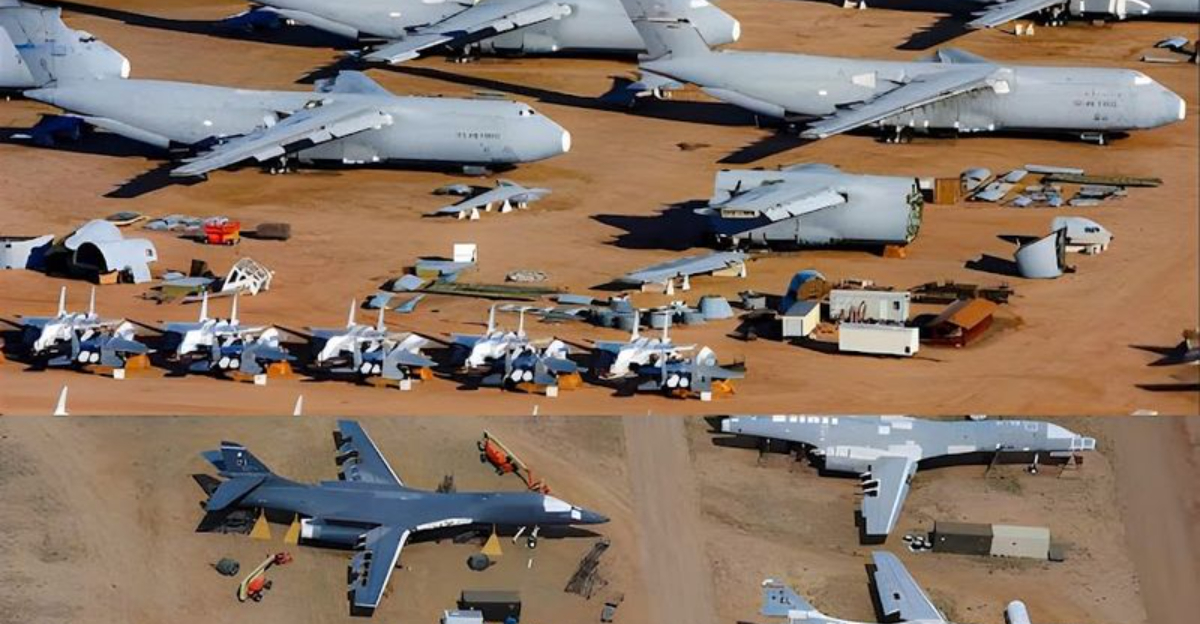
Tucked away in the sun-baked Arizona desert, the 309th Aerospace Maintenance and Regeneration Group at Davis-Monthan Air Force Base in Tucson holds one of the most jaw-dropping collections of aircraft on the planet. Known simply as “The Boneyard,” this massive facility stores more than 4,000 retired U.S. military aircraft across over 11 square kilometers of desert land.
Whether you are an aviation enthusiast, a history buff, or just someone looking for a truly unforgettable experience, this place will leave you speechless. Get ready to discover everything that makes The Boneyard one of Arizona’s most incredible attractions.
What Exactly Is The Boneyard?
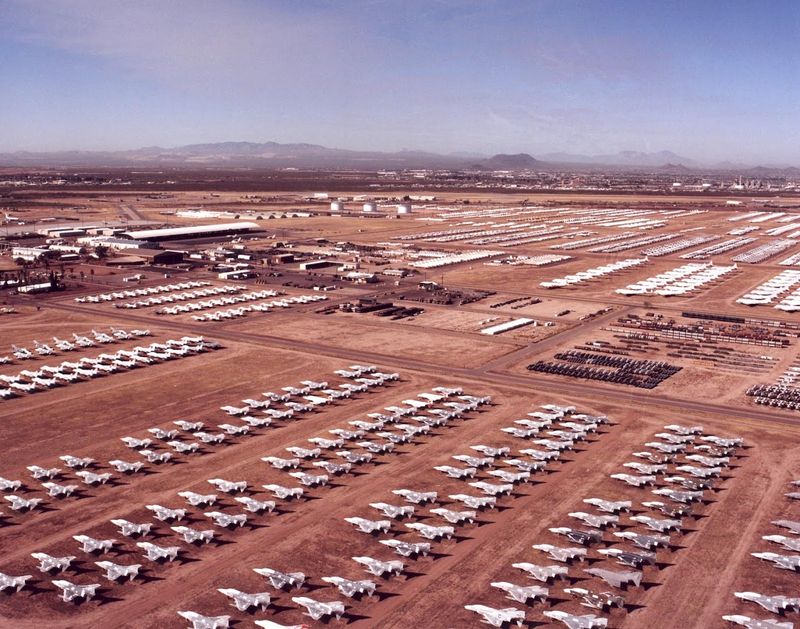
Rows upon rows of retired military jets, helicopters, and bombers stretching as far as the eye can see — that is the unforgettable first impression of The Boneyard. Officially called the 309th Aerospace Maintenance and Regeneration Group, this facility sits on Davis-Monthan Air Force Base in Tucson, Arizona.
The dry desert climate here is no accident. Low humidity and hard alkaline soil make it the perfect place to preserve aircraft for years without rust or rot eating away at the metal.
It is essentially a giant parking lot for planes that have served their country.
Some aircraft are stored here for parts, some await future use, and others are eventually dismantled. With over 4,000 aircraft on site, it is officially the largest aircraft storage and preservation facility in the entire world.
A Brief History Behind The Boneyard
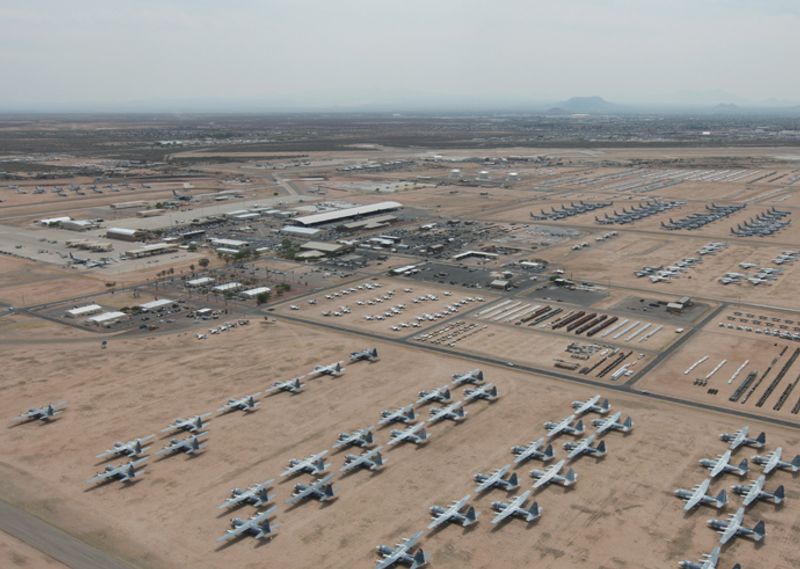
After World War II ended, the U.S. military found itself with thousands of aircraft it no longer needed for combat. Rather than scrap them all immediately, the government needed a smart storage solution.
Davis-Monthan Air Force Base in Tucson was chosen in 1946 because of its ideal desert conditions.
The hard ground meant aircraft could be parked without sinking, and the dry air slowed corrosion significantly. What started as a temporary solution grew into a permanent and legendary institution over the decades.
Today, the 309th Aerospace Maintenance and Regeneration Group manages this sprawling operation with a workforce of skilled technicians and aviation experts. It has grown from storing surplus WWII planes to housing jets, bombers, and helicopters from nearly every era of modern American military aviation.
The history here is truly layered and fascinating.
The Staggering Scale Of The Facility
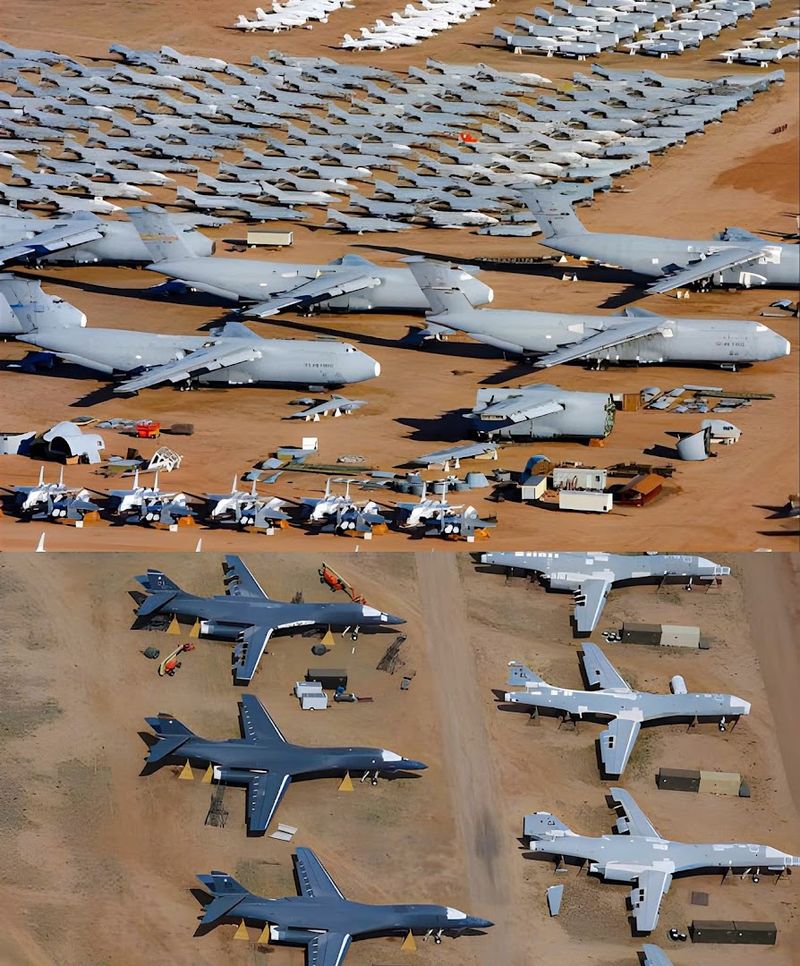
Eleven square kilometers. That number sounds big, but standing inside The Boneyard makes it feel even more enormous.
Planes are parked so closely together that navigating between them feels like walking through a metal forest. The sheer volume of aircraft here is almost impossible to wrap your head around.
Visitors who have taken the bus tour often describe the experience as humbling. One reviewer shared that even viewing it on Google Maps was mind-blowing before ever setting foot near the place.
Seeing it in person, however, hits differently.
The facility holds aircraft from the Air Force, Navy, Marines, Coast Guard, and even some foreign military services. Fighter jets, massive B-52 bombers, cargo planes, and helicopters all share this desert real estate.
No matter how many photos you see beforehand, nothing fully prepares you for the actual scale of this place.
Famous Aircraft You Can Spot Here
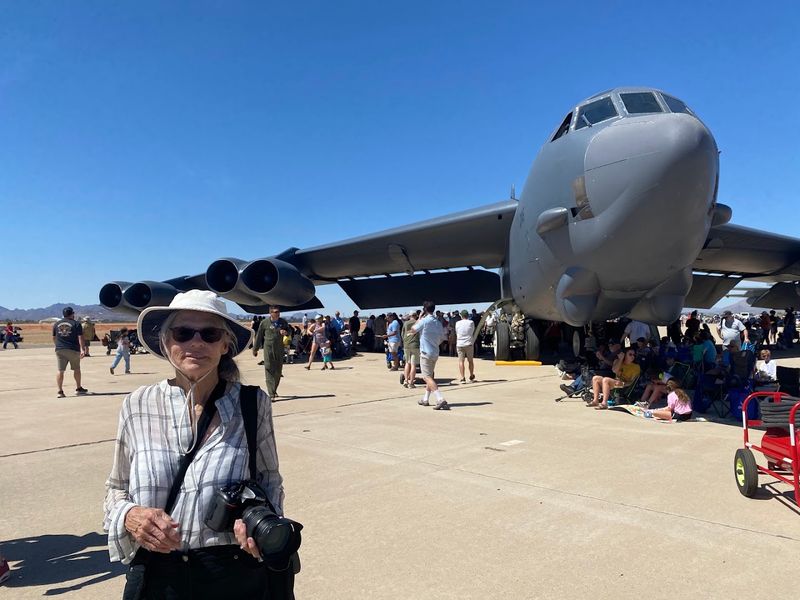
Spotting a B-52 Stratofortress up close is something aviation fans dream about, and The Boneyard makes that dream a reality. These massive Cold War-era bombers are among the most iconic aircraft stored here, and seeing one parked quietly in the desert is genuinely awe-inspiring.
Beyond the B-52s, visitors can spot F-14 Tomcats made famous by Top Gun, A-10 Warthogs beloved for their toughness, and rows of F-16 Fighting Falcons. Helicopters like the CH-47 Chinook and UH-1 Huey also call this place home.
Some aircraft here are one-of-a-kind experimental models that most people never even knew existed, as one tour visitor noted after being surprised by oddities on the grounds. Each aircraft carries its own story of service, and walking past them — even from a bus — feels like flipping through the pages of military aviation history.
How To Get A Tour Of The Boneyard
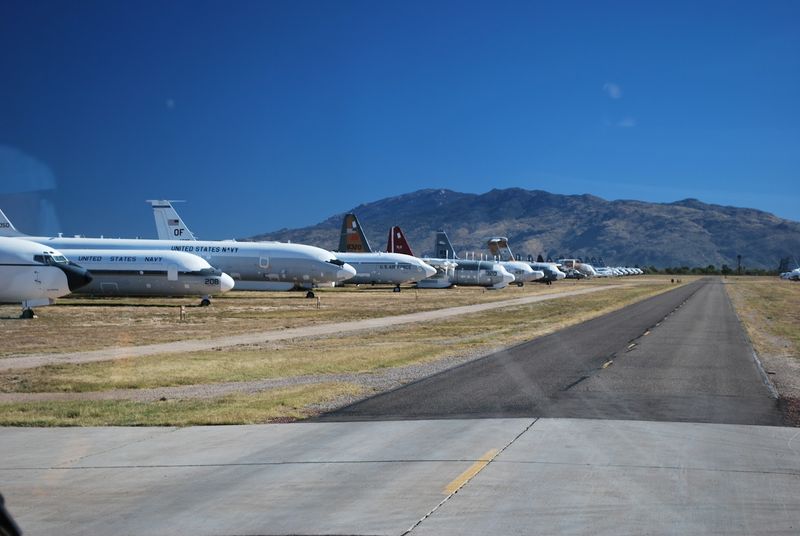
Getting inside The Boneyard requires a little planning, but the payoff is absolutely worth it. Public tours are conducted by the nearby Pima Air and Space Museum on weekdays, excluding holidays.
Since tours are led by knowledgeable volunteers — many of them former military members — you get stories and details that no guidebook could offer.
Here is the key thing most visitors miss: you need to book your spot at least 10 days in advance because a background check is required to board the bus. Spots fill up fast, so early reservations are strongly recommended.
Walk-in visitors who skip this step may only access a limited lot tour outside the facility.
Once on the bus, passengers are not allowed to exit onto the grounds, but photography is fully permitted. Plan your visit early in the day and wear sunscreen — the Arizona desert heat is no joke.
The Boneyard’s Role In Film And Pop Culture
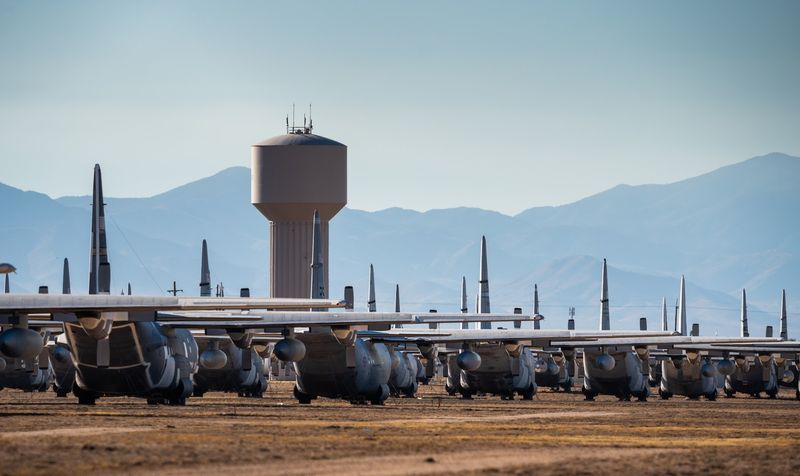
Hollywood discovered The Boneyard long ago, and it has since become one of cinema’s most dramatic backdrops. The facility famously appeared in the blockbuster film Transformers, where its massive rows of aircraft added a jaw-dropping sense of scale to the action sequences.
Seeing a location you recognize from a movie in real life adds a whole extra layer of excitement to the visit.
The visual impact of thousands of aircraft lined up in a vast desert landscape is simply irresistible for filmmakers. Beyond Transformers, the site has appeared in documentaries, news segments, and various military-themed productions over the years.
For visitors who grew up watching military movies or aviation documentaries, stepping into The Boneyard feels like stepping onto a film set. The dramatic skies of Tucson, combined with the sheer number of parked aircraft, create a cinematic atmosphere that is hard to replicate anywhere else on Earth.
Why The Desert Climate Is The Perfect Preservation Tool
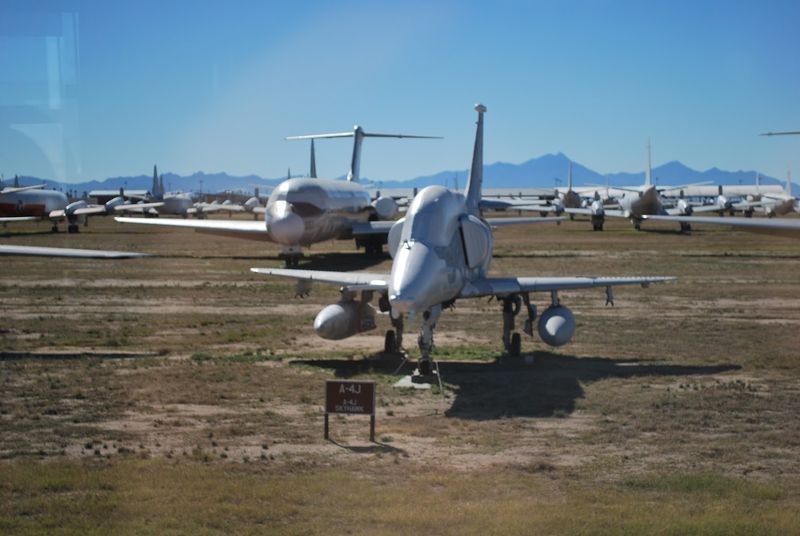
Tucson was not chosen as the home of The Boneyard by accident. The Sonoran Desert offers a combination of conditions that are almost uniquely ideal for aircraft preservation.
Low annual rainfall, minimal humidity, and intense sunshine work together to slow down the corrosion that would quickly destroy metal aircraft in wetter climates.
Many aircraft stored here are wrapped in a special white vinyl coating called Spraylat, which protects surfaces from the harsh desert sun while allowing the metal to breathe. This coating is one of the reasons aircraft can sit in the desert for years — sometimes decades — and still be returned to flying condition if needed.
The hard caliche soil acts as a natural runway surface, strong enough to support even the heaviest aircraft without sinking. It is a remarkable natural partnership between environment and engineering that keeps this extraordinary collection intact for future generations.
Aircraft That Have Been Brought Back To Life

Not every aircraft that enters The Boneyard stays there forever. One of the facility’s most remarkable functions is the ability to take a stored aircraft, restore it, and return it to active service.
This process — called regeneration — has saved the U.S. military billions of dollars over the decades.
During the Vietnam War era and again during periods of high military demand, aircraft pulled from The Boneyard were refurbished and sent back into action. Some planes have entered storage, been regenerated, served again, and returned to the boneyard multiple times throughout their lifespans.
The skilled workforce at the 309th AMARG handles everything from cannibalizing parts to full aircraft restoration. For a government contractor or aviation enthusiast, watching a long-dormant aircraft roar back to life after years in the desert is one of the most compelling stories this facility has to tell.
The Pima Air And Space Museum Connection
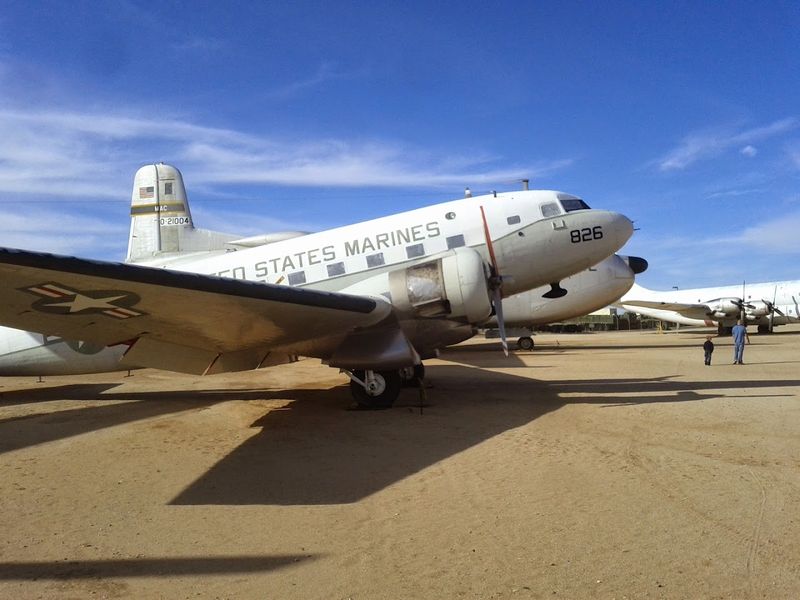
Right next door to The Boneyard sits one of the largest aviation museums in the United States — the Pima Air and Space Museum. These two attractions complement each other perfectly, and most visitors choose to spend a full day exploring both.
The museum is your gateway to booking the official Boneyard bus tour.
Inside the museum, you will find over 400 aircraft displayed across indoor hangars and outdoor exhibits, spanning everything from early biplanes to modern jets. Knowledgeable staff and interactive exhibits make the history of aviation accessible and exciting for all ages.
Buying a combined ticket for both the museum and the Boneyard tour gives you the most complete experience possible. Arrive early because tour spots are limited and sell out regularly.
The museum also has a gift shop, restrooms, and shaded areas — all welcome amenities before heading into the open desert heat of The Boneyard.
Tips For Making The Most Of Your Visit
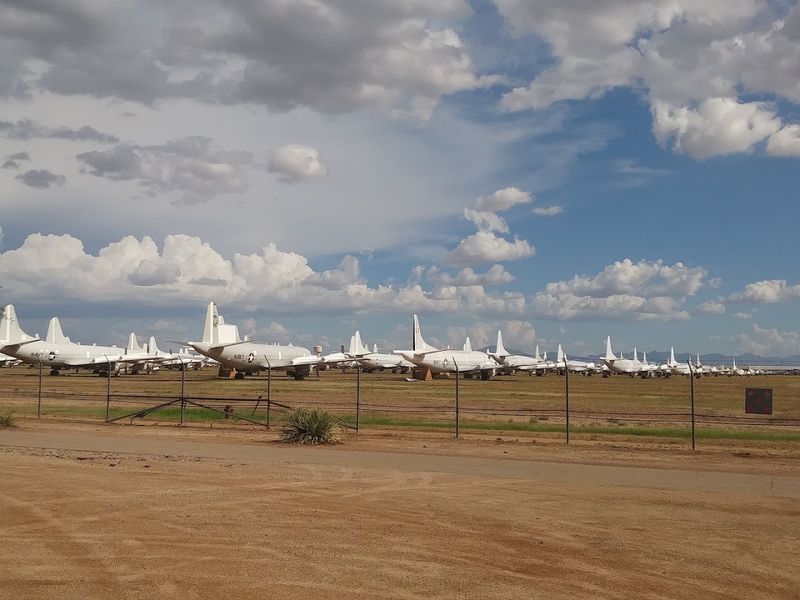
A little preparation goes a long way when visiting The Boneyard. First and most importantly, book your bus tour at least 10 days ahead to allow time for the required background check.
Without it, you will be limited to viewing the facility from outside the perimeter fence, which is still impressive but not quite the same.
Wear comfortable, breathable clothing and bring plenty of water. Tucson temperatures regularly climb above 100 degrees Fahrenheit in summer, and there is very little shade on the tour route.
Sunscreen and a wide-brimmed hat are absolute essentials.
Bring a camera with a good zoom lens because you will want to capture details on aircraft that are sometimes parked a distance away. Cash is helpful for food and souvenirs at the nearby Pima Air and Space Museum.
Most importantly, go with an open mind — this place has a way of surprising even the most seasoned aviation fans.
The Emotional Experience Of Walking Among History
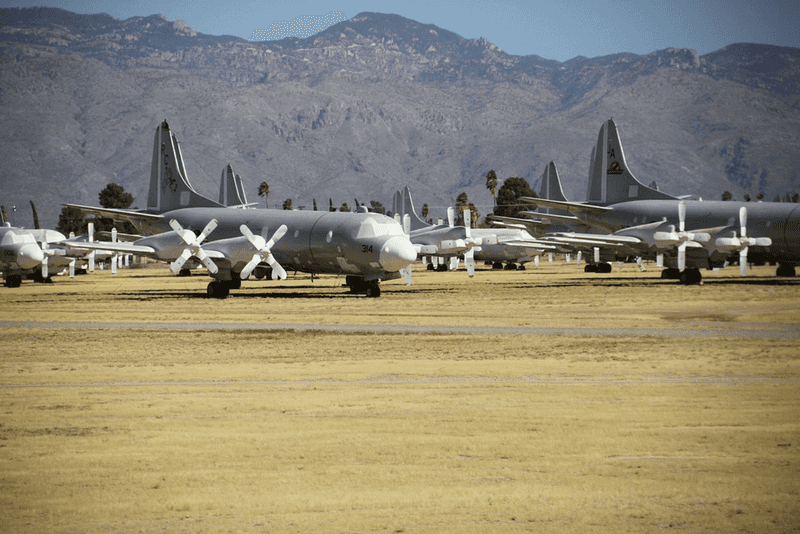
There is something deeply moving about standing near aircraft that once carried brave men and women into combat or critical missions around the world. Many visitors describe an unexpected emotional reaction when they realize the stories embedded in each airframe parked quietly in the desert sun.
One long-time reviewer wrote that the experience made them feel like a kid again, overwhelmed with wonder at seeing aircraft they had only ever imagined. Former military personnel who worked on some of these planes often find the visit profoundly personal, reconnecting with memories of their service years.
Even for those with no military background, the atmosphere is undeniably powerful. The silence of the desert, broken only by the wind moving across metal wings, creates a reflective mood that is hard to shake.
If these planes could talk, the stories they would tell would fill volumes. That quiet weight is what makes The Boneyard truly unforgettable.
Can You Visit Without A Tour?
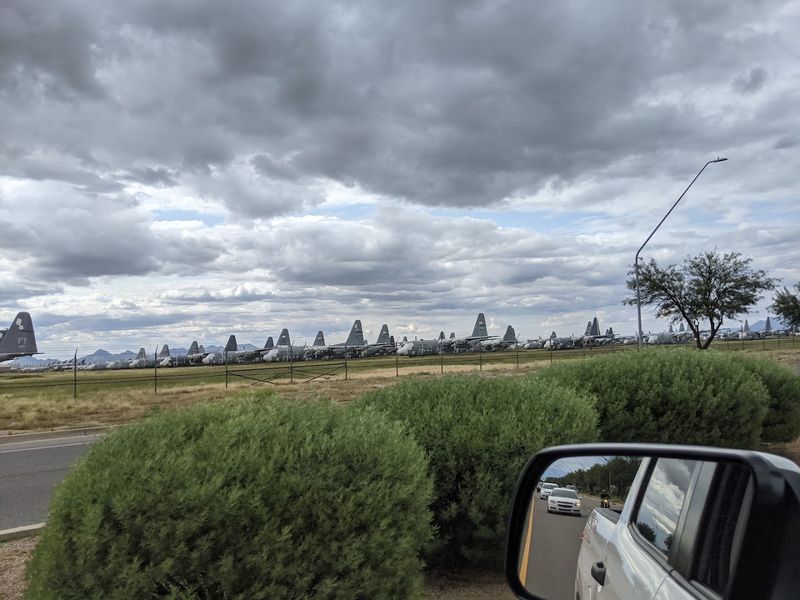
Not everyone can plan 10 days ahead or pass a background check, and that is okay. Even without a formal tour, driving along the perimeter of The Boneyard on South Wilmot Road offers a surprisingly impressive view of the facility.
Rows of aircraft are visible from the road, and the sheer volume of planes stretching into the distance is genuinely stunning even from outside the fence.
Several reviewers have pointed out that simply driving by is worth the trip if a full tour is not possible. You can still photograph aircraft through the fence and get a real sense of the facility’s massive scale from the roadside.
Pairing a drive-by with a visit to the adjacent Pima Air and Space Museum is an excellent alternative plan. The museum’s outdoor exhibits alone feature dozens of aircraft you can walk right up to and examine closely, making for a rewarding aviation experience even without stepping inside The Boneyard itself.
Why The Boneyard Belongs On Your Arizona Bucket List
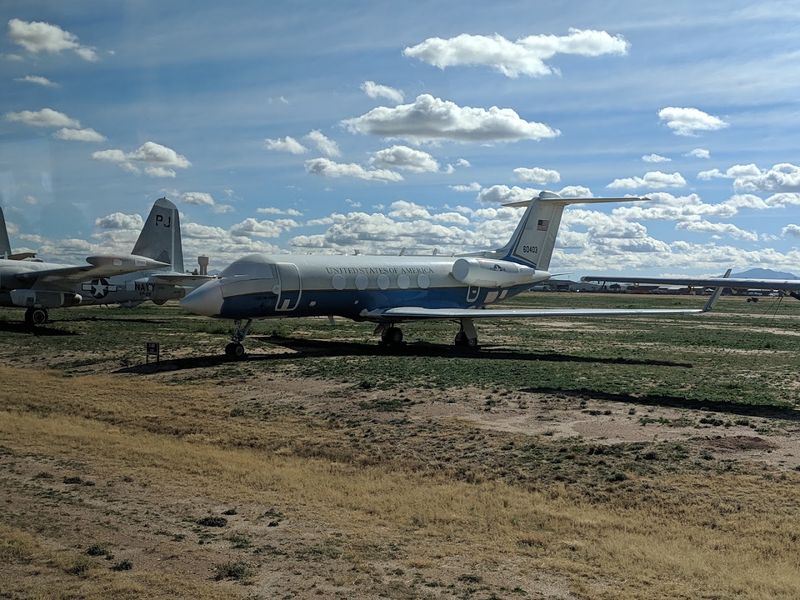
Arizona is famous for the Grand Canyon, Sedona’s red rocks, and Scottsdale’s resorts — but The Boneyard deserves a spot right alongside those legendary destinations. There is simply nowhere else on Earth where you can witness over 4,000 retired military aircraft gathered in one place, preserved by the desert and waiting to tell their stories.
Reviewers with ratings as high as five stars consistently describe it as a must-see, whether you are an aviation geek or just someone who appreciates the extraordinary. The combination of history, scale, and emotional weight makes this attraction genuinely one of a kind.
Families, history lovers, photographers, and curious travelers all find something meaningful here. Tucson locals are lucky enough to visit anytime they wish, but even travelers making a special trip from across the country agree it is absolutely worth the journey.
Add The Boneyard to your Arizona itinerary — you will not regret it.
Enjoyed this story?
Add Fast Food Club as a preferred source to see more of our reporting on Google.