


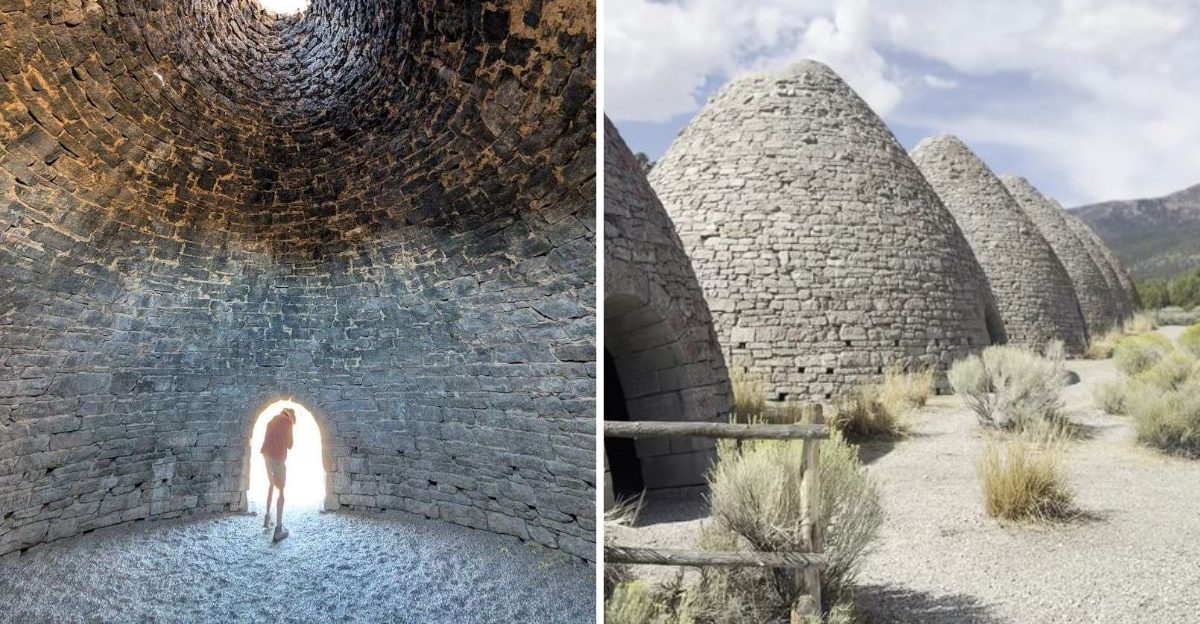
Tucked away in the high desert of eastern Nevada, Ward Charcoal Ovens State Historic Park is one of those rare places that feels like a secret hiding in plain sight. Six massive beehive-shaped stone ovens stand quietly against a backdrop of rugged mountains, left over from a silver mining boom in the 1870s.
Most travelers zoom past without ever knowing this incredible piece of history exists, which means those who do visit get something truly special: a peaceful, nearly untouched experience. If you love history, nature, and places that make you feel like you have discovered something all your own, this park deserves a spot on your must-see list.
The Six Beehive Ovens That Started It All
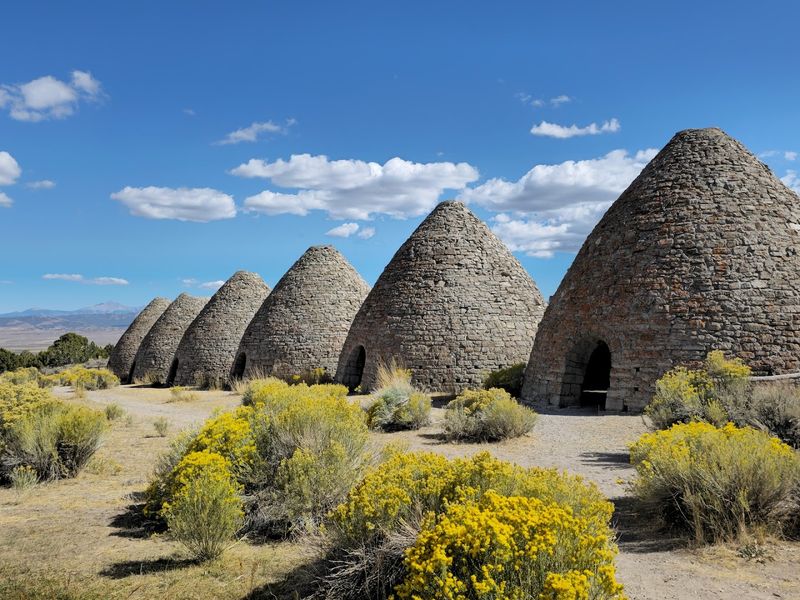
Standing 30 feet tall and 27 feet wide at the base, these six stone ovens look like something straight out of a fantasy novel. Built in 1876, they were engineered to convert locally harvested pine and juniper trees into charcoal, which was then used to fuel silver smelters in the nearby ghost town of Ward.
The craftsmanship is genuinely jaw-dropping when you consider the era.
Each oven could hold the equivalent of six acres of trees in a single burn. With all six running at full power, the operation consumed roughly 36 acres of trees every 12 days.
That scale is hard to wrap your head around until you stand right next to one.
Today, they remain remarkably intact, a testament to the skill of the workers who built them. Walking up and touching the cool stone walls connects you to a chapter of Nevada history that most people never learn about.
A Silver Mining Story Hidden in Stone
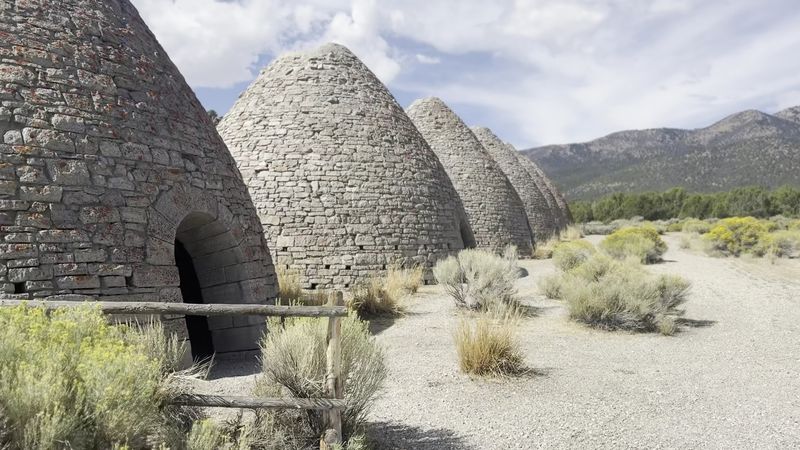
Silver was king in Nevada during the 1870s, and the Ward mining district was riding high on that wave. The ovens were built specifically to meet the enormous fuel demand of silver smelters operating nearby.
Without charcoal, those smelters could not function, making these ovens the backbone of the entire operation.
The silver boom was intense but short-lived. The ovens only operated from 1876 to 1879, just three years before declining ore deposits and a serious shortage of nearby timber made the whole operation unsustainable.
In those three years, every tree within a 35-mile radius had been consumed.
Reading those numbers on the park’s information displays makes the visit feel almost haunting. You are standing in a landscape that was once stripped bare, now quietly reclaiming itself.
That combination of industrial ambition and environmental consequence gives this place a surprisingly powerful emotional weight.
What Happened After the Mines Went Quiet
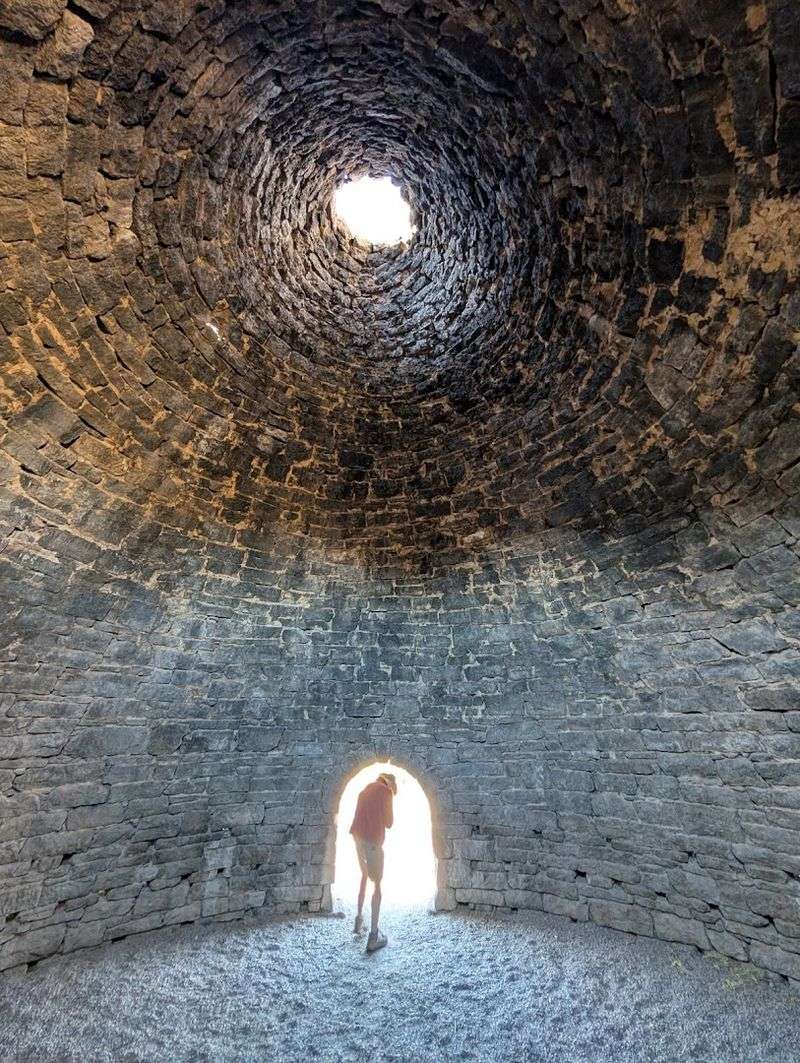
After the silver ran out and the smelters shut down, the ovens did not simply sit empty and forgotten. According to local legend, the massive stone structures took on a second life as shelter for prospectors, stockmen, and even stagecoach bandits passing through the remote Nevada wilderness.
The thick stone walls kept the interior cool in summer and surprisingly warm in winter.
That quirky second chapter adds a layer of frontier romance to the site that straight industrial history cannot match. You can almost picture a weary traveler ducking inside one of those arched doorways to escape a desert storm.
Today, visitors are welcome to walk right inside the ovens and experience that same shelter for themselves. The acoustics inside are famously strange and wonderful, and more than one visitor has been inspired to sing or shout just to hear the sound bounce back in unexpected ways.
Getting There: The Road Less Traveled
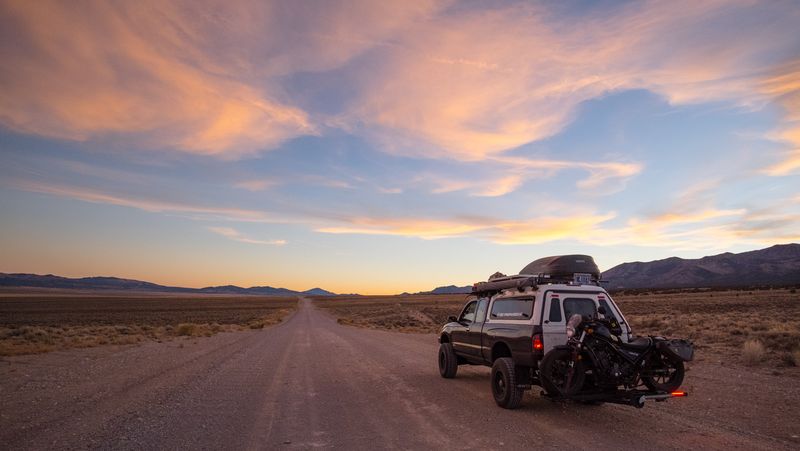
Part of what keeps this park feeling so untouched is simply the effort it takes to reach it. The ovens sit about six to eight miles off the main highway on a well-maintained dirt road that winds through quiet Nevada rangeland.
You do not need a four-wheel-drive vehicle on a dry day, and several visitors have noted the road is smooth enough to cruise at a comfortable speed.
That short stretch of gravel road acts almost like a filter, keeping casual passersby from stumbling in accidentally. The reward for making the turn is arriving at a spot where you might genuinely be the only visitor for miles around.
The drive itself is scenic, with open skies and rolling terrain that feels increasingly remote as you go. Budget a bit of extra time to soak in the approach, because the landscape surrounding the park is part of the whole experience.
The Honor System Entry Fee Worth Every Penny
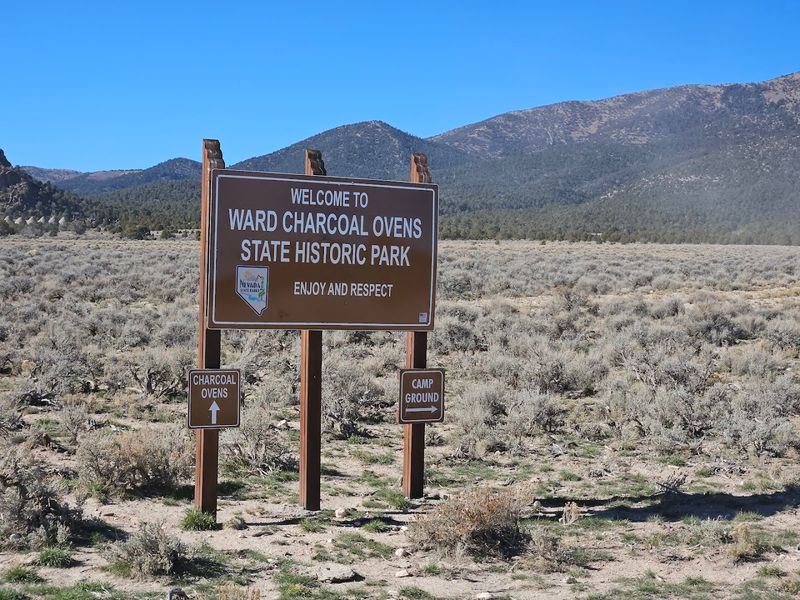
Admission here runs on pure honesty. Nevada residents pay five dollars and out-of-state visitors pay ten, dropped into a concrete pipe at the entrance station with no attendant watching over your shoulder.
It is a refreshingly old-fashioned system that somehow feels perfectly matched to the remote, unhurried spirit of the park.
One clever visitor joked that the best entertainment at the park is speculating how the rangers actually retrieve the money from that concrete pipe. Fair enough, and it is the kind of quirky detail that sticks with you long after you leave.
That small fee directly supports the park’s upkeep, keeping the ovens accessible and the grounds maintained for future visitors. Compared to the experience you get, it is a genuinely great deal.
Paying it feels less like an admission charge and more like a small act of respect for a place that deserves to be preserved.
The Half-Mile Trail That Packs a Big Punch
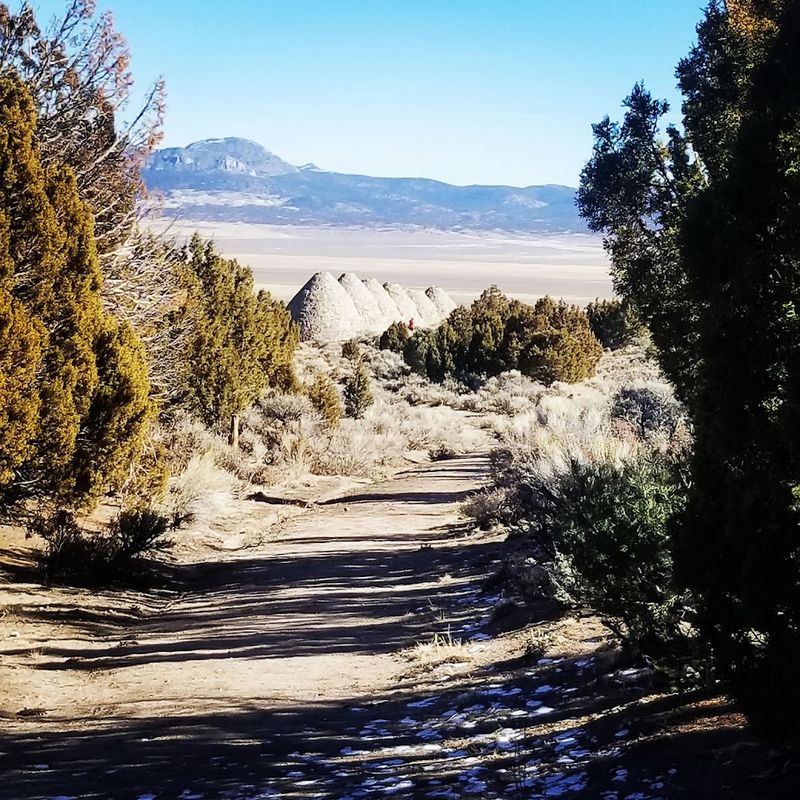
You do not need to be an experienced hiker to enjoy everything this park has to offer. A gentle half-mile loop trail runs just past the ovens, offering a easy walk through the surrounding landscape that takes maybe 20 to 30 minutes at a relaxed pace.
The trail is well-marked and accessible enough that visitors with limited mobility can still get up close to the main structures.
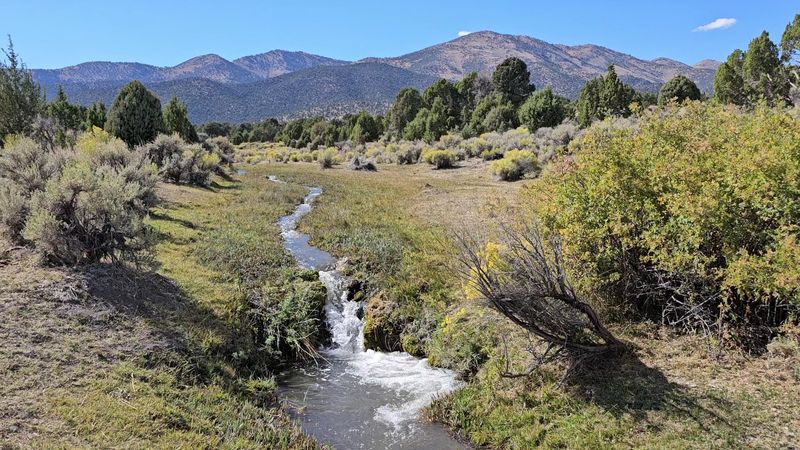
The path winds through classic high-desert scenery, giving you a chance to appreciate the natural setting that once supported an entire industrial operation. Sagebrush, juniper, and open sky surround you on all sides.
Nearby, a small creek adds a surprisingly lush touch to the otherwise arid environment. A few visitors have mentioned spotting local wildlife along the trail, including cattle that roam the area freely.
One reviewer hilariously noted a mysterious twig-snapping sound that may or may not have been Bigfoot.
Picnic Areas and Camping Right on Site
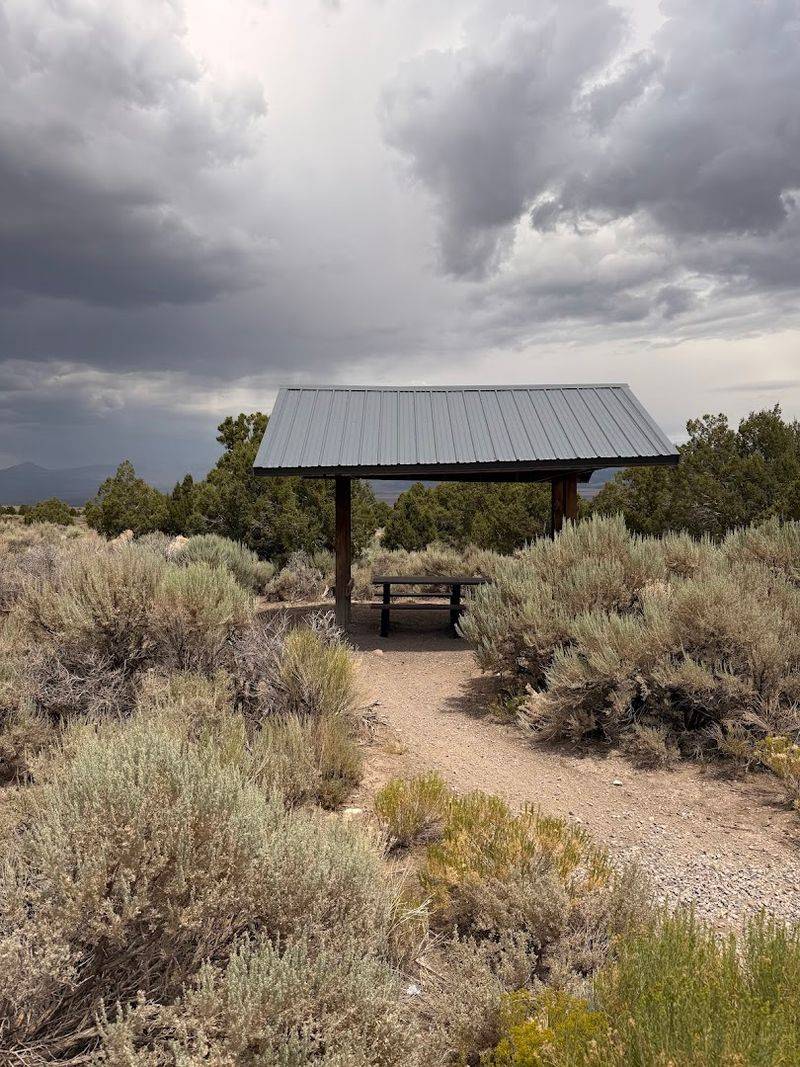
Visiting a historic site is always better when you can slow down and actually stay a while. Ward Charcoal Ovens State Historic Park offers shaded picnic areas where you can unpack a lunch and let the quiet of the Nevada desert settle around you.
There are also vault toilets on site, so basic comfort needs are covered even this far from town.
A nearby campground makes it possible to turn this into an overnight adventure rather than just a quick roadside stop. Waking up near the ovens as the early morning light hits the stone walls is reportedly a pretty magical experience.
One reviewer described the campground as clean with helpful park rangers and easy access to trails and nearby fishing. Whether you stay an hour or a full night, the park is set up to make your visit genuinely comfortable without feeling over-developed or crowded.
Photography Heaven in the Nevada Desert
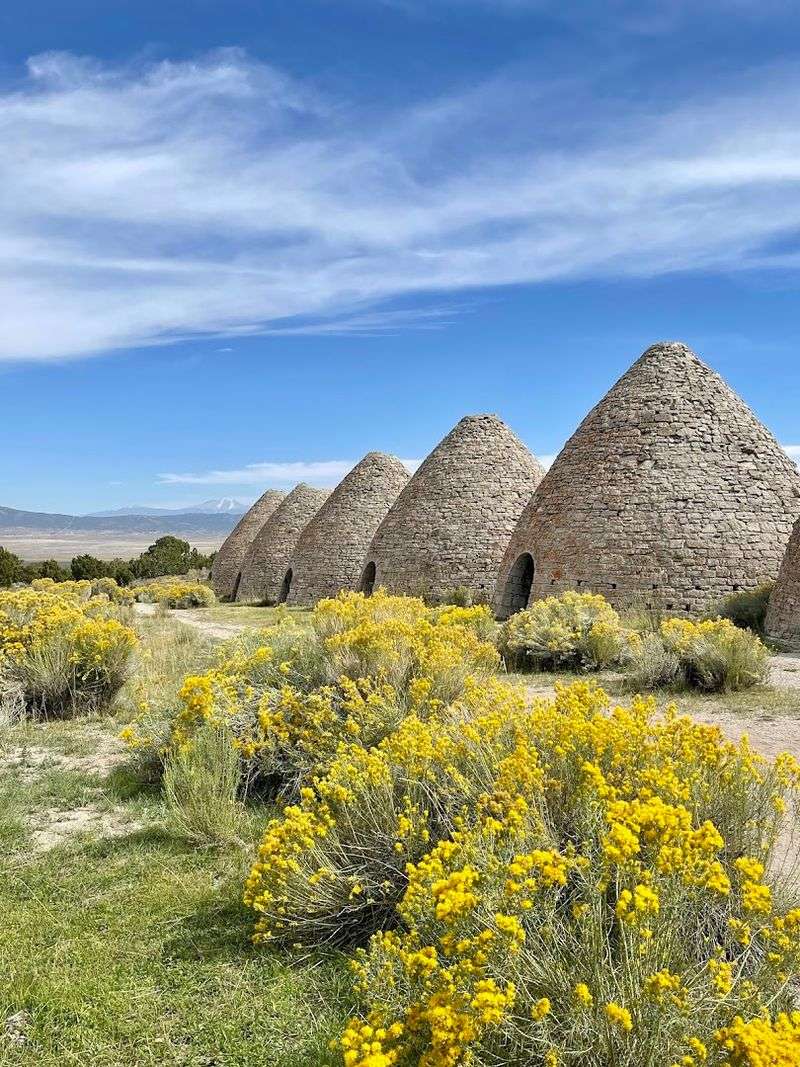
Few places in Nevada offer such a striking visual contrast as Ward Charcoal Ovens. The smooth, curved stone structures rise dramatically against the jagged mountain backdrop, creating a composition that practically frames itself.
Early morning and late afternoon light turns the warm-toned stone into something almost glowing.
Visitors consistently describe the park as incredibly photogenic, and it is easy to see why. You get architectural interest, natural landscape, and a sense of historical depth all in the same frame.
The ovens photograph beautifully from almost every angle, including from directly inside looking out through the arched doorways.
Because the park receives relatively few visitors, you often have the space and time to set up shots without crowds getting in the way. That uncluttered access to a genuinely stunning subject is something photographers at more famous landmarks would absolutely envy.
Bring a wide-angle lens if you have one.
The Ghost Town of Ward: A Nearby Forgotten World
The ovens did not exist in isolation. They were built to serve the nearby silver mining town of Ward, which once hummed with activity and ambition.
Today, Ward is a ghost town, and the contrast between its forgotten streets and the still-standing ovens makes for a fascinating double feature on the same visit.
A sign for the Ward townsite appears before you even reach the ovens on the access road. The old cemetery nearby is particularly worth a stop, offering a quiet and genuinely moving look at the lives of the people who once called this remote corner of Nevada home.
Exploring both sites together tells a more complete story than either one does alone. The ovens show you the industrial muscle of the silver era, while the ghost town reminds you of the human cost and the speed at which a boomtown can simply vanish from the map.
Wildlife Encounters You Did Not Expect
One of the most charming and unpredictable parts of visiting Ward Charcoal Ovens is the wildlife. Because the area is so remote and lightly visited, animals move through freely and without much concern for human schedules.
Cattle roam the surrounding rangeland and occasionally wander close to the trail, which can make for an unexpectedly exciting encounter.
One visitor recounted turning back on the half-mile trail after a protective mama cow made it clear she was not thrilled about hikers being near her calf. Another joked that a mysterious sound in the brush was either a cow or Bigfoot, and honestly both seem equally plausible in this setting.
Birds, reptiles, and small desert mammals are also part of the landscape here. Staying alert and respectful of the animals you encounter is part of what makes the visit feel genuinely wild and unscripted, which is exactly the kind of experience this place delivers best.
The Incredible Acoustics Inside the Ovens
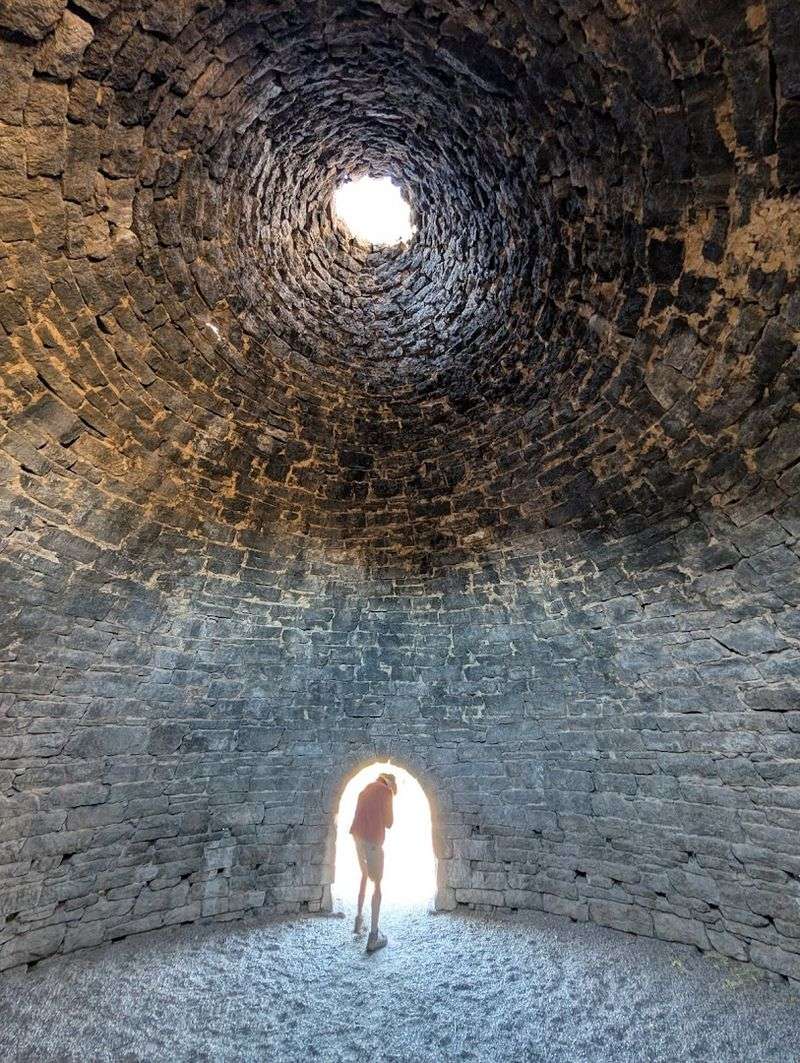
Here is a fun tip that most visitors discover by accident: step inside one of the ovens and make some noise. The curved stone walls create a unique acoustic effect that bounces sound around in ways that feel almost surreal.
One reviewer enthusiastically suggested bringing a barbershop quartet for the full effect, and honestly that is not the worst idea ever heard.
The interior is cool and dim, with that distinctive smell of old stone that historic structures often carry. Looking up at the domed ceiling from inside gives you a real sense of the engineering involved in constructing these structures by hand in the 1870s.
Beyond the sound, the experience of simply being inside something that old and that well-preserved is genuinely moving. These walls have held their shape for nearly 150 years through Nevada winters, desert heat, and everything in between.
That kind of durability commands a quiet kind of respect.
Open 24 Hours: Sunrise and Stargazing Await
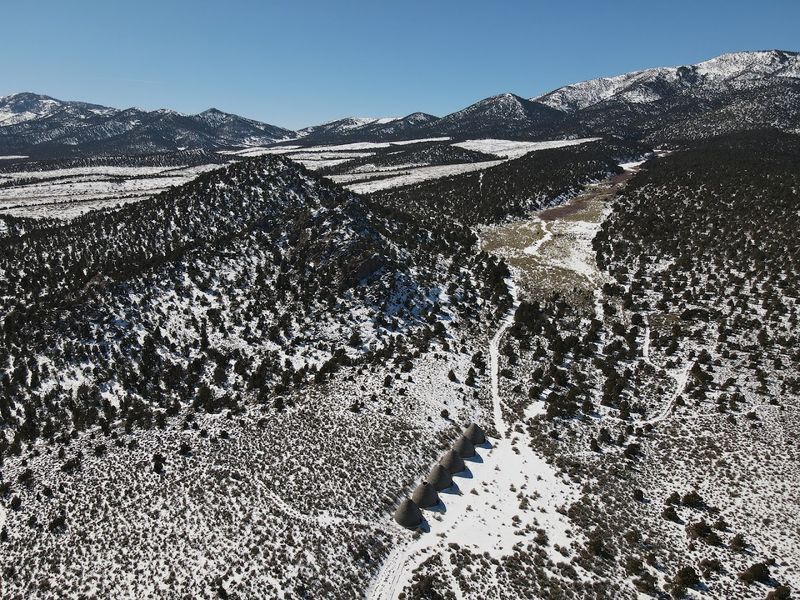
Most state parks lock their gates at dusk, but Ward Charcoal Ovens stays open around the clock, every single day of the year. That detail opens up possibilities that most historic parks simply cannot offer.
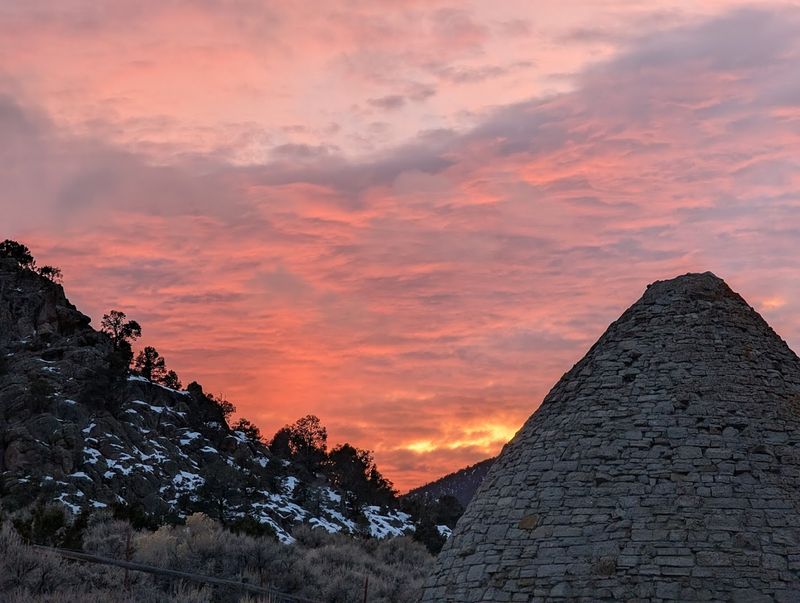
Watching the sunrise paint the stone ovens in shades of orange and pink from an empty parking lot is the kind of experience that stays with you.
After dark, the remote location far from city lights means the night sky here is extraordinary. Nevada’s Great Basin region is famous for its stargazing conditions, and the park sits right in the heart of that dark-sky territory.
Bringing a blanket and lying on the ground to watch the Milky Way stretch overhead is completely free and completely unforgettable.
Whether you are an early riser chasing golden light or a night owl hunting for stars, the 24-hour access makes Ward Charcoal Ovens one of the most flexible and rewarding stops in the entire state.
A Perfect Stop on the Way to Great Basin National Park
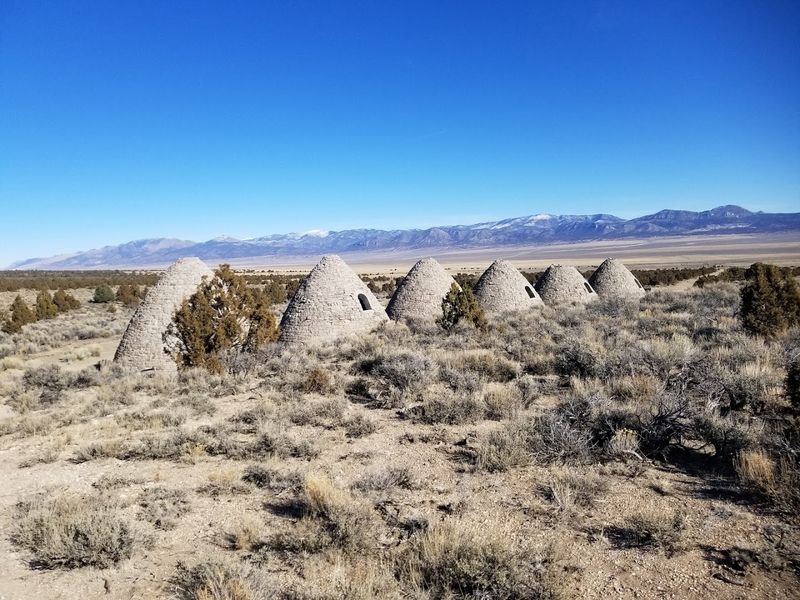
Location is everything, and Ward Charcoal Ovens sits in a sweet spot for road trippers heading through eastern Nevada. The park is about 30 minutes south of the town of Ely and conveniently positioned along the route toward Great Basin National Park, one of the least-visited national parks in the entire country.
Combining both in a single trip makes for an outstanding Nevada adventure.
Ely itself is a charming small town with enough personality to warrant a short stroll before or after your visit. Reviewers consistently praise the views along the drive between Ely and the ovens as genuinely beautiful, with wide-open basin-and-range scenery that feels cinematic.
Treating Ward Charcoal Ovens as a standalone destination is completely worthwhile, but slotting it into a larger Great Basin road trip turns a good day into a great one. Few places reward the effort of getting off the main highway as generously as this quiet, extraordinary park.
Enjoyed this story?
Add Fast Food Club as a preferred source to see more of our reporting on Google.