


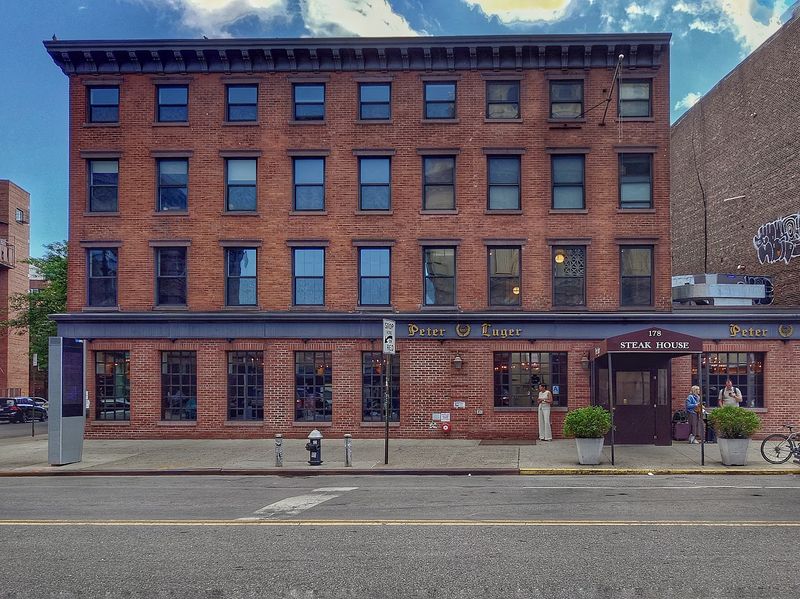
Some restaurants earn their fame slowly, one plate at a time, until a name becomes shorthand for the very best. Tucked along a quiet corner of Brooklyn, this old chophouse has been feeding hungry crowds since 1887, long before the neighborhood turned trendy.
It runs on cash, oak tables, and waiters who have been slicing beef longer than most guests have been alive. No flashy decor, no gimmicks, just aged meat cooked with a precision that keeps generations coming back.
The reservation book fills weeks ahead, and the line out front tells you everything about the reputation inside. What follows is a closer look at why this address keeps landing at the top of every serious steak conversation, and how to make the most of a visit when your turn finally comes.
The Brooklyn Address Behind the Legend
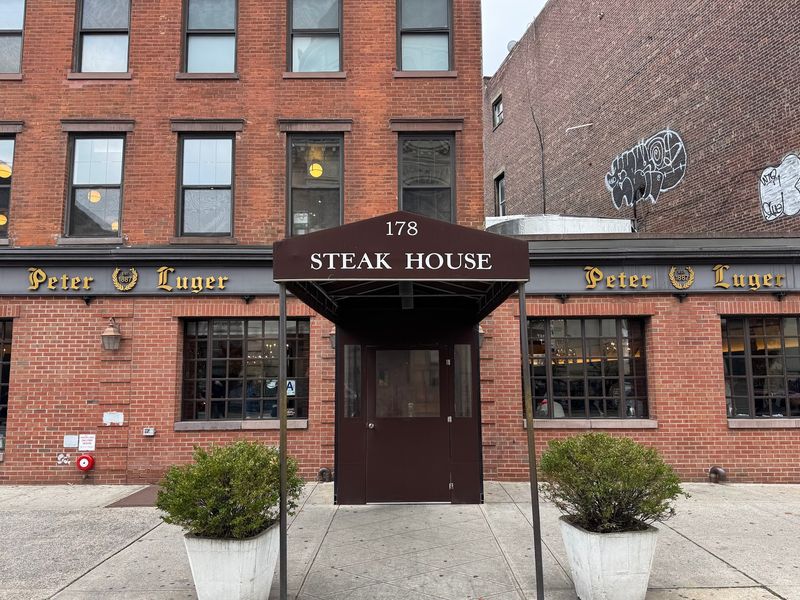
Down at 178 Broadway in Brooklyn, New York, sits a chophouse that has quietly outlasted trends, neighborhoods, and generations of diners. The name on the awning is Peter Luger Steak House, and it has stood on this corner in the 11211 zip code since 1887.
The building itself feels tucked away, easy to miss if you are not looking for it. There is no towering sign or modern facade begging for attention.
That understated presence is part of the charm. The place trusts its food to do the talking, and it has been doing exactly that for well over a century.
Getting here puts you in one of the most storied corners of the city, where an old German-style beer hall setting has been preserved almost exactly as it was decades ago. Regulars have been walking through these doors for more than twenty years and still order the same thing every time.
The address matters because it anchors a piece of New York history. Long before Brooklyn became a dining destination, this spot was already serving beef that people crossed rivers to eat.
A Chophouse That Predates the Subway
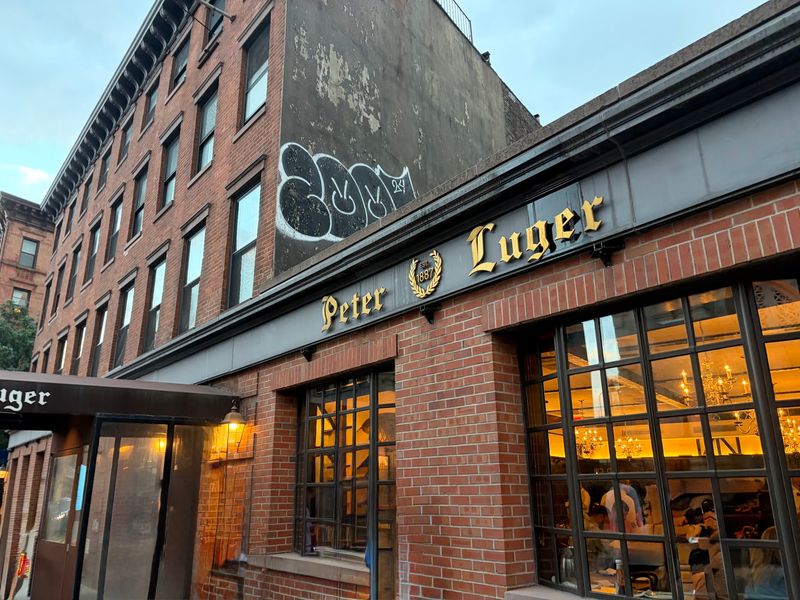
Founded in 1887, this steakhouse has been serving guests since before cars filled the streets and long before the subway rumbled underneath the city. That kind of longevity is rare in the restaurant world, where most spots come and go within a few years.
Over the decades, the place built a reputation as an icon rather than just another eatery. It has earned Michelin recognition and remained a fixture of New York dining across changing eras.
The history is not just a marketing line. You can feel the weight of it in the worn oak tables and the wood paneling that lines the room.
Families pass down the tradition of eating here, with newcomers often describing themselves as the last in their family to finally make the trip. There is a sense of belonging that comes from joining a lineage of diners stretching back generations.
Few restaurants get to claim a story this long and stay this consistent. The steak served today is cooked with the same care that made the name famous well over a century ago.
Old-World Charm Inside a Time Capsule
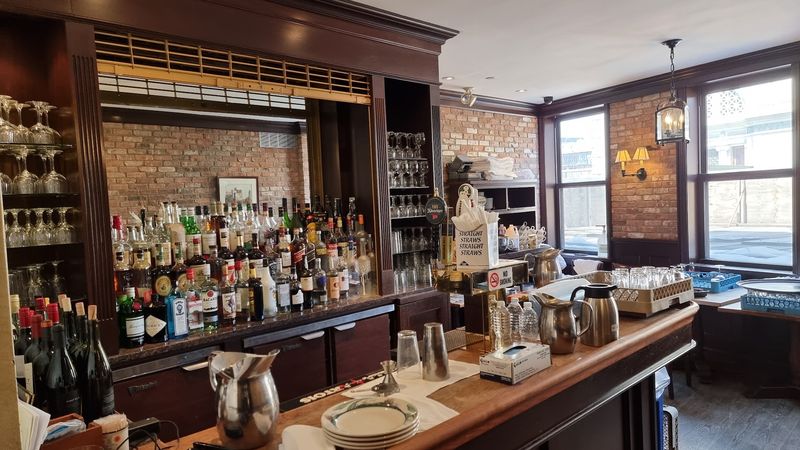
Bare oak tables, wood paneling, and a busy hum fill a room that feels frozen in a better decade. Guests often say walking in feels like entering a time capsule that also happens to serve some of the finest steak around.
The decor is intentionally simple. There are no modern flourishes, no trendy design touches, just an honest German beer hall setting that has looked much the same for years.
Regulars love the crazy busy energy and the old school charm that comes with it. The room gets loud when it fills up, a sign of a full house rather than a flaw.
What the space lacks in polish it more than makes up for in character. The atmosphere is described as classic and traditional, the kind of setting that money cannot fake and time cannot replace.
Some call the atmosphere average, but plenty of others treasure it precisely because it refuses to chase fashion. You come for the beef and the experience, and the room quietly delivers both.
The Porterhouse That Started It All
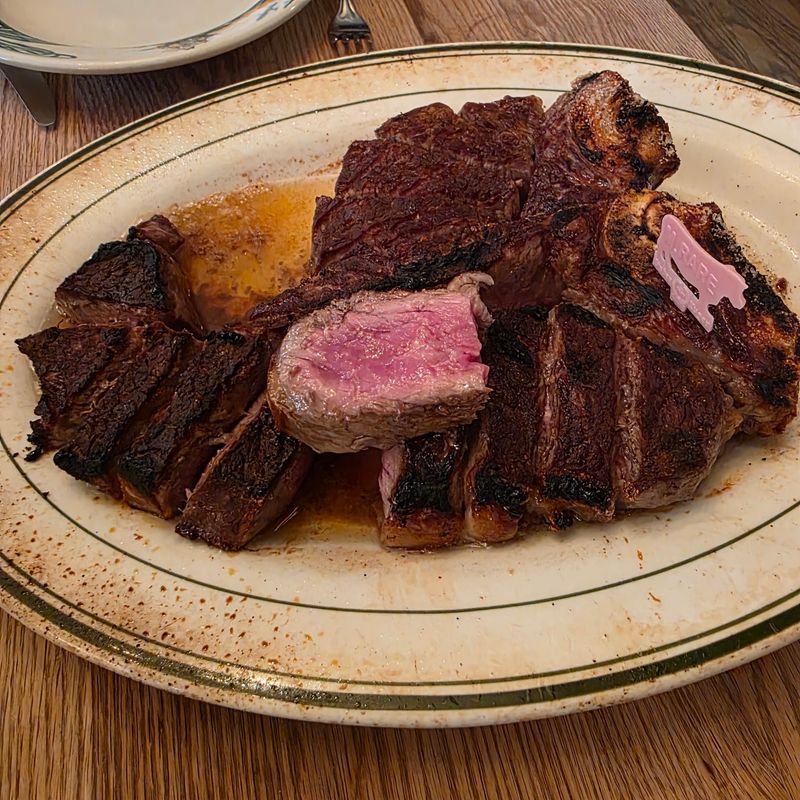
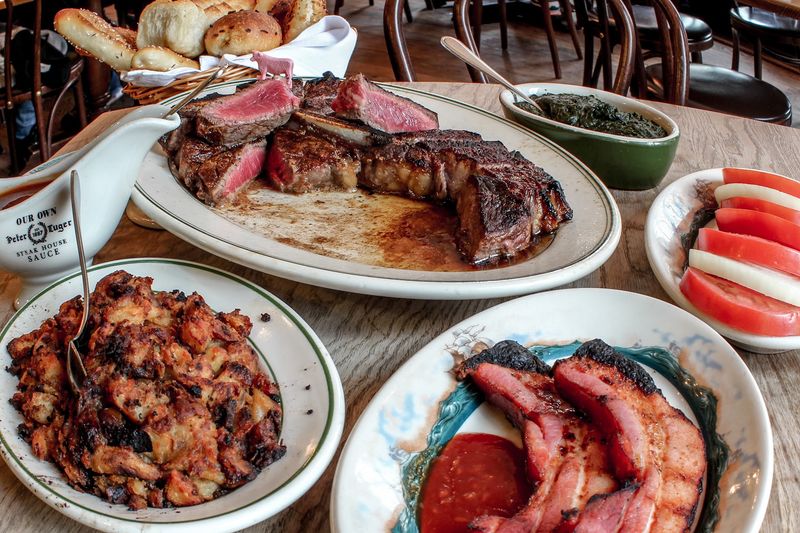
Everyone shows up for one reason, and that reason is the beef. The porterhouse arrives sizzling and already cut off the bone into thick slices, arranged on a tilted plate so the juices pool at one end.
Cooked medium rare, it reads as an honest medium rare, with a deep charred crust and a rosy, tender interior. Guests describe it as melting in the mouth with a perfect char on the outside.
The dry-aged flavor is rich and beautifully balanced, and you can taste the care that goes into the aging process. Many call it one of the best steaks they have ever had.
Portions run generous, and a common tip is to order one size below your party count. The steak for two comfortably feeds three, and the steak for three easily handles four or more.
Served on a plate so hot it keeps cooking, the beef can even be finished to your liking right at the table. It is the whole reason the crowds keep coming, and it lives up to the hype every time.
The Famous House Steak Sauce
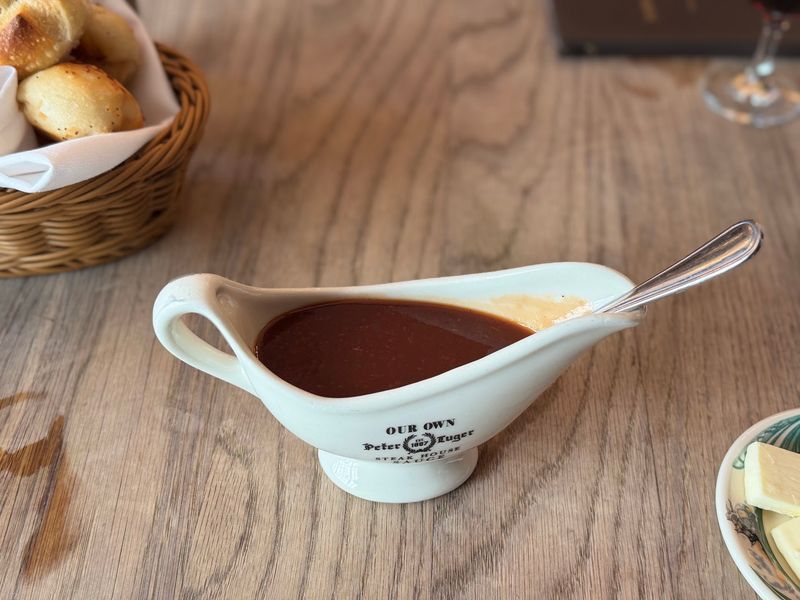
Alongside every order sits a bottle of the house steak sauce, and it has a personality all its own. The flavor surprises many guests, landing somewhere close to a sweet cocktail sauce rather than the savory blend people expect.
What makes it interesting is how well it plays with the beef. The steak is so good it needs nothing, yet the sauce still adds a sweet note that pairs nicely for those who want it.
Some diners prefer the meat plain, letting the char and the aging speak for themselves. Others reach for the sauce and find it complements the steak exceptionally well.
The beauty is that both approaches work. Guests report enjoying the porterhouse both with and without the famous condiment, which says a lot about the quality underneath.
It has become such a signature that the sauce is part of the ritual. Trying a bite with and without has turned into a small tradition at the table, and most people walk away impressed either way.
Sides and Sweets Worth Saving Room For
The beef may headline, but the supporting cast earns its own applause. Creamed spinach comes rich without feeling heavy, a proper accompaniment that never tries to upstage the main event.
German fried potatoes land crispy at the edges and quietly excellent, while the thick-cut fries reportedly fried in beef fat pick up a flavor that fans rave about. The mushrooms bring great texture and plenty of flavor, and the wedge and cedar salads round things out.
Bread arrives on the house with butter before the meal, and the advice is to pace yourself so you do not fill up early. A shrimp cocktail with large shrimp makes a popular starter too.
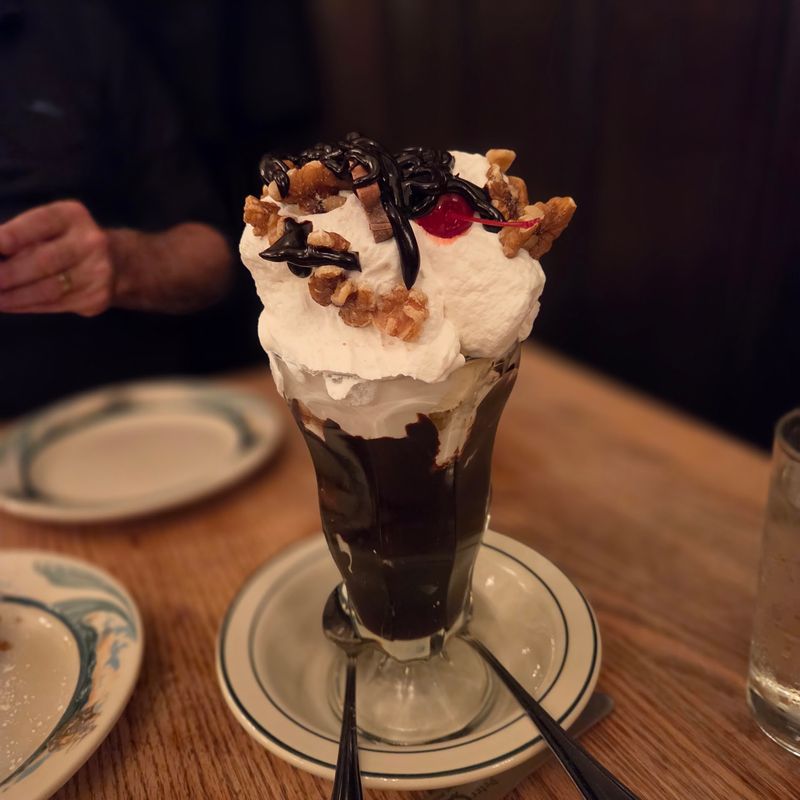
Dessert closes the show in style. The apple strudel and apple turnover both draw high praise, and the New York cheesecake and Holy Cow fudge sundae come out massive.
Every dessert arrives with schlag, the German word for whipped cream, and the kitchen does not skimp on it. Guests describe the portions of cream as enough to last for days.
That Legendary Thick-Cut Bacon
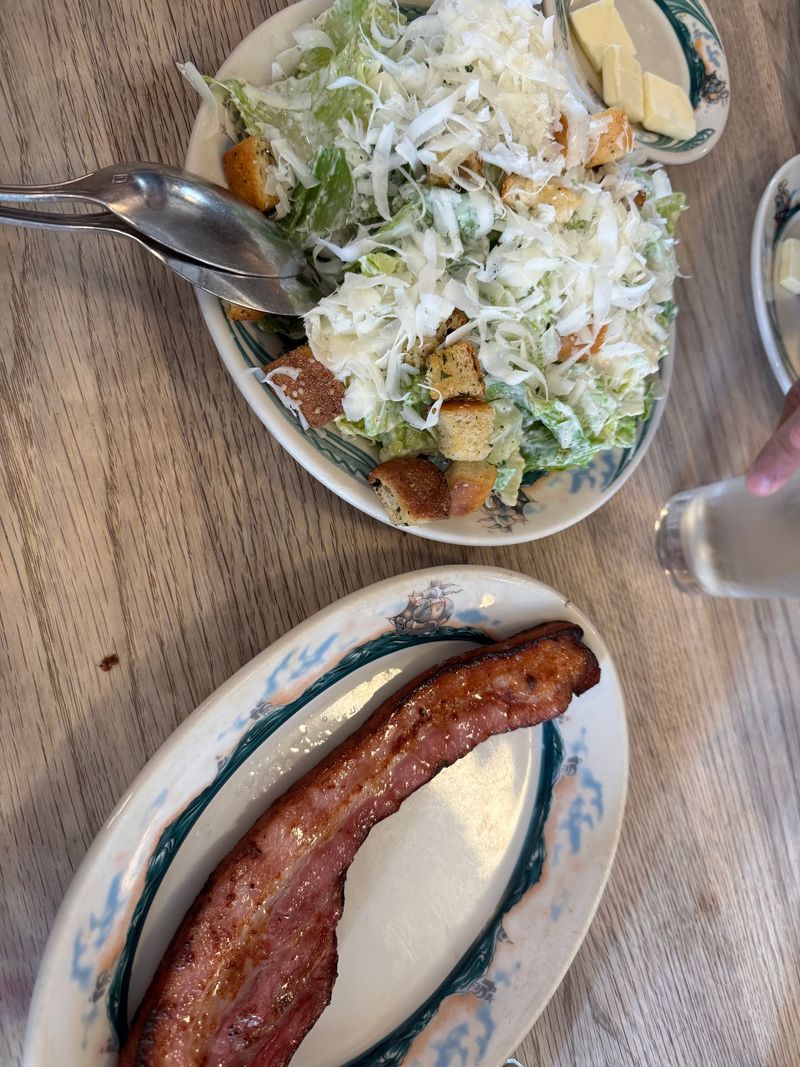
Ask any regular what to order first, and the answer comes fast: the bacon. This is not the thin strip you tuck into a breakfast sandwich, but a thick slab of deeply smoky, caramelized pork that stands entirely on its own.
One young guest famously described it as meat butter, and the nickname fits. It is salty, shareable, and often called a must have starter.
Priced modestly compared to the rest of the menu, it is an easy yes for the table. Guests pair it with tomato and onion for a classic combination that has been ordered the same way for decades.
The appetizer has become so beloved that skipping it feels like a mistake. Even people who arrive skeptical of the hype admit it lives up to everything said about it.
It sets the tone for the meal ahead, a smoky opening act before the porterhouse takes center stage. Consider it the unofficial handshake of a proper visit here.
No-Nonsense Waiters With a Reputation
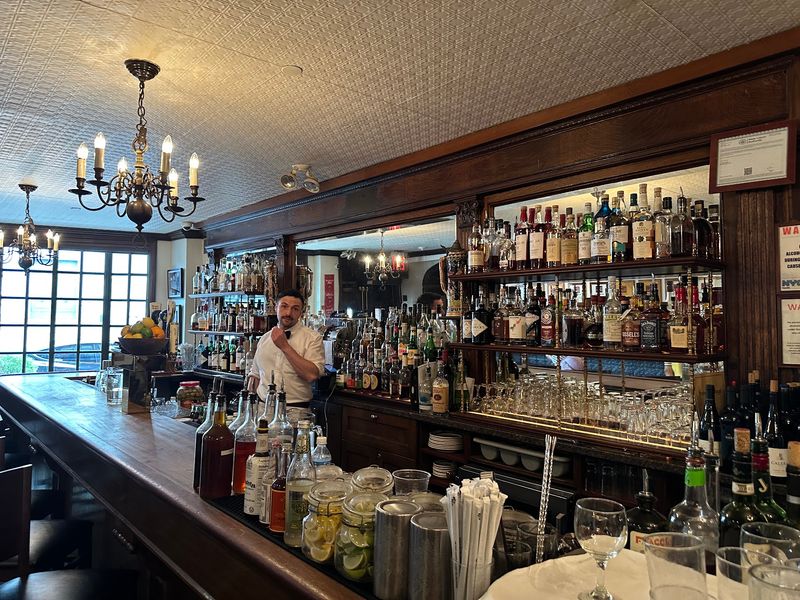
The service here carries a reputation, and it is worth setting the record straight. The waiters have a name for being gruff, yet most guests find them efficient, knowledgeable, and genuinely helpful rather than rude.
These are professionals who take their roles seriously, proudly, and with real skill. Many have been doing this longer than most of their customers have been alive.
Your server will steer you toward the right order, help you avoid over-ordering, and then leave you alone to enjoy the meal. There is no hovering and no rush, which regulars actually appreciate.
Longtime guests who have visited for years say they have never encountered a rude waiter, describing the staff instead as no-nonsense in a way that earns respect. Servers have been remembered by name for their warmth and attentiveness.
The pace is unhurried by design. Slow service here means a relaxed meal rather than a rushed one, and that trade-off suits the occasion perfectly.
Cash Only and Proud of It
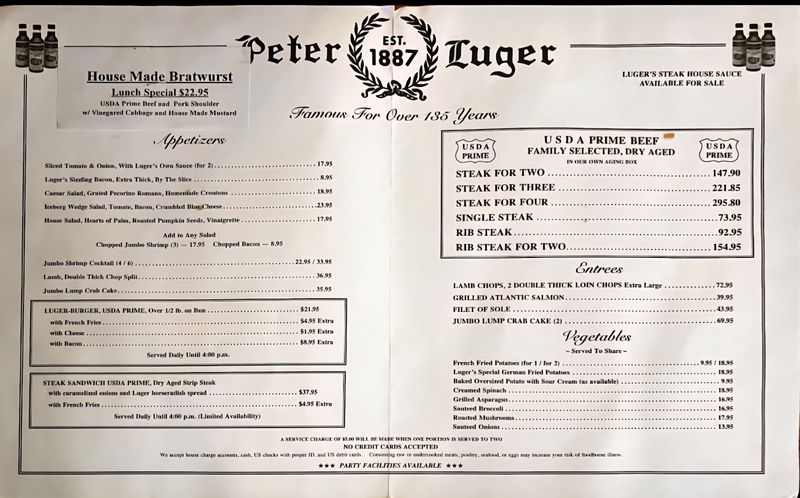
Reach for your credit card here and you will be gently reminded of a house rule that has never changed. The restaurant accepts cash, debit, or check, plus a Peter Luger house account, and that is simply how things are done.
This is not an oversight or a technical hiccup. It is a deliberate part of the old-school identity that has carried the place through more than a century of business.
The advice from seasoned guests is simple: bring cash and plan ahead. Nothing sours a great meal faster than fumbling at the end without the right form of payment.
The policy fits the whole personality of the spot, where tradition trumps convenience at nearly every turn. It is a small thing that reinforces the feeling of stepping back in time.
Once you know the rule, it becomes part of the ritual rather than a hassle. Come prepared, and the cash-only quirk turns into just another charming detail of the experience.
Hours, Prices, and Snagging a Table
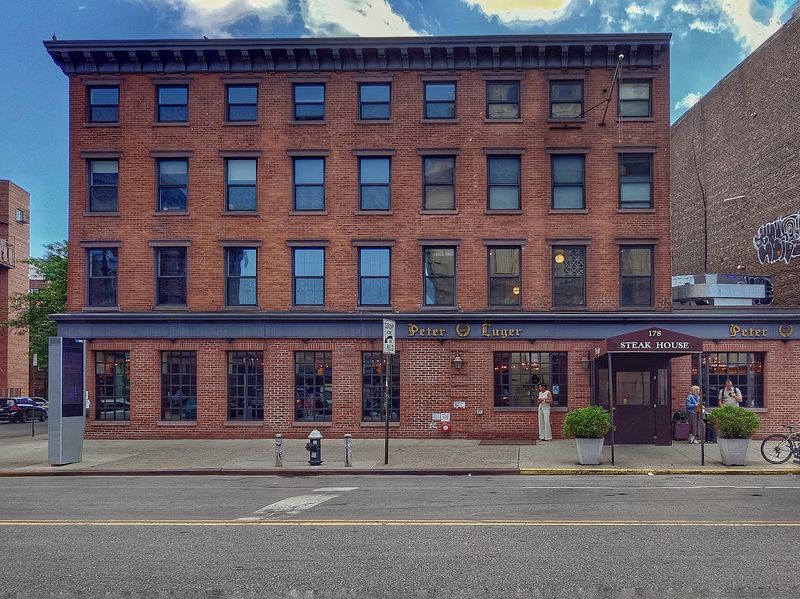
Planning a visit takes a little strategy, starting with the reservation. Booking on Resy well in advance is essential, especially for evenings and weekends when tables fill up fast and a line forms out front.
The doors open at 11:45 AM and the kitchen closes at 9:30 PM, seven days a week from Sunday through the following Saturday. An early lunch reservation right at opening is a smart way to walk straight in without waiting.
Prices sit in the splurge category, with a typical dinner running north of 100 dollars per person. A steak for two lands around 155 dollars, the bacon starter near 9 dollars, and a full meal for one guest can reach roughly 130 dollars.
A sample tab for a mid-sized group with steak, sides, and dessert came to about 284 dollars before tip. The portions are generous, so ordering smartly keeps the value in check.
Parking on the side streets can be tricky, so leave extra time to find a spot. Booking early and arriving prepared makes the whole outing far smoother.
Why the Hype Holds Up
After more than a century, the question naturally arises: does it really live up to the legend? By nearly every account, the answer is a confident yes, with a 4.4 star standing across more than sixteen thousand voices.
People who arrive braced for a tourist trap tend to leave surprised, admitting the food is legitimately incredible. Even the occasional lighter critique about big portions or high prices comes wrapped in a promise to return.
What keeps this Brooklyn institution at the top of the conversation is consistency. Guests who have eaten here for two decades report the same perfectly cooked steak every single time.
It suits a special celebration, an anniversary, a birthday, or the moment you finally bring out-of-town guests somewhere memorable. It impresses newcomers and satisfies lifelong New Yorkers alike.
The verdict is quietly unanimous: high-quality meat, traditional sides, and an atmosphere no one can manufacture. Peter Luger Steak House has earned its reputation the hard way, one honest porterhouse at a time, and it keeps on earning it.
Enjoyed this story?
Add Fast Food Club as a preferred source to see more of our reporting on Google.