


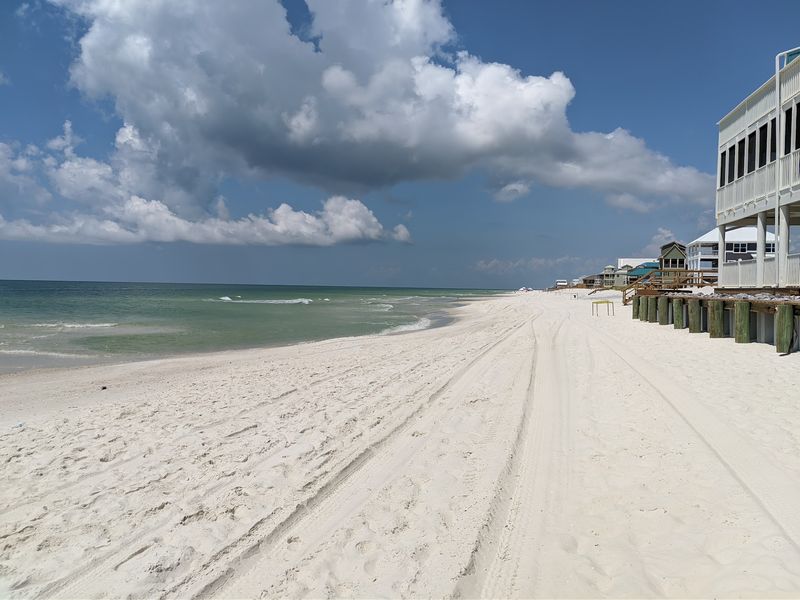
Some beaches in Florida fill up with towels before breakfast is over. Others stay so quiet that your own footprints might be the only ones on the sand all morning.
This stretch of the Panhandle belongs firmly in the second group, and plenty of travelers drive right past the turnoff without knowing it. Keep reading to learn where it is, what makes it special, and how to plan a calm trip there.
A Quiet Elbow on the Gulf Coast
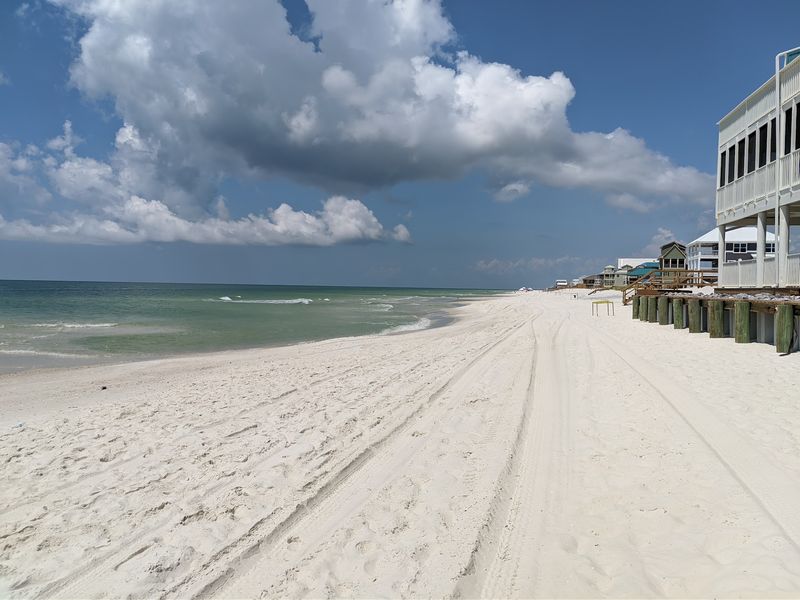
Look at a map of the Florida Panhandle and find the spot where the coastline bends like an elbow. That bend is Cape San Blas, Florida 32456, a slender strip of land along the Gulf of Mexico in Gulf County.
It sits away from the bigger resort towns that most people aim for on a beach trip. That distance is a big part of its appeal.
The cape stretches out from the mainland, with the Gulf on one side and St. Joseph Bay tucked behind it. The narrow shape means water is never far away, no matter where you stand.
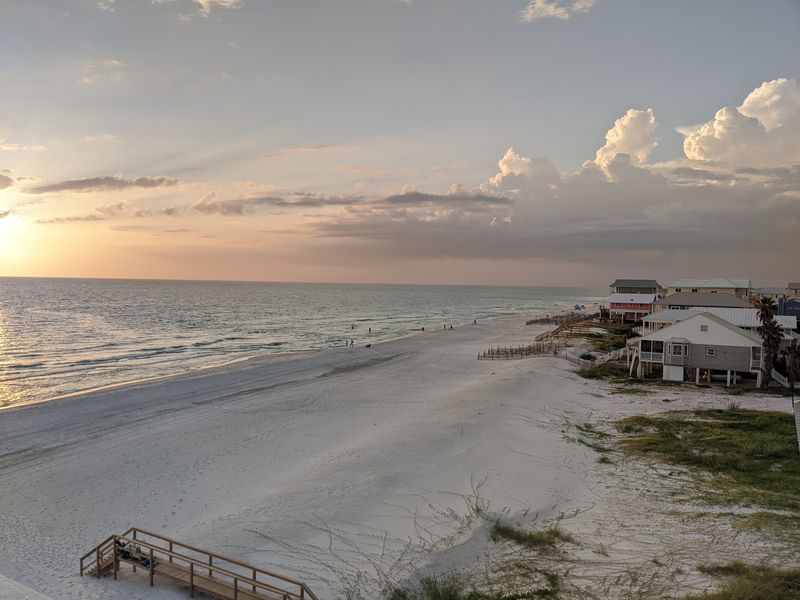
Travelers who arrive here are usually looking for space rather than crowds. Rental homes, quiet roads, and long beaches define much of the area instead of high-rise hotels.
For a lot of people, finding the cape feels like stumbling onto a secret that somehow stayed off the main highway signs. The trip takes a little extra effort, and that effort is exactly what keeps the sand so open.
It is a place built for slowing down. Pack patience along with the sunscreen, because there is no rush here.
Why the Crowds Rarely Arrive
Popularity is a funny thing. Some Florida beaches draw big crowds simply because they are easy to reach, and the cape plays a different game.
Getting here means leaving the busier coastal routes and following smaller roads toward the water. Many travelers heading along the Panhandle never make that turn.
The result is a shoreline that often feels wide open. Families can spread out, and walkers can cover a long distance without weaving around umbrellas.
There is also no big entertainment strip pulling in nightlife crowds. The area leans toward homes and rentals, which keeps the pace relaxed.
That calm draws a certain kind of traveler. People who want a quiet book, a long walk, or a nap by the water tend to fall for this corner of the coast.
Of course, empty is a relative word. Busy holiday weeks bring more people, so a little planning goes a long way if solitude is the main goal.
Still, even on fuller days, the beach has room to breathe. The crowd simply has trouble finding the address, and nobody here seems too upset about it.
Two Shores, One Strip of Land
Here is a neat trick of geography. On the cape, you can spend the morning by the open Gulf and the afternoon beside a calm bay without a long drive in between.
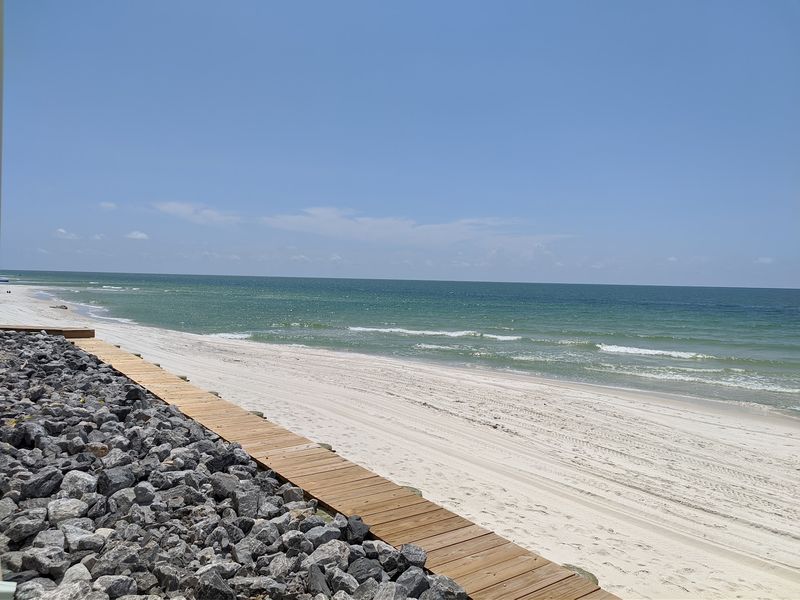
The Gulf side offers the classic beach day. Waves roll in, the shoreline runs long, and the horizon stays wide.
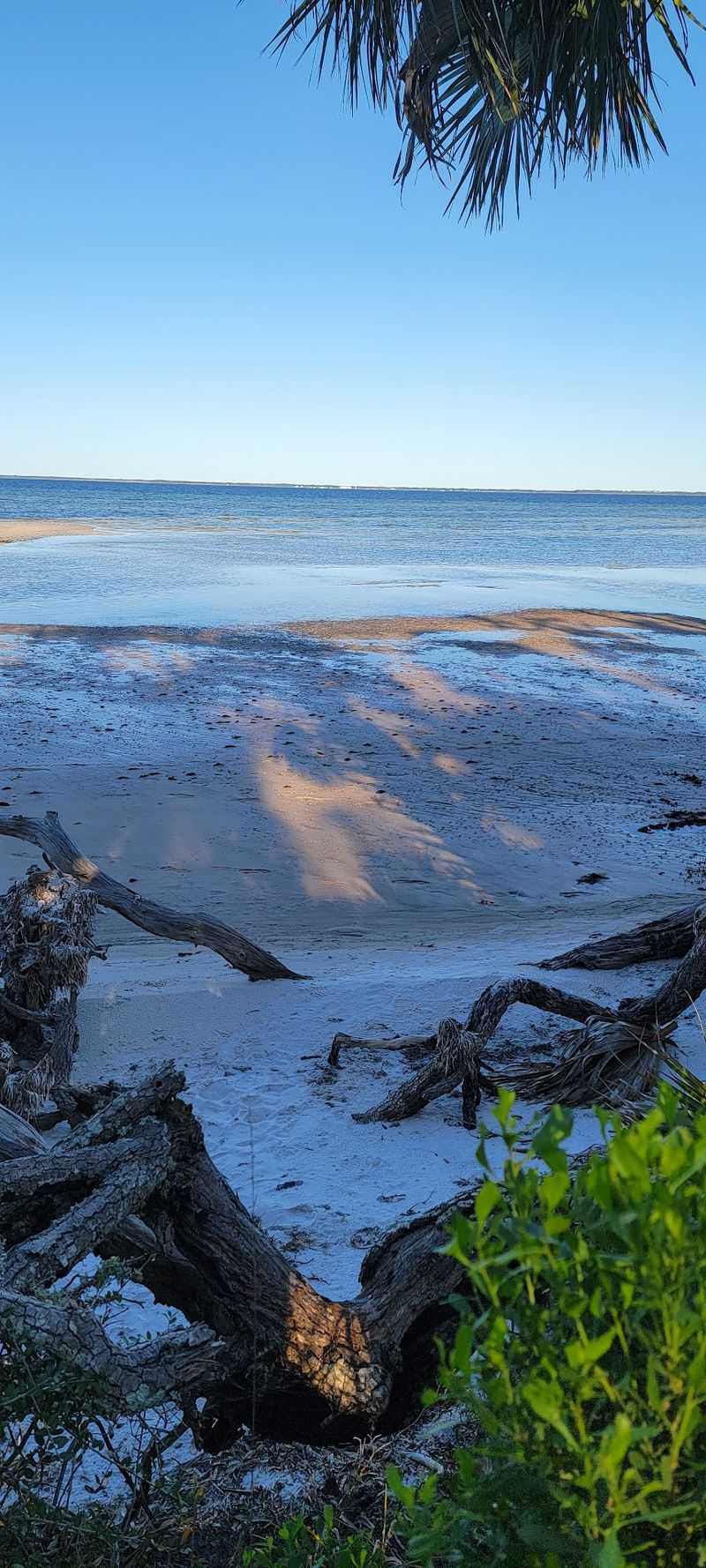
St. Joseph Bay sits on the protected side. Its waters are usually calmer, which makes it popular for paddling and wading.
Kayaks and paddleboards are common sights on the bay. The shallow areas give beginners a more relaxed place to practice their balance.
Having both shores so close means a trip can easily change moods. A windy Gulf day might be a great bay day instead.
Families with younger kids often appreciate that flexibility. Older travelers looking for gentle exercise tend to like it too.
Plan to try both sides at least once. Choosing a favorite is half the fun, and changing your mind the next day is completely allowed.
The State Park at the Tip
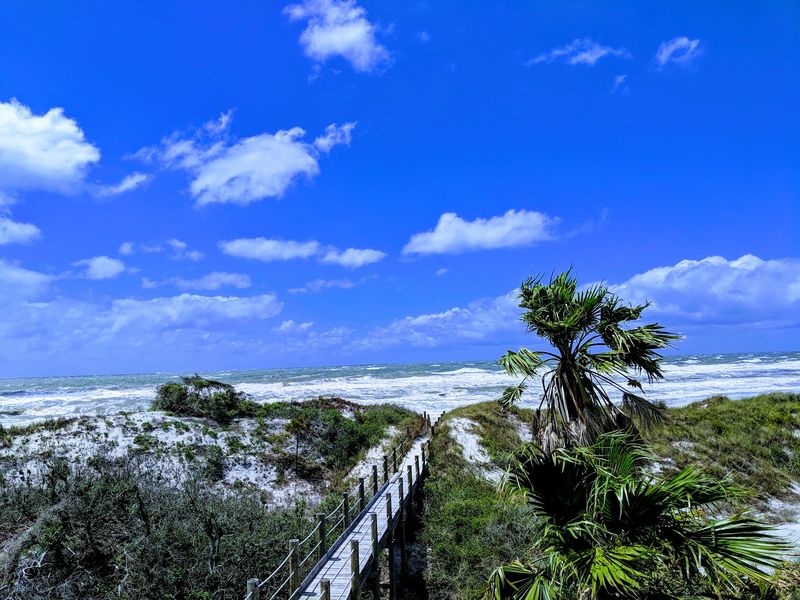
Keep driving to the end of the road and the houses give way to protected land. T.H.
Stone Memorial St. Joseph Peninsula State Park sits at the northern stretch of the peninsula beyond the cape.
The park protects tall dunes, pine areas, and long beaches. It is a favorite stop for anyone who wants the coast in a more natural state.
Inside, you will find spaces for swimming, hiking, and camping. Cabins and campsites give overnight guests a chance to stay close to the sand.
Birdwatchers keep an eye out here, especially during migration seasons. The peninsula is known as a stopover for many species.
Park hours, entrance fees, and reservation rules can change, so check the official Florida State Parks website before you go. That small step can save a wasted trip.
Bring water and plan for limited services once you are deep inside. The park rewards people who come prepared, and it tends to reward early risers with the quietest stretches of all.
Lighthouse Lore Next Door
Lighthouses in this area have a habit of moving. The Cape San Blas Lighthouse is a famous example.
The tower once stood on the cape itself, guarding ships along this tricky part of the coast. Shoreline erosion eventually put it at risk.
To save it, the lighthouse was relocated to nearby Port St. Joe. Today it stands there with historic keepers houses, where people can learn about its past.
Did you know? The cape has seen several lighthouses over the years because the shifting shoreline kept making life hard for them.
That story says a lot about the cape. This is a living coastline, shaped by wind, water, and storms.
A short drive gets you from the beaches to the lighthouse grounds. Check current hours and climbing details ahead of time, since they can vary.
It makes a good outing for a cloudy day. History buffs get their fix, and everyone else gets a pretty great photo.
Scallops, Sea Turtles, and Seasonal Rules
Nature runs its own calendar on the cape. Knowing it can make a trip much smoother.
St. Joseph Bay is well known for its bay scallop season. Florida sets the dates and rules each year, so check the Florida Fish and Wildlife Conservation Commission before planning any harvesting.
Sea turtles also nest along these beaches during the warmer months. You may see nesting areas marked off with stakes and tape.
Local guidelines ask people to keep lights low at night during nesting season. Filling holes and removing beach gear at the end of the day helps too.
These rules are easy to follow. They also help protect the very things that make the coast special.
Families often turn the rules into a learning moment for kids. Spotting a marked nest can be a highlight of the week.
A little respect goes a long way out here. The turtles cannot say thank you, but the healthy beach does it for them.
Getting There and Getting Settled
Directions are simple once you know the route. Most trips pass through Port St. Joe, the closest town with groceries and everyday services.
From there, roads lead out to the cape and along the peninsula. A car is the most practical way to get around.
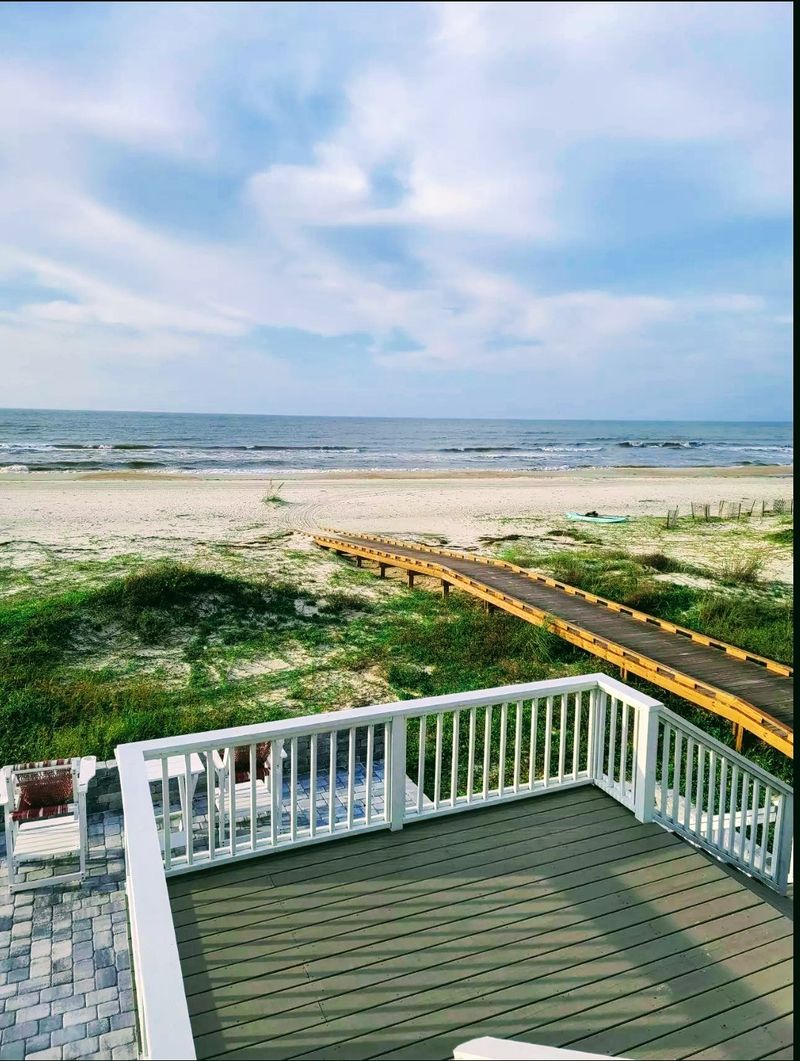
Lodging here leans toward vacation rentals, from cozy cottages to larger beach houses. Booking early is smart during summer and holidays.
Stock up on supplies in town before heading out. Stores on the cape itself are limited, so a full cooler and pantry make life easier.
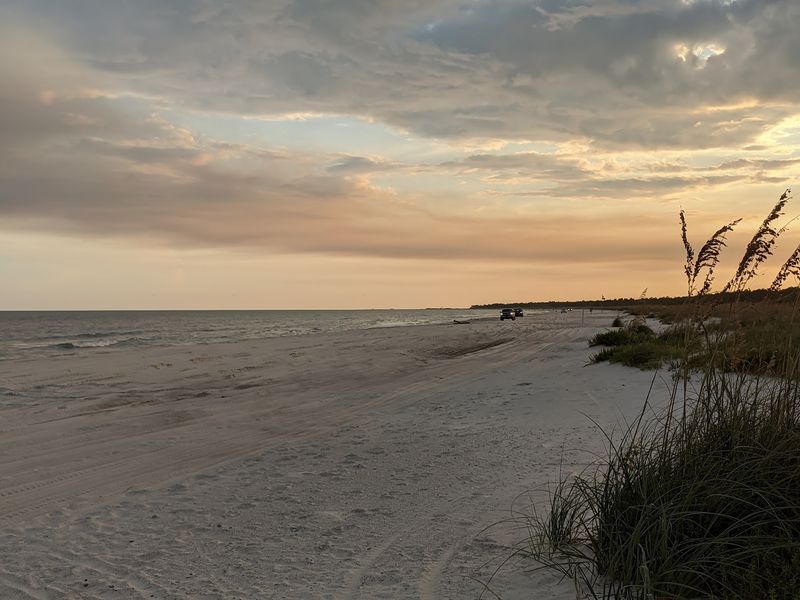
Some areas allow beach driving with a permit from Gulf County. Rules and fees can change, so check with the county before trying it.
Weather matters too. Storm season runs through summer and fall, so keep an eye on forecasts.
Once settled, the main task is relaxing. Honestly, that part requires very little instruction.
Worth the Detour
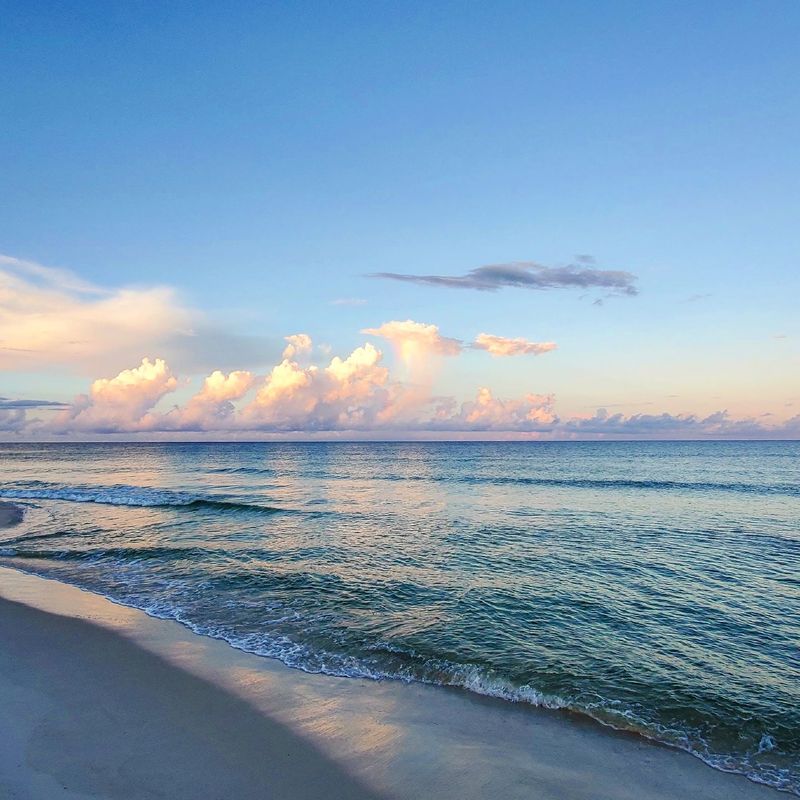
Not every beach needs a boardwalk full of shops to win hearts. Cape San Blas proves that space and simplicity can be the main event.
It suits travelers who like long walks, open water, and quiet evenings. Kayakers, birdwatchers, and families wanting room to spread out all find something to enjoy.
Anyone craving nightlife or big attractions might feel a bit restless. That is fine, because those places exist elsewhere along the coast.
The cape offers something harder to find in Florida. It gives people time and room without asking for much in return.
Plan ahead, respect the wildlife rules, and bring supplies from town. Do those things, and the trip tends to take care of itself.
Fewer people find this beach than you might expect. Those who do usually start planning the next visit before the car is even packed.
Enjoyed this story?
Add Fast Food Club as a preferred source to see more of our reporting on Google.