


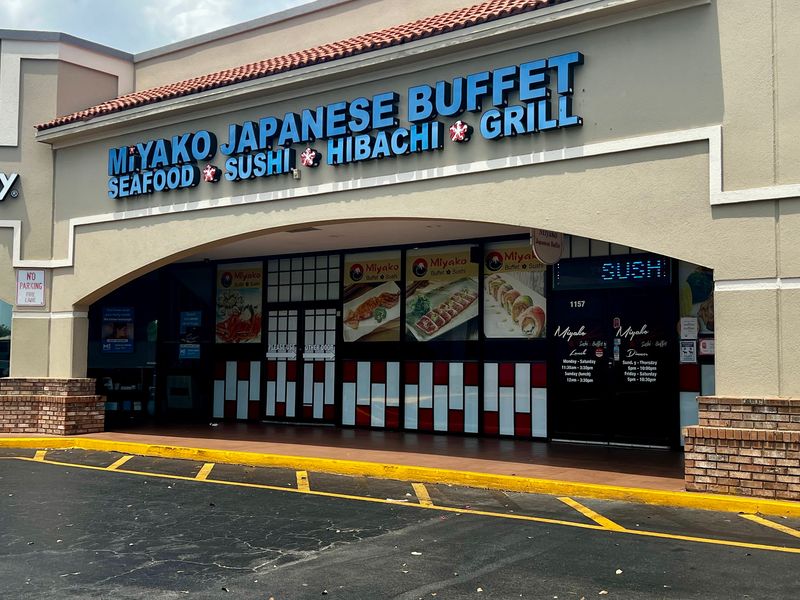
Some meals come with a menu. This one comes with a plate and a challenge: how much sushi, crab, and hibachi can one person reasonably carry back to the table?
In Pompano Beach, a busy Japanese buffet has turned that question into a local hobby, and thousands of happy diners keep coming back to answer it again. Chefs roll sushi in full view, the hibachi grill cooks plates to order, and trays get refilled so often that the line rarely runs dry.
The price surprises people too, especially at lunch. Keep reading to learn where this spot hides, what earns all the attention, when to show up to beat the crowd, and a few smart moves that help first-timers eat like seasoned regulars from the very first trip.
A Shopping Center Spot on Federal Highway
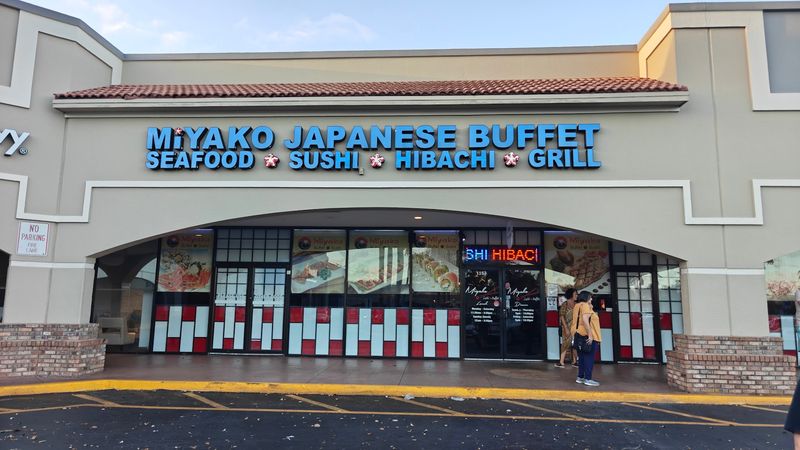
Big appetites need a starting point, and this one sits right along one of the busiest roads in Broward County.
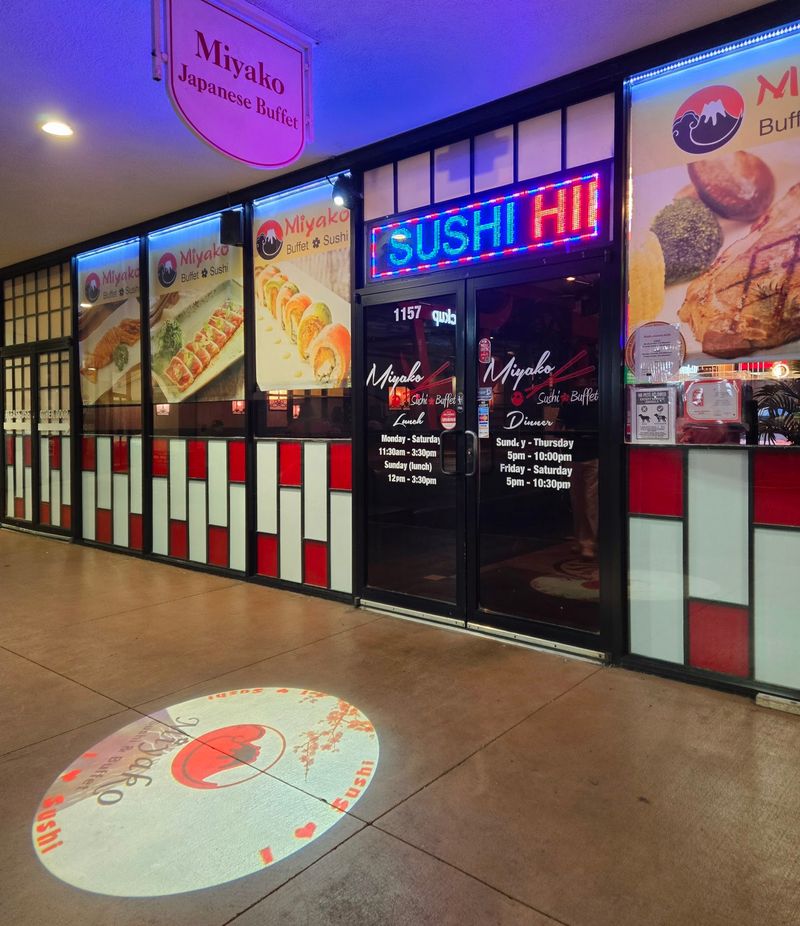
Miyako Japanese Buffet is located at 1157 S Federal Hwy, Pompano Beach, FL 33062, in the United States. It occupies a spot inside a shopping center, which makes it an easy stop between errands.
The restaurant is listed as a sushi restaurant, though that label only tells part of the story. The core idea is simple: all-you-can-eat sushi rolls and hibachi in a relaxed setting.
Some longtime shoppers in the plaza admit they passed the place for years before finally walking in. Once they did, many wondered why they waited so long.
Its position on South Federal Highway also puts it within easy reach of Fort Lauderdale. Travelers staying nearby often find it while searching for a quick sushi fix.
The setup keeps things casual. Guests grab a plate, circle the stations, and choose whatever catches their interest.
No reservations-heavy fuss, no complicated ordering. It is the kind of spot built for showing up hungry and leaving very full, which is exactly why so many people keep finding their way back to this stretch of road.
Thousands of Fans and Counting
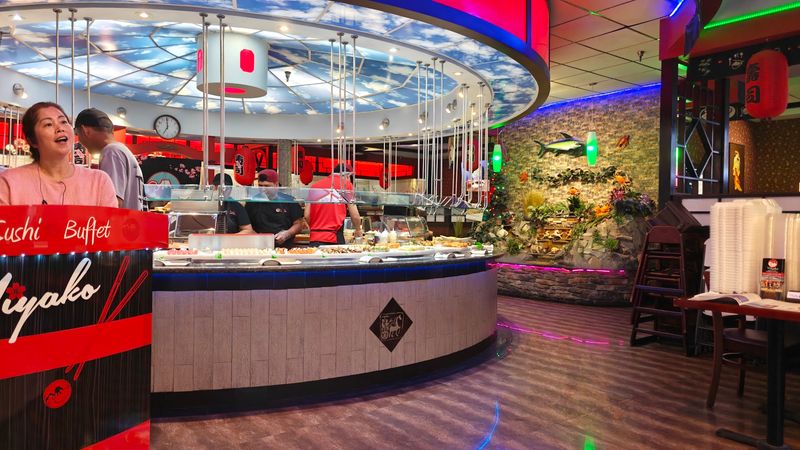
Numbers can say a lot about a restaurant, and these numbers are hard to ignore.
The buffet holds a 4.6-star average from more than 5,300 diners on Google. For an all-you-can-eat operation, that is a seriously strong showing.
Plenty of people describe it as the best sushi buffet they have tried. Others say the meal went far beyond what they expected from a buffet at all.
One out-of-state guest planned a short Florida trip and ended up eating here three days in a row. That kind of loyalty does not happen by accident.
Families return regularly and treat it as a dependable outing. Work teams show up often too, using lunch as a chance to eat, chat, and relax together.
Not every plate wins everyone over, and some guests find certain hot dishes just fine rather than memorable. Still, the overall picture leans heavily positive.
The most common praise centers on variety, freshness, constant refills, and friendly staff. Those four themes come up again and again, and they set the stage for everything that follows on this plate-by-plate tour.
Sushi Rolled Right in Front of the Line
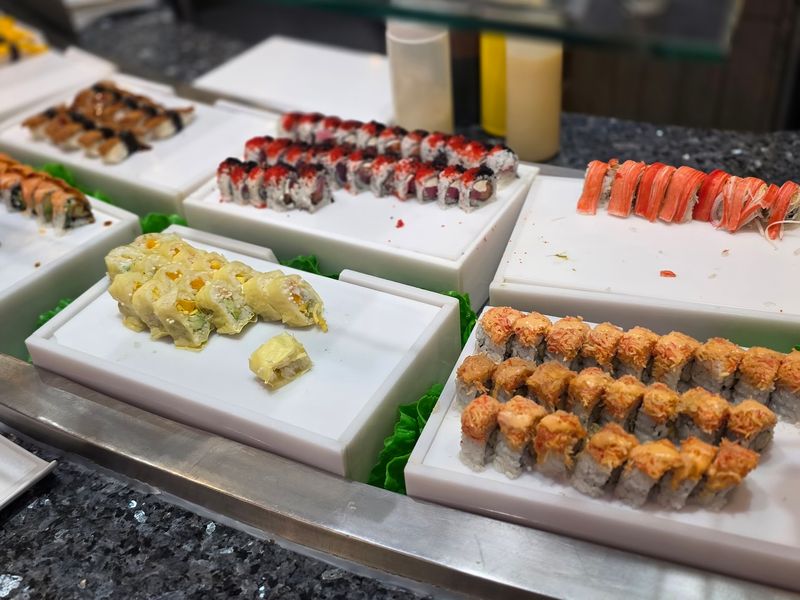
Sushi is the headliner here, and the chefs perform their act in full view.
Rolls and sashimi are made right at the station, so trays get replaced based on what diners grab most. Popular choices rarely sit for long.
The selection is wide. Guests find many different rolls and flavors, along with a few creative combinations that first-timers may never have tried before.
Salmon earns frequent praise, and the sushi as a whole is often called fresh and well presented. Even cautious eaters who usually avoid raw fish have left impressed.
A practical tip helps here. The labels naming each roll are small, so a slow lap around the station before loading up can save some guesswork.
That first loop also helps with pacing. With so many choices, filling a plate with the first three rolls in sight is a classic rookie move.
Sauces are plentiful, though small cups for them are not always available. Plan plate space accordingly.
For sushi lovers, this station alone can justify the trip, and plenty of guests happily make it their main course, second course, and third course.
Crab Legs Worth the Extra Trip
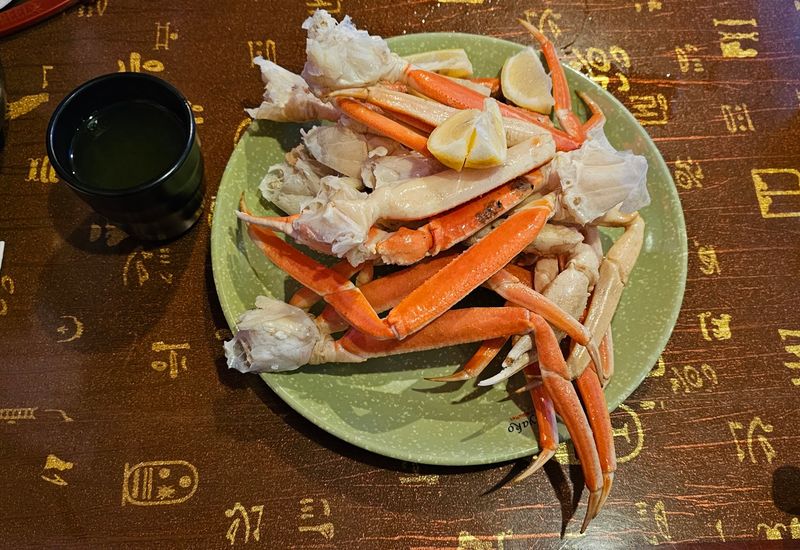
Ask regulars which station gets the most return trips, and the crab legs come up fast.
Crab is a favorite part of the meal for many families. Guests often single it out as fresh and one of the highlights of the whole spread.
The seafood lineup goes further than crab. Oysters show up frequently in conversations about the buffet, and diners mention them as fresh and a welcome surprise for an all-you-can-eat price.
Shrimp dishes and a range of other seafood plates round out the section. Some guests even say the quality matched or beat what they had at pricier restaurants.
Lobster and frog legs also get mentioned, which adds a bit of adventure for curious eaters. Crispy fried crab is another option on the hot side.
For seafood fans, this is where the value really shows. Paying a set price and choosing from crab, oysters, and sushi is a combination that keeps people talking.
Bring patience during busy hours, since this area draws a crowd. The wait is usually short, and the reward tends to be worth a little elbow room, so to speak.
The Hibachi Grill and Its Custom Plates
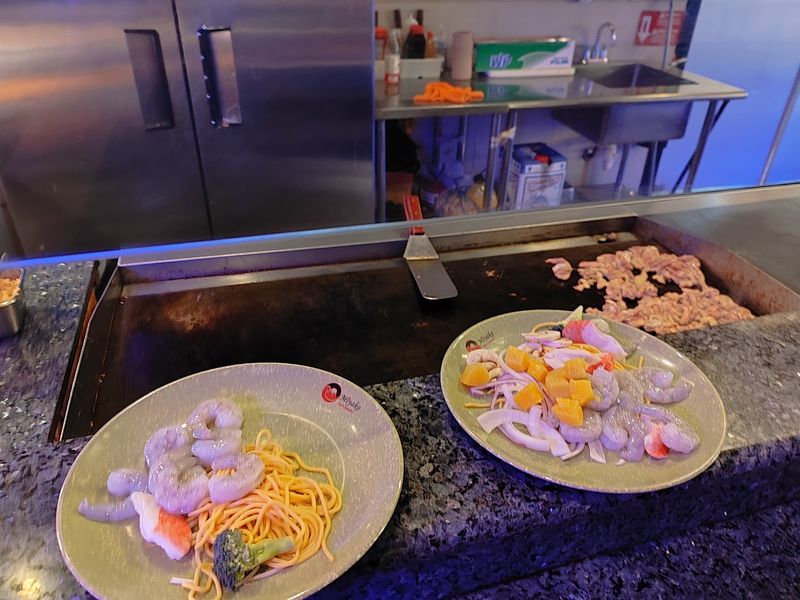
Of all the stations, the hibachi grill gets talked about most, and for good reason.
Guests pick their own proteins, vegetables, and noodles, then hand the bowl to a chef who cooks it right there. The result is a hot plate made to personal taste.
That interactive part adds some fun to the meal. Watching the food get made keeps the experience lively, especially for first-timers.
The chefs work quickly and skillfully. Even during busy periods, the line tends to move at a steady pace.
Many diners treat hibachi as a smart break between sushi rounds. It changes up the meal and gives picky eaters an easy way to build exactly what they want.
Kids often enjoy this station too, since they can choose their own ingredients. A little control over dinner goes a long way at that age.
A good strategy is to drop off a hibachi bowl, grab a few sushi pieces, and return when the plate is ready. Efficiency counts when there is this much ground to cover.
For many guests, a visit without a hibachi plate simply feels unfinished.
Hot Dishes, Salads, and a Carving Station
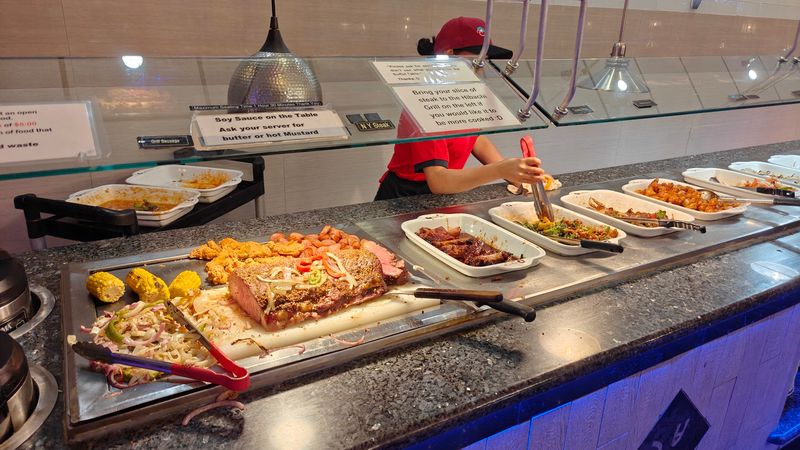
Beyond raw fish and the grill, a whole other buffet waits.
Hot dishes cover a mix of Japanese and Chinese favorites. Duck, eggplant, fried rice, teriyaki calamari, and noodles all appear among the options people mention.
A carving station adds another choice for guests who want something different. A salad bar sits in the mix too, with a ginger dressing and seafood salad that earn praise.
Opinions here are more mixed than at the sushi counter. Some guests love the hot food, while others find a few items only fair or a little dried out.
One diner also felt the non-sushi variety was thinner than expected. That comes down to personal taste and what a guest hopes to find.
The best approach is to sample small portions first. A spoonful of several dishes reveals favorites without wasting space on the plate.
That approach also respects the house rule posted on signs around the room. All-you-can-eat does not mean all-you-can-waste, and the staff takes that message seriously.
Treat this section as a tasting tour, and save room for the ones that click.
Desserts That Close the Deal
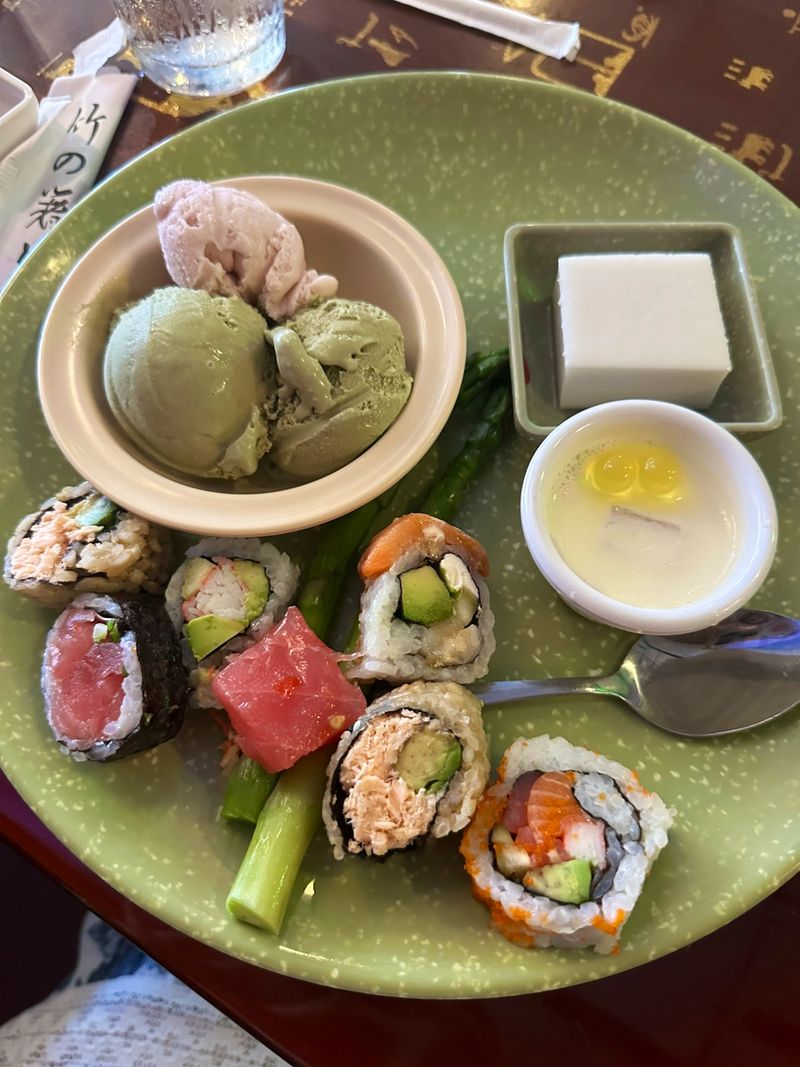
Somehow, people always find room for dessert.
The sweet section draws plenty of attention, with many guests calling the selection impressive. There are plenty of treats to finish the meal on a lighter note.
Creme brulee gets mentioned often enough that it has earned a small fan club of its own. It shows up repeatedly when diners talk about their favorite finishes.
Families with kids especially appreciate this part of the buffet. A dessert stop makes a fun reward after a plate of sushi or hibachi.
Of course, not every guest makes it this far. Some admit they were simply too full to try the sweets after several rounds of seafood.
That is a common buffet trap. A tip for planners: skip that fourth plate of fried items if dessert is part of the goal.
Because the stations stay stocked, there is no rush to grab sweets early. They will still be there when the main event wraps up.
Ending on something sweet gives the meal a tidy finish, and for many regulars, the dessert lap is a tradition they would never skip.
Trays That Never Seem to Empty
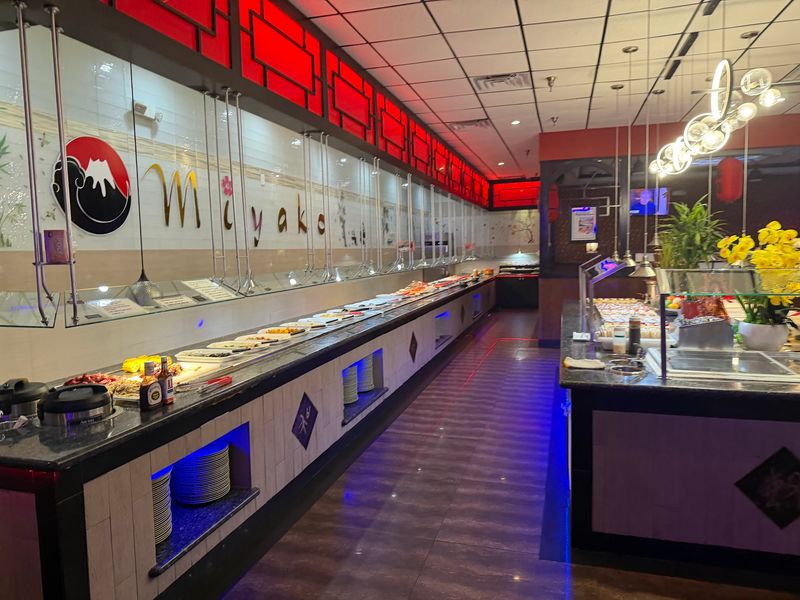
Nothing deflates a buffet trip faster than an empty tray, which is why the refill rhythm here matters so much.
Staff restock dishes constantly throughout the meal. Even the most popular items tend to stay available.
That steady turnover helps keep the food fresh. Because sushi gets made in batches based on demand, trays move instead of sitting.
Cleaning happens at the same time. Workers wipe stations and tidy the line while guests keep moving through.
The dining room gets the same attention. Many describe the restaurant as spotless, organized, and well laid out for buffet service.
One honest note: a few guests feel the space looks a bit dated in spots, and the restrooms are considered average. Cleanliness, though, earns steady praise.
For a place that feeds this many people daily, keeping that standard is no small feat. It explains why so many families feel comfortable bringing kids here.
The constant motion behind the counter is part of the experience, and it quietly makes everything else on this list possible.
Friendly Faces Keeping Pace
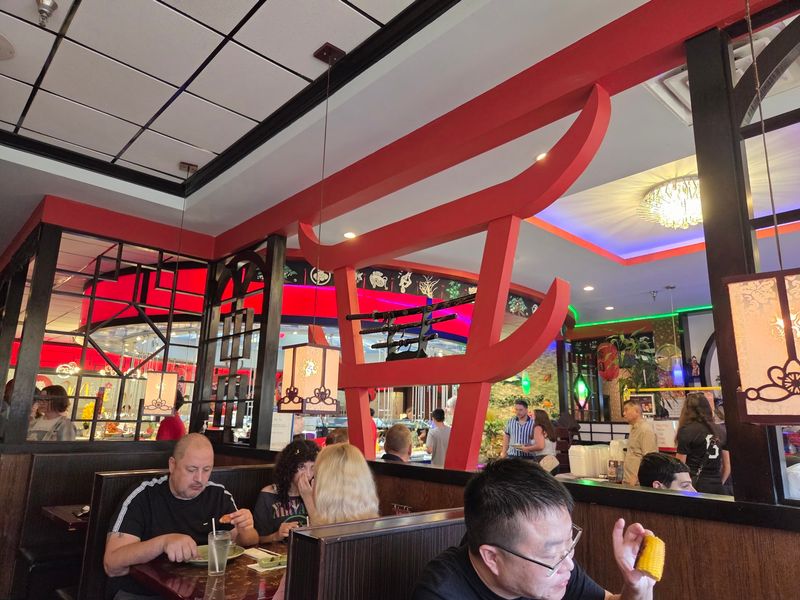
A buffet may be self-serve, but the staff still shapes the whole visit.
Servers stay in constant motion, picking up empty plates, cleaning tables, and checking whether guests need anything. Drink refills arrive without much waiting.
Many guests describe the team as warm, polite, and respectful. The hostess often gets credit for being professional and courteous.
Some staff members go further. One family shared that a server offered their kids helpful food tips, which turned a regular dinner into a memorable one.
There is a flip side to all that speed. A few diners felt plates were cleared a little too quickly while they were still eating.
An easy fix exists: leave a fork on the plate or simply mention that you are not finished. Staff respond quickly either way.
Some guests who were lukewarm about the food still praised the service and the atmosphere. That says a lot about how consistent the team is.
In a room this busy, good hospitality keeps the whole operation running smoothly, and it often becomes the reason guests feel welcome enough to come back.
A Lively Room Built for Groups
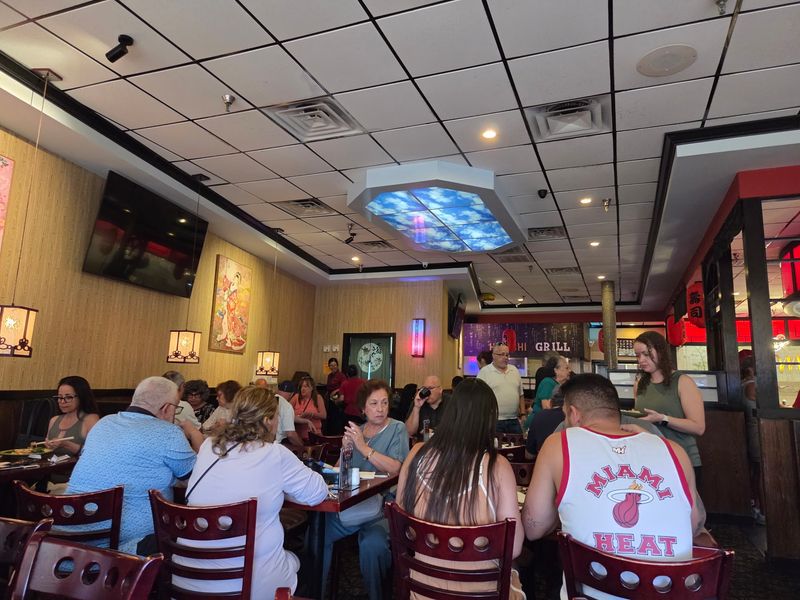
Quiet date nights belong somewhere else.
The room tends to be lively and loud, filled with hungry families, friends, and kids all talking at once. Most guests expect that and enjoy the energy.
That buzz makes it a natural pick for group outings. Birthday dinners, family gatherings, and casual team lunches all fit right in.
The space is described as spacious and comfortable. Many also call the atmosphere cozy and welcoming despite the crowds.
Kids tend to do well here because there is so much choice. Picky eaters can stick with hibachi or hot dishes while adventurous ones explore the sushi.
Adults who love variety get the same benefit. No one at the table has to agree on a single dish.
During peak hours, the buffet area can feel tight. A bit of patience at the busiest stations goes a long way.
For anyone seeking a calm, hushed meal, a quieter weekday lunch might suit better. For everyone else, the cheerful noise is simply part of the fun.
The Price Tag That Surprises People
Here is the detail that makes jaws drop: lunch runs around 20 dollars per person.
For all-you-can-eat Japanese food with sushi, seafood, and hibachi, that price gets called a great deal again and again. Many guests say the quality far exceeds what they paid.
Value shows up as a major theme. People who arrive skeptical often leave planning their next trip.
Lunch appears to be the sweet spot for budget-minded diners. Dinner pricing is not listed in the available details, so checking the official website before visiting is a smart move.
Like any buffet, the experience can be hit and miss depending on personal taste. Some dishes will land and others may not.
Still, the math is simple for seafood fans. A few rounds of sushi and crab can quickly outweigh the cost of a single entree elsewhere.
One fair warning: overdoing it is easy. A few diners left feeling uncomfortably full, so pacing matters.
Treat the low price as permission to explore, not to overstuff, and the value feels even sweeter.
Hours, Timing, and Beating the Crowd
Timing can make or break a buffet run.
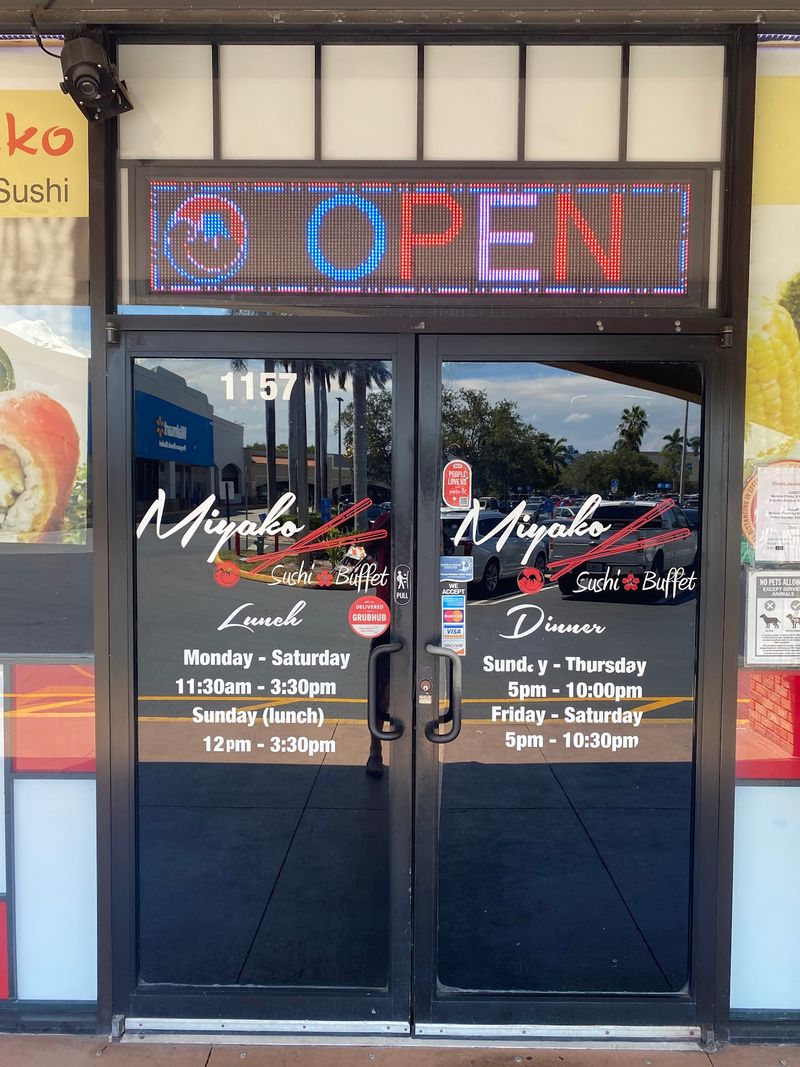
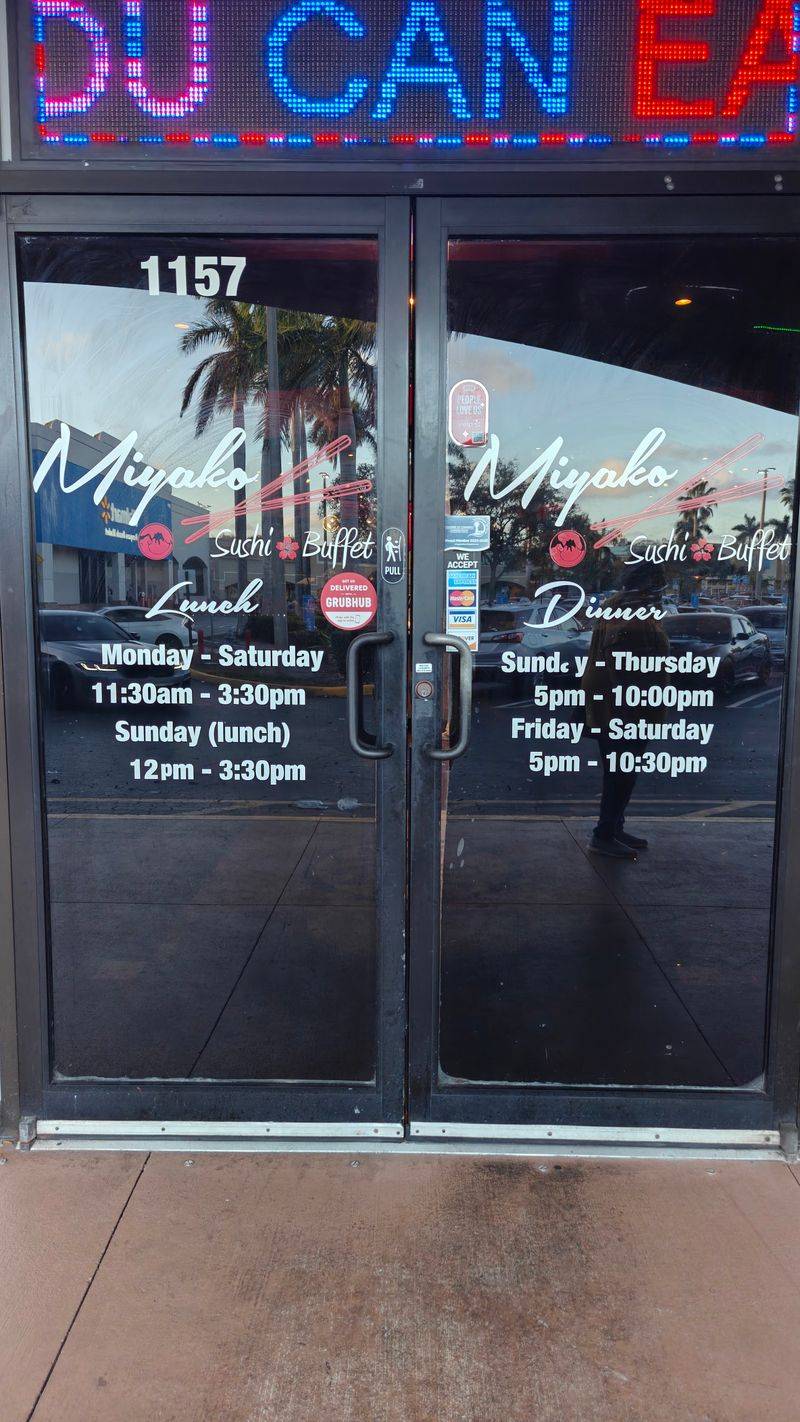
The restaurant serves two daily sessions with a break in between. Monday through Thursday, lunch runs from 11:30 AM to 3:30 PM, and dinner from 5 PM to 10 PM.
Friday and Saturday keep the same lunch hours, while dinner stretches later, from 5 PM to 10:30 PM. Sunday opens a little later, with lunch from noon to 3:30 PM and dinner from 5 PM to 10 PM.
That gap between 3:30 PM and 5 PM matters. Showing up in the middle of the afternoon means waiting for dinner service to begin.
Crowds can build during peak hours. One couple arriving around 1:30 PM waited only about 10 minutes, which suggests later lunch slots can work well.
A waiting area is available near the entrance. Busy weekend nights may require more patience.
Hours can change, so a quick look at the official website, miyakobuffet.com, before heading out helps avoid surprises.
Plan around those windows, arrive hungry, and the rest takes care of itself.
Why Plates Keep Piling Up Here
After all those laps around the stations, the appeal comes into focus.
This Pompano Beach buffet delivers a wide spread of sushi, crab, oysters, and custom hibachi at a price that feels almost too friendly. Fresh trays and attentive staff tie it all together.
It is not a perfect fit for every diner. Some hot dishes divide opinions, the room gets loud, and peak hours can feel crowded.
Yet the strengths clearly outweigh the quirks for most guests. Thousands of strong marks back that up.
Seafood fans will likely feel right at home. Families, groups of friends, and coworkers looking for an easy shared meal will find plenty to like too.
A few smart habits help. Take a scouting lap first, start with small portions, and leave space for dessert.
Visiting at a later lunch hour may also trim the wait. Checking hours online first keeps the plan simple.
In the end, the best proof is the number of people who come back for seconds, and thirds, and another trip next week. That plate is not going to fill itself.
Enjoyed this story?
Add Fast Food Club as a preferred source to see more of our reporting on Google.