


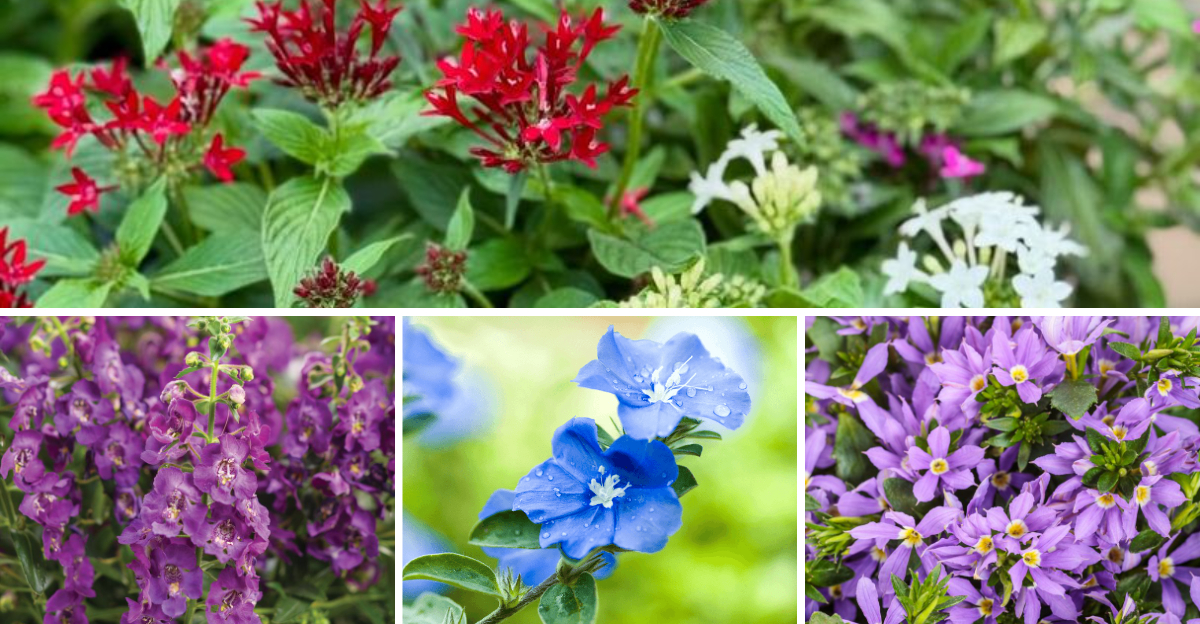
Florida summers are no joke — blazing sun, scorching temperatures, and surprise downpours can wipe out most garden plants before August even arrives. But some plants look like they belong in a fancy flower shop yet secretly have the toughness of a seasoned survivor.
These beauties fool you with their soft petals and wispy blooms while laughing in the face of extreme heat. Get ready to meet the most deceptively tough plants Florida gardeners swear by.
Pentas
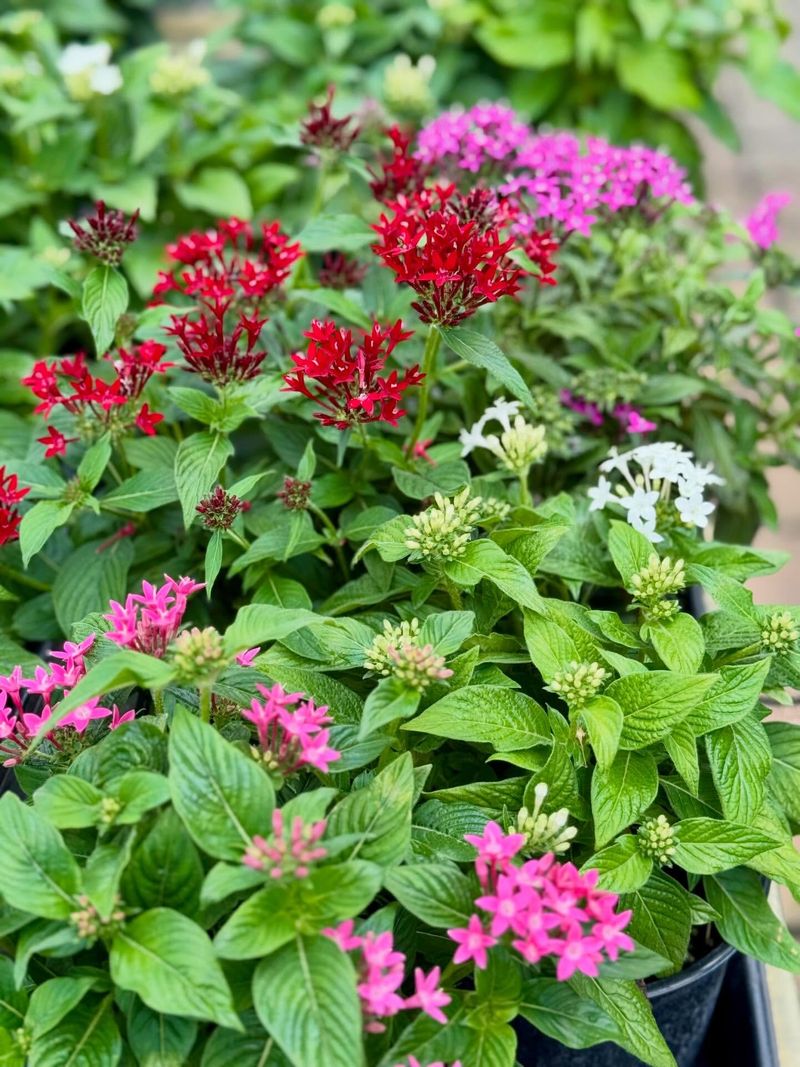
Butterflies go absolutely wild for pentas, and honestly, who can blame them? Those cheerful clusters of tiny star-shaped flowers bloom in red, pink, white, and lavender all summer long without missing a beat.
Pentas thrives in full sun and handles Florida’s punishing heat like a champ. Water it regularly but make sure the soil drains well.
It grows fast, looks fantastic in containers or garden beds, and keeps blooming even when temperatures push past 95 degrees.
Angelonia
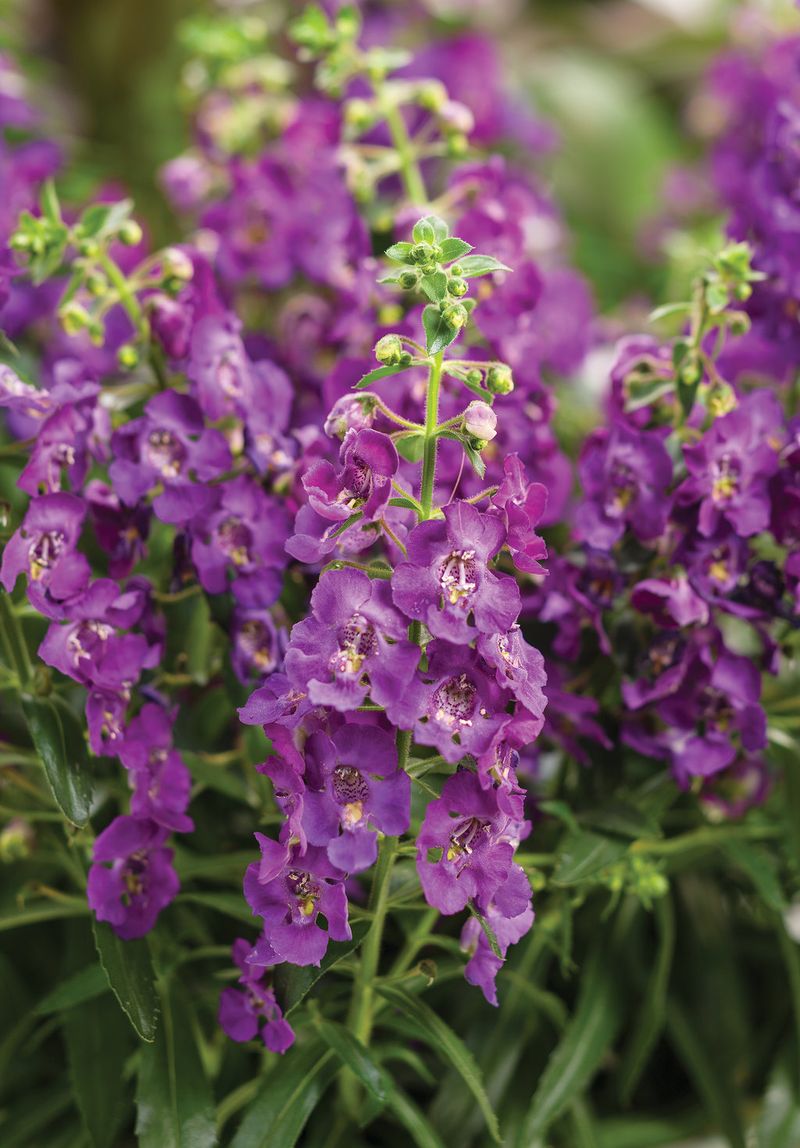
Nicknamed the summer snapdragon, angelonia produces elegant spikes of orchid-like blooms that make any garden look professionally designed. The flowers carry a faint apple-like scent, which is a surprising bonus on a hot afternoon.
Unlike its cool-weather cousin the snapdragon, angelonia actually loves the heat. Plant it in full sun, give it moderate water, and it will reward you with nonstop color from spring through fall.
It resists drought surprisingly well once established.
Blue daze
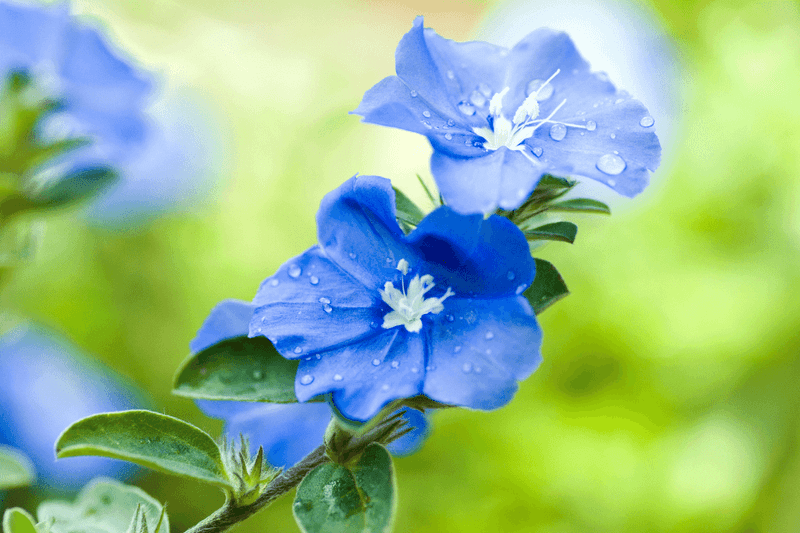
Few plants pull off that dreamy sky-blue color the way blue daze does. The flowers are small and delicate-looking, but this ground-hugging plant handles Florida heat and humidity without complaint.
Blue daze works beautifully as a border plant or in hanging baskets where its trailing stems can drape over the edges. Give it full sun and well-drained soil.
One interesting quirk — the blooms close up at night and on cloudy days, then reopen bright and fresh each morning.
Scaevola
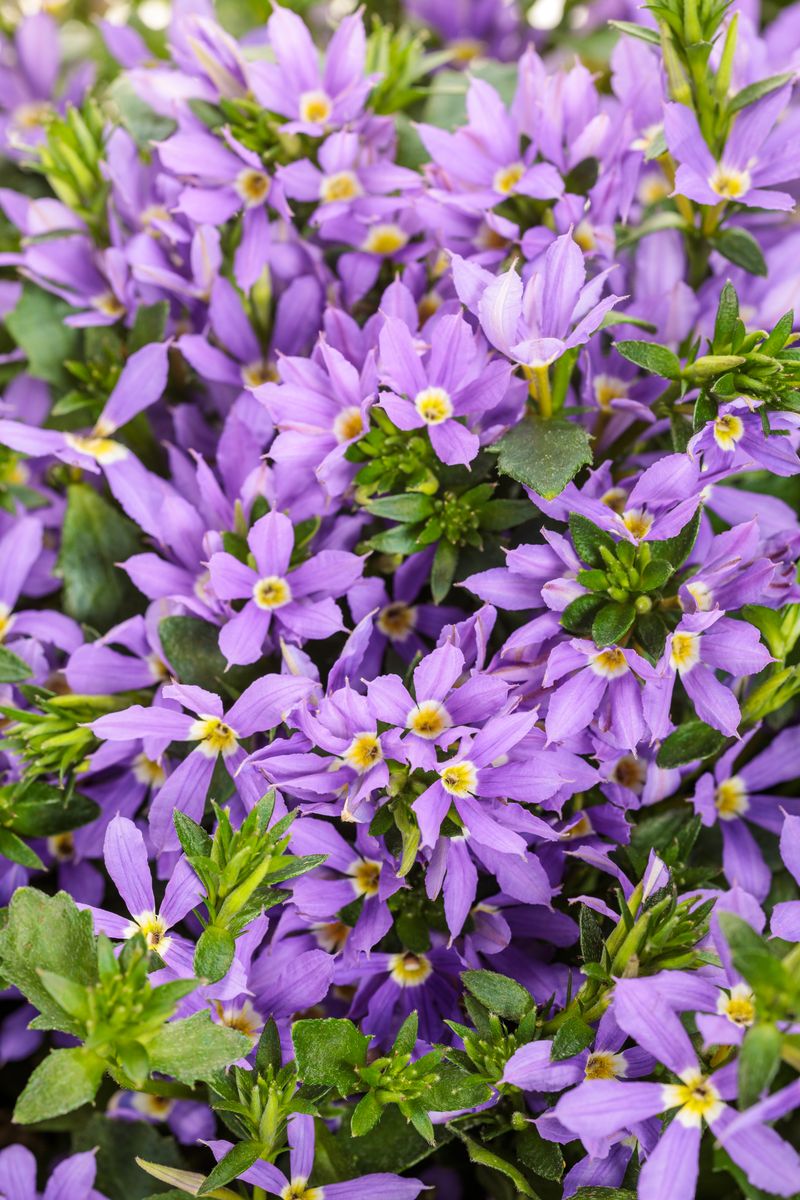
Originally from Australian beaches, scaevola brought its coastal toughness straight to Florida and never looked back. Its fan-shaped flowers — usually purple, pink, or white — look almost like tiny half-blooms, giving the plant a quirky, artistic appearance.
Scaevola handles salt spray, intense sun, and high humidity like it was born for it. It trails beautifully from containers or spreads as a ground cover.
Water it moderately and skip the heavy fertilizer — this plant prefers life on the lean side.
Purslane
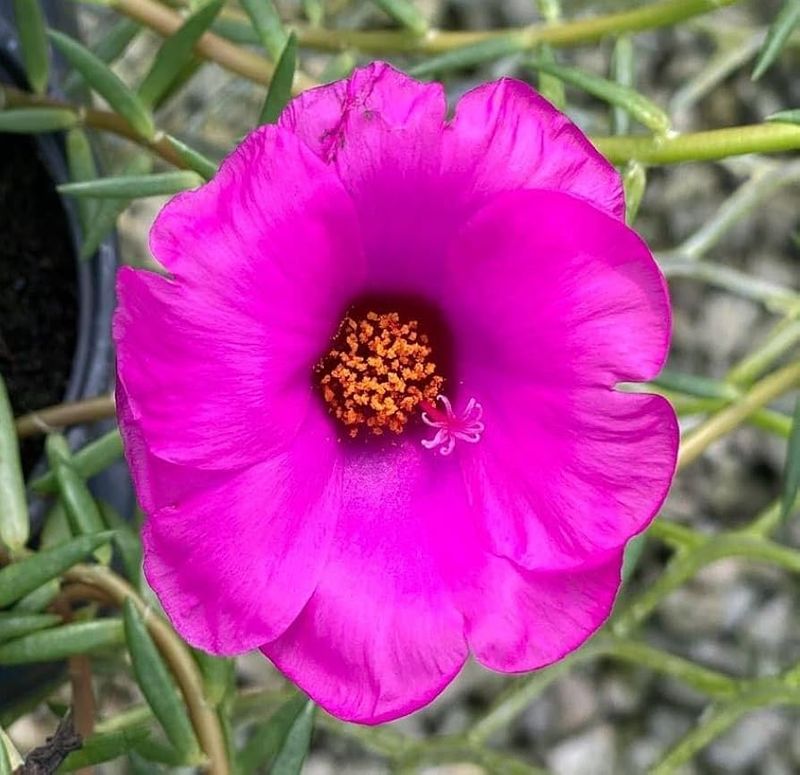
Purslane might just be the ultimate survivor wearing a pretty face. Its jewel-toned flowers in orange, yellow, pink, and red sit on thick, succulent-like stems that store water for dry spells — basically a built-in drought plan.
Full sun and poor soil? No problem.
Purslane actually performs better without rich soil or heavy watering. It spreads quickly, fills bare spots with color, and blooms all summer.
Gardeners in Florida love it because it asks for almost nothing and delivers everything.
Vinca
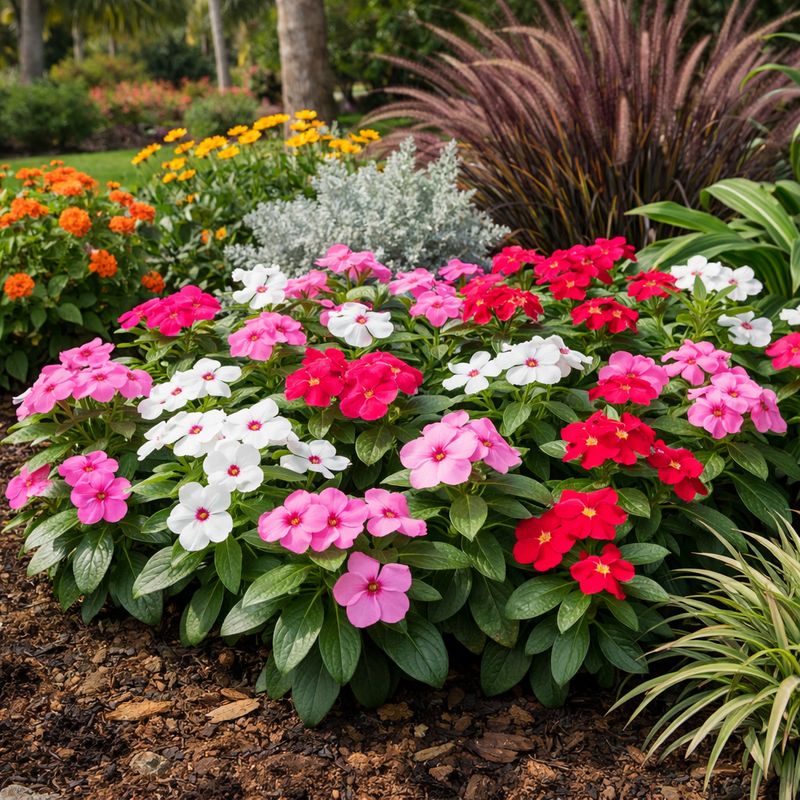
Walk through almost any Florida neighborhood in July and you will spot vinca holding its own while other plants wilt around it. This cheerful annual produces glossy, dark green leaves and pinwheel-shaped flowers in shades of pink, red, white, and purple.
Vinca loves heat and humidity, making it practically custom-built for Florida summers. It resists drought once established and rarely needs much fuss.
One tip — avoid overwatering, because soggy roots are one of the few things that can actually take this tough plant down.
Mexican heather
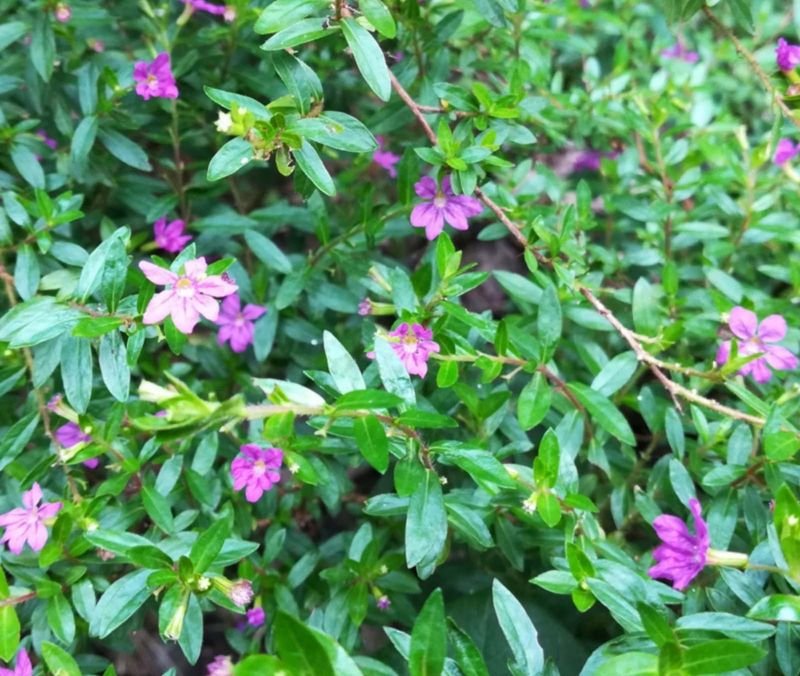
Despite its delicate, fern-like texture and tiny lavender blooms, Mexican heather is one of the toughest small shrubs you can grow in Florida. It creates a soft, airy look in the garden that belies just how heat-resistant it really is.
Mexican heather blooms almost year-round in South Florida and through the warm months elsewhere in the state. It grows well in full sun or partial shade and handles poor, sandy soil with ease.
Butterflies and bees visit it constantly, making it a pollinator favorite too.
Coreopsis
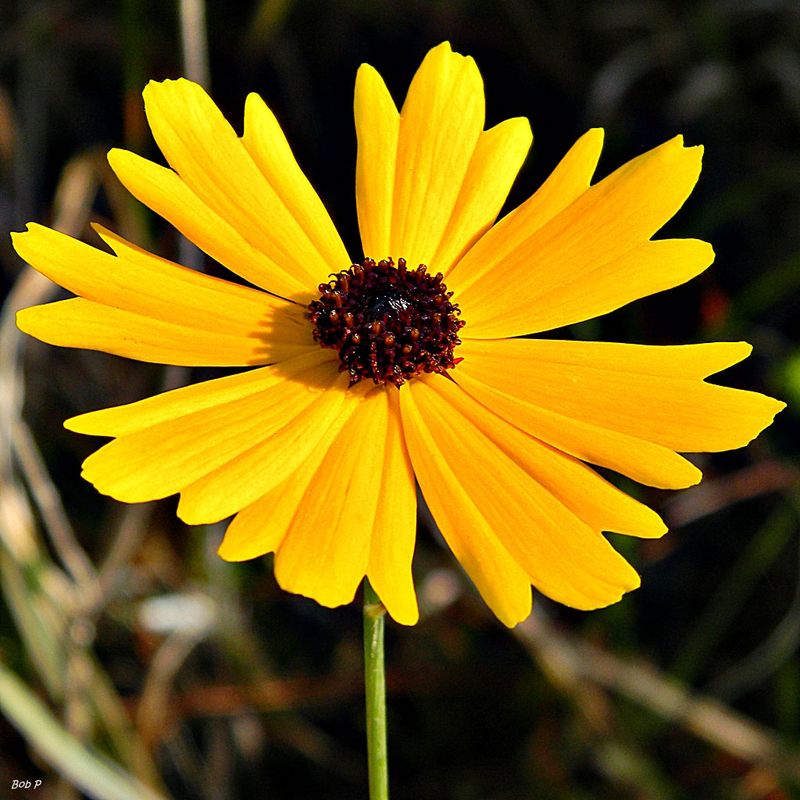
Florida named coreopsis its official state wildflower, and for good reason — this golden beauty grows naturally across the state without any fuss at all. Fields of coreopsis blooming along Florida highways in spring are one of the most cheerful sights around.
Plant it in full sun with well-drained soil and step back. Coreopsis handles heat, drought, and even neglect with grace.
Deadheading spent blooms encourages more flowers, but even without that extra effort, this plant keeps producing its sunny yellow blooms reliably all season long.
Blanket flower
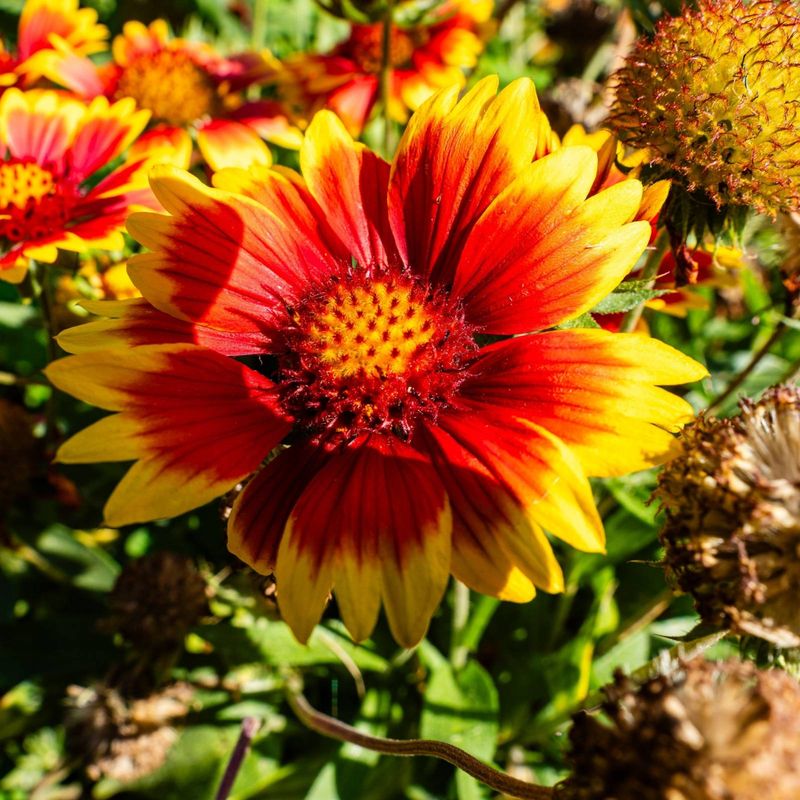
Named for its bold, flame-like patterns of red, orange, and yellow, blanket flower looks like something a Southwest artist painted — and yet it grows effortlessly in Florida’s blistering summers. The daisy-like blooms are showstoppers that last from spring all the way through fall.
Blanket flower thrives in sandy, well-drained soil and full sun. It is drought-tolerant once established and actually struggles more from overwatering than underwatering.
Native bees love it, and deer tend to avoid it — two wins that make Florida gardeners very happy.
Bulbine
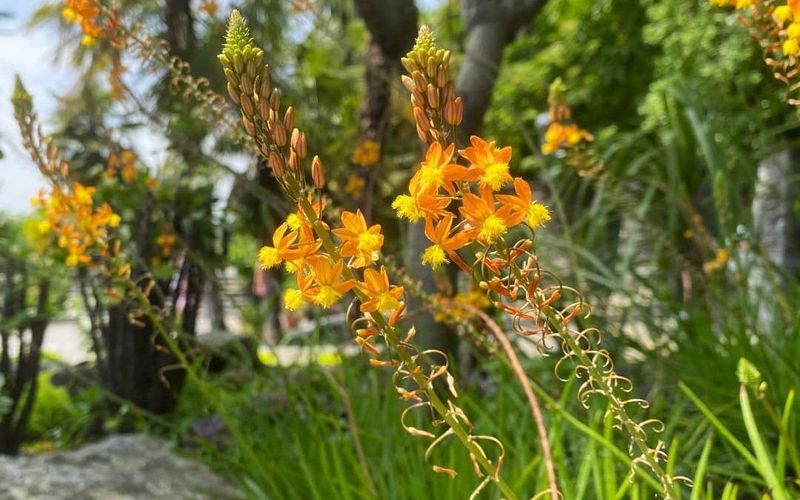
Bulbine looks like something between a succulent and a wildflower, with grass-like, jelly-filled leaves and cheerful orange or yellow blooms on tall, slender stalks. Originally from South Africa, it found Florida’s heat totally agreeable.
The gel inside bulbine leaves has traditionally been used to soothe minor skin irritations, similar to aloe vera — so it is both ornamental and practical. Give it full sun and fast-draining soil.
It is extremely drought-tolerant, spreads slowly to form attractive clumps, and blooms reliably even during the hottest months.
Tropical sage
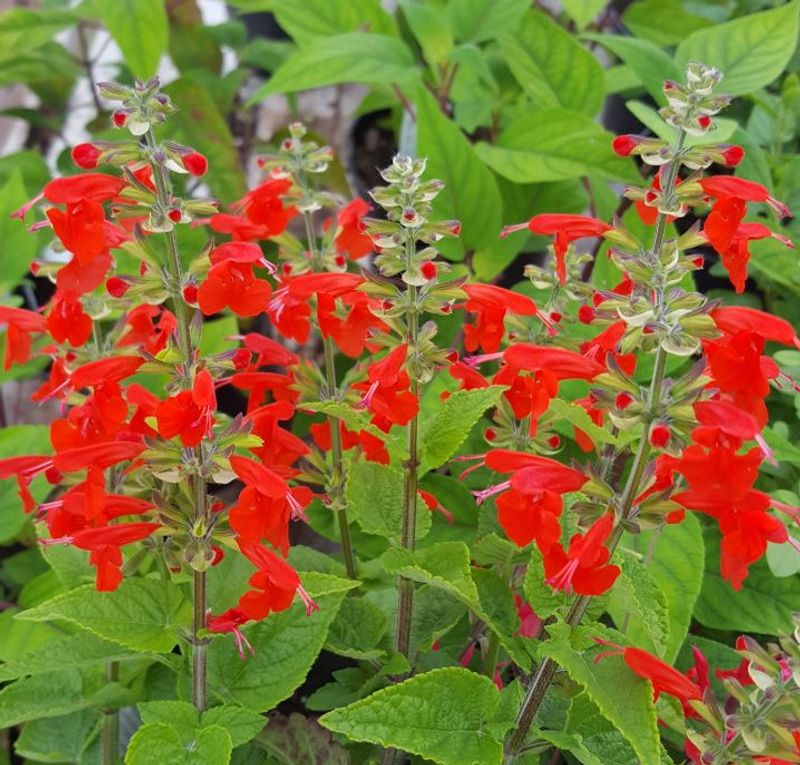
Hummingbirds treat tropical sage like their personal favorite restaurant, hovering around its brilliant red tubular flowers all summer long. This native Florida plant grows naturally in open woods and roadsides, proving it needs zero pampering to thrive.
Tropical sage handles full sun, sandy soil, and dry spells without flinching. It can grow up to four feet tall, creating dramatic vertical interest in the garden.
Because it is a true Florida native, it supports local wildlife beautifully and asks almost nothing from the gardener in return.
Society garlic
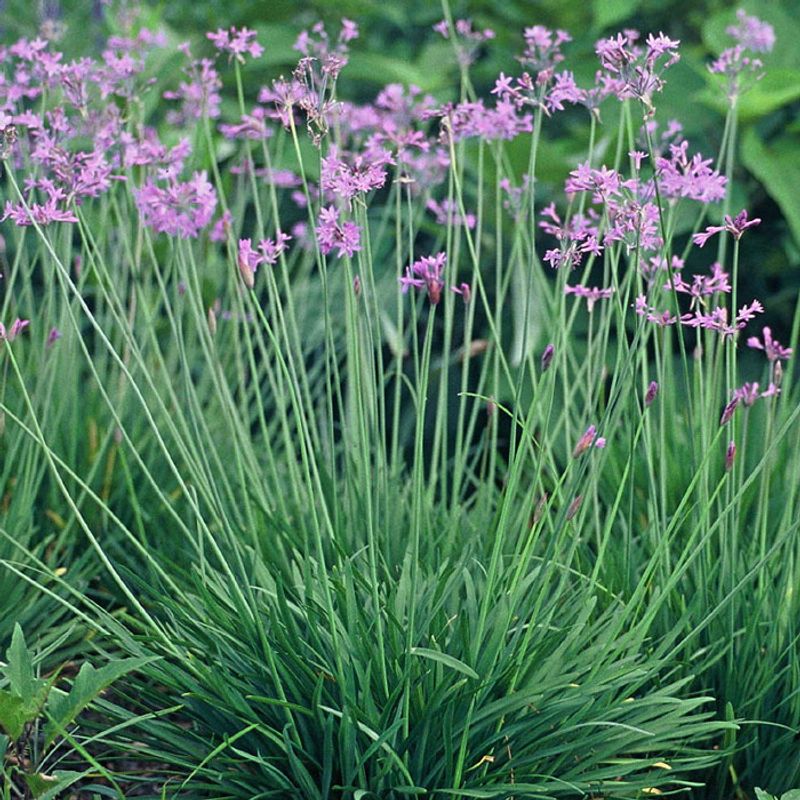
Society garlic has one of the best plant names out there, and the story behind it is genuinely fun — it smells like garlic when the leaves are crushed, but the flowers themselves are odorless, so you can enjoy them in polite company without anyone noticing.
The lavender-purple blooms appear on tall stalks above strappy green foliage and keep flowering through Florida’s hottest months. It grows well in full sun, tolerates drought, and deer avoid it completely thanks to that garlic scent.
A low-maintenance winner for Florida landscapes.
Ruellia
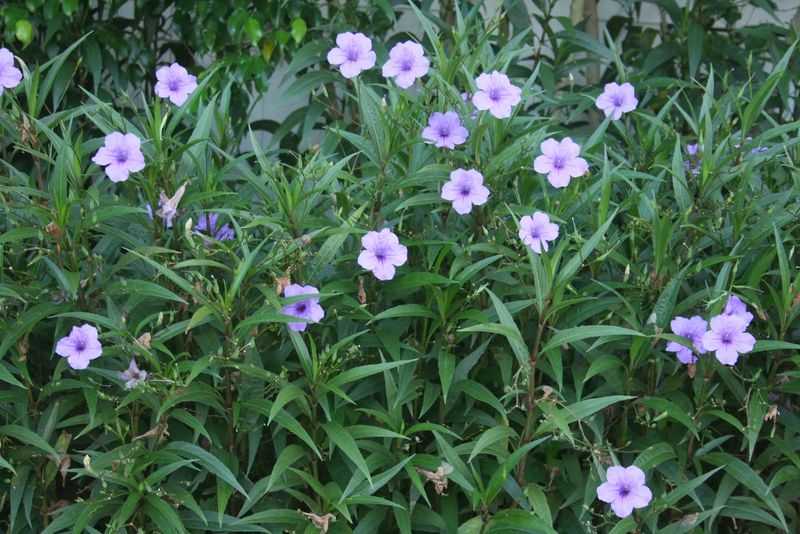
Ruellia, often called wild petunia, produces soft purple trumpet-shaped flowers that look like they need constant attention — but this plant is practically unstoppable once it gets going. It spreads easily and blooms continuously through summer heat that would flatten most other plants.
Florida gardeners should note that ruellia can spread aggressively, so choosing non-invasive cultivars is smart. It grows in full sun to partial shade and handles both drought and occasional flooding.
Hummingbirds and butterflies visit the blooms regularly, adding even more life to the garden.
Portulaca
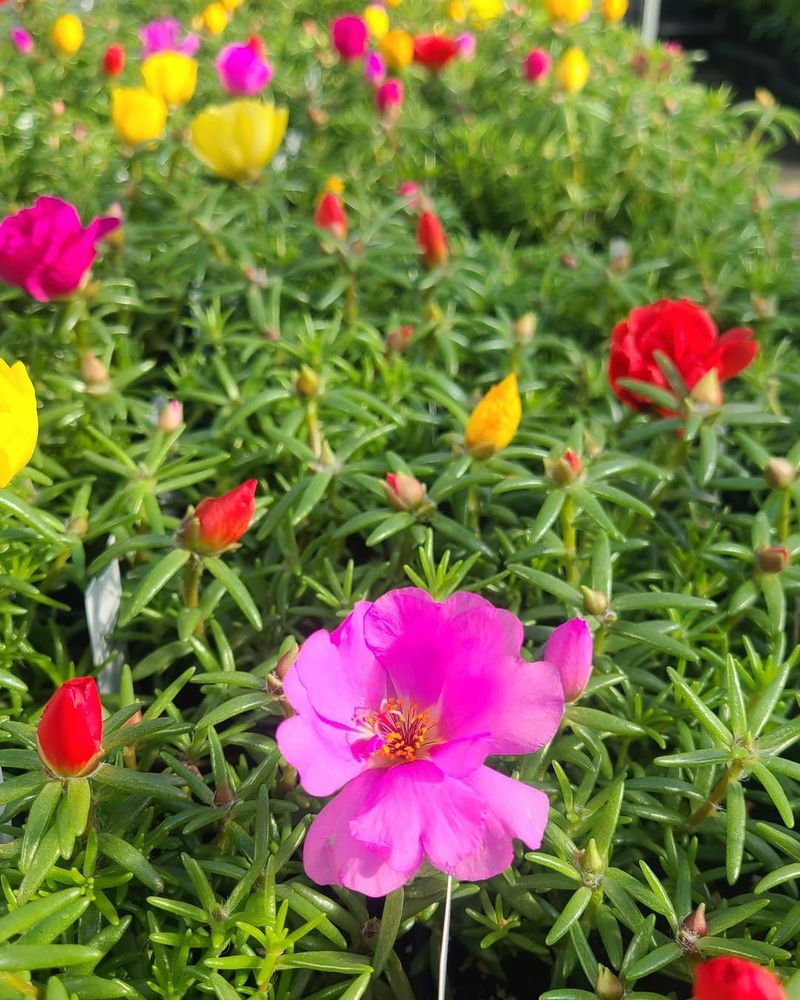
Portulaca, also known as moss rose, is basically the overachiever of the heat-tolerant plant world. Its silky, rose-like flowers open in brilliant shades of magenta, yellow, orange, and cream, sitting on low, succulent stems that laugh at dry soil and blazing sun.
This plant is a go-to for spots where nothing else survives — hot pavement edges, sandy slopes, or containers baking in direct sun all day. It reseeds itself freely, so once you plant it, it tends to come back year after year with minimal effort from you.
Coneflower
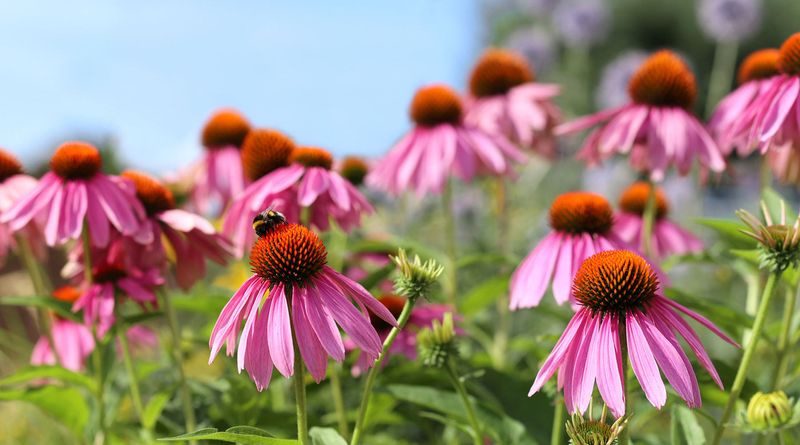
Coneflowers bring that classic wildflower charm to Florida gardens with their cheerful pink and purple petals surrounding bold, spiky orange centers. They look like they belong in a meadow painting, yet they handle Florida’s summer heat with impressive resilience.
Plant coneflowers in full sun with well-drained soil and they will reward you with blooms from late spring through summer. Goldfinches adore the seed heads in fall, so resist the urge to deadhead every flower.
They are also deer-resistant, which is always a welcome bonus in Florida neighborhoods.
Black-eyed Susan
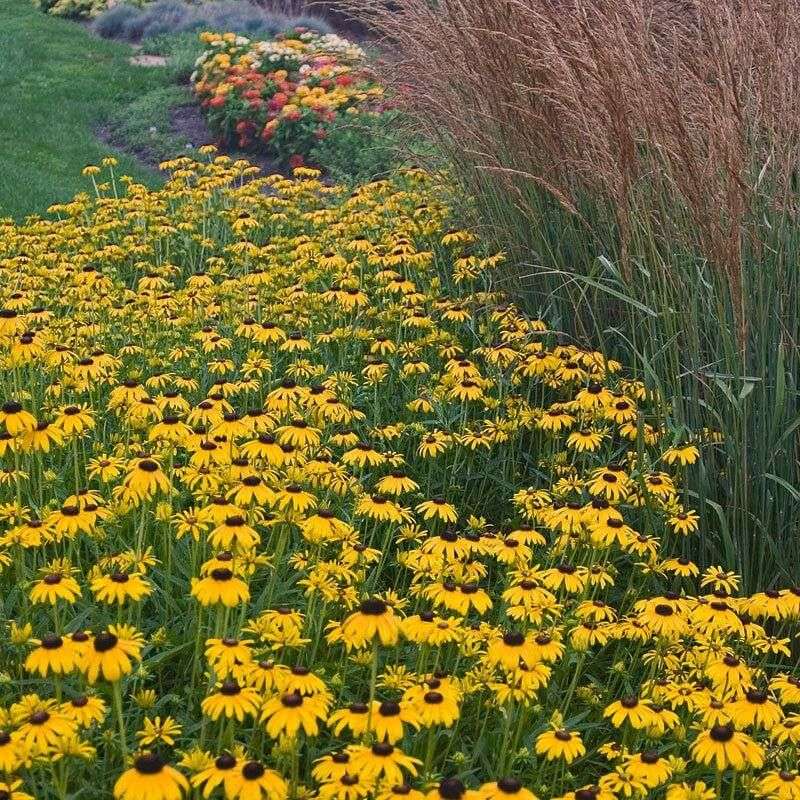
There is something timeless and joyful about a patch of black-eyed Susans in full bloom — those golden yellow petals surrounding a deep brown center just radiate summer energy. They grow wild across Florida and look equally great in cultivated garden beds.
Black-eyed Susans thrive in full sun and tolerate poor, sandy Florida soil surprisingly well. They attract butterflies and bees all summer and produce seed heads that feed birds in fall.
Start them from seed or transplants, water during dry spells, and they practically take care of themselves after that.
Gaillardia
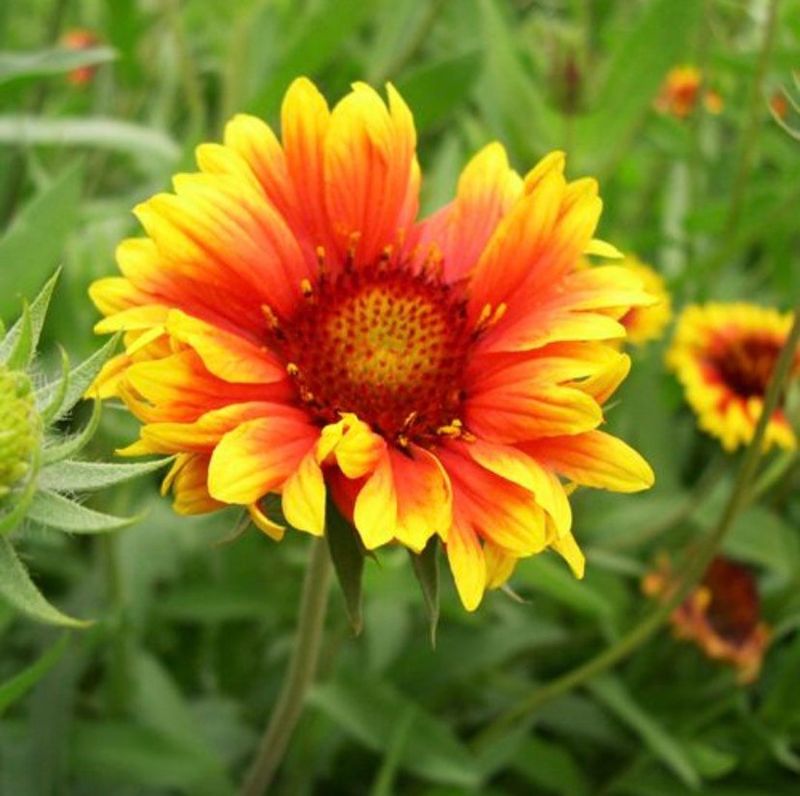
Gaillardia earns its nickname blanket flower because a mass planting looks just like a woven blanket of red, orange, and yellow spread across the ground. It is one of the most heat-tolerant and drought-resistant flowering plants suited to Florida’s conditions.
Full sun and sandy, well-drained soil are all gaillardia asks for. Overwatering is actually its biggest enemy.
It blooms from spring through fall, tolerates salt spray near the coast, and reseeds freely. Native bee populations benefit enormously from gaillardia, making it a smart choice for eco-friendly Florida gardens.
Salvia
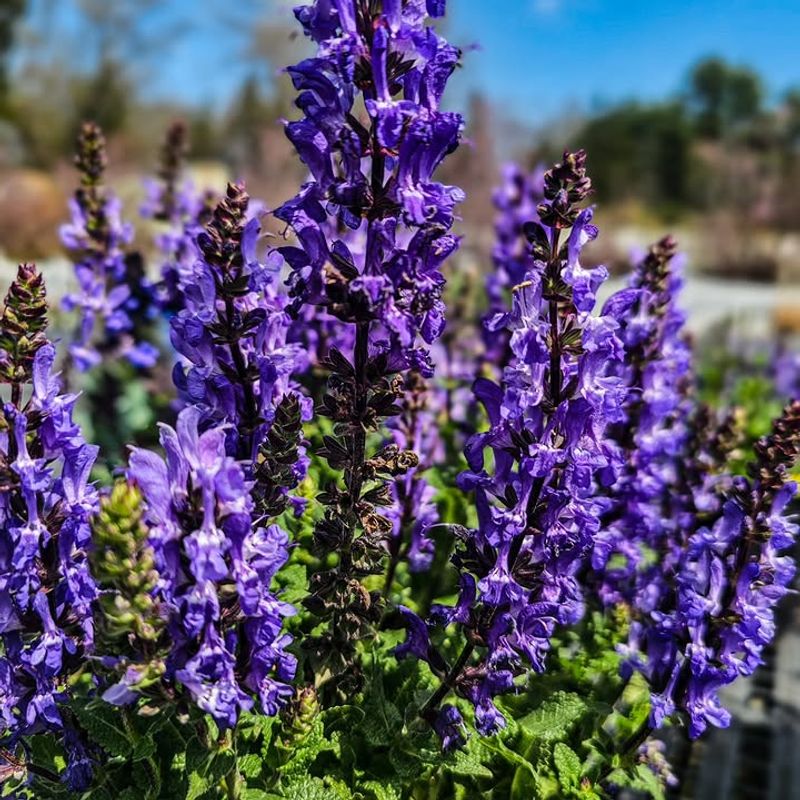
Salvia brings structure and bold color to the Florida garden with its upright spikes of tubular flowers in rich shades of blue, purple, red, and coral. The aromatic foliage is a bonus — brush against it and you get a pleasant herbal scent.
Dozens of salvia species thrive in Florida, with many blooming all summer without pause. They attract hummingbirds, butterflies, and bees in impressive numbers.
Most varieties prefer full sun and tolerate drought once established. Cutting them back mid-season encourages a fresh flush of blooms for the rest of summer.
Crossandra
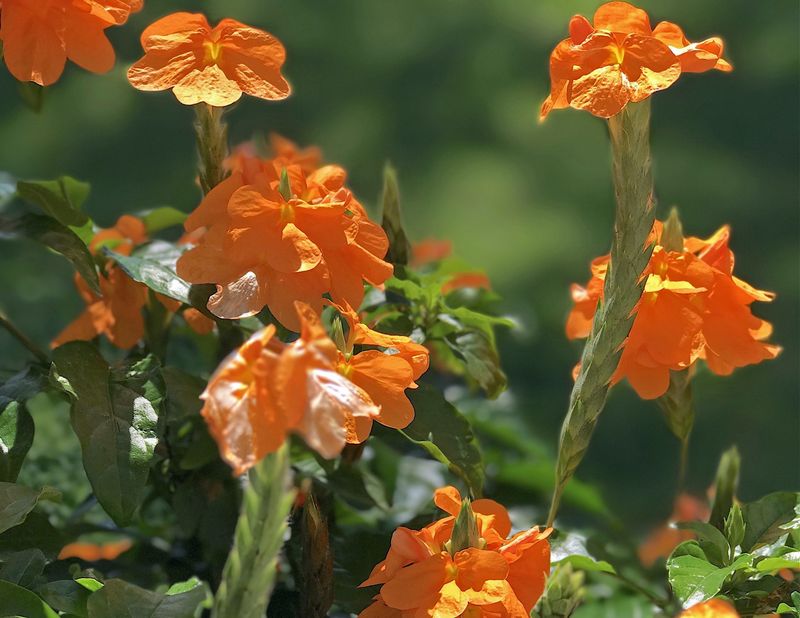
Crossandra is the plant that quietly outperforms everyone else in the shade garden. Its salmon-orange blooms glow like little lanterns against its deep, glossy green leaves, and it keeps flowering through Florida’s hottest and most humid months without slowing down.
Unlike many heat-tough plants that demand full sun, crossandra actually prefers partial shade — making it a rare and valuable find for shadier spots. Water it regularly but allow the soil to drain between waterings.
It pairs beautifully with impatiens and caladiums for a layered tropical look.
Verbena
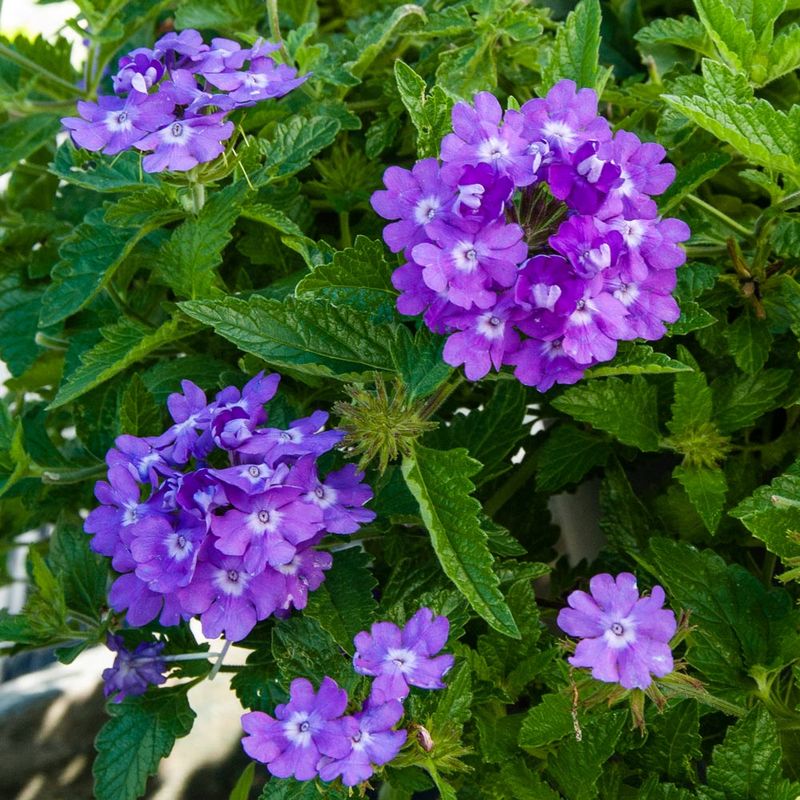
Verbena packs an enormous amount of color into a low-growing, spreading form that works perfectly in Florida landscapes. Clusters of tiny flowers in vibrant shades of purple, red, pink, and white cover the plant from late spring through fall, drawing butterflies by the dozen.
Heat, humidity, and dry spells barely slow verbena down. It performs best in full sun with good air circulation to prevent powdery mildew — its one occasional weakness.
Use it as a ground cover, in containers, or spilling over garden walls. Deadheading spent blooms keeps it looking neat and flowering freely.
Beach sunflower
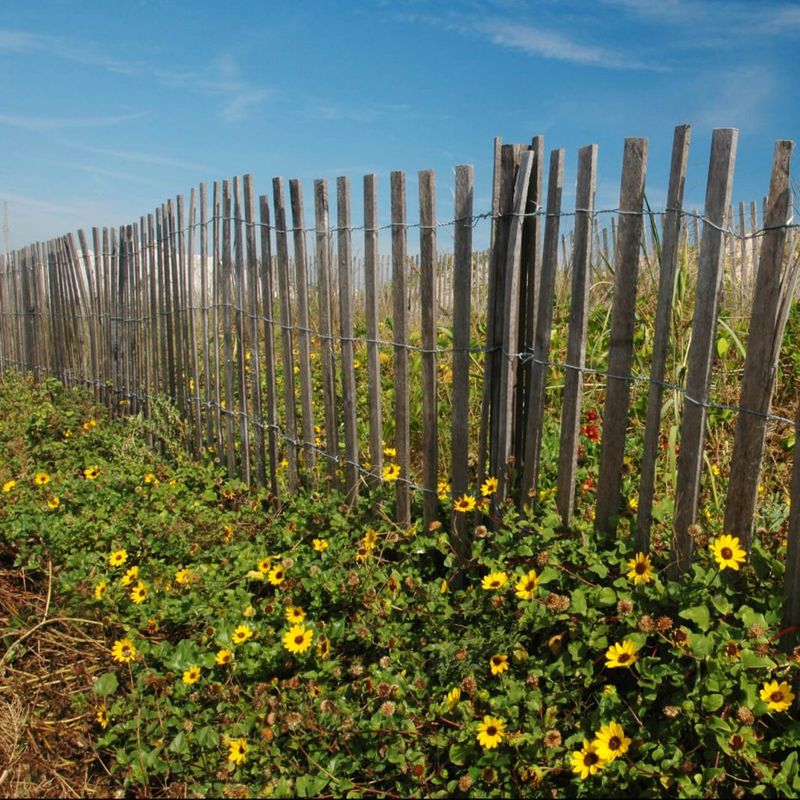
Beach sunflower is one of Florida’s most beloved native plants, and if you have ever seen it sprawling across coastal dunes in full bloom, you understand why. Its cheerful yellow flowers with dark centers bloom nearly year-round in South Florida and all through summer in the rest of the state.
Sandy soil, salt spray, full sun, and minimal water are exactly what beach sunflower thrives in — conditions that would stress most plants badly. It spreads quickly to stabilize sandy areas and provides excellent wildlife habitat.
Plant it once and it will reward you for years with almost zero maintenance required.
Enjoyed this story?
Add Fast Food Club as a preferred source to see more of our reporting on Google.