


Arizona’s desert landscape is anything but dull. Beneath that blazing sun, a surprising world of color blooms — from fiery reds to soft purples and sunny yellows.
Knowing which plants thrive in the heat can transform a dry yard into a stunning, low-maintenance garden. Whether you’re a seasoned gardener or just starting out, these 21 flowering plants are worth getting to know.
Desert Marigold
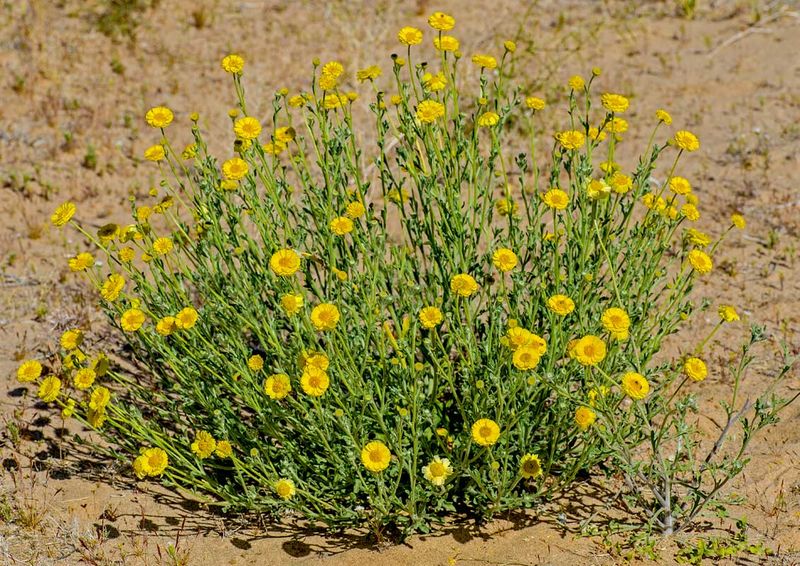
Few plants put on a show quite like the desert marigold. Its cheerful yellow blooms pop against the sandy desert floor from spring all the way through fall.
Native to the Sonoran Desert, this tough little wildflower practically takes care of itself.
Plant it in full sun and well-draining soil, and it will reward you with months of color. Bonus: deer tend to leave it alone because of its slightly bitter scent.
Globe Mallow
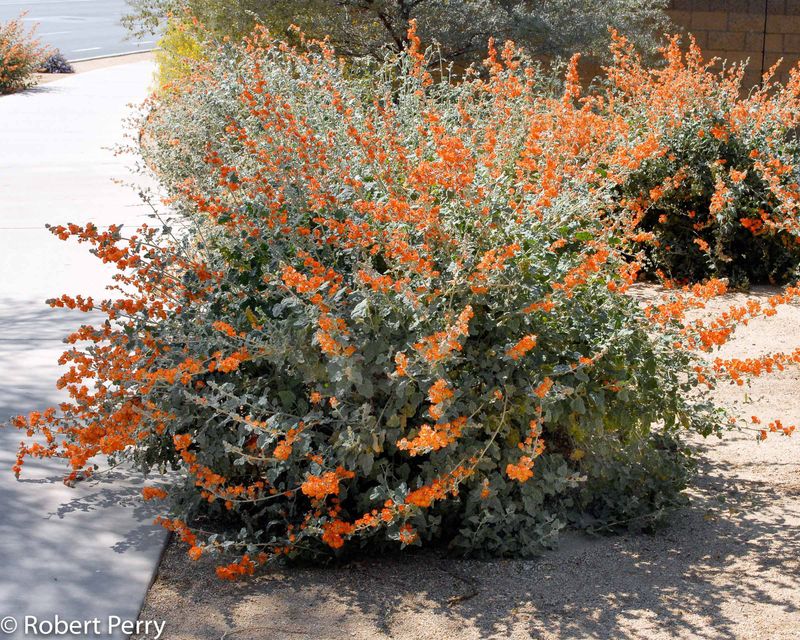
Globe mallow is the desert’s way of saying orange is always in season. This hardy perennial produces cup-shaped blooms in shades of orange, red, pink, and lavender from late winter into summer.
It’s one of the most drought-tolerant flowering plants you’ll find in Arizona.
Once established, it needs almost no watering. Hummingbirds and native bees absolutely love it, making it a double win for wildlife-friendly gardens.
Penstemon
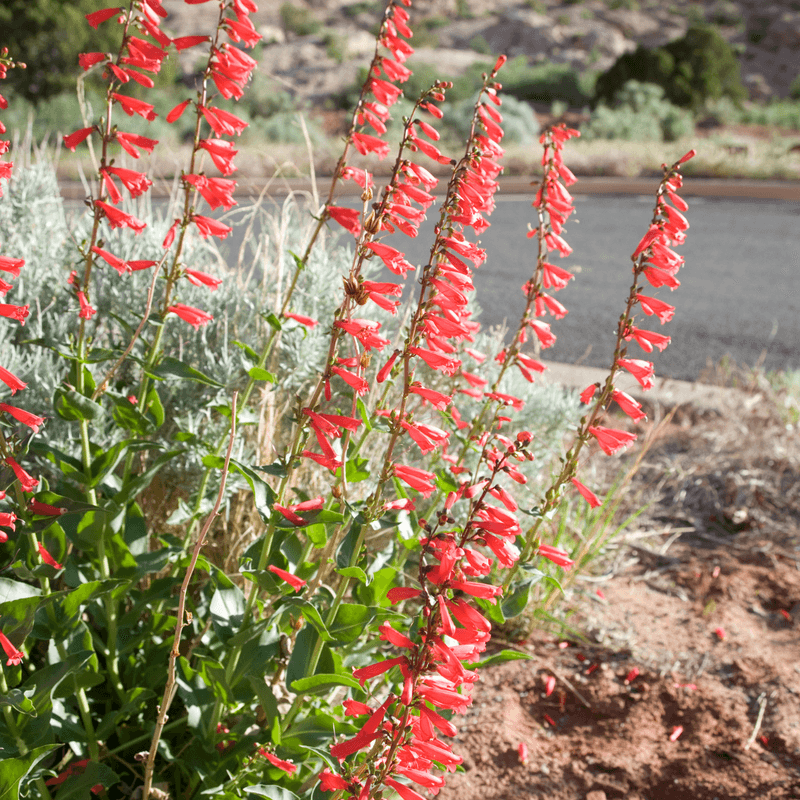
Penstemon might just be the most underrated gem in Arizona gardening. With tall, elegant spikes covered in tubular blooms, it draws hummingbirds in like a magnet.
Colors range from deep scarlet to soft lavender depending on the species.
It thrives in rocky, well-draining soil and handles dry spells with ease. Plant several varieties together for a spectacular show that stretches from early spring into summer.
It’s practically effortless beauty.
Desert Lupine
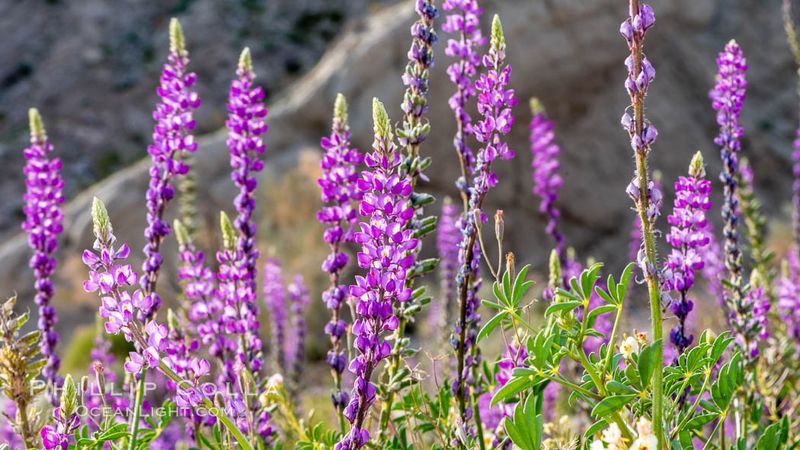
After a good winter rain, desert lupine turns Arizona hillsides into a sea of violet-blue. This annual wildflower is a cool-season bloomer, typically showing off from February through April.
The clusters of pea-shaped flowers are small but incredibly striking when they appear in large numbers.
Scatter seeds in fall in a sunny, sandy spot and let nature do the rest. It also improves soil quality by fixing nitrogen — a quiet overachiever.
Mexican Gold Poppy
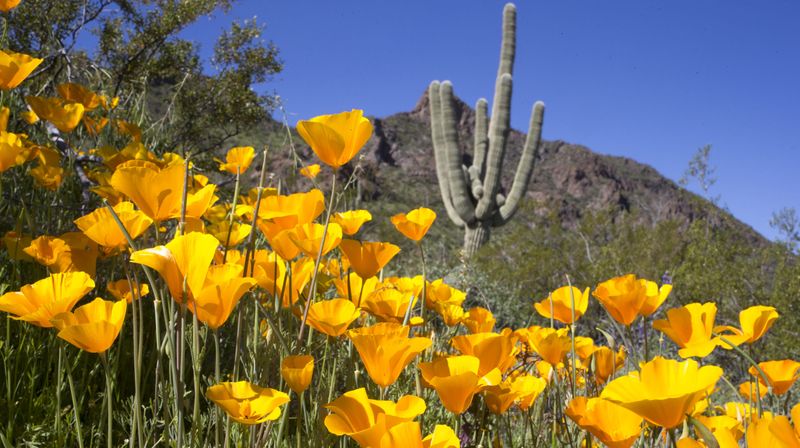
When conditions are just right, Mexican gold poppy transforms entire Arizona hillsides into rivers of gold. This annual wildflower blooms from late February through April, and a good rainfall year creates jaw-dropping displays.
It’s one of the most iconic wildflowers of the Sonoran Desert.
Scatter seeds on bare, sunny ground in the fall and cross your fingers for winter rain. They naturalize easily and come back year after year with minimal effort.
Fairy Duster
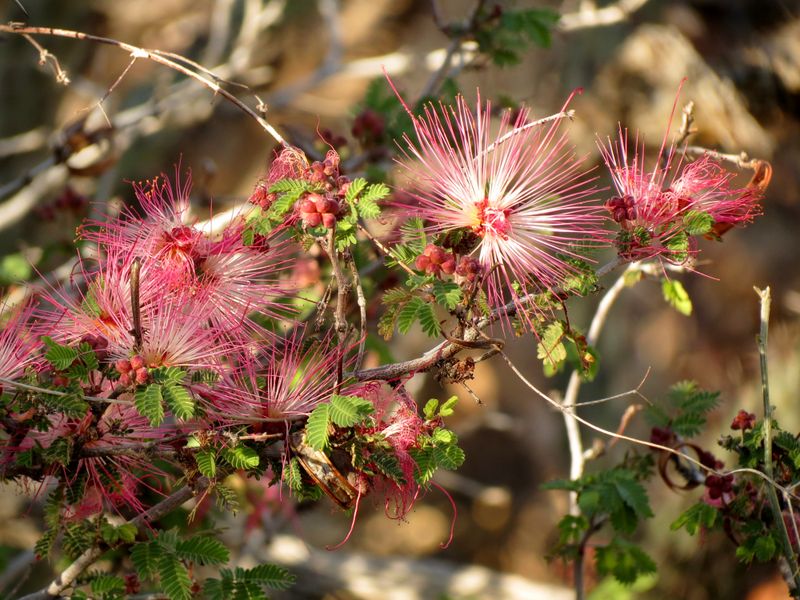
Fairy duster earns its magical name the moment you see those soft, feathery pink blooms up close. Native to the Sonoran Desert, this low-growing shrub produces silky pom-pom flowers that hummingbirds and butterflies simply can’t resist.
It blooms in late winter and spring, offering color when the desert feels most bare.
It grows well in poor, rocky soil with minimal water once established. Plant it near a patio or walkway for a close-up view of visiting wildlife.
Baja Fairy Duster
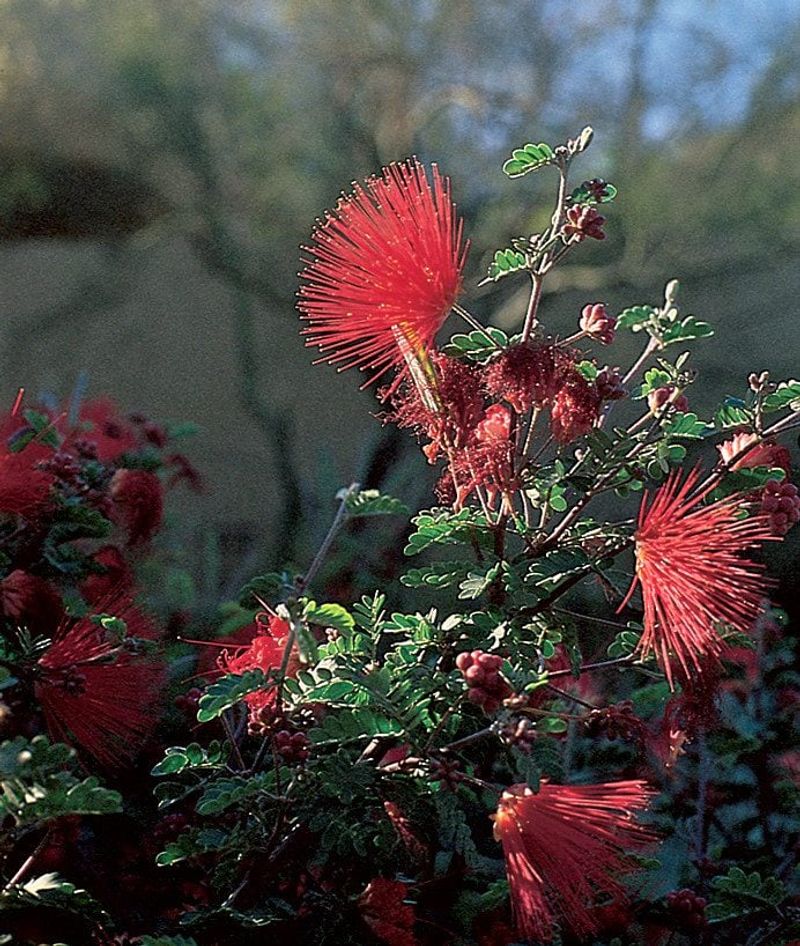
Think of Baja fairy duster as the bolder, more dramatic cousin of the regular fairy duster. Its blooms are a rich red rather than pink, and it tends to flower for a longer season — sometimes almost year-round in warmer areas of Arizona.
That extended bloom time makes it a standout in any desert garden.
It handles heat and drought like a champion. Pair it with yellow or orange desert plants for a vivid, eye-catching color contrast that lasts all season.
Chuparosa
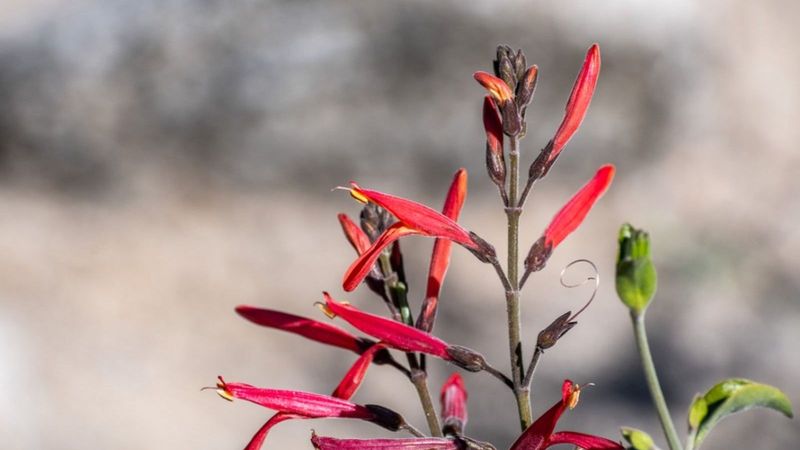
Chuparosa means “hummingbird sucker” in Spanish, and that name tells you everything. This sprawling desert shrub produces bright red tubular flowers that hummingbirds visit constantly throughout the cooler months.
It often blooms from fall through spring, filling in the gap when other plants take a rest.
Even without leaves, the flower-covered stems create a striking look. It tolerates poor soil and low water, making it a reliable and wildlife-friendly choice for any Arizona yard.
Yellow Bells
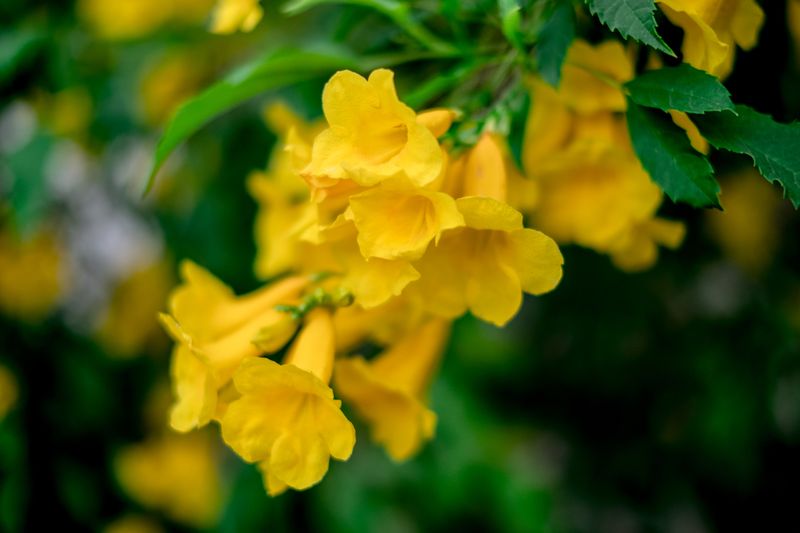
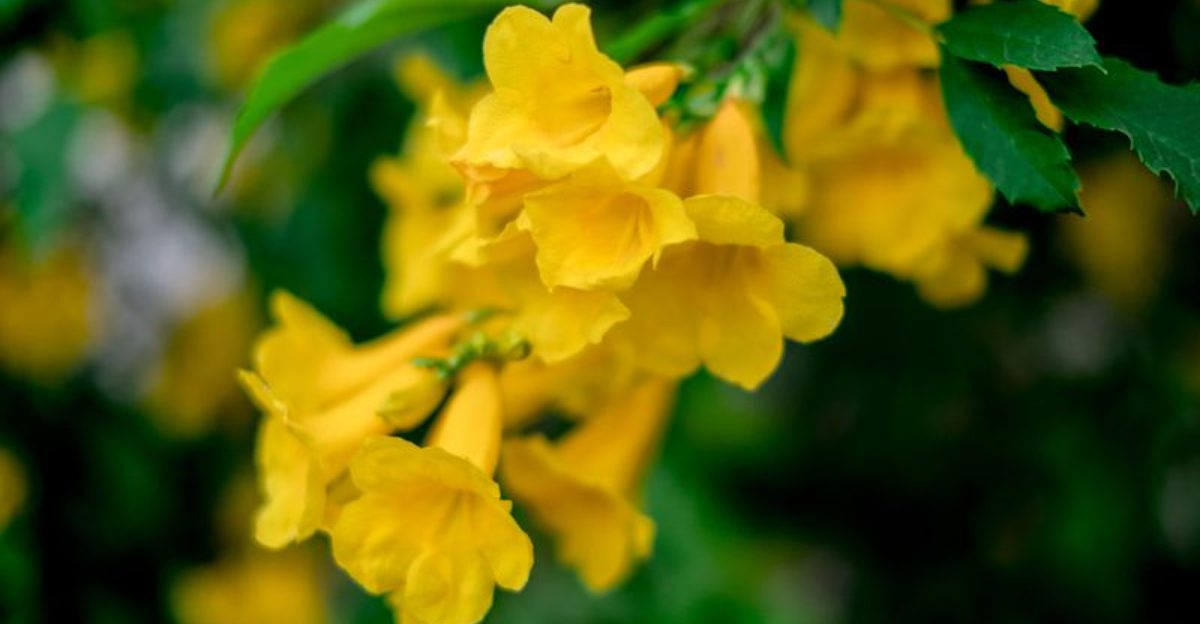
Yellow bells lives up to its name with cheerful, trumpet-shaped flowers that bloom in bold golden yellow. Also known as Tecoma stans, this fast-growing shrub can reach six feet tall and blooms heavily from summer through fall — right when many other desert plants slow down.
It loves full sun and handles Arizona’s brutal heat without complaint. Butterflies and hummingbirds are regular visitors.
Plant it as a natural screen or a standalone showpiece, and you won’t be disappointed.
Red Yucca
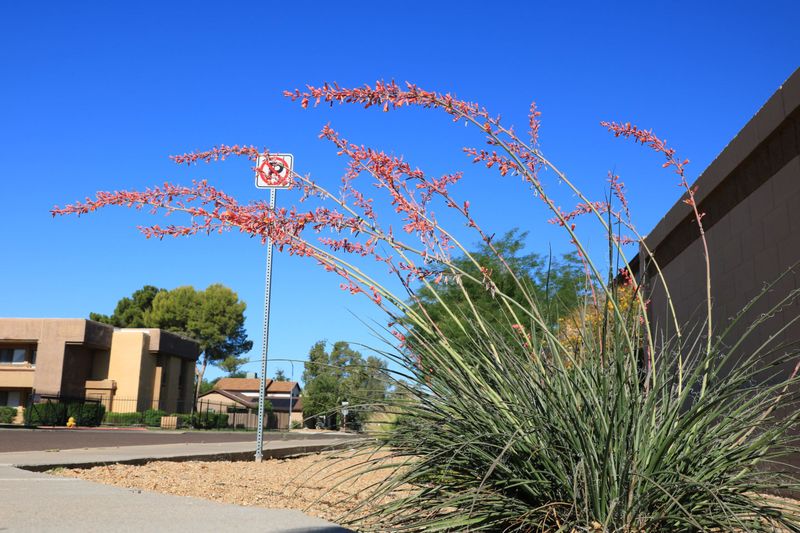
Despite its name, red yucca isn’t actually a true yucca — but it’s just as tough and far more colorful. Long, arching spikes rise several feet above the grassy foliage and are covered in coral-red tubular flowers that hummingbirds adore.
Blooms typically appear from spring through summer.
Red yucca handles drought, heat, and poor soil without missing a beat. It also looks stunning as a sculptural accent plant, adding vertical drama to any desert garden design.
Angelita Daisy
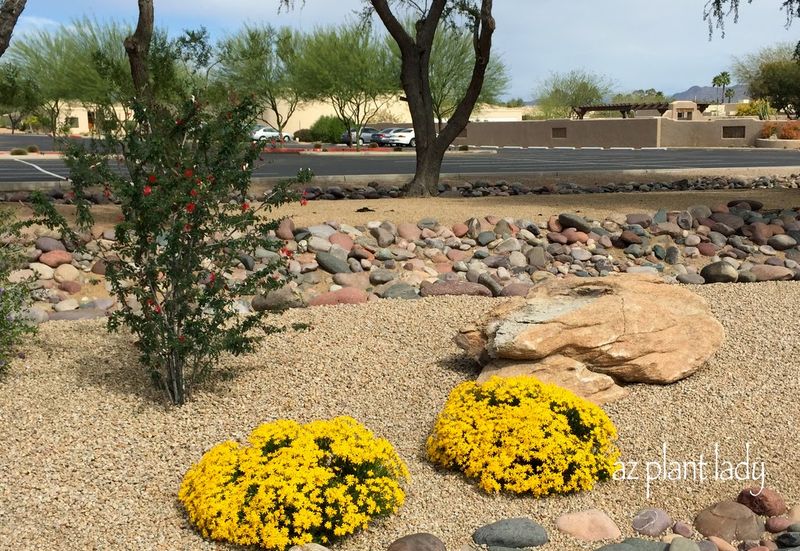
Angelita daisy is a tiny plant with enormous staying power. This compact, evergreen perennial produces cheerful yellow flowers almost year-round, making it one of the most reliable bloomers in Arizona’s low-desert gardens.
It forms a tidy mound that works well along borders or in rock gardens.
Full sun and sharp drainage are all it asks for. Unlike some desert plants that rest in summer, Angelita daisy keeps going through the heat.
It’s a true workhorse dressed up in sunshine.
Damianita
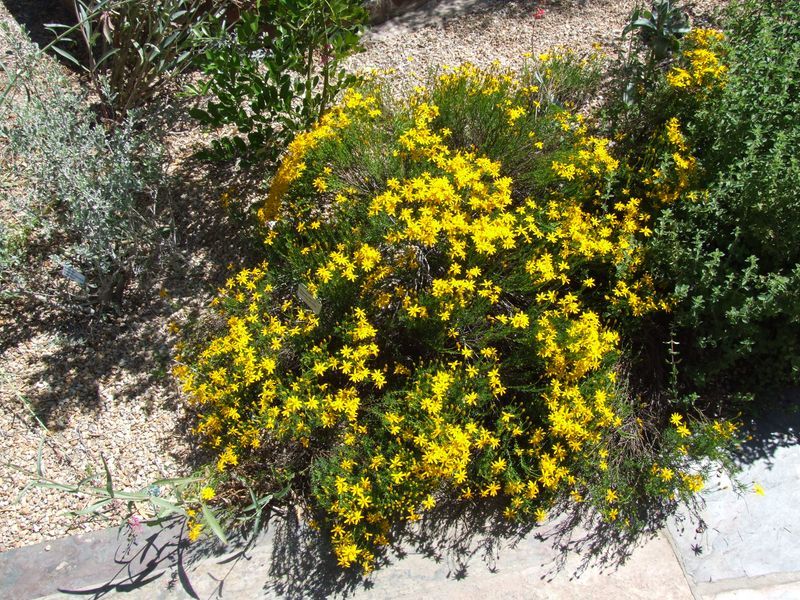
Damianita is a compact, fragrant shrub that earns its place in any Arizona garden with very little fuss. When it blooms in spring, the entire plant gets smothered in tiny yellow daisy-like flowers — a stunning sight against its fine, dark green foliage.
The aromatic leaves smell pleasantly herbal when crushed.
It thrives in rocky, well-drained soil with minimal water. Use it as a low border plant or let it spill over garden walls for a natural, flowing look.
Blackfoot Daisy
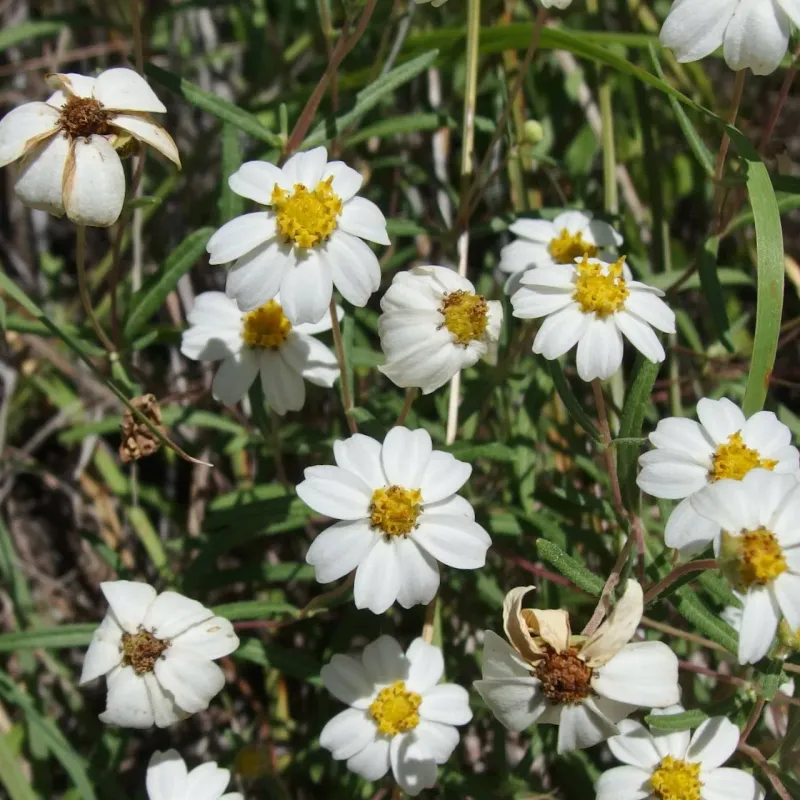
Blackfoot daisy has a classic, clean look — white petals surrounding a sunny yellow center — that feels both wild and refined at the same time. This tough perennial blooms from spring through fall and often pushes out flowers even during dry spells that would stop other plants cold.
It grows naturally in rocky, limestone-rich soils and is incredibly low maintenance. The sweet honey-like fragrance is a pleasant bonus.
Pollinators flock to it throughout the blooming season.
Desert Bluebells
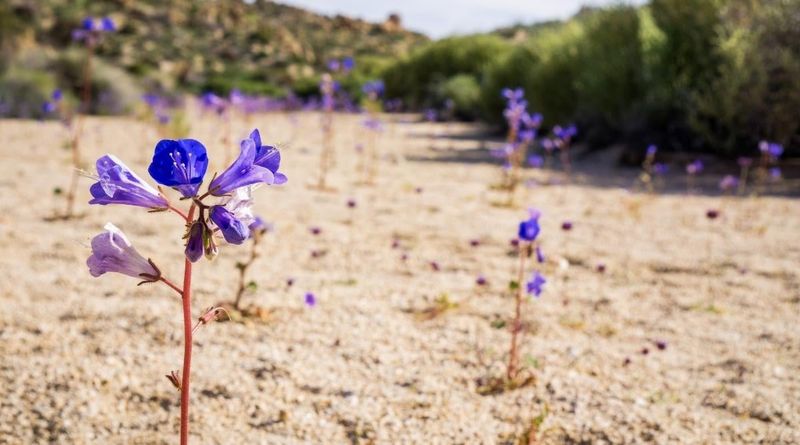
Desert bluebells bring a cool, refreshing pop of violet-blue to the warm desert palette. This annual wildflower typically blooms from February through April, carpeting sandy washes and open flats with delicate, bell-shaped flowers.
It’s a favorite in wildflower seed mixes for Arizona gardens.
Sow seeds directly in fall on sunny, well-drained ground. Desert bluebells grow fast and self-seed freely, meaning they’ll likely return each year with very little help from you.
Sand Verbena
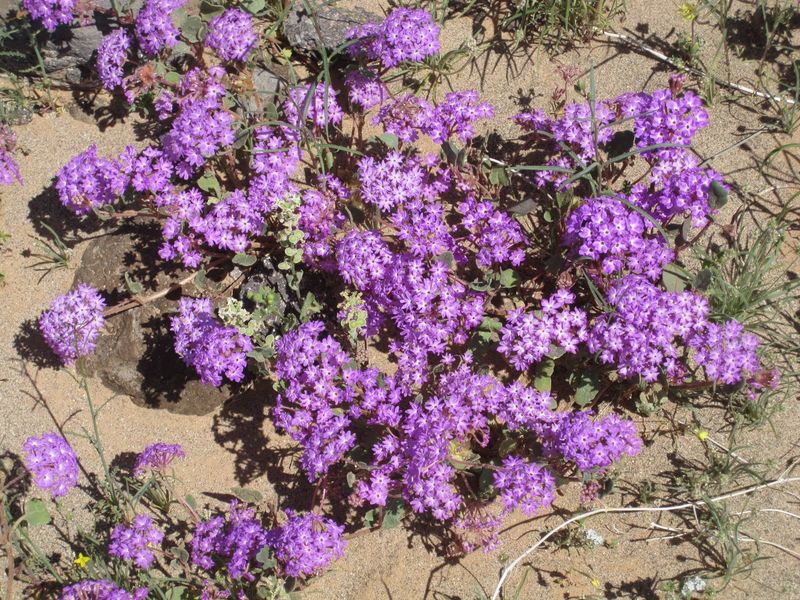
Sand verbena is one of those plants that looks like it belongs on a greeting card. Round clusters of fragrant, bright pink-purple flowers hug the ground on sprawling stems, creating a carpet of color across sandy desert flats.
It blooms from late winter through spring and sometimes again in fall.
It spreads naturally across open sandy areas, making it a great choice for filling bare spots in a desert yard. Butterflies are especially drawn to its sweet scent.
Desert Sunflower
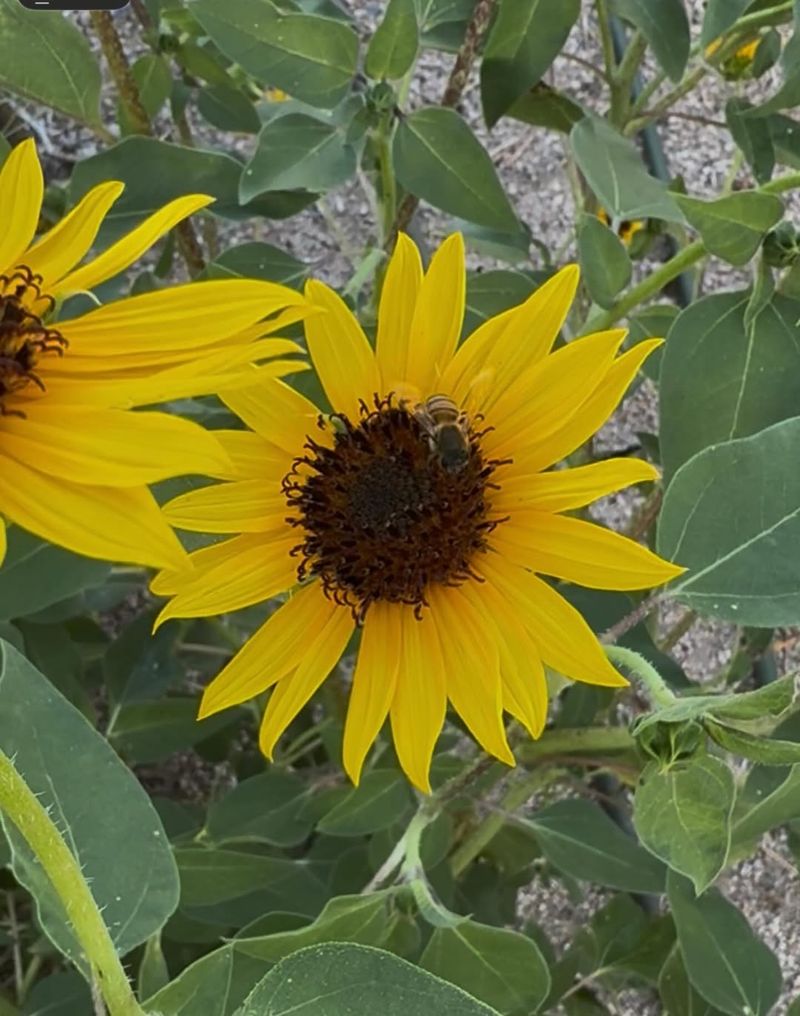
Desert sunflower is the wildflower version of everyone’s favorite summer bloom. It produces masses of golden yellow flowers with dark centers on tall, branching stems.
In good rainfall years, it can cover entire roadsides and open desert areas in brilliant yellow from spring through early summer.
It grows fast from seed and thrives in full sun with sandy, well-drained soil. Scatter seeds in fall for a spring display.
Birds love munching on the seeds once the flowers fade.
Evening Primrose
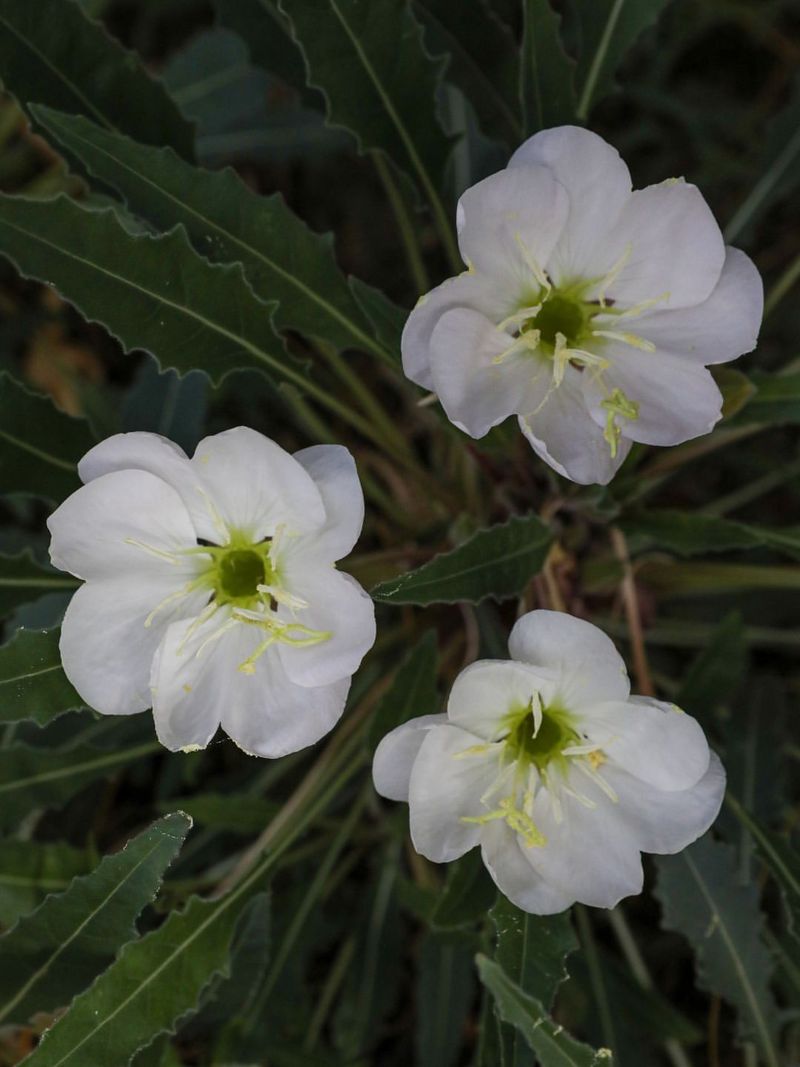
Evening primrose has a quietly magical quality — its large, silky white flowers open at dusk and glow softly in the fading light. By midday, they close up again, making them a treat for evening gardeners or early risers.
The sweet fragrance they release at night attracts sphinx moths for pollination.
It grows in sandy or rocky soil with minimal water and spreads easily on its own. Plant it where you can appreciate it during those golden Arizona evenings.
Desert Chicory
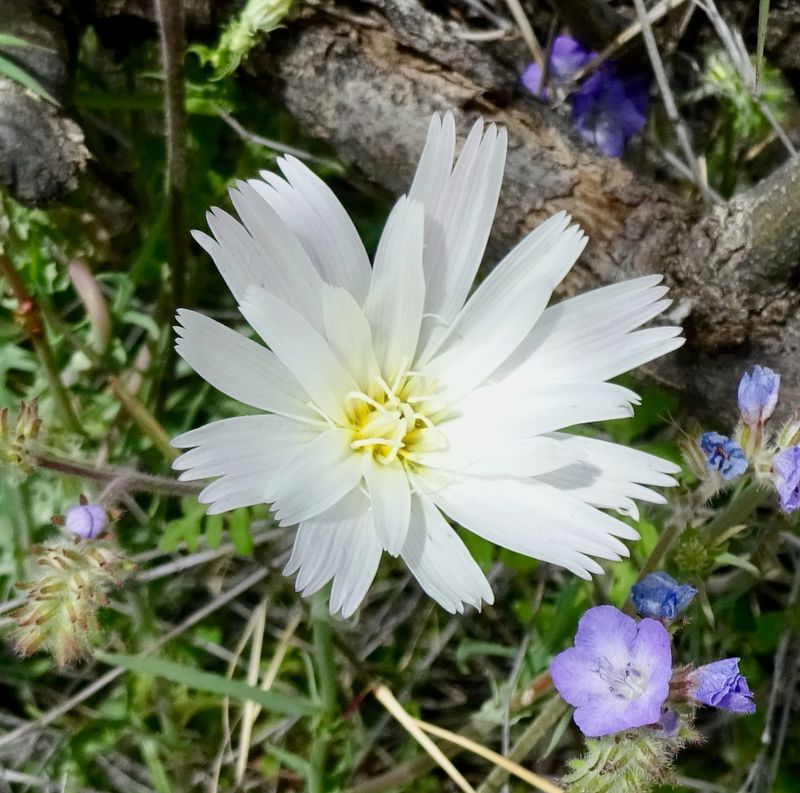
Desert chicory is one of those quiet, understated wildflowers that rewards a closer look. Its white, finely fringed petals have an almost lacy quality, and the flowers sit atop slender stems rising from a rosette of leaves.
It blooms from late winter through spring across open desert flats and roadsides.
It grows easily from seed scattered in fall and needs no supplemental watering once the rains have passed. A subtle but genuinely lovely addition to naturalistic desert garden designs.
Arizona Poppy
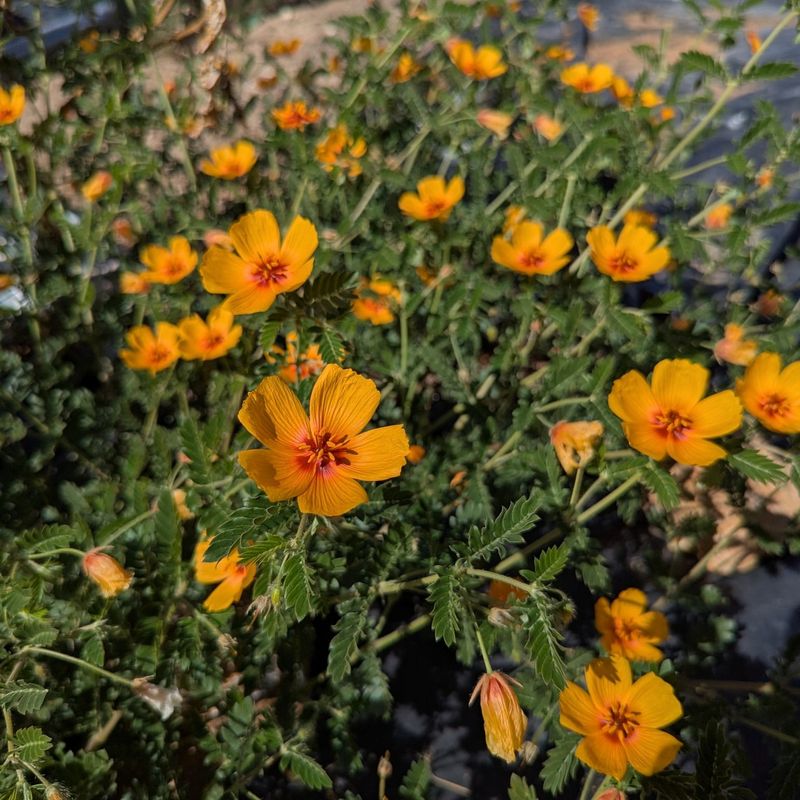
Arizona poppy is a monsoon miracle. Unlike most poppies, this one waits for summer rains to trigger its bloom, bursting into orange-yellow flowers from July through September.
It’s a true child of the desert, perfectly timed to take advantage of Arizona’s dramatic summer storm season.
Scatter seeds on bare, sunny ground before monsoon season and let the rains do the work. The blooms are small but vibrant, and the plant spreads naturally across dry washes and open desert flats.
Scarlet Bugler
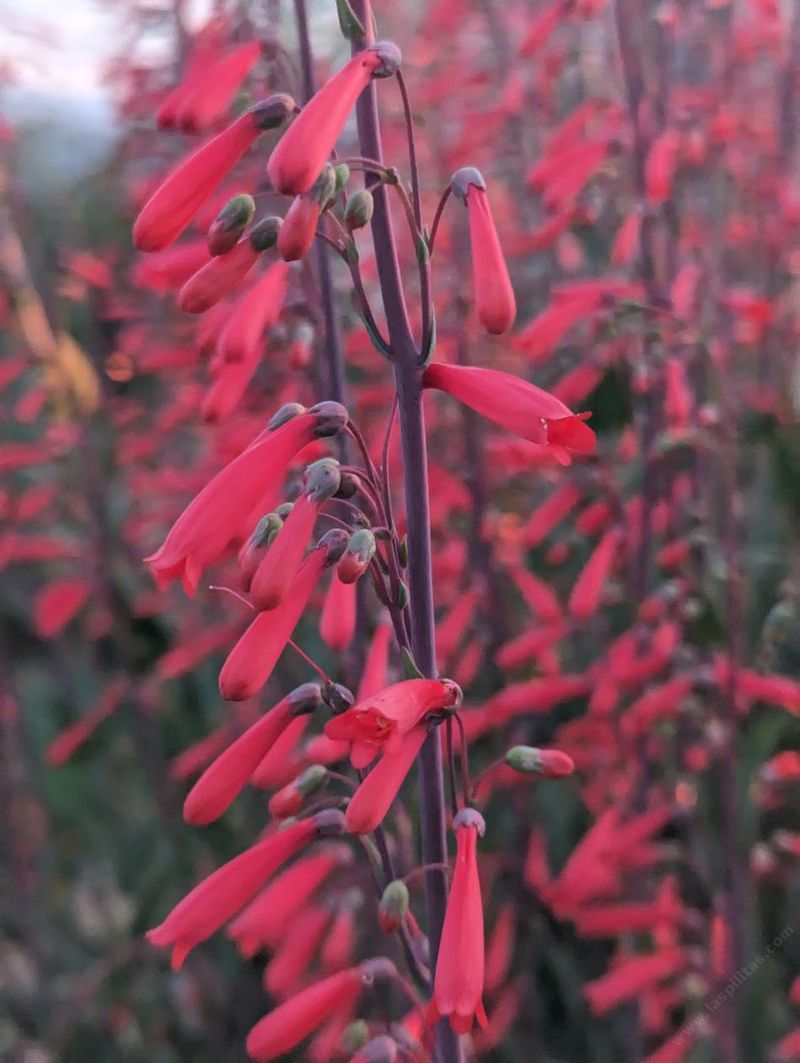
Scarlet bugler is the kind of plant that stops you in your tracks. Its tall, upright spikes are lined with vivid red tubular flowers that practically glow against rocky desert hillsides.
Hummingbirds treat it like a buffet, hovering around the blooms from spring through early summer.
It grows naturally in rocky, well-drained soils at higher elevations in Arizona. Give it full sun to part shade and minimal water once established.
It’s a bold, striking choice that earns every inch of garden space it takes up.
Rock Penstemon
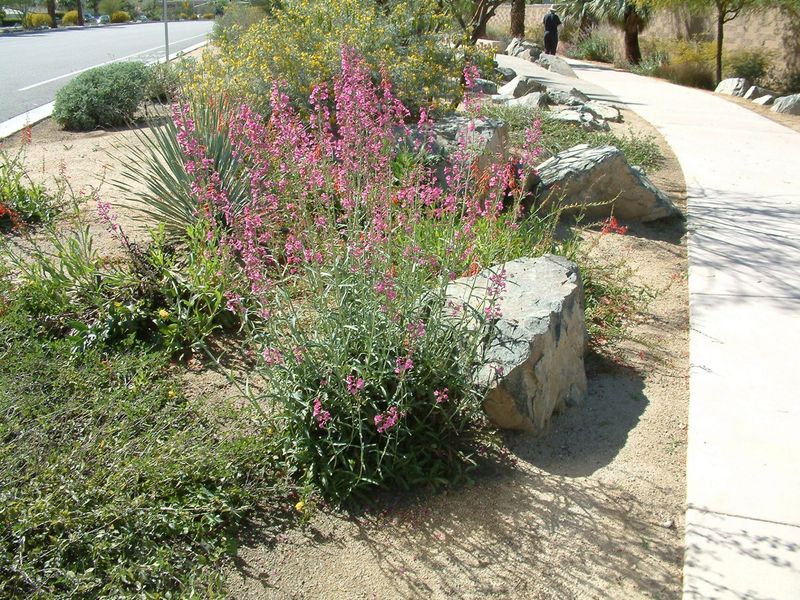
Rock penstemon was born for tough conditions. This compact perennial grows naturally from rocky crevices and cliffsides, producing vivid pink to magenta tubular flowers that seem almost too cheerful for such a rugged environment.
It blooms in spring and early summer, right when the desert is waking up.
Plant it in rocky, fast-draining soil in full sun and give it room to spread. Once settled in, it’s extremely drought tolerant.
Hummingbirds and native bees are its most loyal fans.
Enjoyed this story?
Add Fast Food Club as a preferred source to see more of our reporting on Google.