


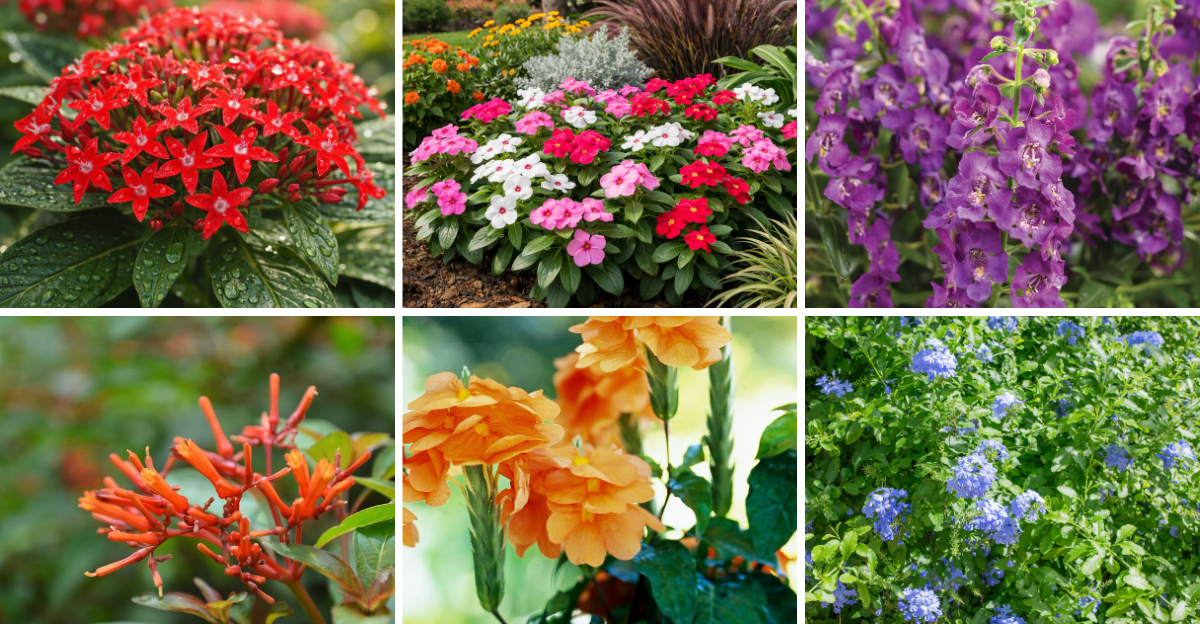
Florida’s sticky, sweltering summers can feel like a death sentence for most garden flowers. Between the relentless heat, afternoon downpours, and air so thick you can practically swim through it, keeping a colorful yard feels nearly impossible.
But some plants actually thrive in those tough conditions, blooming boldly when others wilt. Here are 20 flowering plants that handle Florida’s humidity like champions.
pentas
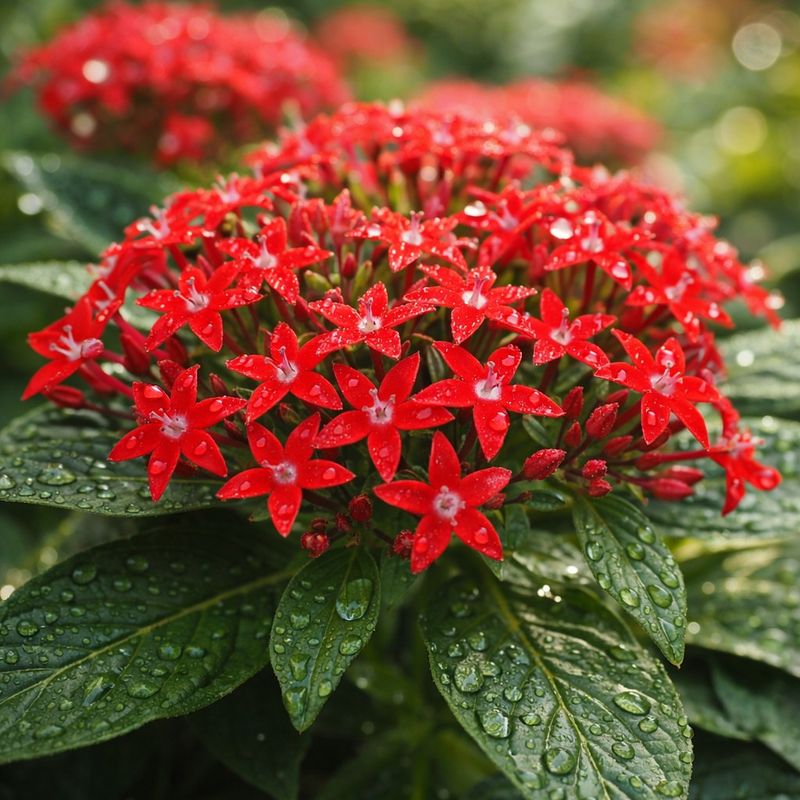
Star-shaped and seriously tough, pentas earns its spot in any Florida garden without complaint. This cheerful bloomer produces clusters of tiny flowers in red, pink, white, and lavender all season long.
It handles heat and humidity without skipping a beat.
Even better, butterflies and hummingbirds absolutely love it. Plant pentas in full sun with well-drained soil and give it occasional water during dry spells.
It will reward you with nonstop color from spring through fall.
vinca
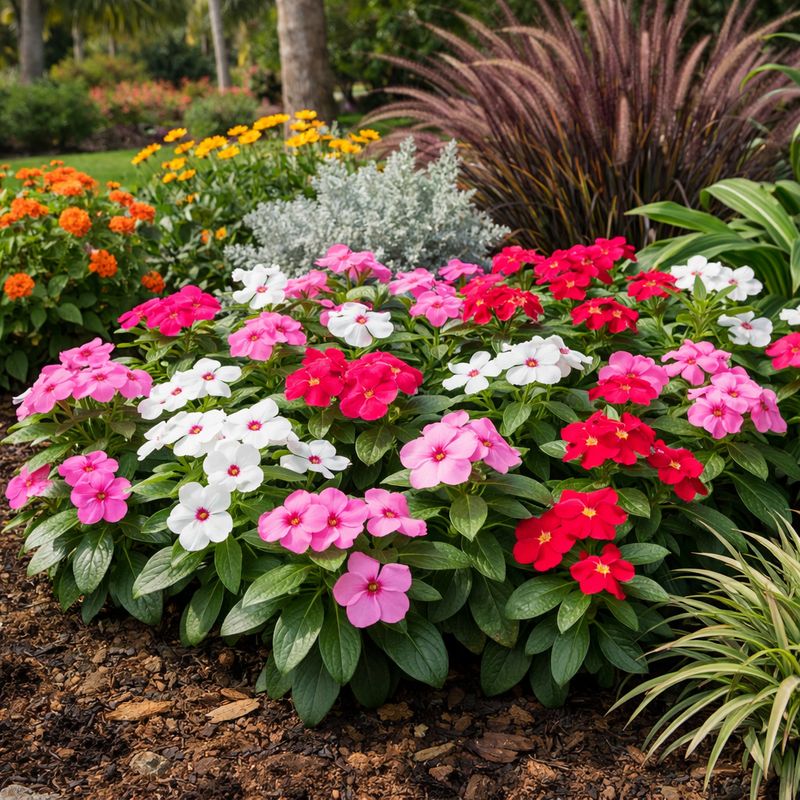
Few annuals match vinca when it comes to sheer toughness in Florida’s brutal summer climate. Originally from Madagascar, this plant was practically built for hot, humid conditions.
It blooms in a rainbow of colors including coral, red, white, and deep purple.
What makes vinca a standout is its drought tolerance once established. It does not need constant babying or extra fertilizer.
Just plant it in full sun, water occasionally, and watch it go absolutely wild all season.
angelonia
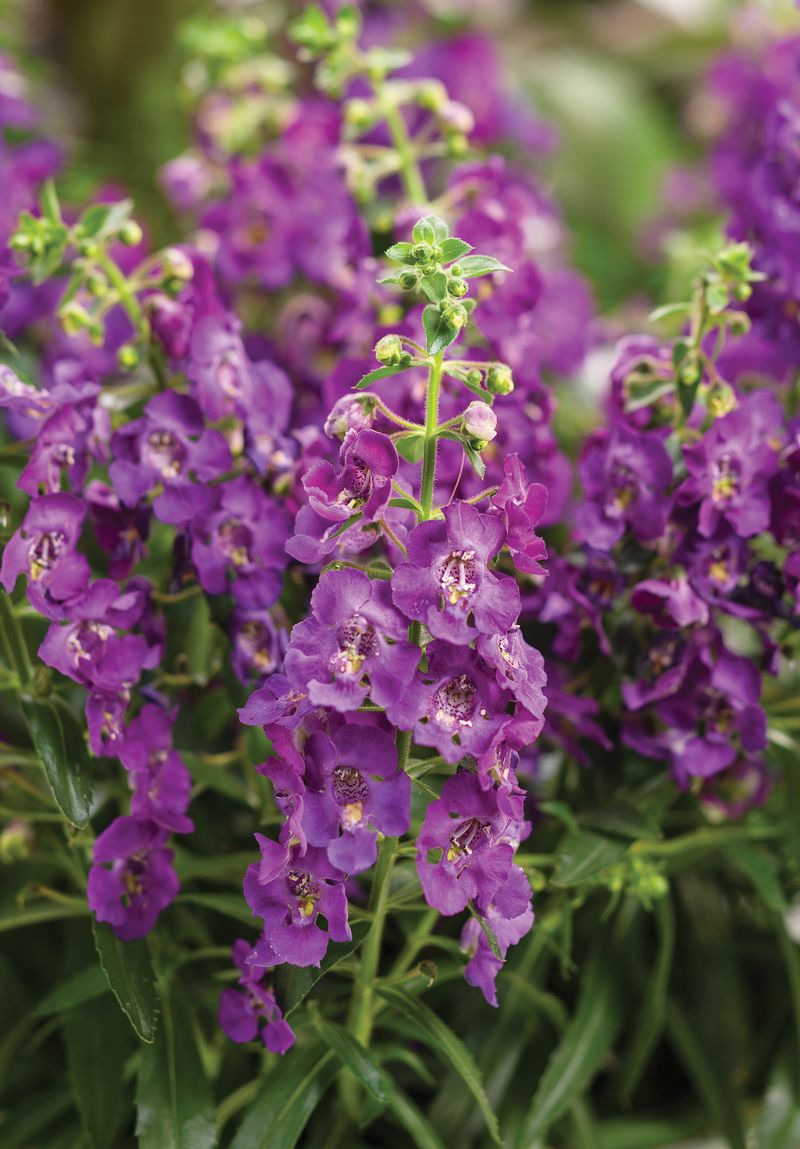
Sometimes called the summer snapdragon, angelonia blooms with delicate spikes of orchid-like flowers in purple, pink, or white. Unlike its cold-weather cousin, this plant thrives when temperatures soar past 90 degrees.
The slightly sweet fragrance is a bonus on warm evenings.
Plant it in full sun and well-drained soil for the best results. It does not demand much water once it gets going.
For gardeners who want vertical interest without the fuss, angelonia is hard to beat in Florida landscapes.
firebush
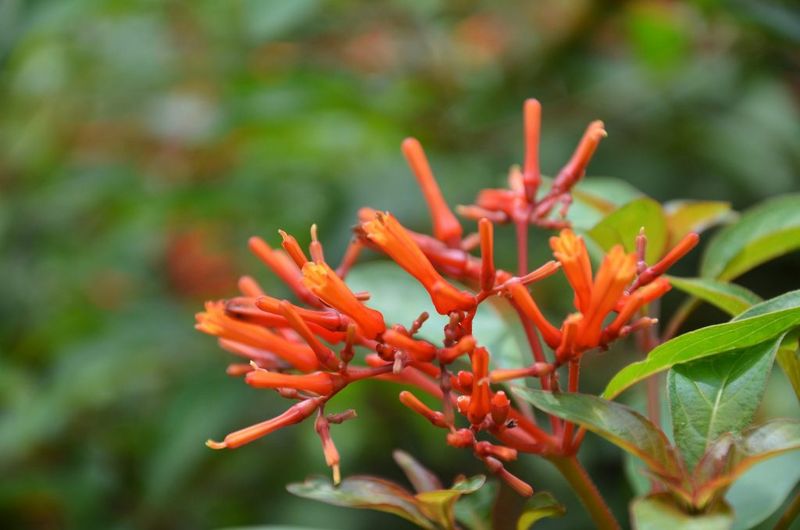
There is something almost electric about firebush when it is in full bloom. The tubular orange-red flowers practically glow against the deep green foliage, and migrating butterflies cannot resist stopping by.
Native to Florida and the Caribbean, it was made for this climate.
It grows fast, handles sandy or clay soil, and shrugs off humidity without issue. Give it full sun to partial shade and minimal watering once established.
This shrub earns its keep all year long.
crossandra
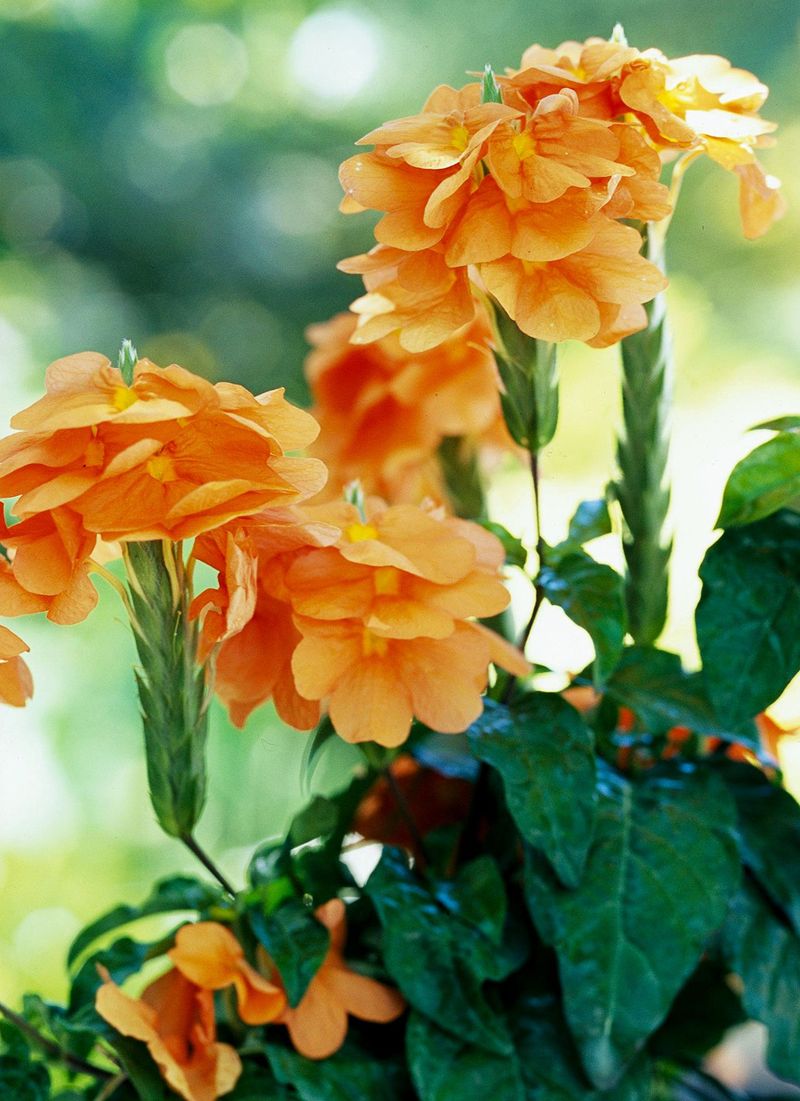
Not every plant can bloom happily in Florida’s partial shade spots, but crossandra handles it with style. This tropical beauty produces cheerful salmon-orange flowers that pop against its glossy, dark green leaves.
It originally comes from India, so humidity feels like home to it.
Plant it in partial shade for best results, though it tolerates some morning sun. It stays compact and tidy, making it perfect for borders or container gardens on shaded patios.
Regular watering keeps it looking fresh and vibrant.
plumbago
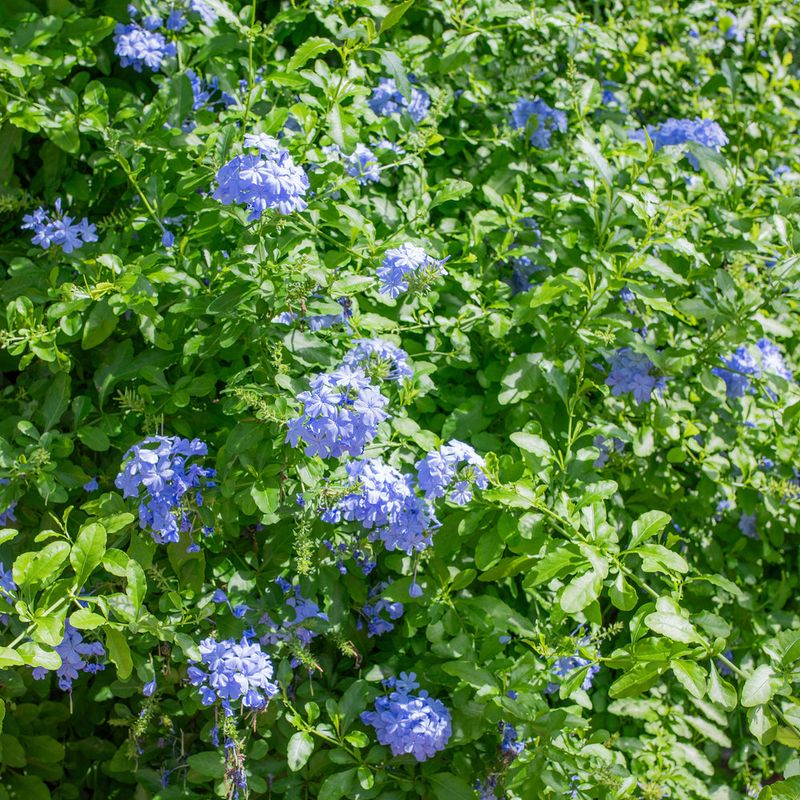
That dreamy, powder-blue color is nearly impossible to find in Florida gardens, which is exactly why plumbago is such a treasure. This sprawling shrub blooms almost continuously throughout the warm months, covering itself in delicate clusters of pale blue flowers.
It has a light, airy look that softens any landscape.
Full sun brings out the most blooms, and it handles poor sandy soils without a fuss. It does spread enthusiastically, so giving it room to roam makes maintenance much easier down the road.
blue daze
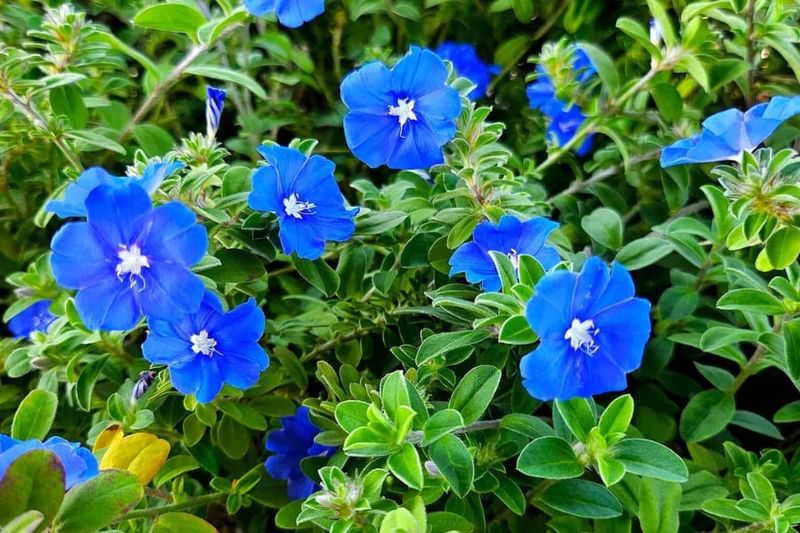
Ground covers do not always get the credit they deserve, but blue daze is genuinely one of Florida’s unsung heroes. Its small, sky-blue flowers open every morning and close at night, creating a daily show of color across the garden bed.
The silvery-green foliage looks attractive even when the flowers are resting.
It thrives in full sun and handles dry stretches well once established. Use it to fill in gaps between taller plants or spill over container edges for a soft, flowing effect.
bulbine
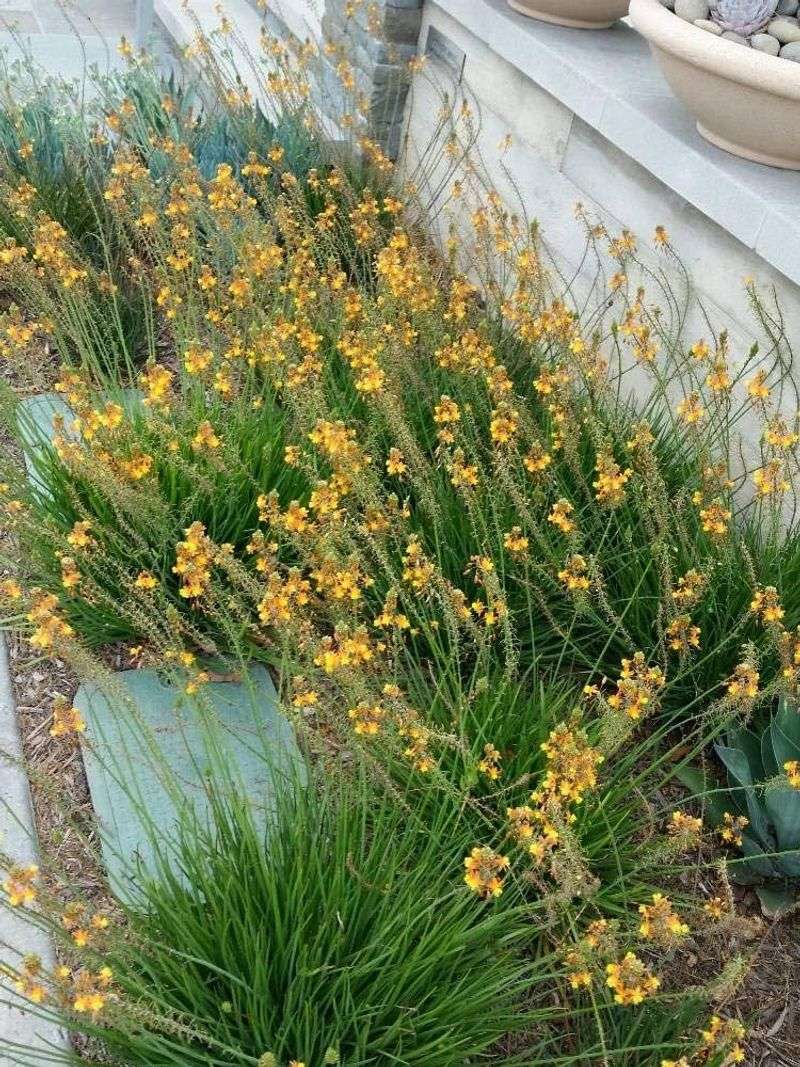
With its jelly-bean-like leaves and cheerful yellow or orange flower spikes, bulbine looks almost too delicate to survive Florida summers. But this South African native is tougher than it looks.
Heat, humidity, and occasional drought barely slow it down.
It works beautifully as a border plant or in rock gardens where drainage is excellent. The flowers attract bees and make surprisingly good cut flowers too.
Plant it in full sun and step back, because bulbine needs very little attention to keep performing.
Mexican heather
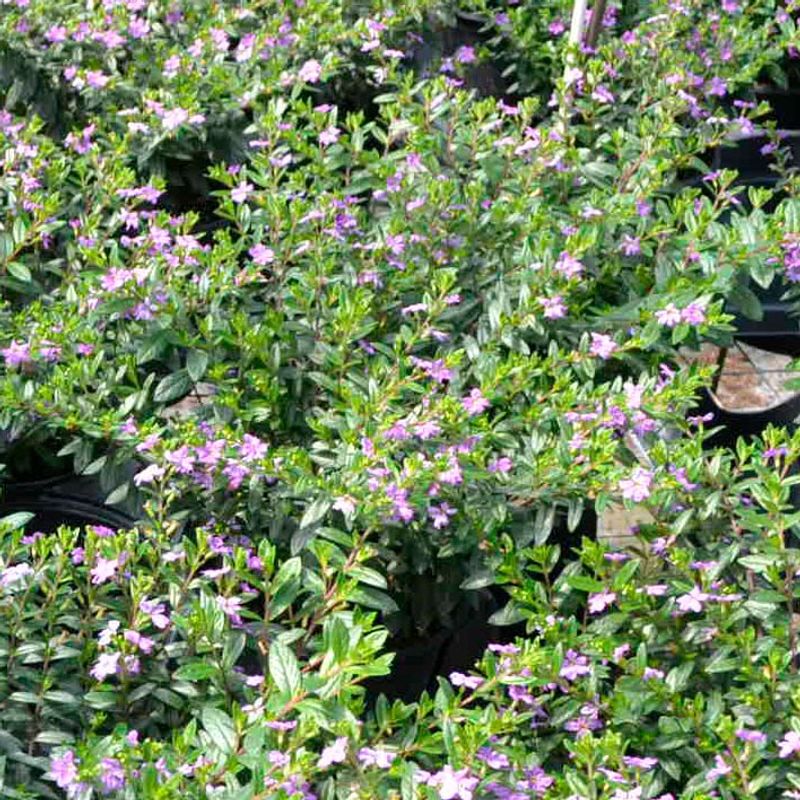
Despite the name, Mexican heather feels completely at home in Florida gardens. This compact, fine-textured shrub stays covered in tiny lavender-pink flowers for months, even when the heat index is off the charts.
Its delicate appearance is completely misleading given how tough it actually is.
It grows well in full sun to light shade and stays naturally tidy without much pruning. Use it as a border plant, in mass plantings, or in containers.
It also attracts butterflies, which is always a welcome bonus.
porterweed
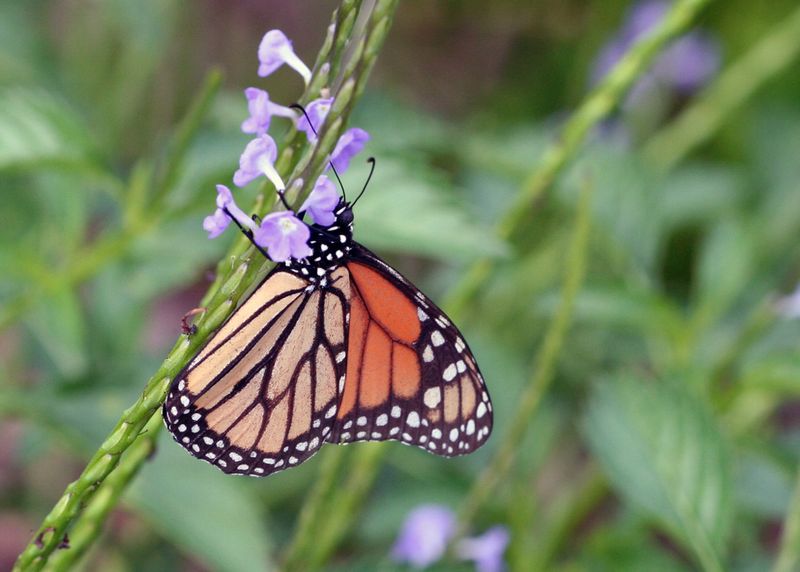
Walk past porterweed on a sunny afternoon and you will almost certainly find butterflies working its long, trailing flower spikes. This native Florida plant produces small blue or purple flowers that butterflies find irresistible, making it a must-have for any wildlife garden.
It grows quickly and spreads enthusiastically.
Full sun and well-drained soil keep it happy. It can get a bit rangy, so occasional trimming helps maintain a tidy shape.
As a bonus, porterweed reseeds itself, meaning you get new plants for free every year.
lantana
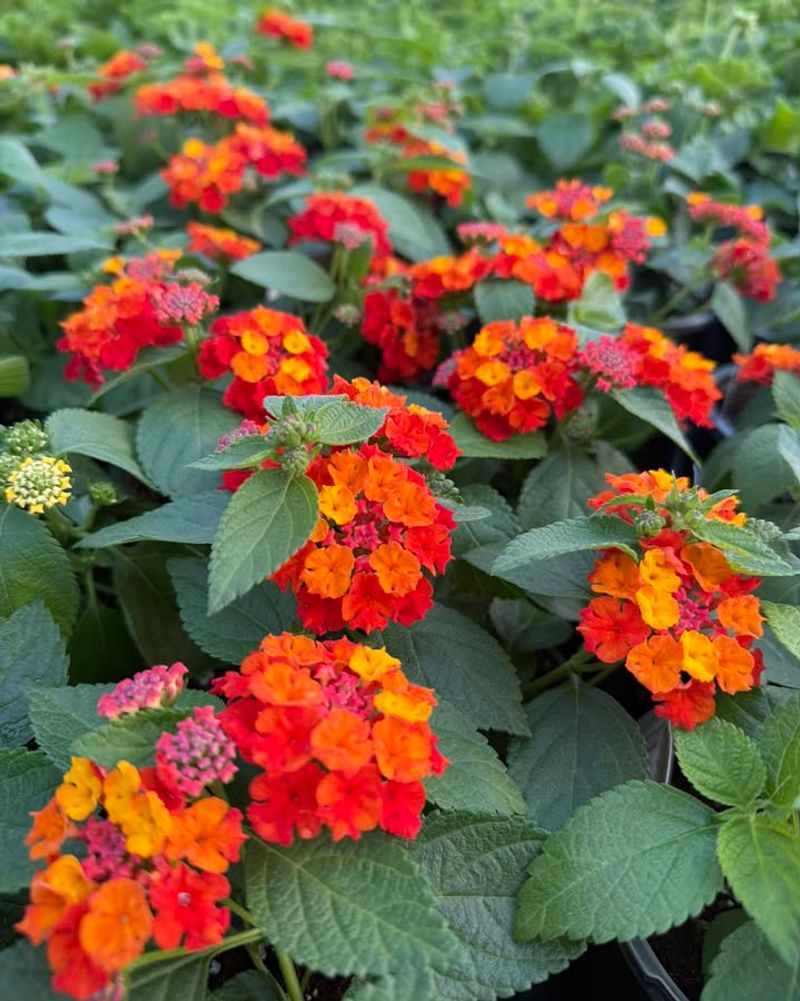
Few plants work harder in a Florida yard than lantana. Its flower clusters shift colors as they age, creating a patchwork of yellow, orange, red, and pink all on the same plant at once.
It is almost like having several plants in one compact shrub.
Heat, humidity, sandy soil, and drought are no match for lantana. Plant it in full sun and give it some space to spread.
Just keep in mind that the berries are toxic, so plant thoughtfully if children or pets spend time in the garden.
jatropha
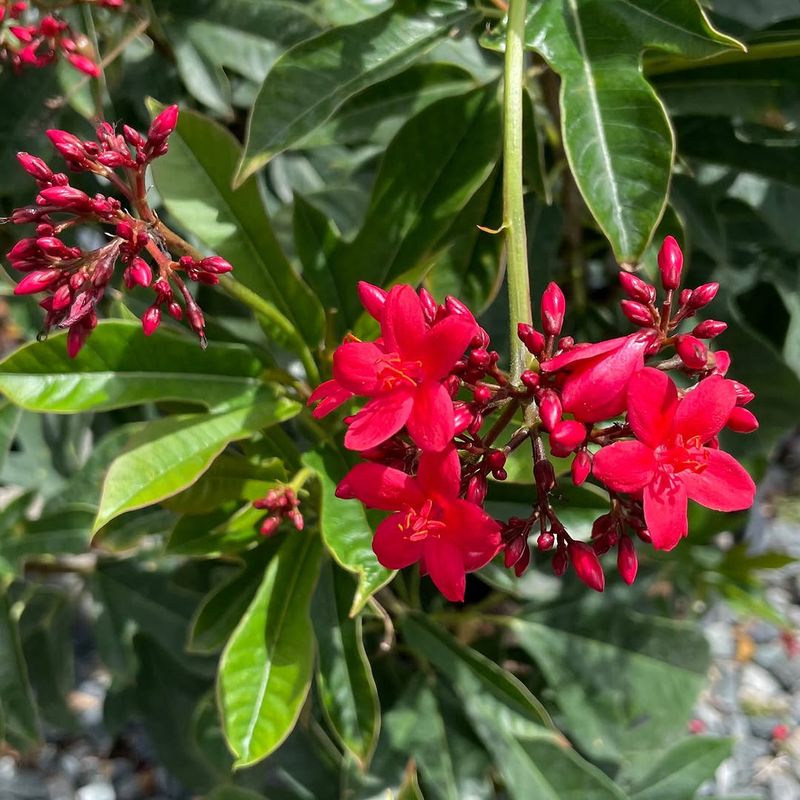
Big, bold clusters of coral-red flowers make jatropha one of the most eye-catching shrubs in any Florida yard. It blooms almost year-round in South Florida and puts on a strong show further north during the warm months.
The flowers attract butterflies and hummingbirds reliably.
It handles heat and humidity with zero drama and grows quickly in full sun. Give it well-drained soil and occasional deep watering during dry stretches.
Like lantana, the seeds are toxic, so placement matters if kids play nearby.
scaevola
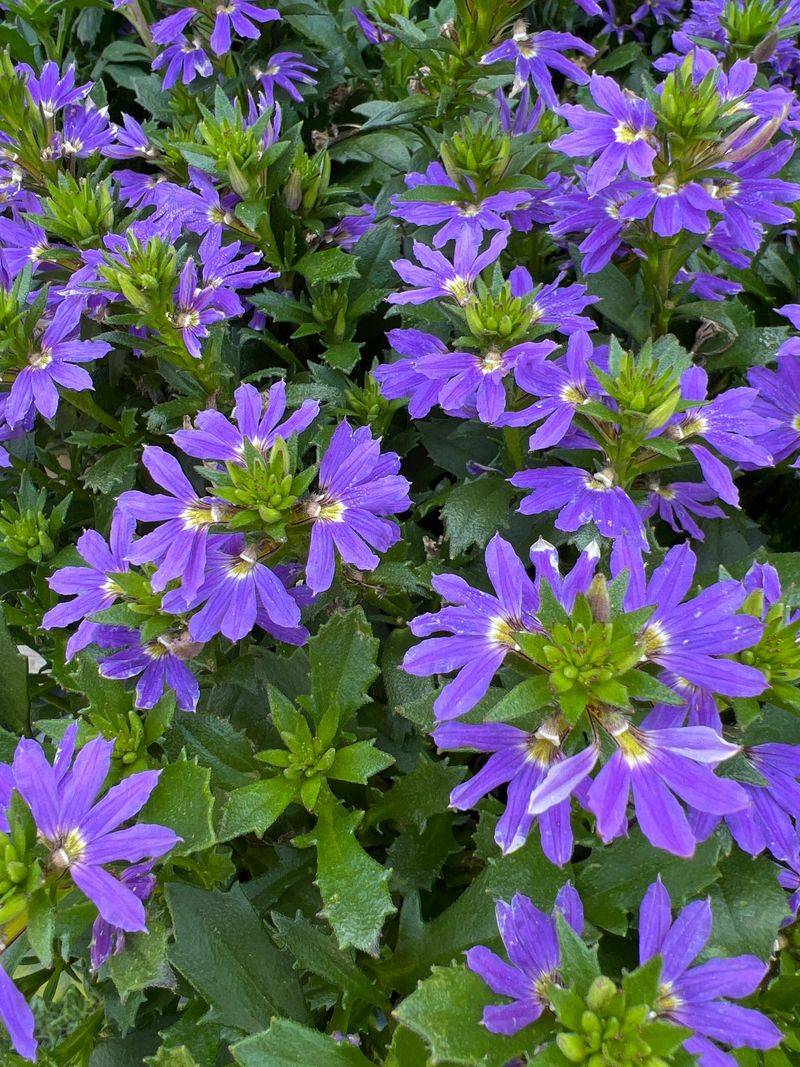
Each flower on a scaevola plant looks like half a bloom, earning it the nickname fan flower. That quirky appearance turns heads in any garden, and the plant backs up its looks with remarkable toughness.
It was originally found growing wild on Australian beaches, which explains its love of heat and sandy soil.
Plant it in full sun where it can sprawl freely as a ground cover or trail from containers. It tolerates salt air well, making it a great pick for coastal Florida landscapes.
ruellia
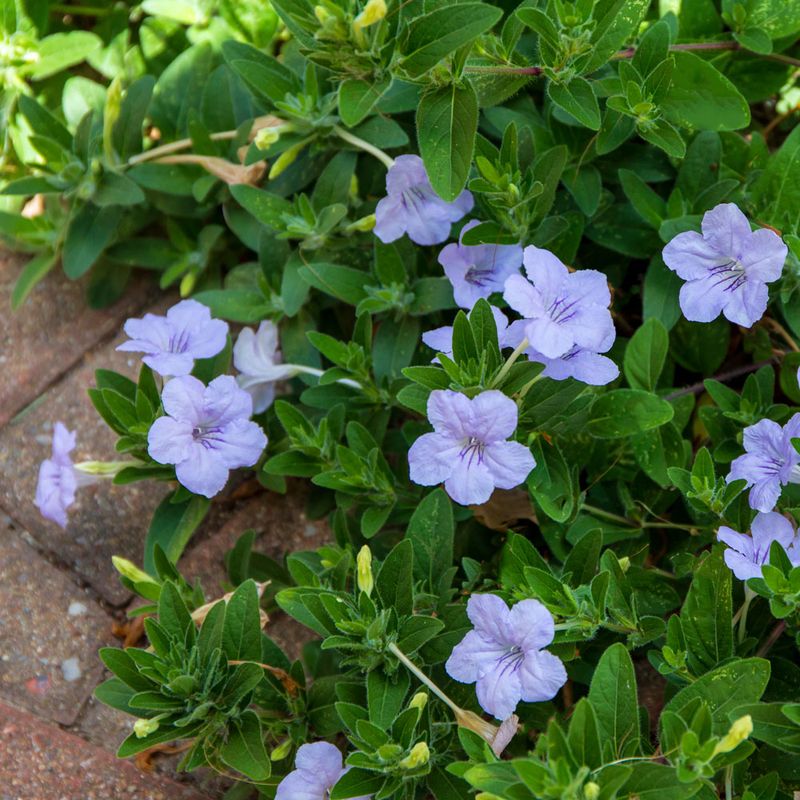
Sometimes called wild petunia, ruellia brings a cheerful burst of purple, pink, or white trumpet flowers to Florida gardens with almost no effort required. It self-seeds freely and spreads readily, which can feel like a gift or a challenge depending on your garden style.
It tolerates wet soil, drought, full sun, and partial shade better than most flowering plants. For gardeners who want reliable color in tough spots like roadside beds or rain gardens, ruellia delivers consistently.
Just keep an eye on its spreading habit.
salvia
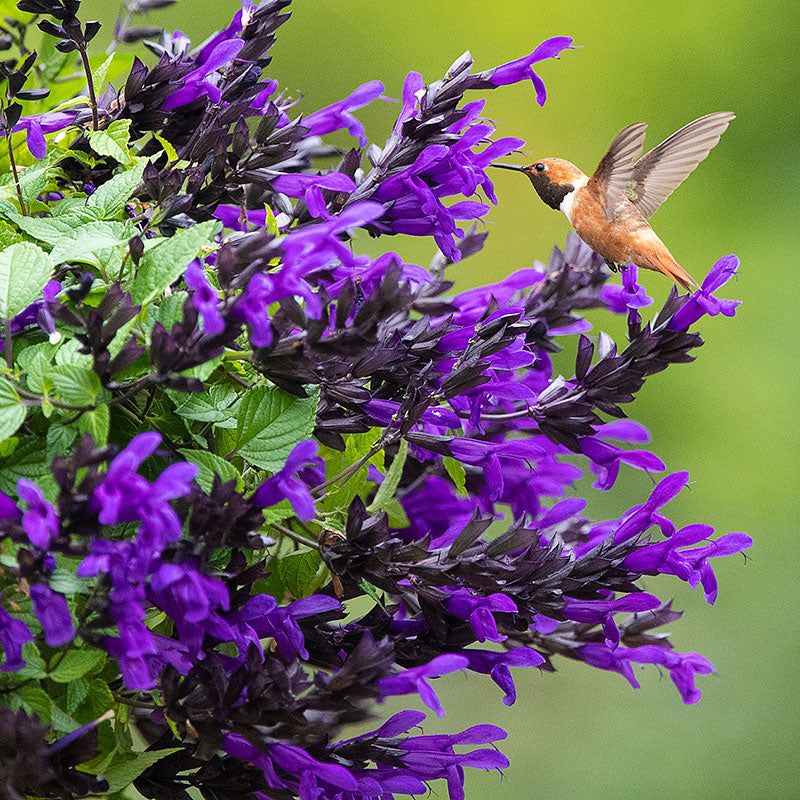
There is a salvia for almost every garden situation in Florida, and that versatility makes it invaluable. From the fiery red tropical salvias to the soft purple native varieties, this genus covers a huge range of colors and sizes.
They all share one thing in common: a love of heat.
Full sun and decent drainage are all most salvias need to thrive. They attract hummingbirds, bees, and butterflies in impressive numbers.
Cut them back after a heavy bloom period and they bounce back quickly with fresh new growth.
tropical sage
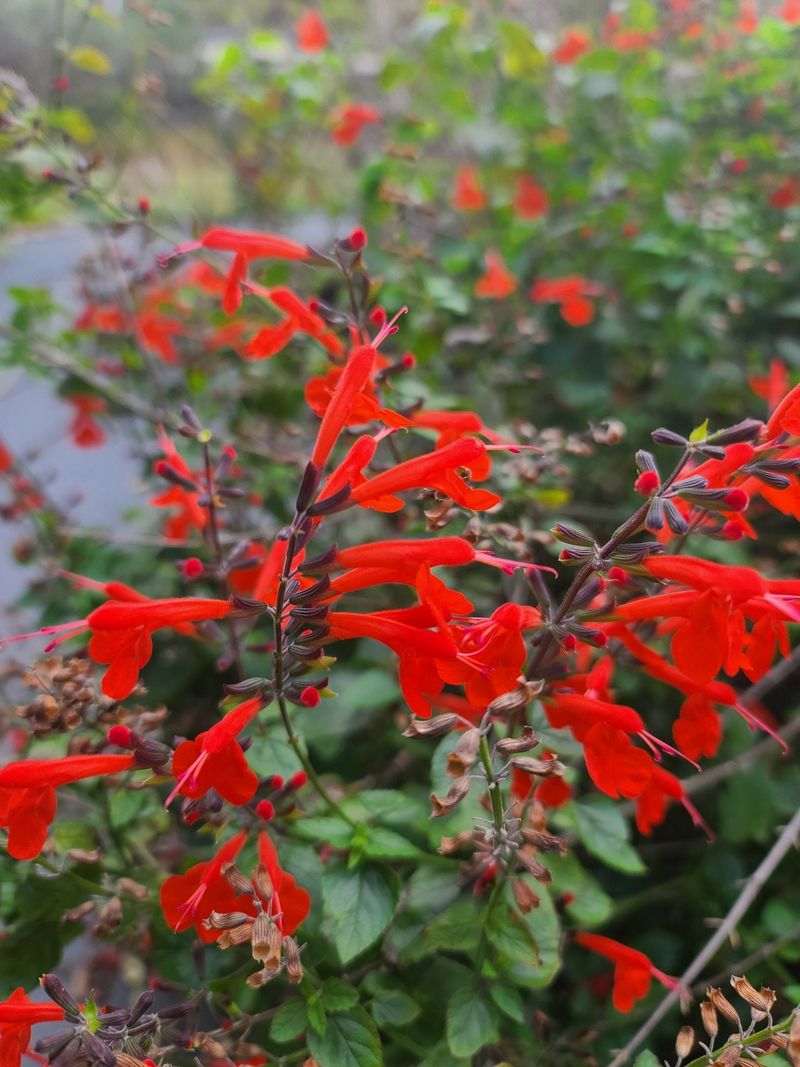
Native to Florida, tropical sage is one of those quietly reliable plants that experienced gardeners swear by. Its slender spikes of bright red flowers are a hummingbird magnet from spring through fall.
It grows naturally in dry, open areas, which means it handles poor sandy soils without complaint.
Plant it in full sun and forget about it, because tropical sage practically takes care of itself. It reseeds freely, so you will often find little seedlings popping up nearby each spring.
That self-sufficiency is a true gardening win.
blanket flower
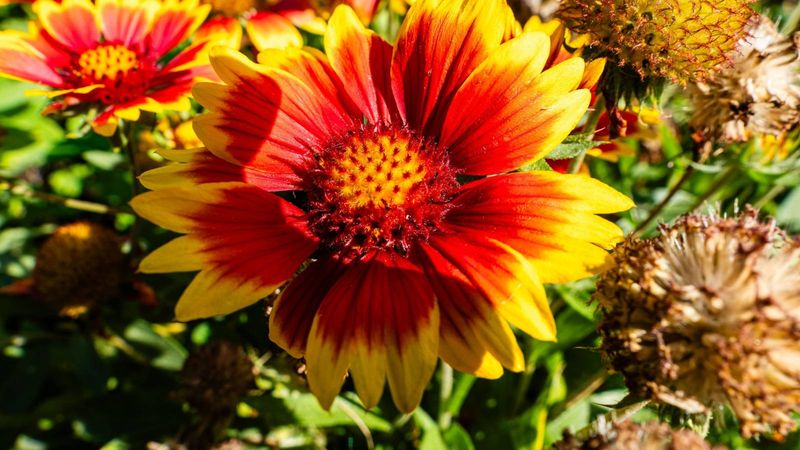
Named for its resemblance to the bright patterns found on Native American blankets, blanket flower brings bold red and yellow daisy-like blooms to Florida gardens from spring all the way through fall. It is one of the few flowers that actually seems to enjoy Florida’s punishing summer heat.
Sandy, well-drained soil is its ideal home, and it handles drought surprisingly well once established. Plant it in full sun and avoid overwatering, which can actually shorten its life.
A little neglect goes a long way with this spirited bloomer.
coreopsis
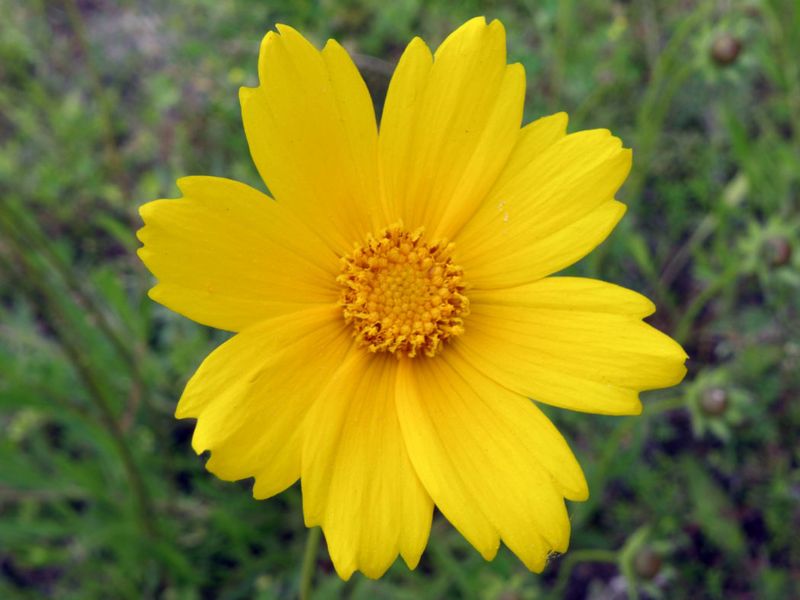
Florida actually has its very own native coreopsis, and the state even named it the official state wildflower. That alone tells you how well it belongs here.
The cheerful golden-yellow blooms carpet roadsides and meadows across the state every spring in a display that feels almost magical.
Garden varieties bloom for extended periods and handle heat, humidity, and poor soil without issue. Plant in full sun and cut back spent blooms to encourage a second flush of flowers.
It also reseeds freely, building larger colonies over time.
coneflower
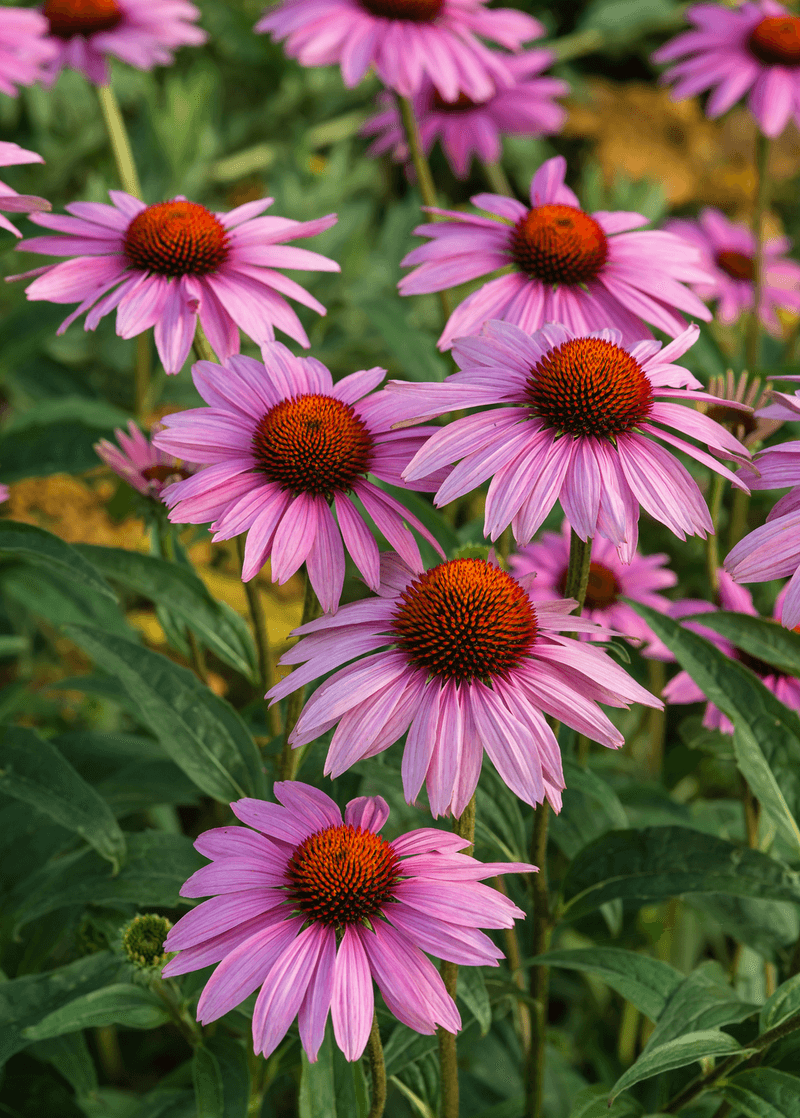
Most people picture coneflowers growing in midwestern prairies, not sweaty Florida gardens. But certain varieties, especially heat-tolerant cultivars and native species, hold up remarkably well in Florida’s climate.
The drooping purple petals and spiky orange center give them an unmistakable, wild beauty.
Birds love the seed heads in late summer, so resist the urge to deadhead every bloom. Plant in full sun with well-drained soil and moderate watering.
Over time, established coneflower clumps get tougher and more drought-resistant, rewarding patient gardeners with years of blooms.
firebush
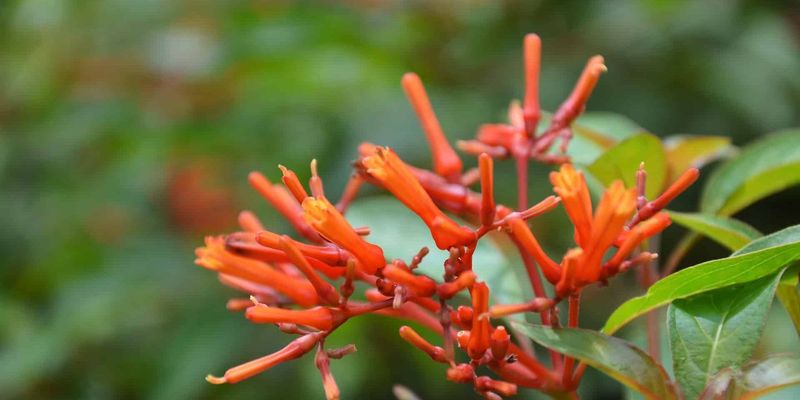
If the first firebush entry got your attention, the native Florida variety deserves its own spotlight. Unlike the tropical form, the native firebush stays smaller and more compact, making it easier to fit into residential landscapes.
The orange-red blooms appear almost continuously from spring through late fall.
It handles salt spray, sandy soil, and high humidity without flinching. Plant it near a window so you can watch the hummingbirds and butterflies visit throughout the day.
It is one of the most wildlife-friendly flowering shrubs available to Florida gardeners anywhere.
porterweed
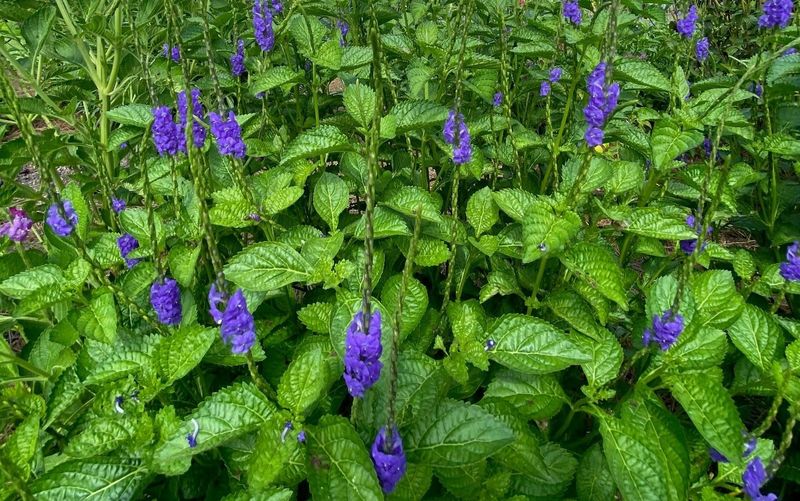
Already mentioned once, but porterweed honestly earns a second look because of how consistently it outperforms expectations in Florida gardens. The native variety in particular provides food for specialized butterflies like the tropical buckeye, making it ecologically valuable beyond just looking attractive.
It roots easily from cuttings and grows fast enough to fill a large space within a single season. For gardeners building a pollinator garden from scratch, porterweed is one of the first plants that should go in the ground without hesitation.
Enjoyed this story?
Add Fast Food Club as a preferred source to see more of our reporting on Google.