


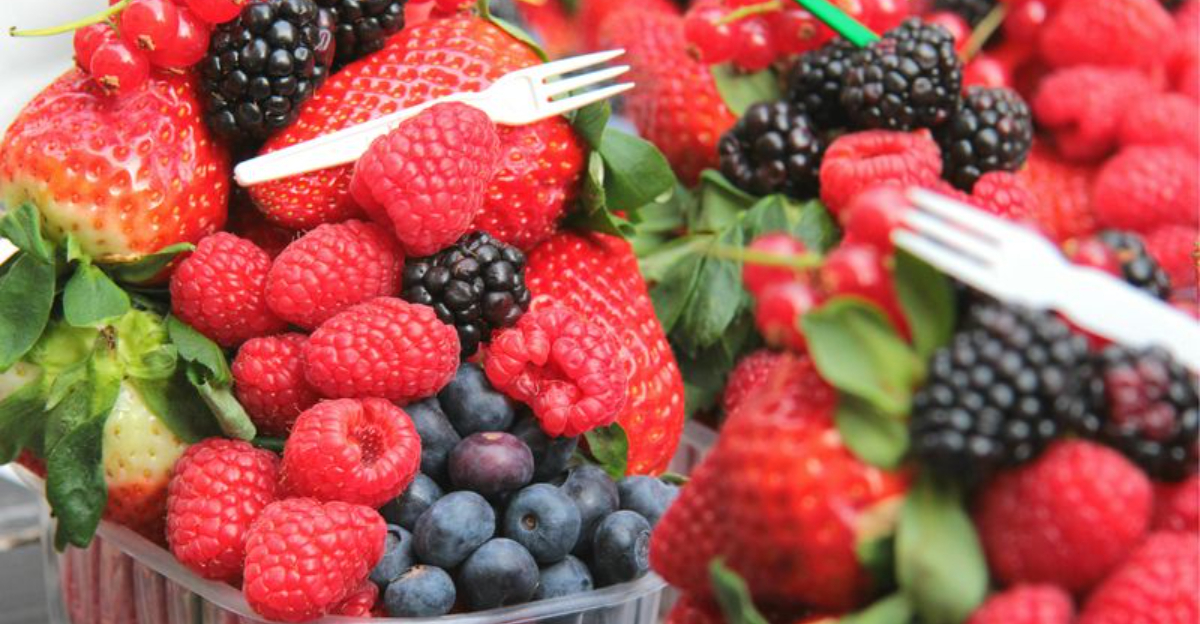
Sticker shock at the grocery store hits differently when the same staples you buy every week keep creeping up. Some prices jump, others fall back, and a few swing wildly depending on supply snags and seasons.
If you have ever stood in an aisle wondering whether to swap brands or skip an item, you are not alone. These everyday foods tell the story of how much has changed and where you can still win.
Fresh Eggs
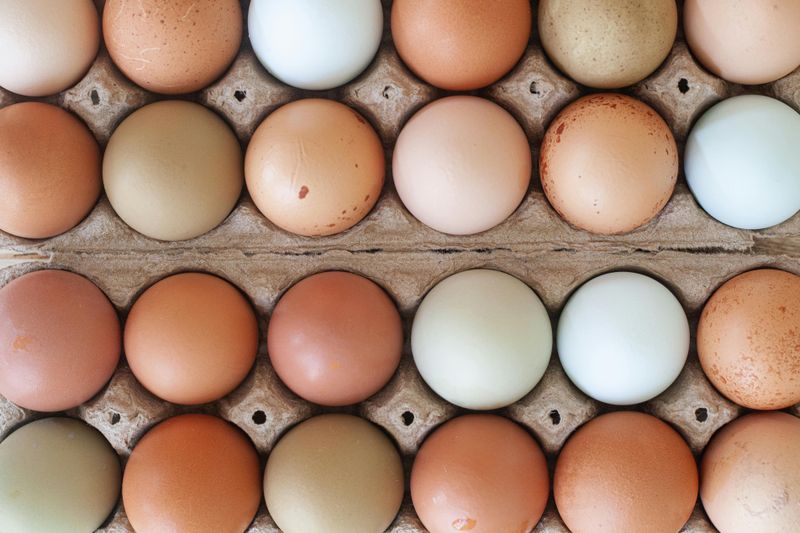
Egg prices feel like a roller coaster lately, and you probably noticed at the dairy case. Avian flu outbreaks squeezed supply, while feed and energy costs piled on.
Then prices cooled, but not to the old comfort zone you remember.
You can stretch a dozen further with frittatas, breakfast burritos, and fried rice. Buy when cartons are discounted, and pick large sizes for value per egg.
If you bake often, freeze beaten eggs in ice cube trays so nothing goes to waste. Local farm stands can be cheaper during peak laying seasons.
Check unit prices and expiration dates before you stock up.
Whole Milk
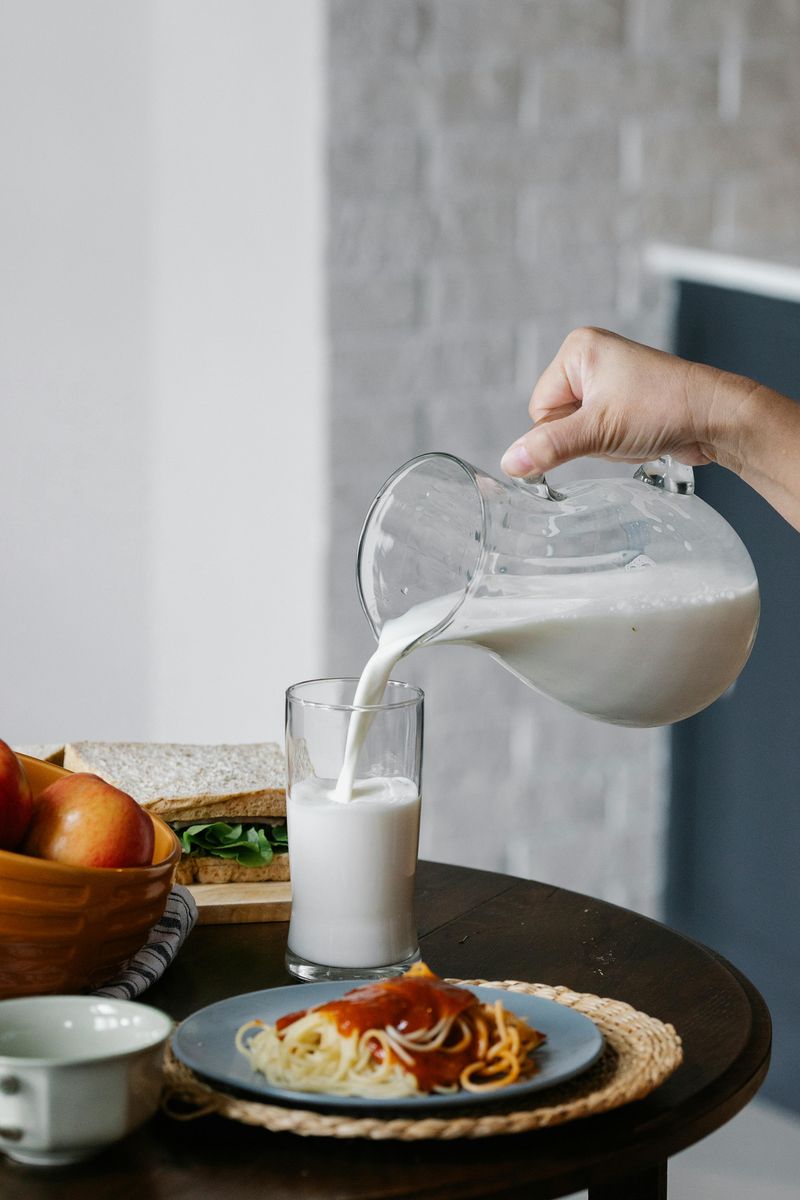
Whole milk rides on feed, fuel, and packaging costs, so your total can swing month to month. Transportation surcharges hit heavy jugs harder, which you feel in the final price.
Store brands often track national trends but still undercut premium labels.
To stretch value, buy larger containers if you use them fast, or split with a neighbor. Freeze milk in smaller portions for cooking, leaving headspace for expansion.
Consider shelf-stable UHT cartons for emergencies and price spikes. If you drink mostly in coffee, switching to smaller, ultra-filtered bottles might save more.
Keep an eye on weekly circulars and loyalty app coupons.
Salted Butter

Butter got pricier as cream supplies tightened and global demand tugged at dairy processors. You see it on holiday weeks when baking booms and sales vanish fast.
European butter imports and currency shifts can nudge prices higher at home.
Make every stick count by softening properly, not melting accidentally in a warm kitchen. Bake with store brands for everyday recipes, and save premium butter for finishing.
Freeze extra packs when sales appear, labeling dates clearly. Clarify butter for higher-heat cooking so it lasts longer and tastes rich.
When prices bite, try half-butter, half-oil in sautéing without losing buttery flavor.
Cheddar Cheese
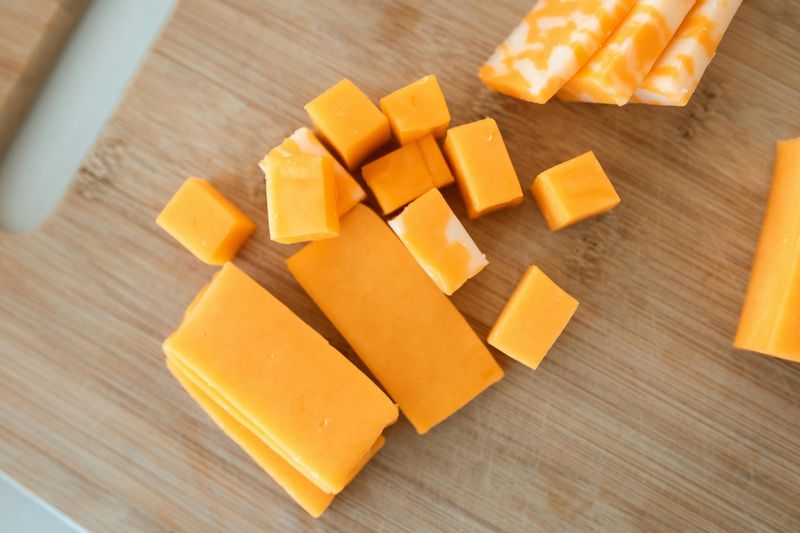
Cheddar ages for months, so today’s price often reflects last season’s milk markets. When processors face labor or packaging constraints, shredded bags jump first.
Blocks usually stay cheaper per ounce, though promotions flip that sometimes.
Grate your own when you can, and freeze measured portions for casseroles. Sharp cheddar packs more flavor, so you can use less without feeling shortchanged.
Watch for buy-two deals around sports seasons, then portion and seal tightly. If deli slices are expensive, slice a block at home.
Pair house brands with premium on cheese boards, keeping the splurge small while flavor stays big.
Ground Beef
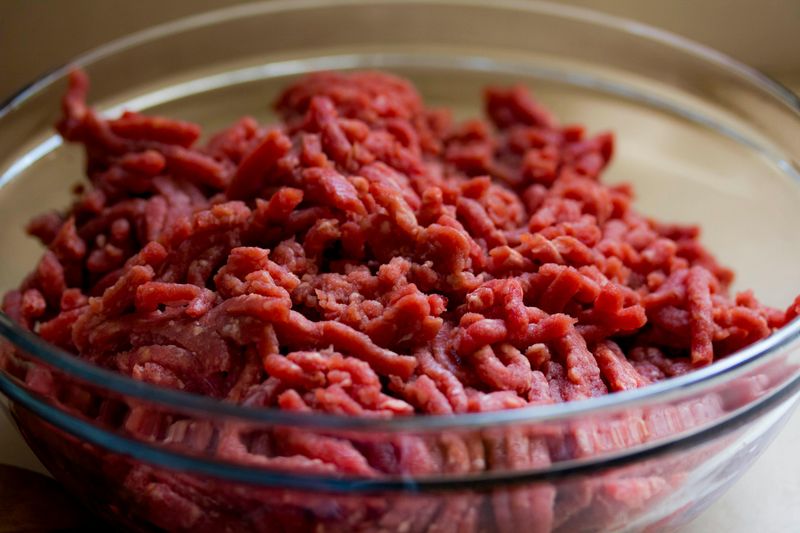
Ground beef prices reflect cattle cycles, feed costs, and weather that shapes grazing. When herds shrink, packers pay more, and so do you.
Lean blends often cost extra, yet value hides in higher-fat packs you can drain.
Consider mixing half ground beef with mushrooms or lentils for tacos and pasta. Batch-cook on sale days, then freeze flat for fast weeknights.
Browned crumbles stretch chili beautifully, making every pound work harder. Check markdowns early morning for quick-sale packages you can use immediately.
If burgers are the goal, grind chuck at home or ask the butcher for a fresh grind.
Chicken Breast
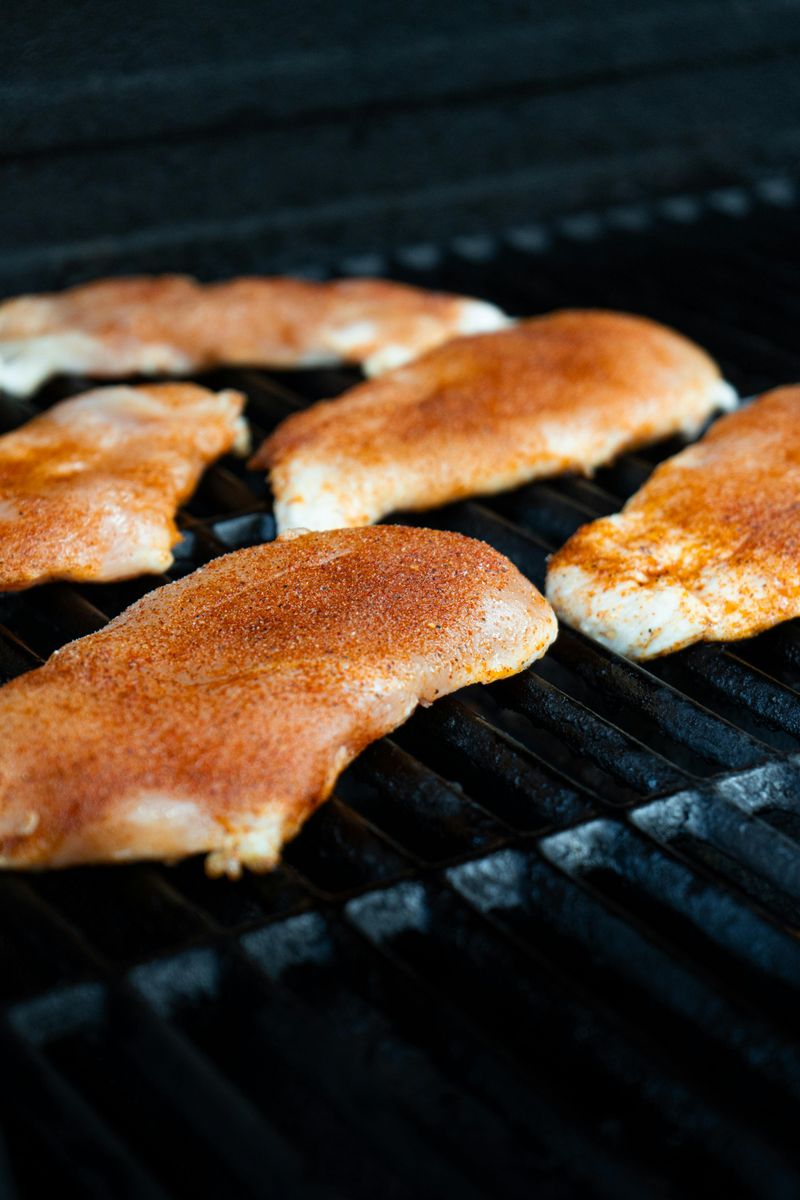
Chicken breast used to be the budget champion, but not every week anymore. Feed, labor, and processing slowdowns filtered into sticker prices.
Family packs still win on unit cost if you will portion and freeze.
Pound breasts thin for faster cooking and fewer overcooked mistakes. Marinate in bulk, label bags, and freeze flat for easy thawing.
Consider bone-in breasts or thighs when boneless spikes, then debone at home. Poach gently for shredding that stretches into soups, enchiladas, and salads.
Watch for loss-leader ads before holidays, when stores discount chicken to draw foot traffic.
Crispy Bacon
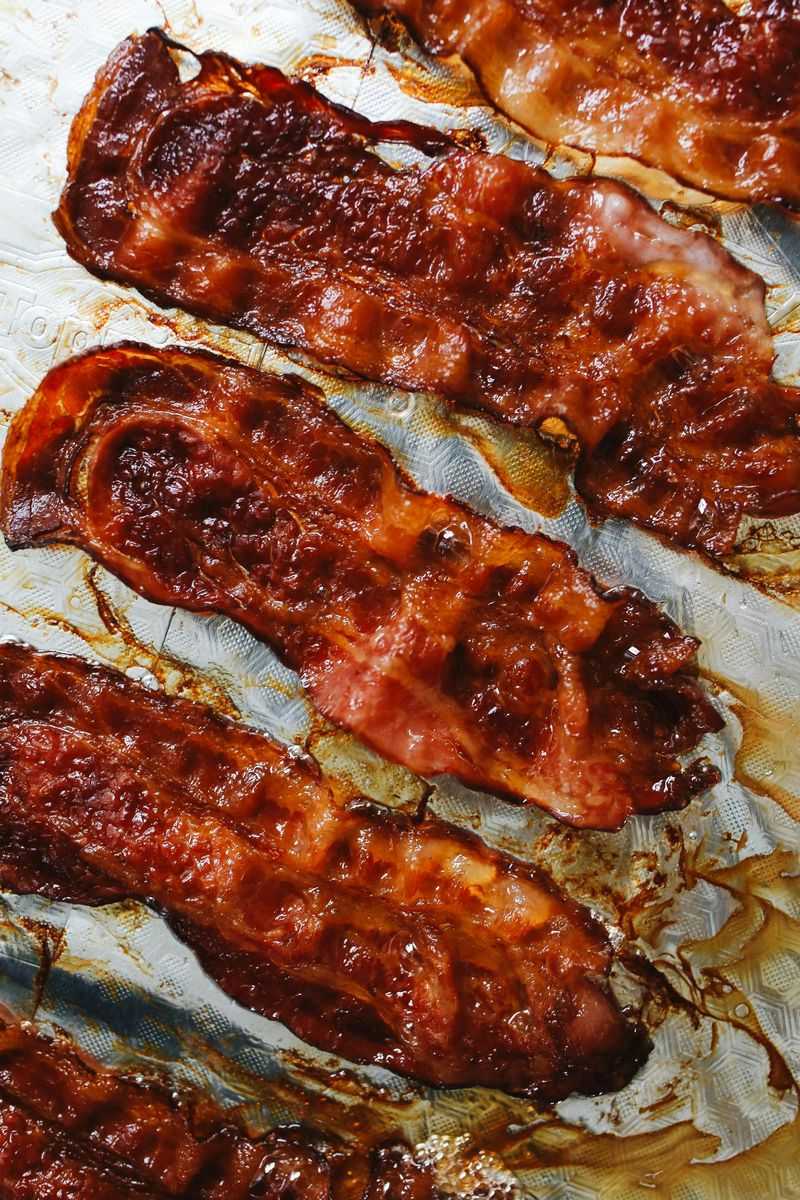
Bacon prices swing with pork belly supplies and wild demand on weekends and holidays. Smoke style and thickness add premiums you feel at checkout.
Store brands can surprise with great crispiness when cooked in the oven.
Buy larger packs only if you will portion and freeze carefully. Bake strips on a rack so fat renders and pieces stay flat.
Save drippings to boost flavor in greens, cornbread, and roasted potatoes. When prices spike, use bacon as a garnish, not the main event.
For breakfast sandwiches, one slice crumbled goes further than two laid flat.
White Bread
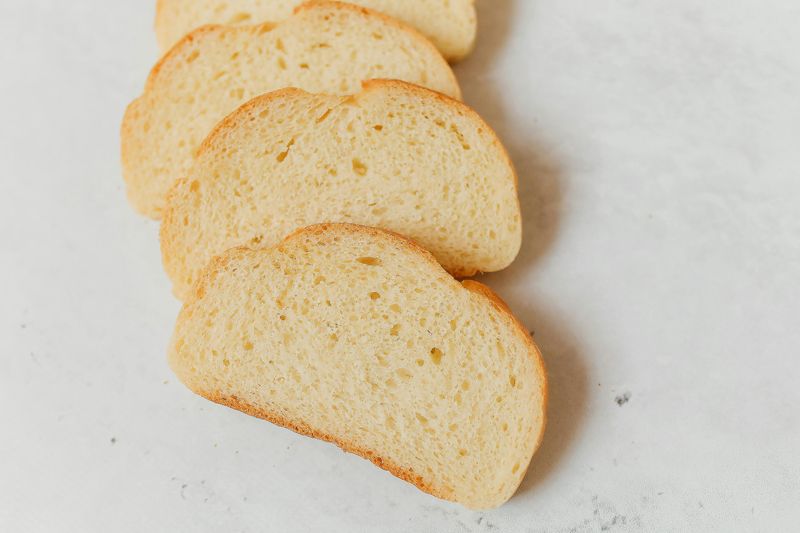
White bread looks simple, yet flour, yeast, sugar, and packaging costs all matter. Fuel prices hit delivery routes, nudging shelf prices higher.
National brands push promotions, but the quiet winner is often the store loaf.
To stretch freshness, cool loaves before bagging at home and squeeze out extra air. Freeze half the slices and toast straight from frozen.
French toast rescues day-old bread, so nothing goes stale without a plan. Compare unit prices by ounce, not the eye-catching sale sign.
If crust preferences divide your household, try bakery clearance racks late afternoon for deals.
Breakfast Cereal

Cereal aisles feel like billboards for inflation, with boxes shrinking and prices sticking. Grain, sugar, and cardboard costs stack up fast.
Promotions cycle hard, so today’s splurge becomes next week’s bargain if you wait.
Check unit prices per ounce and compare family sizes to two-smaller-box deals. Store brands copy classics closely and usually win on cost.
Stretch bowls with sliced bananas or oats for more staying power. If you snack on cereal, portion into containers instead of free-pouring.
Loyalty apps often hide the best digital coupons, so clip them before heading out.
Ground Coffee
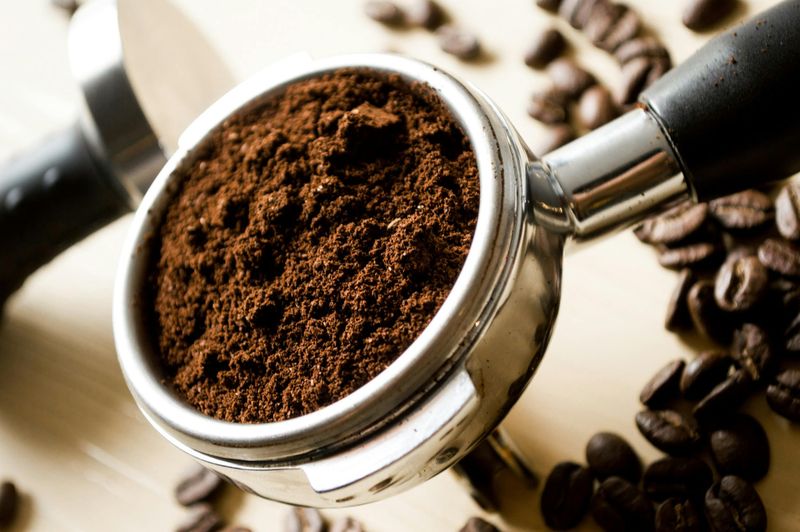
Coffee prices brew from global weather, shipping rates, and currency shifts. Drought or frost in key regions tightens supply, and your morning cup pays for it.
Fancy packaging and flavor notes raise costs without always improving taste.
Buy whole beans on sale and grind at home for longer freshness. If you drink daily, calculate cost per cup, not per bag.
A reusable filter and slightly stronger brew can stretch grounds across more mornings. Consider cold brew concentrate to reduce waste.
When prices surge, blend half premium with half budget beans, keeping flavor steady while you save real money.
Orange Juice

Orange juice took a hit as disease and storms cut Florida and Brazil harvests. Not-from-concentrate cartons climbed fastest, and shelves sometimes looked bare.
When supply tightens, promotions fade and sizes quietly shrink.
Switching to from-concentrate can trim costs without losing breakfast brightness. Freeze small cubes of juice for smoothies or cocktails to avoid waste.
If vitamins matter, compare added-calcium versions against price jumps. Watering slightly for recipes still keeps citrus character strong.
Watch for weekend brunch sales, then buy just enough because flavor drops after opening. A splash of zest and fresh slices can boost cheaper blends nicely.
Iceberg Lettuce
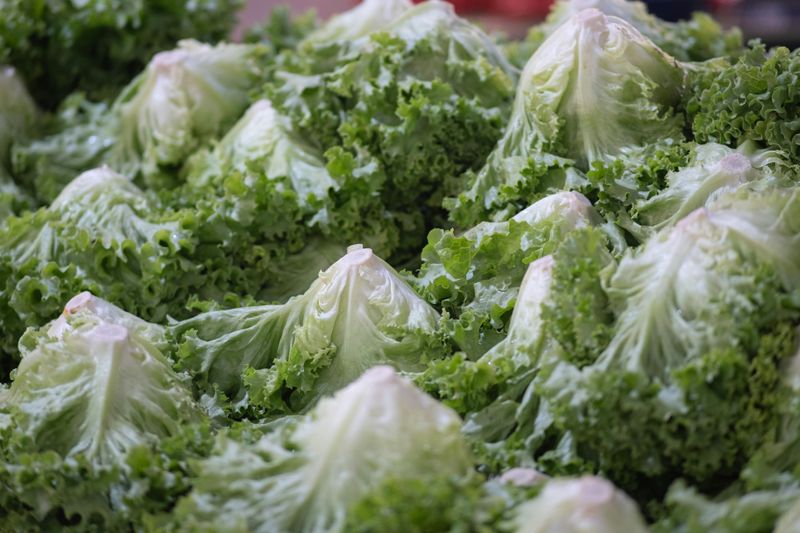
Iceberg seems basic, yet weather swings in growing regions can double prices overnight. Harvest slowdowns and trucking hiccups leave gaps you spot instantly.
Heads can look huge but hide waste if outer leaves are tired.
Pick dense, heavy heads with crisp ribs to get more edible cups per dollar. Store wrapped loosely with a dry towel to reduce sogginess.
Shred with a sharp knife to avoid bruising and keep salads snappy. When prices jump, switch to cabbage for crunch in tacos and slaws.
For burgers, a single leaf goes far, especially if you stack with pickles and onions.
Tomatoes
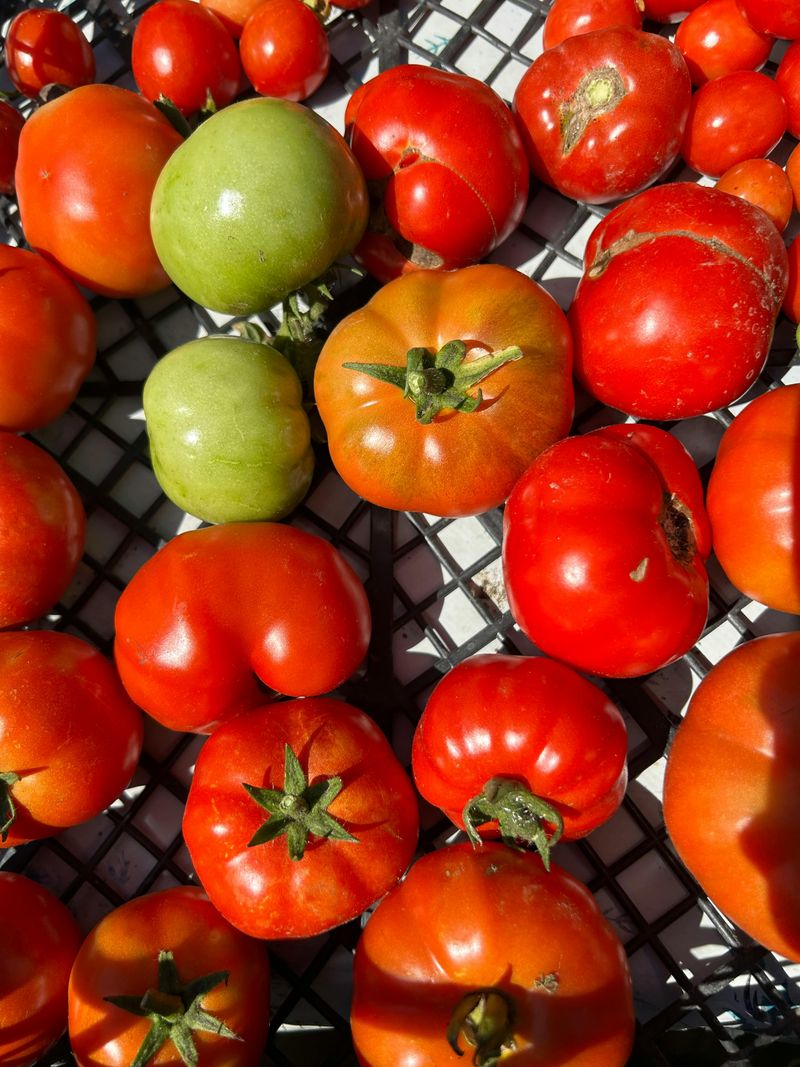
Tomato prices shift with greenhouses, imports, and storms that hit key regions. Winter tomatoes often travel far, adding fuel to every bite.
Summer markets flip the script, delivering cheap flavor if you buy in season.
Choose romas for sauces and cherry tomatoes for salads when slicers cost more. Roast soft ones to rescue value and deepen sweetness.
A small countertop ripening box reduces waste and keeps texture better. When prices soar, canned tomatoes shine for soups and stews.
Compare per-pound costs to multipacks, because convenience packaging can quietly add dollars without adding taste.
Potatoes
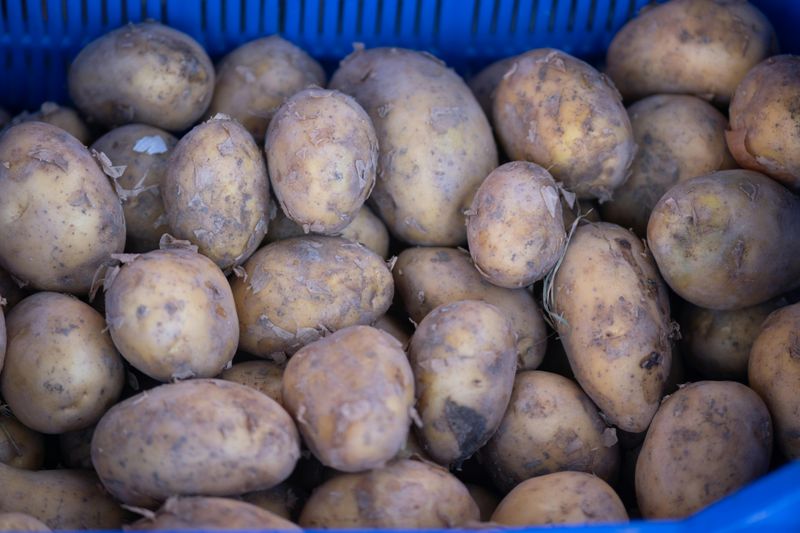
Potatoes usually anchor budgets, yet storage, water, and harvest problems can lift prices. Large bag deals help if you cook often and store correctly.
Sprouted spuds feel like lost money when planning fails.
Buy firm, dry potatoes and keep them cool, dark, and ventilated. Turn extras into baked wedges, mash, or hash to avoid waste.
Smaller varieties roast faster and can replace pricier sides. If you need only a few, buy loose instead of a heavy bag.
A soup pot stretches everything with onions, herbs, and broth, making a hearty meal from very little.
Yellow Onions
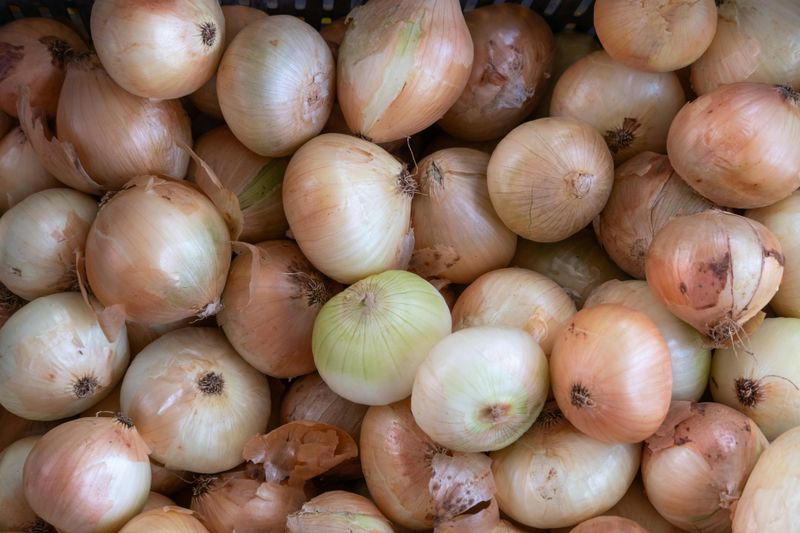
Onions swing less than fancy produce, but droughts and storage losses still push prices. Bagged deals look good until several bulbs rot at home.
Loose onions let you choose firm, heavy ones that last longer.
Store in a cool, dry spot with airflow, away from potatoes. Dice and freeze extras for quick starts to soups and sauces.
Caramelize a big batch when prices dip, then portion for sandwiches and steaks. If sweet onions cost more, mix half yellow with half sweet in recipes.
Keep an eye on unit pricing because bag sizes change often without fanfare.
Dry Pasta
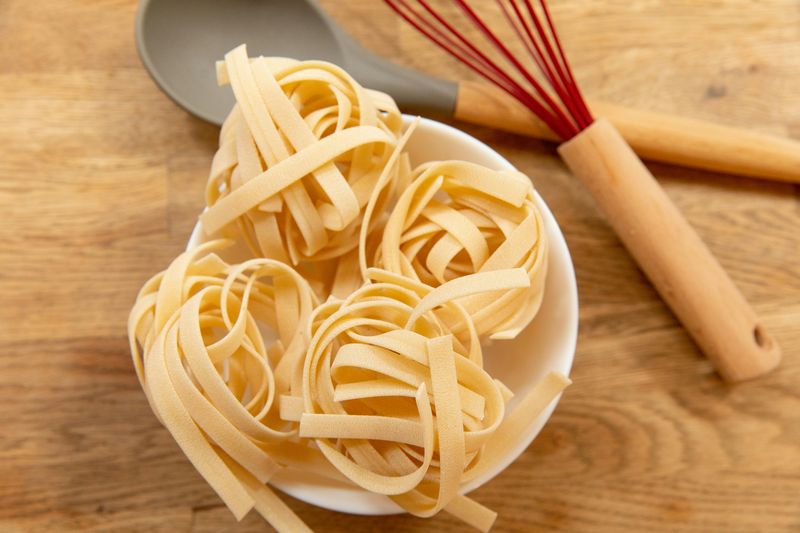
Pasta stayed a go-to bargain until wheat markets tightened and packaging costs rose. Premium bronze-cut boxes tempt, but basics often satisfy sauces just fine.
Sales rotate frequently, so stock up when the shelf tag turns yellow.
Buy shapes that match your sauces to use less per portion. Salt water well so simple pasta tastes great without heavy toppings.
Store brands shine in baked ziti and soups where texture matters less. Keep a pantry rotation system so you cook oldest boxes first.
When prices climb, smaller portions with extra vegetables keep dinners filling and affordable.
White Rice
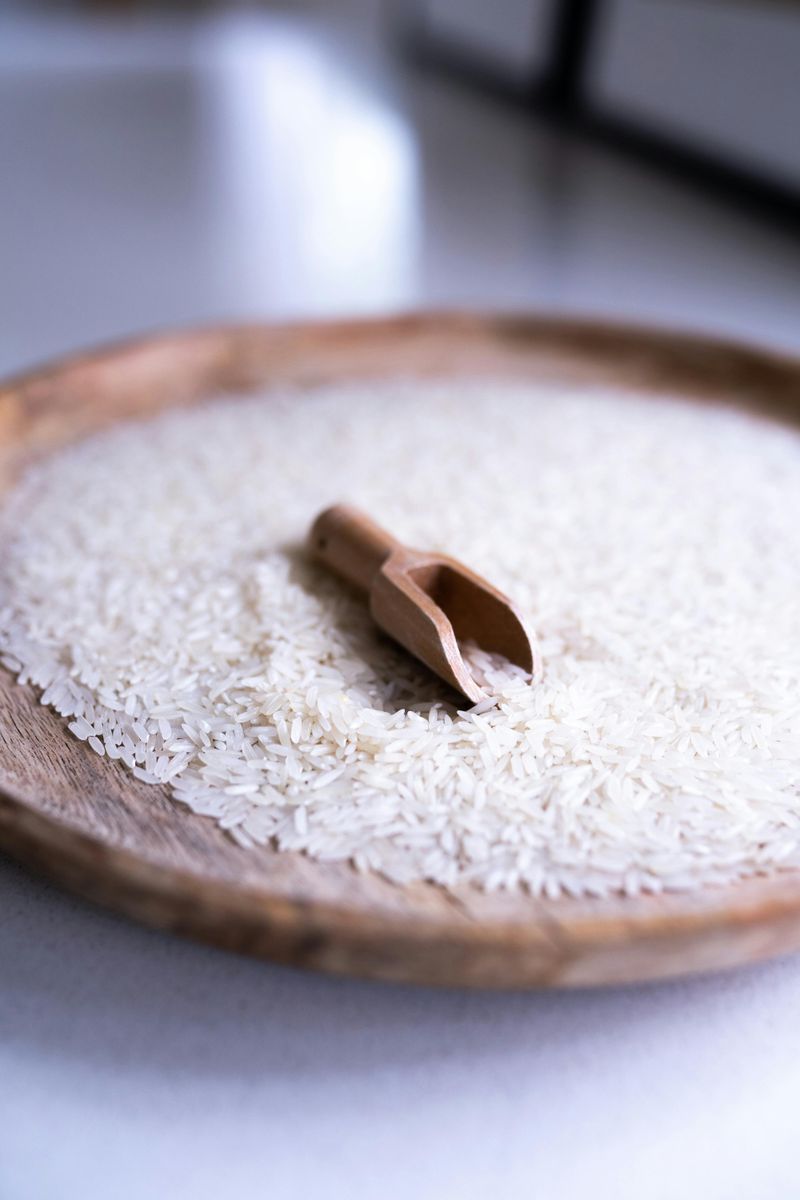
White rice remains a budget hero, though export limits and freight can nudge prices. Small bags cost more per pound, while big sacks demand storage space.
Consistency across brands is high, so value usually beats branding.
Rinse well and use a reliable ratio to avoid gummy pots that waste servings. Freeze cooked portions flat for fast weeknight bowls and fried rice.
Stretch pricier proteins by serving them over generous rice. Check ethnic aisles for better bulk prices and wider varieties.
A simple topping of soy, scallions, and egg turns rice into dinner when budgets feel tight.
Fresh Berries
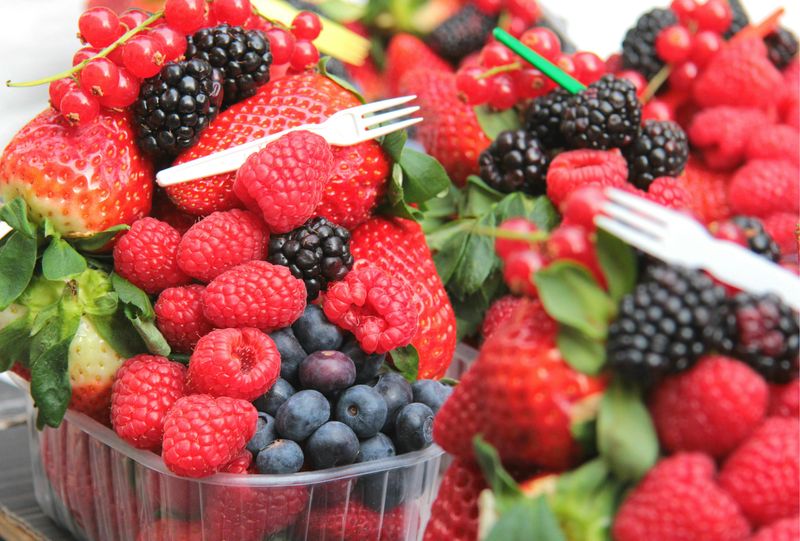
Berries are fragile, so transport, labor, and weather push prices all over the map. Off-season clamshells cost more and taste less sweet.
Peak-season flats can be bargains if you are ready to rinse, sort, and freeze.
Buy smaller packs unless you have a plan for quick use. Line containers with paper towels and keep berries dry to extend life.
Freeze single layers on a tray, then bag for smoothies and jam. Mix pricier berries with budget bananas or yogurt for satisfying breakfasts.
Local markets sometimes beat supermarkets on flavor and price during harvest windows.
Enjoyed this story?
Add Fast Food Club as a preferred source to see more of our reporting on Google.