


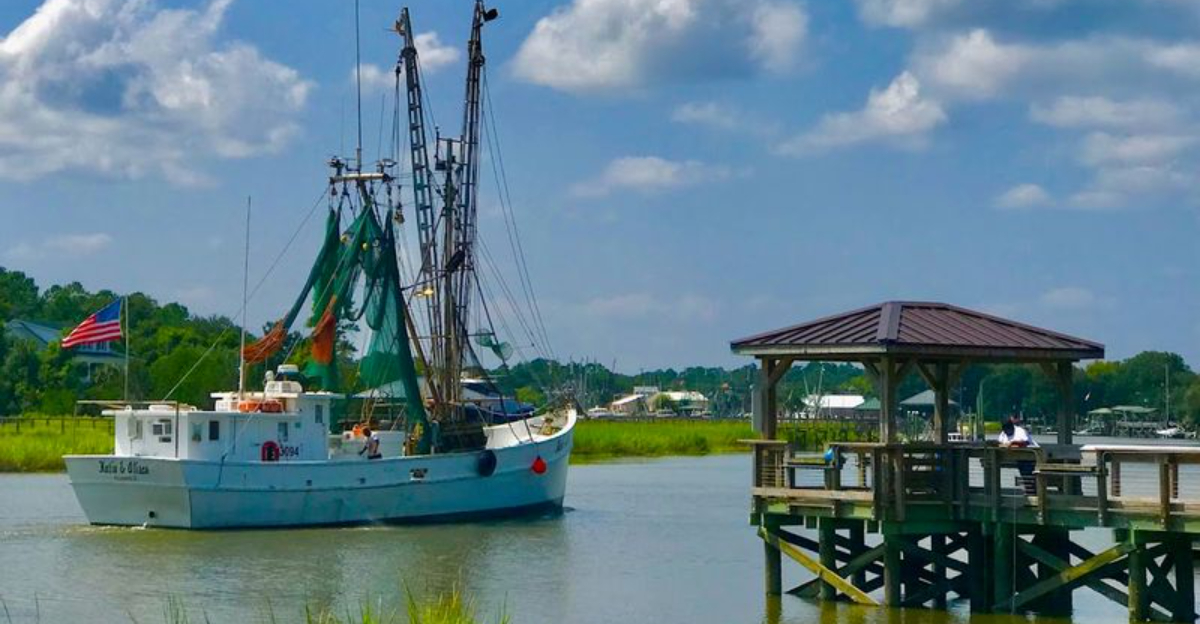
Tucked along the marshy shores of Jeremy Creek in Charleston County, McClellanville, South Carolina is a tiny fishing village that feels like a world apart. With a population of just over 600 people, this hidden gem carries the kind of slow, soulful charm you might expect to find in a coastal village in Portugal or southern France.
Mossy oak trees line quiet streets, shrimp boats drift through glassy waters, and historic homes tell stories that stretch back centuries. You do not need a passport to experience old-world magic – McClellanville has everything you need right here in the Palmetto State.
Jeremy Creek and the Working Waterfront
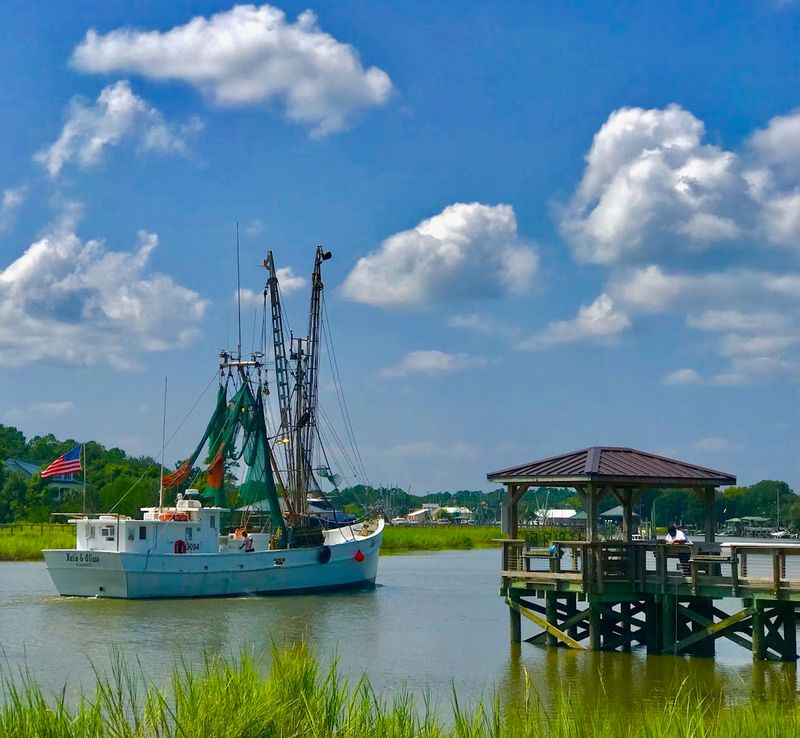
There is something almost cinematic about standing at the edge of Jeremy Creek and watching weathered shrimp boats glide past at sunrise. The working waterfront of McClellanville is not a tourist attraction dressed up for visitors – it is the real thing, raw and beautiful.
Local shrimpers have been navigating these waters for generations, and you can feel that history in every creak of the docks. The smell of saltwater and the distant hum of boat engines make it easy to imagine you are in a small harbor town along the coast of Spain or Greece.
Visitors are welcome to stroll the waterfront area and watch the daily rhythms of commercial fishing unfold. Early mornings offer the best views, when the mist still hangs low over the marsh and the boats head out for the day.
Cape Romain National Wildlife Refuge
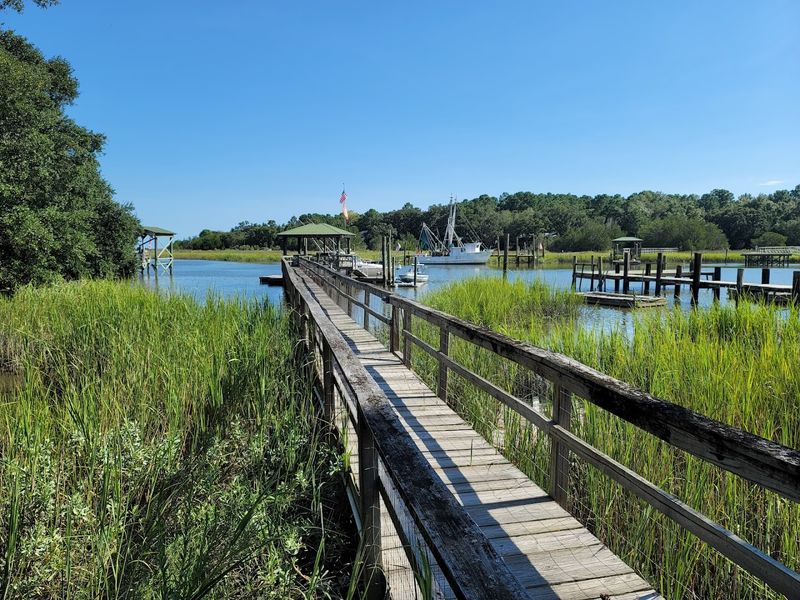
Stretching across more than 66,000 acres of barrier islands, saltwater marshes, and coastal waterways, Cape Romain National Wildlife Refuge is one of the most pristine natural landscapes on the entire East Coast. It sits just offshore from McClellanville and feels like stepping into a world untouched by time.
Birders go absolutely wild here – over 293 species of birds have been recorded in the refuge, making it a bucket-list destination for wildlife enthusiasts. Loggerhead sea turtles also nest on the beaches of Bull Island, adding a magical layer to any visit.
Boat tours depart from the McClellanville area and take you across the water to Bull Island, where you can hike through maritime forest and spot alligators, deer, and shorebirds. It is the kind of wild, unspoiled beauty that feels genuinely rare in today’s world.
Historic Architecture Along Pinckney Street
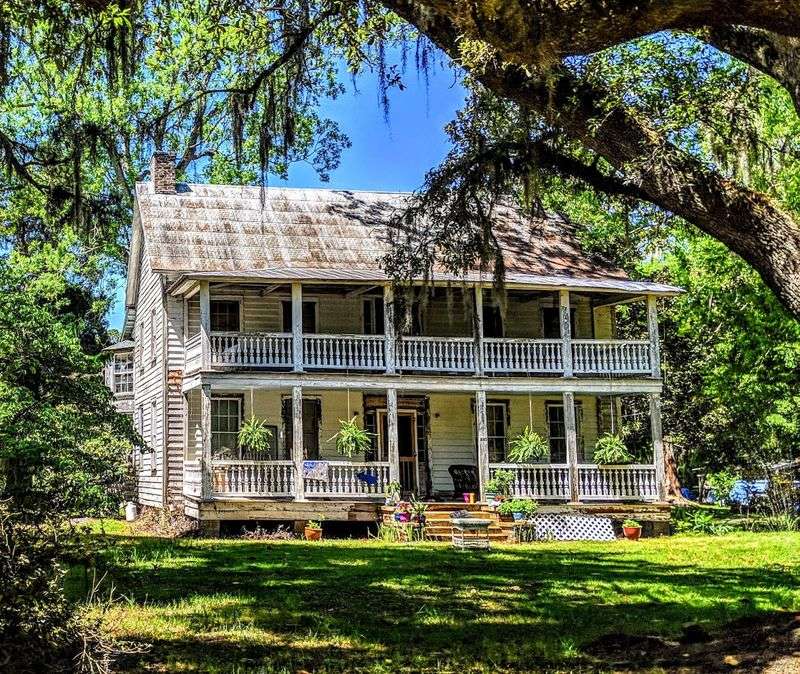
Walking down Pinckney Street in McClellanville feels like flipping through the pages of a history book. The street is lined with beautifully preserved antebellum and Victorian-era homes, many of which date back to the mid-1800s.
Spanish moss drips from enormous live oak trees overhead, casting everything in a dreamy, dappled light.
Unlike the polished historic districts you find in bigger cities, Pinckney Street has a lived-in, authentic quality. Families actually live in these homes, and gardens spill out onto sidewalks in the most charming, unplanned ways.
Architecture lovers will notice details like wide wrap-around porches, louvered shutters, and hand-crafted woodwork that echo the vernacular styles of coastal Europe. Bring a camera, wear comfortable shoes, and plan to walk slowly.
Every house on this street has a story worth pausing to appreciate.
Fresh Shrimp Straight from the Boat
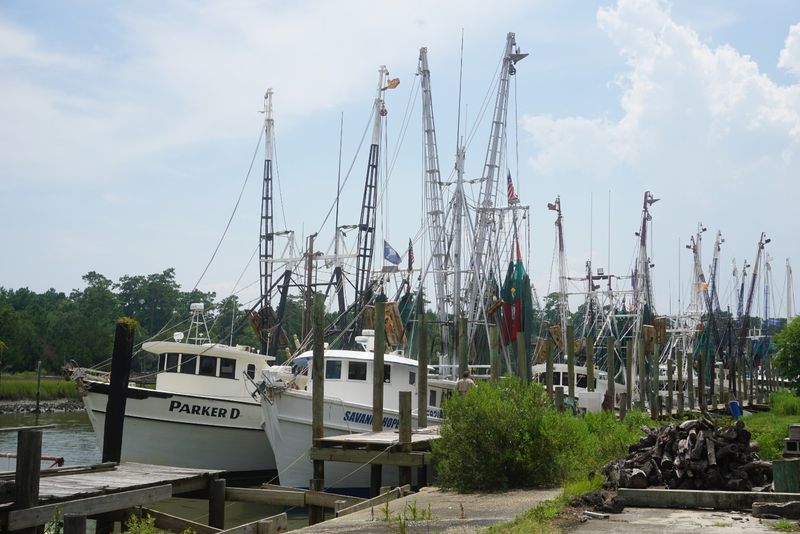
McClellanville is widely considered the shrimp capital of South Carolina, and locals will tell you that with serious pride. The village sits at the heart of one of the most productive shrimping regions on the entire Atlantic Coast, and the seafood here is as fresh as it gets anywhere in the world.
You can buy shrimp directly from the docks on certain days, and local seafood shops stock everything from white shrimp to blue crab caught just hours before. The flavor difference between truly fresh, wild-caught shrimp and the frozen grocery store variety is almost hard to believe.
Cooking up a pot of shrimp and grits with McClellanville shrimp is practically a spiritual experience. If you visit during the annual Lowcountry Shrimp Festival, you will get to sample dishes prepared by local cooks who have been perfecting their recipes for decades.
St. James Santee Episcopal Church
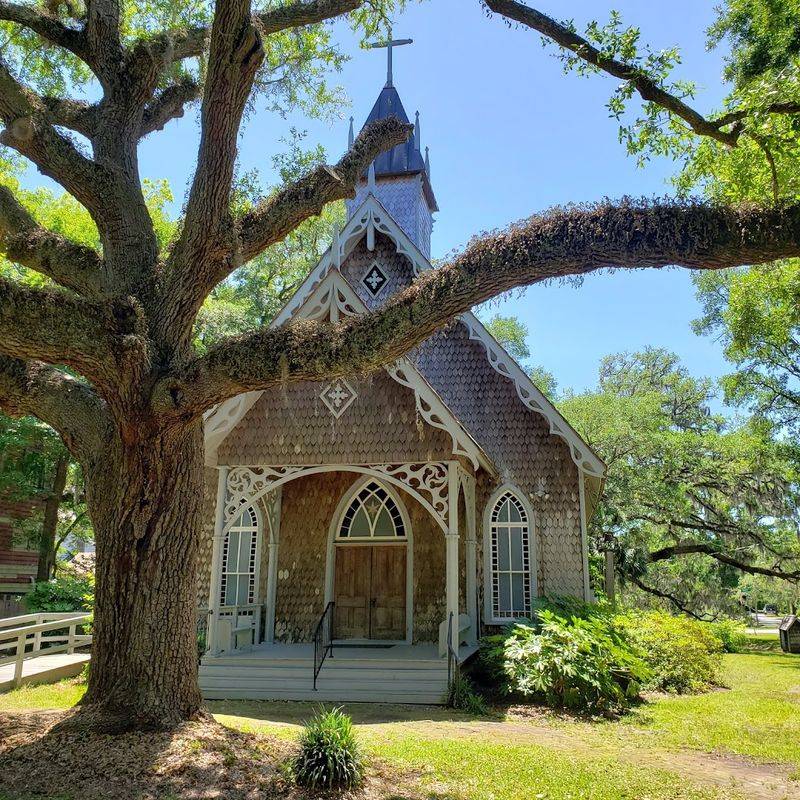
Built in 1768, St. James Santee Episcopal Church is one of the oldest and most hauntingly beautiful churches in all of South Carolina. Known locally as the Brick Church, it stands just outside McClellanville surrounded by ancient oaks and a weathered cemetery that dates back to the colonial era.
Stepping onto the grounds feels like a genuine journey back in time. The building’s Georgian architecture, simple brick facade, and hand-laid floors have survived wars, hurricanes, and centuries of change with quiet dignity.
It is the kind of place that makes you stop talking and just absorb the stillness.
History enthusiasts will appreciate the detailed records and plaques inside that document the lives of early settlers and prominent Lowcountry families. The church still holds occasional services, keeping it very much alive rather than simply preserved as a museum piece.
The Lowcountry’s Magical Moss-Draped Oak Trees
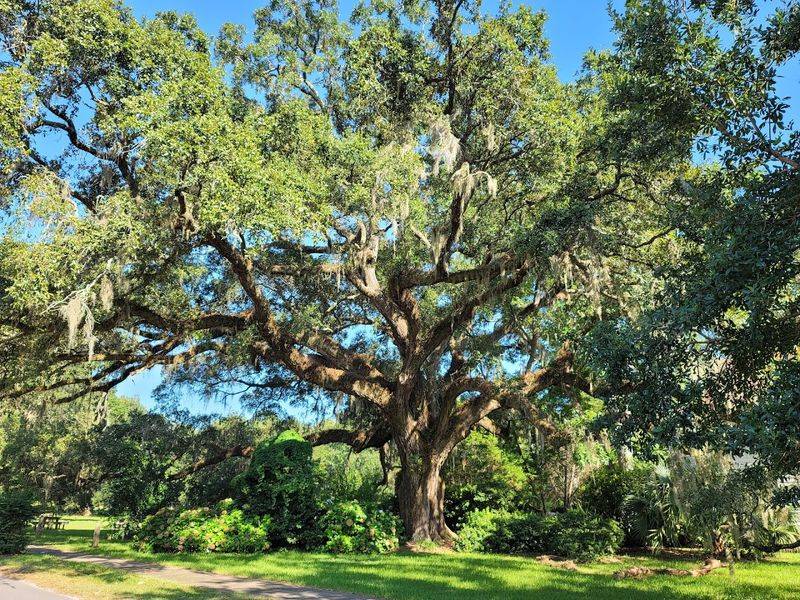
Few things in the natural world are as visually striking as a centuries-old live oak tree draped in Spanish moss. McClellanville has them in abundance, and they create a kind of enchanted canopy over streets, yards, and open fields throughout the village.
Some of these trees are estimated to be over 300 years old, predating the founding of the United States by a comfortable margin. Standing beneath one and looking up through the layered branches feels like standing inside a natural cathedral.
Photographers tend to arrive just before sunset when the golden light filters through the moss and turns everything amber and silver. Even visitors who are not particularly outdoorsy find themselves lingering under these trees far longer than planned.
The Spanish moss itself, despite its name, is actually a native American plant with fascinating ecological properties worth reading about.
McClellanville’s Peaceful Village Atmosphere
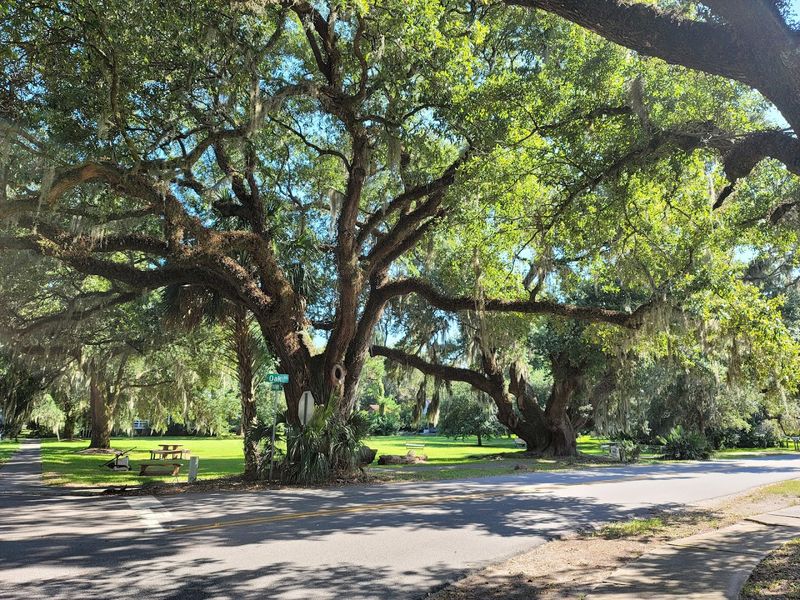
There are roughly 600 people living in McClellanville, and somehow that small number makes everything better. Strangers wave from their porches.
Shopkeepers remember your name by your second visit. Nobody is rushing anywhere, and that unhurried pace is genuinely contagious.
The village has no traffic lights, no chain restaurants, and no big box stores. What it does have is a strong sense of community identity that you can feel within minutes of arriving.
People here are proud of where they live, and that pride shows up in the way they maintain their homes, support local businesses, and look out for one another.
For travelers exhausted by the noise and pace of modern life, McClellanville offers something increasingly rare: genuine quiet. Sitting on a bench near the waterfront with nothing on the schedule is not boring here – it is deeply, surprisingly restorative.
Lowcountry Cuisine Worth Making the Trip For
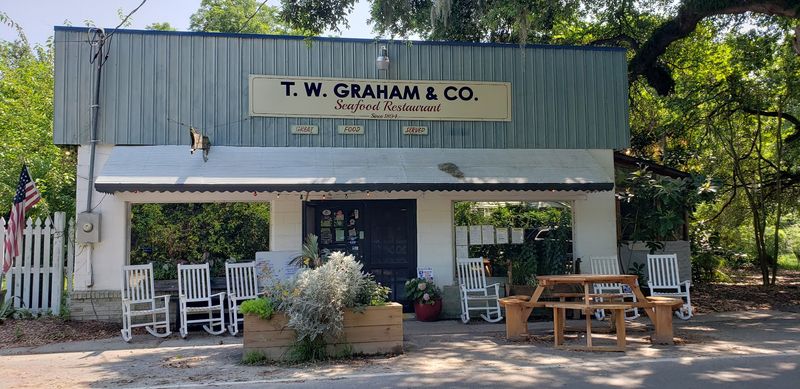
Lowcountry cooking is one of the great American regional cuisines, and McClellanville sits right at its flavorful heart. The food here draws on centuries of African, European, and Native American culinary traditions, resulting in dishes that are deeply layered and absolutely delicious.
Shrimp and grits is the obvious star, but do not overlook she-crab soup, fried oysters, and hoppin’ John – a slow-cooked dish of black-eyed peas and rice that locals swear brings good luck when eaten on New Year’s Day. Everything tastes better when the main ingredients were caught or grown within a few miles of where you are sitting.
Small local eateries around McClellanville serve these dishes with zero pretension and maximum flavor. You will not find foam-topped micro portions here – just generous, honest food made with real care and a whole lot of Lowcountry tradition.
Kayaking and Paddling Through the Salt Marsh
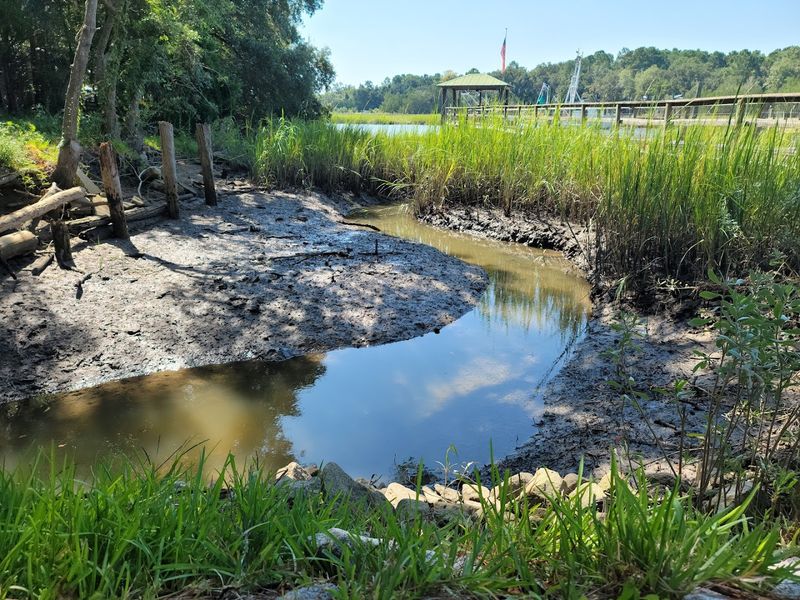
The salt marshes around McClellanville form one of the most ecologically rich and visually stunning paddling environments anywhere in the southeastern United States. Narrow tidal creeks wind through walls of golden cordgrass, opening occasionally into wide, mirror-flat expanses of water that reflect the sky perfectly.
Kayaking here puts you at eye level with the marsh in a way that no boat tour can replicate. Herons stand motionless just feet away, dolphins occasionally follow alongside, and fiddler crabs scatter across the mudflats as you glide past.
The whole experience has a meditative, almost otherworldly quality.
Rentals and guided tours are available through outfitters in the broader Charleston area, and several launch points exist near McClellanville. Sunrise and sunset paddles are especially popular because the colors reflecting off the marsh water during those hours are almost impossibly beautiful.
Hurricane Hugo’s Legacy and Community Resilience
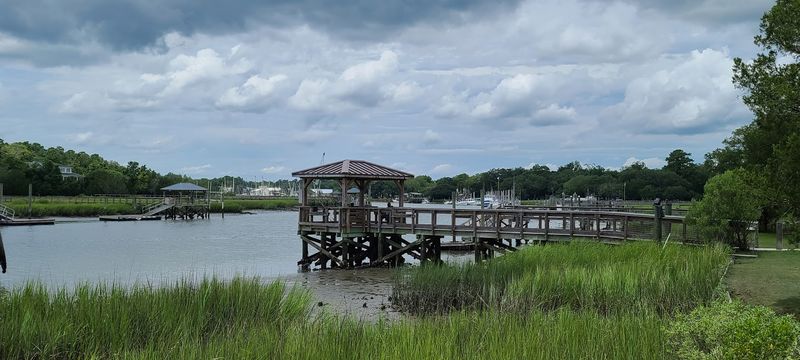
In September 1989, Hurricane Hugo made landfall just north of Charleston and sent a devastating storm surge directly through McClellanville. The surge reached over 17 feet in some areas, flooding the entire village and forcing hundreds of residents to shelter in the local school gymnasium, which itself took on several feet of water.
Miraculously, no lives were lost in McClellanville that night, and locals credit that fact with equal parts preparation, luck, and community solidarity. The story of how neighbors helped neighbors in the hours and days after Hugo is the kind of thing that gets passed down through generations.
Today, the village still carries visible and invisible marks of that storm, but it also carries an extraordinary sense of resilience. Visitors who learn about Hugo’s impact come away with a deep respect for the toughness and spirit that define this remarkable little community.
Surrounded by Francis Marion National Forest
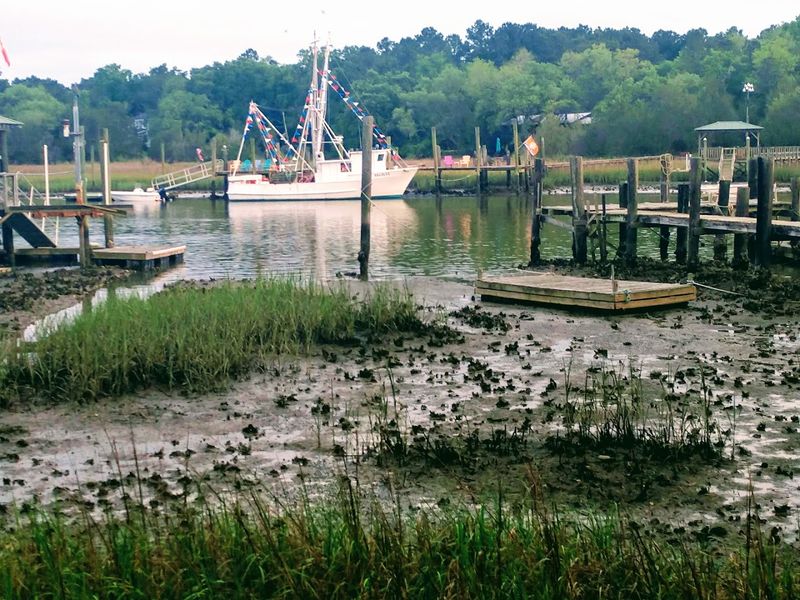
McClellanville is practically wrapped in wilderness, with Francis Marion National Forest covering a massive 259,000 acres of land to its north and west. Named after the famous Revolutionary War hero Francis Marion – nicknamed the Swamp Fox – the forest is a sprawling landscape of longleaf pines, cypress swamps, and bottomland hardwoods.
Hiking trails, fishing spots, and wildlife viewing areas are scattered throughout the forest, making it an incredible outdoor playground just minutes from the village center. White-tailed deer, wild turkeys, red-cockaded woodpeckers, and even black bears call this forest home.
History buffs will appreciate that the forest also contains sites associated with Francis Marion’s guerrilla warfare campaigns against British forces during the Revolutionary War. Combining a morning hike in the forest with an afternoon on the McClellanville waterfront makes for a near-perfect day in the Lowcountry.
Annual Lowcountry Shrimp Festival
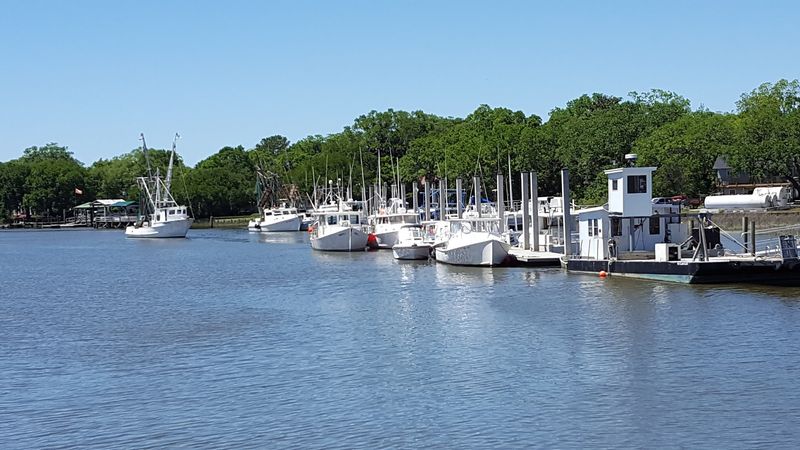
Every spring, McClellanville hosts one of the most beloved small-town festivals in the entire state of South Carolina. The Lowcountry Shrimp Festival celebrates the village’s deep connection to the sea, drawing thousands of visitors who come for the food, the music, and the undeniable good vibes of a community in full celebration mode.
The festival features freshly prepared shrimp dishes in every form imaginable – boiled, fried, grilled, and stuffed. Local craftspeople set up booths, live bands play throughout the day, and shrimp boat blessing ceremonies add a deeply traditional and moving element to the festivities.
For first-time visitors, the festival is a fantastic introduction to McClellanville’s culture and character. You leave knowing something real about this place – its history, its pride, and its people.
Mark your calendar, because this is one small-town event that genuinely delivers on every level.
Sunrise Views Over the Intracoastal Waterway
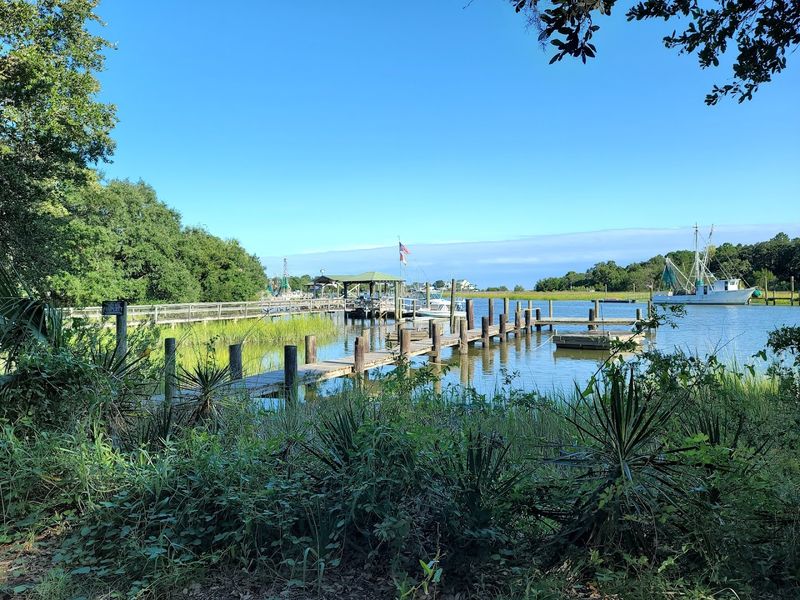
Ask anyone who has spent a night in McClellanville what the highlight of their trip was, and a surprising number will say the sunrise. The village’s position along the Intracoastal Waterway means that early risers are treated to some of the most spectacular morning light shows on the entire East Coast.
The sky turns shades of pink, tangerine, and deep violet as the sun climbs above the horizon, and the still water of the waterway reflects every color back in perfect, shimmering detail. Shrimp boats heading out for the day add dark, romantic silhouettes to the scene.
You do not need any special equipment or hiking ability to enjoy this – just set an alarm, walk to the water’s edge, and let the morning do its thing. It is the kind of beauty that makes you understand why people choose to spend their whole lives in a place like this.
Enjoyed this story?
Add Fast Food Club as a preferred source to see more of our reporting on Google.