


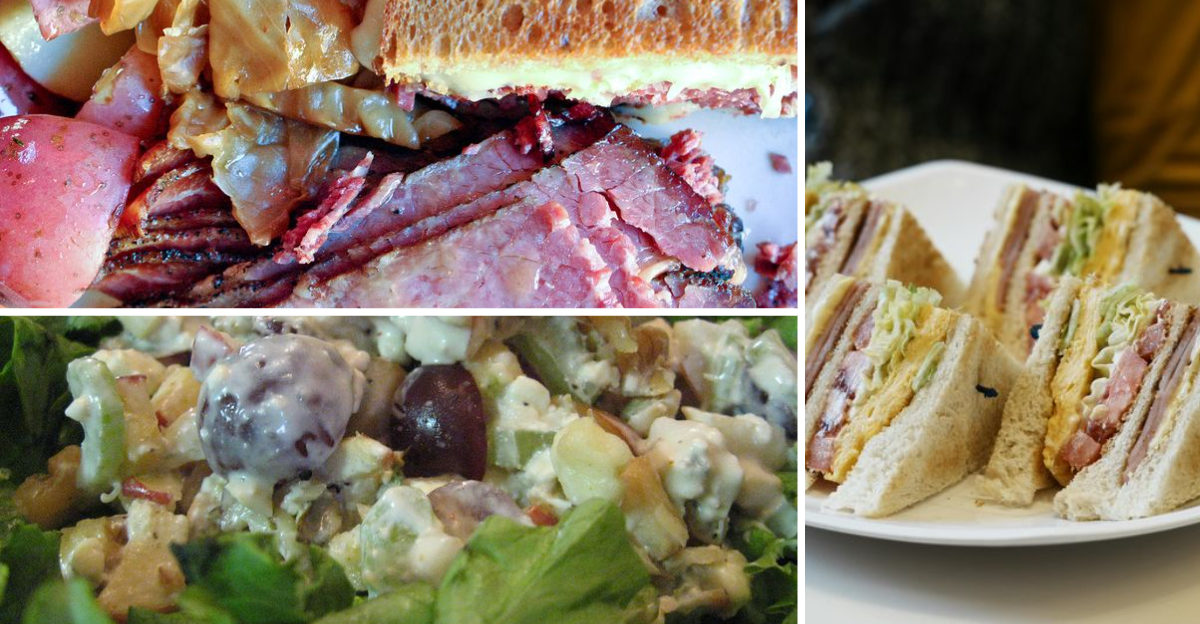
Some dishes were once the stars of every diner, supper club, and home kitchen in America. They showed up at family dinners, holiday tables, and fancy restaurant menus alike.
But somewhere along the way, food trends shifted, and these beloved classics quietly faded from the spotlight. Take a trip back in time as we revisit the dishes that used to rule the table but are rarely seen today.
Chicken à la King
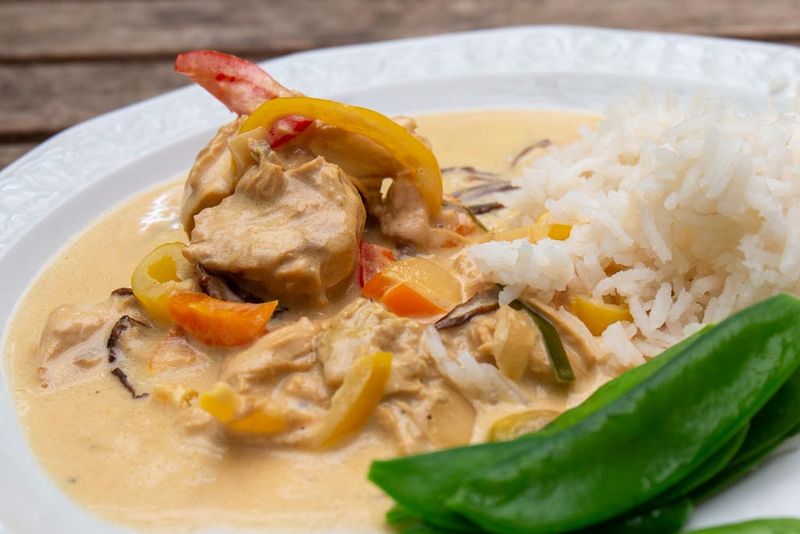
Back in the mid-1900s, no banquet hall or hotel dining room was complete without a steaming chafing dish full of Chicken à la King. This creamy, comforting dish combined tender chicken chunks with mushrooms, pimentos, and a silky white sauce.
It was often spooned over toast points or puff pastry shells, making it feel both elegant and homey. Today it rarely appears on menus, but one bite brings back a flood of warm memories from a simpler era.
Salisbury Steak
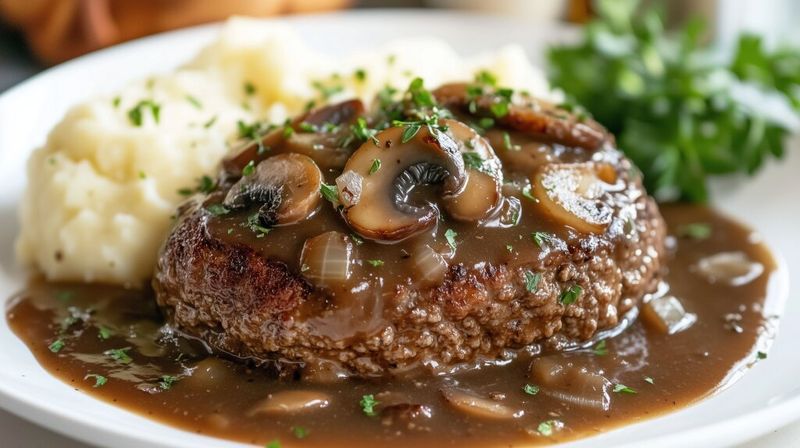
Salisbury steak sounds fancy, but it was really just a seasoned ground beef patty dressed up with rich mushroom gravy. Named after a 19th-century American doctor who promoted beef-heavy diets, this dish became a staple in school cafeterias and TV dinners.
It had a loyal following for decades. Somehow, though, it lost its place on restaurant menus as burgers and steaks took over.
Old-school comfort food fans still hold a soft spot for this gravy-smothered classic.
Liver and Onions
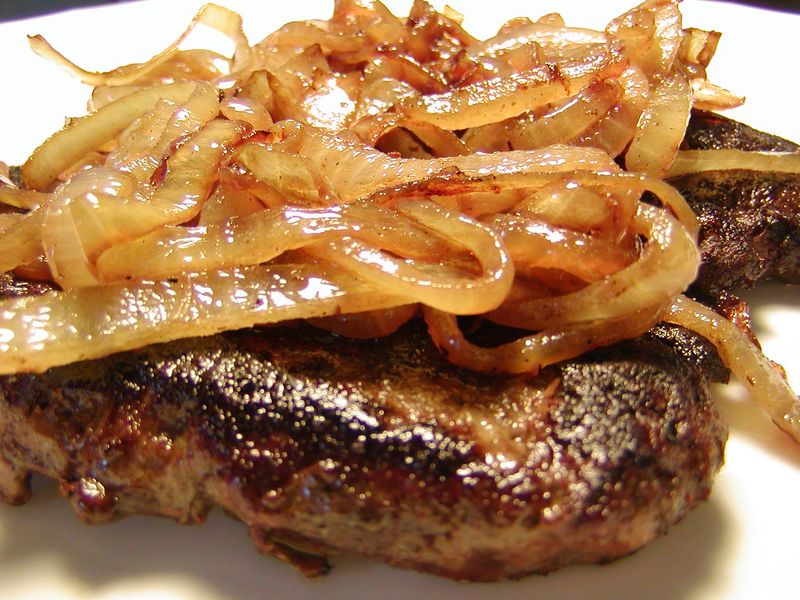
Liver and onions was once a weekly staple in American homes, praised for being affordable, filling, and packed with iron. The strong, earthy flavor of beef liver paired surprisingly well with sweet, slow-cooked onions.
Grandmothers across the country had their own special way of making it, usually served with mashed potatoes or buttered bread. These days, younger diners tend to shy away from organ meats, leaving this nutritious classic mostly forgotten on modern menus.
Tuna Noodle Casserole
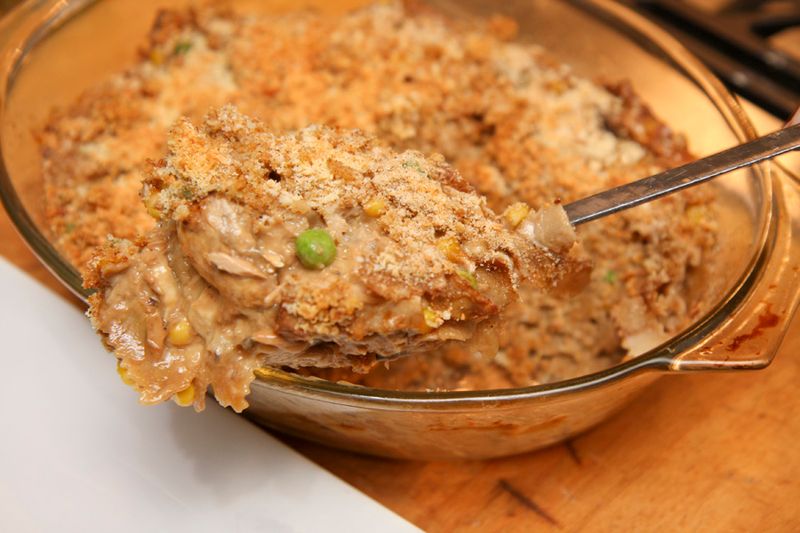
Few dishes screamed 1950s and 60s home cooking quite like tuna noodle casserole. It was the ultimate budget-friendly weeknight meal, built from canned tuna, egg noodles, cream of mushroom soup, and a crunchy breadcrumb topping.
Moms loved it because it came together fast and fed a whole family without breaking the bank. Though it has mostly disappeared from restaurant menus, it still pops up at potlucks and church suppers, carrying its retro charm proudly.
Beef Stroganoff
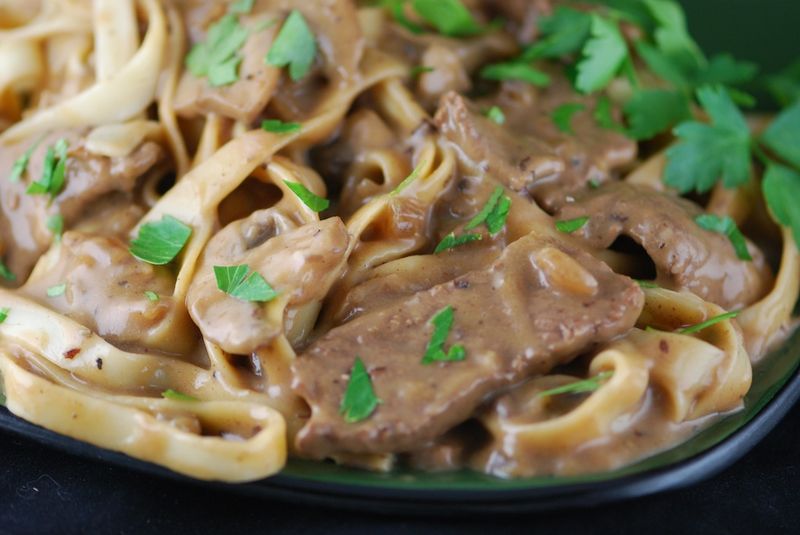
Beef stroganoff traveled all the way from 19th-century Russia to become one of the most popular dishes in mid-century American kitchens. Strips of tender beef simmered in a tangy sour cream sauce were ladled over egg noodles or rice.
It felt luxurious but was surprisingly easy to pull off at home. Restaurant versions were especially popular during the 1960s and 70s.
While home cooks still make it occasionally, stroganoff rarely shows up on modern dining menus anymore.
Shrimp Cocktail
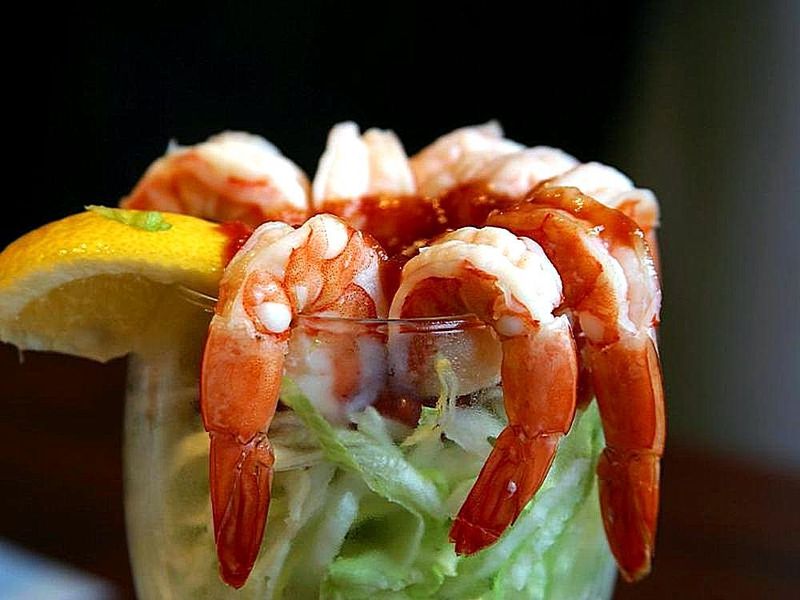
Nothing said “fancy night out” in the 1960s and 70s like a shrimp cocktail arriving at your table in a chilled glass. Large, perfectly cooked shrimp hung elegantly over the rim, served alongside a bold, horseradish-spiked cocktail sauce.
It was the appetizer of choice at steakhouses and supper clubs across America. While it still appears occasionally, it no longer holds the glamorous status it once did, replaced by trendier starters like charcuterie boards and bruschetta.
Prime Rib Carving Station
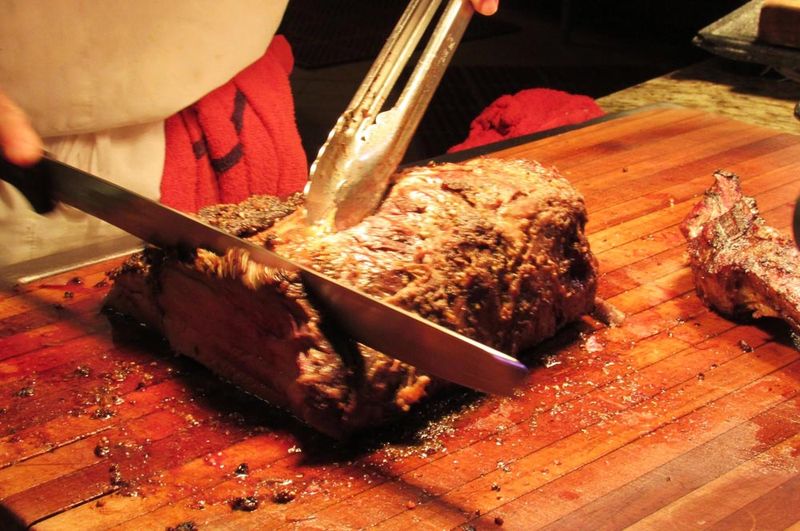
The prime rib carving station was once the crown jewel of Sunday buffets and special occasion dinners. A chef would stand behind a gleaming silver cart, slicing thick, rosy portions of slow-roasted beef right before your eyes.
It felt theatrical and indulgent in the best possible way. Upscale restaurants and hotel dining rooms made it a signature event.
Today, carving stations have mostly given way to smaller plates and modern tasting menus, making this grand tradition a rare sight.
Chicken Cordon Bleu
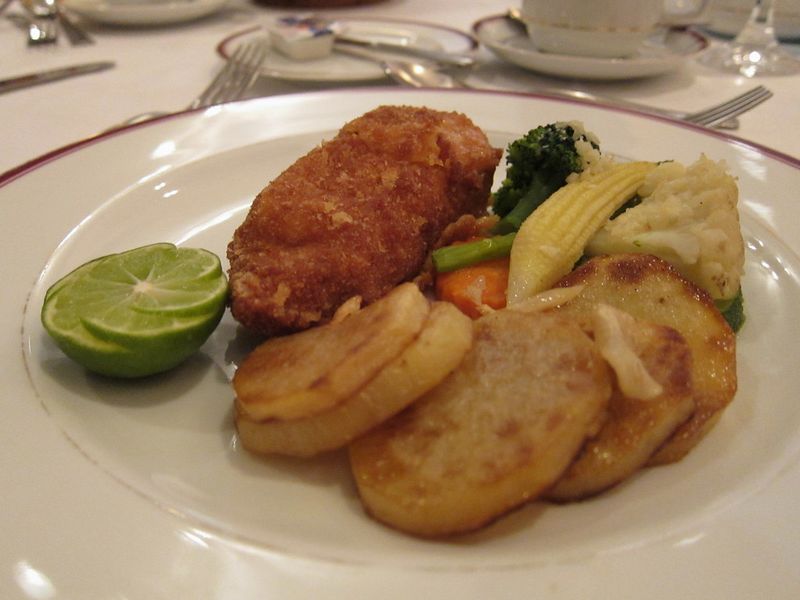
Chicken Cordon Bleu had a moment of pure glory on American restaurant menus during the 1970s and 80s. The dish featured a chicken breast stuffed with slices of ham and Swiss cheese, then breaded and fried or baked to golden perfection.
Cutting into it and watching the cheese ooze out felt like a little victory. It showed up everywhere from casual family restaurants to hotel dining rooms.
Sadly, this stuffed classic has mostly been pushed aside by newer chicken dishes.
Veal Parmesan
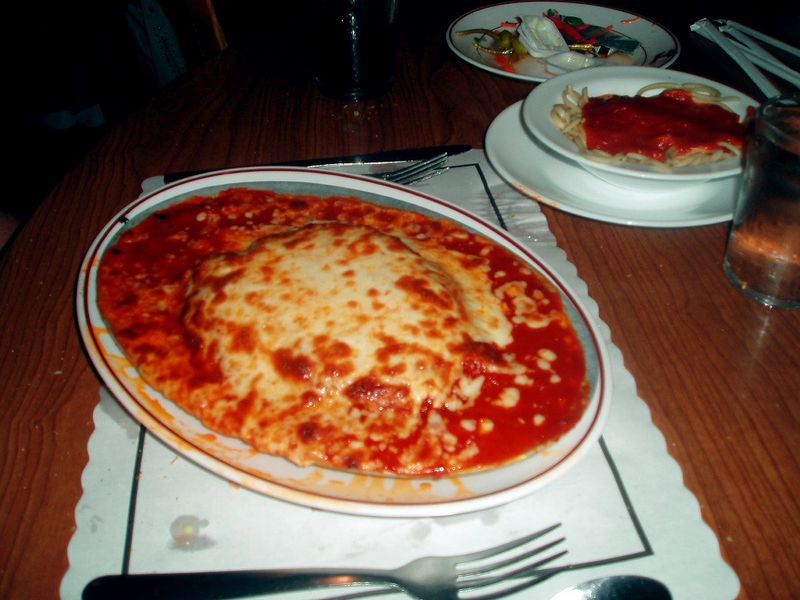
Before chicken parmesan took over every Italian-American menu, veal parmesan was the star of the show. Thin, tender veal cutlets were breaded, pan-fried, topped with marinara and melted mozzarella, and served alongside pasta.
The delicate flavor of veal made the dish feel more refined than its chicken counterpart. Over time, concerns about cost and animal welfare pushed veal off most menus.
Chicken stepped in as the affordable stand-in and never looked back, leaving veal parm mostly in the past.
Lobster Newburg
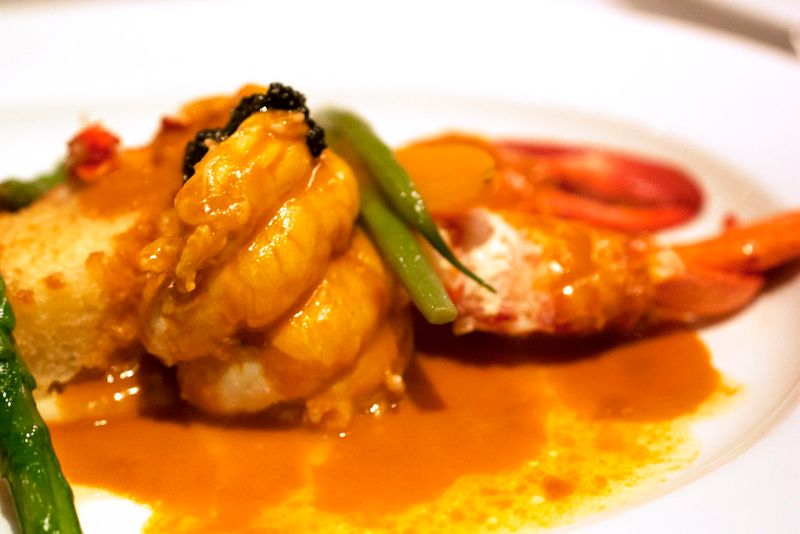
Lobster Newburg was born in the gilded dining rooms of New York City in the 1870s and quickly became a symbol of luxury dining. Chunks of lobster were bathed in a buttery, sherry-laced cream sauce and served over toast or in pastry shells.
It was the dish that made guests feel truly pampered. For decades it graced the menus of the most elegant restaurants in America.
Today it is almost impossible to find, replaced by simpler lobster preparations that feel more modern.
Baked Alaska
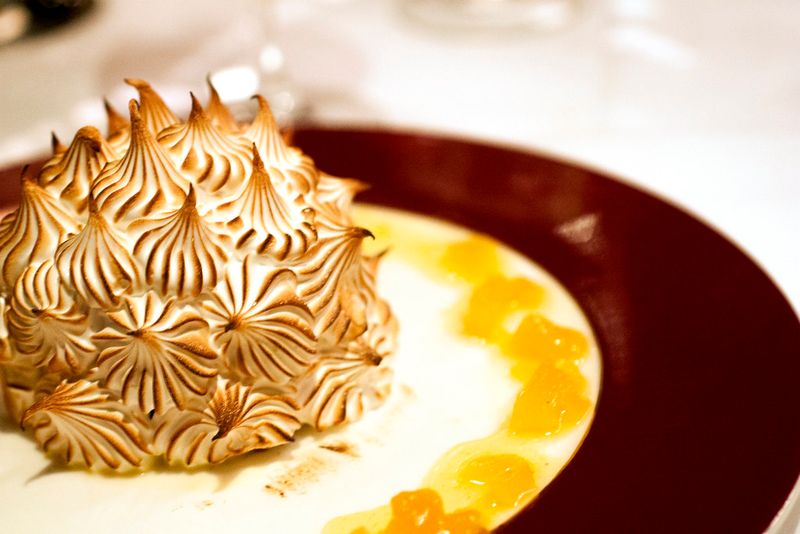
Baked Alaska was the showstopper dessert of its era, a theatrical masterpiece that arrived at the table looking like a work of art. A dome of ice cream sat on a sponge cake base, completely wrapped in swirled meringue that was toasted to golden perfection.
The hot-outside, cold-inside contrast was genuinely magical. Fine dining restaurants loved serving it tableside for maximum drama.
While it occasionally reappears as a retro revival, most menus have long since moved on to simpler sweets.
Bananas Foster
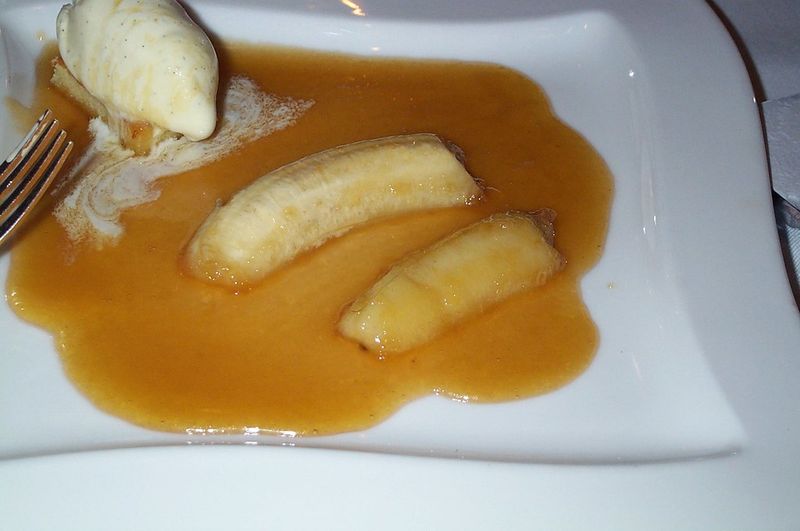
Created at Brennan’s Restaurant in New Orleans in 1951, Bananas Foster quickly became one of the most famous desserts in American culinary history. Sliced bananas were cooked in butter, brown sugar, cinnamon, and rum, then dramatically flambéed tableside.
The flames, the caramel aroma, and the warm sauce poured over cold vanilla ice cream made it an unforgettable experience. While Brennan’s still serves it today, this flambéed classic has largely vanished from mainstream menus across the country.
Waldorf Salad
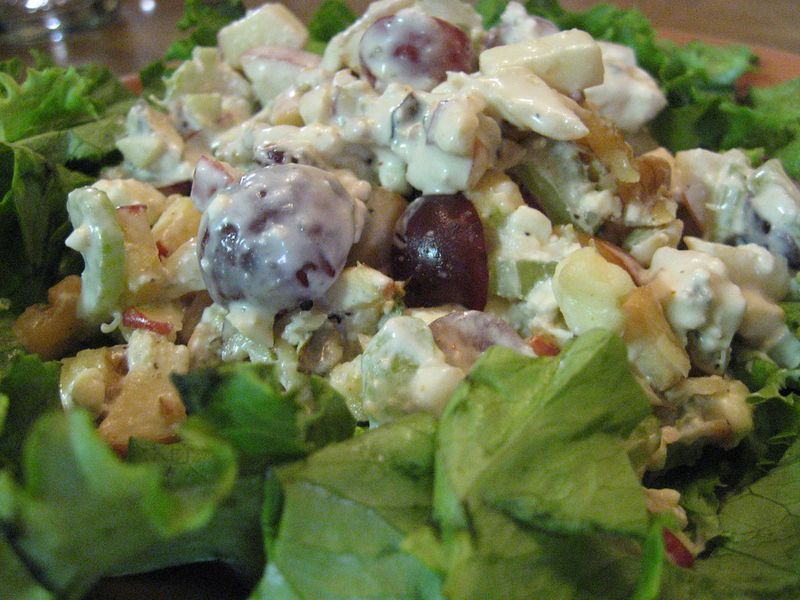
The Waldorf salad was born at New York City’s famous Waldorf-Astoria Hotel in the 1890s, originally made with just apples, celery, and mayonnaise. Walnuts and grapes were added later, giving it a satisfying crunch and sweetness.
For decades it was a staple on luncheon menus and at ladies’ club gatherings. Light, refreshing, and a little fancy, it had real charm.
Today it rarely appears outside of retro-themed restaurants, overshadowed by trendier grain bowls and kale salads.
Jell-O Salad
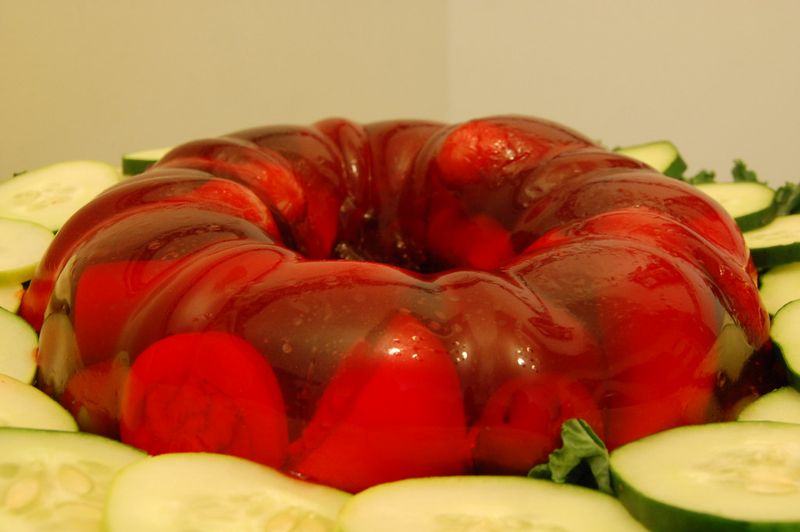
Jell-O salad might be the quirkiest dish on this list, and that is exactly what made it so beloved in mid-century America. Bright, jiggly gelatin was mixed with fruit, vegetables, cream cheese, or even mayonnaise and molded into elaborate shapes.
Church potlucks and holiday tables were practically incomplete without one. Food companies actively promoted these recipes in their marketing campaigns for years.
These days, Jell-O salad is more of a punchline than a menu item, though some families still make it with pride.
Tomato Aspic
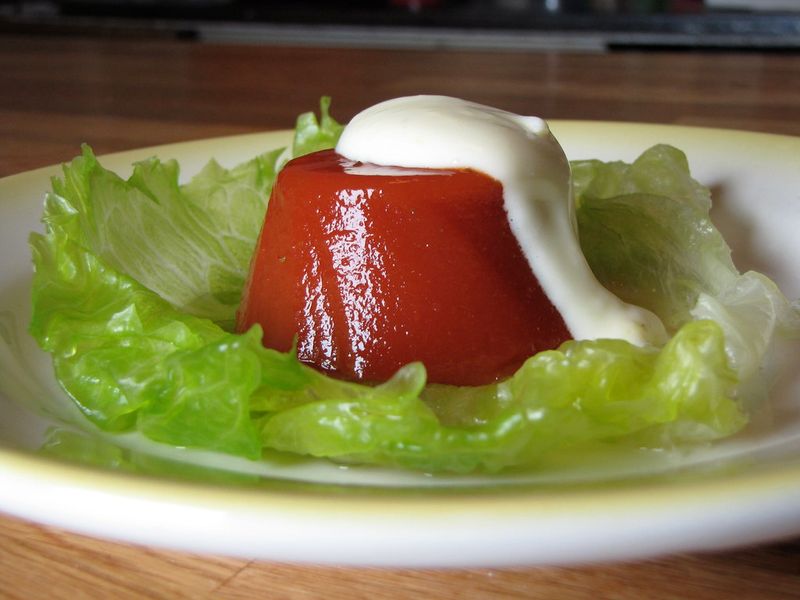
Tomato aspic was once considered the height of refined luncheon dining. Made from seasoned tomato juice thickened with gelatin and sometimes studded with olives, celery, or shrimp, it was chilled into elegant molds and served on lettuce leaves.
Ladies’ luncheons and Southern tea rooms adored this dish throughout the mid-20th century. The very idea of a savory gelatin mold feels deeply foreign to modern diners, which is exactly why tomato aspic has all but disappeared from today’s menus.
Stuffed Cabbage Rolls
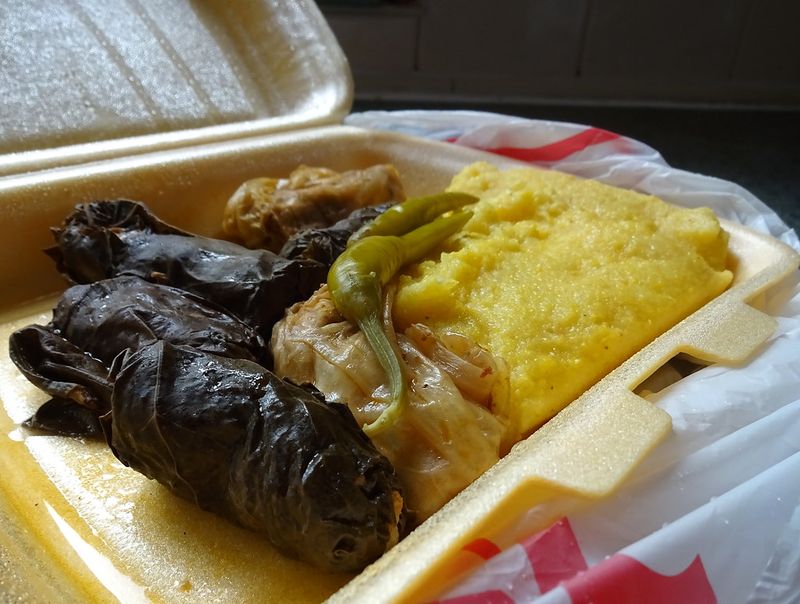
Stuffed cabbage rolls have roots in Eastern European and Middle Eastern cooking, brought to American tables by generations of immigrant families. Ground beef and rice were seasoned, rolled into tender cabbage leaves, and slow-cooked in a savory tomato sauce.
The result was hearty, warming, and deeply satisfying. Diners and family-style restaurants once featured them regularly on their menus.
As dining trends moved toward lighter fare and global fusion dishes, stuffed cabbage rolls quietly slipped off most restaurant menus.
Deviled Ham Sandwiches
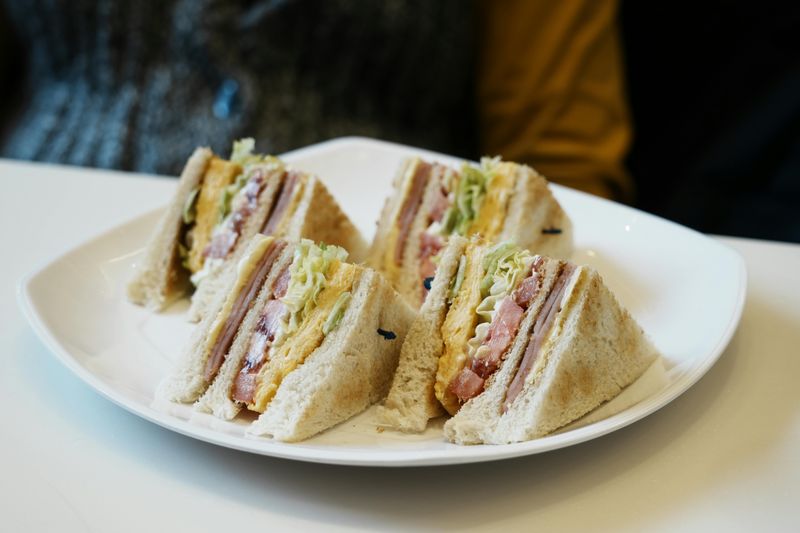
Deviled ham sandwiches were a party staple throughout the 1950s and 60s, showing up at bridge club gatherings, baby showers, and Sunday afternoon socials. Canned deviled ham was blended with mayonnaise, mustard, and spices, then spread generously on soft white bread.
The little sandwiches were cut into triangles or fingers and arranged prettily on platters. Simple, salty, and surprisingly satisfying, they had a devoted fan base.
Today, artisan charcuterie boards have completely stolen their spotlight at social gatherings.
Creamed Chipped Beef
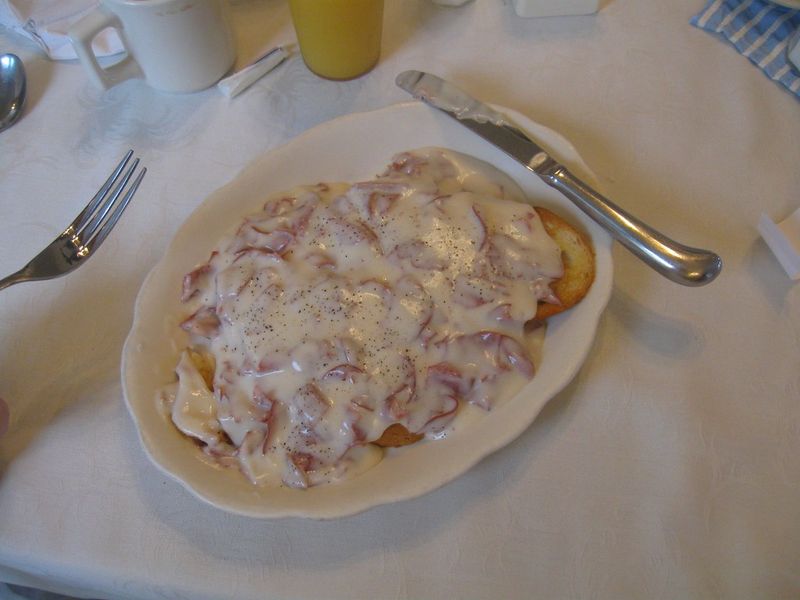
Creamed chipped beef on toast, affectionately nicknamed something unprintable by soldiers who ate it in mess halls during World War II, was a true American institution. Thin slices of dried, salted beef were stirred into a thick, creamy white sauce and served over toast.
It was cheap, filling, and required almost no cooking skill. Diners and military canteens served it for decades.
While it still shows up occasionally at old-school breakfast spots, most younger diners have never even heard of it.
Chicken Divan
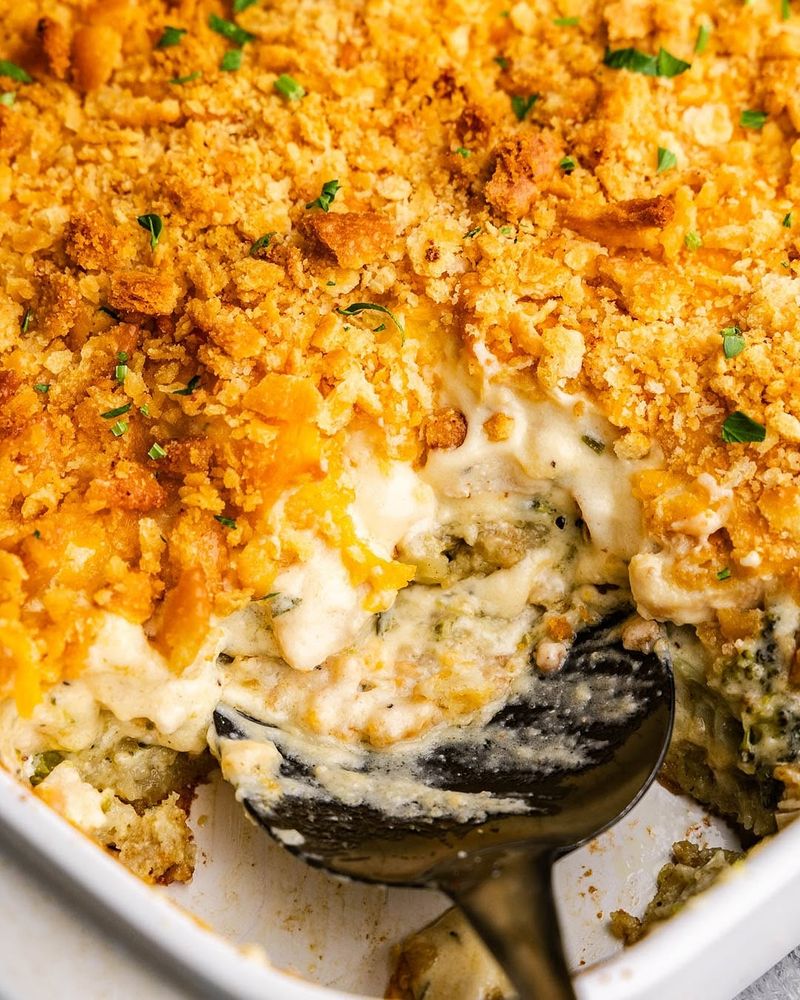
Chicken Divan was the kind of dish that made a weeknight dinner feel almost special. Named after the Divan Parisien restaurant in New York where it was created in the early 1900s, it paired chicken and broccoli in a creamy, cheesy sauce baked to bubbly perfection.
Home cooks embraced it enthusiastically throughout the 1960s and 70s. It was elegant enough for company but simple enough for a Tuesday.
Today it is mostly a fond memory, rarely appearing on restaurant menus.
Rice Pudding
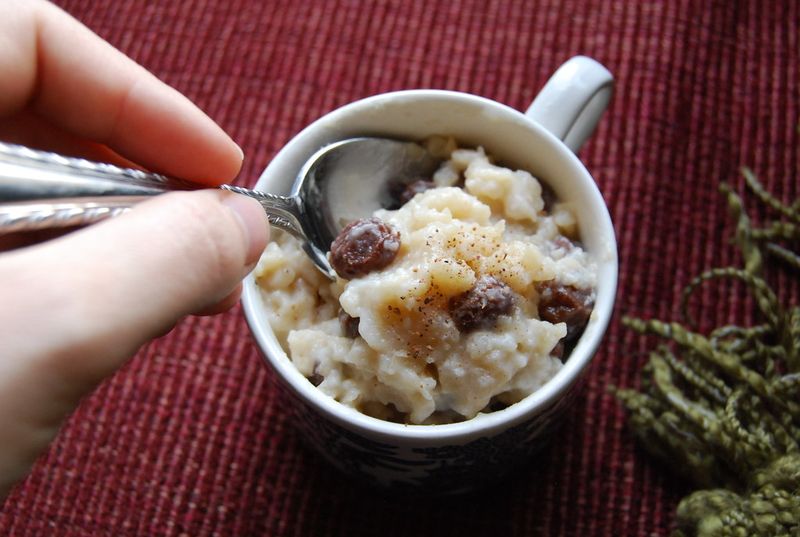
Rice pudding is one of the oldest desserts in the world, appearing in cookbooks dating back centuries across many cultures. In America, it was a beloved diner staple, served in little cups or bowls alongside a sprinkle of cinnamon and sometimes raisins.
Creamy, lightly sweet, and wonderfully simple, it felt like a warm hug in dessert form. Diners used to keep it on the menu year-round.
These days it has mostly been nudged aside by flashier desserts, though a few classic spots still serve it.
Clam Dip
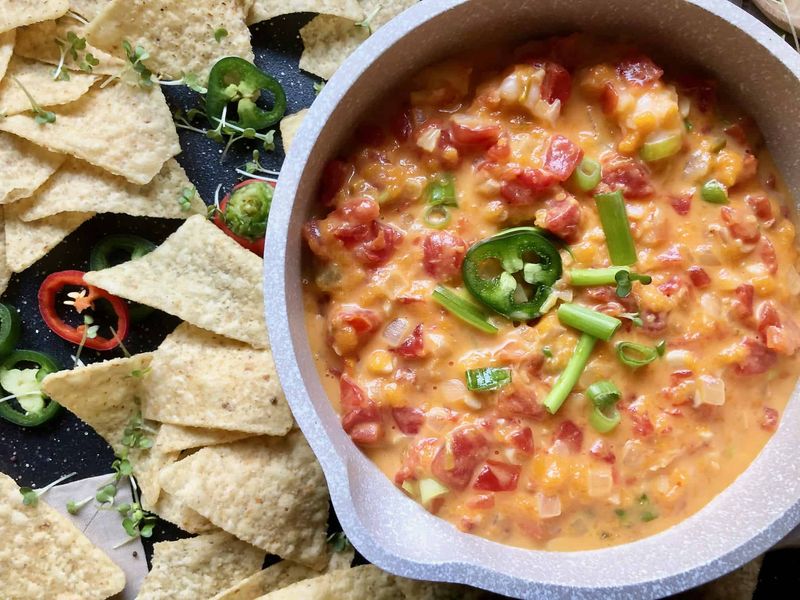
Clam dip was the undisputed king of mid-century cocktail parties. A simple blend of cream cheese, sour cream, canned minced clams, lemon juice, and seasonings created a rich, briny dip that paired perfectly with ridged potato chips.
Hostesses across America served it at every gathering from the 1950s through the 1970s. It was easy to make ahead and always disappeared fast.
Somewhere along the way, spinach artichoke dip and guacamole stole the spotlight, and clam dip faded into party food history.
Cheese Ball
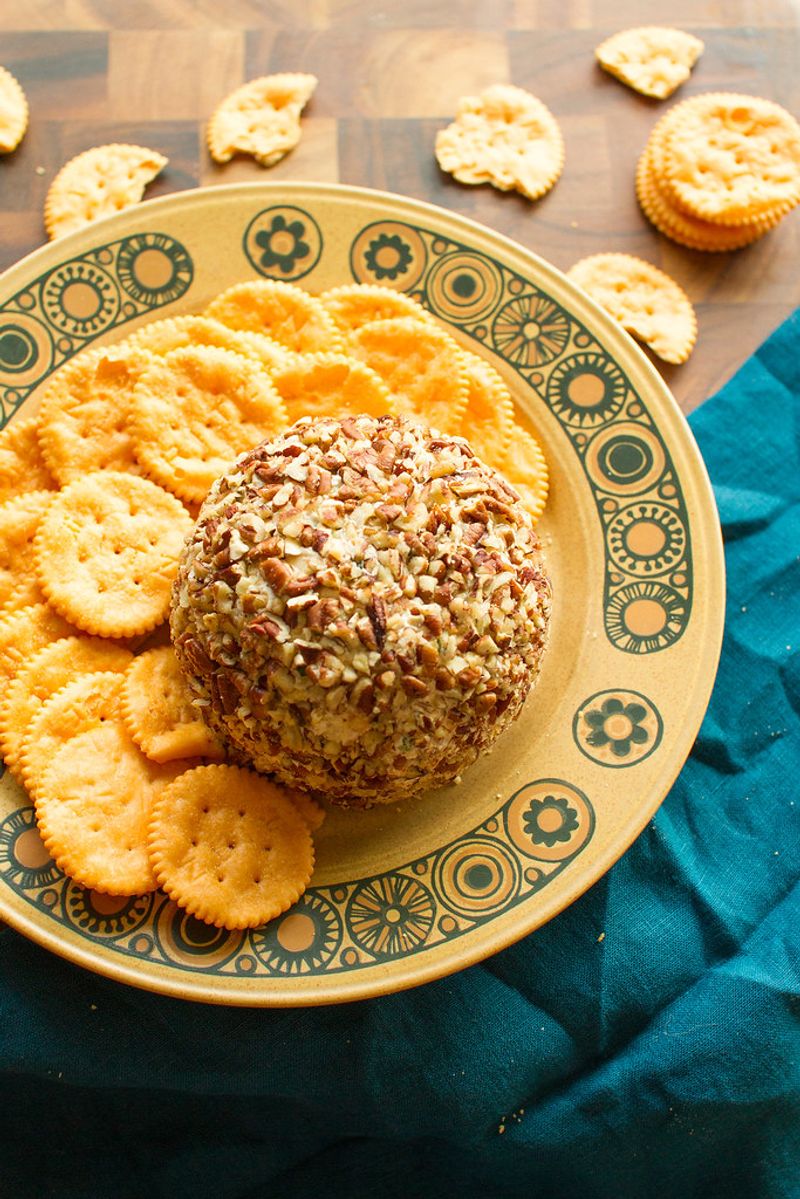
The cheese ball was once the centerpiece of every holiday party spread, a glorious mound of blended cheeses rolled in chopped nuts or dried herbs and served with an array of crackers. Making it felt like an event in itself.
Recipes were passed down through families and swapped between neighbors. Every household had its own secret variation.
While cheese balls have had a small hipster revival at some charcuterie-focused restaurants, they are nowhere near as ubiquitous as they once were at holiday gatherings.
Pot Roast with Gravy
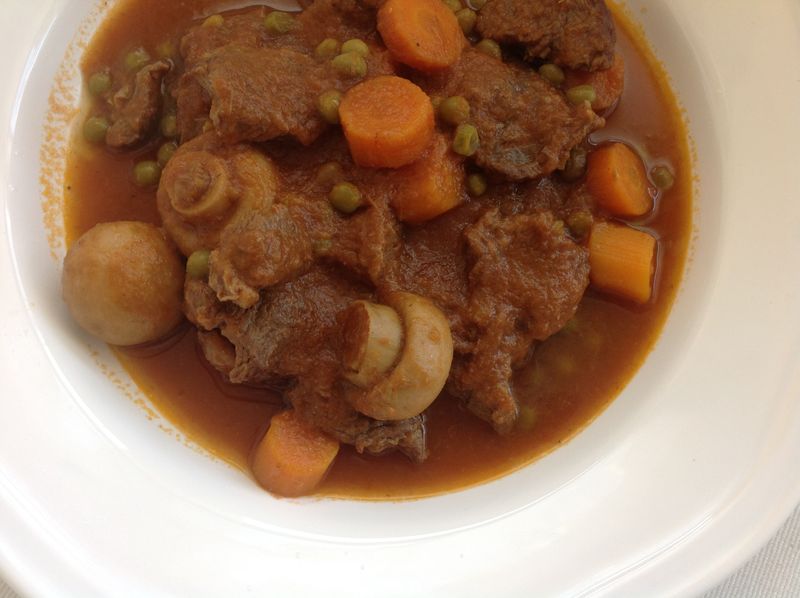
Sunday pot roast was practically a religion in mid-century American households. A tough cut of beef would spend hours in the oven with carrots, potatoes, and onions, slowly transforming into something fork-tender and deeply flavorful.
The pan drippings became a thick, glossy gravy that tied everything together beautifully. Family-style restaurants and diners once featured it proudly as their Sunday special.
While home cooks still make it, pot roast with gravy has largely vanished from restaurant menus in favor of trendier beef dishes.
Meatloaf with Glaze
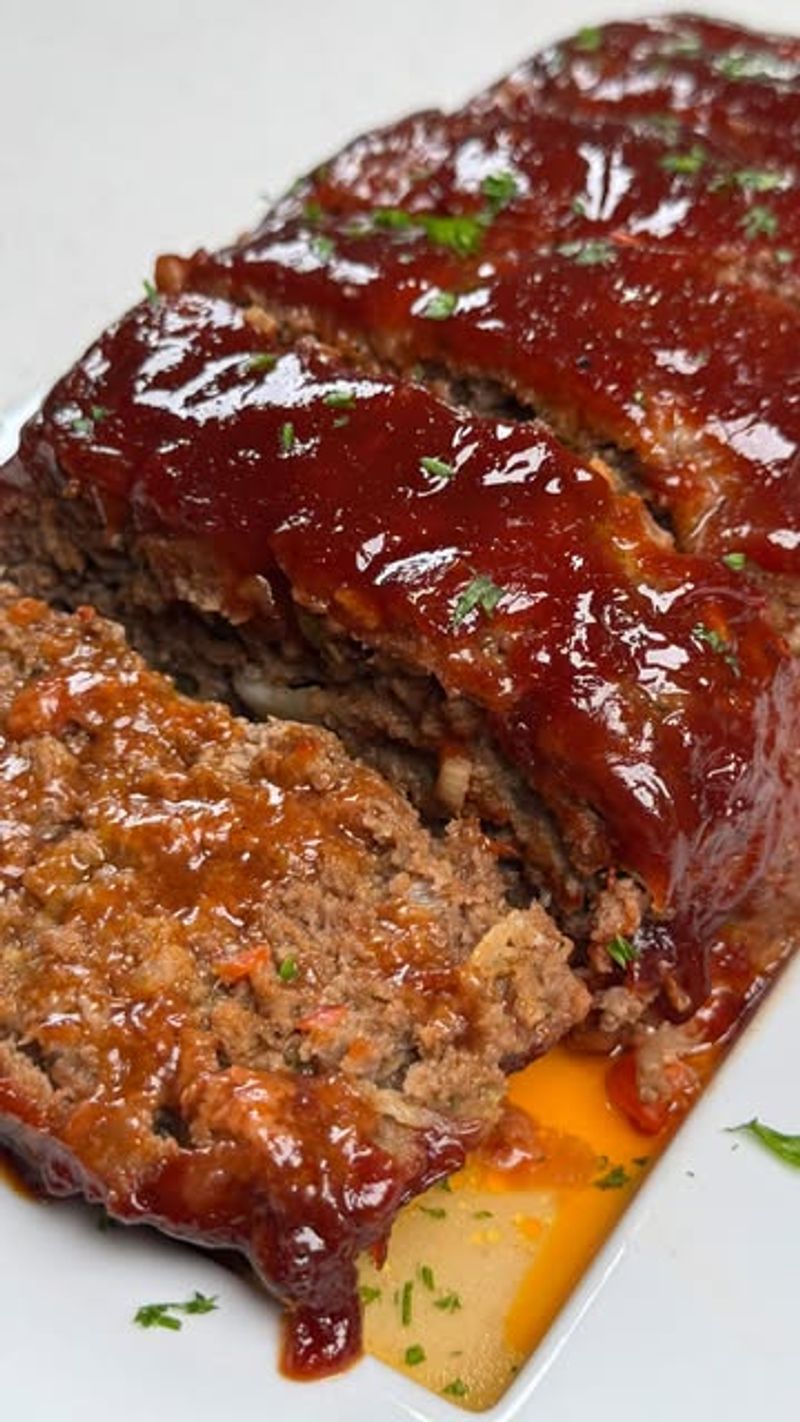
Meatloaf with a sweet, tangy glaze was the definition of blue-collar comfort food done right. Ground beef mixed with breadcrumbs, eggs, onions, and seasonings was shaped into a loaf and baked with a sticky ketchup-based glaze that caramelized beautifully in the oven.
It was budget-friendly, easy to stretch to feed a crowd, and even better as leftovers in a sandwich the next day. Diners once served it proudly as a daily special.
Today it pops up mostly as a nostalgic novelty rather than a menu staple.
Icebox Cake
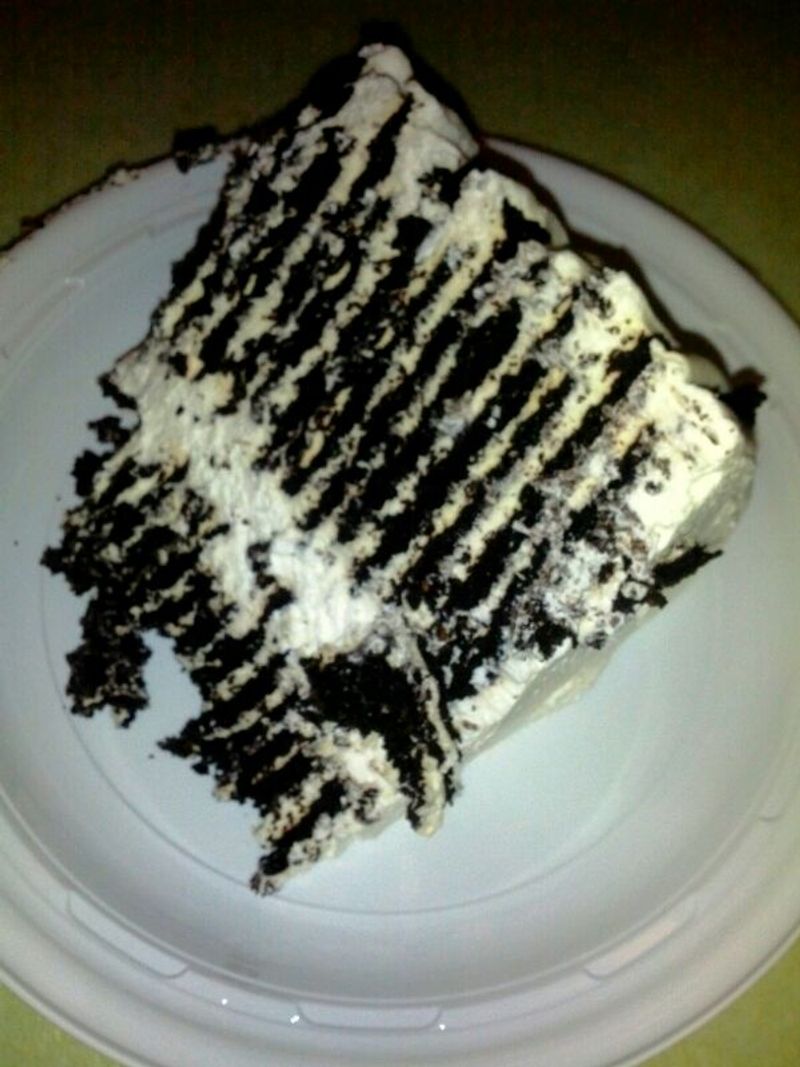
Before refrigerators were common in every home, the icebox was the kitchen’s cold storage unit, and icebox cake was one of the cleverest no-bake desserts ever invented. Layers of chocolate wafer cookies and freshly whipped cream were stacked and chilled overnight until the cookies softened into something almost cake-like.
Slicing into it revealed beautiful dark and white stripes. Simple, elegant, and completely irresistible, it was a party favorite for decades.
Today it is mostly a nostalgic curiosity, though food bloggers occasionally bring it back.
Peach Melba
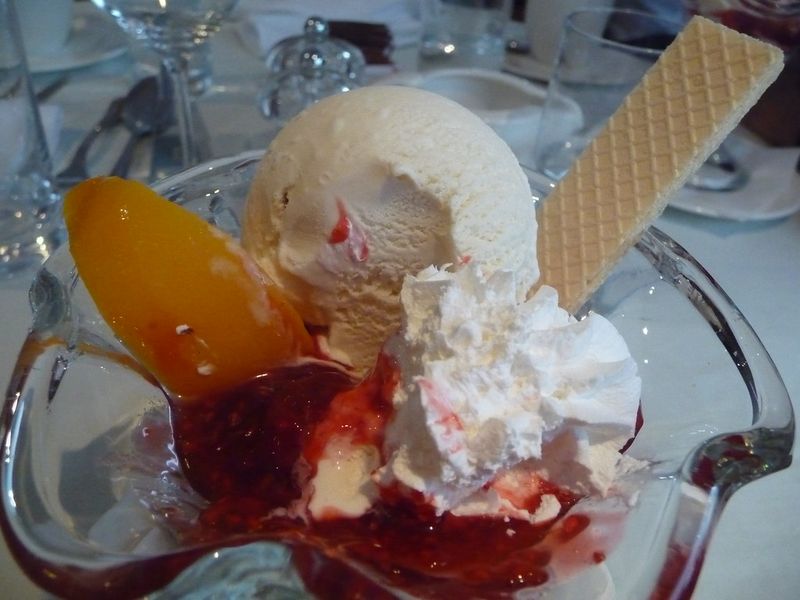
Peach Melba was created by the legendary French chef Auguste Escoffier in the 1890s as a tribute to Australian opera singer Dame Nellie Melba. A perfectly poached peach half sat atop a scoop of vanilla ice cream, finished with a bright, fresh raspberry sauce.
For decades it was considered the pinnacle of refined dessert dining. Elegant restaurants were proud to feature it.
Today this graceful, fruit-forward dessert has been almost entirely eclipsed by chocolate lava cakes and towering sundaes on modern menus.
Quiche Lorraine
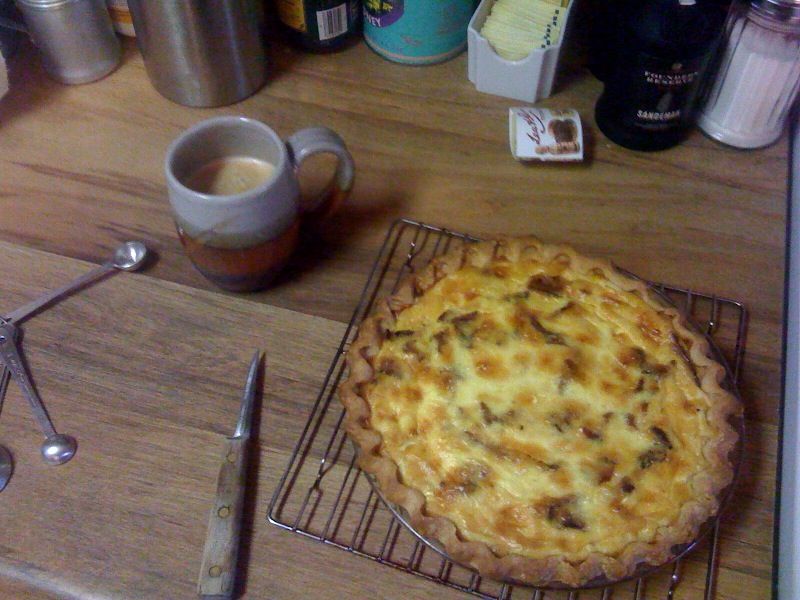
Quiche Lorraine had its American heyday in the 1970s and early 80s, when it seemed to appear on every brunch menu and at every dinner party. This French classic featured a buttery pastry shell filled with a silky custard of eggs, cream, crispy bacon, and Gruyere cheese.
It was rich, satisfying, and felt sophisticatedly European. A bestselling 1982 book even declared that real men do not eat quiche, which ironically made it more famous.
Today it is a brunch menu rarity, mostly forgotten in the rush toward avocado toast.
Corned Beef and Cabbage
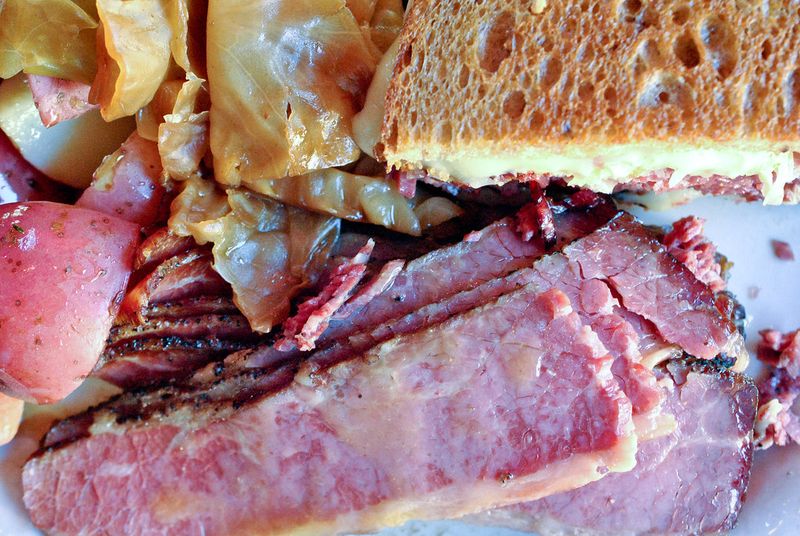
Corned beef and cabbage holds a special place in Irish-American culinary tradition, especially around St. Patrick’s Day. Beef brisket was cured in a brine of salt and spices, then slowly simmered with cabbage, potatoes, and carrots until everything was meltingly tender.
For much of the 20th century, it appeared regularly on diner and family restaurant menus. Today it mostly surfaces once a year in mid-March and then disappears again.
Finding it outside of that narrow window has become surprisingly difficult at most restaurants.
Bread Pudding
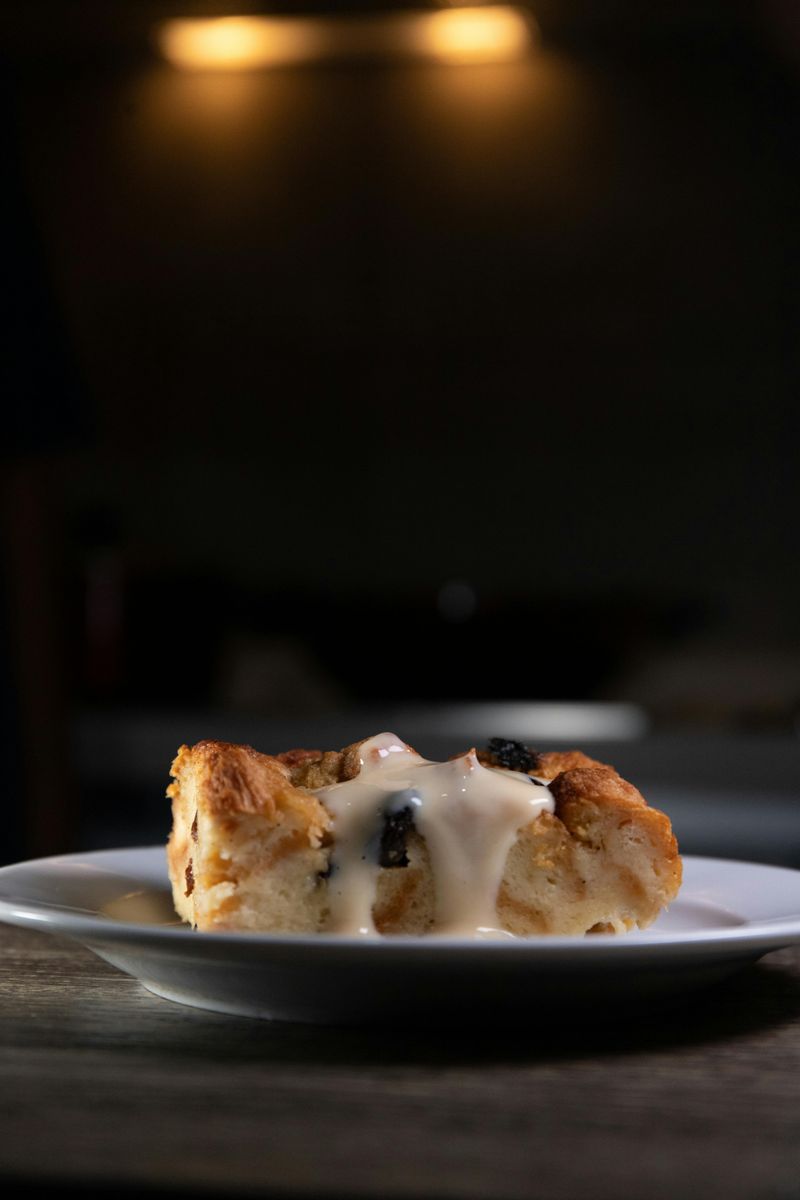
Bread pudding has one of the most honest origin stories in cooking: it was invented to use up stale bread that would otherwise go to waste. Chunks of old bread were soaked in a sweet egg-and-milk custard, baked until golden, and served warm with a buttery sauce.
Southern restaurants were especially known for their exceptional versions, often spiked with bourbon or rum sauce. While it still appears on some menus, bread pudding has largely been overshadowed by more glamorous desserts that photograph better for social media.
French Onion Soup
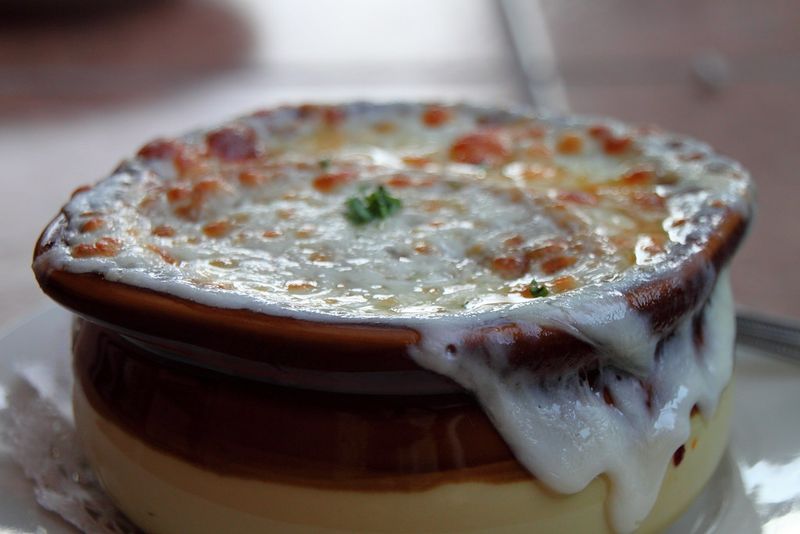
French onion soup was once the opening act of almost every upscale American dining experience. Sweet, deeply caramelized onions simmered in a rich beef broth, ladled into a ceramic crock, topped with a crusty crouton, and buried under a blanket of melted Gruyere cheese that was broiled until bubbling and golden.
Every bite was a perfect combination of savory, sweet, and cheesy. It dominated steakhouse and bistro menus for decades.
Today it has been quietly pushed off most menus by lighter, trendier soup options.
Enjoyed this story?
Add Fast Food Club as a preferred source to see more of our reporting on Google.