


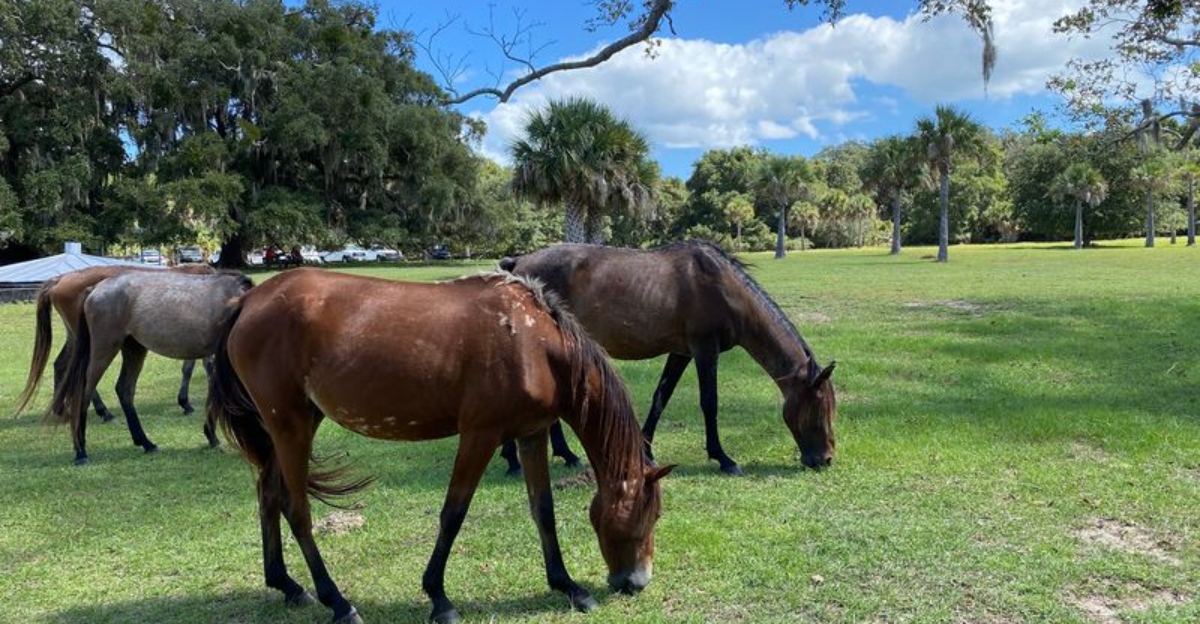
Off the coast of southern Georgia sits an island you can only reach by boat, where wild horses wander freely and the beach stretches on for miles with almost nobody around. Cumberland Island National Seashore protects this quiet stretch of shoreline, along with old mansion ruins and thick forests of live oak dripping with Spanish moss.
I spent time here soaking it all in, and I want to share why this out-of-the-way place is worth the extra effort to get to. If you love nature, history, and empty beaches, keep reading.
A Barrier Island Off St. Marys
Tucked along Georgia’s southern coast near the town of St. Marys, Cumberland Island is the largest of the state’s barrier islands. You cannot drive here.
The only ways over are a passenger ferry, a private boat, or even a jet ski, which already sets the mood before you arrive.
The official mailing address points to Plum Orchard Dr in St. Marys, GA 31558, but the island itself feels a world away from any address. It is run by the National Park Service as a preserved national seashore, meaning much of it stays undeveloped on purpose.
Visitors consistently call it a treasure and a place unlike anywhere else. One longtime Georgia native admitted he waited more than 70 years to finally make the trip, and wished he had gone sooner.
That reaction shows up again and again in reviews.
What makes it special is the mix packed into one spot: quiet beaches, tangled forests, salt marsh, and crumbling history. Rated 4.8 stars across nearly 280 reviews, it earns strong loyalty from the people who make the crossing.
The remoteness is part of the whole point.
The Ferry Ride From The Mainland
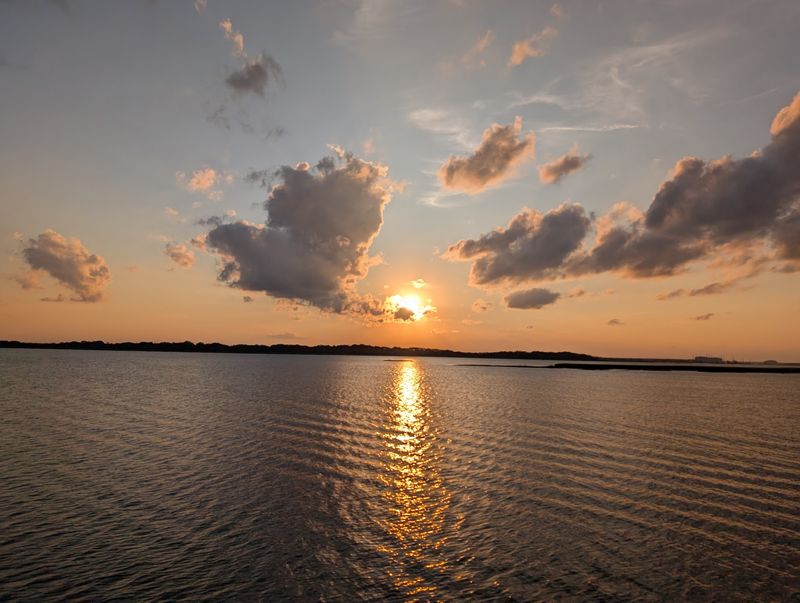
Getting to the island is half the adventure. A roughly 45 minute passenger ferry departs from St. Marys, and several visitors mention spotting dolphins gliding alongside the boat on the way over and back.
The ferry runs on a limited schedule, usually a couple of morning departures and a couple of afternoon returns, so timing matters a lot. Regulars strongly recommend grabbing the earliest 9 a.m. crossing, which gives you the most daylight and access to more guided programs once you land.
A few practical notes from people who have done it: book your ferry seat ahead or reserve at the visitor center, and arrive at least 30 minutes before departure. There is a designated parking lot near coordinates 30.720997, -81.551229, and travelers warn that street parking has a two hour limit with real towing risk.
Not everyone loves the setup. One critic felt the round trip eats nearly two hours with little scenery, and another described the schedule as leaving you either rushed in 30 minutes or stuck for six hours.
Still, most see the boat ride as a fun, memorable start to the day rather than a chore.
Wild Horses Roaming Free
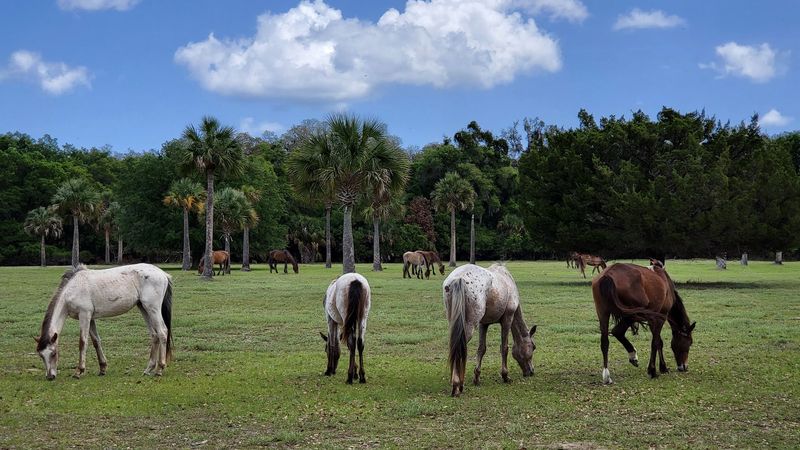
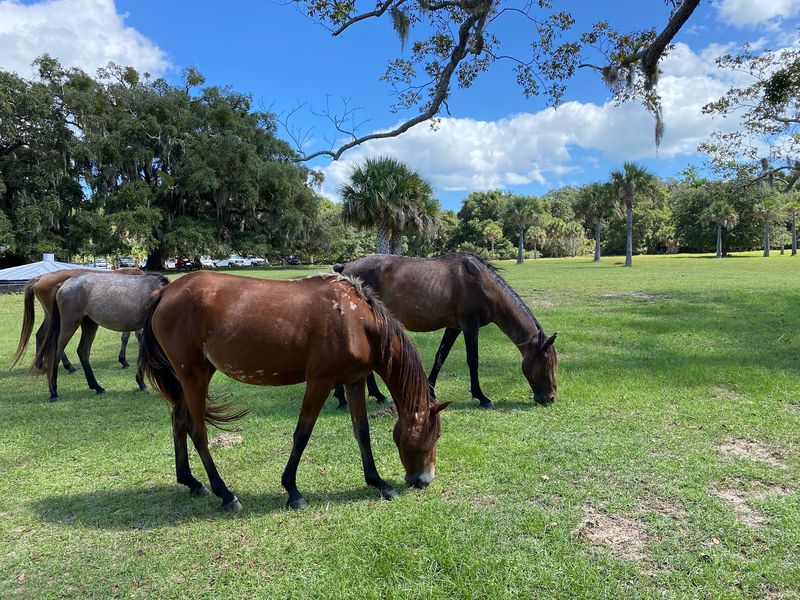
Nothing sums up Cumberland Island quite like the feral horses that wander wherever they please. Many visitors report seeing them the moment they step off the dock, grazing near the ruins, drifting across the marsh boardwalk, and standing along sandy roads like they own the place.
The horses are generally described as calm and unbothered, going about their business while people pass by. Rangers are firm about keeping your distance, and reviewers back that up with stories of folks who ignored the warnings and got a scare for it.
These are wild animals, not petting-zoo residents.
Fair warning from more than one guest: where there are horses, there is horse manure, and plenty of it. People joke that you should wear sturdy, washable shoes and skip anything fancy for exactly this reason.
Not every trip guarantees a close encounter. One disappointed visitor mainly found hoofprints and droppings rather than the animals themselves, so a little luck plays a role.
That said, the vast majority walk away having seen horses, along with deer, wild turkey, raccoons, and even wild hogs.
Miles Of Empty Atlantic Beach
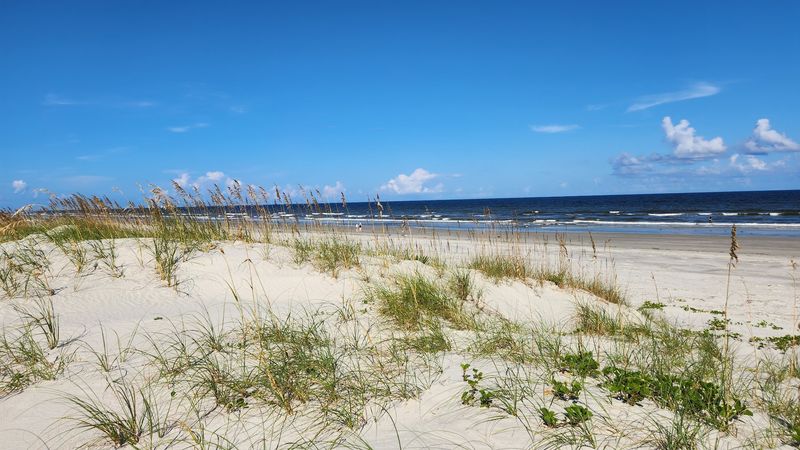
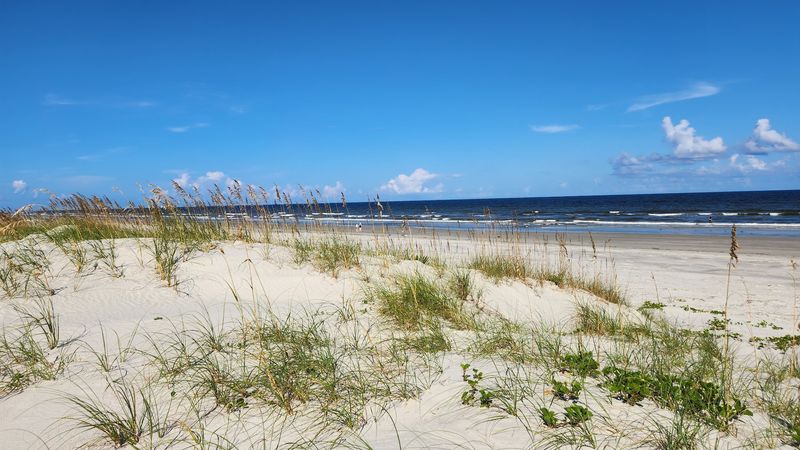
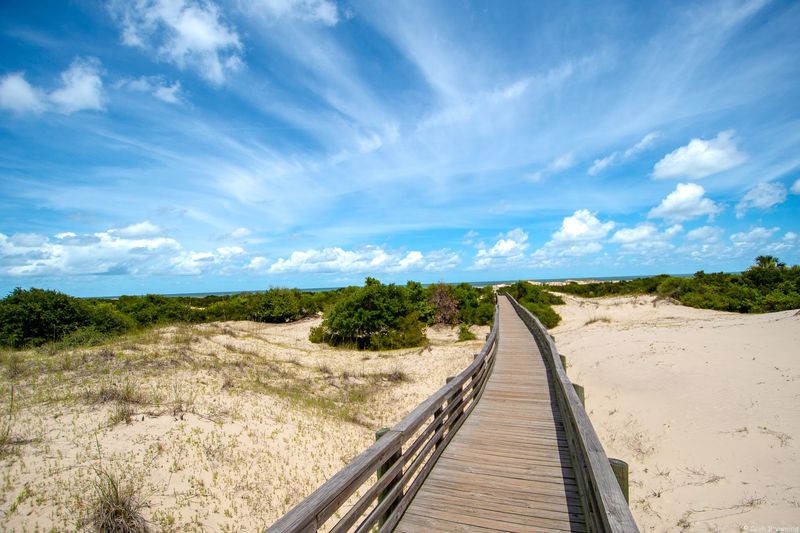
Once you push past the dunes or take the boardwalk over the marsh, the shoreline opens up into something rare on the East Coast. The beach runs for miles with hardly another soul in sight, no boardwalk shops, no rental umbrellas, just sand, waves, and sky.
People rave about the shelling here. One visitor called it a favorite part of the whole day, and others point to spots like Raccoon Keys for even more shells and tiny scuttling crabs.
Bird watchers love it too, and lucky guests have spotted manatees and sea turtles offshore.
A tip worth remembering: the sand can get scorching hot and tiring to walk on, so decent shoes help a lot. Several folks suggest taking the boardwalk to the beach rather than trudging through the dunes in the heat.
Honesty compels me to mention the water. Because of natural sulfur and tannins, it often looks brown rather than crystal blue, and a few visitors found it less inviting for swimming.
Others swam anyway and had a fine time. The powdery white sand and sheer emptiness are what really win people over.
Ruins And Gilded Age History
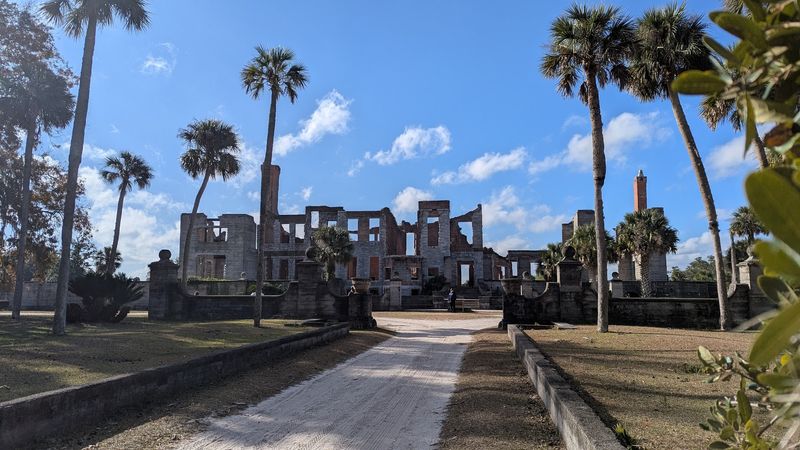
History buffs get a real treat on Cumberland Island. The star attraction is the Dungeness Ruins, the haunting remains of a mansion once owned by the Carnegie family.
It burned long ago, leaving behind a picturesque shell that visitors love to wander with a picnic in hand.
Further north stands Plum Orchard, a grand 1898 mansion built by Lucy Carnegie for her son George and his wife Margaret. On the guided van tour, one couple was struck that much of the original furniture is still inside, left by the family who lived there.
The island’s layered past goes well beyond the wealthy. Near the northern end you can visit the First African Baptist Church, established in the late 1800s, adding a very different chapter to the story.
Something about these crumbling walls sticks with people. One reviewer described feeling dropped directly back in time the moment the ferry unloaded, and another loved simply imagining the estate full of life.
Even the guest who wasn’t wowed by the scenery admitted the mansion was the most interesting thing to see.
Live Oaks, Trails, And Backcountry Camping
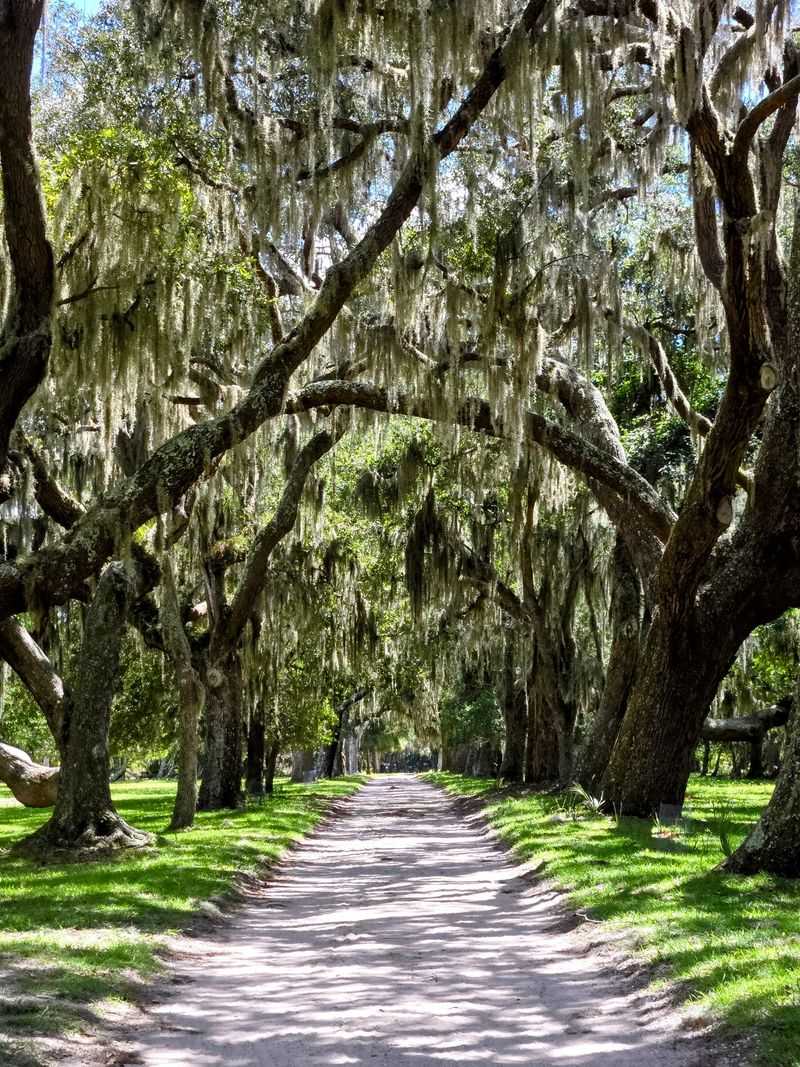
Step into the interior and the whole feeling shifts. Ancient live oak trees draped in Spanish moss arch over the paths, and one visitor said it looked like walking through an old Disney movie, almost Narnia-like in its beauty.
Trails crisscross the island, from a short stroll to the beach to a full four mile loop at the southern end. Serious adventurers can backpack all the way to the wilderness area on the northern end, and one group spent three days and two nights doing exactly that.
Getting around faster is a common wish. Several people recommend bringing a bike with gears or an e-bike for the sandy roads, though bikes must come off at the Sea Camp Dock.
Campers describe sites that grow more rustic the deeper you go, with Sea Camp offering bathrooms, showers, and water.
Solitude is the real reward. One December camper was told he would be the only person staying overnight, and having the island practically to himself felt wonderful.
A friendly heads-up though: ticks and biting flies can be fierce, so repellent belongs in every pack.
Planning Your Visit: Costs, Hours, And What To Pack
A little homework goes a long way here. The park itself is technically open 24 hours through most of the week, but access hinges entirely on the ferry schedule, so day-trippers work within those crossing times rather than round-the-clock hours.
Budget for two separate fees. Reviewers report a round trip ferry running around $40 to $45, plus a park entry ticket near $15 per adult, with an extra charge of about $10 if you bring a bike aboard.
The guided Land and Legacy van tour costs more still, and some felt the add-ons stacked up too high.
Pack like there is nothing waiting for you, because there isn’t. There are no food or drink vendors on the island, so bring your own water, snacks, and meals.
Rangers set out coolers of ice water at the ruins, but you’ll need your own cup or thermos to use them.
Don’t forget sunscreen, bug spray, and sturdy shoes. Accessibility is thoughtfully handled too: Sea Camp Dock offers beach wheelchairs to borrow, and with advance online training you can even reserve an all-terrain Track-chair.
Aim for at least four hours, since two is barely enough.
Is Cumberland Island Worth The Trip?
After weighing everything, I land firmly on the yes side. Cumberland Island asks more of you than a typical beach day, with its ferries, fees, and lack of amenities, but the payoff is a stretch of coast and wilderness you simply cannot find in busier places.
The praise is loud and consistent. Visitors describe it as breathtaking, majestic, and one of the most beautiful places they have ever set foot, often adding that they can’t wait to return with more time or a bike in tow.
There are honest gripes worth respecting. A couple of reviewers found the schedule awkward and the costs steep, and one felt the wild-horse odds were too much of a gamble.
Going in with realistic expectations, packing well, and choosing cooler months like February, March, or late fall smooths out most of those bumps.
Bring your partner, your kids, or your whole crew, and give yourself a full day. Between the free-roaming horses, the ghostly ruins, the mossy oaks, and miles of quiet Atlantic shore, this hidden Georgia gem tends to leave people planning their next trip before they even step off the ferry home.
Enjoyed this story?
Add Fast Food Club as a preferred source to see more of our reporting on Google.