


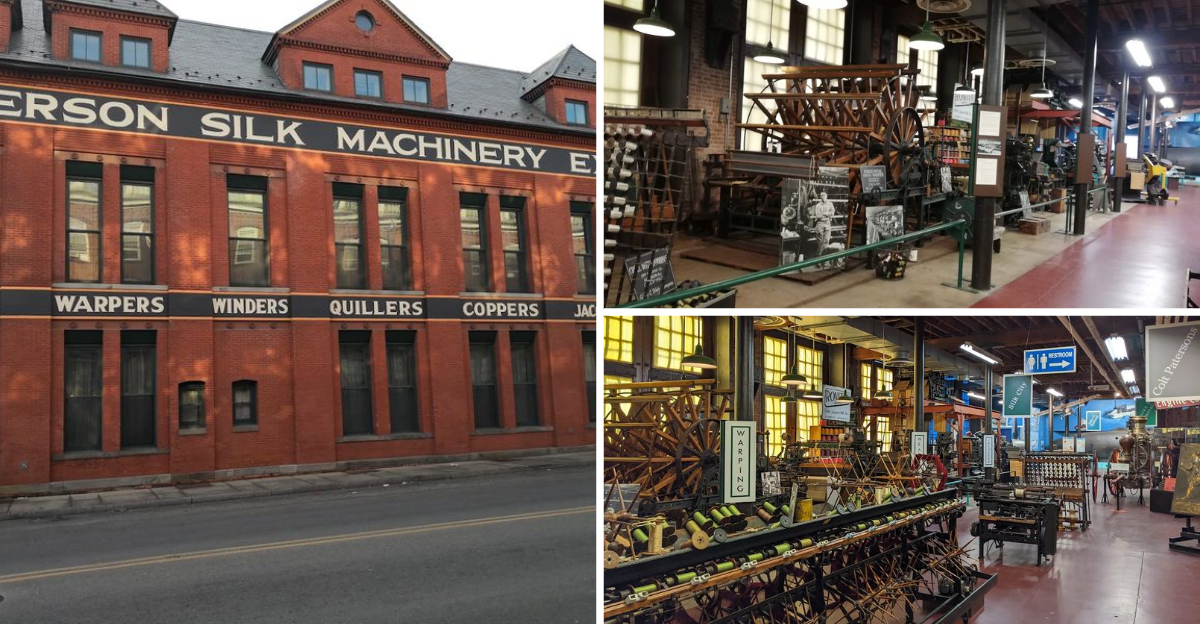
Tucked inside a historic factory building in Paterson, New Jersey, the Paterson Museum is one of those rare places where time genuinely stands still. From massive silk-weaving machines to actual submarines, this free museum packs an incredible amount of history into every corner.
Whether you are a history buff, a curious kid, or just looking for something different to do on a weekday, this place will surprise you. Come ready to explore, because there is a lot more here than meets the eye.
The Building Itself: A Factory Frozen in Time
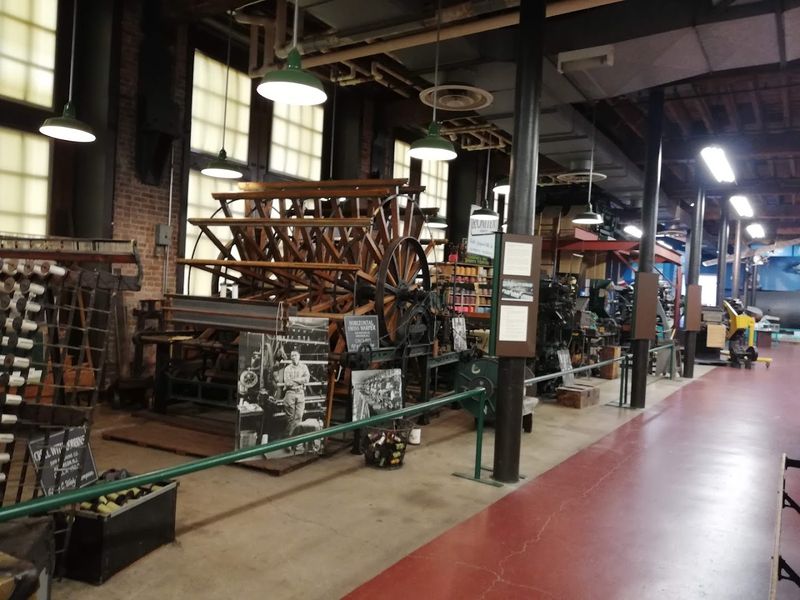
Walking into the Paterson Museum feels like stepping straight onto an old factory floor, because that is exactly what it is. The building was originally the erecting hall of the Rogers Locomotive Works, one of the most important locomotive manufacturers in 19th-century America.
That history is baked right into the walls.
The space is enormous, with high ceilings and open floor plans that once housed full-sized locomotives being assembled from scratch. Today, those same floors hold exhibits, machines, and artifacts that fill every inch of available space.
The architecture alone tells a story worth paying attention to.
Visitors often comment on how well-preserved the interior is, describing it as a factory frozen in time. Even before you look at a single exhibit, the building itself makes a powerful statement about Paterson’s industrial past and why this city mattered so much to American history.
Alexander Hamilton’s Vision for Paterson
Most people know Alexander Hamilton from the Broadway show or the ten-dollar bill, but fewer know he was the mastermind behind Paterson, New Jersey becoming America’s first planned industrial city. The museum’s expanded Hamilton exhibit makes that connection crystal clear.
Hamilton founded the Society for Useful Manufactures in 1791, choosing Paterson specifically because of the Great Falls of the Passaic River. He saw the waterfall’s power as the engine that could drive a new nation’s economy forward.
That was a genuinely bold idea for its time.
The exhibit lays out his plans with documents, portraits, and detailed panels that even younger visitors can follow without getting bored. Seeing how one person’s ambition shaped an entire city is pretty remarkable.
After touring this section, a walk over to the Great Falls a block away makes the whole story feel even more real and vivid.
The Holland Submarines: A Jaw-Dropping Surprise
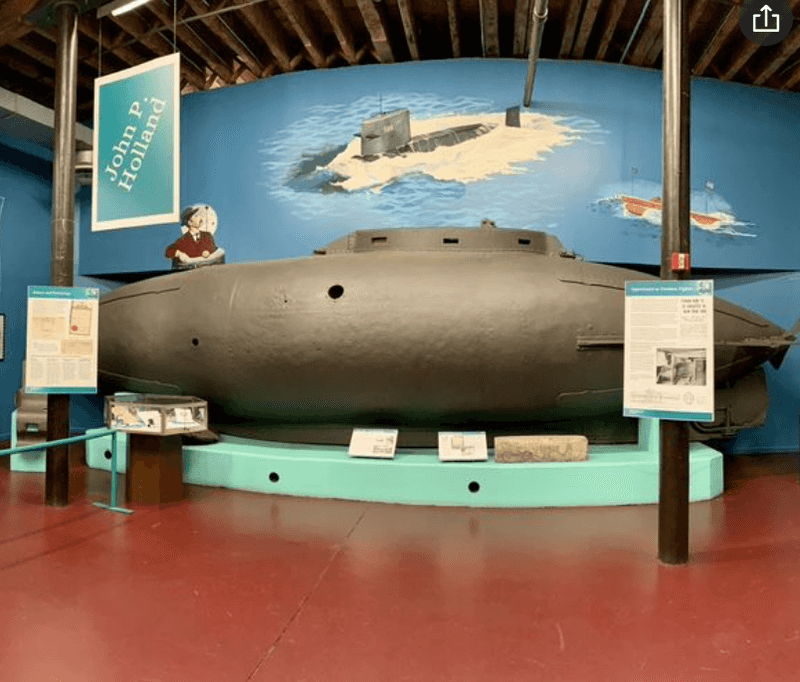
Nobody expects to find submarines inside a museum in northern New Jersey, and that surprise factor is exactly what makes this exhibit so memorable. The Paterson Museum houses two original submarines built by John Philip Holland, the Irish-American inventor who essentially created the modern submarine.
Holland did much of his early development work right here in Paterson, and these vessels are the real deal, not replicas. Seeing them up close, you get a genuine sense of how daring and experimental early submarine technology really was.
They look almost handmade, which in many ways they were.
Visitors consistently rank the submarines as one of the most surprising and impressive parts of the entire museum. Kids especially love getting close to something that actually traveled underwater over a century ago.
It is one of those exhibits that sticks with you long after you have left the building.
The Silk Weaving Industry and the Jacquard Loom
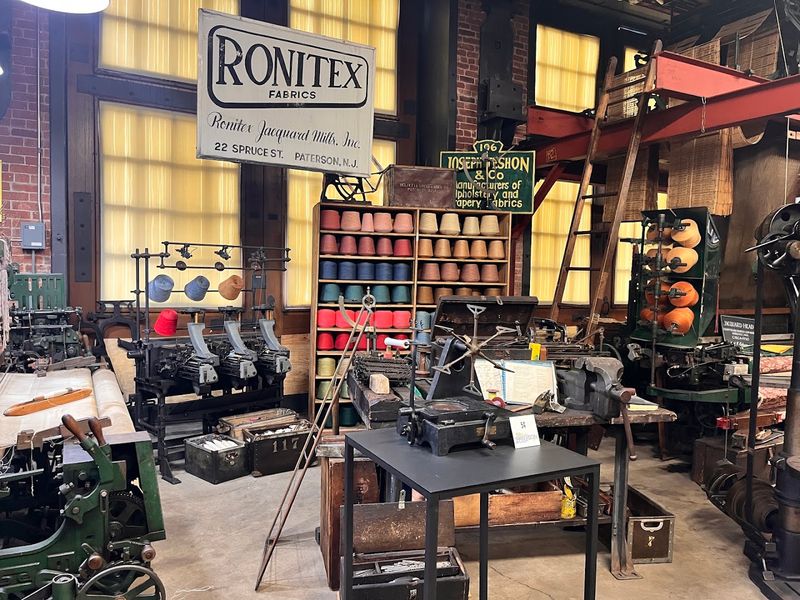
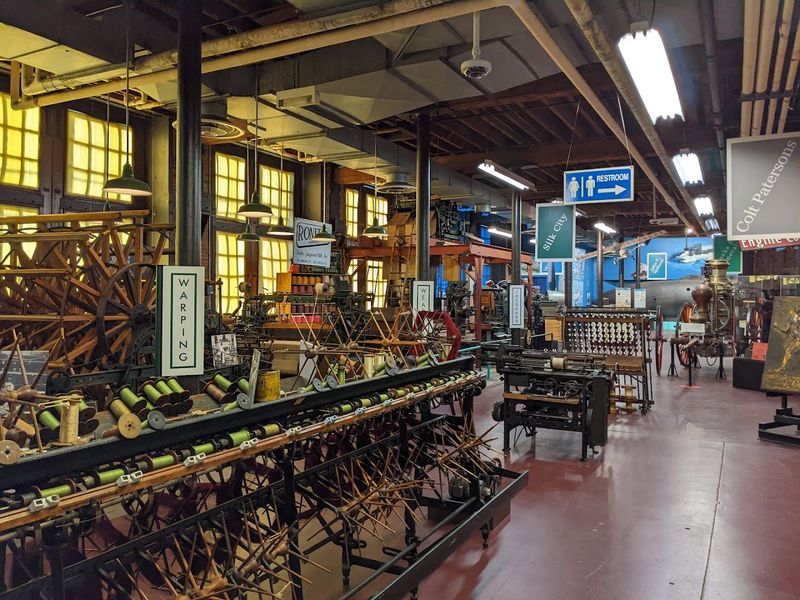
Paterson earned the nickname Silk City for good reason, and the museum’s textile exhibit explains exactly how that happened. At the center of it all is a full-sized Jacquard head loom, a machine that used punched cards to control weaving patterns with remarkable precision.
Here is something that might blow your mind: those punched cards were actually the earliest form of programmable computing. The same concept that inspired early computer pioneers was already running on looms in Paterson factories more than a century before personal computers existed.
That connection alone makes this exhibit worth your full attention.
The machines are enormous and intricately built, and seeing them in person gives you a whole new appreciation for the skill involved in textile manufacturing. The exhibit also covers how Paterson’s silk industry attracted workers from around the world, making the city one of the most culturally diverse places in early America.
Colt Firearms: Where American Gun History Began
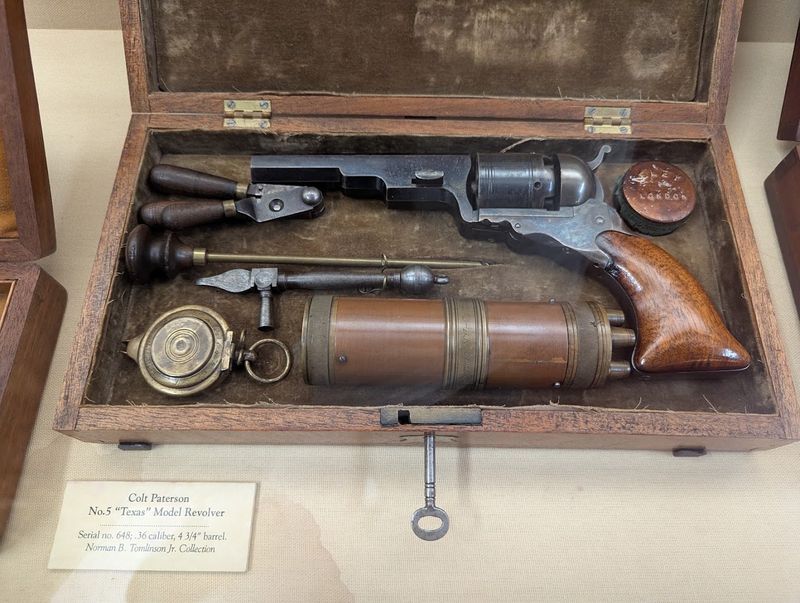
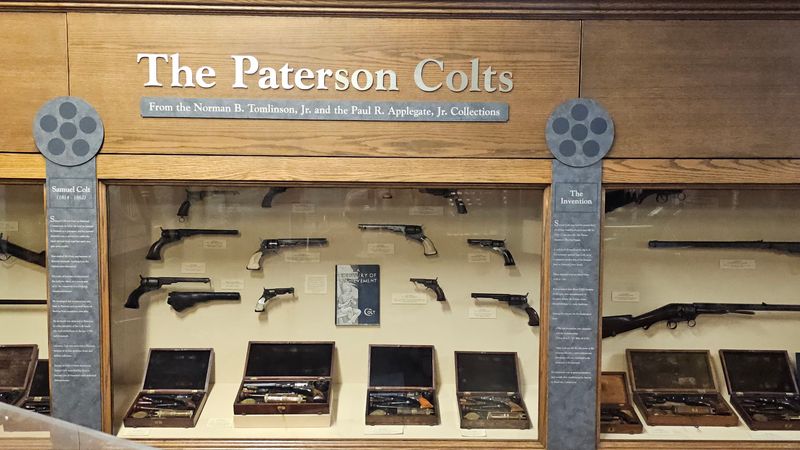
Samuel Colt’s first revolver factory was not in Texas or anywhere out west. It was right here in Paterson, New Jersey, and the museum’s Colt firearms exhibit tells that story with a collection of early revolvers and historical documentation that gun history enthusiasts absolutely love.
The Paterson Colt, as it came to be known, was the first commercially produced revolver and changed the way Americans thought about personal weapons. Seeing the early models up close, you notice just how elegant and mechanical they look, almost like jewelry made of steel and wood.
The exhibit places Colt’s work in the broader context of Paterson’s manufacturing identity, showing how the city attracted inventors and innovators across multiple industries at the same time. Whether or not you are a firearms enthusiast, the craftsmanship on display is genuinely impressive and the historical significance is hard to overstate.
Locomotive History on a Grand Scale
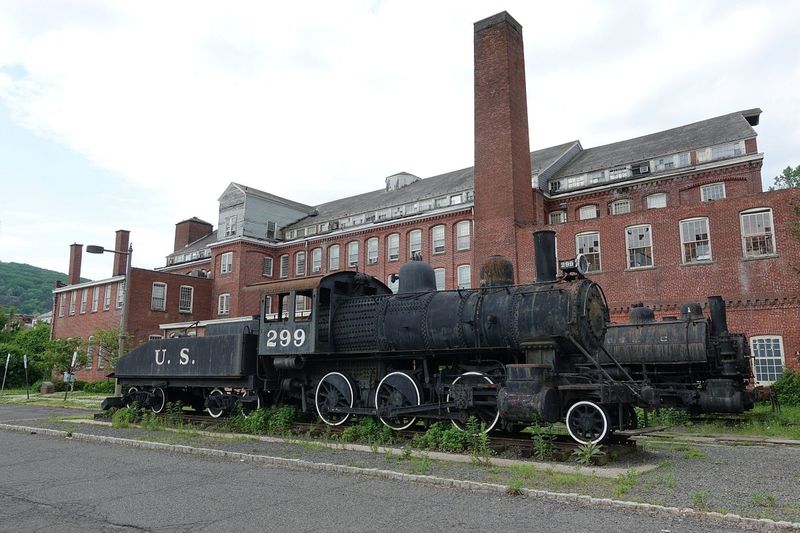
The Rogers Locomotive Works produced over 5,000 locomotives between 1837 and 1913, making Paterson one of the most important train-manufacturing cities in the entire country. The museum, housed in Rogers’ original erecting building, honors that legacy with exhibits that put the sheer scale of this industry into perspective.
Standing next to a full-sized locomotive inside the building where such machines were once assembled is a genuinely humbling experience. These were not small machines.
They were massive, powerful engines that connected a growing nation from coast to coast, and Paterson built them by the thousands.
The exhibit traces the evolution of locomotive design and highlights the skilled workers who made it all possible. For train enthusiasts, this is practically a pilgrimage site.
For everyone else, it is a powerful reminder of how industrial cities like Paterson shaped the physical and economic landscape of the United States during its most explosive period of growth.
Minerals, Gemstones, and Fossils from Around the World
Tucked among the industrial exhibits is a display that feels almost magical: a sprawling collection of minerals, gemstones, and fossils that draws gasps from visitors of every age. Paterson sits in a geologically interesting region, and the collection reflects both local specimens and pieces gathered from around the globe.
Zeolite minerals found in the Paterson area are particularly well represented, and the variety of colors and crystal formations on display is genuinely stunning. Some of the specimens look like they belong in a fantasy novel rather than a museum case.
The fossils add another layer of depth, connecting the region’s natural history to its human story.
Younger visitors especially love this section because the visuals are so immediately striking. You do not need any background in geology to appreciate the beauty here.
It is the kind of exhibit that makes you want to go outside and start looking at rocks with completely fresh eyes afterward.
Native American and Lenape Heritage Displays
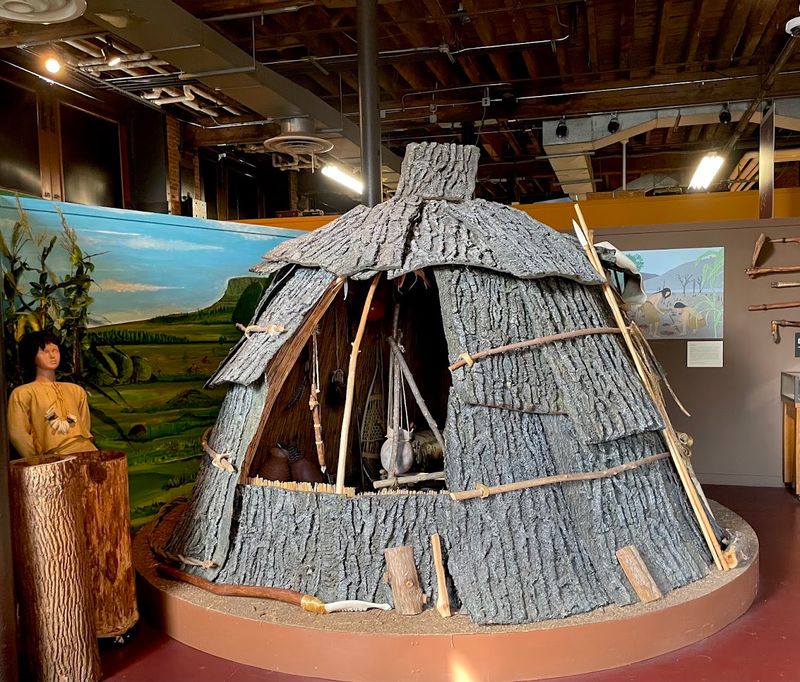
Long before Hamilton or Colt or any locomotive rolled through Paterson, the Lenape people called this land home. The museum’s Native American exhibit brings that history to life with tools, artifacts, and a reconstructed view of traditional Lenape housing that offers a genuinely immersive look at indigenous life in New Jersey.
One visitor described the Lenape tools and housing display as fascinating, and it is easy to see why. The craftsmanship in the tools and the thoughtful presentation of daily life make this one of the most humanizing exhibits in the entire building.
It connects the land’s deep history to the industrial story that came later.
This section serves as an important reminder that Paterson’s history did not begin with European settlers. Spending time here adds meaningful context to everything else in the museum and gives visitors a more complete picture of the region’s layered and complex past.
Lou Costello and Paterson’s Pop Culture Legacy
Not everything at the Paterson Museum is about machines and minerals. One of the most charming corners of the building is dedicated to Lou Costello, the beloved comedian who was born and raised right here in Paterson.
If you grew up watching Abbott and Costello, this section will hit you right in the nostalgia.
Costello’s connection to Paterson is celebrated with memorabilia, photographs, and information that places him in the broader story of the city’s cultural identity. It is a fun reminder that industrial cities do not just produce goods; they produce people, personalities, and pop culture icons too.
The exhibit has a warm, almost playful energy that contrasts nicely with the heavy machinery elsewhere in the building. It also opens the door to conversations about Paterson’s influence on American entertainment and sports, with other local legends like baseball pioneer Larry Doby also recognized within the museum’s walls.
Fire Department and Police Department History
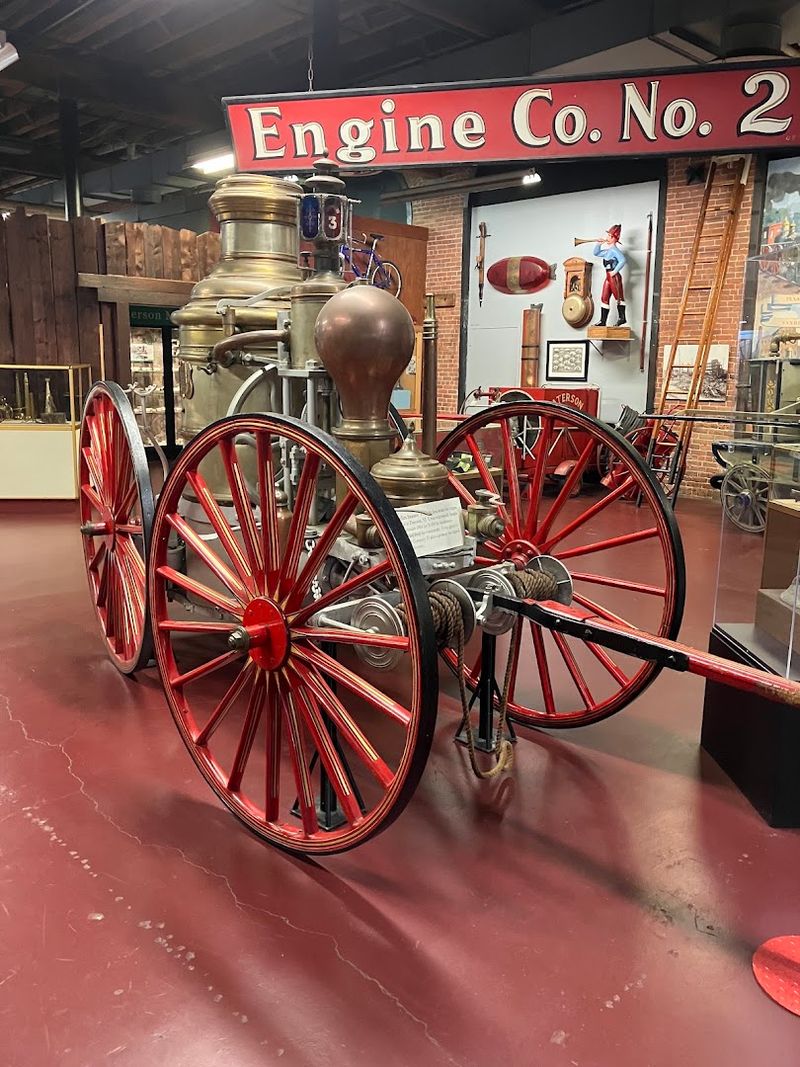
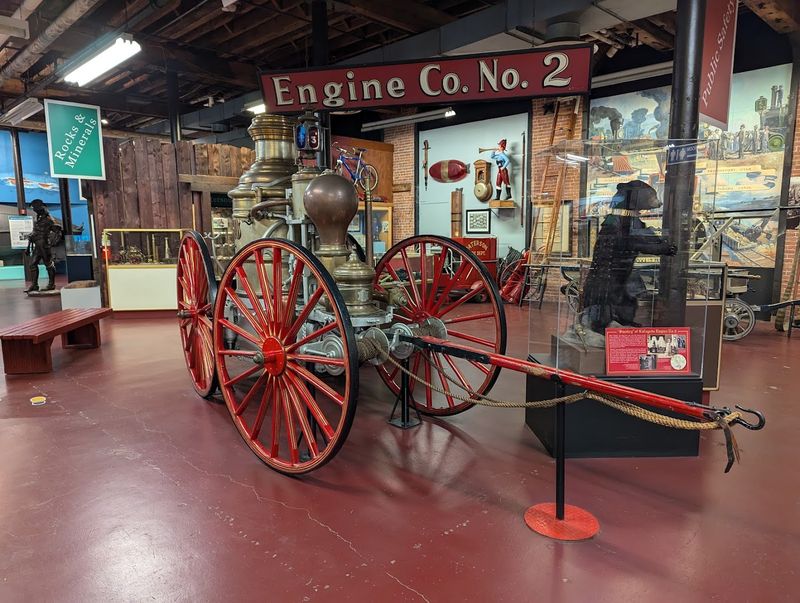
Community history runs deep at the Paterson Museum, and the exhibits dedicated to the Paterson Fire Department and Police Department prove that point beautifully. Old firefighting equipment, uniforms, badges, and historical photographs fill this section with a sense of pride and local identity that is genuinely moving.
Seeing the evolution of firefighting technology from hand-pumped engines to motorized trucks tells a story about how the city grew and modernized over time. The police history display adds another dimension, covering how law enforcement developed alongside Paterson’s booming industrial population.
These exhibits tend to resonate especially strongly with local visitors who have personal connections to the departments or who grew up hearing family stories about Paterson’s history. But even newcomers find them engaging because they show how a city’s everyday heroes shaped its character just as much as its famous inventors and industrialists did.
It is local history at its most personal.
The Wright Brothers Connection and Aviation History
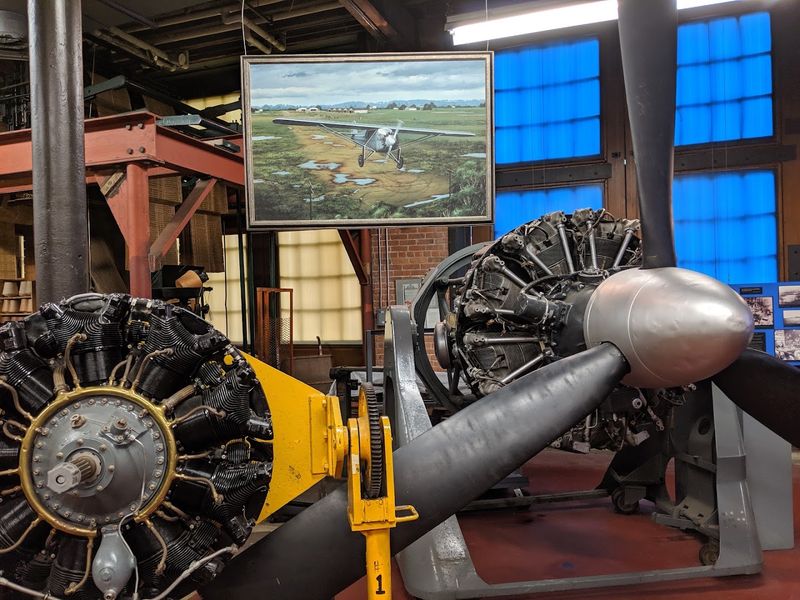
Paterson’s industrial reach extended even into the sky. The museum features exhibits connecting the city to early aviation history, including the Wright Brothers and the development of aircraft engines that were manufactured in Paterson during the early 20th century.
It is a chapter of the city’s story that often surprises visitors.
The aviation section sits comfortably alongside the locomotive and submarine exhibits, painting a picture of a city that was genuinely at the cutting edge of technology across multiple industries simultaneously. Paterson was not just keeping up with progress; in many ways, it was helping to define it.
Learning about Paterson’s role in aviation adds real texture to the museum experience. It challenges the assumption that aviation history belongs only to Dayton or Kitty Hawk.
The machines, panels, and artifacts here make a compelling case that New Jersey deserves a much bigger seat at the table when America’s technological story gets told.
Free Admission and a Knowledgeable Museum Staff
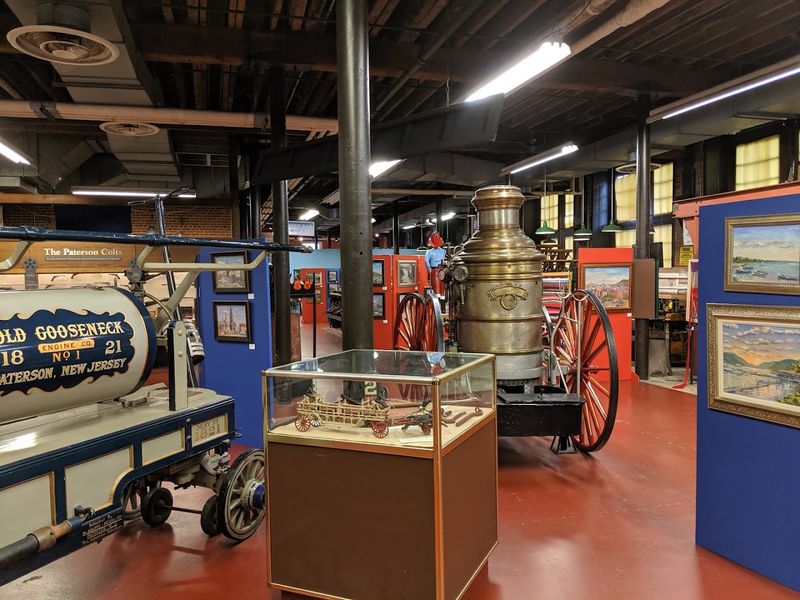
One of the best things about the Paterson Museum is something you notice before you even look at a single exhibit: admission is completely free. In an era when museum tickets can easily run twenty dollars or more per person, walking into a place this rich with history at no cost feels almost too good to be true.
The staff makes the experience even better. Guides like Mohamed have received glowing praise in visitor reviews for their deep knowledge, enthusiasm, and ability to make history entertaining for all ages.
Having a knowledgeable person walk you through the exhibits transforms a self-guided stroll into something much more memorable.
Free parking is also available on-site, which removes one more barrier for families planning a visit. The museum is open Tuesday through Friday from 9:30 AM to 4:30 PM and on Mondays as well.
Call ahead at 973-321-1260 or visit patersonmuseum.com to plan your trip.
Pairing Your Visit with the Great Falls National Monument
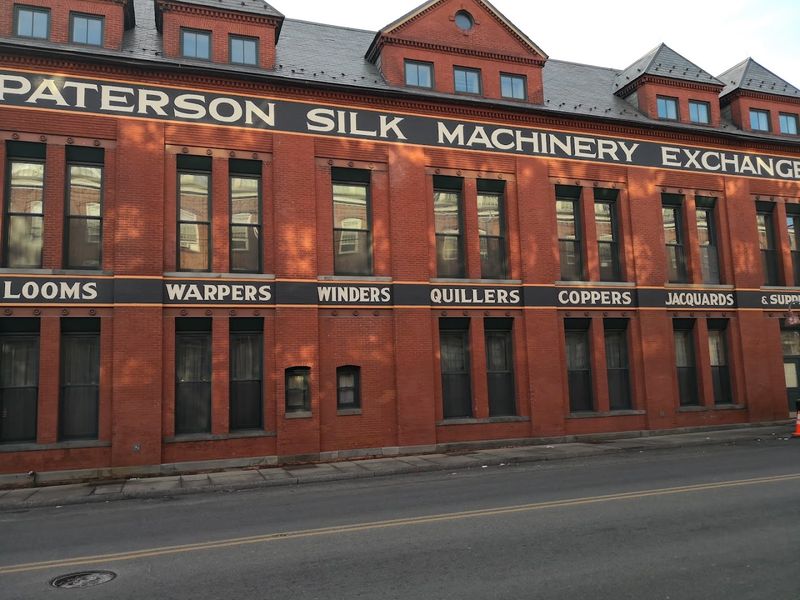
Right around the corner from the museum sits one of the most underrated natural wonders in the entire northeastern United States: the Great Falls of the Passaic River. Standing about 77 feet tall and 280 feet wide, the falls have been described as a mini-Niagara, and that comparison is not much of an exaggeration.
Hamilton chose this exact spot to build his industrial city because the falls could power factories through hydroelectric energy. After touring the museum, walking over to see the falls in person makes everything you just learned click together in a deeply satisfying way.
The two sites complement each other perfectly.
The Great Falls became a National Monument in 2009, and the area around it has been developed into a pleasant park with walkways and viewpoints. Combining a museum visit with a falls walk makes for a genuinely full and memorable day out in Paterson, one that costs almost nothing and delivers a whole lot.
Enjoyed this story?
Add Fast Food Club as a preferred source to see more of our reporting on Google.