


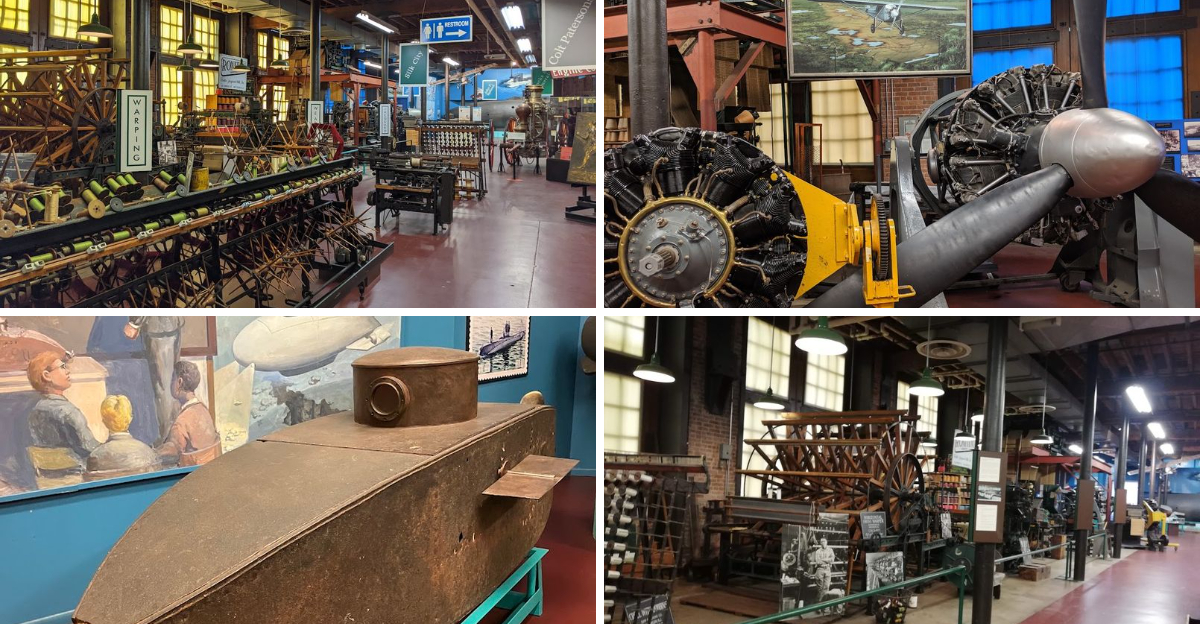
Tucked inside a historic factory building at 2 Market St in Paterson, New Jersey, the Paterson Museum is one of the most underrated gems in the entire state. From ancient Lenape artifacts to full-size industrial machines and even a pair of real submarines, this place packs an incredible amount of history into every corner.
Whether you are a history buff, a curious kid, or just looking for a free and fascinating day trip, this museum delivers big surprises. Best of all, admission is completely free, so there is absolutely no reason not to go.
The Historic Rogers Locomotive Erecting Building
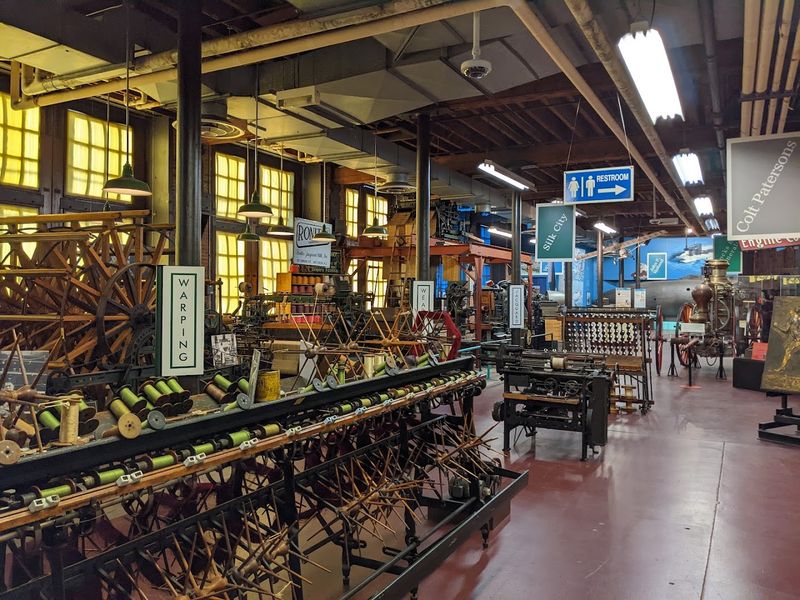
Step inside and you immediately feel the weight of history pressing down from the rafters. The Paterson Museum is housed inside the original erecting building of the Rogers Locomotive Works, one of the most important manufacturing sites in American industrial history.
Just standing in the space feels like traveling back in time.
The building itself is a preserved factory, with floor-to-ceiling architecture that speaks to an era when Paterson was a powerhouse of American industry. The sheer size of the space is jaw-dropping, giving exhibits plenty of room to breathe.
You can almost hear the clang of metal and the hiss of steam.
Visiting here is not just about looking at objects behind glass. The building itself is the exhibit.
Knowing that locomotives were once built right where you are standing makes every step feel meaningful and memorable.
Alexander Hamilton and the Founding of Paterson
Most people know Alexander Hamilton from Broadway shows or dollar bills, but fewer realize he played a direct role in creating an entire American city. The Paterson Museum features an expanded exhibit dedicated to Hamilton’s vision of building a manufacturing hub powered by the nearby Great Falls.
His ambition literally shaped the landscape of New Jersey.
Hamilton believed that America needed a strong industrial base to compete globally, and Paterson was his proof of concept. The exhibit walks you through his reasoning, his partnerships, and the lasting impact of his decisions on the young nation.
It is genuinely eye-opening stuff.
After exploring this section, many visitors walk away with a whole new appreciation for Hamilton beyond the catchy songs. His contributions to Paterson were enormous, and this exhibit makes sure that story is told with the depth it truly deserves.
Holland Submarines on Full Display
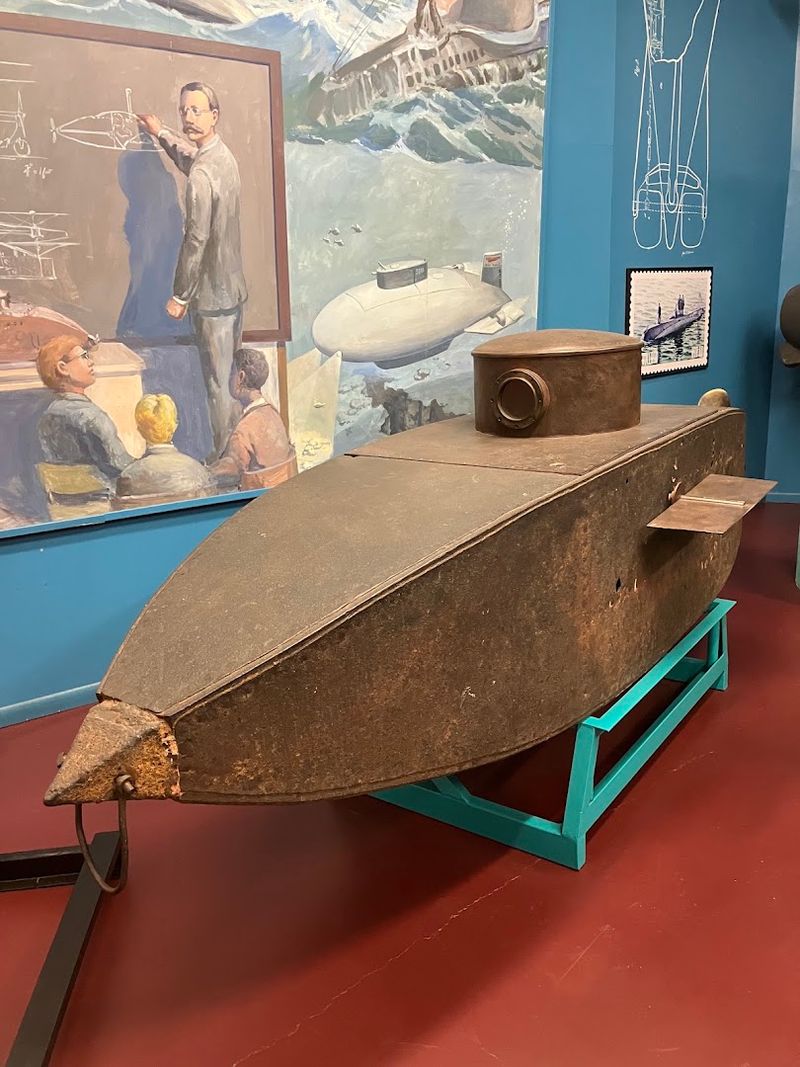
Nobody expects to find submarines inside a land-locked city museum in New Jersey, and that is exactly what makes this exhibit so thrilling. The Paterson Museum houses two original submarines developed by John Philip Holland, the Irish-American inventor who essentially created the modern submarine right here in Paterson.
Seeing them up close is genuinely surreal.
Holland built and tested his early submarine designs using the Passaic River nearby, making Paterson a surprisingly important chapter in naval history. The submarines on display are compact, rugged, and fascinating to examine from every angle.
You start to wonder how anyone fit inside those things.
Visitors consistently rate this as one of the most memorable parts of the entire museum experience. Whether you are into military history, engineering, or just cool weird things, these submarines deliver a powerful punch of wow-factor that is hard to forget.
The Jacquard Loom and the Birth of Computing
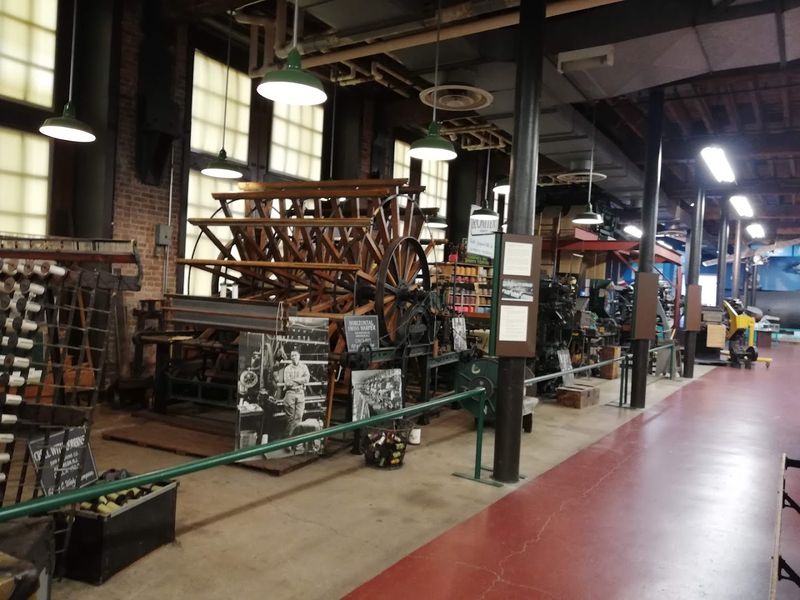
Here is a fun fact that will genuinely blow your mind: the punch card system that controlled Jacquard looms in Paterson’s silk mills is considered one of the earliest ancestors of modern computer programming. The Paterson Museum has an actual Jacquard loom on display, complete with the punched cards that told the machine exactly which pattern to weave.
Watching how the cards control the loom is like seeing the logic of a computer made physical and mechanical. It is one of those rare museum moments where history and technology collide in a way that makes total sense but still feels like magic.
Many visitors say this exhibit alone is worth the trip.
Silk weaving was Paterson’s biggest industry for decades, earning the city its nickname, the Silk City. This loom is a perfect reminder of how deeply woven that legacy truly is into the city’s identity.
Colt Firearms Exhibit
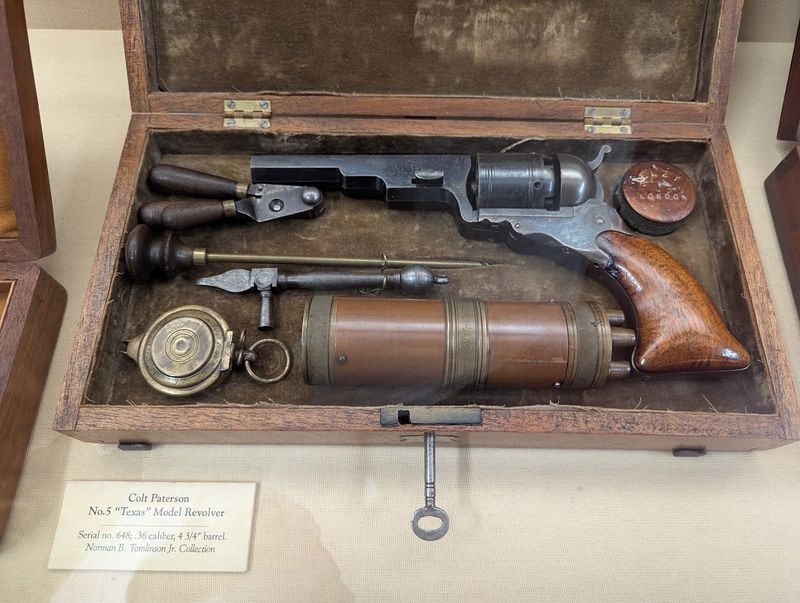
Samuel Colt did not just invent the revolver in some nameless workshop. He did it right here in Paterson, New Jersey, and the museum pays full tribute to that legacy.
The Colt firearms exhibit showcases early models and tells the story of how Paterson became the birthplace of one of the most iconic weapons in American history.
The Colt Paterson revolver, named directly after the city, changed the way Americans thought about personal defense and warfare. Seeing the early models up close gives you a real sense of how innovative and even controversial these weapons were at the time.
The craftsmanship is remarkable for its era.
Gun enthusiasts and history lovers alike tend to linger in this section longer than expected. The exhibit is thoughtfully arranged, offering context about both the manufacturing process and the broader cultural impact of Colt’s revolutionary designs on American life.
Native American Lenape History and Artifacts
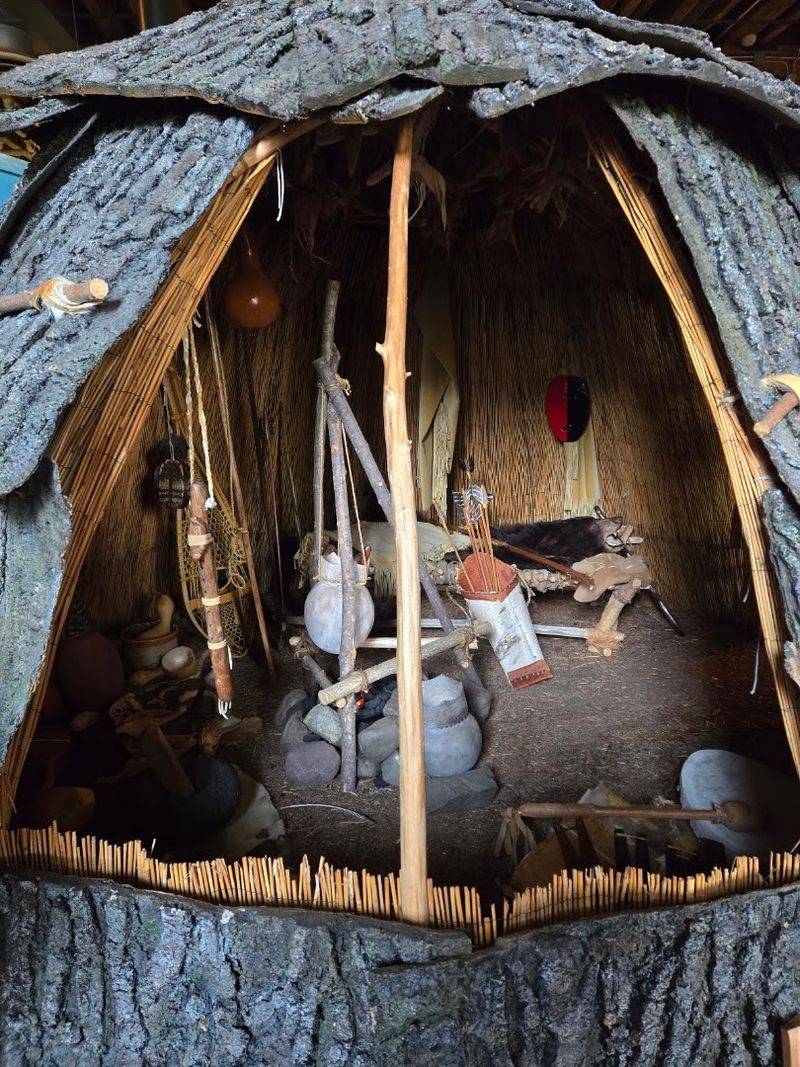
Long before factories lined the Passaic River, the Lenape people called this land home. The Paterson Museum dedicates meaningful space to honoring their presence and culture, featuring genuine Lenape tools, artifacts, and even a reconstruction of the inside of a traditional Lenape dwelling.
It is a deeply humanizing exhibit that grounds the museum in a much older story.
Handling the visual details of everyday Lenape life, from the tools they crafted to the shelters they built, helps visitors understand just how sophisticated and resourceful this Indigenous community truly was. The exhibit avoids stereotypes and treats the subject with genuine respect and care.
Many visitors say they were unexpectedly moved by this section of the museum. Learning about the people who thrived in this region for thousands of years before industrialization adds an important layer of perspective to everything else you see throughout the building.
Mineralogy and Gemstone Collection
Paterson has a surprisingly rich geological story, and the museum’s mineralogy collection brings that story to glittering life. The gemstone and mineral displays feature specimens from right here in Paterson as well as from locations all around the world, making for a funky and dazzling assortment that appeals to all ages.
Kids especially love this section.
New Jersey’s volcanic rock formations have produced some genuinely beautiful and rare minerals over millions of years. Seeing them polished and labeled inside the museum gives you a new appreciation for what lies beneath the streets of this busy city.
Some of the colors and crystal formations are almost unbelievably beautiful.
Fossil hunters and rock collectors will want to spend extra time here. The collection is eclectic in the best possible way, mixing scientific detail with pure visual wonder.
It is one of those exhibits that makes you want to go outside and start looking at rocks differently.
Lou Costello Tribute and Paterson’s Pop Culture Legacy
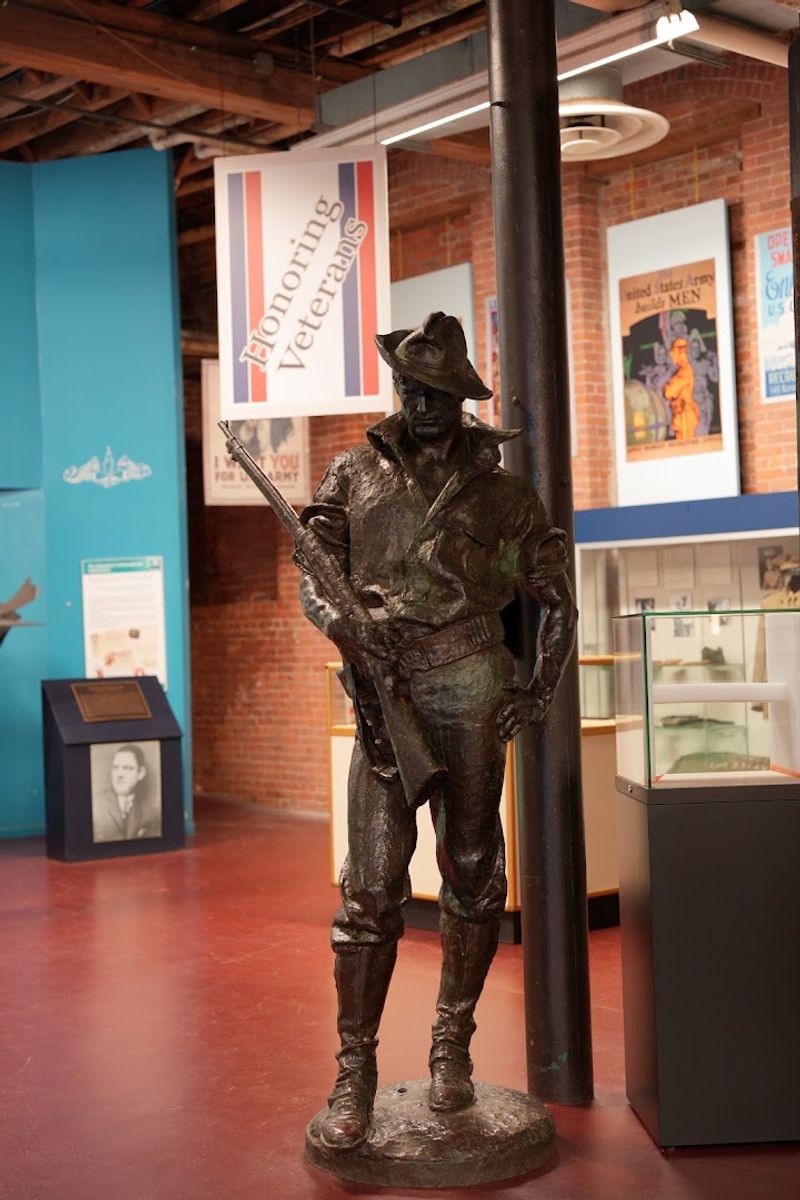
Paterson, New Jersey gave the world Lou Costello, the beloved comedian of the iconic Abbott and Costello duo, and the museum makes sure visitors know it. The Lou Costello tribute section is warm, funny, and genuinely touching, celebrating a local kid who went on to make the entire country laugh for decades.
It is a crowd-pleasing highlight.
Seeing the memorabilia and photographs connected to Costello brings a sense of hometown pride that is totally contagious. Even younger visitors who may not know the classic comedy routines tend to get curious and engaged by the display’s lively energy.
The exhibit captures his charm beautifully.
Paterson’s influence on popular culture runs deeper than most people realize, and this section is a great reminder of that. Beyond Costello, the museum touches on the city’s connections to sports legends and entertainment figures who shaped American culture in lasting ways.
Fire Department and Police Department Exhibits
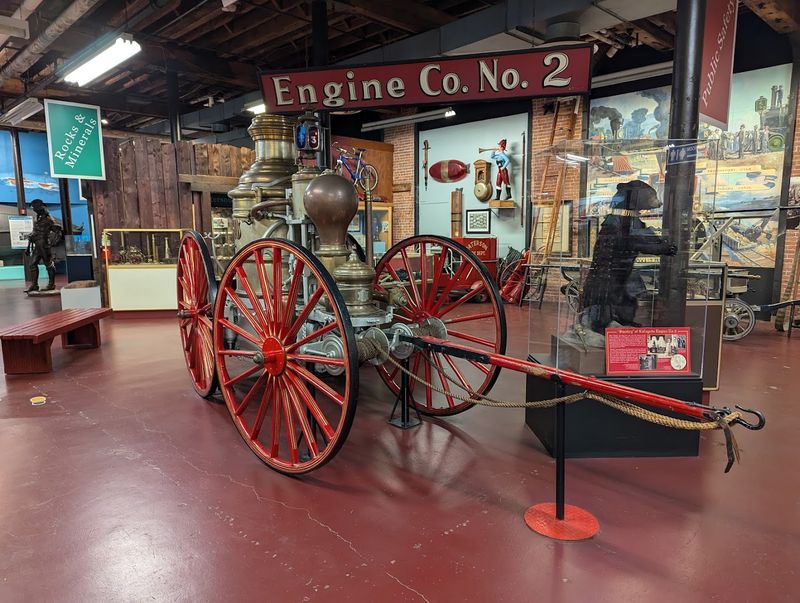
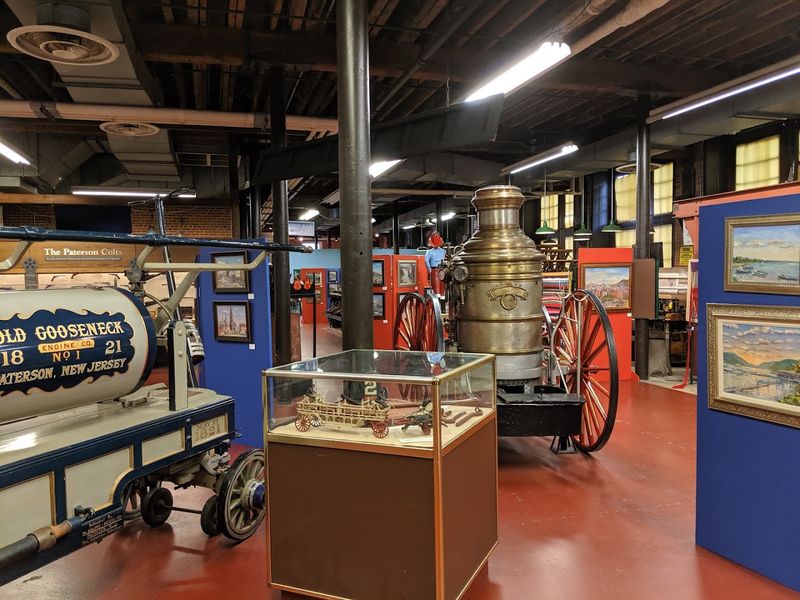
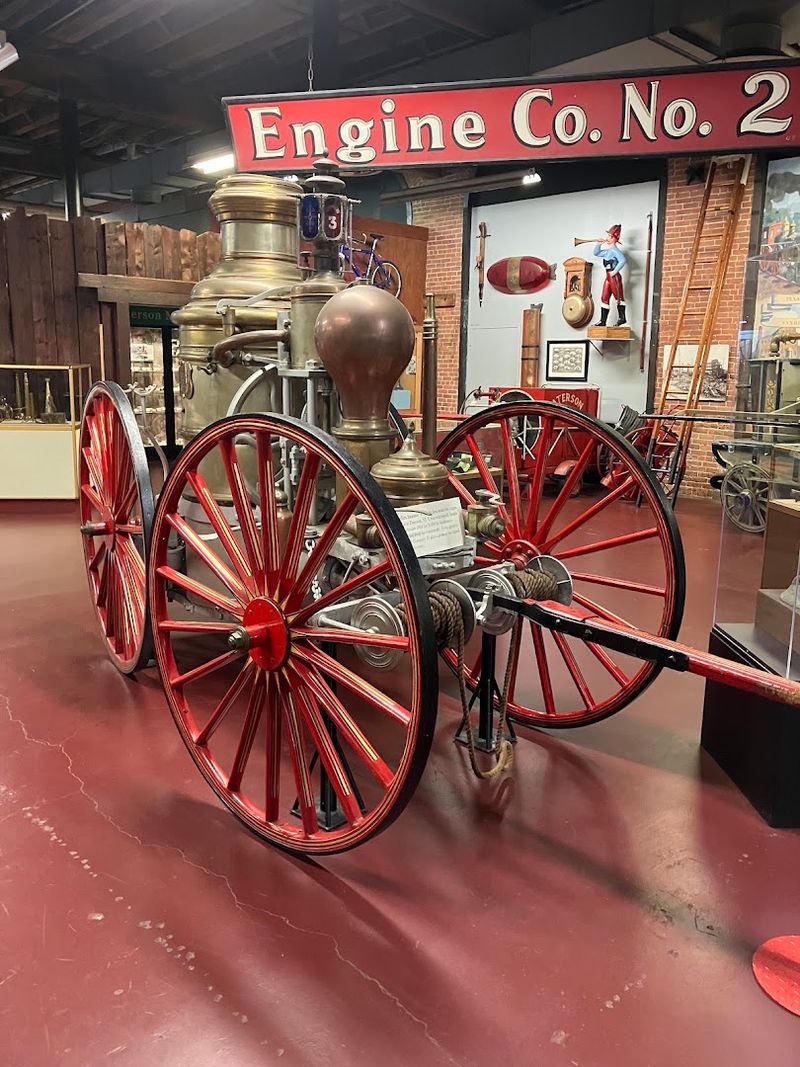
Community pride runs deep at the Paterson Museum, and nowhere is that clearer than in the exhibits dedicated to the city’s fire and police departments. Vintage firefighting equipment, historic uniforms, badges, and equipment from both departments are displayed with a reverence that honors the people who served the community over many generations.
Old fire trucks, hand-pumped equipment, and early protective gear offer a fascinating look at how dramatically public safety has evolved over the past century. There is something genuinely moving about seeing the tools that real people used to protect their neighbors in much harder times.
These exhibits tend to resonate strongly with visitors who have family members in public service. The displays are organized clearly, making it easy for younger visitors to follow along and understand what they are looking at.
It is local history told through the lens of everyday heroism and community dedication.
Locomotive and Airplane Engine Manufacturing History
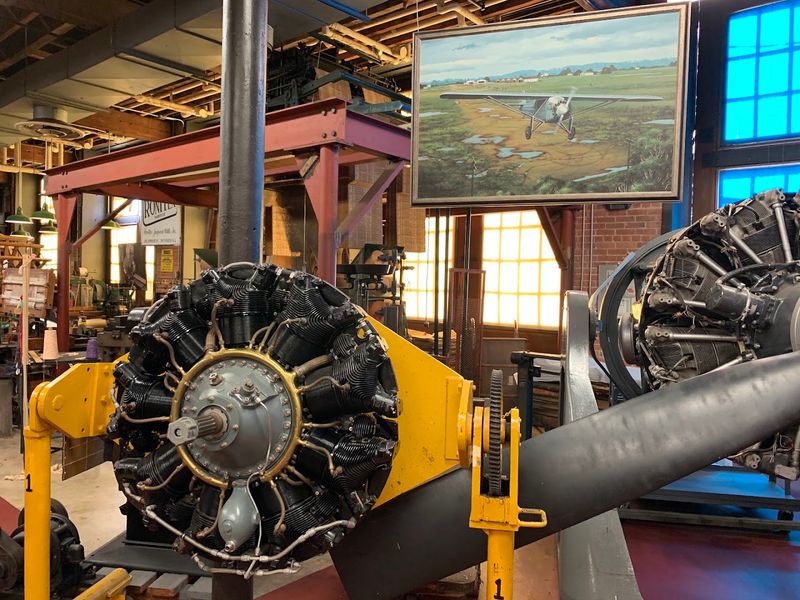
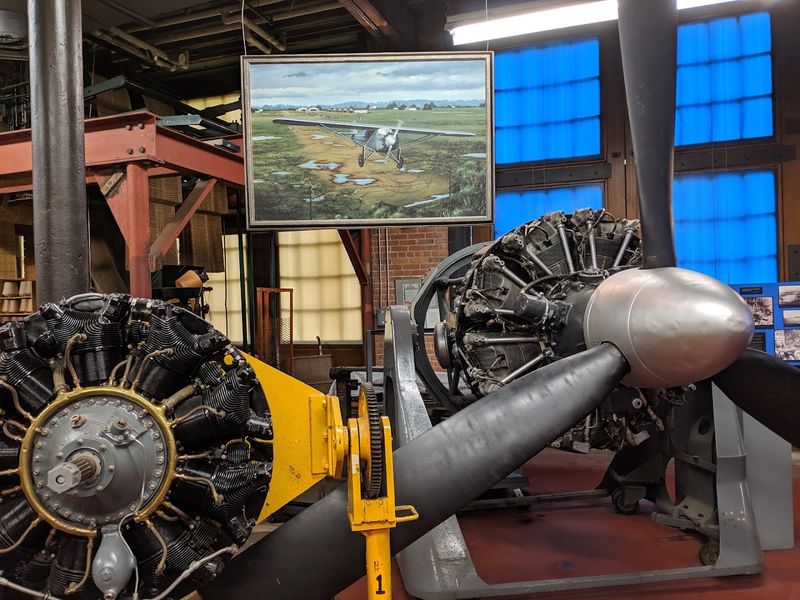
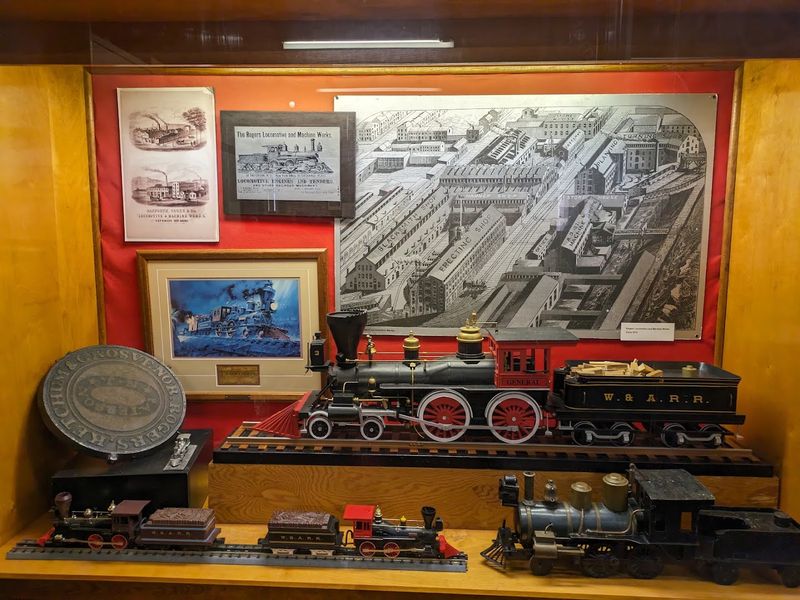
Paterson did not just make silk. For much of the 19th and early 20th centuries, the city was also one of America’s leading manufacturers of locomotives and airplane engines.
The museum showcases this incredible range of industrial output with full-size machines and detailed exhibits that put the scale of Paterson’s manufacturing power into vivid perspective.
Rogers Locomotive Works alone produced over 5,700 locomotives during its lifetime, many of which were exported around the world. Standing next to one of these massive machines inside the original building where they were assembled is an almost overwhelming experience.
The engineering is both brutal and beautiful at the same time.
The airplane engine connection adds another layer of surprise to Paterson’s story. The city played a role in early aviation history that most people never hear about.
This exhibit connects industrial innovation to some of the most exciting technological leaps of the modern era.
Pharmaceutical and Medicine Displays from the 1920s
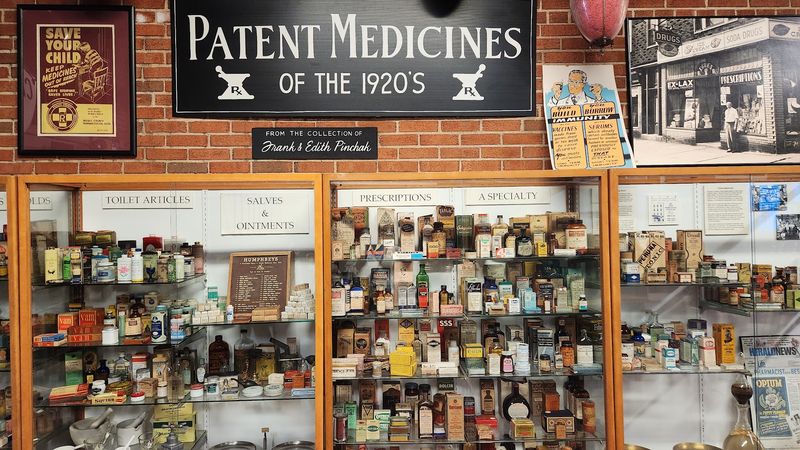
One of the most unexpectedly captivating corners of the Paterson Museum holds a collection of medicines and pharmaceutical products used in the 1920s. The labels, bottles, and packaging from that era are a fascinating window into how people understood health, illness, and treatment a full century ago.
Some of the remedies will make you grateful for modern medicine.
The display is quirky and oddly charming, mixing genuine medical history with a healthy dose of curiosity-sparking weirdness. Visitors of all ages tend to stop and read the labels carefully, marveling at what was once considered cutting-edge treatment.
It is history told through the everyday objects people trusted with their lives.
This exhibit rewards slow, careful browsing. The artifacts are well-preserved and thoughtfully arranged, with enough context provided to make sense of each item without overwhelming the viewer.
It is a small section of the museum that consistently leaves a big impression on people who discover it.
Free Admission and Visitor-Friendly Experience
One of the most refreshing things about the Paterson Museum is that walking through the door costs absolutely nothing. Admission is completely free, with donations welcome for those who want to support the museum’s ongoing preservation work.
Free parking is also available on-site, making the whole experience remarkably accessible for families and budget-conscious travelers.
The staff have been consistently praised in visitor reviews for being attentive, knowledgeable, and genuinely enthusiastic about sharing Paterson’s history. Guides like Mohamed have earned particular recognition for making tours entertaining and deeply informative at the same time.
Having a passionate guide can transform a museum visit into something truly special.
The museum is open Monday through Friday from 9:30 AM to 4:30 PM and is closed on weekends. Planning your visit on a weekday gives you the best chance to enjoy the exhibits at a relaxed pace without feeling rushed through such a rich collection of history.
The Great Falls of the Passaic River Nearby
Just a short walk from the museum entrance sits one of the most spectacular natural landmarks in the entire northeastern United States. The Great Falls of the Passaic River drops approximately 77 feet, making it the second largest waterfall by volume east of the Mississippi.
Visitors who pair a museum stop with a walk to the falls end up with a genuinely full and unforgettable day out.
Alexander Hamilton saw the falls and immediately recognized their potential as an energy source for his planned industrial city. That vision became reality, and the hydroelectric power generated here fueled Paterson’s manufacturing boom for generations.
Standing at the falls, that history suddenly feels very real and very close.
The Great Falls is now a National Historical Park, adding another free attraction to an already remarkable day trip. Reviews consistently encourage visitors to make the short walk after exploring the museum.
Together, the two sites tell a complete and compelling story of Paterson’s extraordinary past.
Enjoyed this story?
Add Fast Food Club as a preferred source to see more of our reporting on Google.