


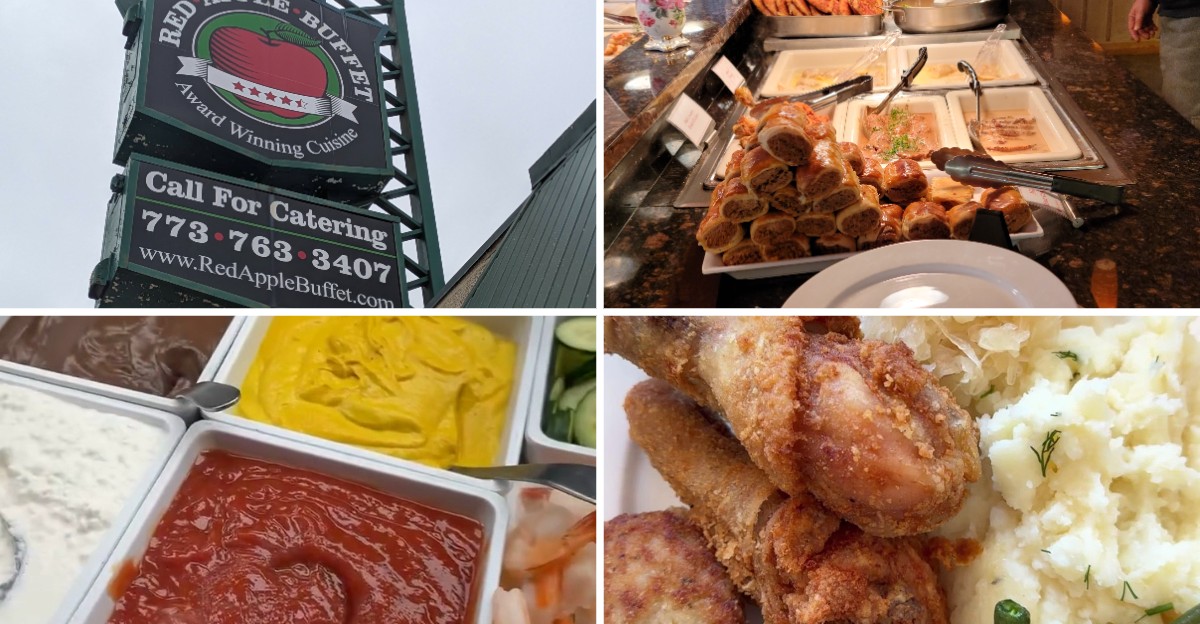
Some meals feel like a Sunday at a grandparent’s house, even when the grandparents are strangers and the house has a buffet line. On the Northwest Side of Chicago, one family-style spot has been serving that exact feeling for decades.
Polish-speaking locals fill the tables, first-timers leave planning a return trip, and the pierogi are homemade in a kitchen that clearly takes the job seriously. There is a catch or two, of course, including a short weekly schedule and a payment quirk that surprises newcomers.
Keep reading to learn where this place sits, what makes its pierogi worth the drive, how the buffet actually works, and the practical tips that will save you from circling the block or digging through your wallet at the register.
A Polish Table on Milwaukee Avenue
Milwaukee Avenue has carried Polish culture through Chicago for generations, and one address keeps that tradition on a plate.
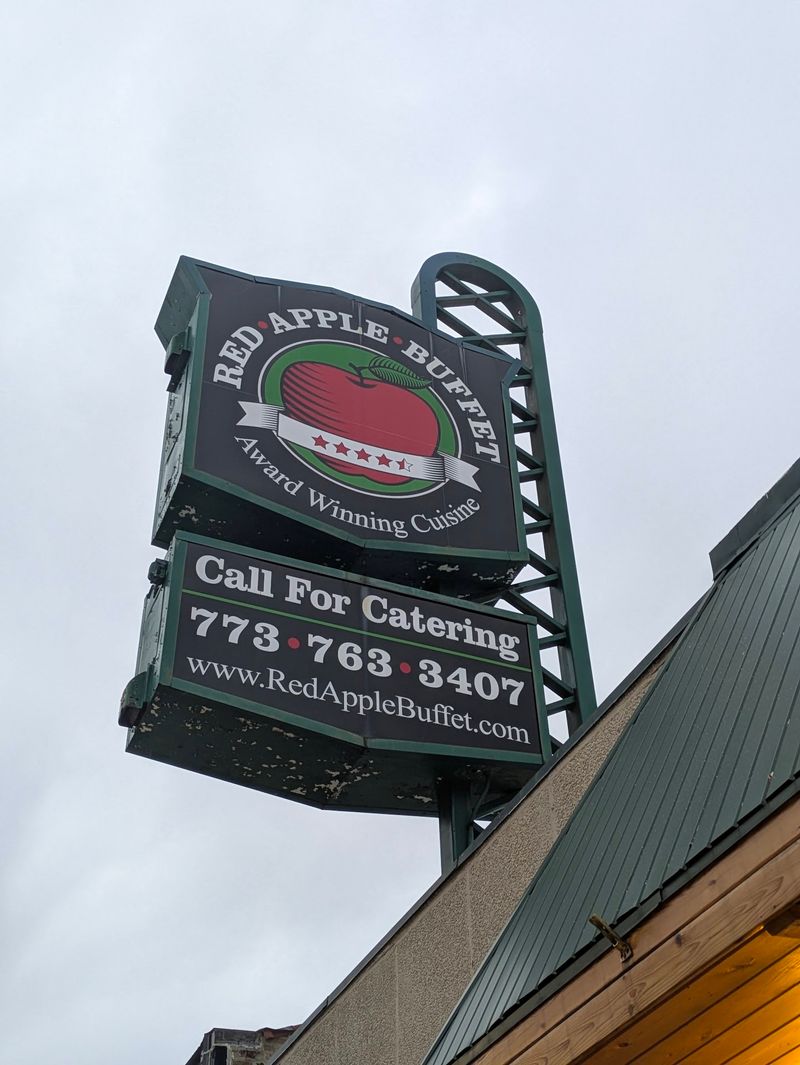
Red Apple Buffet-Restaurant sits at 6474 N Milwaukee Ave, Chicago, IL 60631, in the United States, on the city’s Northwest Side.
The concept is simple and a little unusual. Instead of ordering from a menu, guests help themselves to a long spread of Polish specialties served buffet-style.
That format makes the place a friendly entry point for anyone new to the cuisine. You can try a spoonful of something unfamiliar without committing to a whole entree.
The restaurant describes itself as a low-key eatery, and that label fits. Nobody here is chasing trends or dressing up the room for social media photos.
What the kitchen does chase is volume and variety. The line stays stocked, the tables stay busy, and the pierogi get plenty of attention from regulars who know exactly where to find them.
Carryout is also an option, sold by the pound, which means a trip here does not have to end when you push back your chair.
So far, so straightforward. The more interesting part is how long this operation has been doing it, and that story starts in the next section.
Thirty-Seven Years of Staying Put
Restaurants in big cities come and go faster than bus schedules change. This one has held its ground in Chicago for about 37 years.
That kind of staying power usually means a loyal base, and the crowd here backs it up. Polish-speaking locals are a regular part of the dining room, which is about as solid an endorsement as an ethnic restaurant can earn.
The team has also built a reputation that reaches beyond the neighborhood. The restaurant advertises being named among the top 14 buffets in the United States.
There is a small twist worth knowing. A newer place with a nearly identical name has reportedly opened in Michigan City, Indiana, and it has no connection to the Chicago original.
So if a friend mentions a Red Apple they tried outside Illinois, it likely was not this one.
The long run shows up in the details too. The owners respond to guests personally, often signing off with a little apple emoji, and they talk openly about how much effort goes into producing such a large homemade spread.
Consistency is the quiet hero of the story. Decades later, the mission still looks the same, and the pierogi remain front and center.
Pierogi With a Homemade Pedigree
Ask a regular what to put on the first plate, and the answer often starts with the letter P.
Pierogi are one of the most talked-about items at this restaurant, and the kitchen treats them as a point of pride. Everything on the line is homemade, a fact the owners repeat whenever someone asks what sets the place apart.
The classic potato and cheese version shows up as a favorite among returning diners. Many people single out these dumplings as tasting like something from a family kitchen rather than a freezer bag.
That homemade quality is the whole point. Producing that many dumplings by hand for a busy buffet is serious work, and the team has said as much.
The buffet format also takes the pressure off. Instead of choosing one plate of pierogi and hoping for the best, you can take a couple, head back to the table, and return for more once you know which you like.
For first-timers, pierogi make an easy starting point. They are familiar enough to feel safe and traditional enough to feel like a real introduction to Polish cooking.
Fair warning, though. It is very easy to fill up on them before exploring the rest of the line.
The Long Line of Plenty
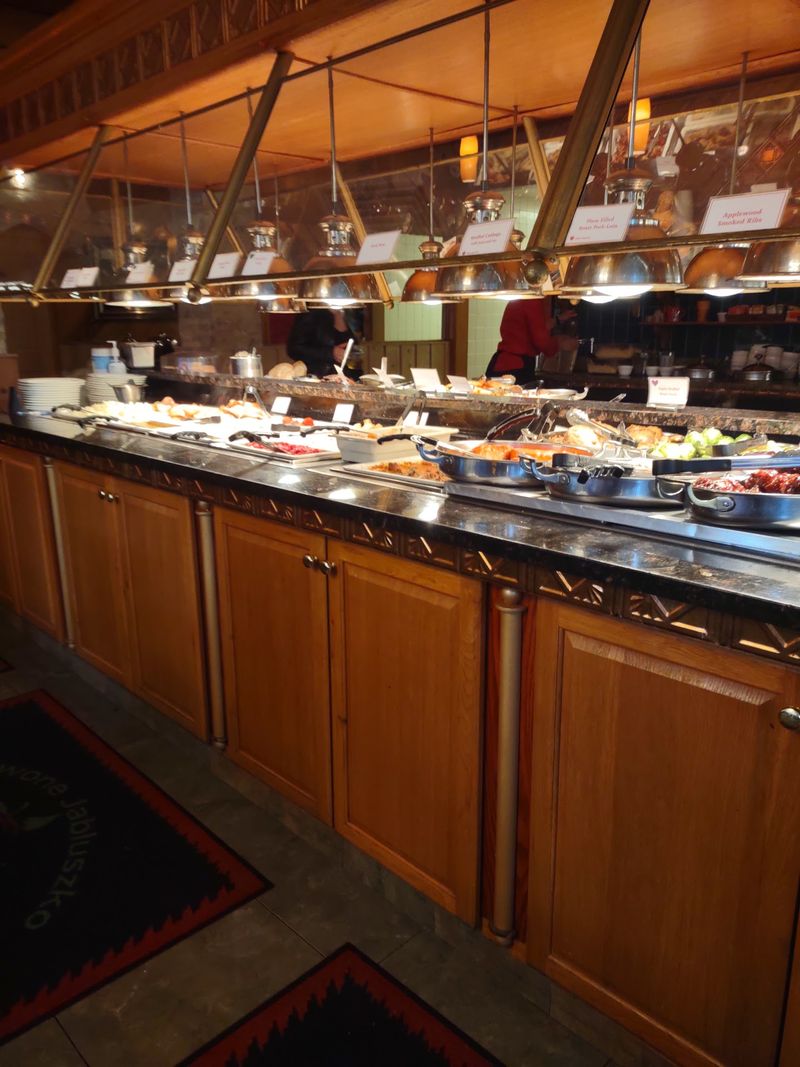
Pierogi may be the headliner, but the supporting cast is large.
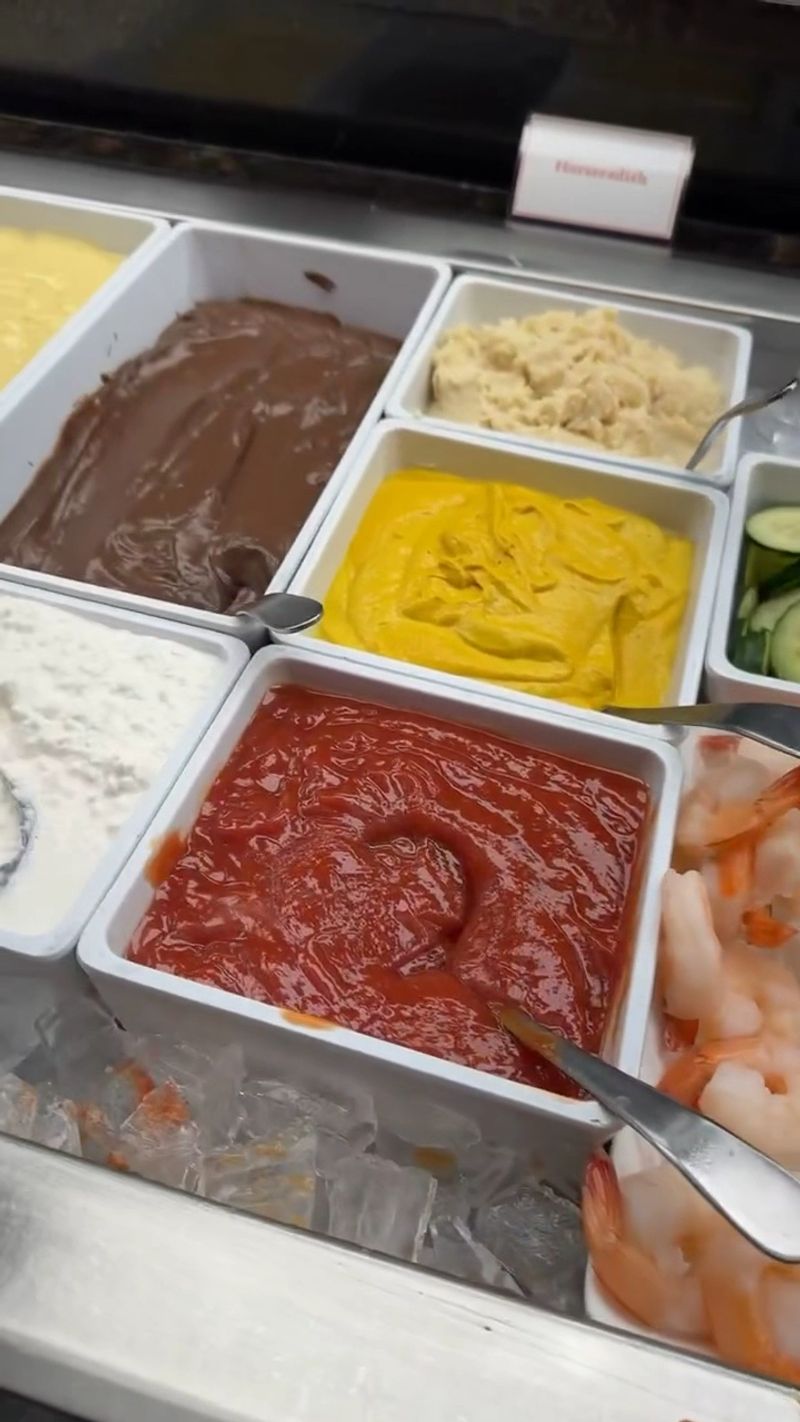
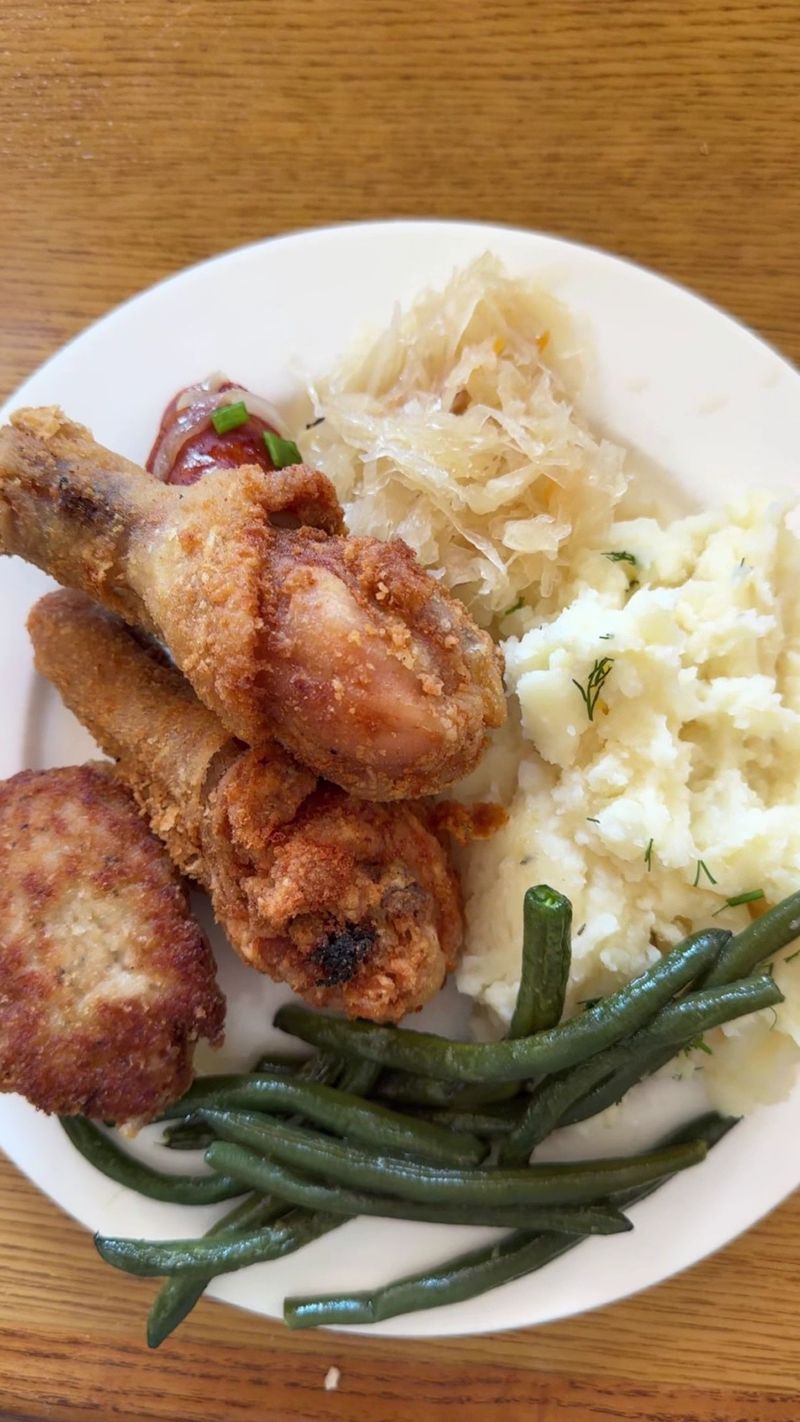
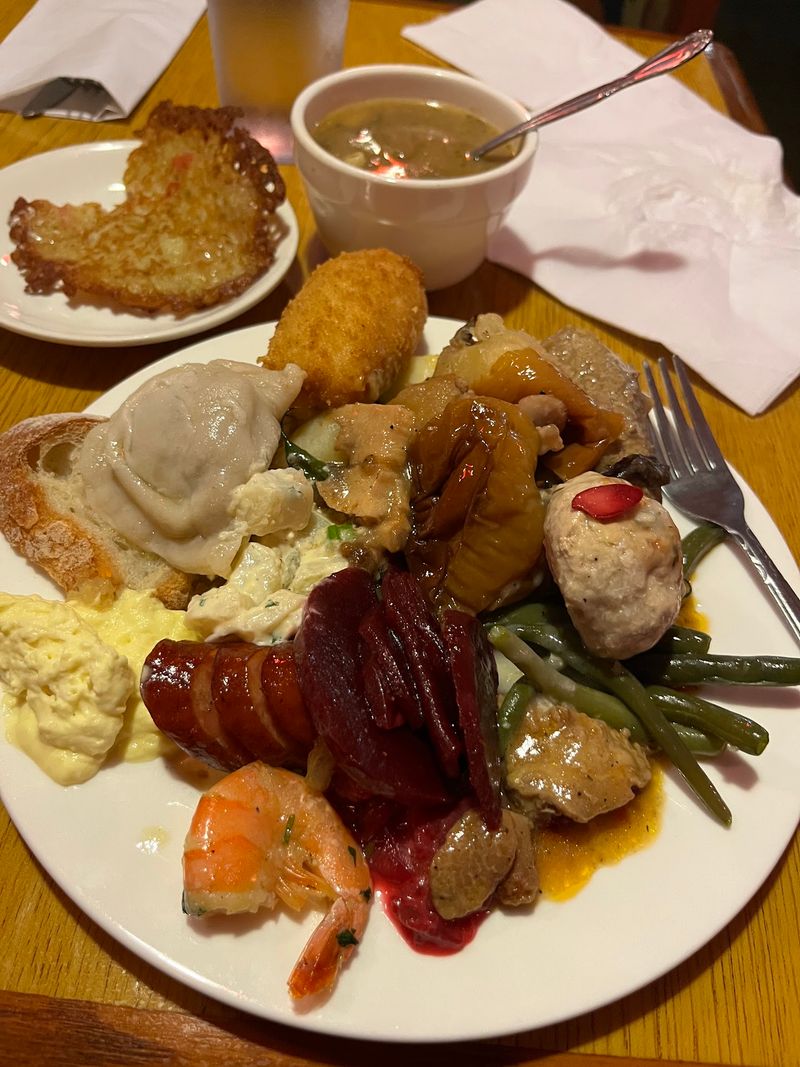
The buffet covers hot dishes, a carving station, seafood options, a soup station, a sizable salad area, and a dessert section. Meat lovers tend to be especially happy here, since the protein selection is generous.
Vegetarians are not left out either. There is enough on the line that plant-focused diners can build a full meal.
One of the strongest points is how often the trays get refilled. The staff keeps restocking throughout the service, so nothing tends to look forgotten or picked over, even late in the day.
Each dish has a small name plate with a simple descriptor. The labels are brief, so newcomers may want to take a small sample of anything that catches their interest rather than guessing from the card.
Polish home cooking is hearty and filling, and many diners find they need fewer trips than expected.
A smart approach is to do a slow walk down the line before grabbing a plate. Seeing the full lineup first helps you save room for the pierogi you came for and still sample a few surprises along the way.
Pacing, it turns out, is the real skill at a buffet this big.
How a Visit Unfolds
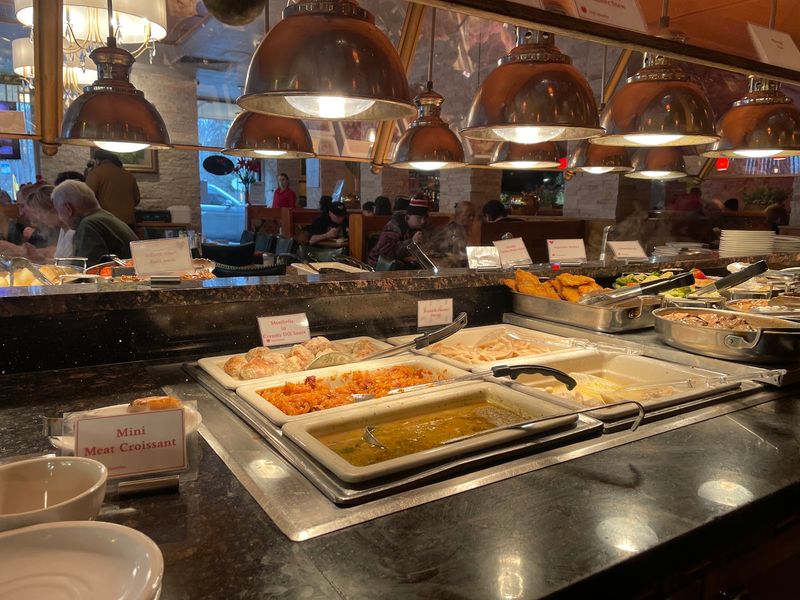
First visits go smoother when you know the routine, and the one here is refreshingly simple.
A hostess seats you as soon as you arrive. Shortly after, a server stops by to take your drink order.
Drinks are an additional cost on top of the buffet price, which is good to know before the check arrives.
After that, the line is all yours. Guests help themselves and return as often as they like.
The staff earns steady praise for being attentive without hovering. Finished plates disappear quickly, drinks get refilled, and servers stay ready to help with questions.
Weekends are busy, and the room fills up. Even so, waits for a table are often short, since the dining area turns over at a reasonable pace.
Nobody seems in a hurry to push diners out. Groups have spent two hours at their tables without feeling rushed, which suits the slow, family-meal style of eating Polish food invites.
A friendly tip for the first round: take small portions. There is no prize for the tallest plate, and the staff will happily clear the way for your next trip.
With the routine sorted, the next question is who will enjoy the room most.
Old-School Charm for Every Kind of Crowd
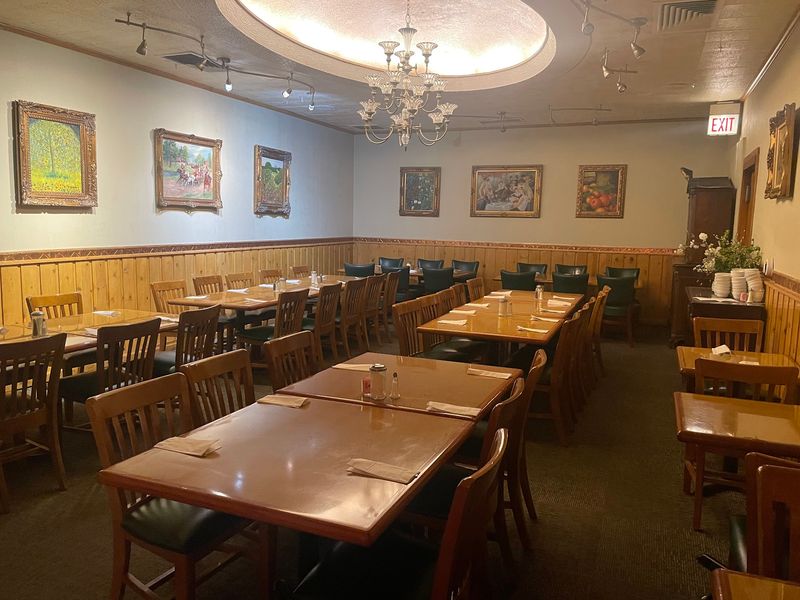
Nobody comes here for sleek modern design, and that is part of the appeal.
The decor is dated in a way that many diners find charming. The room feels like a traditional Eastern European home, and people often compare the experience to a big family gathering at a grandparent’s house.
That setting works for a wide range of groups. Friends celebrate birthdays here, adult children bring parents and aunts, and some out-of-town guests make a stop a tradition every time they visit Chicago.
There is also a separate room that appears suited to parties and private events, a useful detail for anyone planning a larger get-together.
Seating is on the snug side. When the dining room is full, moving between chairs can take a little maneuvering, so travelers with strollers or mobility needs may prefer a quieter hour.
Music plays in the background, and the overall mood is comfortable and unhurried. Couples, solo diners, and big families all fit into the rhythm.
People with Polish roots often describe the meal as a reconnection with family traditions. Others with no background in the cuisine leave as new fans.
Either way, the room delivers what it promises: a relaxed, homey setting built around a shared table.
Hours, Cash and the Parking Puzzle
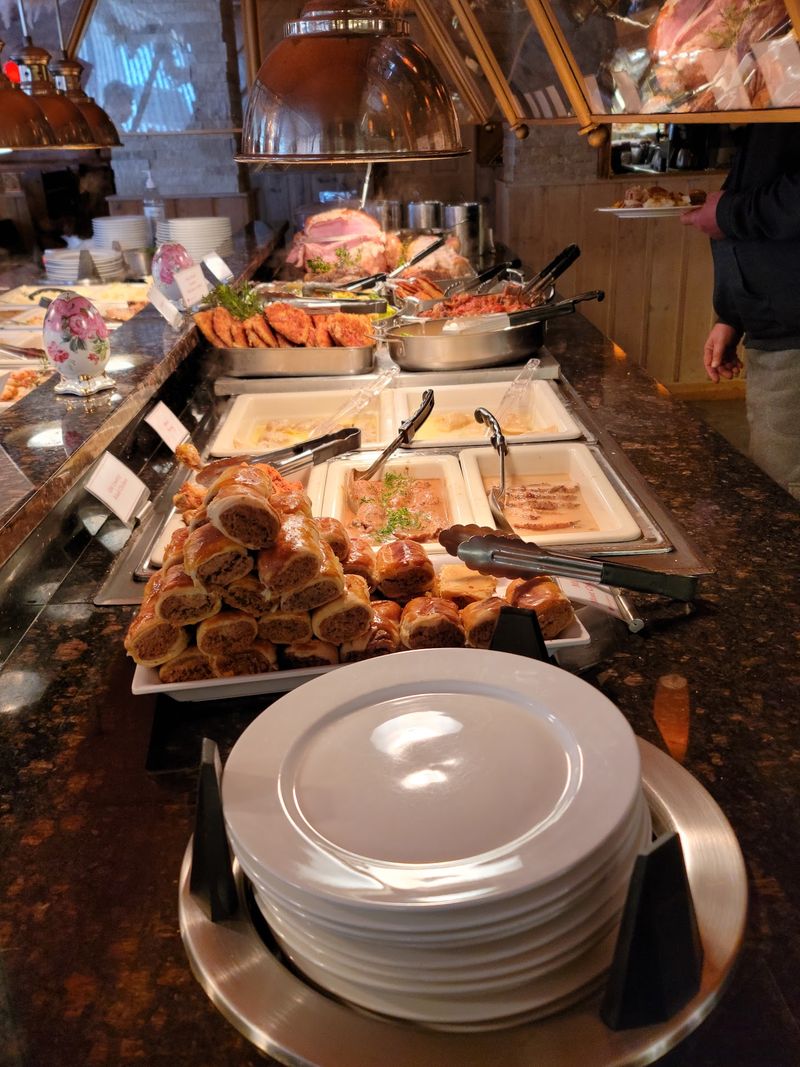
Planning matters here more than at most restaurants, because the schedule is short.
The restaurant is open only three days a week. Friday hours run from 4 to 8 pm, while Saturday and Sunday run from noon to 8 pm.
Monday through Thursday, the doors stay closed, so a midweek craving will have to wait.
The buffet has been listed at $32.99 per person. Paying by card has come with a 3 percent surcharge, while many people describe the restaurant as cash only, so bringing cash is the safest plan.
For a sense of the total, one recent meal for two came to around $74 once drinks were included.
Some diners find the price a little high for a buffet. Most still consider it worth it given the homemade food and the size of the spread.
Parking is the other puzzle. The lot is limited, and guests usually end up searching nearby side streets, so arriving a few minutes early helps.
Carryout by the pound is available for anyone who wants to bring pierogi home instead of settling in for a long meal.
A little preparation goes a long way, and the payoff is a smooth afternoon at the table.
Worth Clearing a Weekend For
A great neighborhood restaurant rarely needs to shout. It just keeps showing up, year after year, with the same care it started with.
That is the best way to sum up this Milwaukee Avenue institution. After nearly four decades, it still builds its reputation on homemade pierogi, a generous buffet, and a staff that treats guests like family friends.
It is not perfect for everyone. The dining room is snug, parking takes patience, and the dessert section gets mixed opinions from pickier eaters.
Still, the strengths are hard to ignore. The line stays full, the staff stays attentive, and the food carries the kind of homemade identity that chain buffets rarely match.
Newcomers to Polish cooking get a low-risk introduction. People with Polish roots get a reminder of family tables and holiday gatherings.
The practical checklist is short. Go Friday evening or on a weekend afternoon, bring cash, leave time to find parking, and pace yourself on the first plate.
Then save room for a second round of pierogi, because there is a good chance you will want it.
Some restaurants feed you once. This one has a habit of turning a single visit into a standing weekend plan.
Enjoyed this story?
Add Fast Food Club as a preferred source to see more of our reporting on Google.