


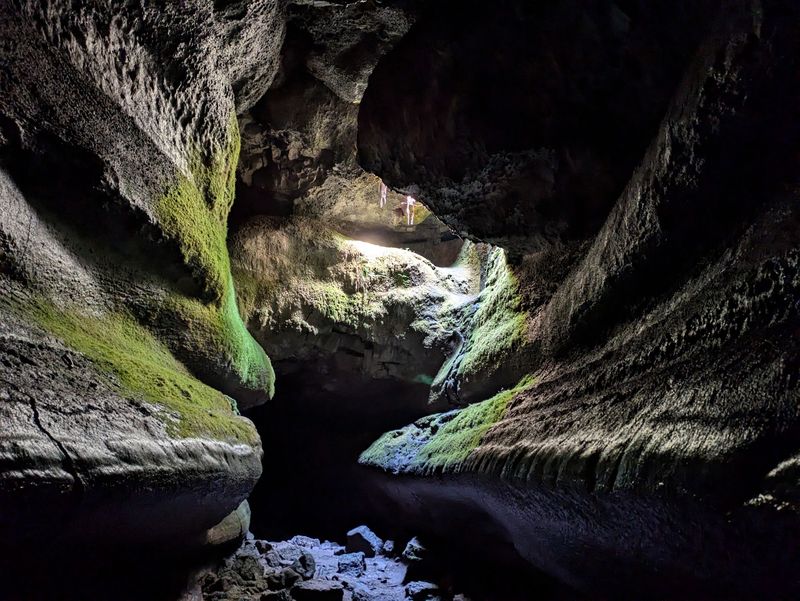
Deep beneath a Washington forest floor sits a tunnel carved by molten rock nearly 2,000 years ago, stretching almost two and a half miles into total darkness. It ranks among the longest lava tubes in North America, and it stays a chilly 42 degrees no matter how warm the day gets above ground.
There are two routes: an easy stroll for young explorers and a boulder-scrambling challenge that leaves grown adults breathing hard. You need a headlamp, sturdy shoes, and a sense of adventure to get through it.
What follows is everything worth knowing before you clip on that light and head underground.
Where This Underground Wonder Hides
Tucked into the Gifford Pinchot National Forest near Cougar, WA 98616, the Ape Cave Interpretive Site sits on the southern flank of Mount St. Helens. The forest above gives no hint of the massive tunnel running below your feet.
Getting here puts you less than two hours from Portland, which makes it a doable day trip for a lot of folks. Some travelers happily rack up a six-hour drive just to walk through it, and they leave saying it was worth every mile.
The site is run by the U.S. Forest Service, so this is public land with rangers on hand and a proper headquarters at the base.
Reservations are handled online, and your name needs to be on the list before you head down.
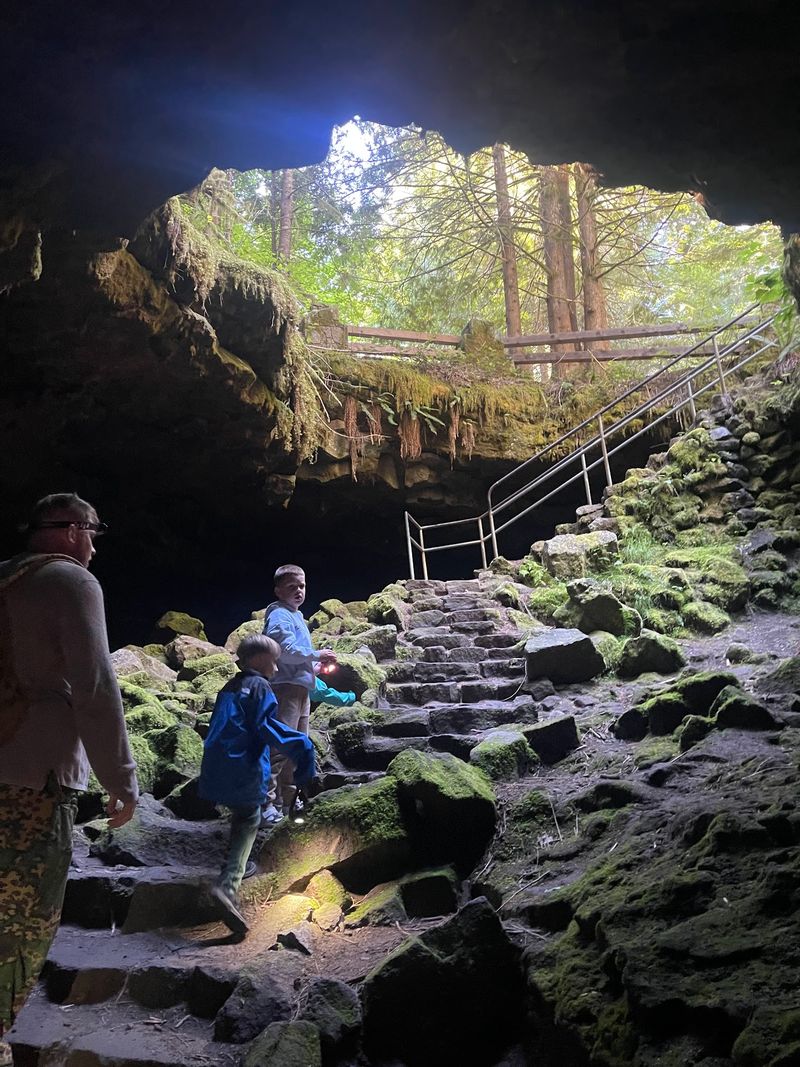
Once you park and find the entrance, a set of stairs drops you into a different world entirely. The greenery vanishes and the temperature falls fast, and suddenly you understand why people rave about this place.
A Tunnel Molded By Ancient Volcanic Fire
Molten rock did all the heavy lifting here long before any human set foot inside. As lava flowed downhill, the outer edges cooled and hardened while the hot core kept moving, eventually draining out and leaving a hollow tube behind.
The result stretches roughly two and a half miles, ranking it among the third longest lava caves in North America. That is a fun bit of trivia to toss out while your legs are burning halfway through the upper route.
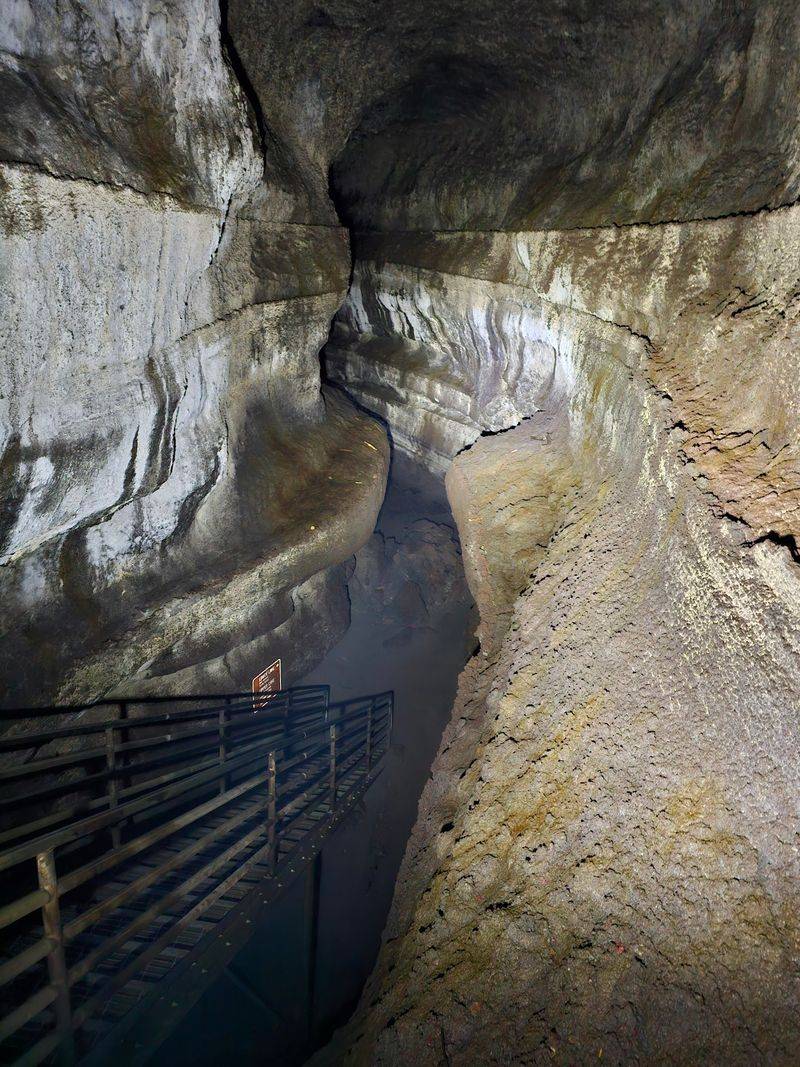
Along the walls and floor you can spot lava flows frozen in place, a snapshot of a moment when the earth was busy reshaping itself. Some sections carry the marks of the last major activity in the region.
Standing inside a formation this old gives the whole trip a weight beyond a normal hike. You are walking through geology that took shape centuries ago, and it still looks remarkably intact.
The Easygoing Lower Route
Newcomers and families with little ones tend to start with the lower cave, and for good reason. It runs about three-quarters of a mile in and the same back, roughly a mile and a half round trip with no climbing required.
The ground stays uneven, and there are a few spots where you step up or down depending on your direction. Even so, most people move through it comfortably in around 45 minutes to an hour.
Young explorers do especially well here since the passage is wide and forgiving. There are even stairs in places, which keeps things manageable for older adventurers too.
Good light and sturdy footwear are still the price of admission, but the pace stays relaxed. For anyone wanting a taste of the underground without a full workout, this route delivers the goods.
The Boulder-Scrambling Upper Challenge
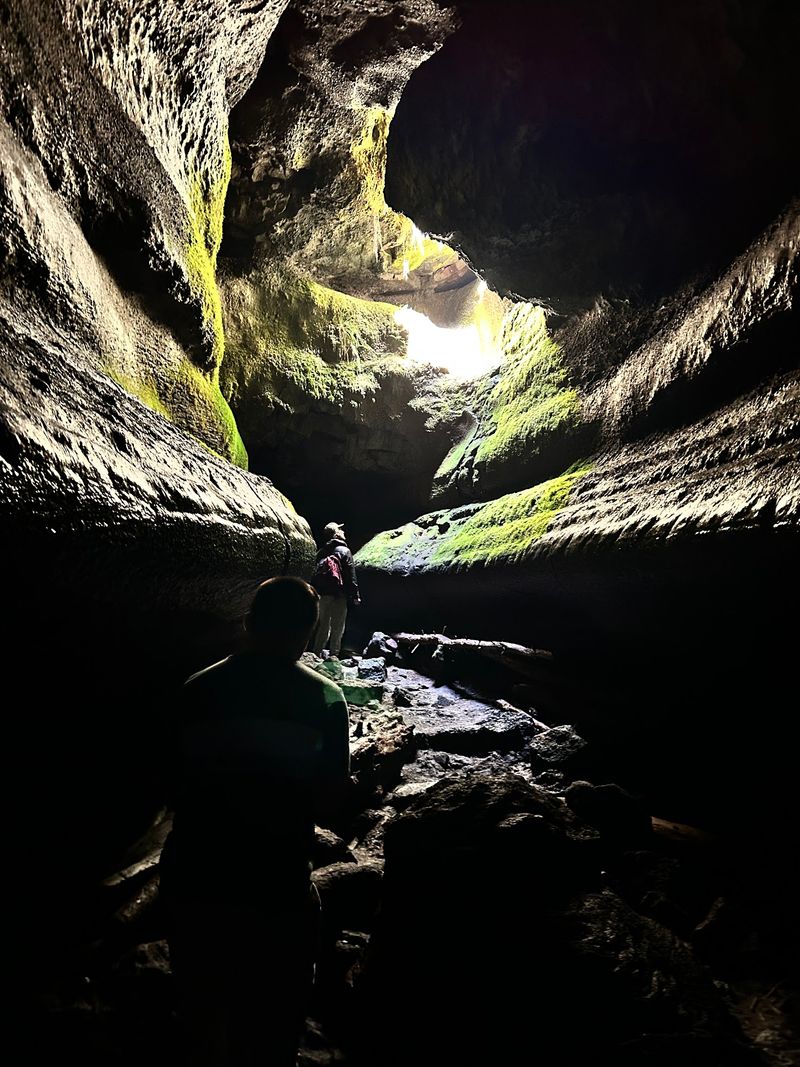
Adventurers craving something tougher point their headlamps toward the upper cave, and it does not disappoint. The route runs about 1.5 to 1.75 miles through the tunnel, followed by a return hike on the surface trail.
Expect a lot of climbing. Some counts put the boulder piles at 27, and you scale up one massive heap only to climb back down and repeat the process again and again.
People routinely finish more strenuous than they expected, even after reading up ahead of time. Some cover it in an hour, while others take three or four hours depending on skill and how many photo stops they make.
The payoff is a genuine sense of accomplishment plus far fewer people around, since many turn back at the first pile of rocks. If the opening boulders feel like too much, that is your cue to switch to the lower route.
That Notorious Eight-Foot Wall
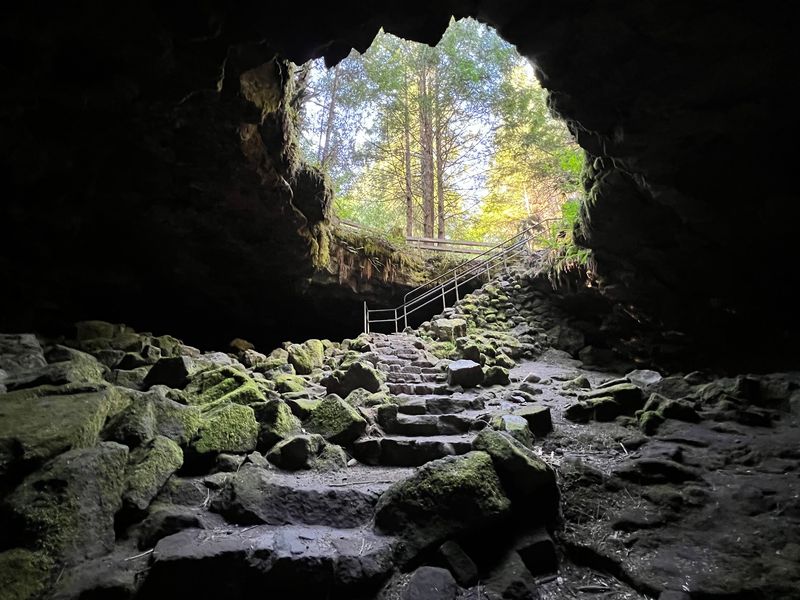
Somewhere in the upper cave, the tunnel throws its biggest curveball: a mostly smooth boulder standing about eight feet tall that you simply have to get over. It has stopped many a hiker in their tracks.
Teamwork usually saves the day. Groups boost the smaller members up first, then push and pull the rest over the top, and a rope with a loop knot is often left hanging to give feet a hold.
Rain makes the wall slick and considerably harder, so weather plays a real role in how tricky it gets. Even so, most people who reach it manage to conquer it with a little help.
Here is the honest twist though: the terrain gets even harder after the wall, not easier. Rangers tell folks that once you have made it this far, you will not want to turn back, and they tend to be right.
Why A Headlamp Beats A Flashlight Every Time
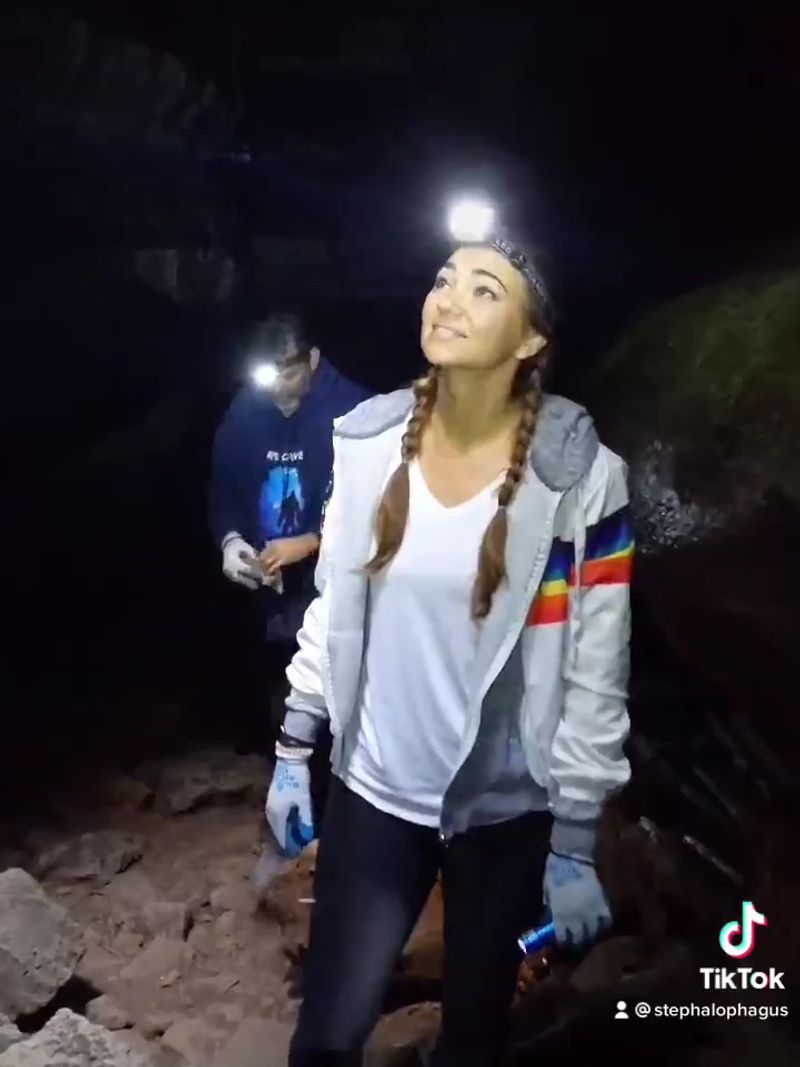
Of all the advice floating around about this place, one tip rises above the rest: bring a headlamp. People who arrive with flashlights and lanterns often struggle while headlamp-wearers cruise past them.
The reason is simple. On the upper route your hands stay busy gripping rock and hauling yourself up ledges, and there is no free hand to hold a light while doing that.
A cell phone flashlight does not even come close to being bright enough, and a narrow beam leaves too much darkness. The brighter the lumens, the better, and carrying both a headlamp and a backup light is the smart play.
Dropping a flashlight down between the rocks is a headache nobody wants, so hands-free lighting keeps you moving. Clip one on your forehead and the cave suddenly feels a lot friendlier.
Bundle Up Against The Underground Chill
Summer heat has no power down here. The cave holds steady at roughly 42 degrees year-round, so a scorching 80-plus degree day outside turns the tunnel into a refreshing escape.
Layering works best since you can peel off pieces if you warm up while climbing. A single jacket is often enough, though hands tend to get cold fast, which is where gloves earn their spot.
Leather or gardening gloves pull double duty by keeping fingers warm and protecting them during all the scrambling. A hat helps too, and some folks tuck hand warmers into their pockets for extra comfort.
People coming straight from a hot parking lot sometimes forget how much the temperature drops. Toss a coat in the pack even on a warm day, and you will thank yourself once you are underground.
The Skylight And The Ladder At The End
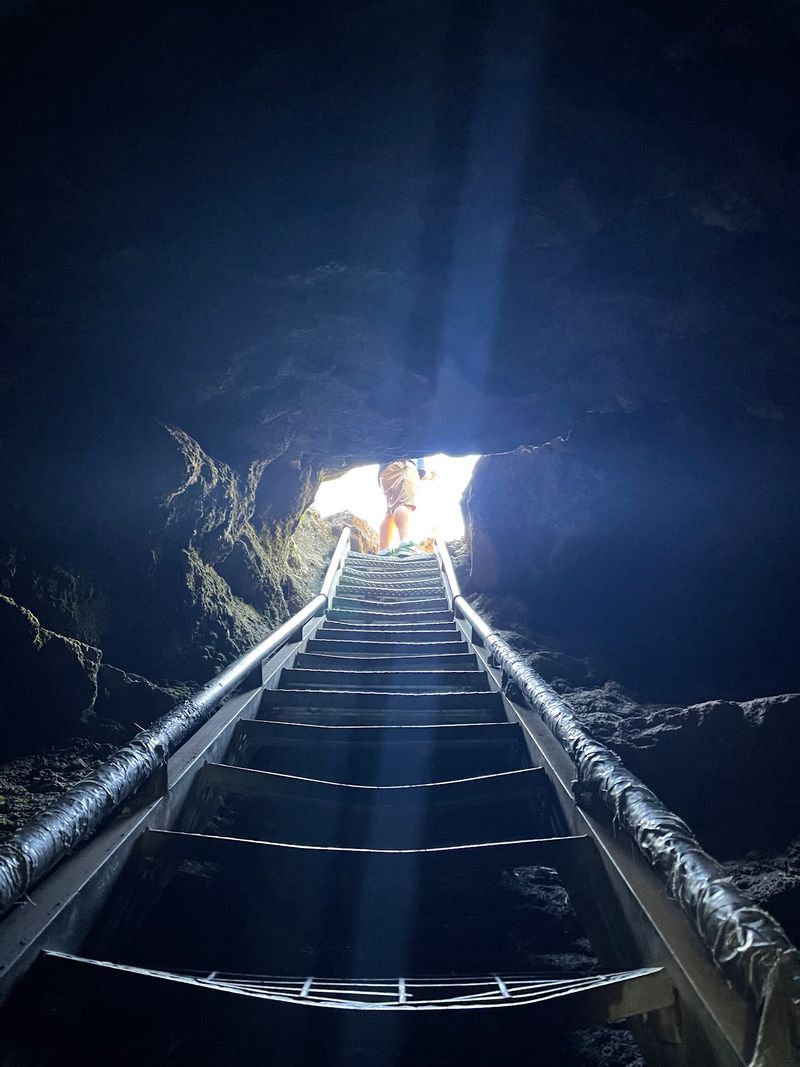
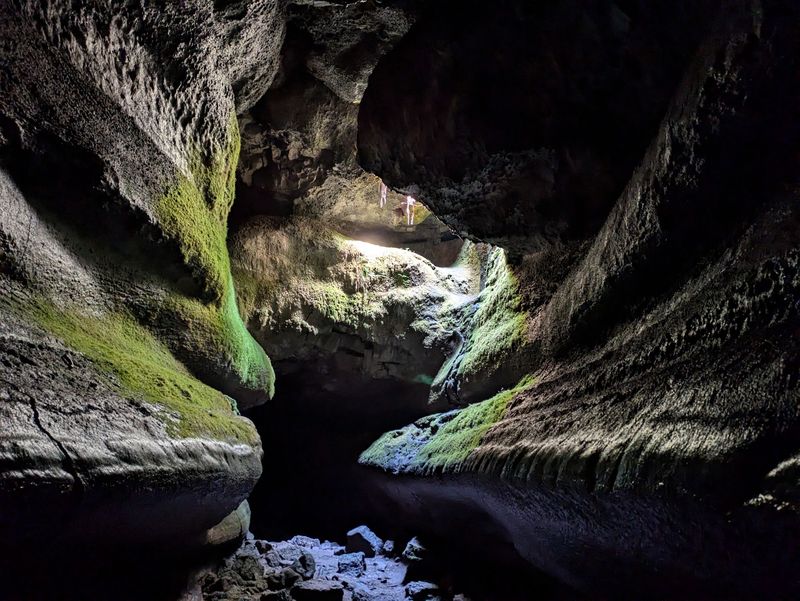
Deep into the upper route, a small skylight breaks through the ceiling and lets natural light spill in. It is a lovely spot to pause and catch your breath before the final push.
Spotting the skylight also serves as a handy signal that you are nearing the end of the tunnel. After miles of darkness, that shaft of daylight feels like a well-earned reward.
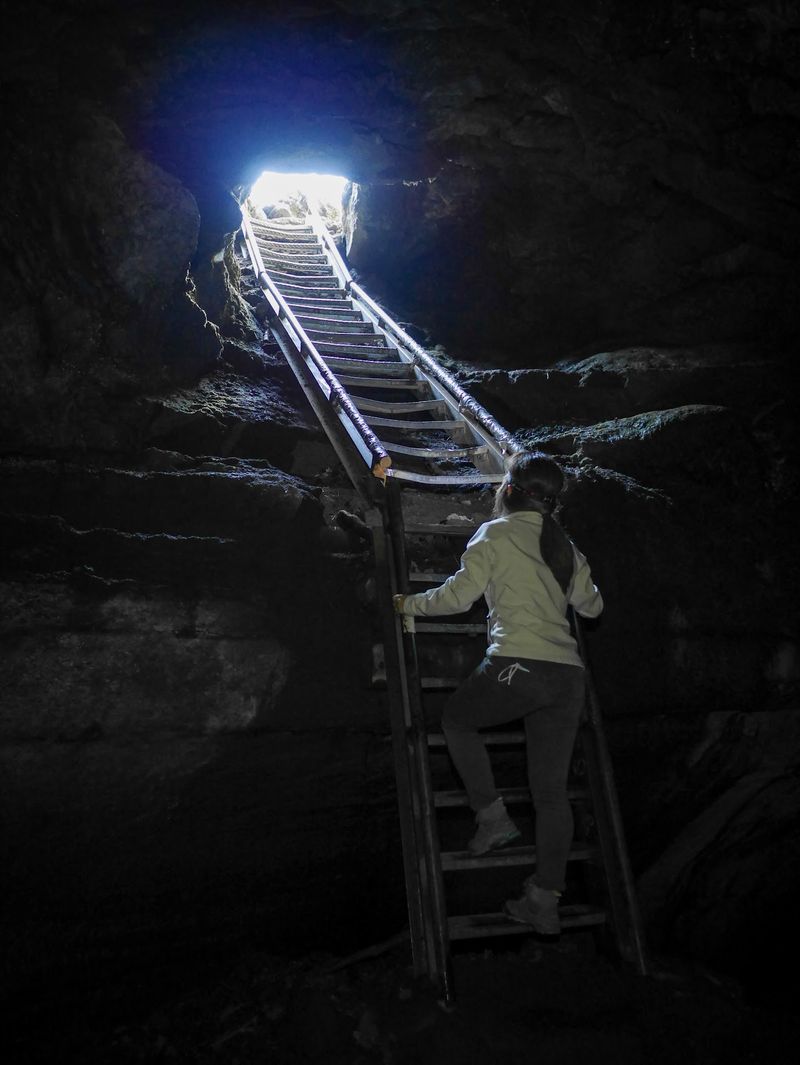
The grand finale is a metal ladder that climbs about 20 to 30 steps up through a small hole to reach the surface. It is your ticket back into the forest.
If you are hauling a bulky backpack, the smart move is to hand it up to someone at the top so you can squeeze through the opening. Slim packs make this whole exit far less awkward.
Cathedral Acoustics In The Dark
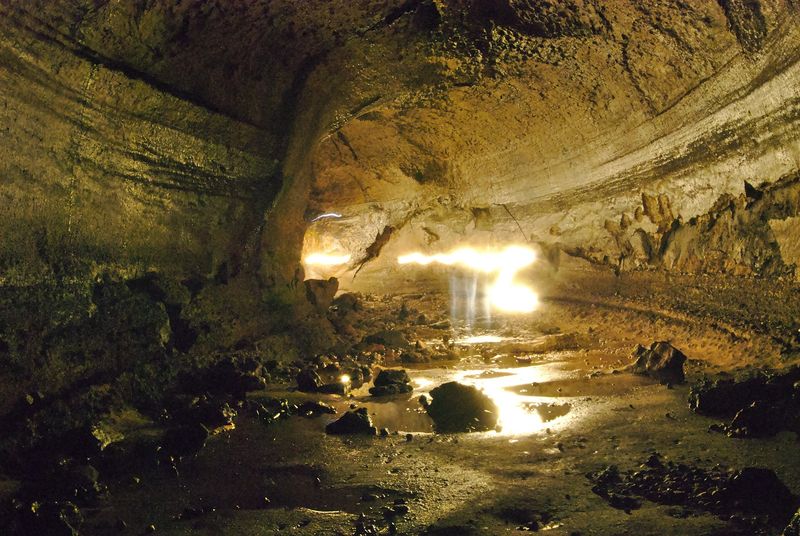
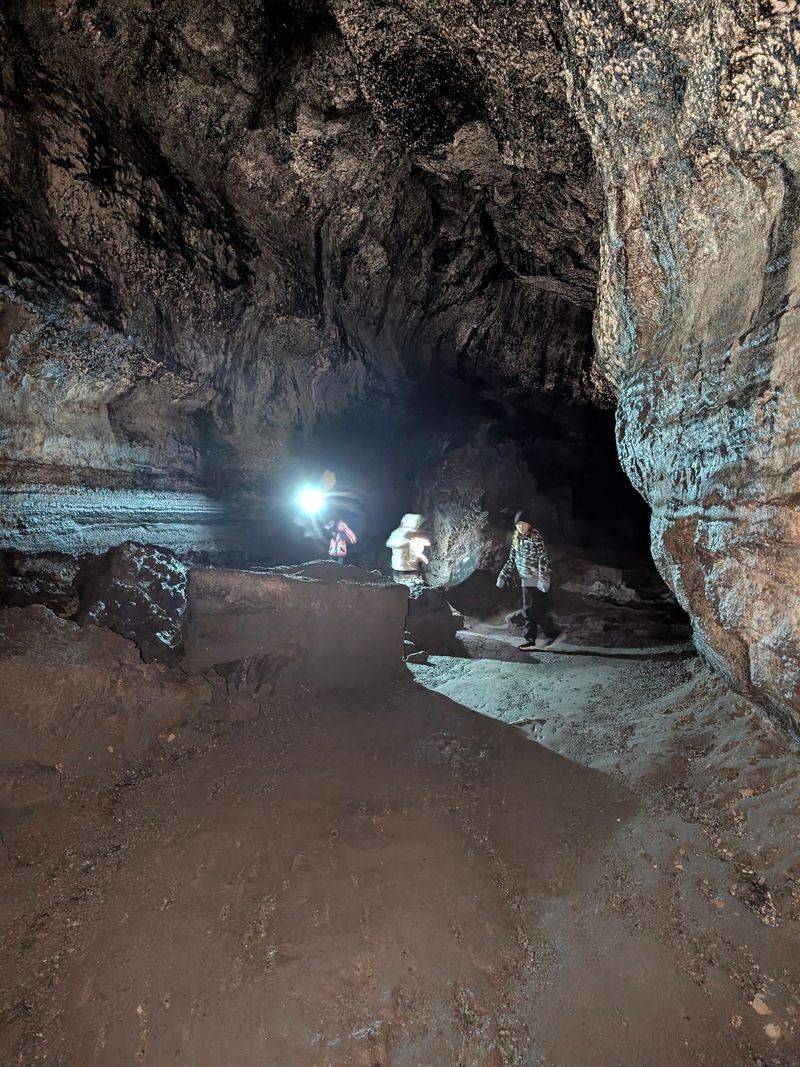
Certain stretches of the cave open up into wide, tall chambers that feel almost like a cathedral. The sheer scale of these sections surprises people who expected a cramped tunnel.
Because the space is so large, the cave is not the claustrophobic experience many fear. Only the final ten meters or so narrows before sand fills the passage and the walkable route ends.
The acoustics in these grand rooms are something special. On one occasion a group broke into an ethereal song, and the sound carried through the chamber in a way that left listeners spellbound.
For a change of pace, try switching off every light and standing in the total darkness for a moment. It is a strange and memorable pause that adds a whole new dimension to the trip.
An Adventure Built For Active Families
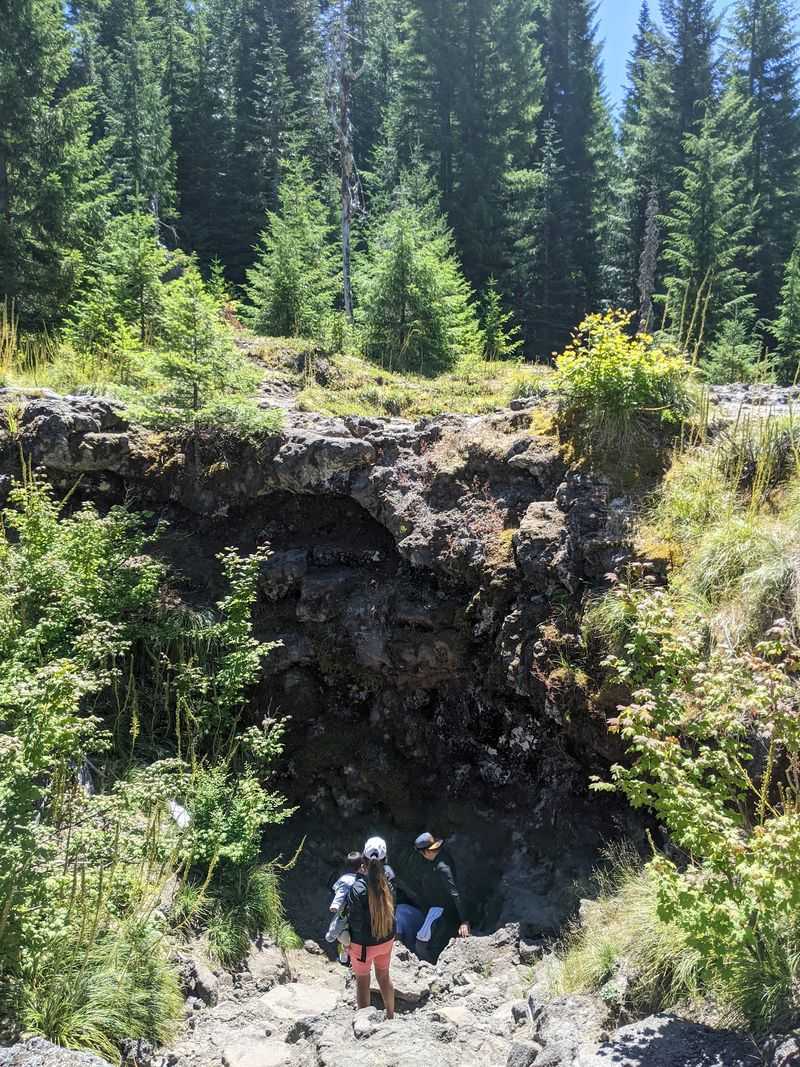
Plenty of families make this an annual tradition, returning summer after summer to tackle the tunnel together. It has become a rite of passage for parents and kids who love a good challenge.
Children as young as five and seven have made it through the difficult upper route, sometimes with a few tears along the way. More than one youngster has passed struggling adults on the harder stretches.
The climbing turns into a genuine team effort, with everyone boosting, pulling, and encouraging one another over the obstacles. That shared struggle is exactly what makes the memories stick.
Good balance, decent strength, and a willingness to get a little worn out are the main requirements. For active families who thrive on a physical outing, this cave hands them a story they will retell for years.
Footwear And Gear That Save The Day
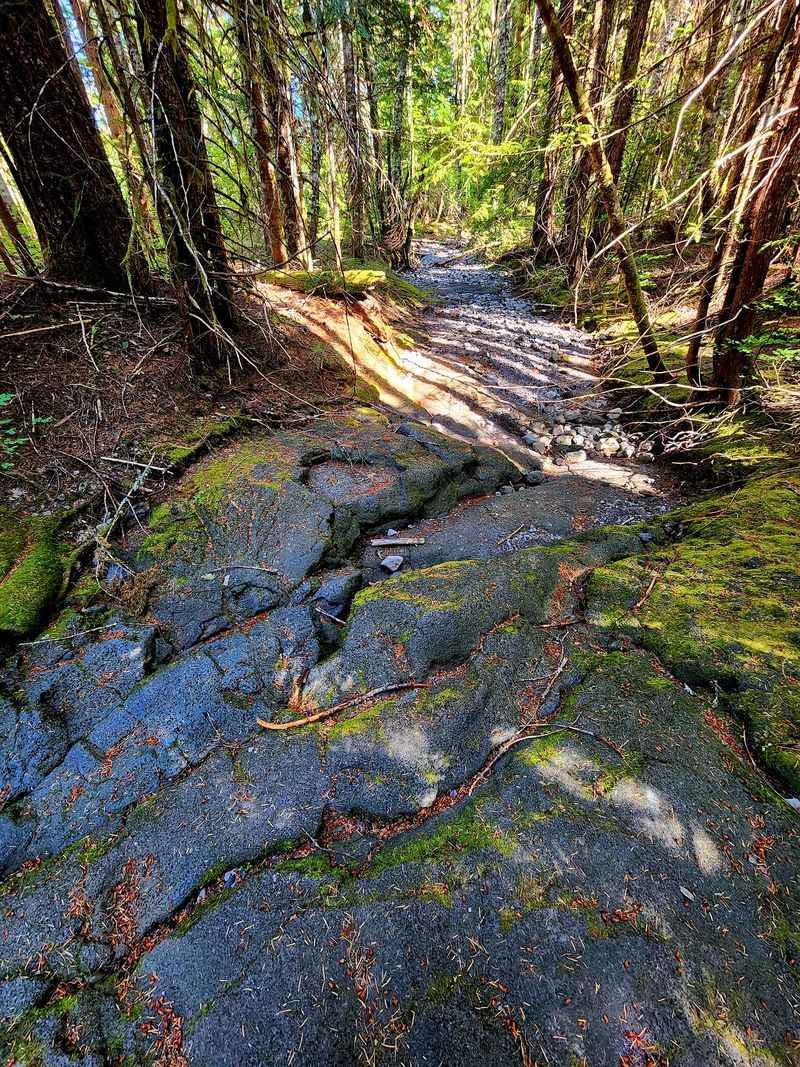
Flip-flops and crocs have no business down here. The floor is scattered with good-size rocks and the occasional puddle, and sturdy hiking shoes give the grip you actually need.
Some areas stay moist and slippery, so decent traction keeps you upright when the ground gets tricky. Tennis shoes technically work, but the lava rock tends to chew them up.
Long pants beat shorts too, since scrambling over rough rock can leave your shins looking rough. Gloves protect your hands, and a small kit with bandages and wipes is worth tossing in the pack.
Water and a snack round out the essentials, especially if you plan to tackle both routes. Hunger and exhaustion have sparked plenty of end-of-hike bickering, so a bit of fuel keeps the peace.
Reservations, Passes, And Rental Lanterns
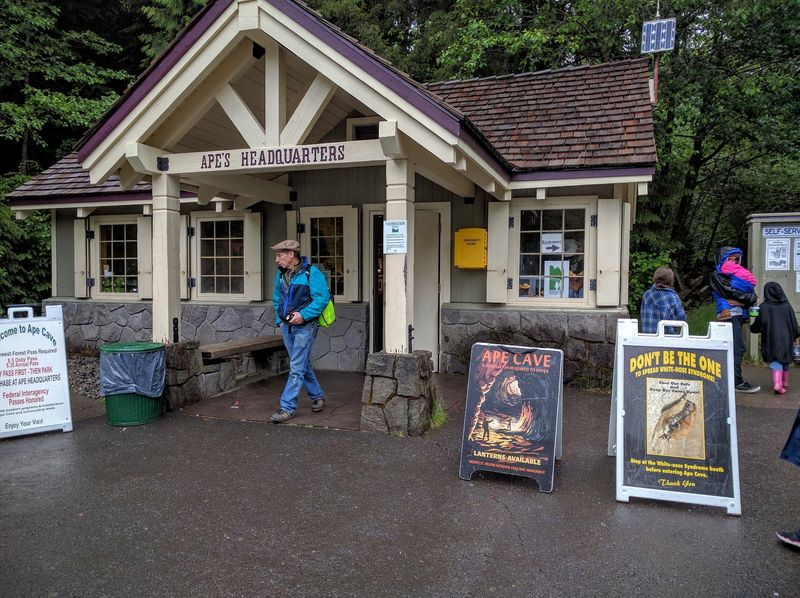
Two things stand between you and the cave: a reservation to enter, handled online only, and a parking pass you can grab online or in person. Without your name on the list, the entrance staff will turn you around.
The registration to reserve a time slot runs about $2 per car, with parking around $5. At the entrance, your booking QR code, name, and party size get checked, and you write the same details on paper to keep on your dashboard.
If you did not pack your own lights, the Ape Headquarters rents lanterns for around $5 each, though headlamps remain the better bet. The gift shop also sells other handy items and day tickets.
Booking well ahead is the wiser move, since spots fill up. Rangers tend to be reasonable about exact timing, but that reservation is non-negotiable.
Hours, Season, And Getting There
The interpretive site keeps regular hours, open seven days a week from 9 AM to 5 PM. The headquarters runs during the season, roughly mid-May through the end of October.
Reaching the cave puts you less than two hours from Portland and within day-trip range of Seattle as well. That makes it an easy add-on for anyone touring the Mount St. Helens area.
Cell service disappears completely once you are near the cave, so downloading maps ahead of time is a smart precaution. Getting turned around underground is no fun without a saved reference.
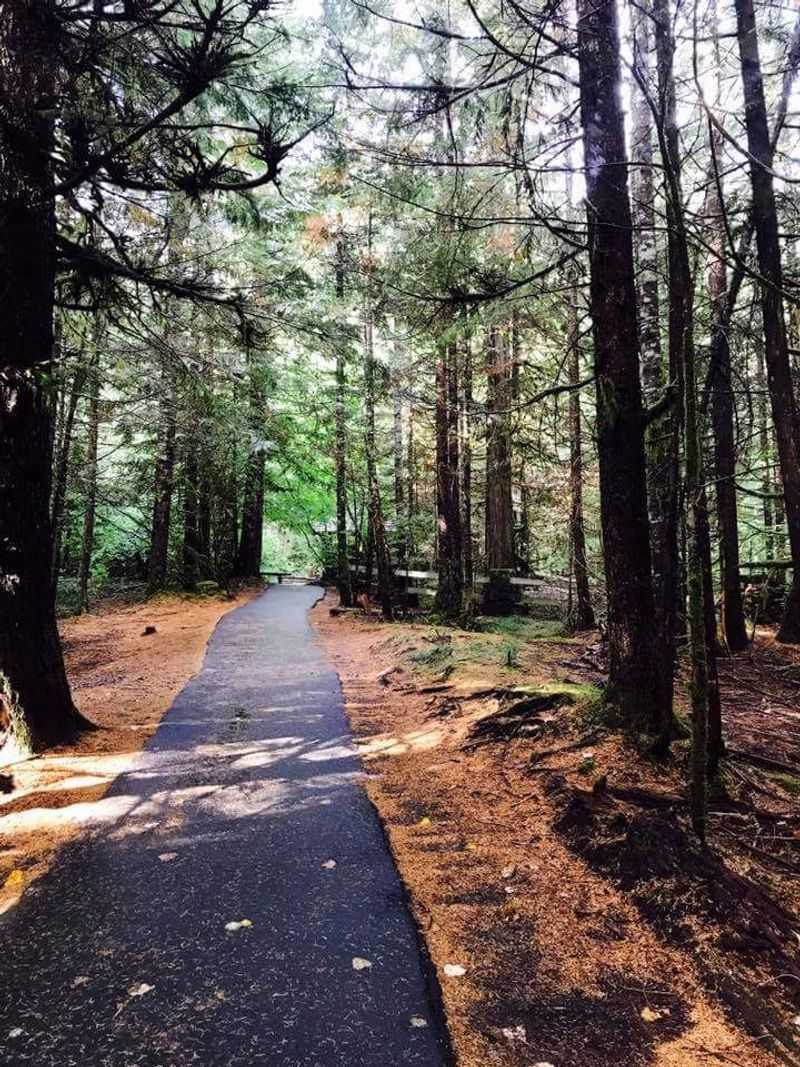
The surface hike back to the parking lot after the upper route takes about 25 to 30 minutes and runs mostly downhill. It is a pleasant walk through the forest that gently winds down the adventure.
Why This Underground Trek Earns Its Reputation
Few outings pack this much wonder into a single afternoon. With a stellar 4.8-star standing across more than 1,200 pieces of feedback, the Ape Cave has clearly won people over.
The mix of easy family strolling and genuine boulder-scrambling challenge means it fits a wide range of adventurers. You get to choose your own difficulty and still walk away with a story worth telling.
Between the frozen lava flows, the cathedral-sized chambers, and that dramatic ladder finish, the whole experience feels like exploring another planet. Many people return year after year and still find it fresh.
Pack your headlamp, layer up against the chill, and lock in that reservation before you go. This ancient tunnel under the Washington forest rewards the effort, and it tends to leave folks planning their next visit before they have even reached the car.
Enjoyed this story?
Add Fast Food Club as a preferred source to see more of our reporting on Google.