


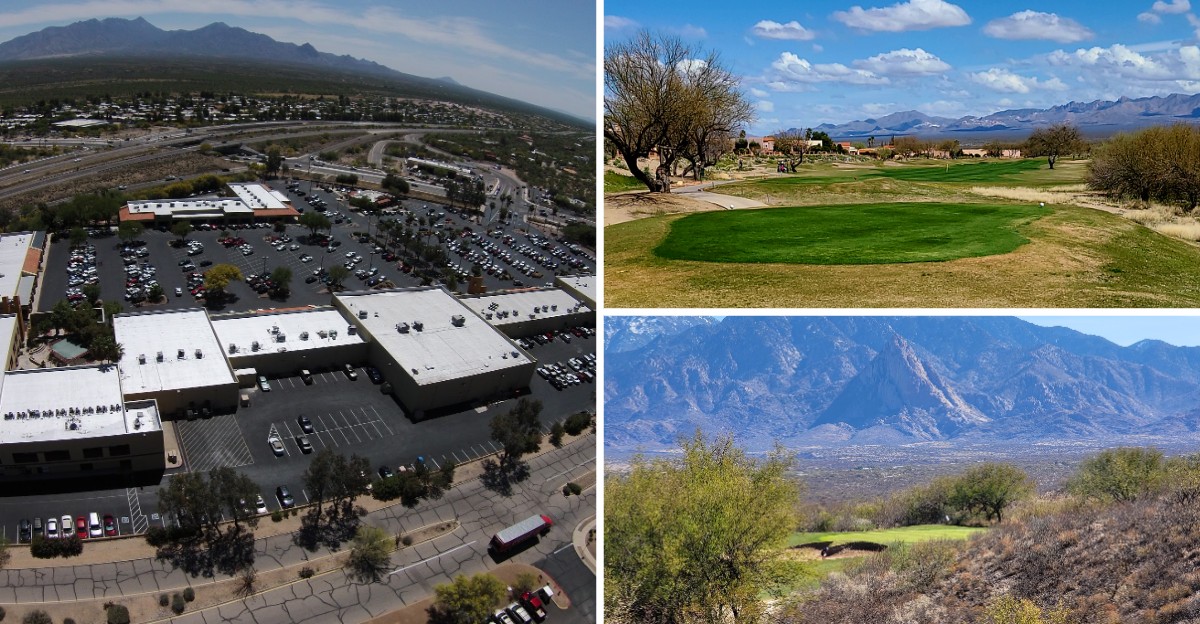
About 25 miles south of Tucson, a desert community has quietly built a reputation that many retirees keep talking about. Fairways run past rows of modest homes, mountains fill the skyline, and some listings near the greens may still come in under $250,000.
That kind of number is getting harder to find in much of the country, which is exactly why this corner of southern Arizona keeps showing up on retirement wish lists. Here is what the place is, how it came to be, and what to know before packing the golf clubs.
A Desert Address in Pima County
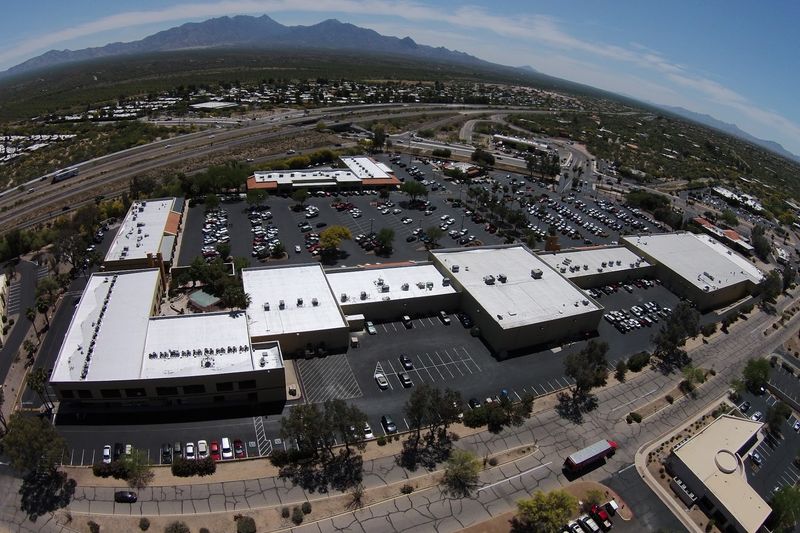
Green Valley sits in Pima County, Arizona, in the United States, south of Tucson along Interstate 19. It is not a city in the official sense.
Instead, it is an unincorporated community and census-designated place. That means it has no city government of its own, and many services are handled at the county level.
Size is another surprise. The 2020 census counted 22,616 residents, which puts it well beyond the small village some people expect.
The location works in its favor. Tucson is close enough for airport runs, big shopping trips, and medical appointments, while the community itself keeps a slower, quieter rhythm.
Interstate 19 continues south toward the border city of Nogales, so the area also serves as a handy base for exploring the wider region. Drivers coming from Tucson International Airport can usually reach the community in well under an hour, depending on traffic.
For retirees comparing places on a map, that blend of access and distance matters. Green Valley offers a spot that feels removed from metro bustle without being cut off from it, and that balance sets up everything else this article covers.
Roots of a Retirement Town
Plenty of towns grow by accident. Green Valley was largely planned with retirees in mind.
Development of the community began in the 1960s, and it was marketed early on as a place for older adults looking for sunshine and a simpler lifestyle. Many of its first neighborhoods were built around shared amenities rather than downtown streets.
Over the decades, the population climbed steadily. Retirees from the Midwest, the Pacific Northwest, and Canada became a familiar part of the mix, and many of them arrived as seasonal residents before deciding to stay year-round.
That history shapes the place today. A large share of homes sit in age-restricted or adult-focused neighborhoods, and community life still revolves around clubs, classes, and recreation centers.
The town never really tried to become a big city. It grew outward instead, adding subdivisions and golf courses while keeping its identity tied to the people who first made it popular.
Knowing that backstory helps explain why the housing stock looks the way it does. Many homes are older and smaller, and that is part of the reason prices can stay lower than in newer resort markets.
Mountains on the Doorstep
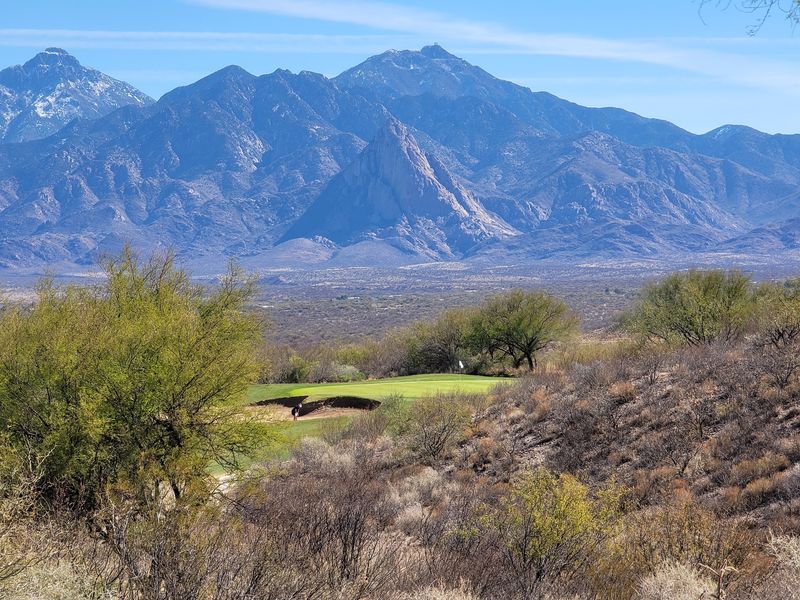
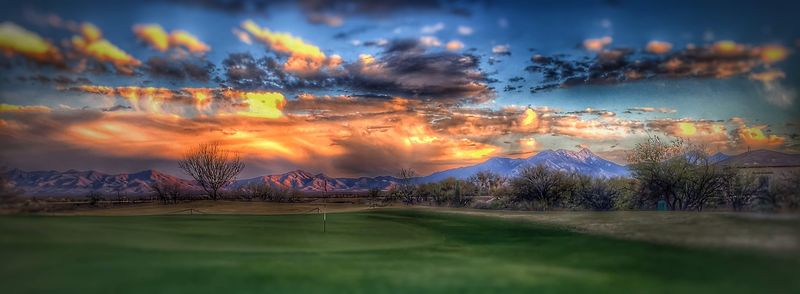
Scenery does a lot of heavy lifting here. The Santa Rita Mountains rise to the east, and Mount Wrightson, the tallest peak in the range, tops out above 9,400 feet.
Green Valley itself sits at roughly 2,900 feet in elevation. That is higher than Tucson, which can mean slightly milder conditions on some days.
The Santa Cruz River valley runs through the area, and the land around it is classic Sonoran Desert. Mesquite, creosote, and cactus fill the open spaces between neighborhoods.
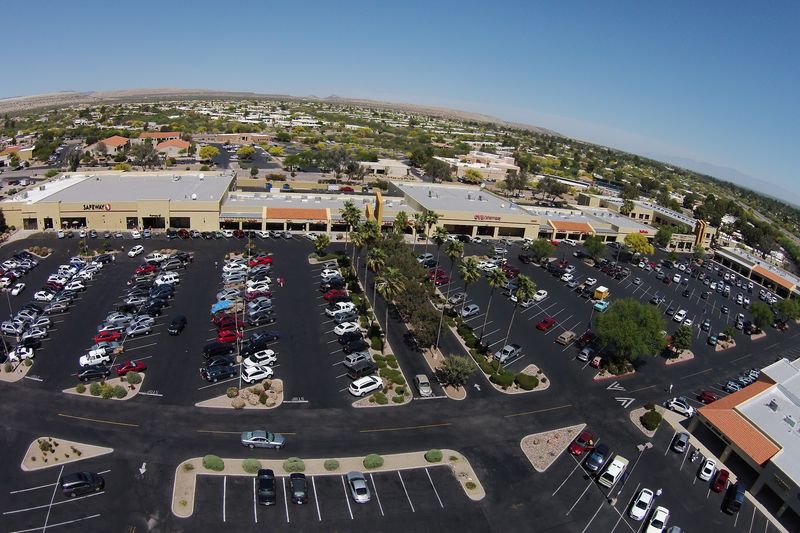
For residents, those views are not a weekend trip. They show up from back patios, golf course tee boxes, and grocery store parking lots.
The mountains also shape daily plans. Hikers, birders, and casual drivers head into the foothills for a change of scene, and the higher elevations offer a break when the valley floor warms up.
Newcomers often mention the open skyline as one of the first things that sold them. With fewer tall buildings and wide desert spaces, the landscape stays front and center, and it rarely gets old.
Fairways Woven Through the Neighborhoods
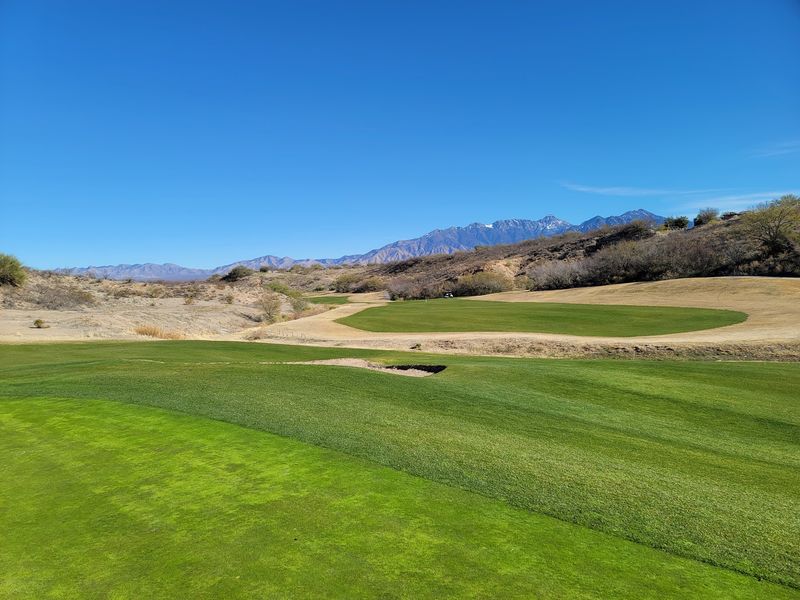
Golf is not a side note in Green Valley. It is close to the main event.
The area has several courses, including well-known names such as Canoa Hills, Haven, San Ignacio, and Torres Blancas. Some are public, some are semi-private, and offerings can change over time, so checking current status before visiting is smart.
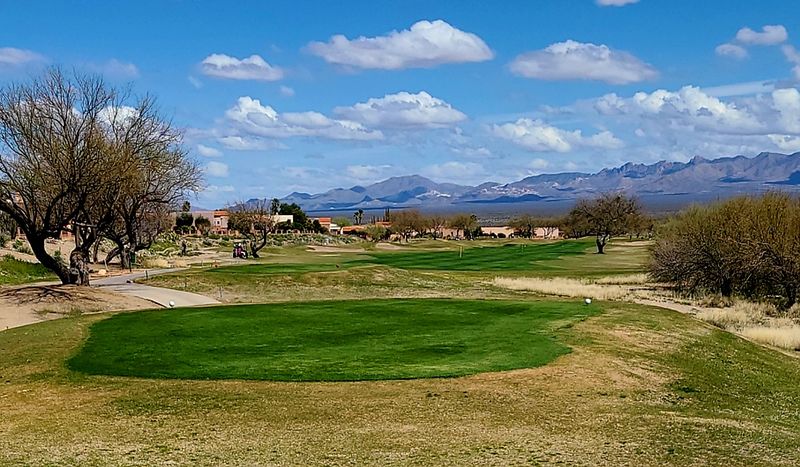
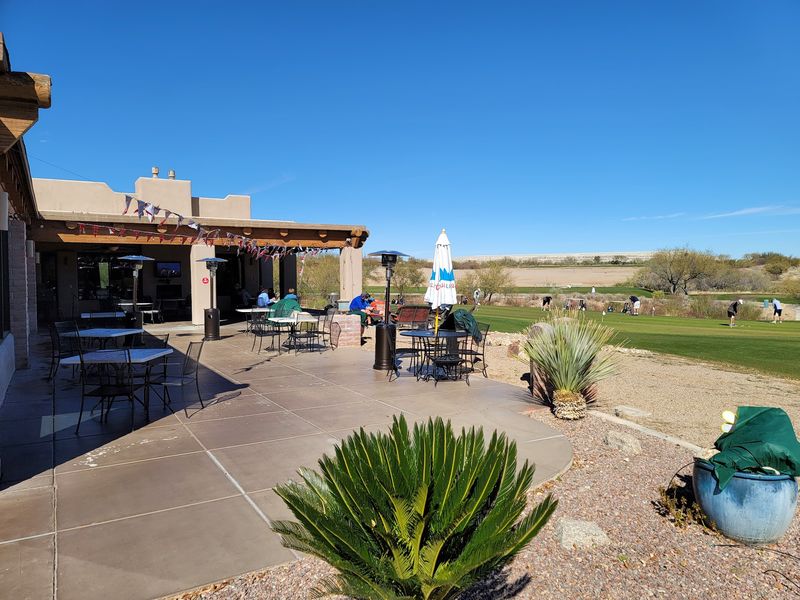
Many of the courses wind directly through residential streets. That layout is what creates the golf-course homes the community is known for, with backyards that face fairways or sit just a short cart ride away.
Courses here generally follow the desert style. Green turf runs between stretches of natural landscape, and mountain views appear on many holes.
For retirees, the appeal is practical as much as recreational. A tee time can fit into a weekday morning without a long drive, and winter weather tends to keep play going while courses up north close for the season.
Membership and green fees vary from course to course. Anyone planning around golf should call ahead or check each course directly for current rates and policies.
The $250,000 Question
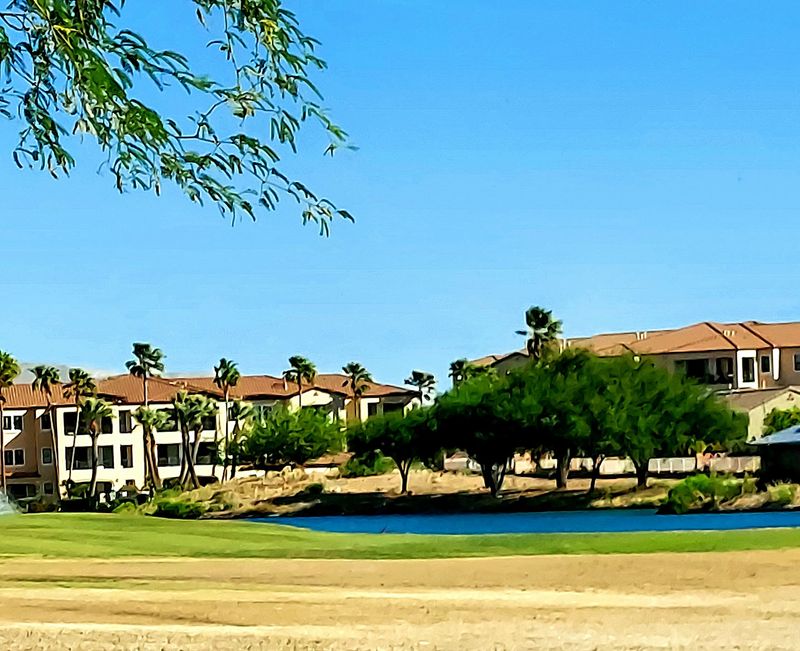
Sticker shock has pushed many retirees out of their dream markets. Green Valley is one of the places where the numbers may still work.
Listings near golf courses can still be found under $250,000, though availability changes constantly. These are often older townhomes, condos, or smaller single-family homes rather than large new builds.
Several factors help keep some prices lower. Much of the housing dates back decades, many homes are compact, and the community has a large supply of resale properties.
Buyers should look closely at the full cost, not just the asking price. Homeowners association fees, recreation fees, insurance, and any needed updates can change the monthly budget quite a bit.
Prices also vary by neighborhood, view, and condition. A home right on a fairway with mountain views will usually cost more than a similar unit a few streets away.
Working with a local real estate agent who knows the area is the simplest way to see what is actually on the market. Treat the $250,000 figure as a possibility worth exploring, not a promise.
Recreation Centers at the Heart of It All
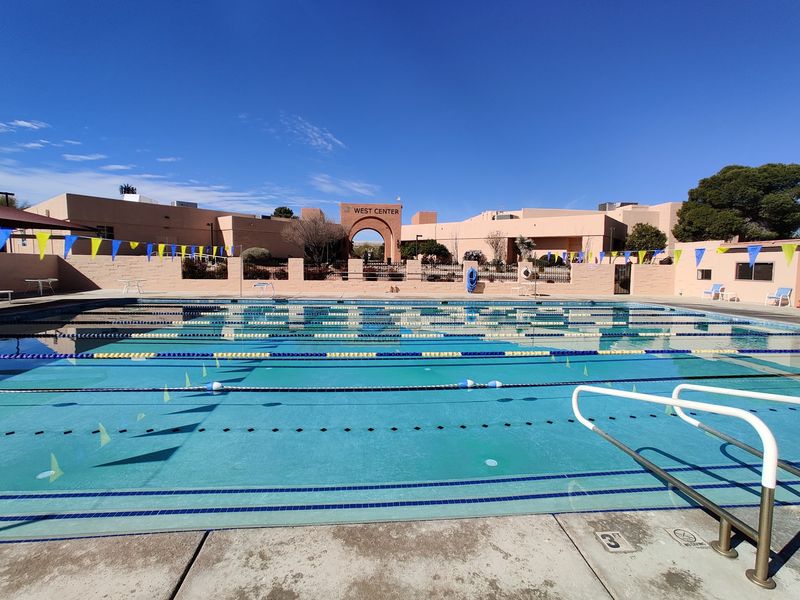
Ask locals what keeps them busy, and the answer often comes back to the recreation centers.
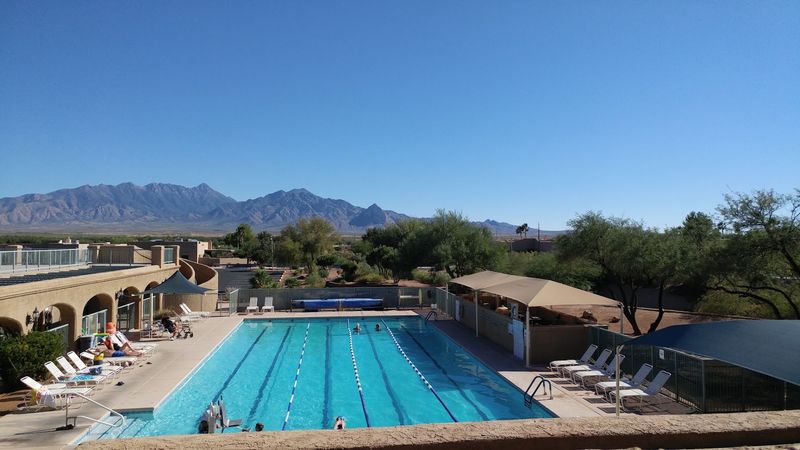
Green Valley Recreation, a member-owned nonprofit, operates a network of centers across the community. Facilities include pools, fitness rooms, tennis and pickleball courts, and spaces for arts and crafts.
Membership is generally tied to property ownership in covered areas. That is one reason buyers should ask whether a specific home includes access and what the annual fees are.
The centers also host clubs. Woodworking, lapidary, ceramics, card games, and fitness classes are among the kinds of groups that meet, and the lineup can shift with member interest.
For new arrivals, this setup makes it easier to meet people. Instead of waiting for invitations, residents can simply show up to a class or a club meeting.
Not every neighborhood is part of the same system, and some subdivisions have their own private amenities. Sorting out which facilities come with a home is a step worth taking before signing any paperwork.
Pickleball Fever and Other Pastimes
Golf may get top billing, but pickleball has become a serious contender for the community spotlight.
Courts at recreation centers draw steady crowds, and the sport fits the area well. It is social, easy to learn, and works for a wide range of fitness levels.
Tennis still has its fans too. Swimming laps, water aerobics, and walking groups round out the active options.
Plenty of residents prefer quieter hobbies. Book clubs, painting classes, and volunteer groups give people a way to stay involved without breaking a sweat.
The calendar tends to be busiest in the cooler months, when seasonal residents return. Activities do not stop in summer, but schedules may slow down and outdoor play often shifts to early mornings.
Newcomers who want to try something new have plenty of room to experiment. A person who arrives as a golfer might leave a year later with a pickleball paddle, a pottery habit, and a much fuller social calendar.
Madera Canyon Next Door

A short drive turns desert flats into wooded canyon trails. Madera Canyon, in the Coronado National Forest, sits in the Santa Rita Mountains just southeast of Green Valley.
The canyon is popular with hikers, picnickers, and birders. Trails range from easy paved paths to steep routes that climb toward Mount Wrightson.
Birding is a major draw. The area is widely known among bird enthusiasts, and spring tends to bring extra activity.
Higher elevation in the canyon can make it a welcome escape on warmer days. Trees replace much of the desert scrub as the road climbs.
A day-use fee or recreation pass may be required, and parking can fill up on busy weekends. Checking with the Coronado National Forest before heading out is a good idea.
For residents, having a national forest this close is a real perk. A morning hike and an afternoon round of golf can fit into the same day without much effort.
Cold War History Down the Road
Few retirement towns can claim a Cold War relic nearby. Green Valley can.
The Titan Missile Museum sits just off Interstate 19 in neighboring Sahuarita, a few minutes from Green Valley. It preserves a former Titan II missile site, with the missile still in its silo.
Guided tours take guests into the underground control center. The experience explains how crews lived and worked during the Cold War era.
The site is a National Historic Landmark. It makes a strong outing for history fans and an easy stop when family comes to visit.
Some tours involve stairs and tight spaces, so it helps to check accessibility details in advance. Hours and ticket prices can change, so the museum’s official information is the best source before going.
Having a place like this nearby adds variety to life in the area. Not every afternoon has to involve a golf cart or a pool.
Missions, Pecans, and Day Trips
Life here stretches well past the neighborhood gate. The Santa Cruz Valley offers several easy day trips.
Large pecan orchards line parts of the valley near Sahuarita. Rows of trees along the highway are a familiar landmark for anyone driving the corridor.
Farther south, Tubac is known as an arts community with galleries and shops. Tumacácori National Historical Park preserves Spanish colonial mission ruins and tells the story of the region’s early history.
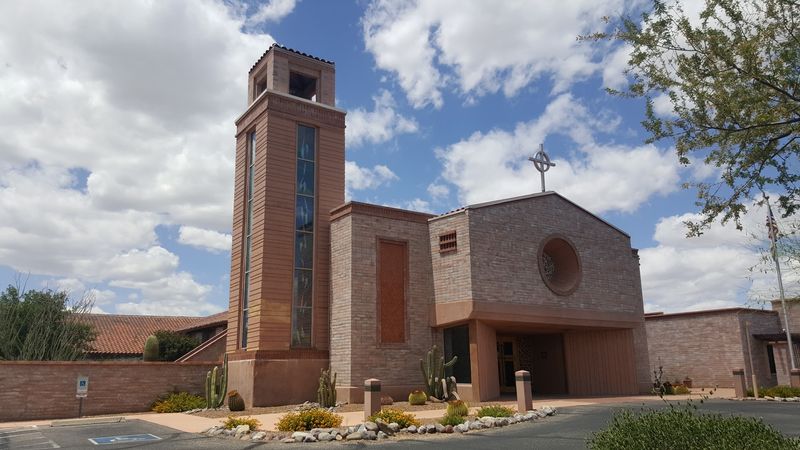
Heading north, Mission San Xavier del Bac sits just outside Tucson. It is one of the best-known historic landmarks in the state.
These spots make good outings with visiting relatives. They also give residents a way to learn about the region they now call home.
Most of these trips can be done in half a day. That keeps them flexible enough to squeeze between club meetings and tee times.
Seasons, Snowbirds, and Summer Heat
Winter is the busy season, and the reasons are not hard to guess.
From roughly November through April, mild days draw seasonal residents from colder parts of the United States and Canada. Golf courses, clubs, and restaurants tend to see more activity during these months.
Summer is a different story. Temperatures regularly climb high, and residents plan outdoor time for early mornings or evenings.
The monsoon season, usually from mid-June through September, can bring afternoon storms. Flash flooding in washes is a real concern, so caution on the roads is important.
Elevation gives Green Valley a slight edge over lower desert cities, but it is still the desert. Shade, water, and smart scheduling matter for anyone spending time outdoors.
Many retirees split the year, spending winters here and summers elsewhere. Others stay put and enjoy quieter months when the crowds thin out.
Who Feels at Home Here
Some places try to appeal to everyone. Green Valley knows its audience.
The community suits retirees who want an active but low-key life. People who enjoy golf, clubs, volunteering, and outdoor recreation tend to settle in quickly.
Budget-minded buyers also find it appealing. Smaller, older homes can help stretch a fixed income further than in many retirement hot spots.
It may not suit everyone. Those wanting nightlife, a walkable downtown, or a younger crowd might find it too quiet.
Age-restricted neighborhoods are common, so families with children should check rules carefully. Some areas are open to all ages, while others have restrictions.
Healthcare access is another factor. Some local clinics and services exist, and larger hospitals and specialists are available in Tucson.
For many retirees, that combination of community and convenience is exactly the point.
Practical Notes Before a Scouting Trip
A scouting trip is the smartest first move. Seeing neighborhoods in person reveals far more than online listings.
Tucson International Airport is the closest major airport. From there, Interstate 19 leads south to several Green Valley exits.
A car is close to essential. Public transportation is limited, and neighborhoods are spread out.
Short-term rentals and hotels can help visitors test daily life. Winter rentals tend to book up early, so planning ahead helps.
Bring a list of questions for agents and homeowner associations. Ask about HOA fees, recreation membership, age rules, and the age of roofs and cooling systems.
Visiting in both winter and summer offers the clearest picture. A place that feels perfect in February might feel different in July, and knowing that early saves surprises later.
A Fair Shot at the Desert Dream
Plenty of retirement dreams get priced out before they begin. Green Valley still gives some of them a fighting chance.
The pieces fit together well. There are mountain views, multiple golf courses, recreation centers, and a population large enough to support real community life.
Homes near fairways under $250,000 may still turn up, especially among older condos and townhomes. Buyers who look closely at fees and condition can find solid value.
The trade-offs are clear too. Summer heat, the need for a car, and a quieter pace will not suit everyone.
For retirees who want sunshine, activity, and a budget that breathes a little easier, the community deserves a spot on the shortlist. It is not flashy, and it does not try to be.
That steady, practical charm may be its biggest selling point. A visit, a few open houses, and a round of golf could be all it takes to decide whether this desert address feels like home.
Enjoyed this story?
Add Fast Food Club as a preferred source to see more of our reporting on Google.