


Every October, ghost hunters line up for creaky jail cells and spooky legends. But some of the best old stories in northeast Indiana are not locked behind bars at all.
They sit beside a quiet river in Huntington, where history goes back to a time before Indiana was even a state. This spot has old buildings, a canal towpath, and a wooden suspension bridge that people cannot stop talking about.
It also has paved trails, a flower garden, and loops of woodland paths that add up to about three miles. You will not find rattling chains here, but you will find real stories about the Miami people, a Quaker mission, and the busy canal days.
Keep reading to learn what makes this riverside park worth a fall trip, plus a few helpful tips before you go.
Where the Rivers Meet in Huntington
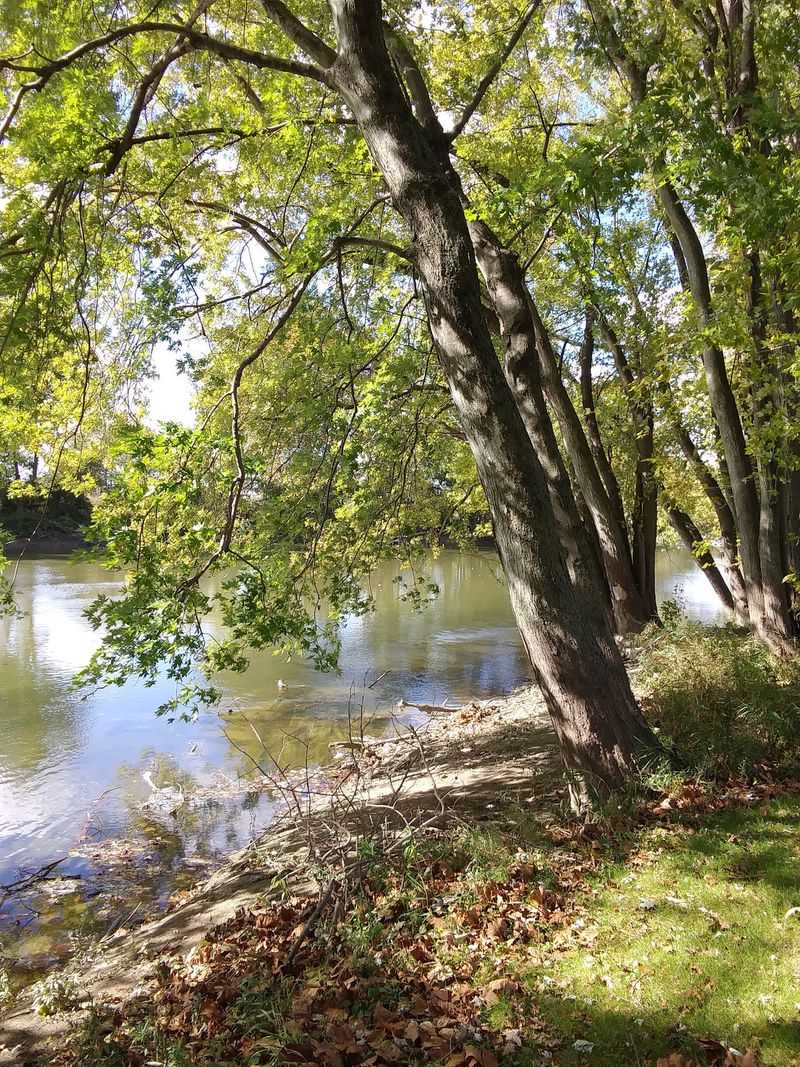
Some places earn their name the plain way, by sitting right where two waterways come together. That is the case with Historic Forks of the Wabash, a local history museum and park at 3011 W Park Dr, Huntington, IN 46750.
The site sits along the Wabash River on the western side of Huntington. It mixes history and the outdoors in one tidy package, with historic buildings, a museum, a garden, and a network of walking trails.
The park holds a 4.7-star average from more than 400 people, which says a lot for a small-town history site. Most of the praise lands on the trails and the peaceful setting by the water.
For a Halloween crowd that usually heads to haunted jails, this place offers a different kind of chill. The stories here are real, rooted in Native American history and the canal era of Indiana.
There is no admission booth stealing the spotlight from the scenery. Instead, the grounds invite a slow walk, a look at old structures, and plenty of time to read the history signs placed along the way.
The real tale starts more than two hundred years ago.
A Quaker Mission From 1810
Long before Indiana gained statehood, this patch of riverbank was already making history. In 1810, the site hosted a U.S. government-funded Quaker mission to the Miami tribe.
The goal of the mission was agricultural. Its organizers aimed to train the Miami people in farming methods and supply them with farming tools.
That early chapter is only one layer of the story. The grounds carry a large amount of Native American history, and the park also connects to the age of the Wabash and Erie Canal.
History signs dot the paths, so a casual stroll can turn into a lesson without much effort. Read them closely, or simply enjoy the setting and come back to the facts later.
One small heads-up for history fans: printed material is limited. A brochure, timeline, or map is not always on hand, so it helps to check the official website before the trip.
The volunteer interpreters fill much of that gap, and their approach deserves its own spotlight.
Volunteer Guides With Respect
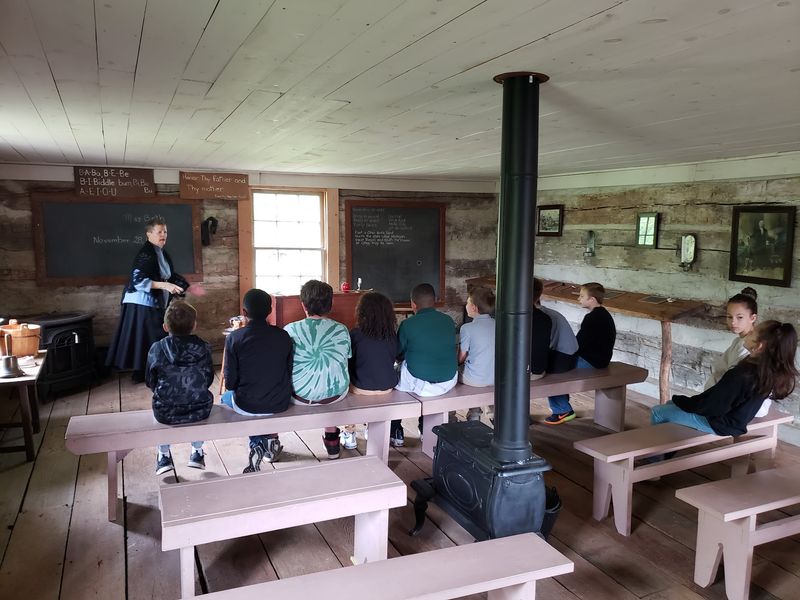
Good history guides do more than recite dates. At this museum, private tours come with professional presentations from knowledgeable volunteer interpreters.
What stands out is the care in how the stories are told. The guides take time to show proper respect for the people of the Miami Nation and others who lived during those years.
That thoughtful approach makes a real difference at a site with such deep Native American roots. It turns a quick visit into a meaningful one.
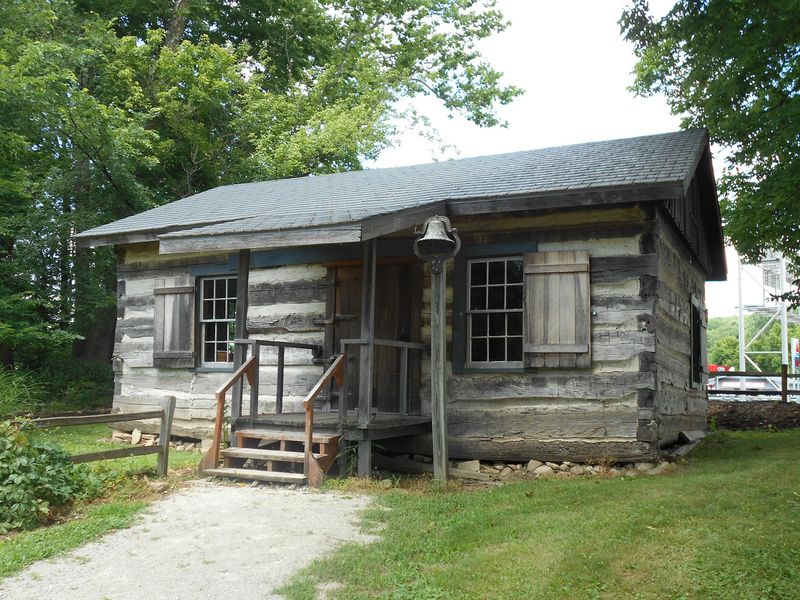
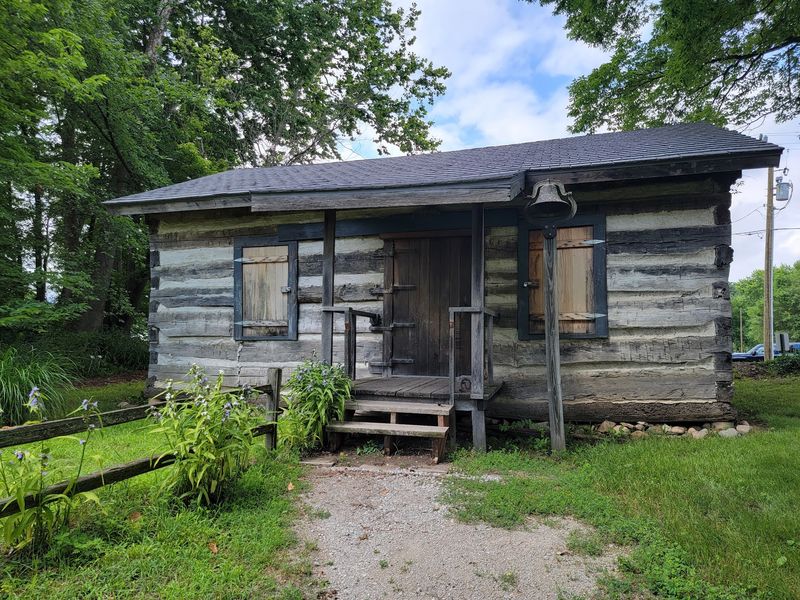
There is one practical detail to know. The visitor center may have a sign asking guests to ring a bell for entry, so do not let that surprise you.
Ringing that bell is simply how you get inside. Skipping it could mean missing the best part of the indoor experience.
On some days, the buildings are not open at all. Even then, the grounds stay worth the stop, and the staff has a reputation for being friendly and interesting to talk with.
Planning ahead with a call or a look at the website can help line up a tour.
The Miami Dwelling
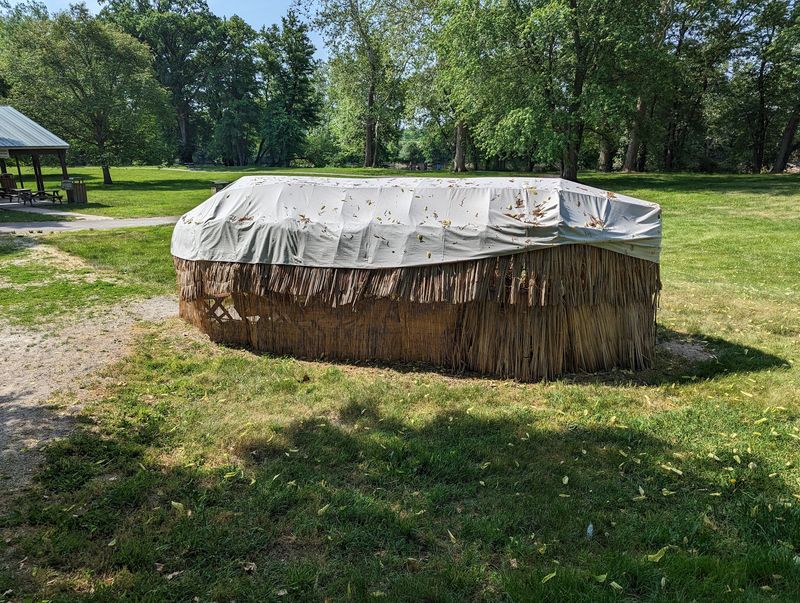
Not every exhibit here sits behind glass. One of the more memorable sights on the grounds is an example of a Native American dwelling tied to the Miami people.
It gives a clear, physical sense of how life was arranged in this region long ago. Seeing a structure in person often sticks better than reading about it.
The dwelling connects directly to the larger theme of the park. Much of the history here centers on the Miami Nation and the changes that came with the early 1800s.
Families on field trips will find this a natural stopping point. Field trips come up often in conversations about this park, and spots like this help explain why.
Pair it with the history signs nearby for fuller context. Together, they give a solid picture of the people who called the forks home.
Spooky season visitors hunting for something eerie may not find ghosts here. They will find something more lasting, which is a real link to the past.
Old Buildings With Stories
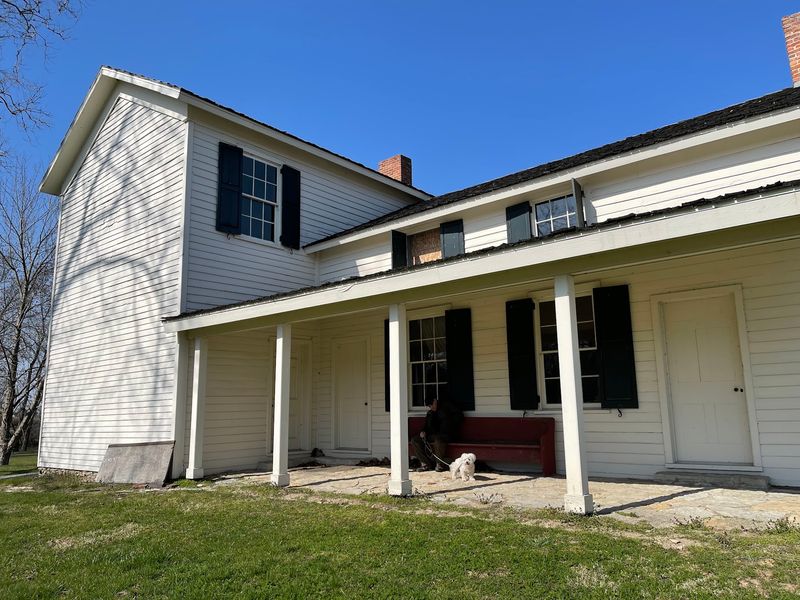
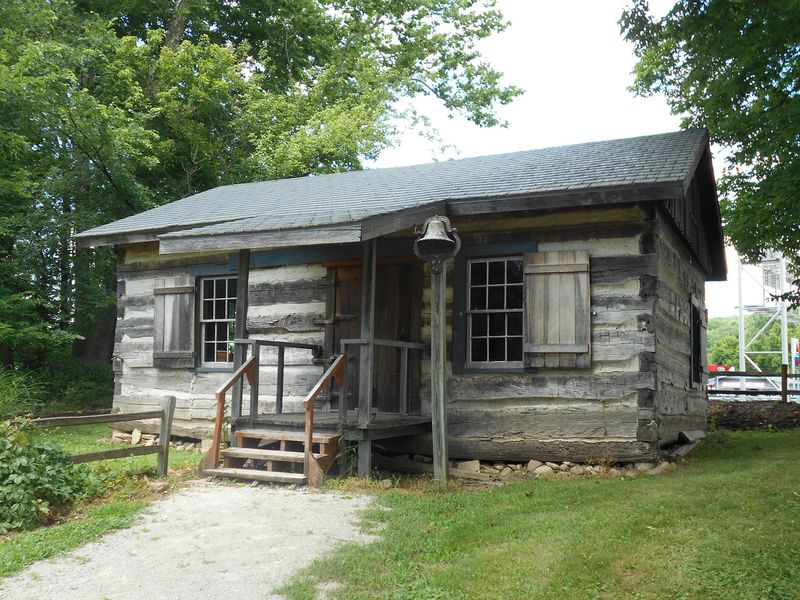
A historic site needs historic structures, and this one delivers. The park has several historical buildings spread across the grounds, including an old house that catches plenty of attention.
These buildings anchor the museum side of the property. They help tell the story of how the area grew from mission land into a working canal-era community.
Events happen at the site a few times a year. Those dates can be a smart time to plan a trip, since more of the property may be active and open.
The park also has a hall that hosts parties and wedding receptions. That gives the grounds a social side beyond history lessons.
Keep in mind that the buildings are not always open on every visit. Some days, the trails and scenery carry the whole show.
Checking the official website before heading out is a good habit. The site lists more than a quick walk-through reveals, and it can point you toward upcoming events and tour options.
That Famous Suspension Bridge
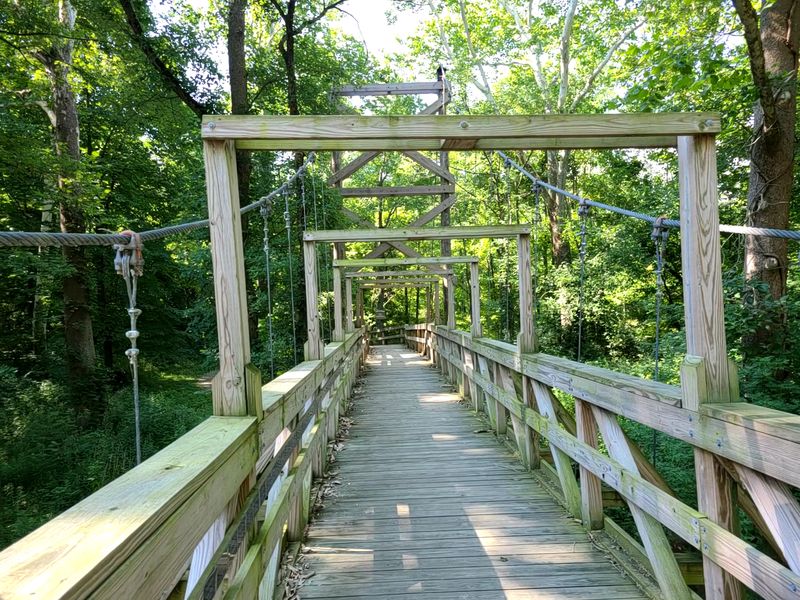
Ask around about this park and one feature keeps coming up first. The wooden suspension bridge is the star of the trail, and for some people it makes the whole trip.
The pedestrian bridge sits on the western side of the trail system. It is a fun crossing that adds a little bounce of excitement to an otherwise calm walk.
Kids tend to love it, and so do photographers. It frames the woods nicely and gives the walk a clear highlight.
The bridge is also a point of local pride. One dedicated park fan once spent four hours clearing ice off it with a snow shovel during winter, just to keep it usable.
That kind of care says a lot about how much the community values this spot. The Huntington parks and recreation team and the site owners are often thanked for keeping it open to the public.
For a Halloween outing, the bridge offers a small thrill without any scary costumes required. It is a crossing worth saving room for on the camera roll.
Trails on the Old Canal Towpath
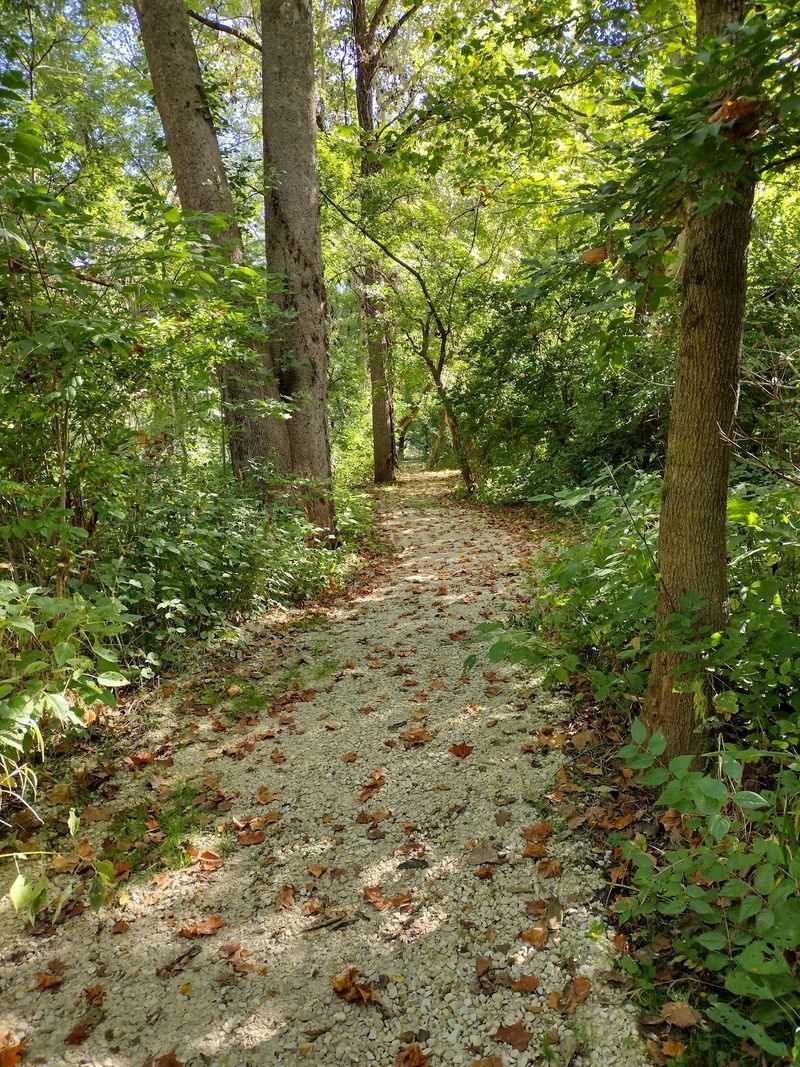
Trails are the most talked-about feature here, and with good reason. The paths mix paved sidewalks, wooden bridges and walkways, and stretches of hard gravel and rock.
Part of the route follows the towpath of the old Wabash and Erie Canal. Walking where canal workers once guided boats adds real history to every step.
The main paved trail runs about a mile, with a small stretch of dirt near the end. Complete all the loops and the total comes to roughly three miles.
The paths are wide and easy, shaded by a canopy of large trees. They are well kept, and trash stays minimal.
That makes the trail a favorite walking spot in Huntington County. Late afternoon strolls along the river are especially popular.
Leashed pets are welcome, so the family dog can come along too. A few camping spots are available for those who like to backpack in, which adds an option for a longer stay.
Garden, River, and Quiet Corners
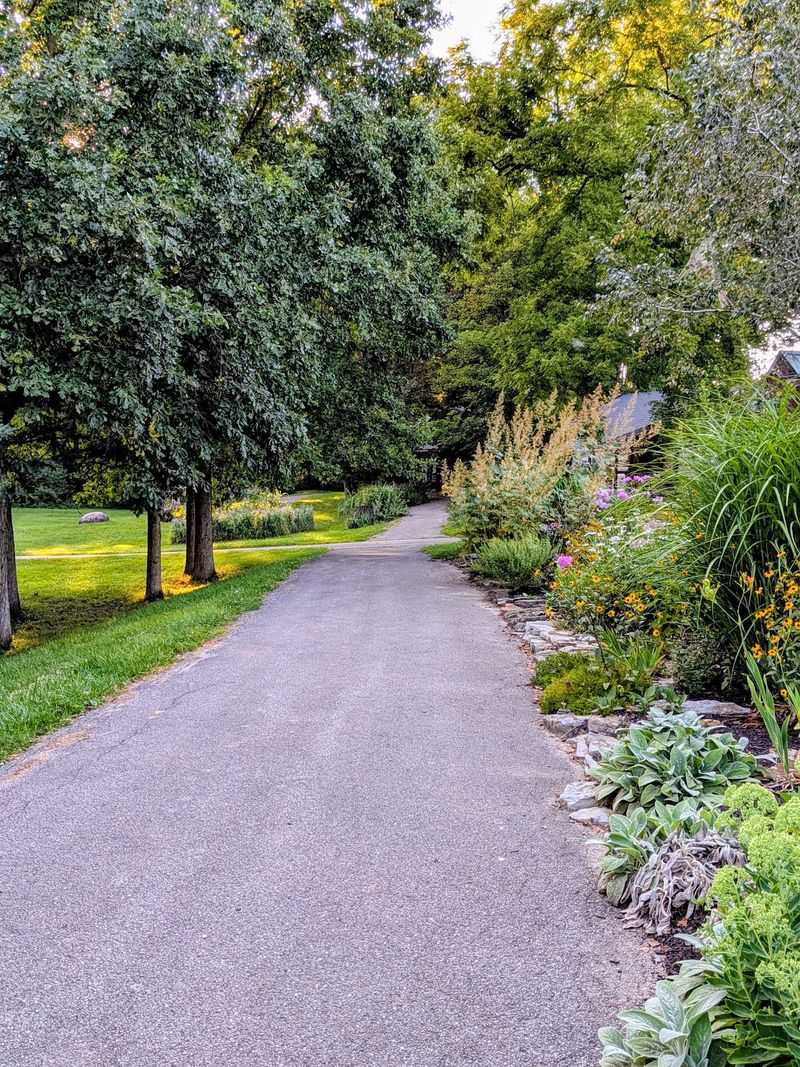
Peace and quiet do not get much easier to find than this. The park has a calm atmosphere that keeps people coming back to think, relax, and enjoy nature.
A flower garden adds color to the grounds near the historic buildings. It is a pleasant place to pause between the museum area and the trails.
The Wabash River runs along the property, giving the park a true riverfront feel. The water here tends to move slowly, which suits the relaxed pace of the place.
Woods and streams surround much of the trail. Many people say it feels like being far from town, even though Huntington is close by.
Picnics work well here too. Grab takeout from a local spot, find a shady patch, and make an afternoon of it.
For paddlers, a small boat launch sits on site. It is a long carry from the parking area, though, so dragging a kayak through the grass may be the simpler plan.
Fall Photos and Family Stops
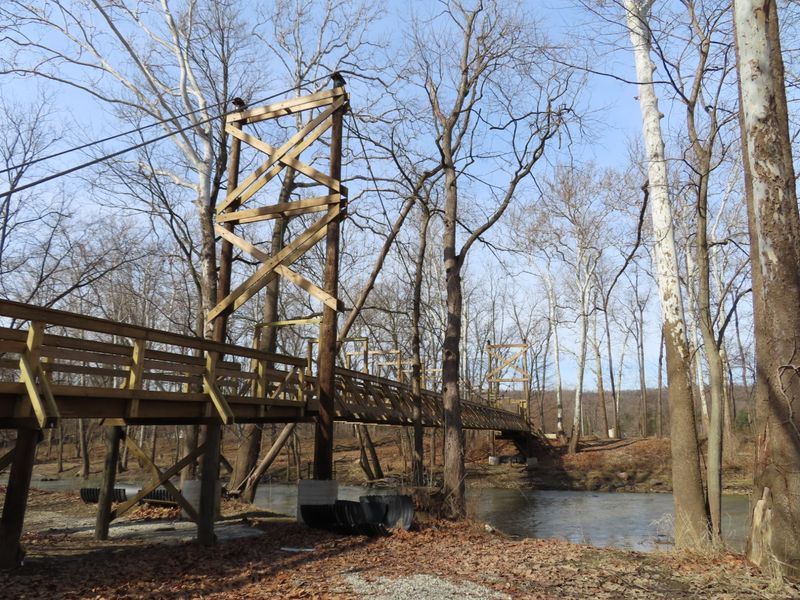
October light and old trees make a winning pair for photos. This park is a popular backdrop for family portraits, fall photos, and senior pictures.
Between the bridge, the river, and the historic buildings, there is no shortage of settings. Photographers can move from one scene to the next in just a few minutes.
Families find it easy to visit with little ones. The paved paths work well for toddlers who need to burn off some energy.
Road trippers like it too. It makes a handy stop to stretch the legs after hours in the car, then hop back in for the rest of the drive.
School groups also use the site for field trips. The mix of history and outdoor space keeps young minds busy.
For Halloween fans tired of crowded haunted attractions, this offers a calmer family day. Swap the spooky masks for a stroll and a few great pictures, and nobody will complain.
Planning Your Trip and the Verdict
A little planning goes a long way at this riverside museum. Hours and building access can vary, and some visits find the doors closed while the trails stay open.
The best move is to check forksofthewabash.org before the trip. The website covers more than a quick walk reveals, including events held a few times a year.
Once there, remember the visitor center bell. Ringing it is the way to get inside when the building is open.
Wear comfortable shoes, since the full loop runs about three miles over mixed surfaces. Bring the leash for the dog and a camera for the bridge.
So, is it a fair trade for a haunted jail on Halloween? For anyone who likes real history mixed with fresh air, the answer leans toward yes.
There are no ghost stories promised here. What you get instead is a calm river, a famous bridge, and a story that began before Indiana had its name on a map.
Enjoyed this story?
Add Fast Food Club as a preferred source to see more of our reporting on Google.