


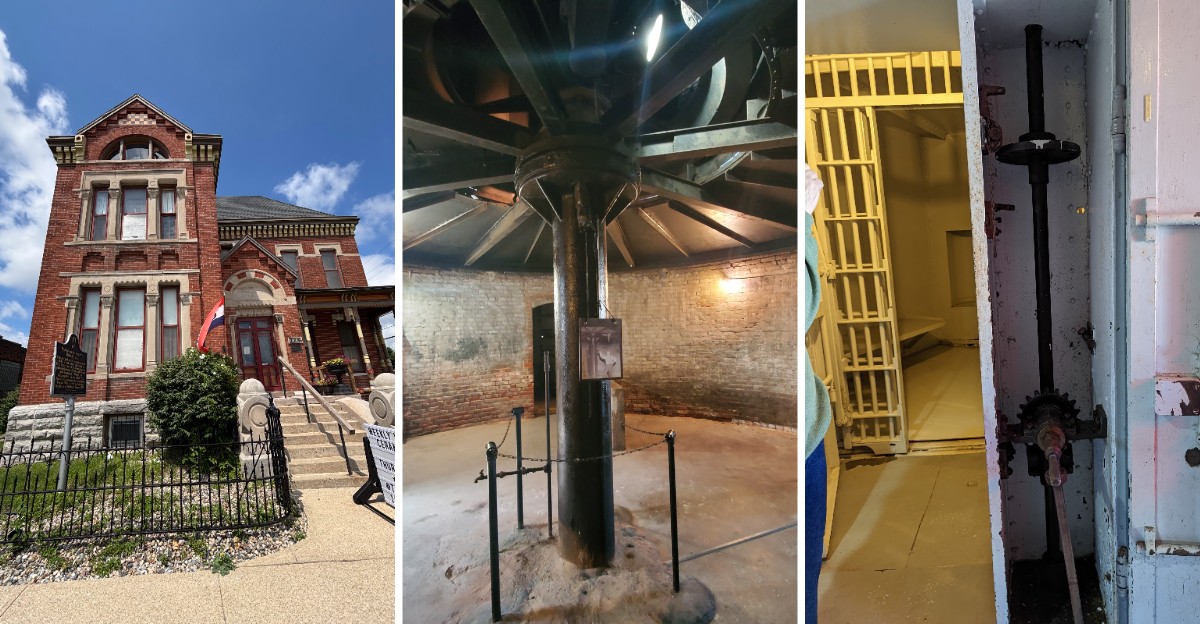
Most jails were built to keep people still, but one in Crawfordsville, Indiana, was built to spin. Its cells sat on a giant turntable, and a single guard could turn the whole block with a hand crank.
It sounds like a tall tale, yet the machine still moves today. Every October, that strange history gets an extra spooky twist, since the old building offers something special for folks who love a good Halloween fright.
Ghost hunts and haunted jail stories have turned it into a favorite stop for thrill seekers. Even in daylight, the place carries plenty of odd charm, from a sheriff’s home full of original furnishings to a basement full of mechanical secrets.
Keep reading to learn how it works, why so few are left, and how to plan a trip that is equal parts history lesson and goosebump hunt.
A Jail Hiding On Washington Street
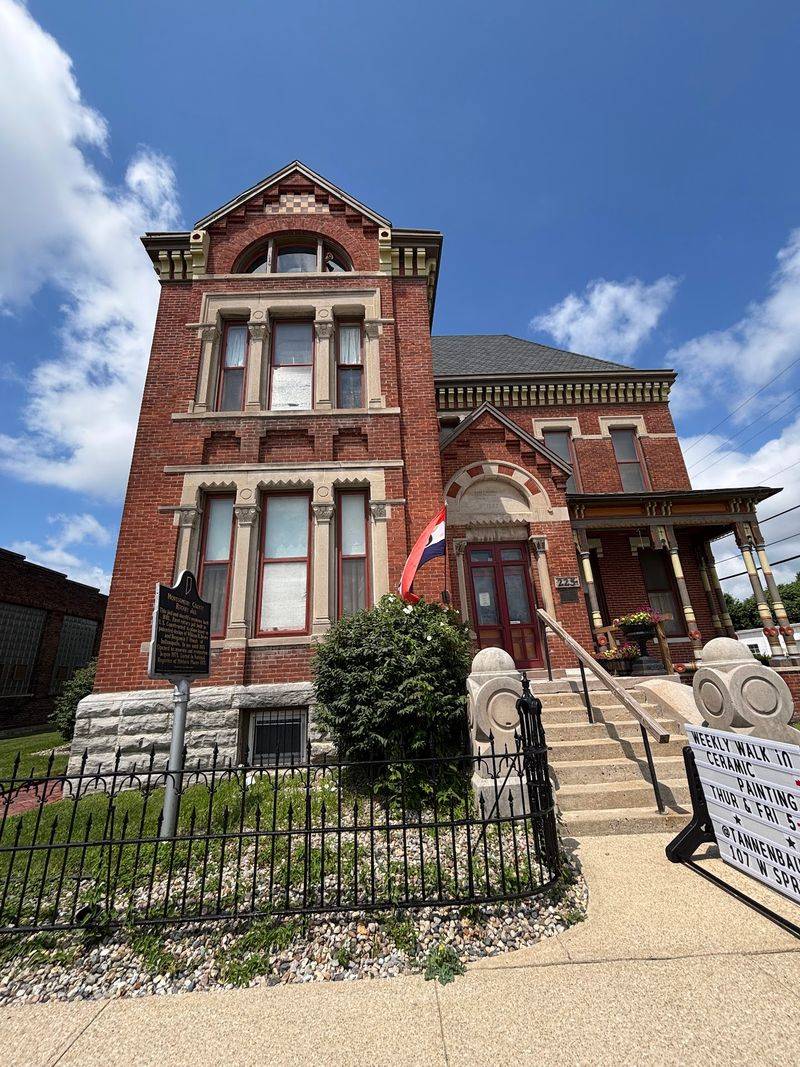
From the sidewalk, the building looks like a handsome old home with stone steps and a tidy front door. That is exactly the trick.
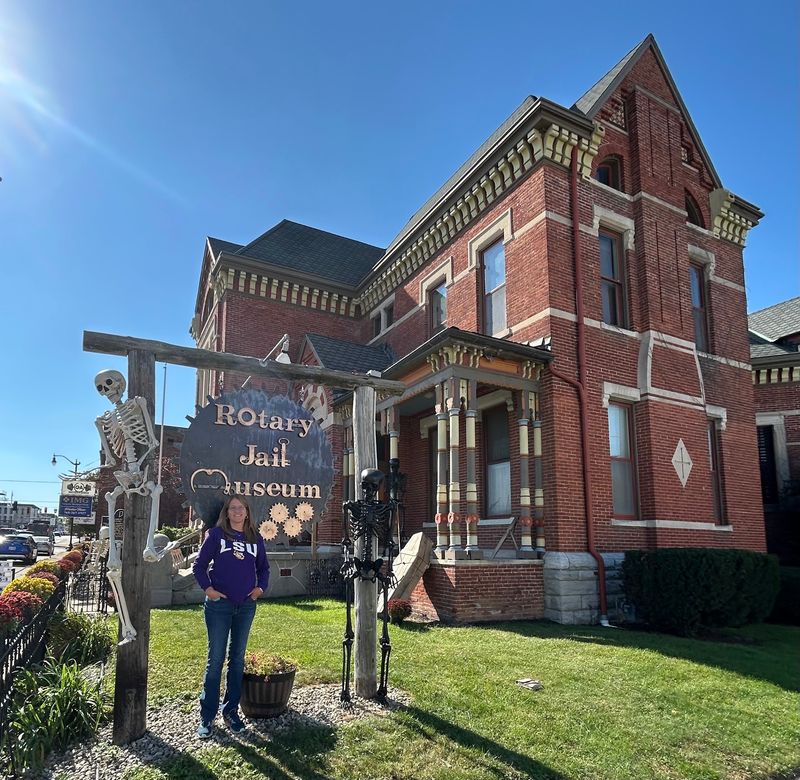
The Rotary Jail Museum sits at 225 N Washington St, Crawfordsville, IN 47933, in the United States. It operates inside a former rotary jail, one of only three left standing in the country.
Plenty of locals have driven past for decades without knowing what waits inside. Some only learn about it years later and end up rearranging their whole day to come back.
The front portion was the sheriff’s residence, where the sheriff and family lived in a two-story home. The jail itself sits right behind it, connected under one roof.
That setup meant the person in charge of the prisoners never had a long commute. Work was quite literally in the backyard.
Today the museum hosts regular events, guided and self-guided tours, and a few surprises tied to the calendar. Halloween is when the building’s spooky reputation gets its moment in the spotlight.
Before the ghost stories, though, it helps to know why this jail was so unusual in the first place.
The Cell Block That Spins
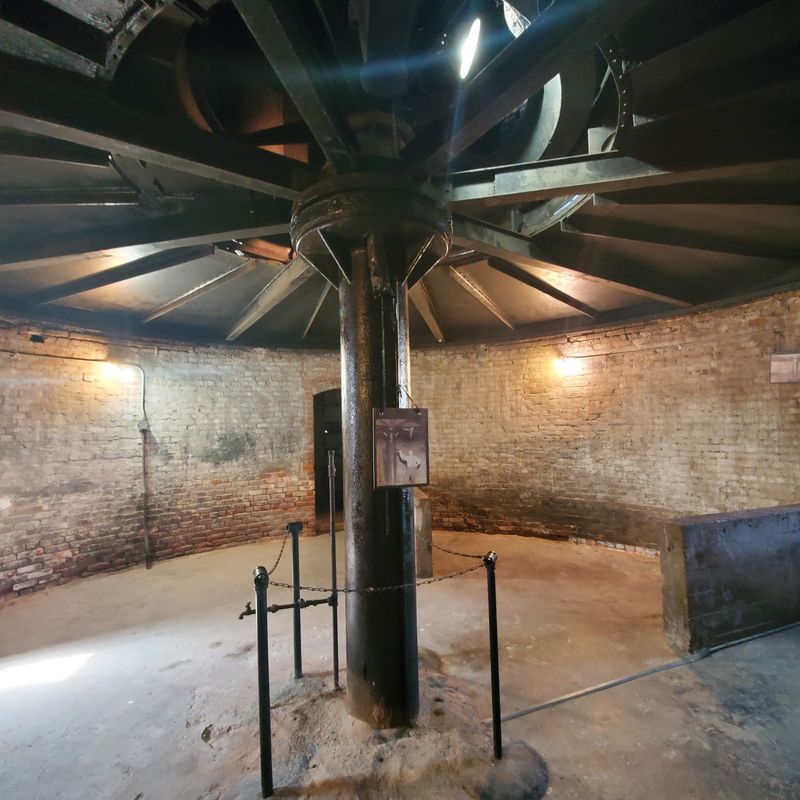
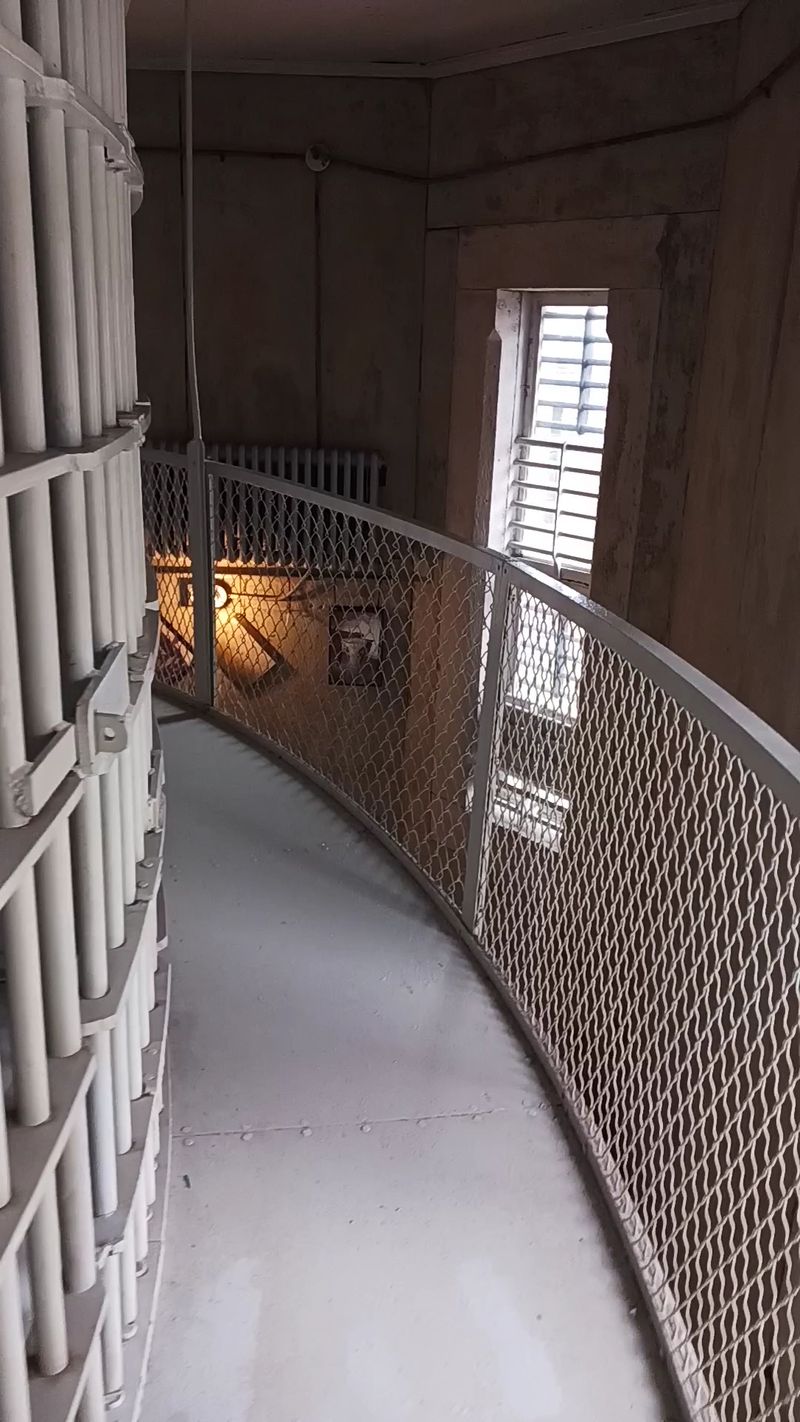
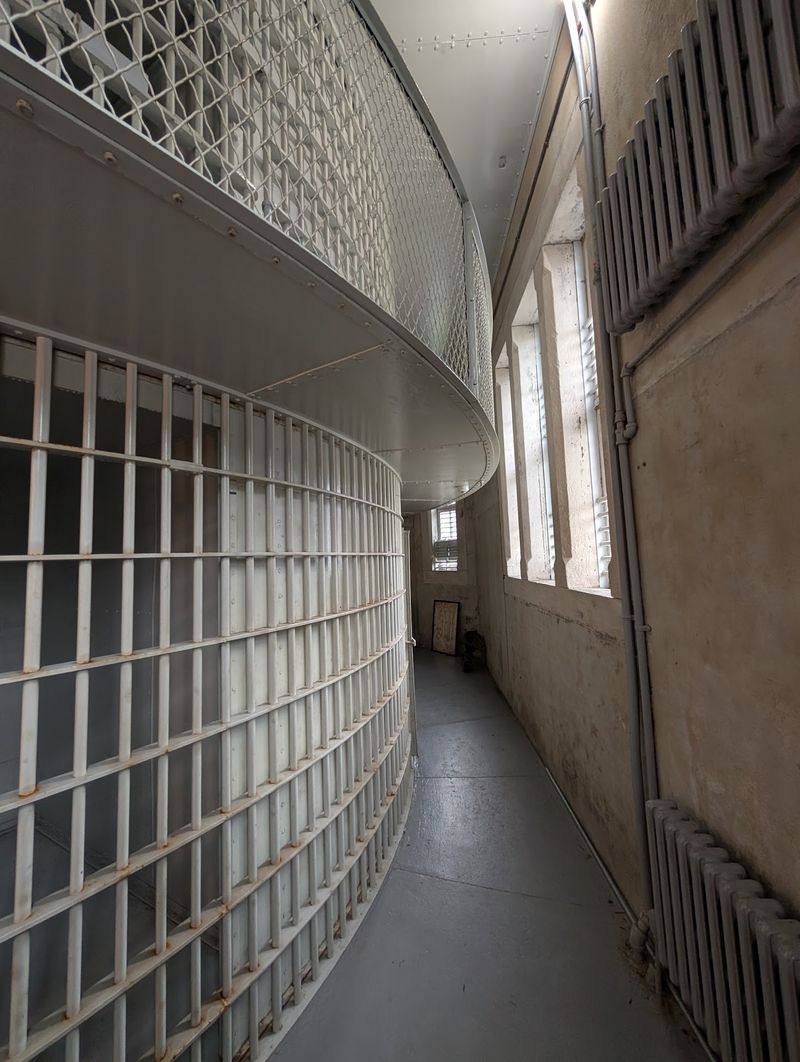
Round and round it goes. The heart of the museum is a two-story cell block built on a turntable.
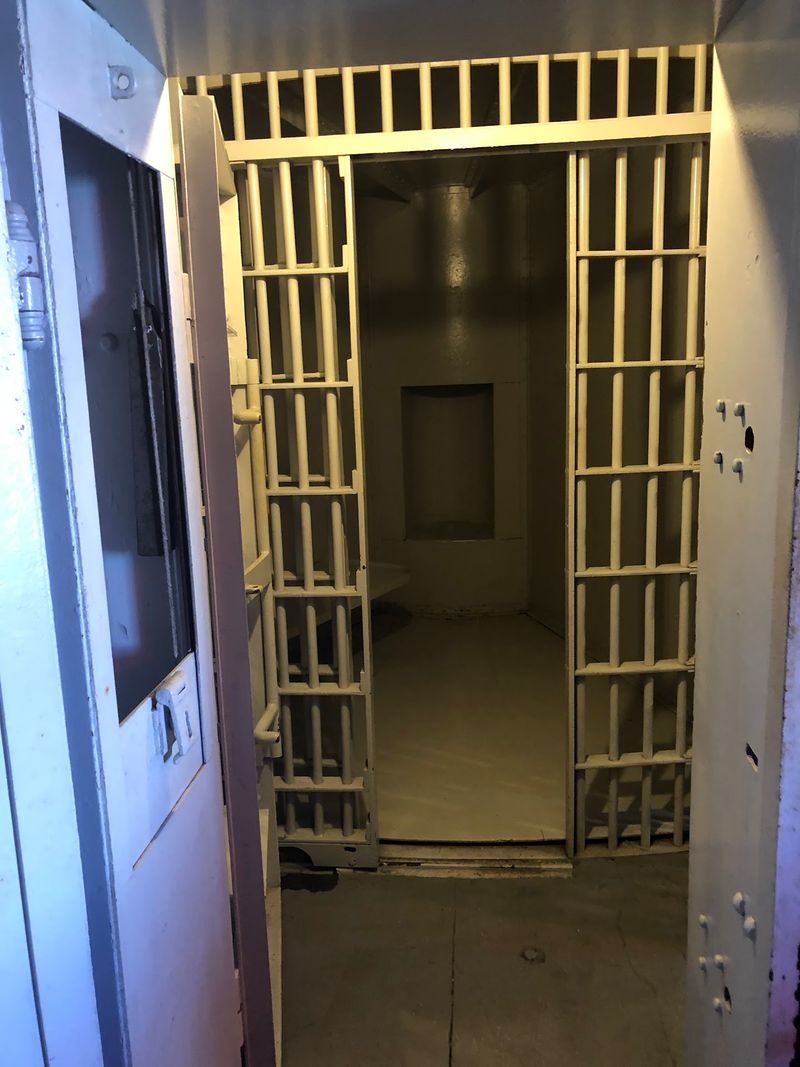
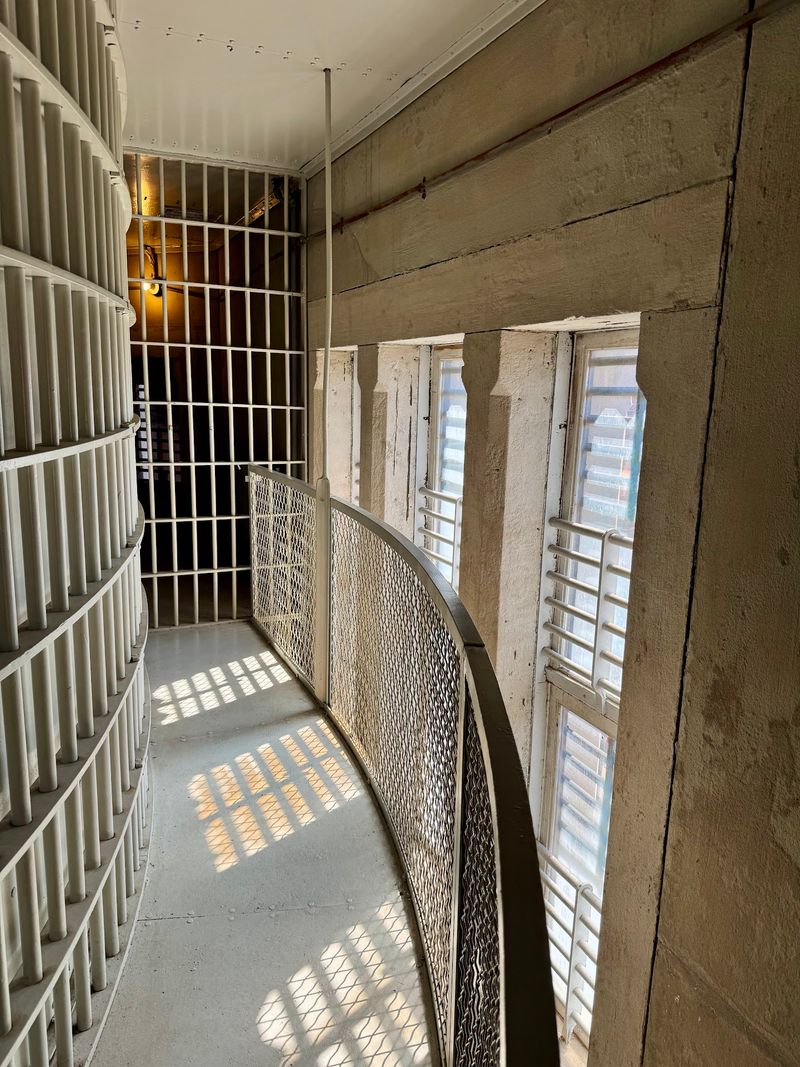
Each floor holds wedge-shaped cells arranged in a circle like slices of a pie. Instead of every cell getting its own door, the whole block turned until a single cell lined up with the one opening on that floor.
One door served a dozen cell positions per floor. The design let one guard manage the entire facility without walking up to every cell.
Better still, the block still rotates. A manual crank moves it, and guided tours often include a demonstration.
Many people arrive doubting it can really move. They leave having watched it happen with their own eyes, which tends to settle the argument fast.
The mechanism is part engineering lesson and part head-scratcher. It raises plenty of questions, and the guides seem happy to answer every single one.
Once the turning makes sense, the next question is obvious. Why did this clever idea not catch on everywhere?
Why the Turning Stopped in 1933
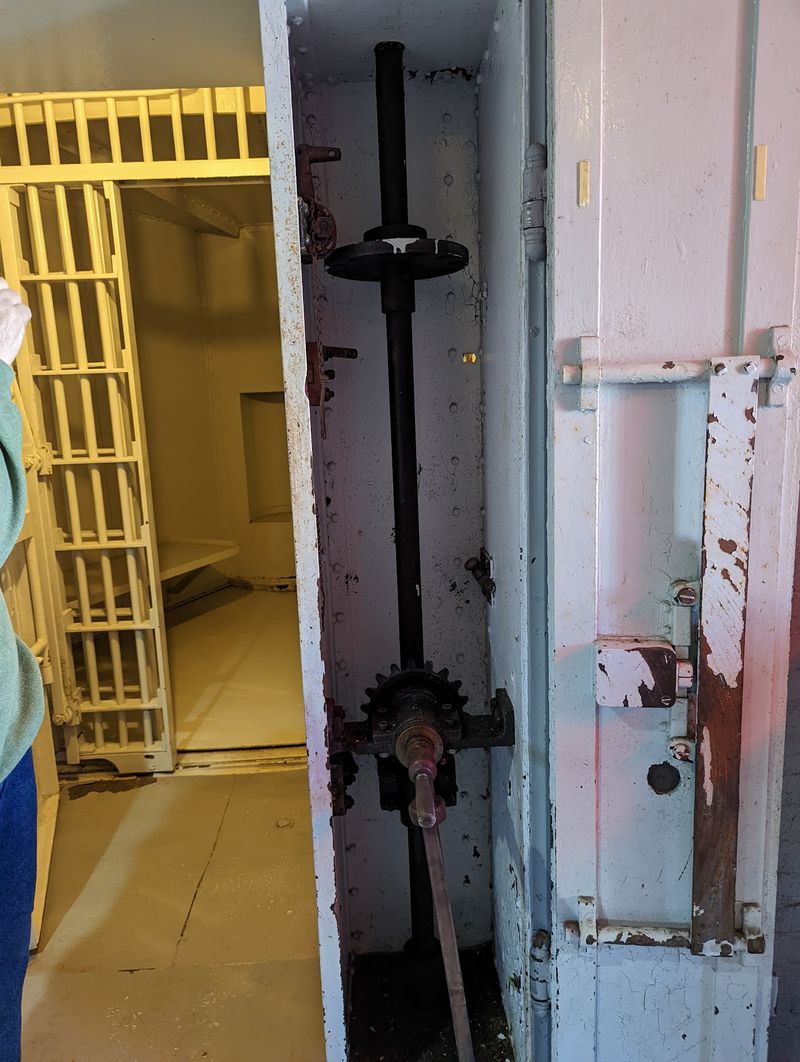
Clever designs do not always age well. The rotary jail was hailed as a modern marvel, yet it came with some serious pitfalls.
The block operated as built until 1933. After that, officials put an end to the rotating because too many prisoners were getting hurt by the moving parts.
That bit of history gives the tour a more thoughtful edge. The idea was efficient on paper, but people living inside a moving machine faced real risks.
Here is a fun fact worth tucking away. Eighteen rotary jails were built in the United States, and only three still exist.
Of those three, this is the one that can still turn. That makes it the only working rotary jail in the world, now kept as a museum.
Wall displays explain the story clearly, so the timeline is easy to follow. Old pictures and detailed signs help connect the machine to the people who lived and worked around it.
The result feels less like a dusty exhibit and more like a puzzle that history solved the hard way.
Inside the Sheriff’s Home
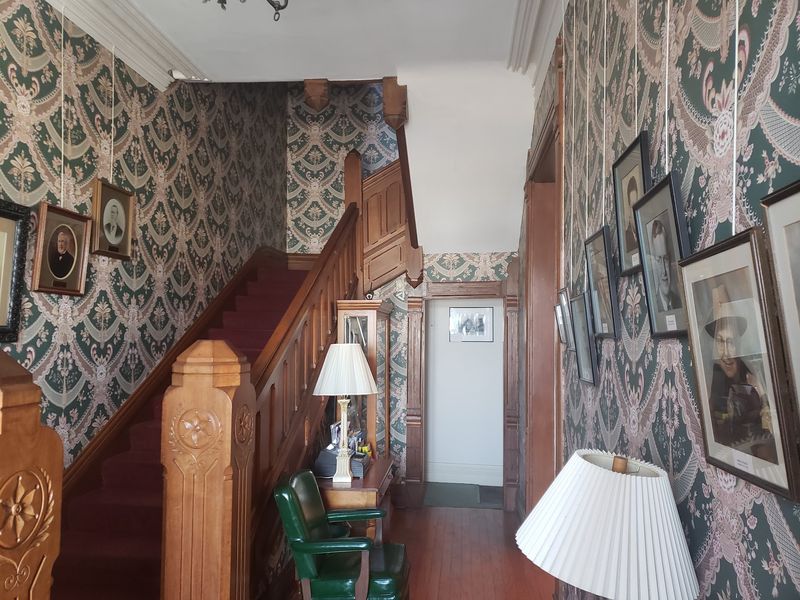
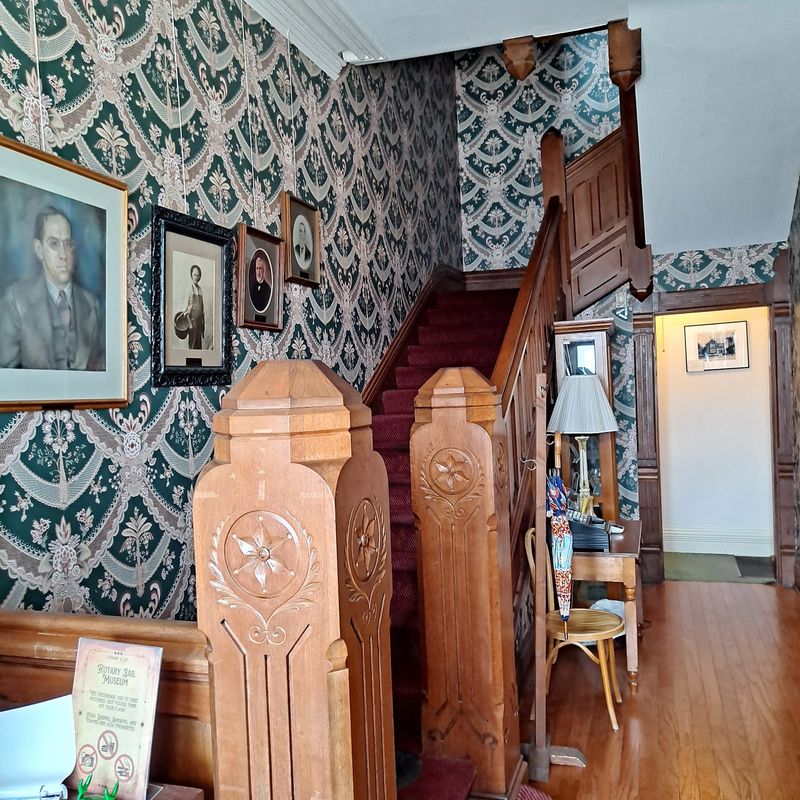
Family life and jail duty once shared the same address. The guided tour starts in the sheriff’s residence, a part of the building many people do not expect.
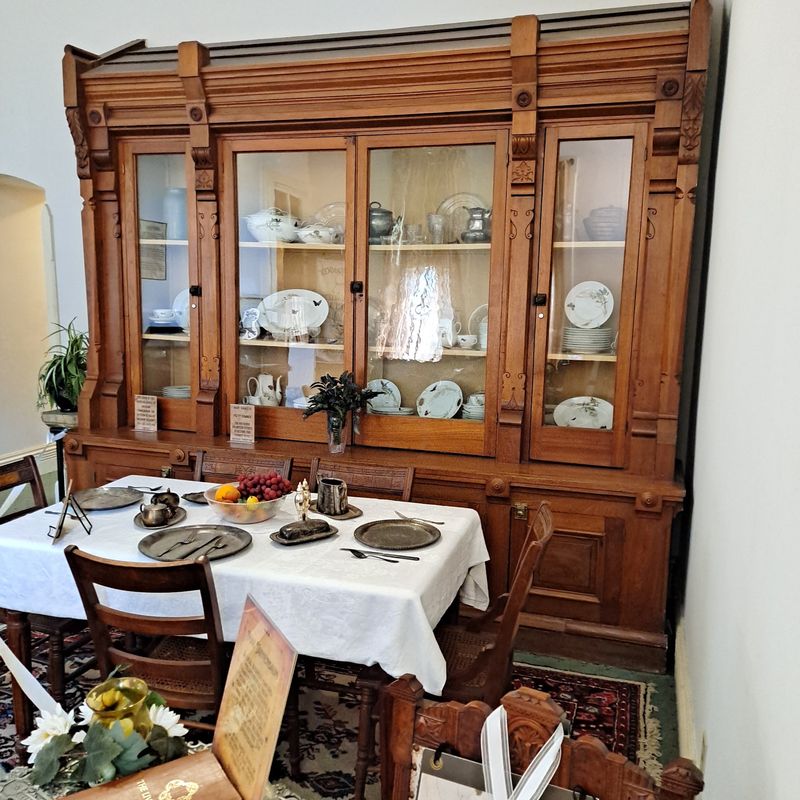
Several original furnishings remain in the rooms. Household items from the period fill in the picture of daily life for the family who lived steps away from the cells.
Walls carry plenty of history to read. Other time-period objects round out the rooms, giving a glimpse of small town life from long ago.
It is a calm opening act before the more dramatic jail section. The contrast makes the cell block feel even stranger once the tour moves behind the house.
Small details matter here. The rooms help show that the sheriff’s job was not a nine-to-five shift but a round-the-clock way of living.
History fans who enjoy old homes will find plenty to linger over. Those itching for the spooky stuff should be patient, because the best stories are still ahead.
Cells, Bunks, and a Solitary Corner
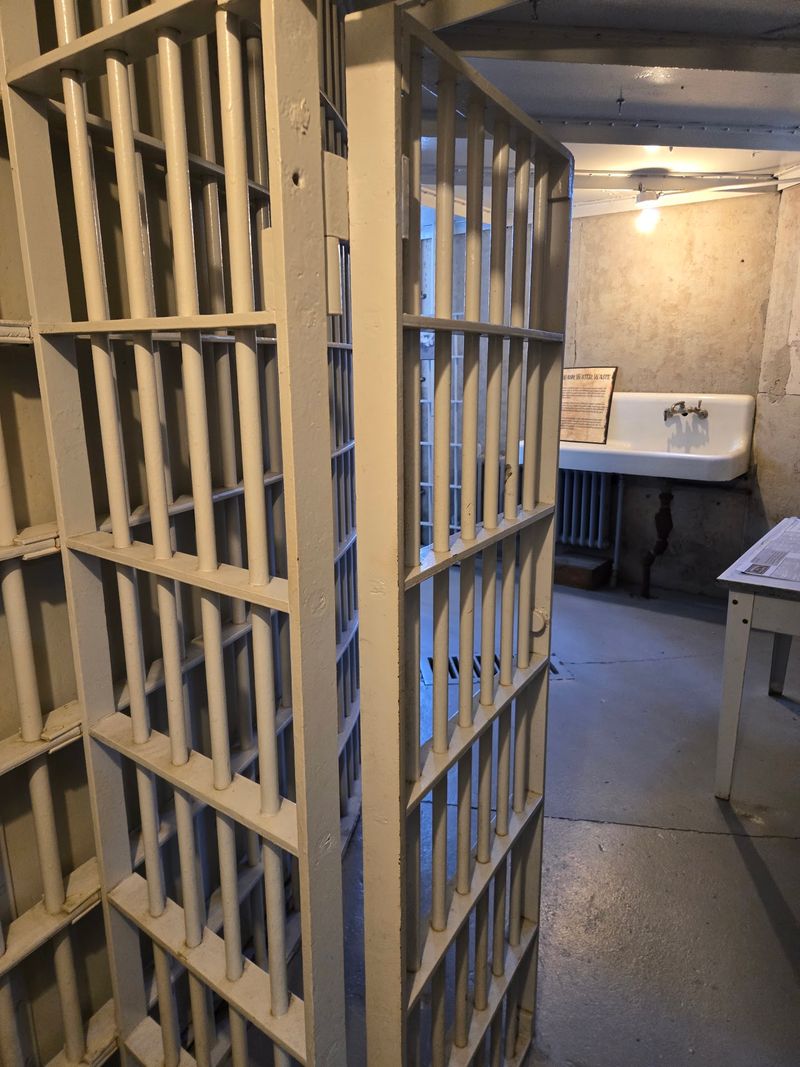
Numbers tell an interesting story here. The rotary block holds eight cells on each of two floors, with two prisoners per cell.
Beyond the spinning section, the jail includes a women’s cell with multiple bunks. The top floor has three infirmary cells for prisoners who needed care.
There is also a solitary confinement cell. It tends to be one of the more sobering stops on the walk-through.
On self-guided visits, people can roam freely between floors and cells. That freedom makes it easy to take time with the artifacts and read every sign.
Everything is kept in great condition, and the layout is easy to navigate. The museum may be small, but it is packed with details.
Photo props add a playful touch for anyone who wants a souvenir snapshot behind bars. It is a lighthearted way to stay on the right side of the law.
Secrets Below in the Basement
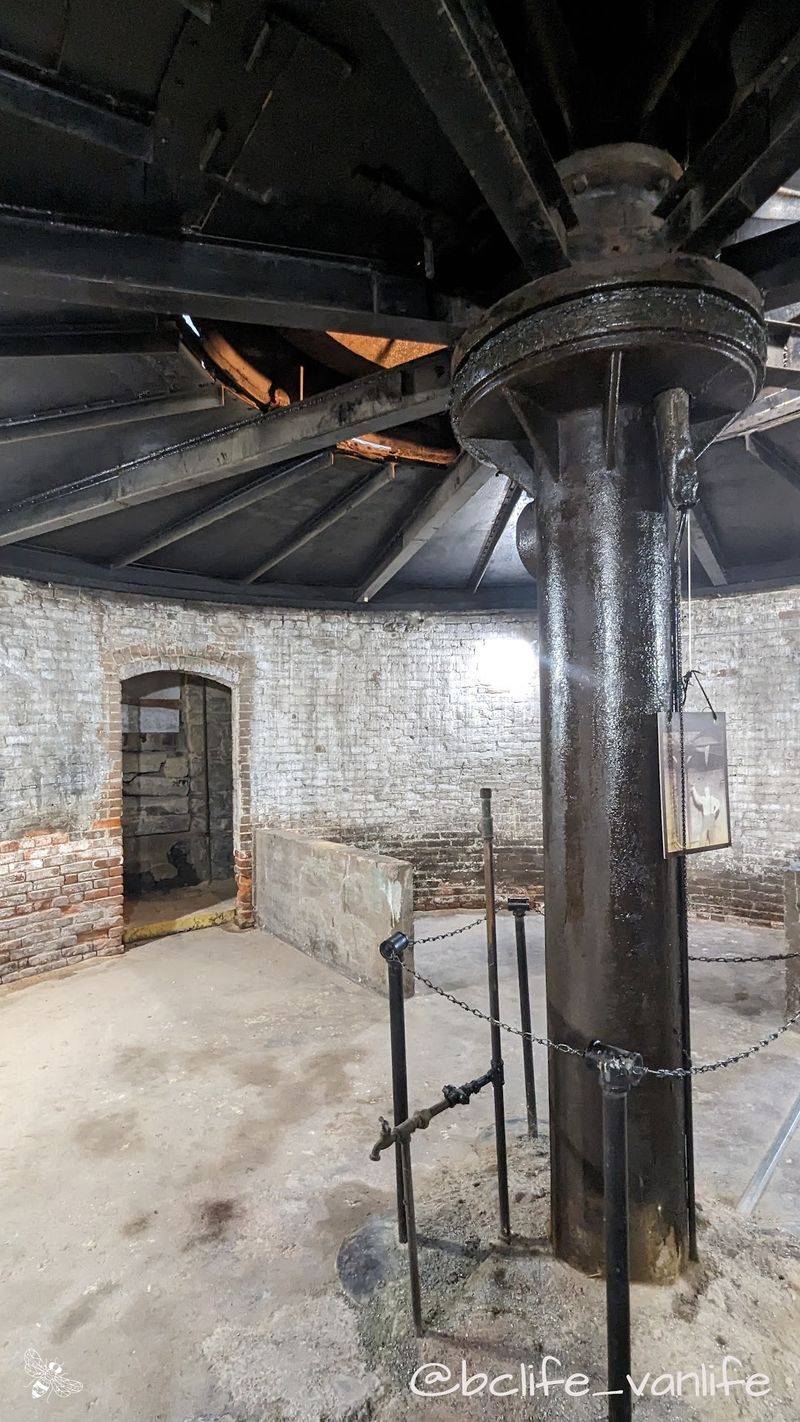
Some of the best parts of any old building are found downstairs. The guided tour includes the jail basement, where the mechanics behind the turning block come into view.
The machinery gets plenty of praise for its impressive design. Seeing the parts helps explain how one hand crank could move a whole two-story cell block.
Guides explain the mechanics in detail. They also mix in tales from the jail’s past, which keeps younger members of the group engaged.
For engineering fans, this section might be the highlight. For ghost hunters, the basement setting adds a bit of mood to the stories.
It is not a giant space, and the doorways in the building can be narrow. Those details are part of the old-fashioned character, though they matter for planning, as a later section explains.
Either way, the trip downstairs answers the biggest question of the visit. Turns out, the magic is all gears and good old muscle.
Guides Who Know Every Story
A great guide can turn iron bars into a page-turner. At this museum, the staff is the most praised part of the experience by a wide margin.
Guides are known for being knowledgeable, passionate, and friendly. Many speak without a script and can field just about any question thrown their way.
Their enthusiasm makes the history come alive. Groups often leave with a head full of stories, not just dates.
The helpfulness goes beyond the jail too. Staff members have been known to recommend other attractions to travelers passing through Indiana.
Every question tends to get a full, detailed answer. That makes the guided tour well worth choosing over wandering alone, especially for first-timers.
Kids seem to enjoy it as much as adults. Young guests often head out eager to tell others what they learned, which might be the best compliment a museum can earn.
October Frights and Ghost Hunts
Old jails and spooky season go together like candy corn and arguments about candy corn. Halloween is when this museum leans into its eerie side.
The museum offers something special for people who enjoy spooky things around Halloween. Ghost hunts are among the most talked-about experiences tied to the building.
The haunted jail reputation comes up often. Stories of the jail’s past give those after-dark adventures plenty of material.
Event details change, so checking the official website before October is the smart move. Special events can have their own schedules separate from the regular daytime hours.
Brave souls should plan early, since spooky events at unusual places tend to draw interest. A quick look online can save a lot of disappointment.
Not everyone needs a scare to enjoy the place, of course. Still, hearing jail tales in a building where cells once spun is a Halloween memory that sticks.
More Than Tours on the Calendar
Surprise number one: this jail hosts art night. Ceramics classes have drawn regulars back for years.
Those classes have run on Thursday and Friday evenings from 5 to 8 PM. Families bring snacks, paint, and enjoy music together in a relaxed setting.
The classes help build a welcoming community. Money spent there helps protect and enhance the historic building.
Event rental is also available for groups looking for a one-of-a-kind venue. Few party invitations can say the gathering happened in a former jail.
Class times and offerings can change, so confirming the current schedule online is wise. The museum keeps regular events on its calendar throughout the year.
It is a nice reminder that the building is not frozen in time. Locals use it, love it, and keep it running, one painted mug at a time.
Who Will Love This Place Most
History buffs, gear lovers, and fans of the bizarre all find something here. It is a must-see for anyone who enjoys strange pieces of the past.
Families do well too. Kids tend to have fun while learning, and the photo props add a playful extra.
Road trippers passing through Crawfordsville can fit it into about an hour. There is not a lot else to do in town, so it makes a perfect planned stop.
Even well-traveled folks who have toured many countries call it one of the most memorable museums they have seen. Few people know rotary jails ever existed, which adds to the delight.
The museum is compact, but every corner is filled. Detailed signs make it easy to explore at a personal pace.
Spooky season fans get a bonus with the Halloween offerings. Everyone else gets a quirky history lesson that beats a lecture any day.
Hours, Fees, and Cash Tips
Timing matters more than usual here. Regular hours are Wednesday through Saturday, 10 am to 2 pm.
The museum is closed Sunday, Monday, and Tuesday. It also closes on holidays and some days near holidays.
Hours can shift by season. In past Octobers, the museum has stayed open until 3 pm, so checking the website before going is a must.
Admission has been about $5 per person, a modest fee for a one-of-a-kind look at history. Cash is the best option for entry, since card readers are not always reliable.
Bringing a little extra cash also makes it easy to leave a donation for preservation. Every bit helps keep the crank turning.
A small gift shop sits on site as well. Stock can vary, but it is worth a peek before heading out the door.
A Heads-Up on Steps and Doorways
Old buildings come with old-building quirks. Accessibility is limited at the museum, which is understandable given its age.
The entrance has stone steps, and only one half of the French-style front doors opens. Inside, doorways are narrow.
The upper levels of the jail require climbing stairs. People who use walkers may find it very hard to explore those floors.
Wheelchair users and anyone who needs walking assistance should plan carefully. Calling ahead through the contact info on the official website can help set expectations.
Comfortable shoes are a good idea for everyone. Moving between floors is part of the fun on a self-guided visit.
Being prepared keeps the trip pleasant for the whole group. A little planning now beats a surprise at the front steps.
A Verdict Worth Locking In
Few small museums earn this much love. With a 4.8-star standing from more than 300 people, the jail clearly wins hearts.
The appeal is easy to understand. It offers the only rotary jail in the world that still turns, plus guides who make every story count.
Add a sheriff’s home full of original pieces and a basement full of gears. The visit packs a lot into a short stop.
Halloween gives thrill seekers an extra reason to come. Ghost hunts and haunted tales add a fun chill to the history.
Check the hours, bring cash, and plan around the stairs. Those small steps make the day go smoothly.
In the end, this is a place where history refuses to sit still. Spin by in October, or any time of year, and see the strange machine for yourself.
Enjoyed this story?
Add Fast Food Club as a preferred source to see more of our reporting on Google.