


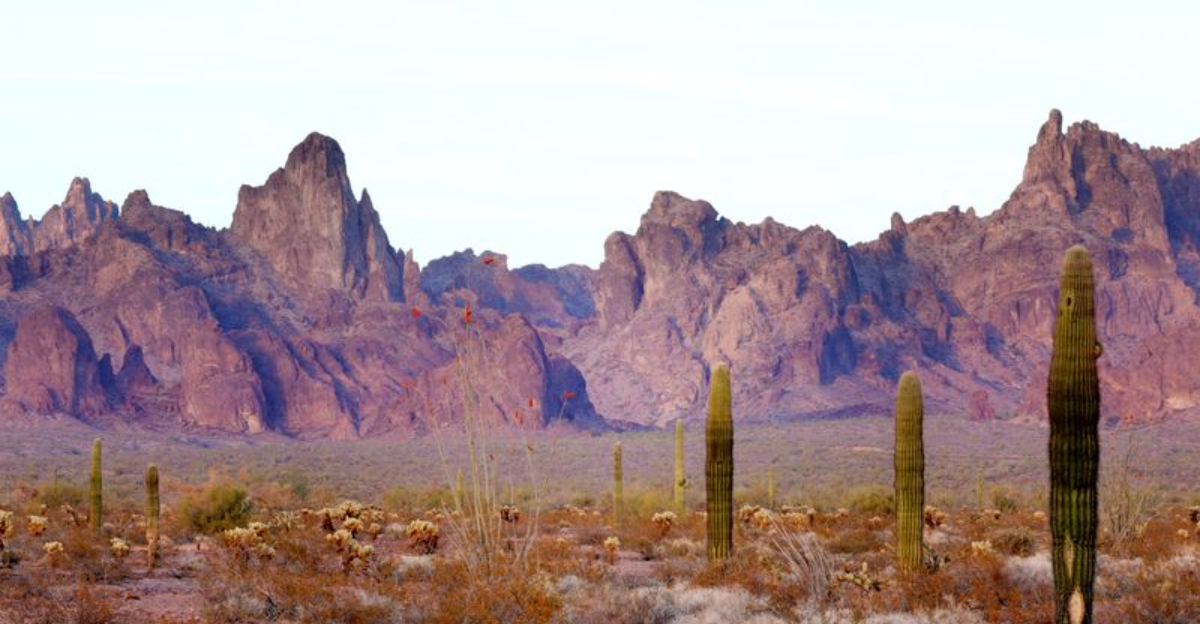
Tucked away in the rugged southwestern corner of Arizona, Kofa National Wildlife Refuge is one of those places that stops you in your tracks the moment you arrive. Spanning nearly 665,000 acres near Yuma, this sprawling refuge is home to dramatic mountain ranges, towering saguaro cacti, and some of the most jaw-dropping desert scenery in the American Southwest.
Whether you are a hiker, a wildlife lover, or someone just looking to escape the noise of everyday life, Kofa delivers an experience that feels completely unlike anything else. Once you see it for yourself, you will wonder how you ever drove past it without stopping.
Palm Canyon Trail: A Hidden Oasis You Have To See To Believe
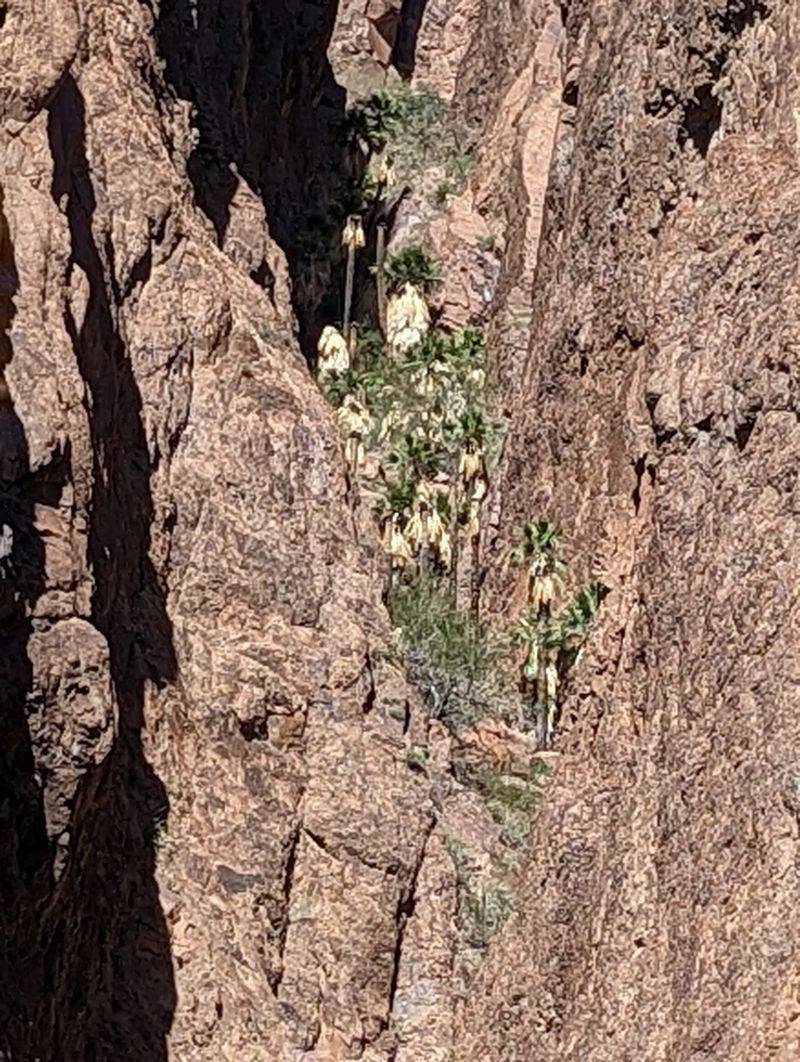
Somewhere in the heart of Kofa’s rocky mountains, a trail winds upward toward something that seems almost impossible in the middle of the Arizona desert: real, living palm trees. Palm Canyon Trail is about a half-mile one way, but what you find at the end makes every step worth it.
The hike takes roughly 25 minutes at a steady pace, with some elevation gain and patches of loose rock along the way. Wearing shoes with good grip is a smart move.
The trail is considered moderate, so most active visitors can handle it without too much trouble.
At the top, you can spot California fan palms clinging to the canyon walls, a sight that genuinely surprises first-time visitors. Reviewers consistently call it a gem and say they had the canyon entirely to themselves.
Go early in the morning for the best light and the most peaceful experience.
Free Boondocking Campsites With Views That Rival Any Paid Campground
Paying a nightly campground fee is not always necessary when a place like Kofa exists. Free dispersed camping, also called boondocking, is allowed throughout the refuge for up to 14 days at a time, and the views from your campsite can be absolutely breathtaking.
Campers have parked everything from small truck campers to full-sized Class A motorhomes and fifth wheels along roads like Palm Canyon Road and Kings Road. Sites are spread far apart, so you rarely feel crowded.
Most spots are level enough for large rigs, though the access roads are unpaved and a little bumpy.
There are no water hookups, toilets, or trash services on-site, so everything you bring must come back out with you. Quartzsite, located about 25 minutes north, offers water, propane, dump stations, and small grocery stores.
Planning ahead makes the whole experience smooth and genuinely relaxing.
Stargazing Under Some of the Darkest Skies in the American Southwest
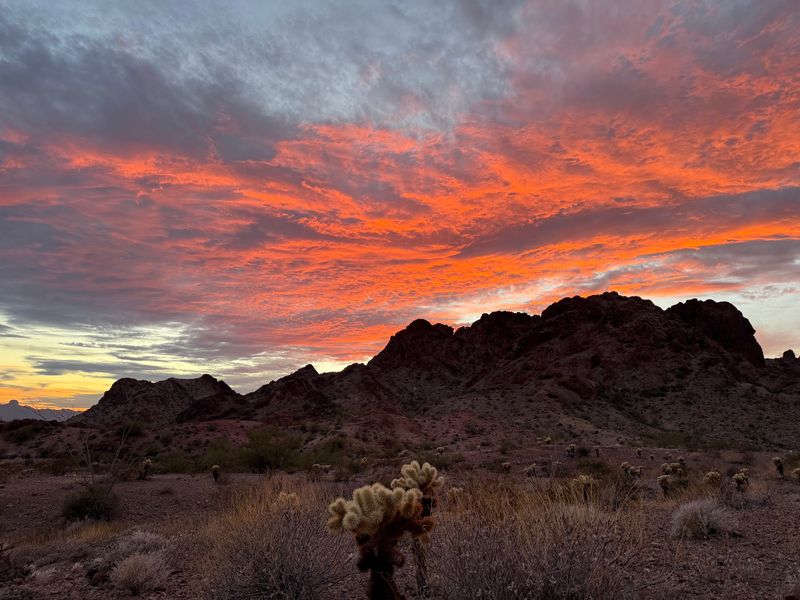
Far from city lights and major highways, Kofa National Wildlife Refuge offers something increasingly rare in modern life: true darkness at night. Campers who have spent evenings here describe the night sky as absolutely stunning, with stars so thick and bright they seem almost unreal.
The lack of nearby towns means light pollution is nearly nonexistent in many parts of the refuge. On a clear winter night, the Milky Way stretches across the sky in vivid detail.
Bringing a pair of binoculars or even a basic telescope can turn a simple evening into something memorable.
One reviewer who spent two weeks dry camping on Kings Road specifically praised the clear skies as one of the highlights of the trip. Winter months offer the longest, darkest nights and the coolest temperatures, making them the ideal season for stargazing at Kofa.
Nights here feel genuinely magical.
Desert Wildlife That Will Surprise Even Experienced Nature Lovers
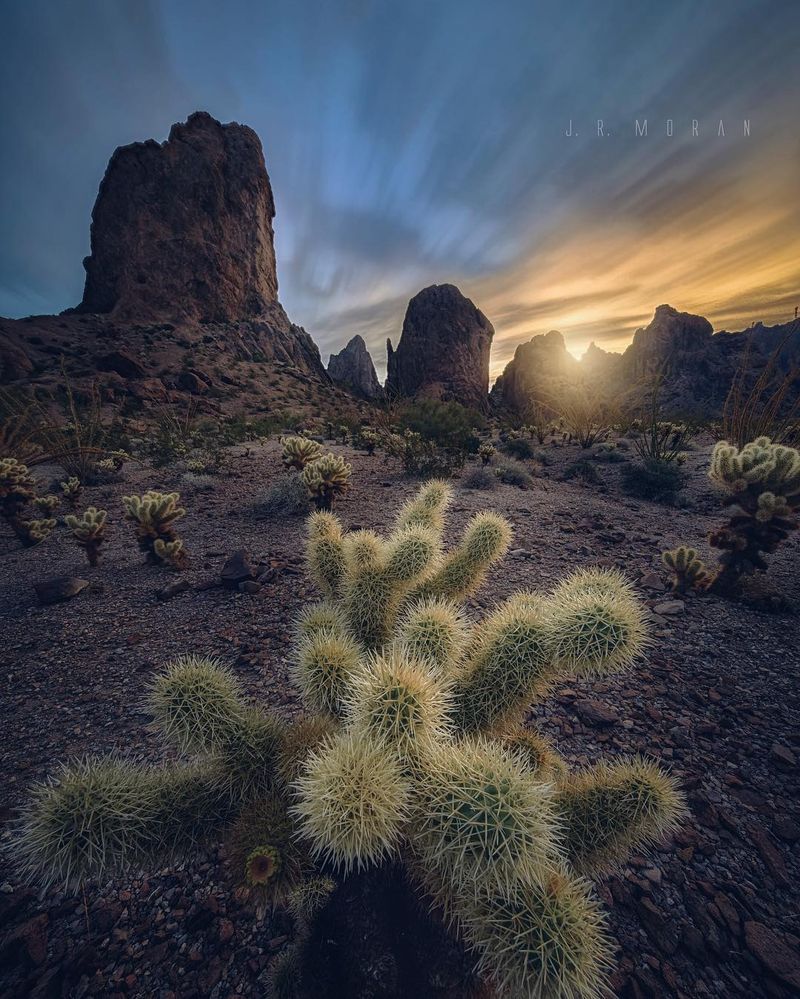
Kofa National Wildlife Refuge was originally established to protect the desert bighorn sheep, and spotting one of these sure-footed animals on a rocky ridge is a thrill that never gets old. The refuge is also home to Gila monsters, mule deer, coyotes, and dozens of bird species.
Wildlife watching here rewards patience. Early mornings and late afternoons are the best times to scan the hillsides and canyon walls for movement.
Bighorn sheep are often spotted near rocky outcroppings where they feel safest, so bring binoculars and keep your eyes on the high ground.
Coyotes are frequently heard yipping after dark, adding a wild and authentic soundtrack to evenings at camp. Reviewers have mentioned hearing them close to their campsites, which only adds to the feeling of being truly out in the wilderness.
Kofa is a living, breathing ecosystem worth exploring slowly and respectfully.
King of Arizona Mine Road: A Scenic Drive Through Rugged History
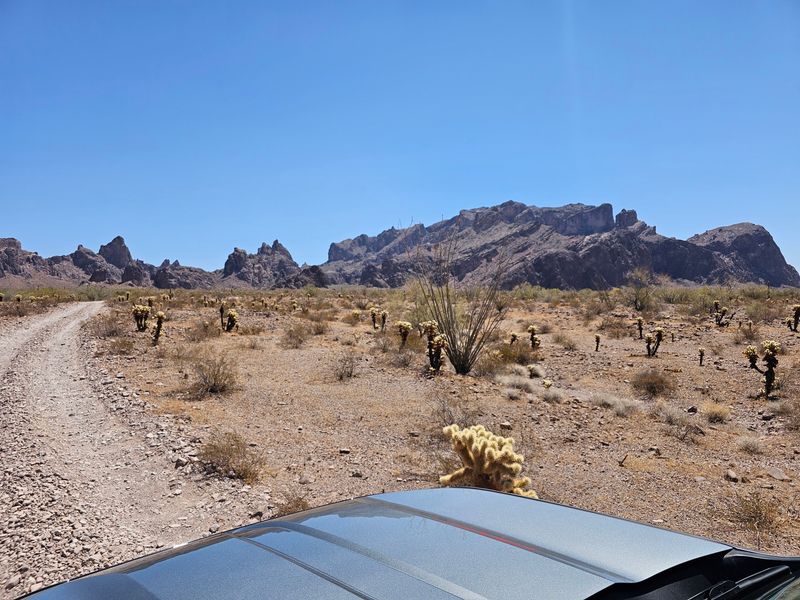
Not every great adventure at Kofa requires lacing up hiking boots. King of Arizona Mine Road is a fan favorite among visitors who want to explore the refuge by vehicle and soak in the dramatic scenery from behind the wheel.
The road passes through terrain that genuinely looks like a scene from an old western film, with striking rock formations, jagged peaks, and wide open desert stretching in every direction. Visitors have compared the landscape to something out of a classic Hollywood movie, and that description is hard to argue with once you are actually there.
The road is unpaved and can be rough in spots, so going slowly is a good idea. Most two-wheel-drive vehicles can manage it, though a high-clearance vehicle adds comfort on rougher sections.
Reviewers who have taken this road recommend it enthusiastically as one of the best ways to experience Kofa without a long hike.
Castle Dome Mine and Ghost Town: A Step Back in Time
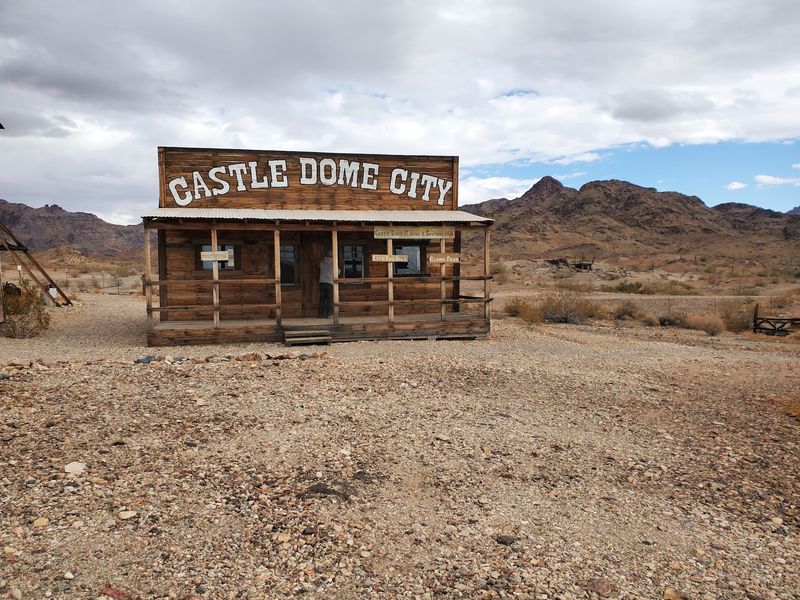
On the eastern side of the Kofa region sits one of Arizona’s most fascinating historical attractions: the Castle Dome Mine and Ghost Town. Multiple reviewers describe it as well worth the price of admission and say a single day is not even enough to see everything it offers.
The site preserves the remains of a 19th-century silver and lead mining operation, complete with original and restored structures that paint a vivid picture of what frontier life looked like. Walking through it feels like stepping onto a film set, except everything around you is completely real.
Guided tours are available and highly recommended for getting the full story behind the mines and the people who worked them. One reviewer noted they could not see everything in a single visit and plans to return.
For history buffs and curious explorers alike, Castle Dome is an unforgettable half-day side trip from Kofa.
Saguaro Cacti Forests That Paint the Desert in Living Sculpture
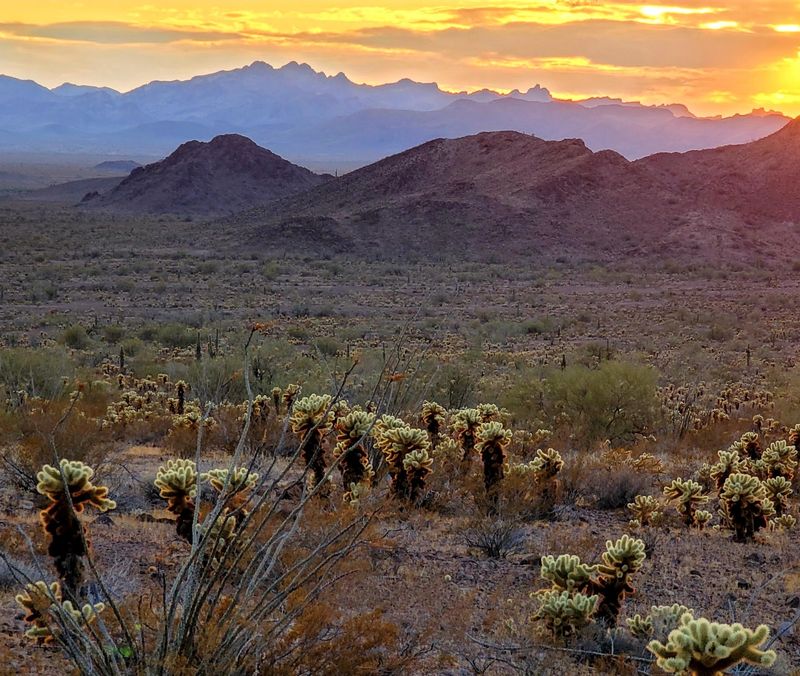
Few things define the Sonoran Desert more powerfully than the saguaro cactus, and Kofa National Wildlife Refuge is packed with them. These towering plants, which can live for over 150 years and grow taller than 40 feet, stand like silent sentinels across the entire refuge.
One reviewer described Kofa as the perfect picture of the Sonoran Desert, specifically calling out the cacti as a defining feature of the landscape. Driving or hiking through areas dense with saguaros gives you a real sense of how wild and untouched this corner of Arizona remains.
Saguaros bloom with white flowers in late spring, attracting birds and bats that feed on the nectar. Their red fruits ripen in summer and have been harvested by Indigenous peoples for thousands of years.
Every season brings something new to notice about these remarkable plants. Kofa lets you experience them at their most natural.
Dog-Friendly Trails Where Your Pup Can Explore Right Alongside You
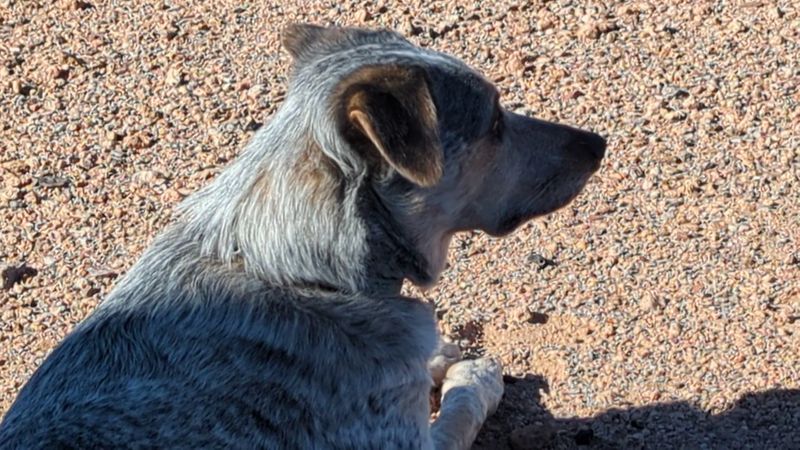
Bringing a four-legged companion along on a desert adventure is absolutely possible at Kofa, and many visitors have done exactly that. Multiple reviewers specifically mention the refuge being dog-friendly, which is a huge bonus for pet owners who hate leaving their dogs behind.
Palm Canyon Trail is one of the most popular dog-friendly routes, though a word of caution from experienced visitors is worth keeping in mind: cholla cacti are everywhere, and their spiny segments can latch onto fur and paws with surprising ease. Packing a wide-tooth comb to remove any stuck pieces is genuinely useful advice.
Keeping dogs on a leash is important both for their safety around wildlife and out of respect for the refuge’s protected ecosystem. The terrain can be rough with sharp rocks and loose gravel, so checking paws regularly during and after hikes is a good habit.
Kofa welcomes well-prepared pet owners warmly.
Dramatic Rock Formations That Look Like They Belong in a Western Film
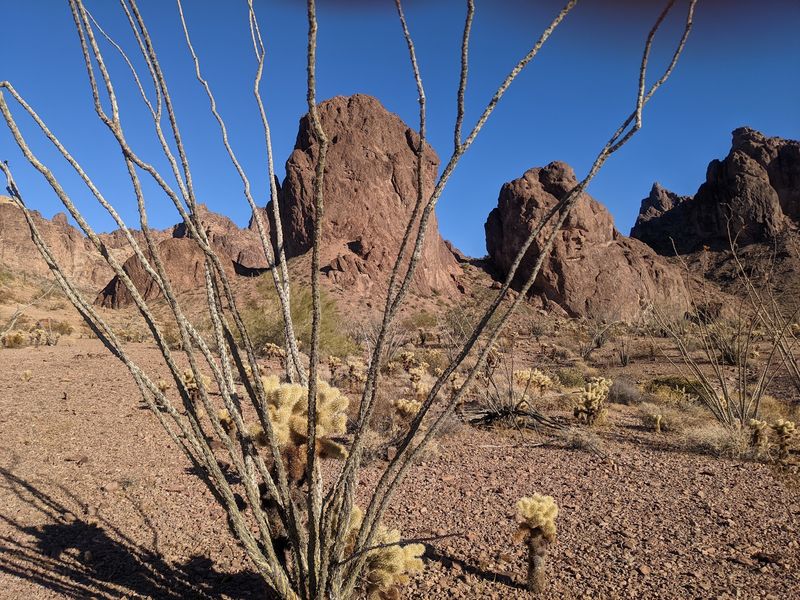
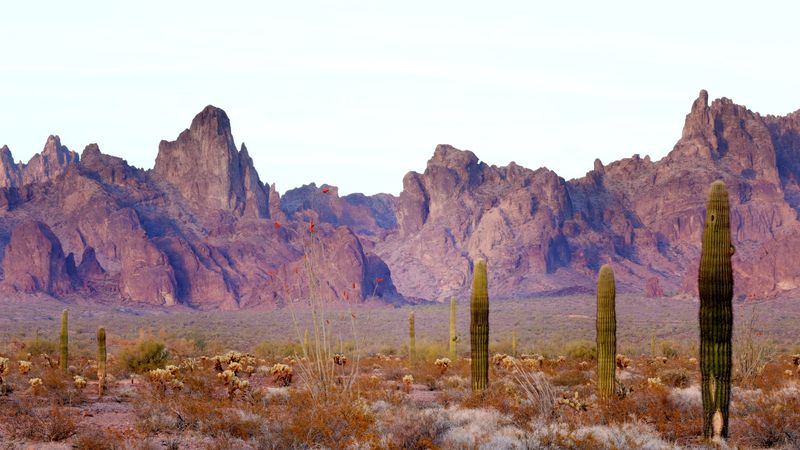
There is something almost cinematic about the rock formations scattered throughout Kofa National Wildlife Refuge. Towering volcanic buttes, sharp ridgelines, and layered canyon walls rise out of the flat desert floor in ways that genuinely stop you mid-sentence when you first see them.
One reviewer put it perfectly, comparing the landscape to something out of an old western film. The black volcanic rocks and striking peaks visible from Interstate 10 actually serve as a geographic marker where the Mojave Desert transitions into the Sonoran, making Kofa a kind of visual gateway into a different world.
Photographers find the formations especially rewarding at sunrise and sunset, when warm golden light rakes across the rocky surfaces and creates deep shadows. Even without a camera, sitting quietly and watching the light change across those ancient stones is a deeply satisfying experience.
Kofa’s geology tells a story millions of years in the making.
Off-Road and ATV Adventures Across Open Desert Terrain
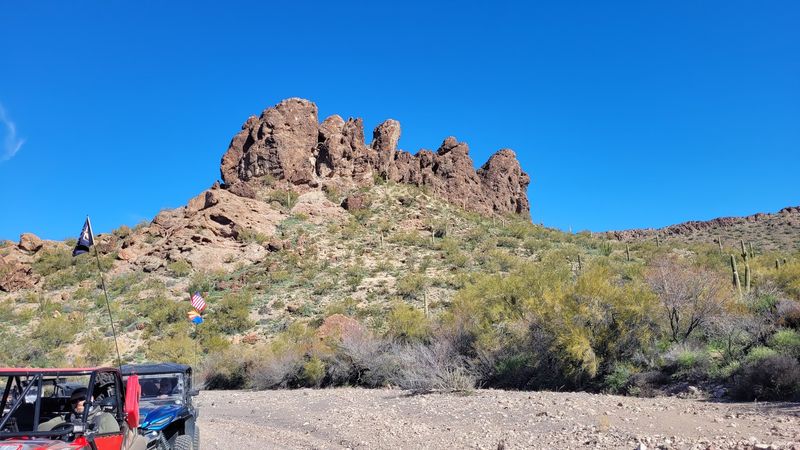
Weekends at Kofa bring out a different kind of visitor. Reviewers have noted that Saturdays and Sundays tend to be busier with jeeps, buggies, and motorcycles hitting the refuge roads, turning certain areas into lively off-road playgrounds.
The network of unpaved roads throughout the refuge offers plenty of room for exploration by four-wheel-drive vehicles and ATVs. Some roads require high clearance and four-wheel drive, while others are accessible to standard two-wheel-drive vehicles with just a bit of caution.
Knowing which roads suit your vehicle before heading out is a smart move.
If you are camping and want peace and quiet, positioning your campsite upwind from the main roads helps avoid the worst of the dust kicked up by passing vehicles. Weekday visits tend to be noticeably calmer and more solitary.
Either way, the open terrain and dramatic scenery make Kofa a genuinely exciting destination for off-road enthusiasts of all experience levels.
Peaceful Solitude That Is Almost Impossible To Find Anywhere Else
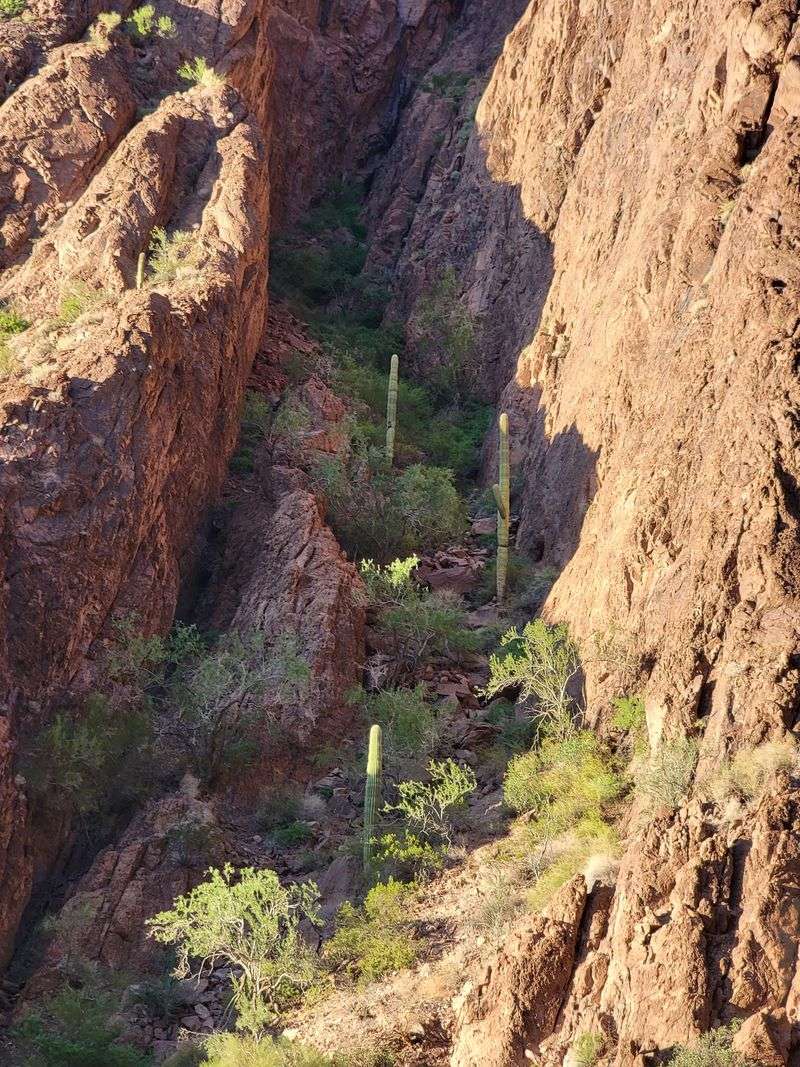
Some places are popular because they are loud and exciting. Kofa National Wildlife Refuge is popular because it is the exact opposite.
Visitors consistently describe it as remote, quiet, and almost completely void of other people, even during busy winter camping season.
One reviewer who camped for a week during Christmas described the silence as one of the best parts of the whole trip. Another who spent two weeks boondocking said the area was clean, respectful, and genuinely peaceful throughout their stay.
That kind of experience is becoming harder to find in the modern world.
The refuge covers such a vast area that even when multiple groups are camping, it rarely feels crowded. Campsites are naturally spread out by the terrain, giving everyone a sense of having their own private corner of the desert.
For anyone craving real stillness and space, Kofa delivers it in generous, unhurried abundance.
Winter Camping That Offers Mild Days and Dramatically Cold Nights
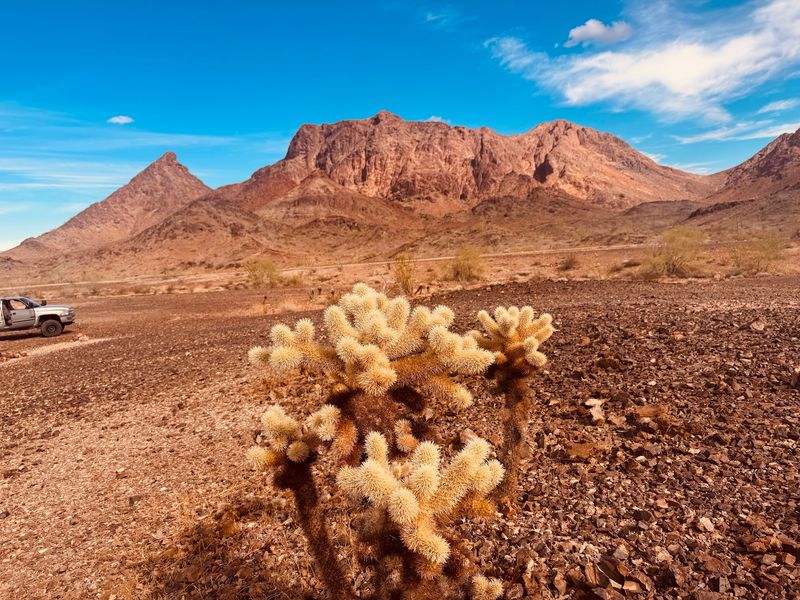
Timing matters a lot when visiting Kofa, and winter is widely considered the golden season. Daytime temperatures in December through February are comfortable and mild, making hiking and exploring genuinely enjoyable without the brutal heat that summer brings to the Sonoran Desert.
Once the sun drops, though, temperatures can fall sharply. One reviewer specifically warned that winter nights at Kofa get cold, using ice emojis to drive the point home.
Layering up with warm sleeping gear and a solid jacket is not optional; it is essential for a comfortable overnight stay.
The contrast between warm, sunny afternoons and crisp, starlit nights is actually part of what makes winter camping here so memorable. Many long-term visitors return year after year specifically during the winter months, setting up camp for the full 14-day allowed stay.
The Kofa winter experience has a way of becoming a beloved annual tradition for those who discover it.
A Refuge That Rewards Those Who Finally Stop Driving Past It
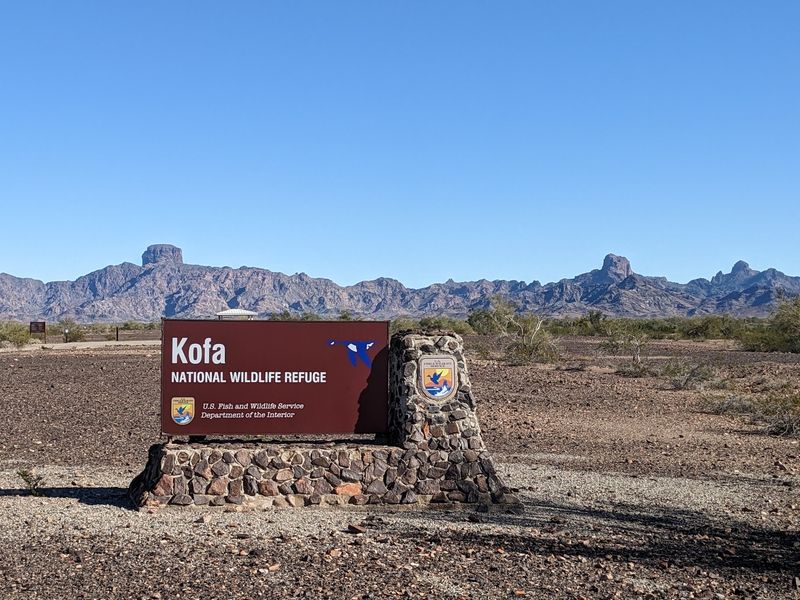
Many people have driven past the turnoff for Kofa dozens of times without ever stopping. One reviewer admitted to doing exactly that before finally pulling in, and their reaction summed up what so many first-time visitors feel: pure disbelief that they waited so long.
The refuge sits just off Highway 95, roughly between Yuma and Quartzsite, making it an easy detour for anyone passing through southwestern Arizona. The main entrance to Palm Canyon Road is clearly marked, and the drive in, while bumpy at times, is manageable for most vehicles.
No entry fee is required, which makes showing up on a whim completely stress-free.
Whether you stop for a quick hike, a single night of camping, or an extended two-week stay, Kofa has a way of leaving a lasting impression. The freedom to explore on your own terms, at no cost, in a landscape this extraordinary, is a rare and genuinely wonderful thing.
Enjoyed this story?
Add Fast Food Club as a preferred source to see more of our reporting on Google.