


Somewhere under the quiet hills of East Tennessee, a boat floats on a lake that never sees the sun. A teenage boy found it more than a century ago, and almost nobody believed his story for decades.
Today, families ride across its dark water while rainbow trout cruise beneath them. This is a cave trip with a surprise ending, and it sits just outside the small town of Sweetwater.
Keep reading to learn where it is, how the tour works, what the falling water levels mean, and the smart tips that make the uphill walk back out a lot easier to handle.
A Lake Tucked Under Sweetwater
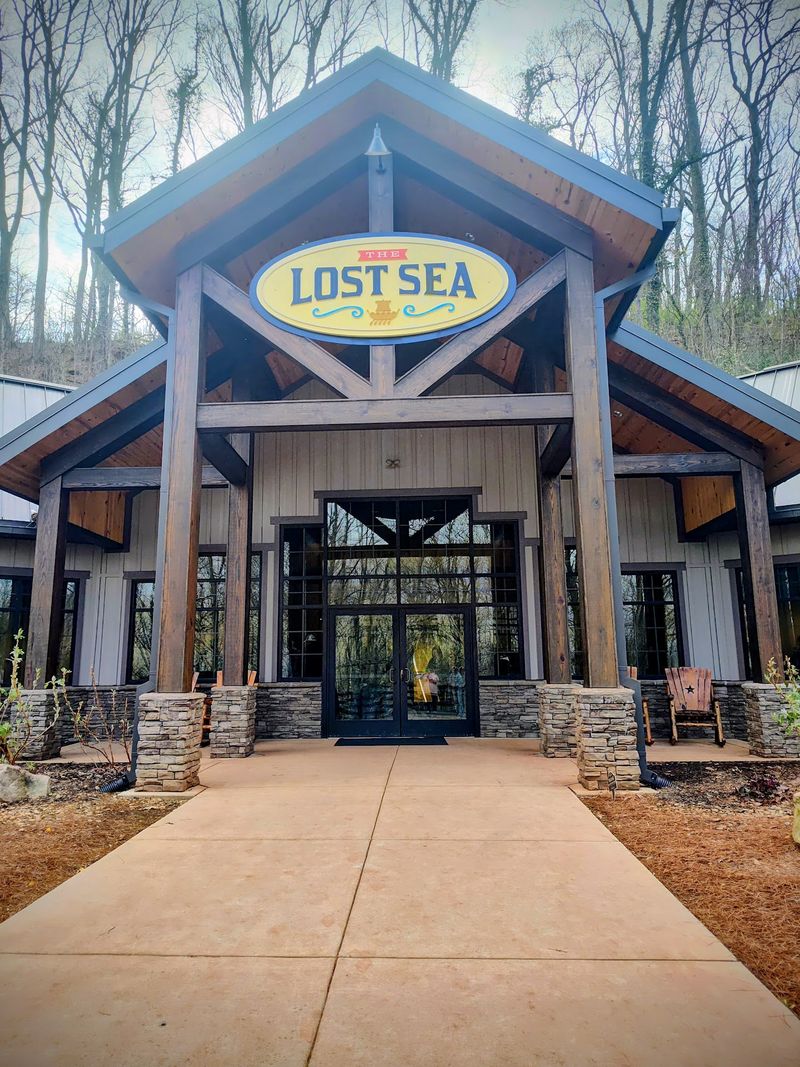
Few roadside stops in Tennessee hide their main attraction this well. The Lost Sea sits at 140 Lost Sea Rd, Sweetwater, TN 37874, in the eastern part of the state and the United States.
From the parking lot, there is nothing to hint at the giant lake waiting below. The surface looks like a tidy little village with a main building, shops, and plenty of parking close to the entrance.
Underneath, though, is a cave network with an underground lake that covers about four acres. It is known as America’s largest underground lake, and some even call it the largest in the Northern Hemisphere.
The attraction is built around one simple plan. Guests walk down through the cave on a guided tour, then board a boat for a ride across the water before heading back up.
It is a little remote, so this is a place worth planning for rather than stumbling upon. Still, the detour pays off for anyone traveling through East Tennessee and wanting something far from ordinary.
The address may be easy to type into a map, but what waits below the surface takes a full tour to understand.
The Boy Nobody Believed
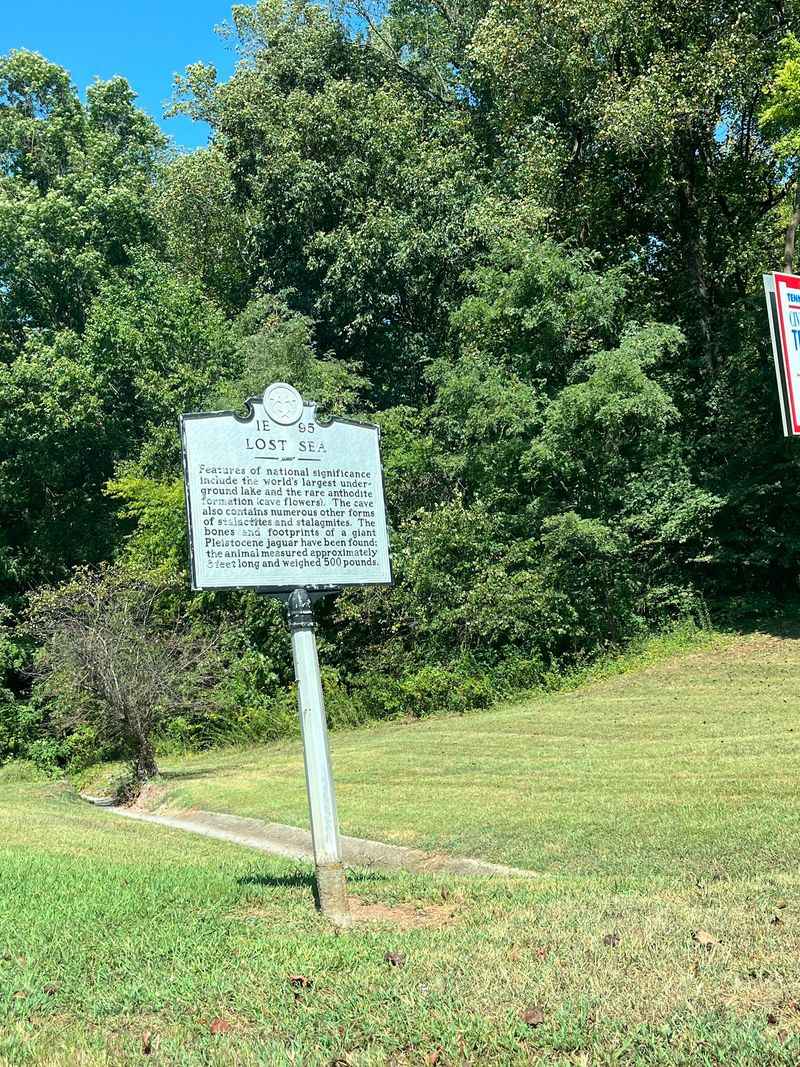
Every great cave needs a great origin story, and this one comes with a twist. The first person to find the cavern was a 13-year-old boy.
He reported what he saw, but no one took him seriously. It took around 60 years before geologists confirmed the lake was real.
The cave itself was discovered around the late 1800s. Along the walk, guests spot both natural features and human-made marks left behind over the years.
Guides weave this history into the tour, covering geology, past discoveries, and the long human connection to the cave. Many tours feel like a living history lesson rather than a lecture.
One more chapter adds a Cold War note. An adjoining cave, not part of the basic tour, was designated as a fallout shelter in the 1950s.
That mix of teenage discovery, scientific proof, and mid-century history gives the walk real depth. It turns a cave visit into a story with characters and turning points.
The boy who was doubted for decades ended up being right all along, which is quite the comeback for a kid with a wild tale.
Down the Tunnel and Into the Caverns
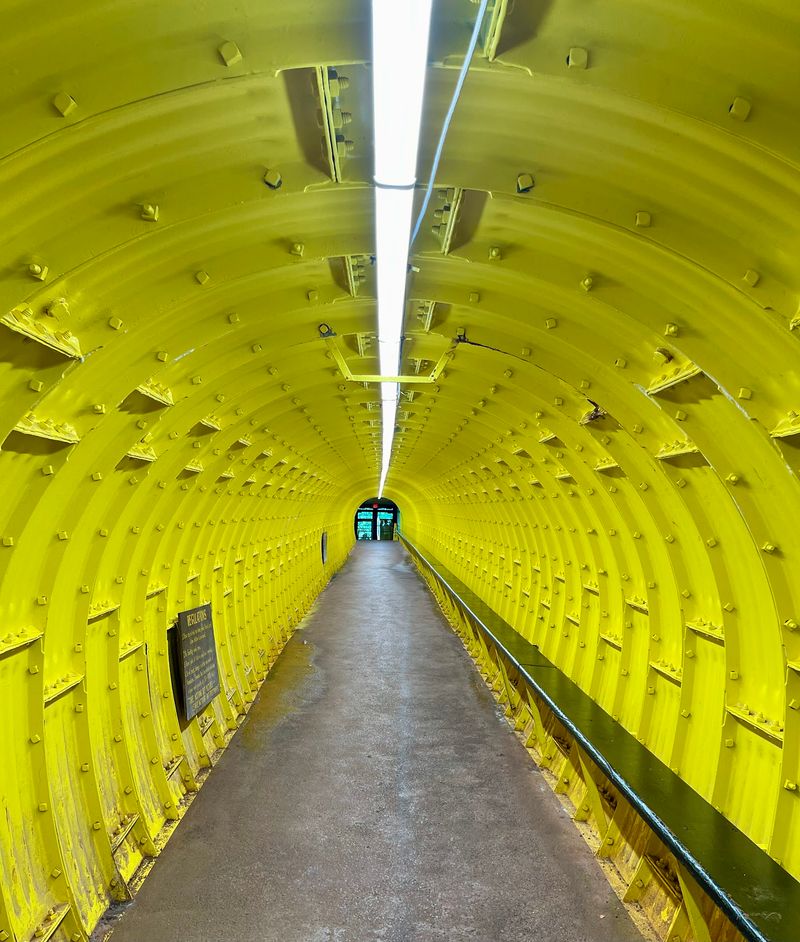
The adventure begins with a long tunnel that leads into the cave system. From there, the path winds through narrow passages and massive open chambers.
Walkways are wide, stable, and lit, with handrails and benches along the route. Even people who usually feel uneasy in caves often find the setup easy to manage.
The formations here are a little different from many other caverns. Traditional dripstone features are fewer and far between, partly because this is an active cave with heavy traffic over the years.
Instead, much of the rock shows washed-away areas with a rippled look. Many stalactites along the route are broken, so formation hunters should set expectations.
Small streams trickle along the way, and guests can watch water droplets fall from cracks in the rock. Those little streams help feed the lake waiting at the end.
Some sections are darker than others, and parts of the walking surface are uneven. Holding the handrails is a smart move, but nothing on the main path is tight or narrow.
The walk down sets the stage nicely, building a sense of scale before the big reveal arrives.
Boat Rides and Rainbow Trout
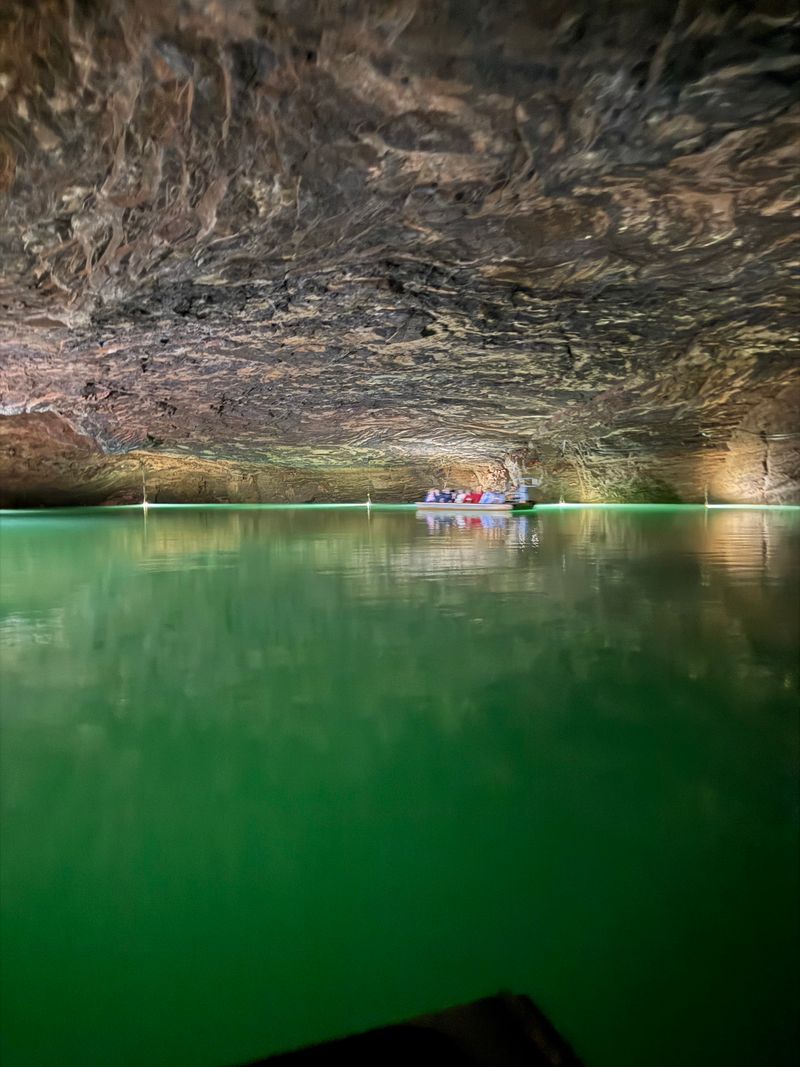
Here is the moment everyone comes for. After the walk, the cave opens into a huge room holding the lake, and guests board a boat for a short ride across the water.
The ride is calm and unhurried. It is easily the highlight for most people, and something few places anywhere can offer.
At its deepest point, the lake reaches about 60 feet. Water drips into it from the towering cave ceiling high above.
Then there are the fish. Large rainbow trout swim beneath the boats, and they have become stars of the show.
These trout do not breed in the lake. More are added over the years, so they function almost like oversized pets, and some even earn names from the crew.
Boat guides often answer questions and add fun facts along the ride. Early morning tours with small groups can mean fewer boats on the water and a quieter trip.
A short float on a four-acre lake underground sounds simple on paper, yet it tends to become the part people talk about most on the drive home.
Why the Water Level Matters
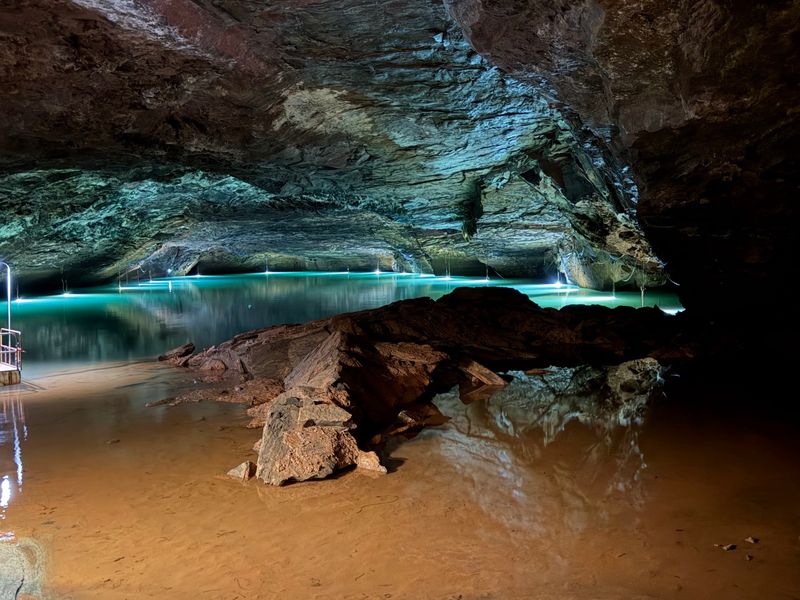
Lakes change, and this one has been changing fast. Tennessee has dealt with drought, and the water sits well below its usual height.
Recent trips have found the level down more than 12 feet, and at times nearly twenty feet short of normal. Returning guests note how much water has disappeared compared with visits from years ago.
That drop has real effects on the tour. It limits where the boats can go on the lake.
It also affects the famous lighting. When the water is low, underwater lights are no longer submerged, so the glowing effect many people expect may be missing.
Without that glow, the lake can look like a dark body of water. Guides often use flashlights to point out fish, so bringing a strong flashlight of your own is a handy idea.
Even so, many guests still call the lake remarkably impressive. Some feel lucky to see it now, while others wish they had been told about conditions before buying tickets.
Checking current conditions with the attraction before a trip is a wise step, since this underground sea is very much a work in progress.
Guides With a Sense of Humor
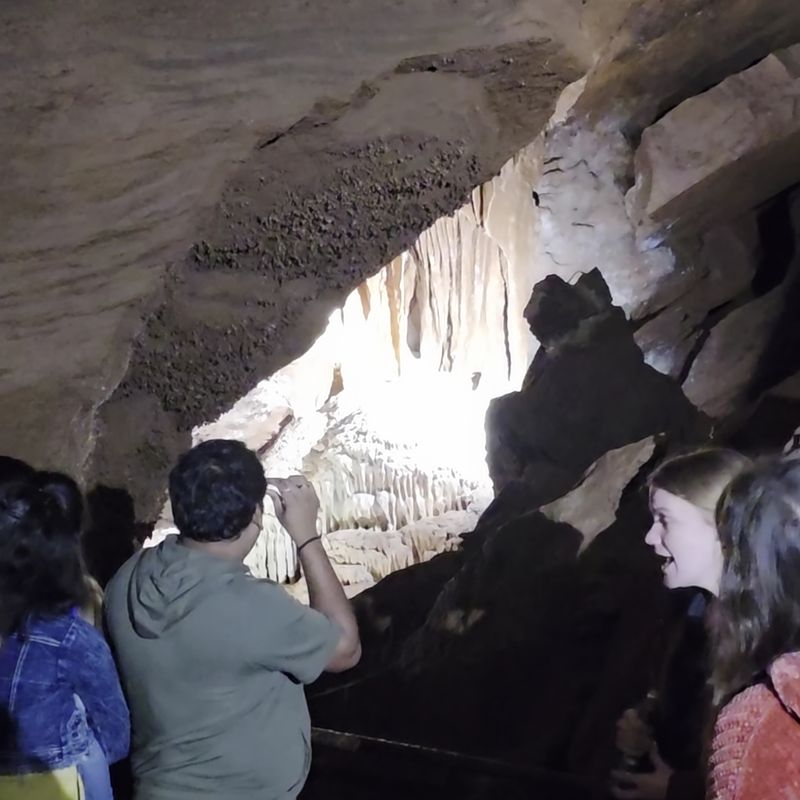
A cave is only as fun as the person leading you through it. Here, the guides are a big part of the experience.
Tour guides come up again and again as the standout feature after the cave itself. Many are known for being funny, friendly, and full of facts.
They mix history and geology with jokes, keeping kids and adults engaged. The pacing usually feels relaxed, with nobody rushed.
On the climb back out, guides make sure groups get a few minutes to catch their breath at rest spots. That small courtesy goes a long way on the uphill stretch.
The team includes younger guides with big personalities and older guides with deep knowledge of the cave’s past. Some groups even get a separate boat guide on the lake.
Not everyone loves the guided format. A few people would prefer to walk at their own pace and hop on the boat when ready.
Still, for most groups, the person holding the flashlight turns a good tour into a memorable one, and the laughs tend to echo long after the visit.
Overnight Stays, Crawls, and the Village
Some guests want more than a walk and a boat ride. For them, deeper adventures wait.
Groups can spend the night sleeping inside the cave. Scout troops and families have done this and praised the experience.
The Wild Cave Crawling Tour leads into parts of the cave most people never see. Expect tight squeezes and plenty of mud, so old clothes are a must.
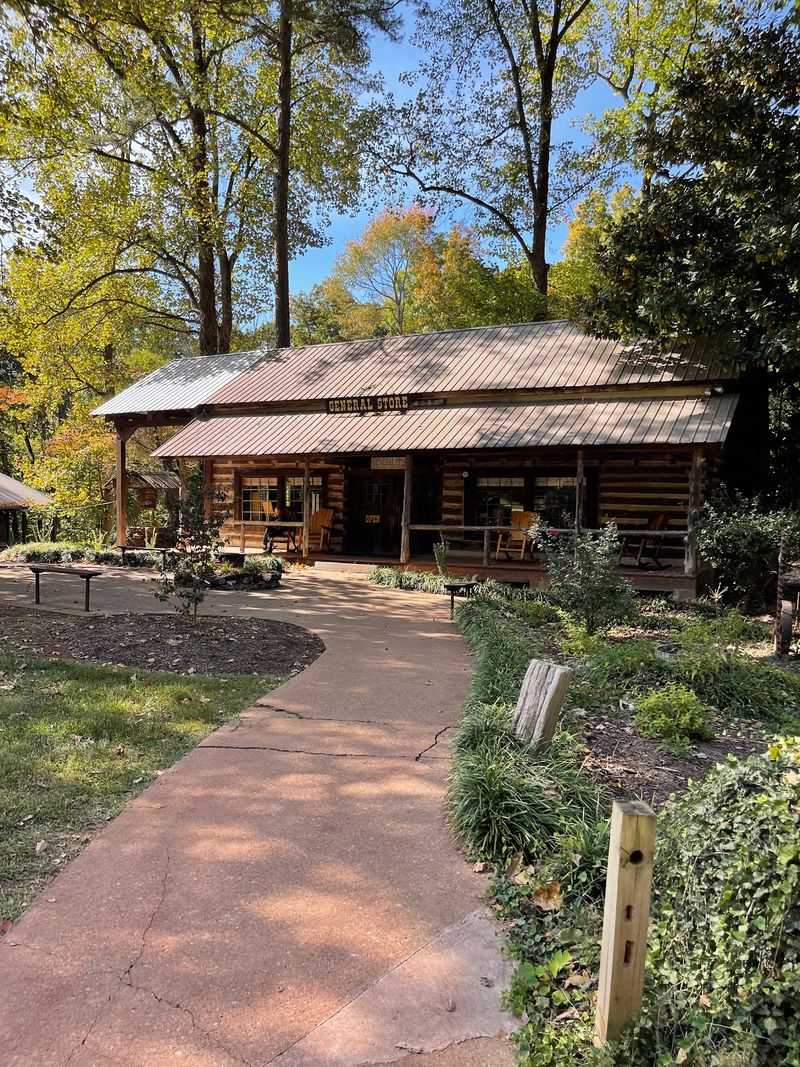
Back on the surface, the little village keeps people busy before tours start. Guests often have about 30 minutes to explore after buying tickets.
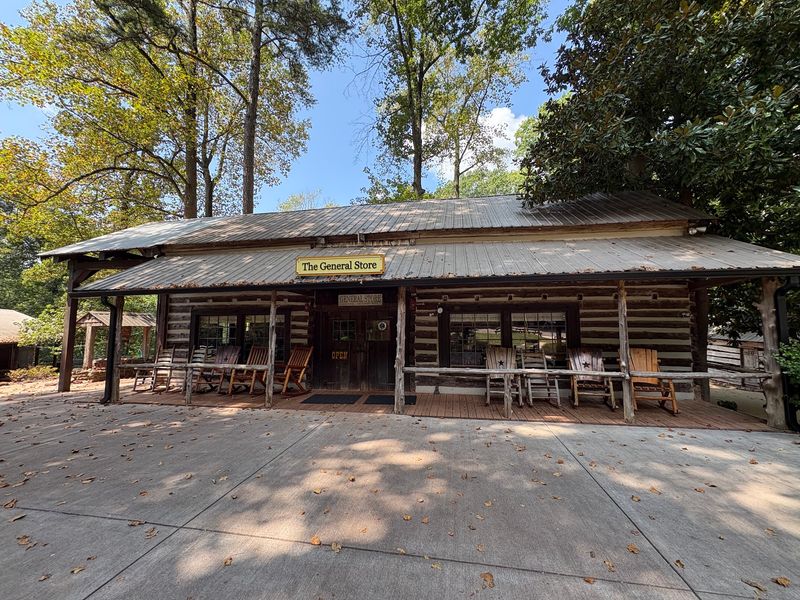
There is a general store, ice cream, and a gift shop. Glass blowing is another popular draw in the village.
A picnic pavilion offers a spot to relax outdoors. Some extra attractions may be closed at certain times, so plans should stay flexible.
The grounds were clearly updated in recent years. Restrooms are plentiful and well kept, and the whole operation feels organized and clean.
Between muddy crawls and a quiet browse through the shops, the surface and the cave offer two very different kinds of fun on the same property.
Hours, Hills, and a Fair Verdict
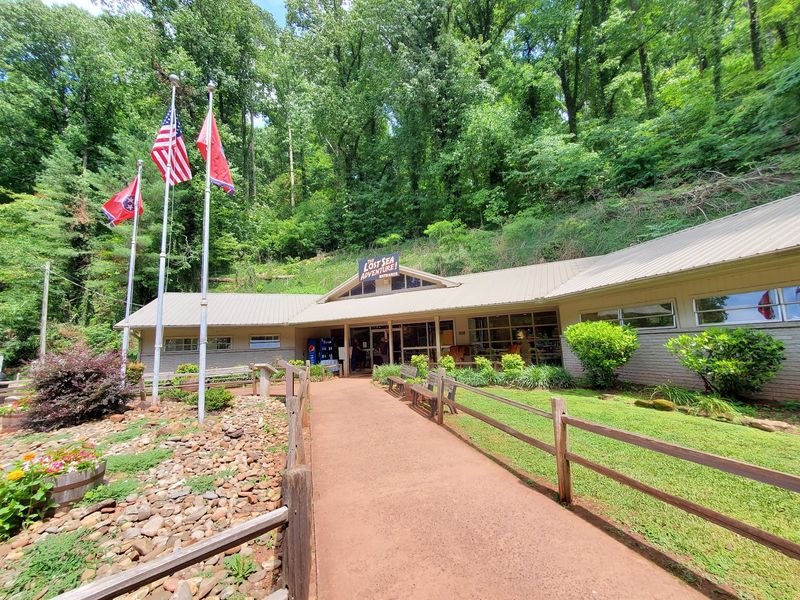
Planning matters here, mostly because of one stubborn hill. The attraction opens 9 AM to 5 PM on Sunday, Monday, Tuesday, Wednesday, Friday, and Saturday.
It is closed on Thursdays. Buying tickets online ahead of time is recommended.
The standard tour runs about an hour to an hour and a half, including the boat ride. Going down is easy, but the walk back up is steep and strenuous.
Comfortable shoes are essential, and fancy footwear is a definite no. Anyone with a medical condition should take it slow and use the benches.
The cave stays cool, which makes it a great escape on a hot summer day. A light jacket helps, especially for kids.
Handicap parking is available past the little village on the left. Parking overall is plentiful and close to the entrance.
So, is it worth the trip? For families, curious travelers, and first-time cave explorers, the answer leans strongly toward yes, with an asterisk about the water level.
A hidden lake, a doubted boy proven right, and trout with names make for a story few road trips can match.
Enjoyed this story?
Add Fast Food Club as a preferred source to see more of our reporting on Google.