


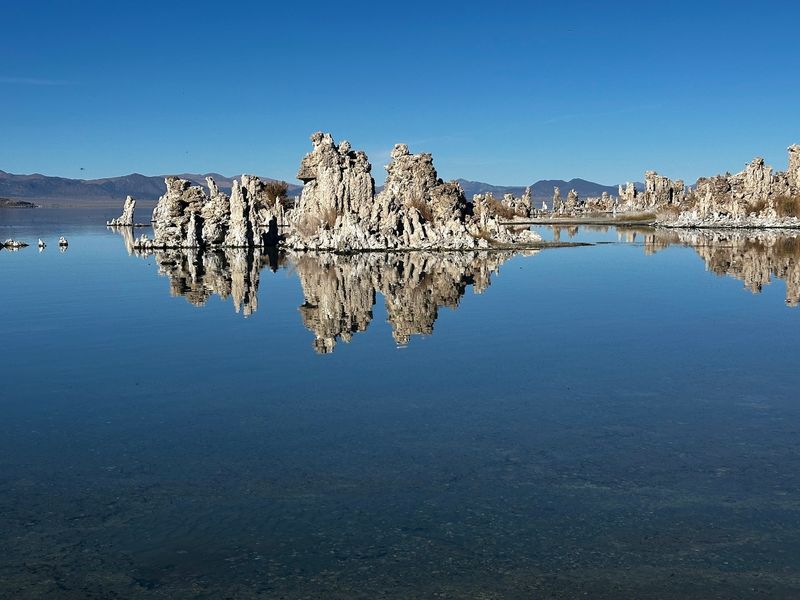
California has plenty of famous lakes, but there is one out in the eastern desert that looks like it belongs on a different world entirely. Mono Lake sits near the town of Lee Vining, and its strange rock towers, salty blue water, and wide-open surroundings make it one of the most unusual spots in the state.
It is ancient, protected, and unlike anything you have probably seen on a road trip. If you have ever wanted to visit a place that feels part science fiction and part nature documentary, this guide walks you through why Mono Lake and the areas around it deserve a spot on your travel plans.
1. Mono Lake, Lee Vining, California
More than a million years old, Mono Lake is one of the oldest lakes in North America, and that age shows in how alien it looks. The water has no outlet, so minerals collect over time, making the lake extremely salty and alkaline.
The lake sits just off Highway 395, right beside the small town of Lee Vining. That location makes it an easy stop for anyone driving between the eastern Sierra and destinations like Yosemite.
What sets Mono Lake apart is its otherworldly stillness combined with those famous rock towers along the shore. The color of the water can shift depending on light and season, ranging from deep blue to a pale turquoise.
Because it is a protected area, the lake supports huge populations of migrating birds and tiny brine shrimp. It is a rare place where a stark desert setting and abundant wildlife exist side by side.
2. South Tufa Area, Mono Lake Tufa State Natural Reserve, California
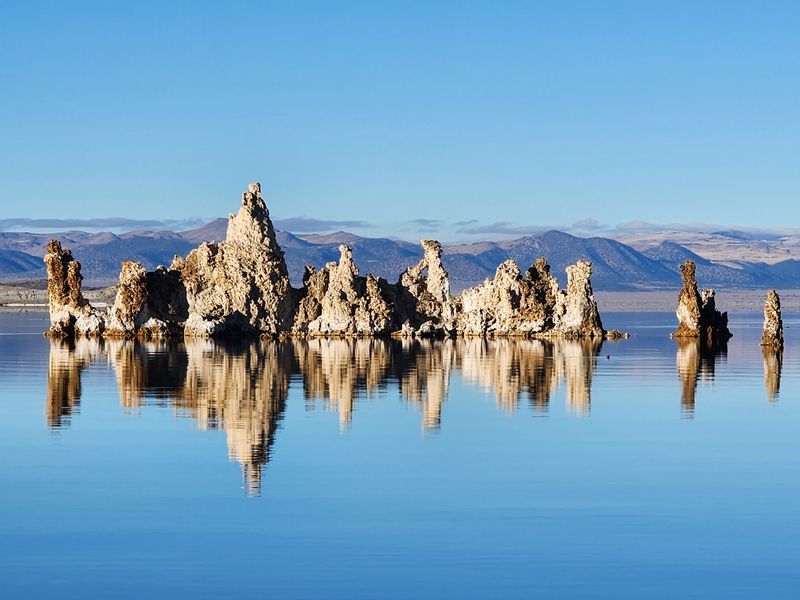
If you only have time for one stop, the South Tufa Area is where the lake shows off its most famous rock formations. The tufa towers here formed underwater over centuries as freshwater springs mixed with the lake’s mineral-rich water.
A short walking trail loops through the towers and down to the shoreline. The path is fairly flat and easy, which makes it approachable for families and casual walkers.
The reserve is managed as a protected natural area, and there is a modest entrance fee for the South Tufa site. Interpretive signs along the trail explain how the strange formations came to be.
Morning and evening light make the towers especially striking, which is why photographers tend to gather here around those times. It is the single best place to understand why people compare Mono Lake to another planet.
3. Mono Basin Scenic Area Visitor Center, Lee Vining, California
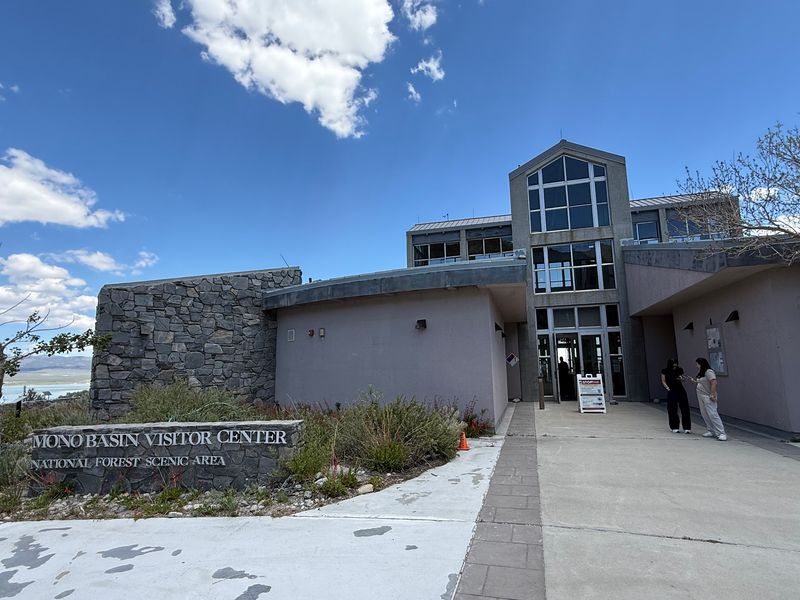
Run by the U.S. Forest Service, the Mono Basin Scenic Area Visitor Center is the smartest first stop before you explore.
It sits on a hill just north of Lee Vining with sweeping views over the entire basin.
Inside, exhibits explain the geology, wildlife, and long human history of the area. Rangers and volunteers can point you toward current trail conditions and the best viewing spots.
The center is a good place to learn about the brine shrimp and alkali flies that feed the lake’s enormous bird population. Those tiny creatures are the reason so many migrating birds stop here each year.
Admission to the visitor center is free, and the large windows alone make it worth a quick look. Checking here first helps you plan the rest of your visit around what is open and accessible.
4. Panum Crater, Mono Basin, California
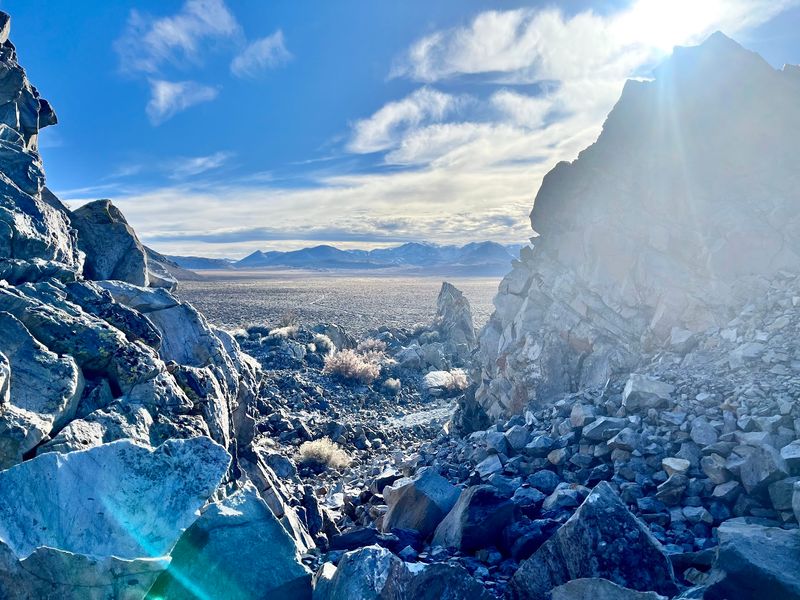
Volcanoes are not what most people expect near a desert lake, but Panum Crater proves the Mono Basin is full of surprises. It is one of the youngest volcanic craters in the area and part of the Mono Craters chain.
A rim trail circles the crater and offers wide views of Mono Lake and the surrounding landscape. A separate plug trail lets you scramble among glassy obsidian and pale pumice rock at the center.
The obsidian here formed from rapidly cooled volcanic glass, and pieces of it are scattered across the ground. Visitors are asked to look but leave the rocks in place.
Reaching the crater usually requires driving a short dirt road, so a vehicle with decent clearance helps. The combination of volcanic terrain and lake views gives the area even more of its off-world character.
5. Navy Beach, Mono Lake, California
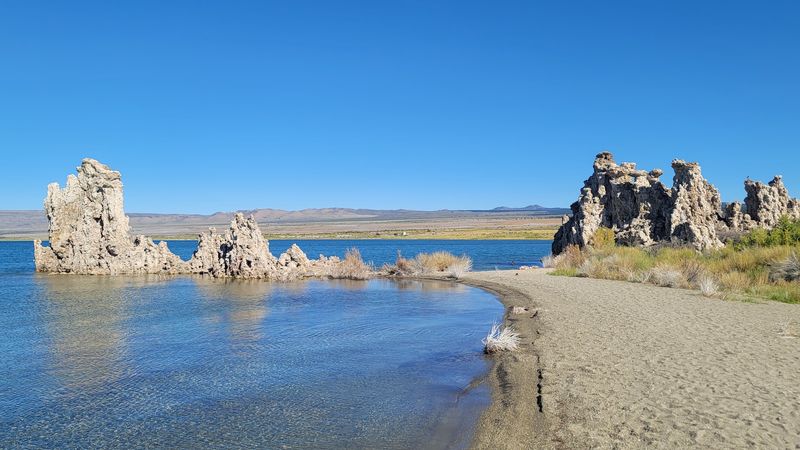
For anyone who wants to get closer to the water, Navy Beach is one of the main access points along the lake’s southern shore. It sits near the South Tufa Area and offers a more open stretch of shoreline.
The spot is popular for launching kayaks and canoes, since the salty water is calm and buoyant. Guided paddle tours sometimes operate here during the warmer months.
Smaller tufa formations dot the shoreline, giving paddlers a chance to glide right up to them. The extreme saltiness means the water feels different from any ordinary lake swim.
Getting here involves a short drive on a dirt road off Highway 120. Bringing your own gear or joining a tour is the easiest way to experience the lake from the water rather than the shore.
6. Old Marina, Mono Lake, California
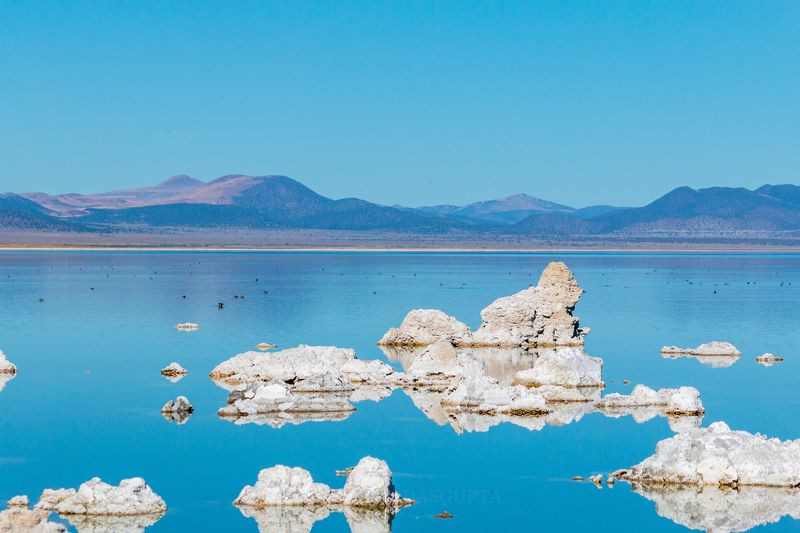
Not everyone wants a long hike, and the Old Marina site is built with that in mind. Located just north of Lee Vining off Highway 395, it offers one of the most accessible views of the lake.
A short, mostly flat path leads to a viewing area with tufa formations near the shore. The trail is friendly for visitors who prefer an easy walk.
The wide, open perspective here makes it a favorite for sunrise and sunset views. You can take in the lake, the tufa, and the surrounding hills all from one convenient spot.
Because it is right off the highway, Old Marina is an easy pull-off for travelers passing through. It gives you a quick taste of the lake’s strange beauty without much effort.
7. Lee Vining, California
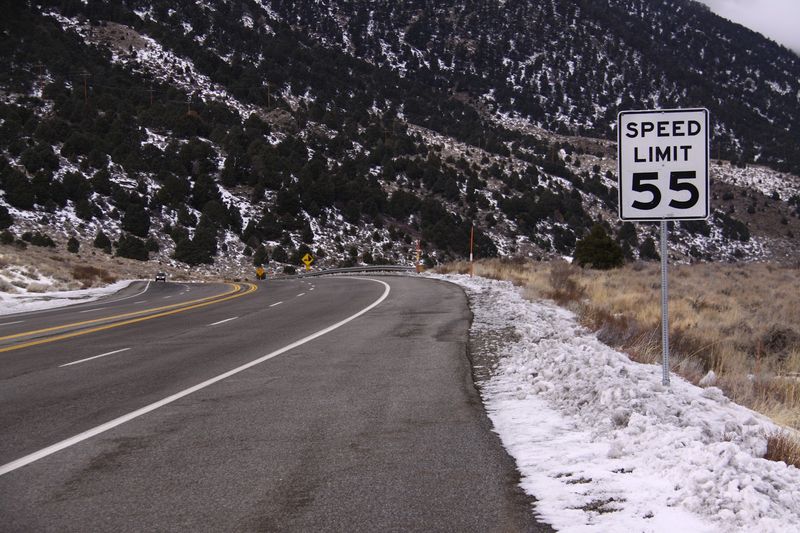
Every trip to the lake needs a home base, and the little town of Lee Vining fills that role perfectly. It sits right along Highway 395 at the eastern gateway to Yosemite through Tioga Pass.
The town has a handful of shops, cafes, and places to stay, making it a practical stopping point. Its small size is part of the charm, since it keeps the focus on the surrounding landscape.
Lee Vining also serves as the closest community to the Mono Lake sites, so many services are geared toward travelers exploring the basin. The Mono Lake Committee runs an information center and bookstore in town.
Keep in mind that Tioga Pass, the road connecting Lee Vining to Yosemite’s high country, typically closes in winter due to snow. Checking road conditions before you go helps you plan the trip smoothly.
Using the town as a launch point lets you reach the lake, the craters, and the shoreline sites within a short drive.
Enjoyed this story?
Add Fast Food Club as a preferred source to see more of our reporting on Google.