


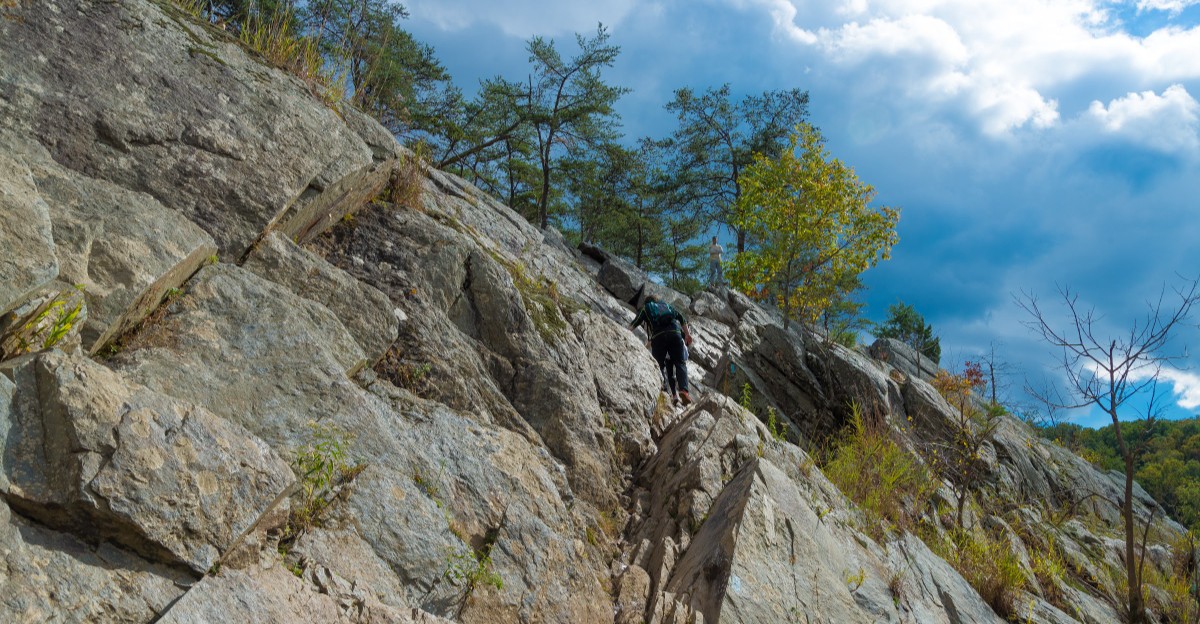
Some trails let you walk. This one makes you climb, crouch, and grab rock with both hands.
Just outside Washington, a short stretch of path along the Potomac River packs more action into under two miles than many trails manage in ten. The paint blazes lead over boulders, up a cliff wall, and along ledges above a deep river gorge.
On a cold weekday morning, with the weekend crowds gone, the place can feel far more remote than its location suggests. Hikers who come from flat cities often leave surprised by how much fun a hard trail can be.
Keep reading to learn where it starts, which way to walk, what gear helps, and when to go for the quietest climb.
Where the Rocks Begin
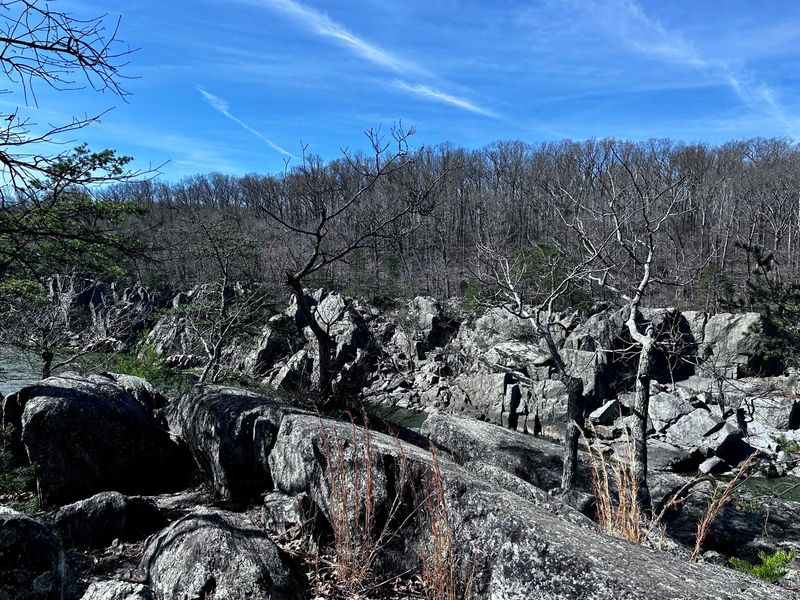
The trail sits in Potomac, MD 20854, USA, inside the Great Falls area along the Maryland side of the Potomac River. Its official name is Billy Goat Trail Section A, and it is the most demanding of the three Billy Goat sections.
The route covers about 1.7 miles of steep, rugged ground. It runs between the river and the C&O Canal towpath, which serves as the easy walk to and from each end.
Many hikers start near Angler’s Foot Bridge and the parking area across from Old Anglers Inn. From there, a short walk leads to the trailhead itself.
Wrong turns happen often near the bridge. One common mistake is turning right instead of left and landing on Section A when the plan was the milder Section B.
Getting the start right matters, because the trail runs one way only. Hikers are asked to follow the designated route and not walk against the flow.
Short on distance, long on attitude, this path earns its name within the first few boulders.
A Trail Named for Climbers
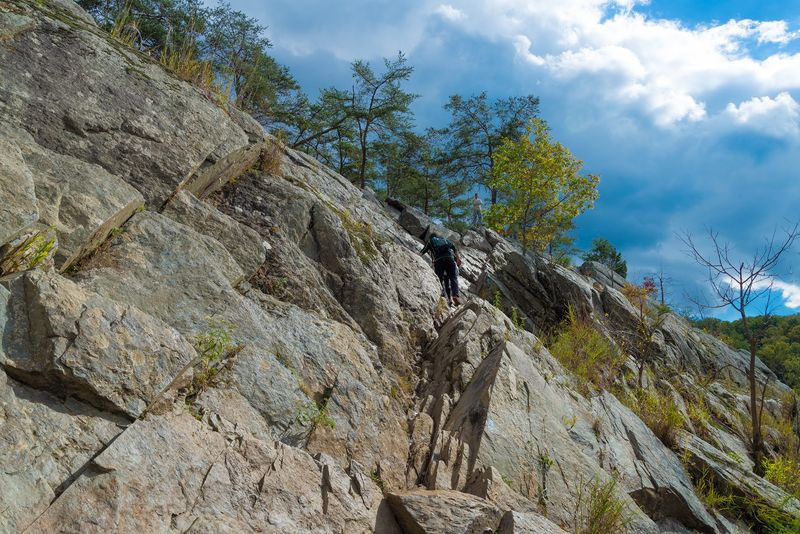
Mountain goats would feel right at home here, and that is the whole joke of the name. The trail asks people to move the way goats do, hopping from rock to rock and pulling up ledges.
Rocks are the main topic whenever this trail comes up. Scrambling, climbing, and picking a line over uneven stone take up much of the route.
Many sections require hands as well as feet. Hikers do not need to be skilled rock climbers, yet casual walkers may find parts risky.
The trail stays popular because the challenge feels playful rather than punishing. It is short enough to finish in a morning but busy enough to keep the mind fully engaged.
Newcomers from flat places like Chicago have called it a first-of-its-kind outing that turned out to be a blast. That mix of nerves and fun is the heart of the experience.
Goat-level agility is optional, though it certainly helps.
Mather Gorge From Above
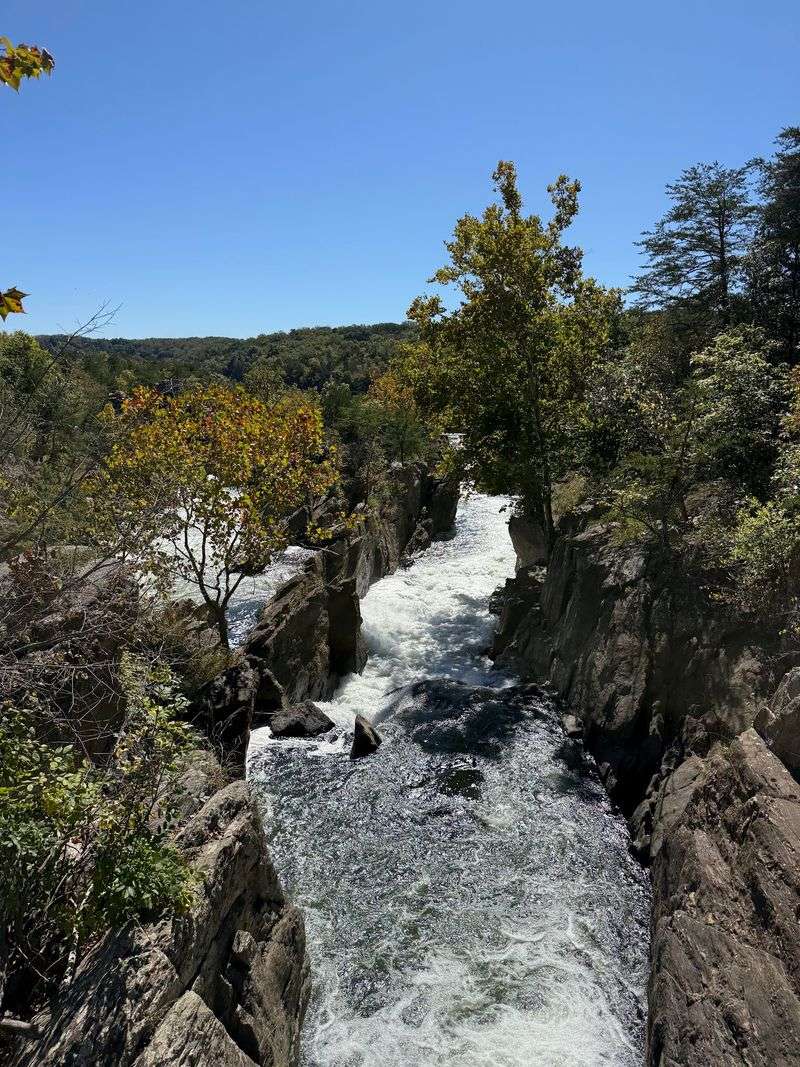
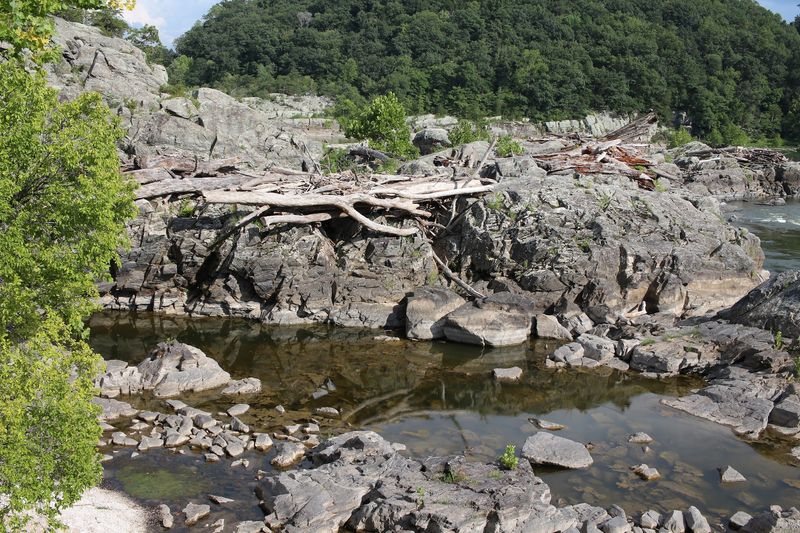
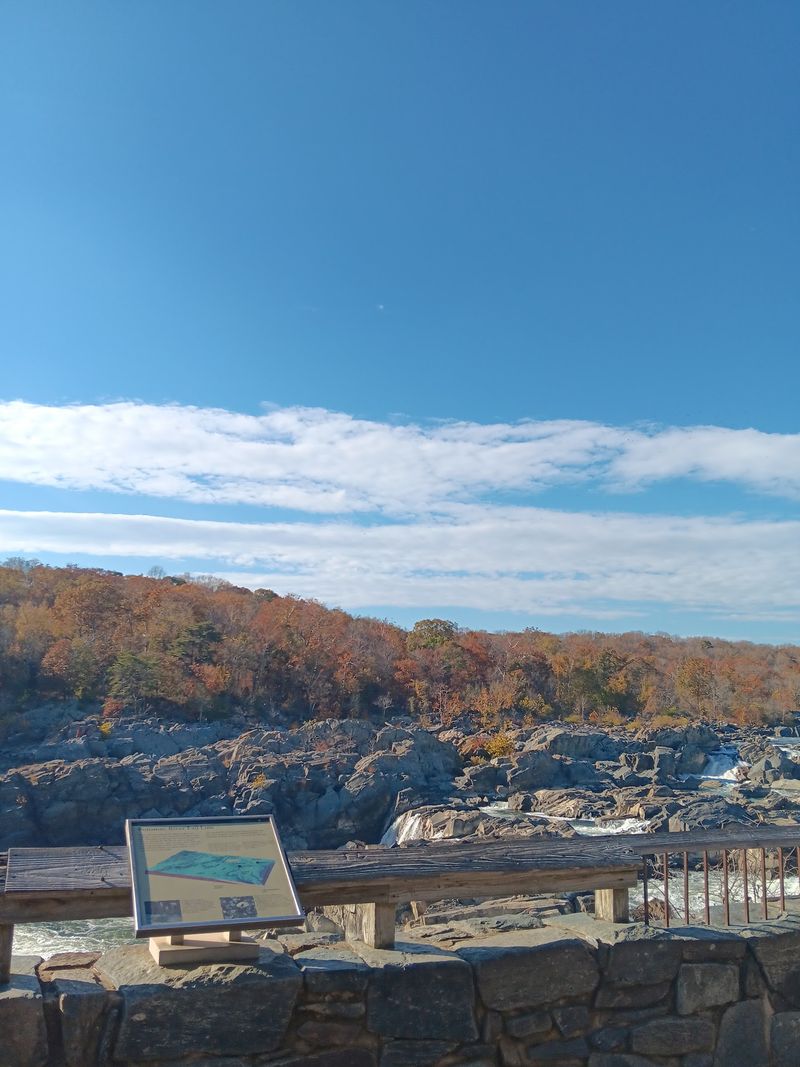
Few trails near a major city deliver views like these. Sweeping looks at the Potomac River appear again and again as the path climbs above the water.
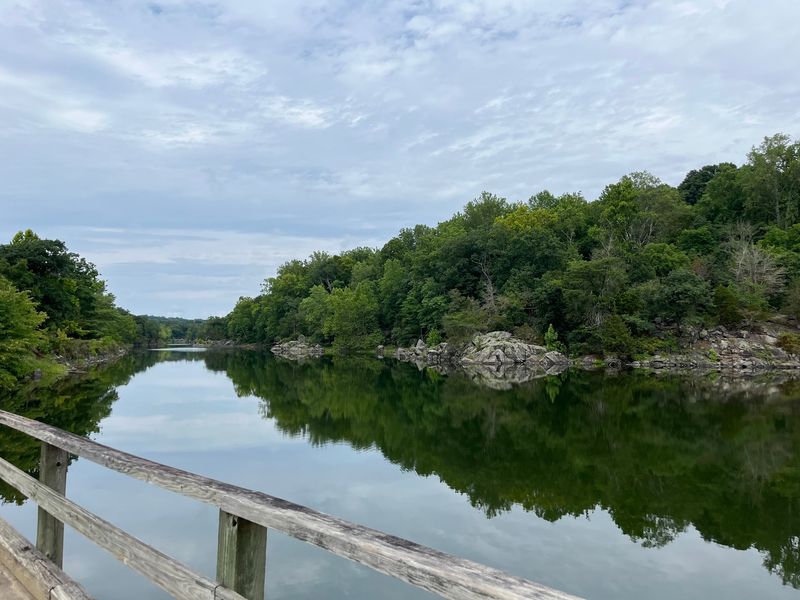
The standout scene is Mather Gorge, a deep channel where the river cuts between rock walls. From the higher points, the gorge spreads out below in long stretches.
Plenty of spots invite a pause. Hikers often stop on flat rocks to catch their breath and take photos.
The views from the top rank among the best rewards of the climb. Even people who started at a side trail and missed some highlights still called the outing worthwhile.
Water levels have been dropping year by year, yet the setting remains impressive. The rock formations themselves become part of the show when the river runs lower.
On a cold weekday, these overlooks can be nearly empty. That quiet makes the gorge feel even bigger.
Bring a phone with space for photos, because the camera roll will fill fast.
The Famous Traverse
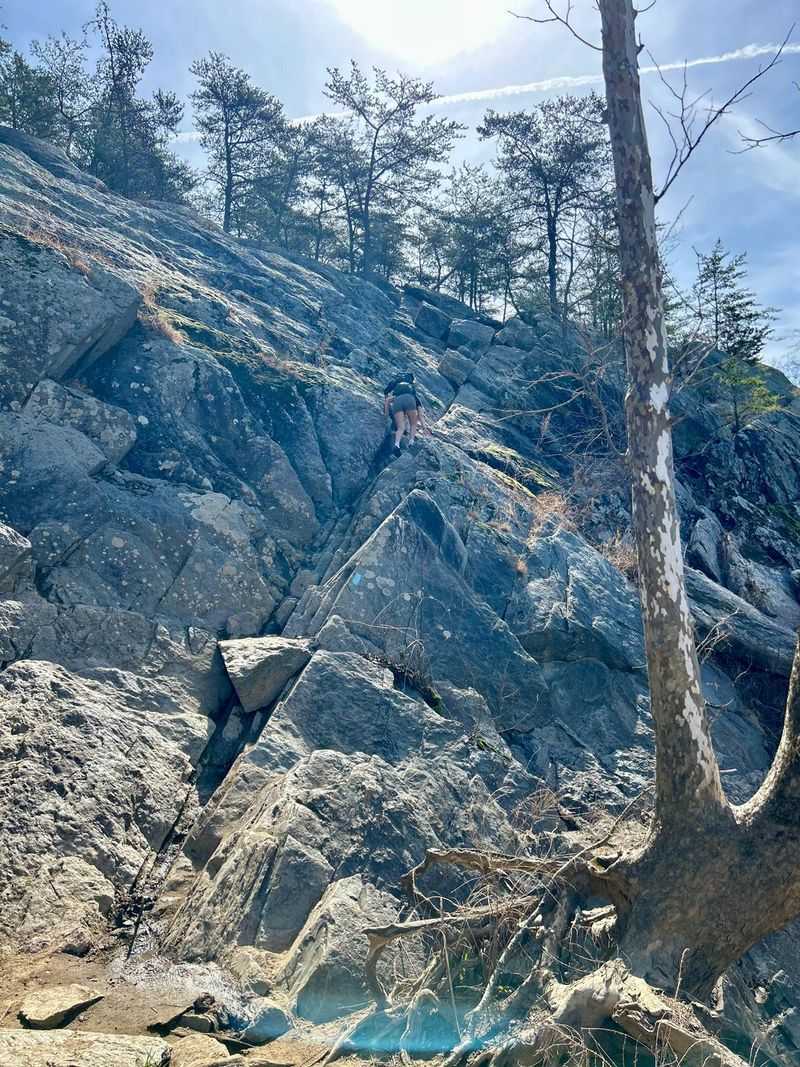
Every good trail has a boss level, and on Section A it is called the Traverse. This rock face is the most talked-about obstacle on the route.
The climb runs up a cliff wall. It calls for upper-body strength, steady balance, and careful foot placement.
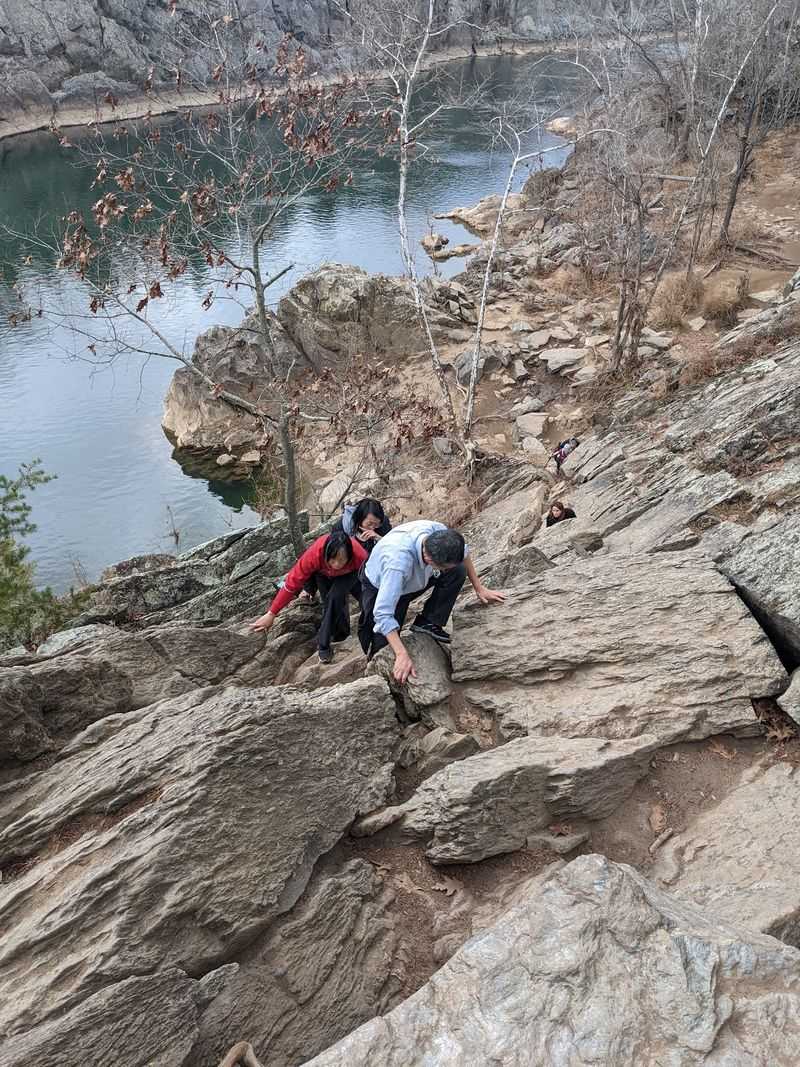
Groups with mixed fitness levels often split here. Some members cruise through, while others need time and help from friends.
Hiking with company makes this part easier. A partner can point out holds and offer encouragement in the tricky zones.
A narrow section with steep rocks sits along the route as well. That is a big reason the one-way rule exists, since passing someone head-on would be awkward and unsafe.
Patience pays off at the Traverse. There is no prize for speed, and moving slowly keeps everyone safe.
Clearing the wall tends to become the story people tell on the drive home.
Following the Paint Blazes
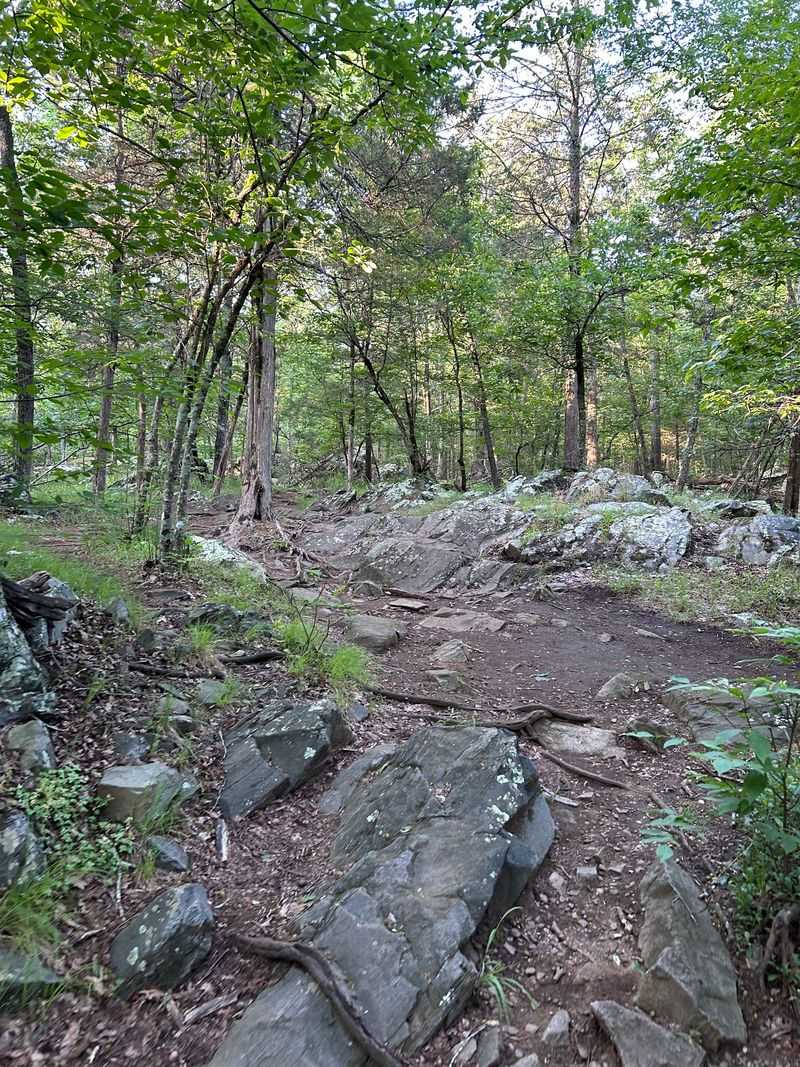
Route finding is half the puzzle on a rock-heavy trail. Section A uses paint marks on rocks and trees to show the way.
Overall, the trail is well marked and well maintained. Still, some stretches make the path hard to spot, especially in the middle of a scramble.
Keeping an eye on the next blaze before climbing helps a lot. It prevents climbing up a rock only to find a dead end.
Downloading an offline map before arriving is a smart step. Cell signal can be unreliable in the gorge.
Exit trails connect the river route to the towpath at several points. Starting from one of those by accident can skip some of the nicer views.
A quick look at a map at the parking area saves frustration later.
Treat the blazes like breadcrumbs, and the trail rarely leads anyone astray.
Why Cold Weekday Mornings Win
Crowds are the trail’s biggest weekend challenge after the rocks. Section A is popular, and Saturdays and holidays bring heavy foot traffic.
Weekdays change everything. A Tuesday afternoon outing can pass with very few other hikers around.
Early starts work even better. People who arrive a little before sunrise often find the path almost empty.
A cold morning keeps many casual walkers at home. That leaves more room on the rocks and fewer lines at the Traverse.
Quiet also means more chances to notice wildlife and enjoy the overlooks without waiting for a turn.
Hikers who have driven two hours just for this route found the early weekday plan well worth it.
Wild in feeling, close to the city in fact, the trail rewards anyone willing to set an alarm.
Herons, Turtles, and Eagles
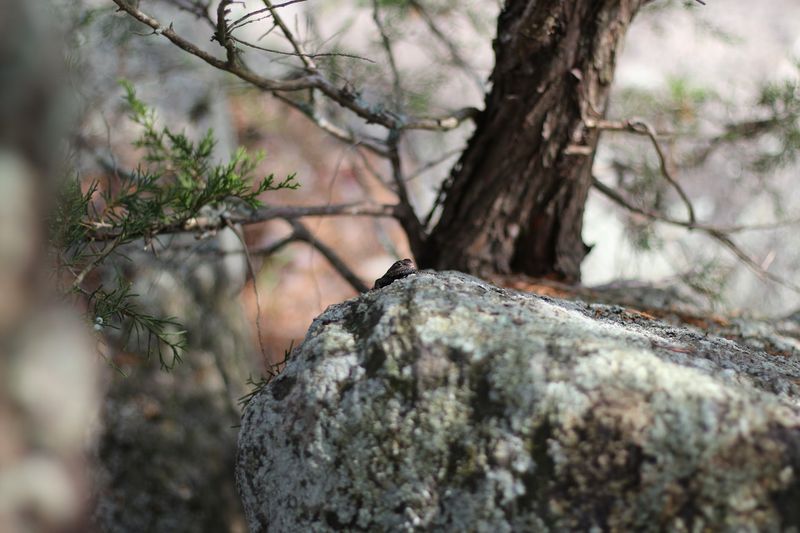
Hikers often focus on their footing, but it pays to look up now and then. The river corridor supports plenty of wildlife.
Herons fish along the water. Turtles rest on rocks, and bald eagles sometimes appear overhead.
Early hours tend to bring more wildlife sightings. Fewer people on the trail means animals stay put longer.
Not every creature is welcome company. Rattlesnakes live in the area, so watching where hands and feet go is wise.
That caution matters most on rocks and ledges. A quick look before grabbing a hold is a good habit.
Wooded sections between the scrambles offer calmer stretches. These spots are good for slowing down and scanning the trees.
Binoculars weigh little and can turn a hike into a wildlife outing.
Shoes That Grip
Footwear can make or break this hike. Sturdy shoes with strong grip come up again and again as the top tip.
The ground is uneven almost everywhere. Smooth soles can slide on angled rock.
Good hiking gear covers more than shoes. Clothes that move easily help during climbs and stretches.
Gloves can be handy on a cold morning. Hands do much of the work on the scrambles.
A small backpack keeps arms free. Carrying items by hand would make the Traverse much harder.
Many people underestimate the trail because it is short. The distance looks easy on a map, yet the terrain demands proper gear.
Treat it like a real climb, and the rocks treat you better in return.
Rain Changes the Rules
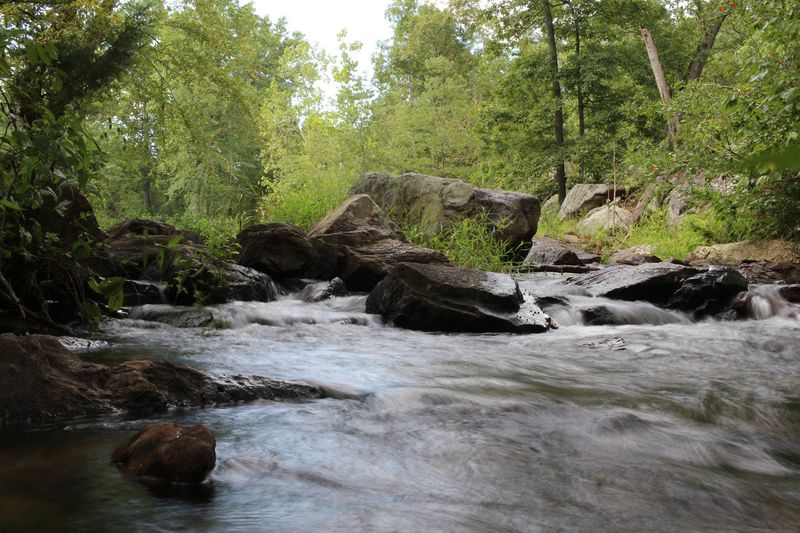
Weather decides how safe this trail feels. After rain, the rocks become very slippery.
Skipping the hike on rainy days is the strongest advice. The day after a storm deserves caution too.
Flooding can also close parts of the route. Some zones may be off-limits when the river rises.
Checking the forecast before leaving home is simple and helpful. A dry day makes the scrambles far more enjoyable.
Swimming in the river is another firm no. It is both dangerous and illegal here.
The water looks calm in places, yet currents in the gorge are strong.
Respecting the river keeps every visit a good one, so admire it from the rocks.
Who Should Try It
Section A is not built for beginners. Agility, endurance, and a little nerve all come into play.
Experienced hikers will feel right at home. A moderate fitness level can handle it with care and patience.
Small children are not a good match. The ledges and climbs ask too much of little legs.
Dogs are not allowed on Section A at all. Pet owners should plan for another section.
Sections B and C offer gentler options. Section C, in the Carderock area, is an easy stroll along the river with wildflowers at the trailhead in season.
Families can enjoy the Billy Goat name without tackling the hardest part.
Picking the right section is the first step toward a happy hike.
Timing the Loop
Short trail, longer outing. The full loop takes more time than the 1.7 miles suggest.
Including the walk to the trailhead and the return on the towpath, the hike can run about 2.5 hours. Some finish the walk portion in about one hour and 35 minutes.
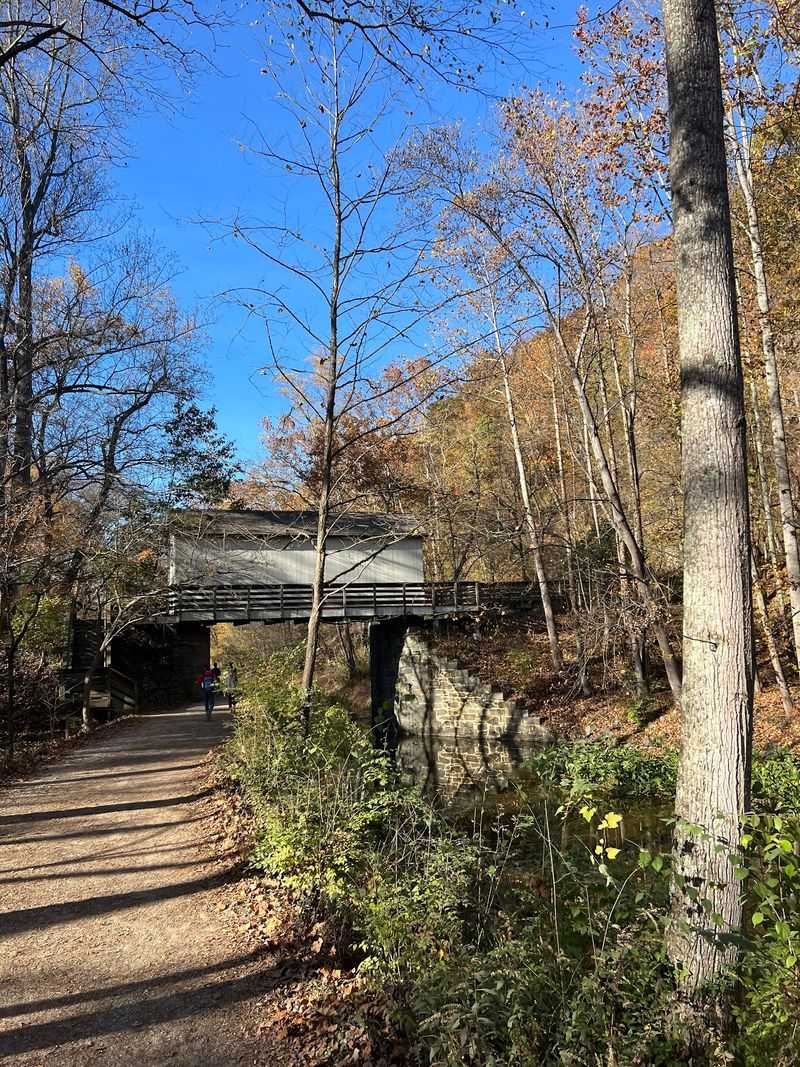
The towpath return is flat and easy. It offers a calm cool-down after the rocks.
Some hikers add a stop at the Great Falls overlook. Walking from the parking area to the falls first, then heading to Section A, makes a fuller day.
Bear Island trails connect nearby. They add peaceful wooded stretches to the mix.
Allowing extra time removes pressure. Rushing on rocks is never a good plan.
Budget the morning, and the trail will fill it well.
Parking, Water, and Restrooms
Practical planning starts at the car. Free parking is available near the anglers area.
The lot across from Old Anglers Inn is a common starting point. Arriving early helps secure a space.
Water is a must. There are no refill stations along the trail, so carry plenty.
Restrooms are limited. It is smart to plan ahead before setting off.
Snacks fit easily in a small pack. Energy runs low quickly on the climbs.
A charged phone with an offline map rounds out the list. Small preparations make the day smoother.
Pack light, pack smart, and leave the stress at the parking lot.
A Favorite Worth the Effort
Ask around the DMV, and this trail often lands near the top of favorite hikes. It holds an impressive 4.9 stars from local hikers and travelers alike.
The appeal is simple. It blends river views, real challenge, and a sense of adventure in a short route.
Some call it moderate, while others find it very hard. That range shows how much depends on fitness and experience.
Either way, the payoff stays the same. Energizing climbs and quiet overlooks make the effort feel rewarding.
A cold weekday morning brings out the best version of the trail. Fewer people, steady footing on dry rock, and a wide open gorge set the tone.
Good shoes, water, and a dry forecast are all it takes to get started.
Billy Goat Trail Section A proves that wild places can hide very close to home.
Enjoyed this story?
Add Fast Food Club as a preferred source to see more of our reporting on Google.