


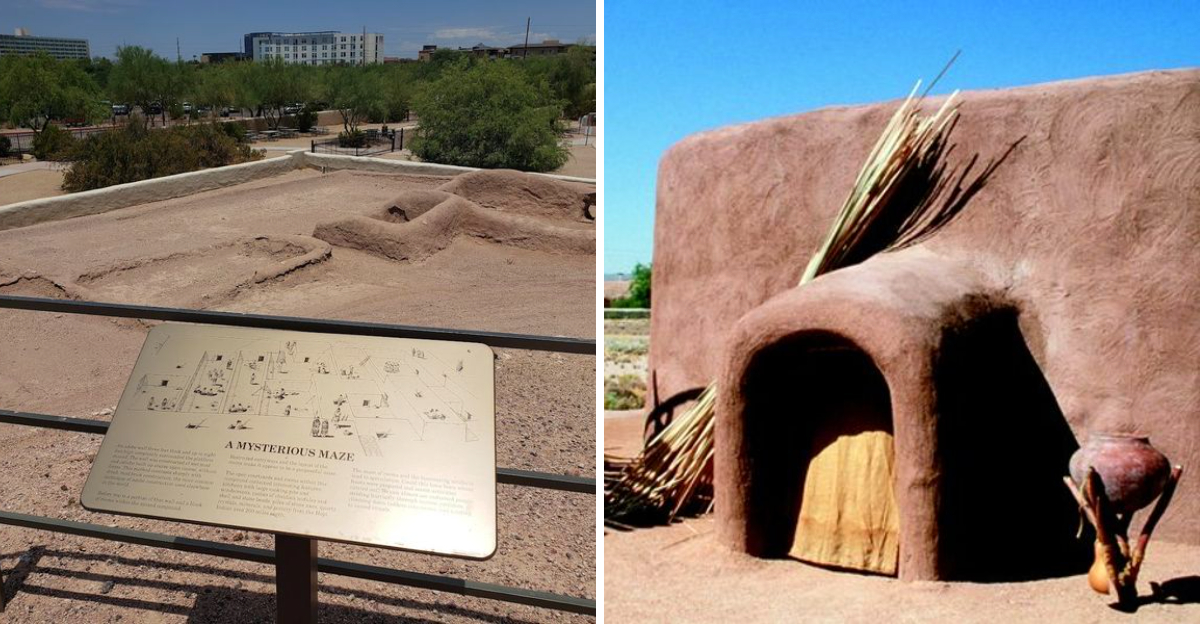
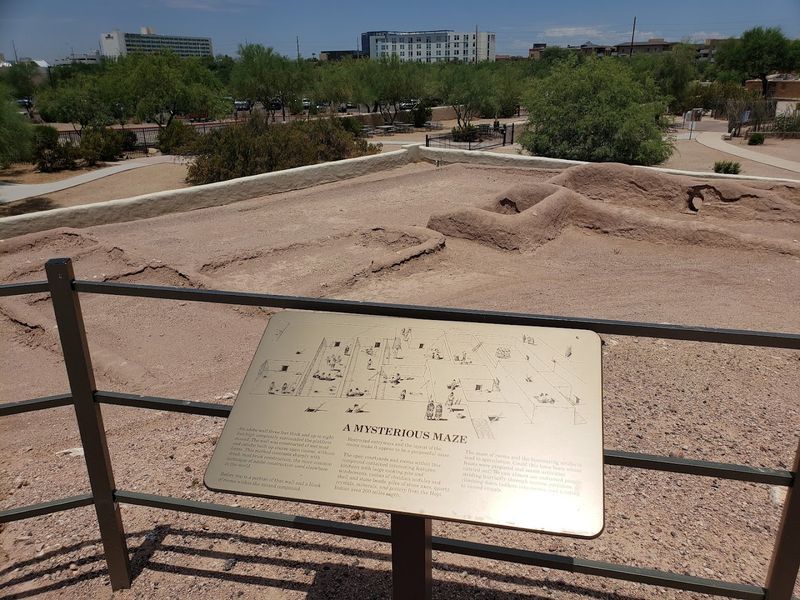
Tucked right in the middle of modern Phoenix, Arizona, lies one of the most remarkable and underappreciated archaeological sites in the entire Southwest. S’edav Va’aki Museum, formerly known as Pueblo Grande Museum, preserves the ancient ruins of a Hohokam village that thrived over 1,500 years ago.
Most people drive right past it without ever knowing it exists, which makes discovering it feel like finding a hidden treasure. If you love history, culture, and stories carved into the earth itself, this place absolutely deserves a spot on your must-visit list.
A City Built Before Phoenix Even Existed
Long before Phoenix became a booming desert city, the Hohokam people were already building a thriving community right here. S’edav Va’aki Museum sits on the actual ground where this civilization lived, farmed, and created complex systems that supported thousands of people.
Walking through the site feels almost surreal when you realize the city around you grew up on top of centuries of human history.
The Hohokam occupied this area from roughly 450 CE to 1450 CE, making their presence here over a thousand years long. That kind of timeline is hard to wrap your head around.
Visitors consistently say the experience sparks a completely new appreciation for the land beneath their feet.
Rated 4.6 stars by over 1,100 visitors, this museum proves that history hiding in plain sight can be just as powerful as any grand monument.
Remarkable Irrigation Canals That Still Inspire Engineers Today
Here is something that genuinely blows people’s minds: the canal system you see preserved at S’edav Va’aki Museum directly influenced the water infrastructure Phoenix uses today. The Hohokam engineered hundreds of miles of irrigation canals using only hand tools, moving water from the Salt River to their fields with extraordinary precision.
Modern engineers have studied their techniques and found them remarkably sophisticated for any era.
Standing beside these ancient canals, it becomes easy to picture crews of workers digging through hard desert soil under a blazing sun. The scale of their effort is humbling.
One reviewer described feeling genuinely stunned by the physical endurance and intelligence required to pull off such a construction project.
The museum’s exhibits explain canal engineering in clear, engaging ways that make even younger visitors understand just how ahead of their time the Hohokam truly were.
Outdoor Trail That Walks You Through Living History
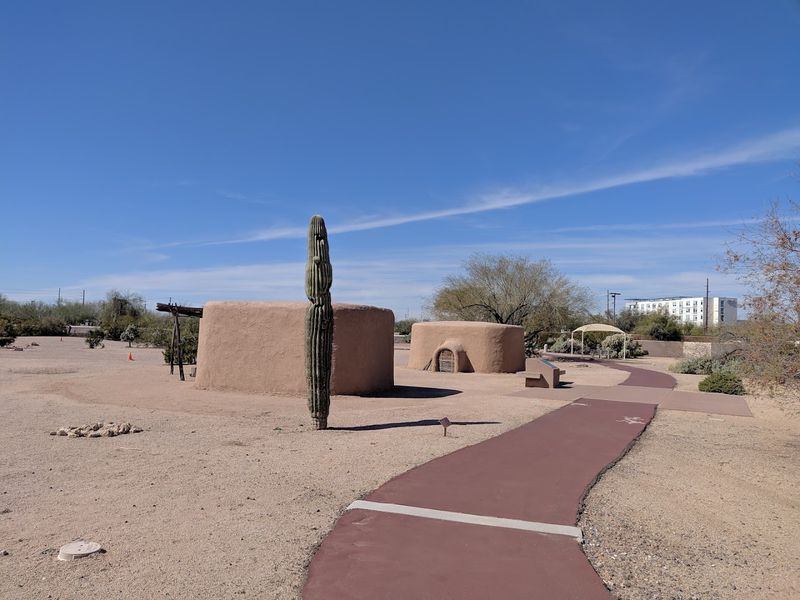
Forget staring at artifacts behind glass — this museum gets you outside and moving through the actual ruins. The outdoor trail loops around the preserved Hohokam village site, with clear signage at each stop explaining what you are looking at and why it matters.
Most visitors complete the walk in about 30 minutes, though curious explorers tend to linger much longer.
The path is calm and quiet, offering a reflective pace that feels worlds away from the busy city streets just outside the fence. Reviewers frequently mention how peaceful the experience feels, almost meditative.
One visitor described it as a slow, thoughtful stroll that left them seeing Phoenix in a completely different light.
Staff members even provide umbrellas you can borrow for shade, and they strongly encourage bringing a water bottle to stay comfortable during warmer months on the trail.
Preserved Platform Mound That Stands as an Ancient Landmark
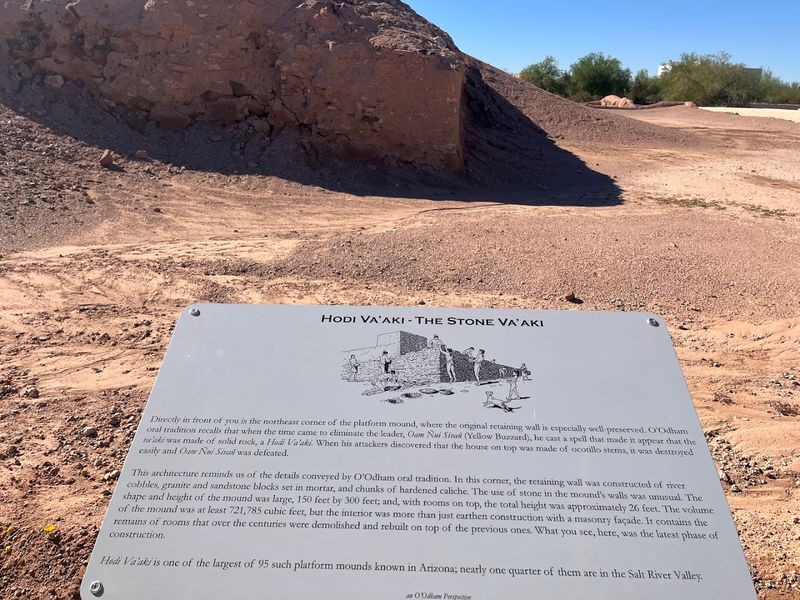
The centerpiece of the entire site is a massive earthen platform mound that the Hohokam constructed over many generations. This structure served as an important community hub, likely used for ceremonies, leadership activities, or astronomical observation.
Just seeing it rise from the flat desert ground is enough to make you stop and stare.
What makes it even more impressive is that it was built entirely without modern machinery. Layer after layer of earth was packed down by hand over hundreds of years, creating a structure that has survived centuries of heat, rain, and time.
Archaeologists have carefully studied and preserved it so future generations can witness what it once looked like.
Visitors often describe standing at the base of the mound as one of those rare travel moments that quietly changes how you think about human history and the capabilities of ancient civilizations.
Fascinating Museum Exhibits That Tell a Layered Story
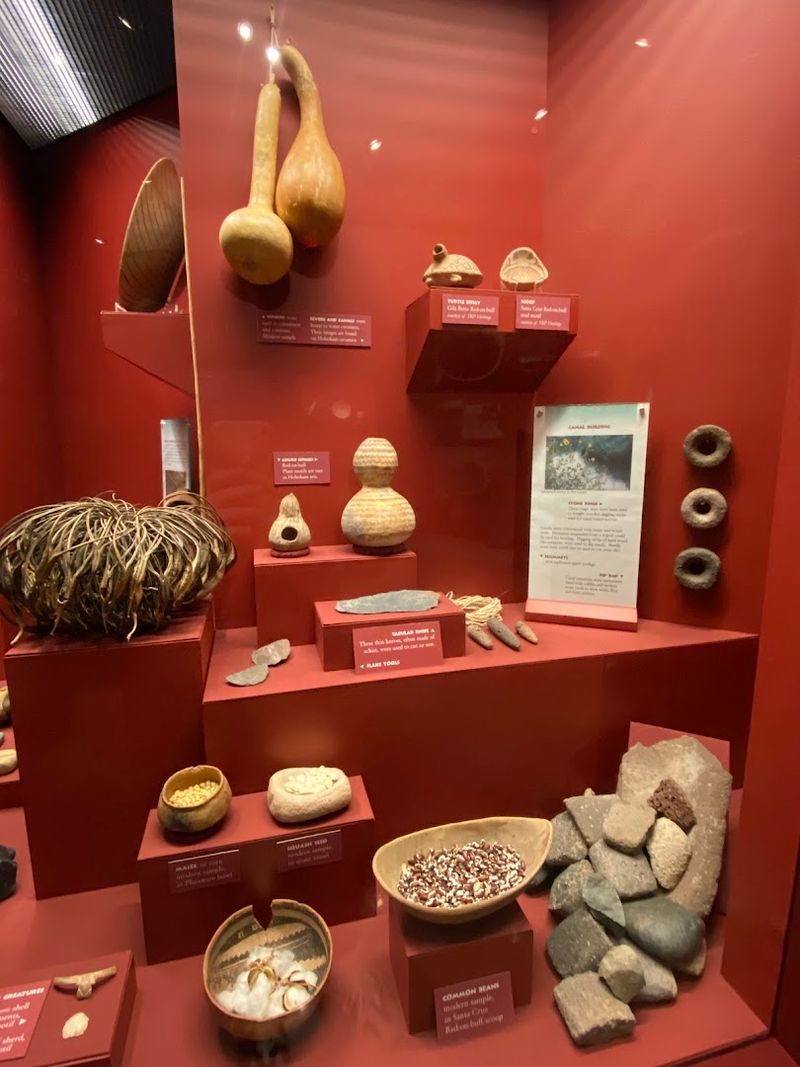
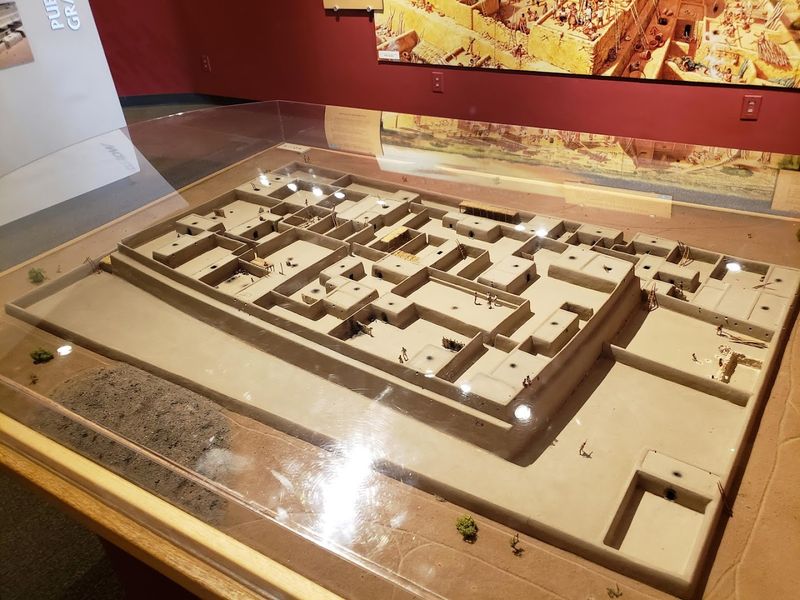
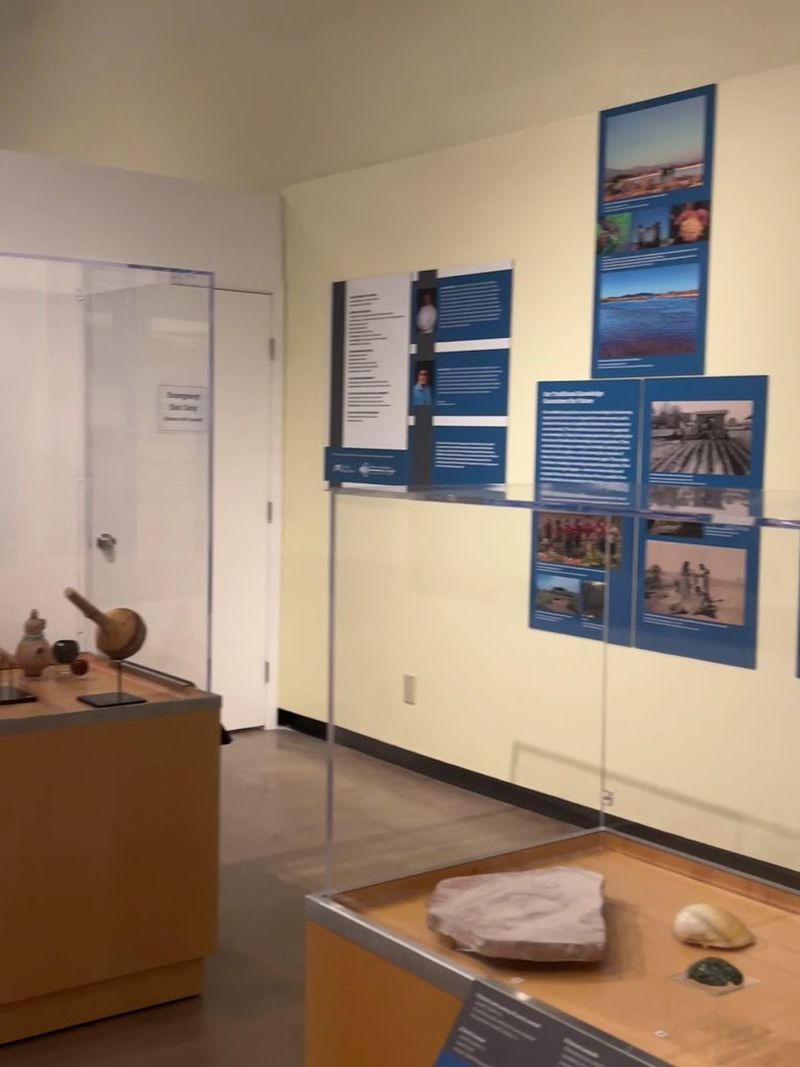
Step inside the museum building and you will find a thoughtfully curated collection of artifacts, maps, and displays that paint a vivid picture of Hohokam life. Pottery, tools, and everyday objects recovered from excavations are presented with clear, accessible explanations that do not require any prior knowledge of archaeology.
The exhibits were recently updated, giving them a fresh and engaging look.
One archaeologist who visited left a glowing review, calling the material cultural preservation genuinely fascinating and praising the moving quality of the art exhibits. That is high praise from someone who works in the field professionally.
The storytelling approach pulls you through different time periods, showing how life on this site shifted and evolved over centuries.
Even visitors who normally find museums a bit dry have walked out saying they could have easily spent several more hours reading every single panel on the walls.
Replica Homes That Let You Peek Inside Ancient Life
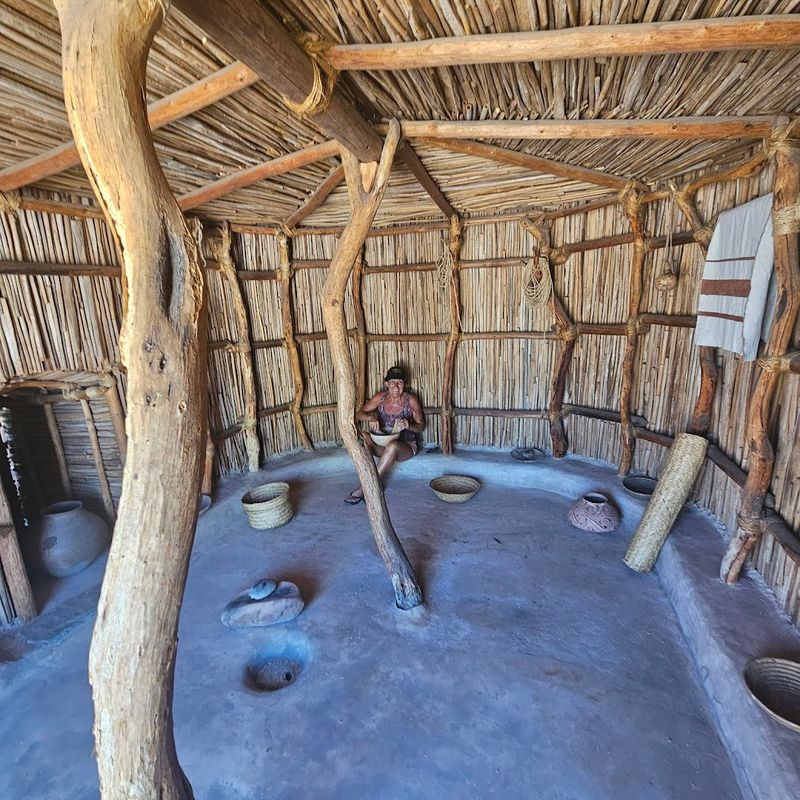
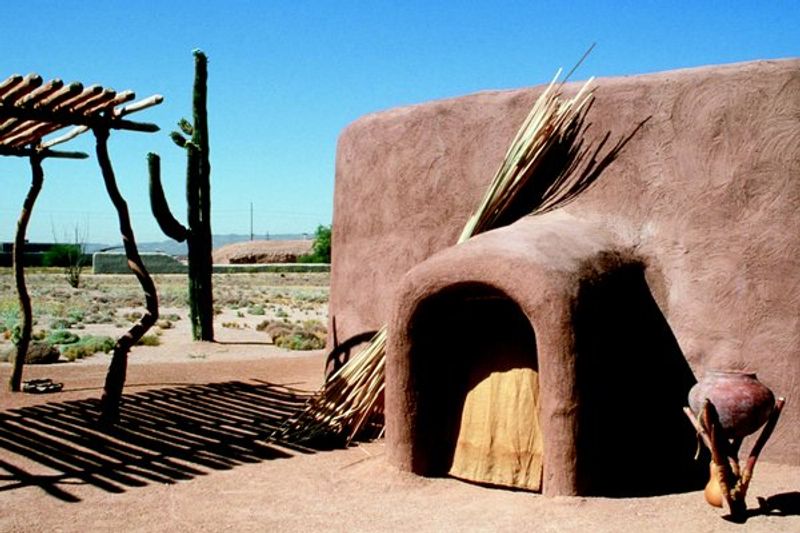
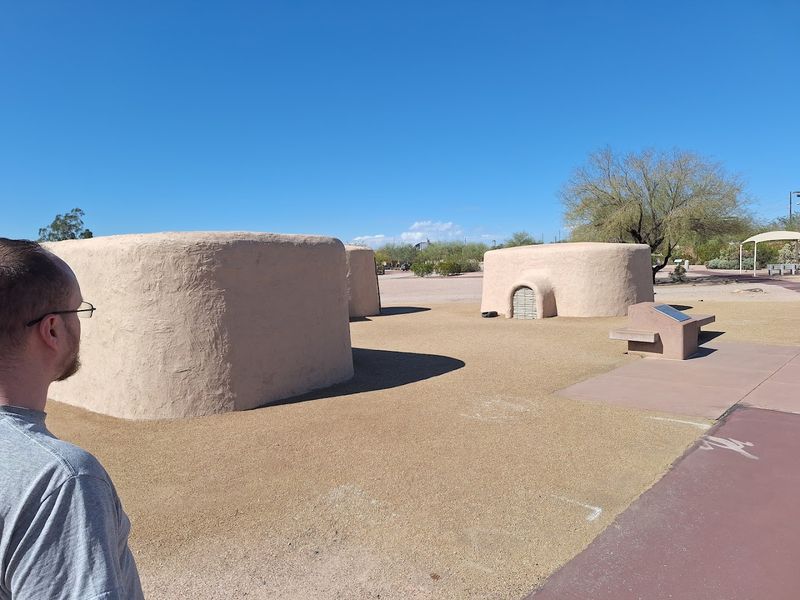
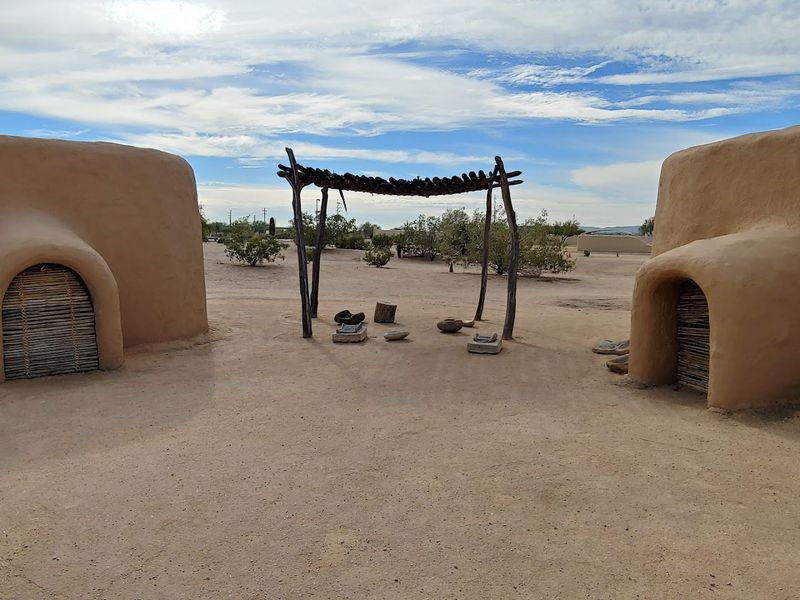
One of the most popular features at S’edav Va’aki Museum is the set of replica structures that show visitors what Hohokam homes actually looked like from the inside. Walking into a reconstructed pithouse gives you an immediate, gut-level sense of how compact, clever, and practical ancient desert living really was.
It is the kind of hands-on experience that no textbook can fully replicate.
The adobe buildings nearby add another layer, showing how construction styles evolved over time as the community grew and changed. Families with kids especially enjoy being able to walk through the doorways and look around rather than just reading about it.
Several reviewers with children mentioned that the replica structures were the highlight of the entire visit.
Touching the walls and standing in those spaces creates a connection to the past that feels surprisingly personal and genuinely moving for people of all ages.
Outdoor Kitchen and Garden Area That Sparks Imagination
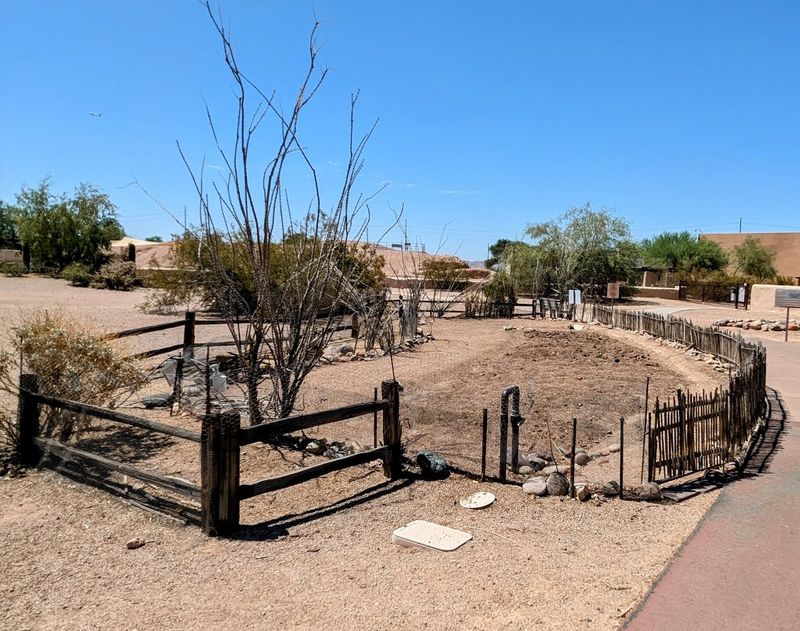
Tucked along the outdoor trail is a charming area dedicated to showing how the Hohokam prepared food and cultivated plants in the harsh Sonoran Desert. The outdoor kitchen display features props and reconstructed tools that help visitors picture daily meal preparation from a thousand years ago.
Nearby, a traditional garden showcases native plants that the Hohokam would have grown and relied upon for survival.
This section tends to catch people off guard in the best way. You might not expect a garden to be so compelling, but seeing which plants thrived in this unforgiving climate tells you a lot about how resourceful and knowledgeable the Hohokam were.
One reviewer singled out this area as a personal favorite during their visit.
It is a quiet, grounding spot on the trail that encourages you to slow down and appreciate the everyday ingenuity that kept an entire civilization fed and healthy.
Concave Ball Court That Reveals a Surprising Cultural Connection
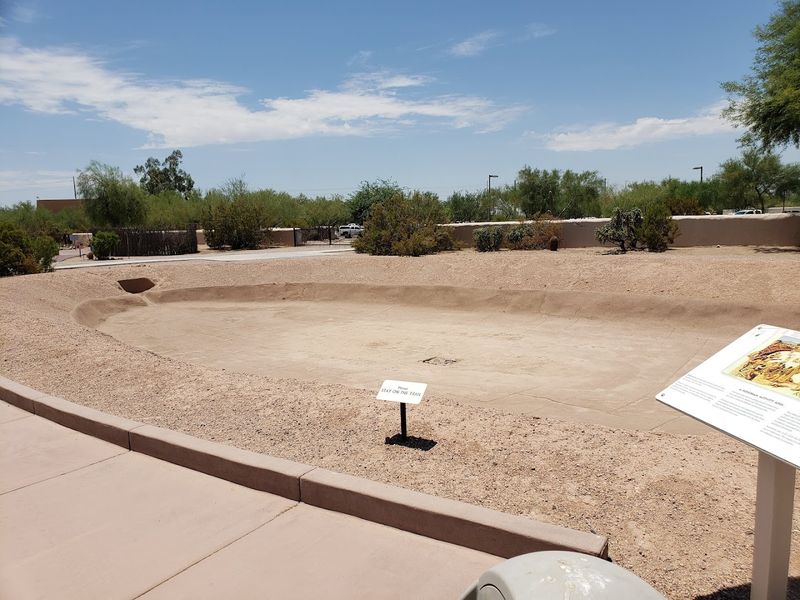
Among the most unexpected discoveries at S’edav Va’aki Museum is the ancient ball court, a concave depression in the earth that archaeologists have identified as a place where the Hohokam played ritual games. Ball courts like this one have also been found in Mesoamerica, hinting at cultural connections and trade networks that stretched across a vast region.
That link alone makes this site feel much bigger than it might first appear.
One visitor who explored the site with family mentioned being completely stunned to discover the ball court, calling it one of the most memorable parts of the entire experience. It is easy to stand at the edge and imagine the sounds of a crowd gathering around this very spot over a thousand years ago.
History has a funny way of feeling suddenly very real in moments like that.
The signage here does a great job of explaining the significance without overwhelming you with academic jargon.
Knowledgeable and Welcoming Staff Who Bring the Past Alive
A museum is only as good as the people who guide you through it, and S’edav Va’aki Museum has earned consistent praise for its warm and knowledgeable team. Staff members genuinely love what they do, and that enthusiasm is contagious.
Multiple reviewers called out individual employees by name for turning an informative visit into something truly memorable.
One visitor specifically mentioned talking to a staff member at the archaeology cart, saying the conversation transformed dry reading into an exciting discovery process. That kind of personal connection is rare and really elevates the whole experience.
The front desk team has also been praised for going out of their way to engage young visitors with activities that keep kids curious and involved throughout the visit.
Whether you are a first-time museum-goer or a seasoned history enthusiast, the staff here makes everyone feel genuinely welcome and valued from the moment they walk in.
Gift Shop With Authentic Native Art and Local Products
Before heading out, most visitors make a stop at the museum’s gift shop, which carries a curated selection of native art, cultural items, and locally made food products. Unlike the generic souvenir shops you find at tourist traps, this one feels intentional and meaningful.
Every item connects back to the indigenous heritage the museum works so hard to honor and preserve.
Reviewers have noted that the shop is on the smaller side, but what it lacks in size it makes up for in authenticity and thoughtfulness. Picking up something handcrafted by a local artist feels like a much more worthwhile takeaway than a plastic keychain.
The proceeds also support the museum’s ongoing preservation and community partnership efforts, which makes spending a few dollars there feel genuinely good.
Even if you are not a big shopper, browsing the shelves for a few minutes is worth the time for the unique and locally rooted items on display.
Special Events Including Native Dancers and Local Artisans
Showing up on the right day at S’edav Va’aki Museum can reward you with something truly special. The museum regularly hosts community events featuring native dancers, local artisans, and cultural demonstrations that bring the history of this place to vivid, breathing life.
One visitor arrived during one of these events and called it an unexpected highlight of their entire Phoenix trip.
These gatherings reflect the museum’s deep commitment to partnering with tribal communities and keeping indigenous traditions alive and visible in a modern city. It is not just about preserving the past behind glass — it is about honoring living cultures that continue today.
Checking the museum’s website or calling ahead at 602-495-0901 before your visit is always a smart move to see if any events are scheduled.
When the timing works out, these events transform a great museum visit into an unforgettable cultural experience that stays with you long after you leave.
Solstice Rooms and Astronomical Connections Worth Exploring
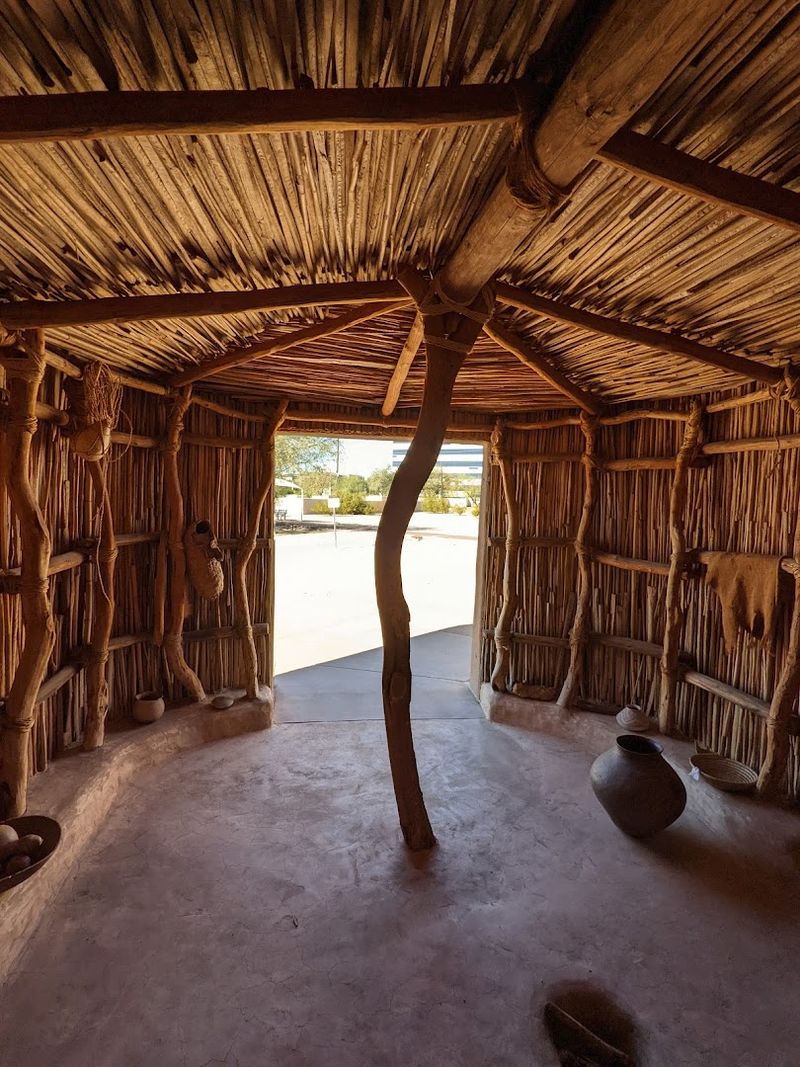
One of the most quietly mind-blowing aspects of S’edav Va’aki Museum is the presence of rooms that may have been designed to align with the sun during solstices. Researchers believe certain architectural features were intentionally built to track the movement of the sun throughout the year, serving as a kind of ancient calendar.
The possible connection to the famous Hole in the Rock formation nearby adds another fascinating layer to the mystery.
This kind of astronomical awareness shows just how deeply the Hohokam understood their environment and the natural world around them. They were not simply surviving — they were observing, recording, and building in harmony with the cosmos.
That realization tends to shift how visitors think about what it means to be an advanced civilization.
Museum signage explores these theories in approachable language, encouraging visitors to draw their own conclusions while standing in spaces where ancient science may have once been practiced.
Practical Visitor Tips to Make the Most of Your Trip
Planning ahead makes the S’edav Va’aki Museum experience significantly more enjoyable, especially during the warmer months. Admission runs about $12 per adult, and the museum is open Monday, Thursday, Friday, and Saturday starting at 9 AM, with Sunday hours from 12 to 4 PM.
Tuesday and Wednesday are closed, so double-check the schedule before heading over to 4619 E Washington St in Phoenix.
Bringing your own water bottle is strongly recommended by nearly every visitor who has reviewed the site. The museum also offers loaner umbrellas for sun protection on the outdoor trail, which is a thoughtful touch that many guests genuinely appreciate.
Parking is plentiful and free, making arrival stress-free.
Plan for about 90 minutes if you want to read every sign, explore both the indoor exhibits and outdoor trail, and browse the gift shop. That pace lets you absorb everything without feeling rushed through one of Phoenix’s most remarkable hidden gems.
Enjoyed this story?
Add Fast Food Club as a preferred source to see more of our reporting on Google.