


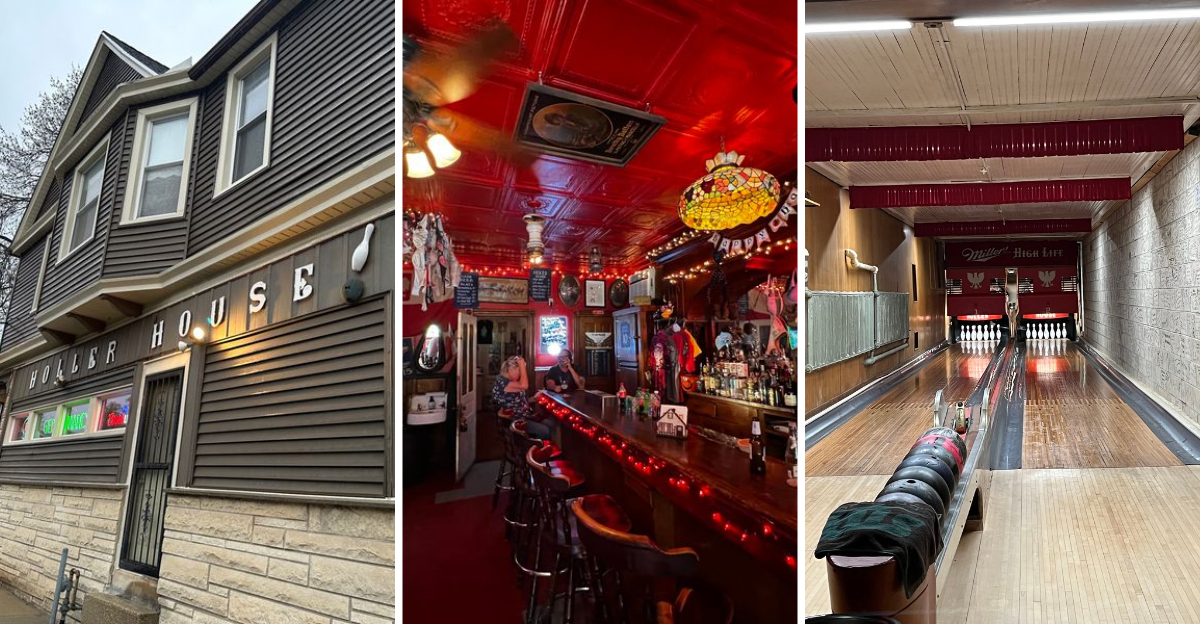
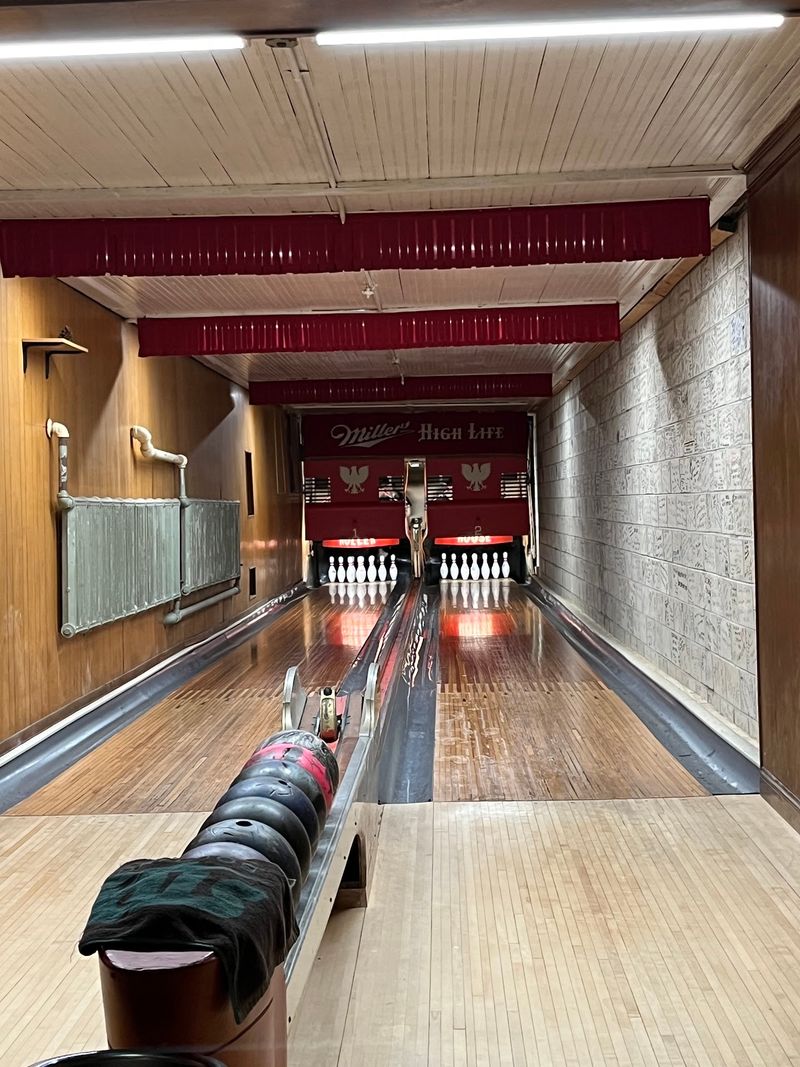
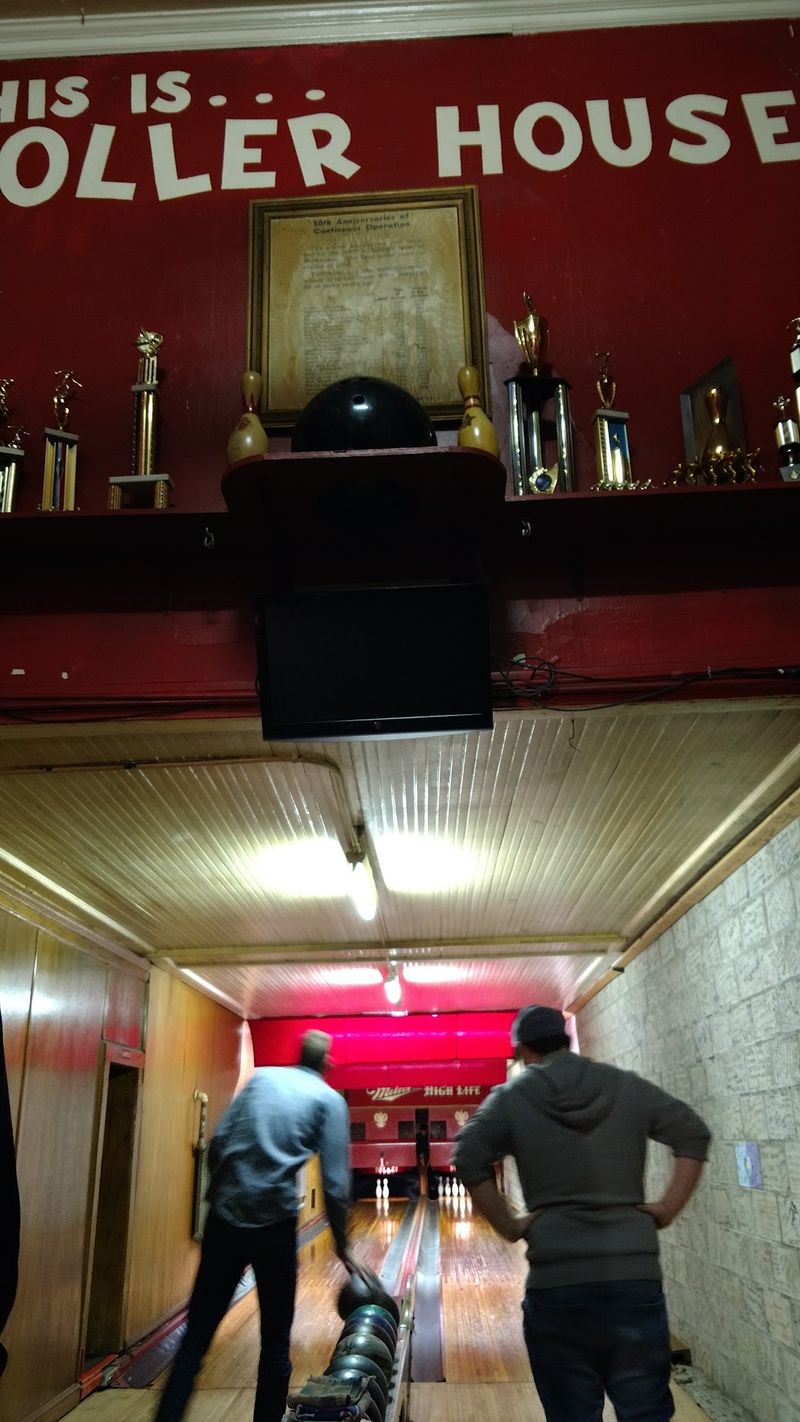
Down a set of stairs in an old Milwaukee tavern sit two wooden bowling lanes that have been rolling since 1908. There are no automatic machines here.
A hired teen still crouches behind the pins and sets them by hand, just like more than a century ago. The lanes were stamped with a date, warehoused for years, and installed in a basement that has now welcomed pro bowlers, touring musicians, and curious families alike.
What makes a two-lane alley in a southside neighborhood worth a special trip across the state? The answer sits somewhere between the wood, the Polish flags, and the family that treats strangers like relatives.
Keep reading and you will meet a place that refuses to modernize, and is beloved for exactly that reason.
An Old Tavern With A Basement Secret
Tucked at 2042 W Lincoln Ave in Milwaukee, Wisconsin, the building looks like a modest neighborhood tavern from the outside. The real surprise waits below street level.
Holler House holds the title of the oldest sanctioned bowling alley in the country, with two hand-set lanes hidden in the basement. Upstairs is a classic Polish bar, and downstairs is living history.
The southside location puts it in one of Milwaukee’s old Polish neighborhoods, where taverns like this once anchored the community. Its reputation now stretches far beyond the block.
People travel from other states just to roll a couple of games on wood that predates almost every alley still standing. The combination of a working bar and a museum-quality basement gives the spot a personality all its own.
Ground level looks unassuming. What lies beneath earns the trip.
Lanes Stamped 1904, Installed In 1908
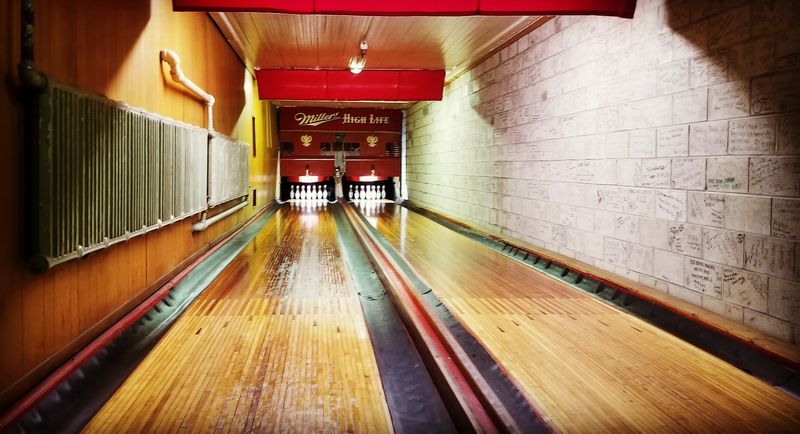
The wood tells its own timeline. The lanes were stamped 1904 when they were purchased, then warehoused until they could finally be installed in 1908.
That gap between purchase and installation is part of the legend. The boards waited years before ever meeting a bowling ball.
What keeps the title official is a yearly recertification. The lanes get recertified every year, which is how they hold onto the honor of being the nation’s oldest sanctioned pair.
Bowling here is less about your score and more about touching a piece of the sport’s beginning. The surface is old and well used, and that is exactly the point.
Two lanes. Over a century of rolling.
A record that keeps getting re-earned with every inspection.
The Human Pinsetter Behind The Pins
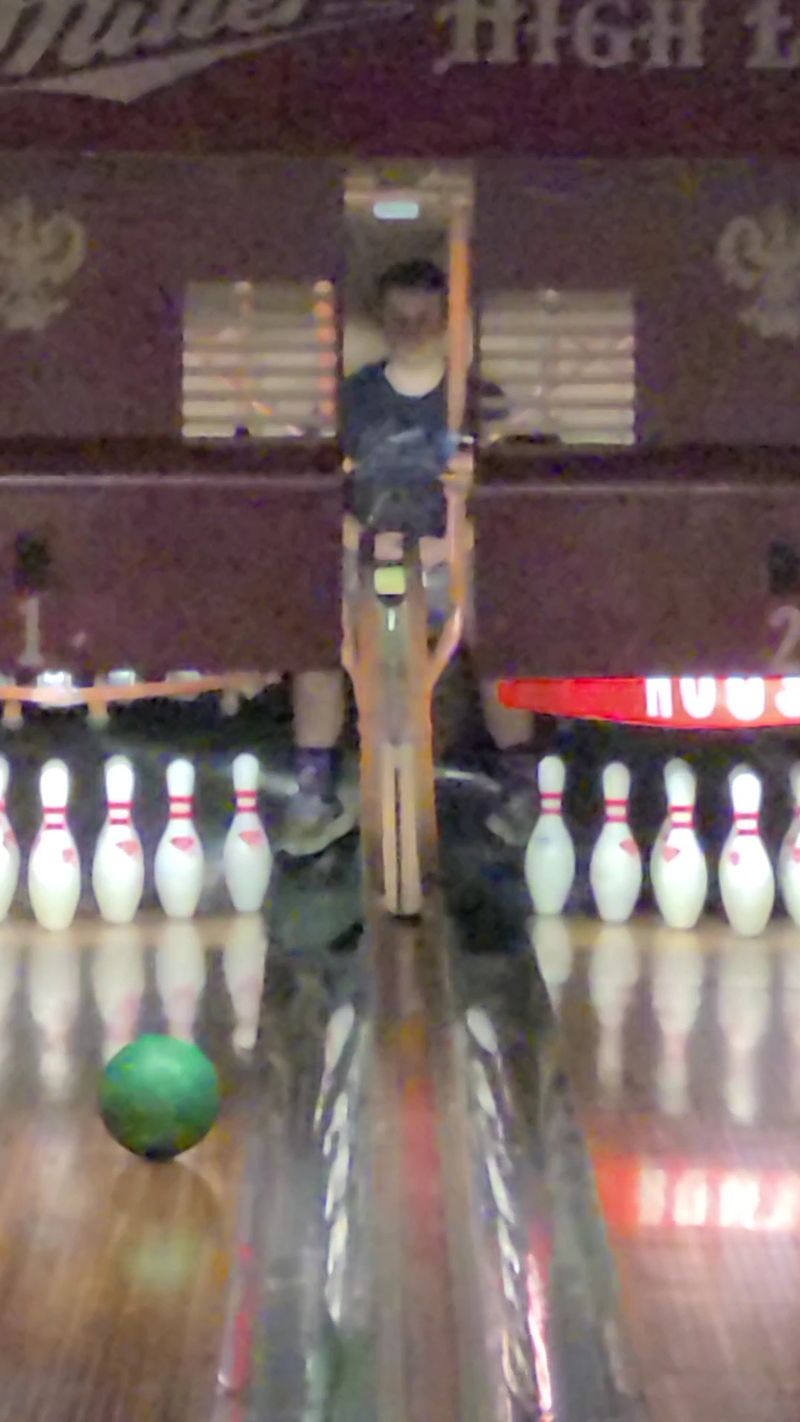
Forget the clatter of machinery resetting your frame. At Holler House, a hired teen still sets the pins by hand at the end of each lane.
The pinsetter is one of the most talked-about features of the whole place. It is rare, it is old-school, and it turns an ordinary game into something you will remember.
Some folks who have stopped in just to look have found the pinsetter happy to chat about the alley, answer questions, and share a bit of its story. That personal touch makes the visit feel less like a tourist stop and more like a conversation.
On one occasion the scheduled pinsetter did not show, so the owner stepped in and set pins for a family with their grandkids. That kind of gesture sticks with people.
The pins do not fall and rise on their own here. Somebody makes it happen, and that somebody is part of the show.
Deep Polish Roots On The Southside
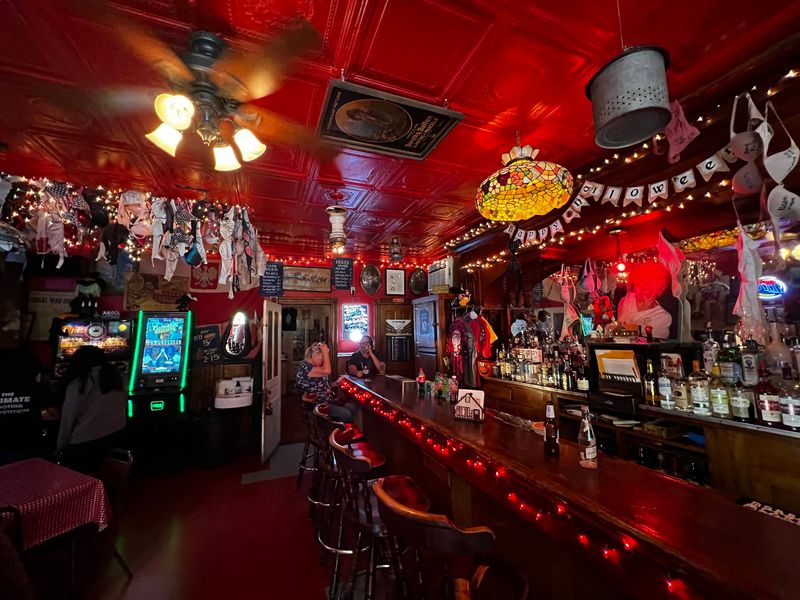
History runs thick through this tavern, and much of it is Polish. The bar carries deep Polish roots, a nod to the large Polish neighborhoods that once filled Milwaukee’s southside.
Signs in Polish appear throughout, including one above the men’s room labeled chlop, meaning boy or youngster. Details like that connect the place to the families who built the area.
Painted and displayed Polish flags add to the story. Some of them show the eagle without a crown, a version from the country’s Iron Curtain years that is now rare and no longer flown in Poland.
Little pieces of heritage like this are scattered around the room. They turn a quick drink into a small history lesson.
The neighborhood may have changed over the decades, but the tavern still honors where it came from.
Five Generations Of Family Ownership
Family is the heartbeat of this operation. The bar has stayed in the same family across five generations, and that continuity shows in how the place is run.
Tom and Cathy greet people at the door and make them feel like relatives from the moment they arrive. Guests often mention being welcomed with open arms, even when they show up late for a reservation.
The owners are known for telling stories about themselves, their family, and the history of the bar and lanes. Conversations tend to run long, and hugs at the door are not unusual.
One couple planned an entire anniversary trip to Milwaukee around visiting this single spot, and left saying the hardest part was leaving. That kind of loyalty comes from genuine hospitality.
A business run by the same family for five generations does not stay open by accident. People come back because of the people.
Pros And Famous Faces Who Rolled Here
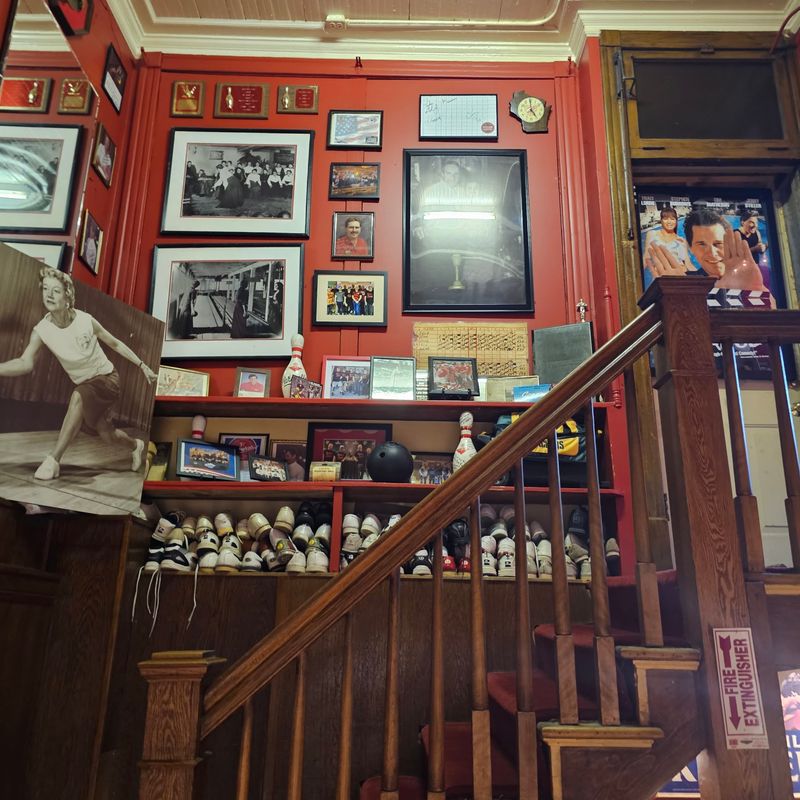
For such a small alley, the guest list is surprisingly big. Legendary professional bowlers have competed on these lanes, including the great Earl Anthony.
The famous names do not stop at the sport. Celebrities such as Larry the Cable Guy and musician Jack White have come to bowl in the basement.
Music fans have their moments too. One group happened to meet the members of Cypress Hill here, who turned out to be bowling enthusiasts themselves.
That mix of pro athletes and pop-culture figures says a lot about the pull of this place. When people who could bowl anywhere choose two hand-set lanes in a basement, the appeal is obvious.
You never quite know who has stood where you are standing. That element of surprise adds to the charm.
The Ceiling Collection You Have To See
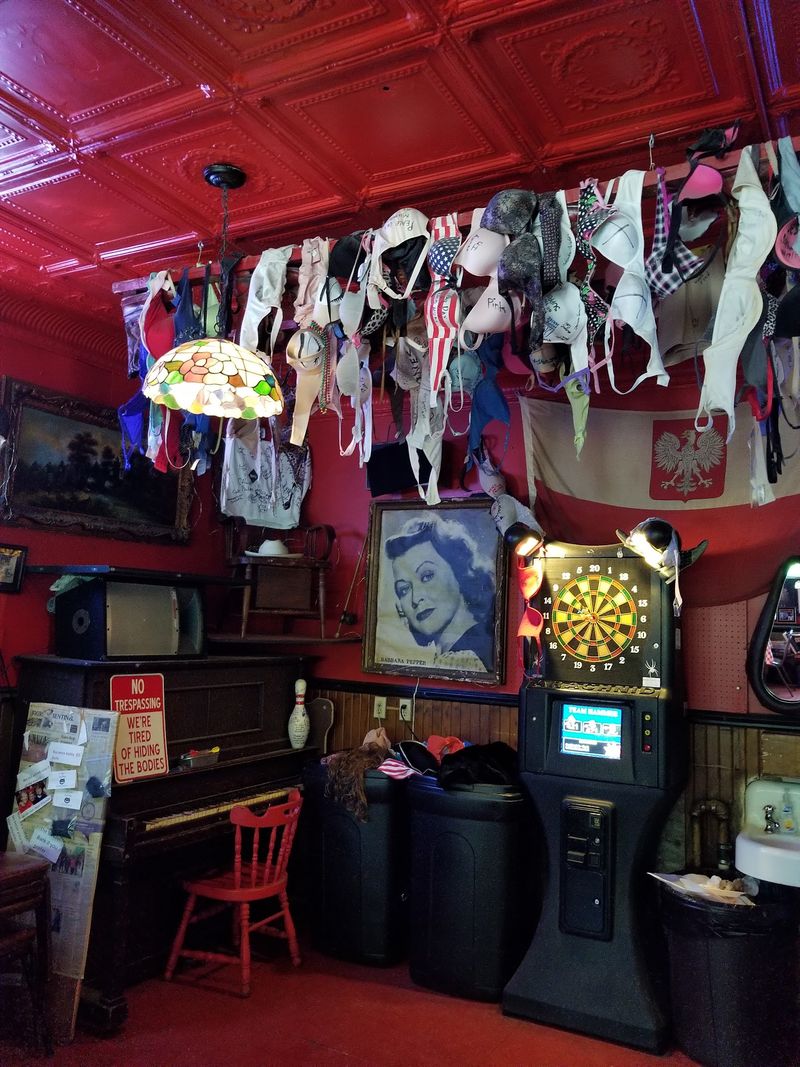
Look up and you will notice the ceiling is far from empty. Over the years, patrons have added their own contributions, creating a quirky collection overhead.
The keepsakes dangling from the ceiling have become one of the tavern’s signature sights. They have been gifted by guests across many years, building up into a strange and memorable display.
People who describe the place often mention the trio of things you will find here together: bowling, a bar, and the decorations above. It is a combination you would be hard pressed to find anywhere else.
The display gives the room a playful, lived-in feel. Nothing about it is polished or planned, which is precisely why it works.
It is the kind of detail that turns first-time guests into storytellers once they head home.
Beer, Bowling, And A Cash-Only Bar
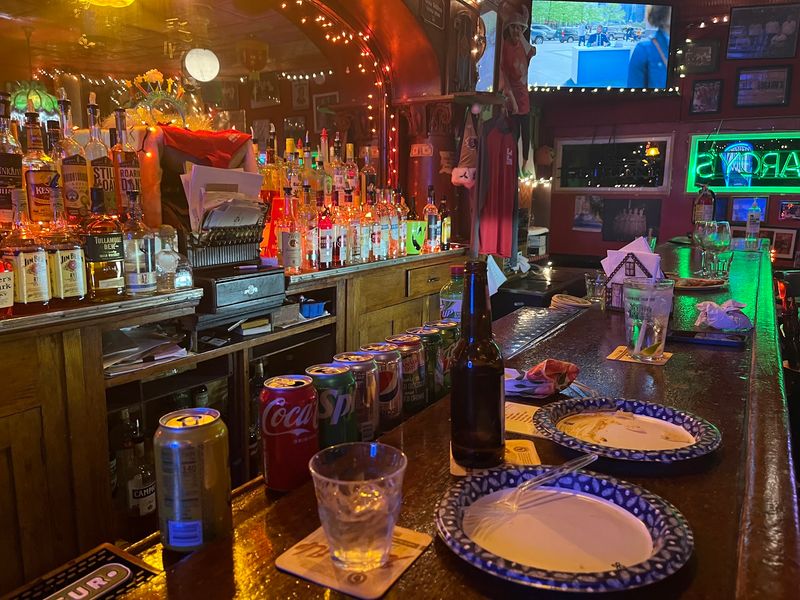
The bar upstairs is as much a draw as the lanes below. It stocks a large selection, with dozens of different beers on hand, including Polish options for those seeking a taste of the neighborhood’s heritage.
One practical note matters here. The bar operates on a cash-only basis, so plan ahead before you arrive.
Regulars describe an easy, friendly atmosphere where a plan for one drink often stretches into a longer visit. The company tends to be the reason people linger.
Bottled local selections sit alongside imports, giving the small bar plenty of variety. It fits the character of a place that has been serving the community for generations.
Bring cash, settle in, and let the evening take its own pace. That is how this tavern likes to run.
A Warm Welcome For Strangers
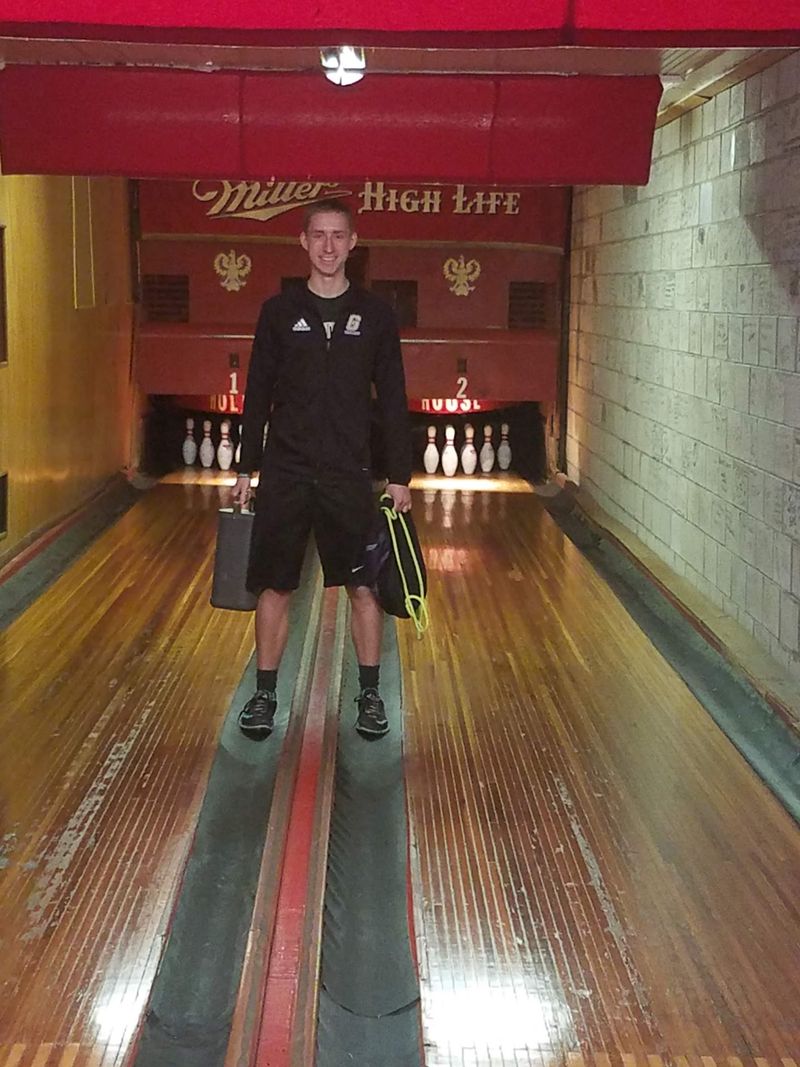
Hospitality here is not a slogan, it is the whole experience. Guests routinely describe being treated like family the moment they step through the door.
The owner is known for offering newcomers a tour without being asked, walking them through the history and the basement lanes. Strangers are welcomed as warmly as longtime regulars.
Even people who arrive not to bowl or drink, just to see the history, have been met with genuine friendliness. The staff take time to talk, share stories, and make the stop feel worthwhile.
That openness is a big reason the place carries such a glowing 4.8-star reputation across well over a hundred reviews. Kindness shows up again and again in what people say.
Some places tolerate visitors. This one seems genuinely glad you came.
A Trip The Whole Family Can Enjoy
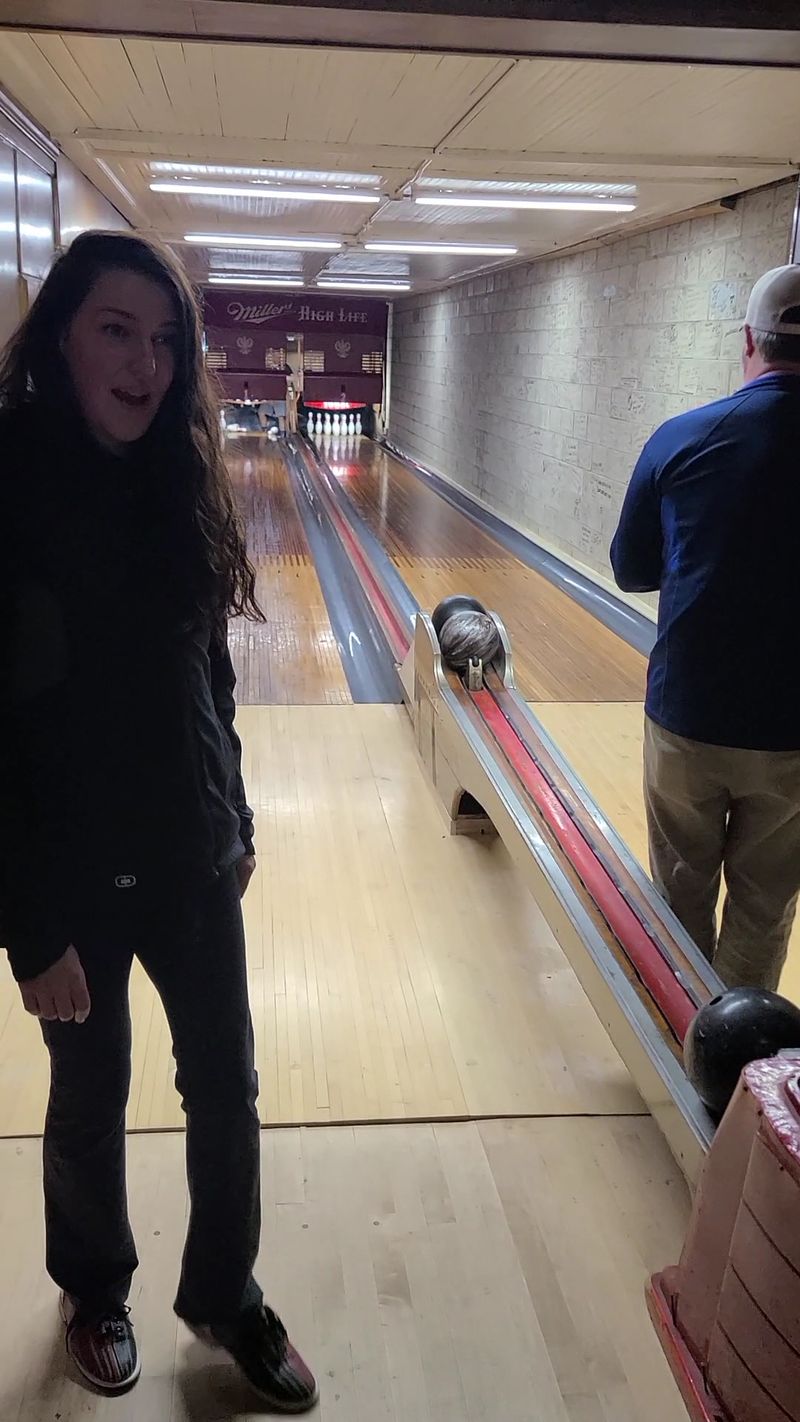
This is not just a spot for adults looking to unwind. Families have made it a destination too, bringing kids and grandkids along for the adventure.
One family used it for a back-to-school outing, and the grandkids loved the whole thing. The alley provides shoes and balls, so you can roll up and play without hauling gear.
The equipment is all old and well used, which suits the mood. Most people come for the experience and the history far more than for a competitive score.
When the scheduled pinsetter once did not show, the owner set the pins himself so the family could still play. Gestures like that turn an outing into a lasting memory.
Two lanes, borrowed shoes, and a story to tell. For a family looking for something different, it delivers.
Hours That Reward A Little Planning
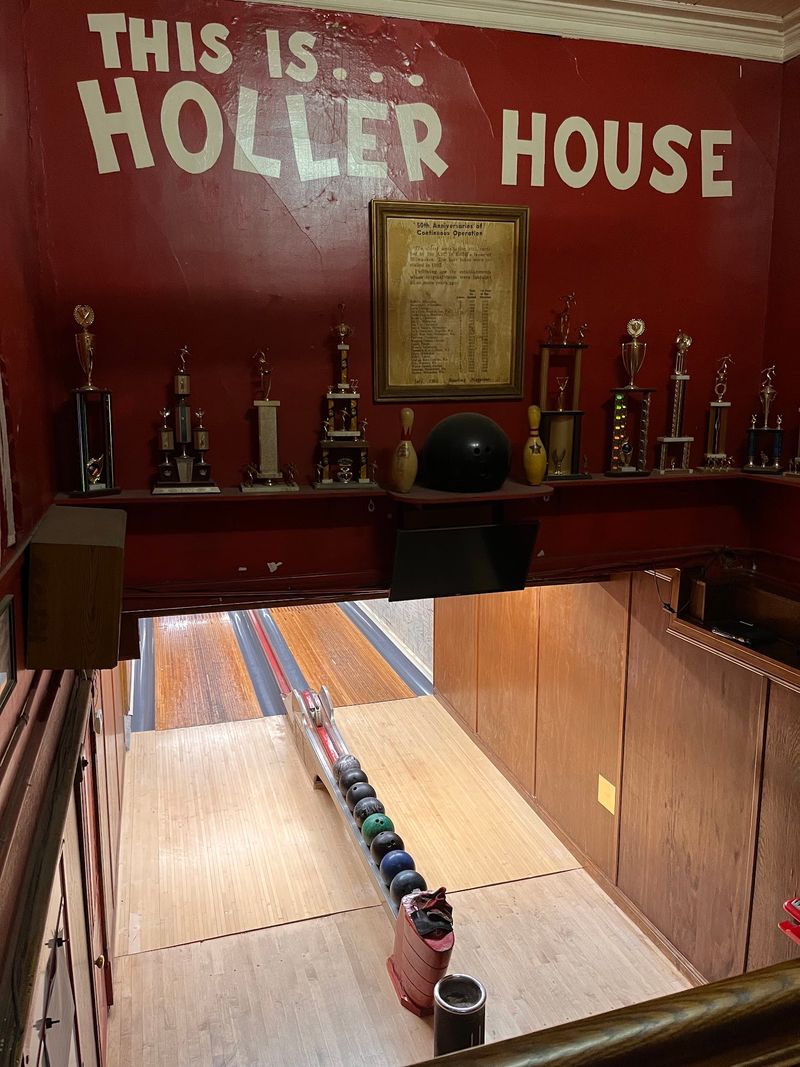
Timing your visit takes a bit of care, since this is not an all-day operation. The tavern is closed on Mondays and opens in the afternoon the rest of the week.
Tuesday and Thursday run from 4 to 11 PM, while Wednesday goes from 4 to 10 PM. Friday opens a little earlier at 3 PM and stays open until 11 PM.
Weekends stretch the schedule. Saturday runs from 1 to 11 PM, and Sunday offers a daytime window from 12 to 7 PM.
Because there are only two lanes, planning ahead makes sense, especially on busier days when a group might be waiting for a turn. On at least one occasion the bar opened outside its usual Sunday closure to accommodate players during a tournament elsewhere in the city.
Check the hours, aim for a slot that fits, and you will avoid standing in line. A little planning goes a long way with only two lanes to share.
Finding Your Way To The Southside
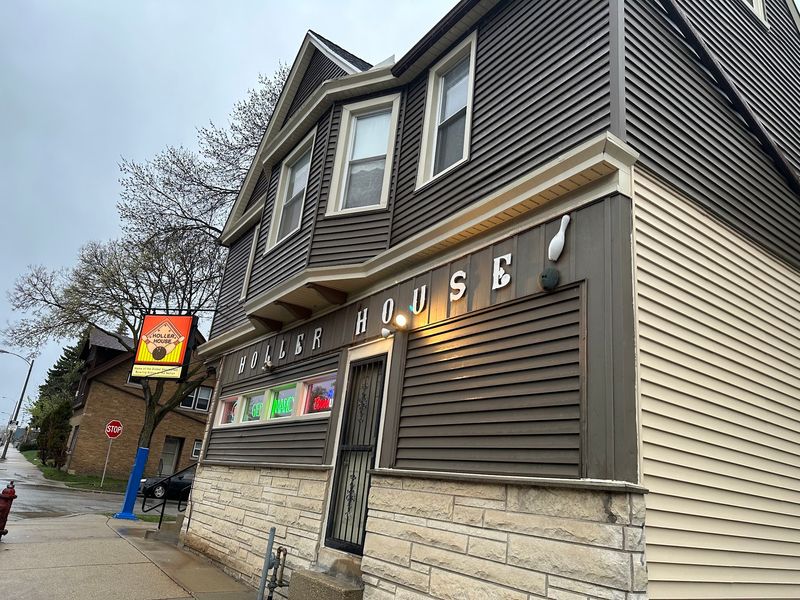
Getting there means heading to Milwaukee’s southside, to 2042 W Lincoln Ave. The tavern sits in a residential neighborhood rather than a flashy entertainment strip.
Its address on West Lincoln Avenue keeps it woven into the old Polish area that gave the bar its character. That setting is part of what makes the visit feel authentic.
The website, geneandmarcyhollerhouse.com, is a good place to confirm details before you go. With only two lanes, calling ahead or checking availability is a smart move.
People have traveled from across the country and even mentioned coming from as far as Alaska to see the lanes. A neighborhood tavern rarely pulls visitors from that distance.
Punch the address into your map, aim for the southside, and you will find the door that leads to history downstairs.
Why This Basement Belongs On Your List
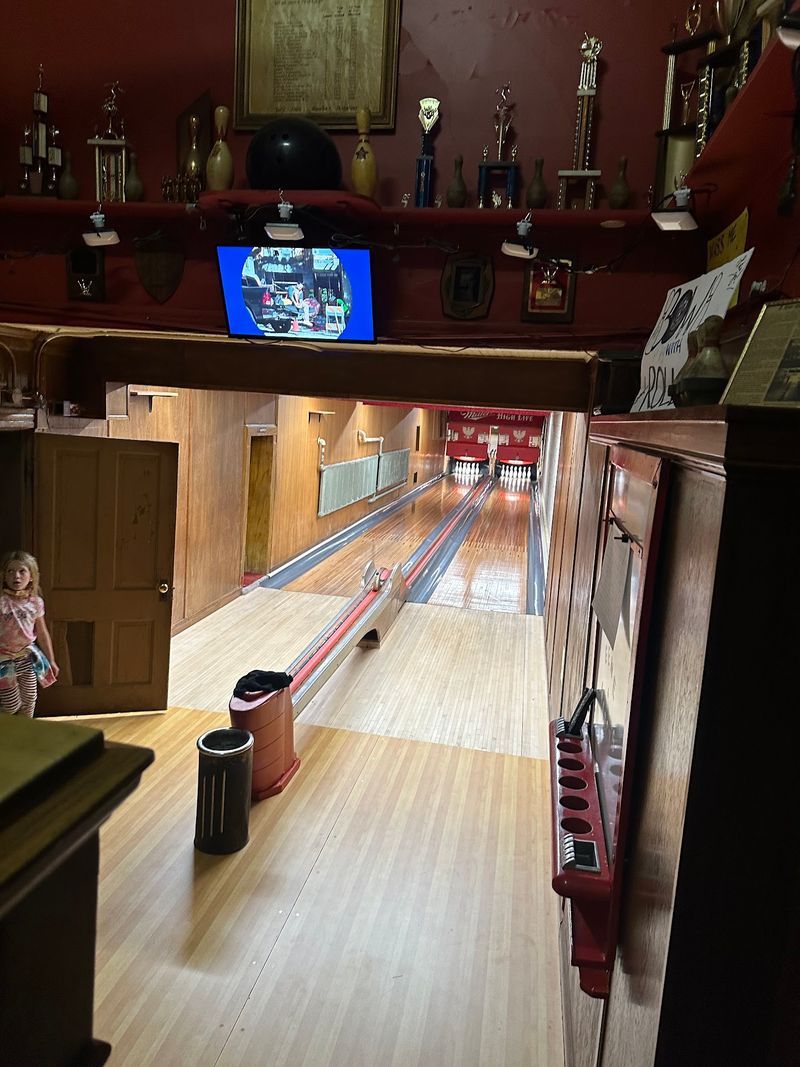
Few places manage to be a bar, a bowling alley, and a museum at the same time. Holler House does all three from a single southside address, and does them with heart.
What keeps people coming back is not fancy equipment or a big score. It is the hand-set pins, the century-old wood, the Polish heritage, and a family that treats every guest like kin.
People who love classic alleys and old-school taverns tend to call it a must-visit, and many leave hoping it lasts another hundred years. That kind of affection is earned, not manufactured.
Whether you come to roll a couple of games, learn the history, or simply chat with the folks who run it, the trip tends to feel worthwhile. The stories alone are worth the stairs.
Book a slot, bring some cash, and go see where sanctioned bowling in America still keeps its oldest lanes alive.
Enjoyed this story?
Add Fast Food Club as a preferred source to see more of our reporting on Google.