


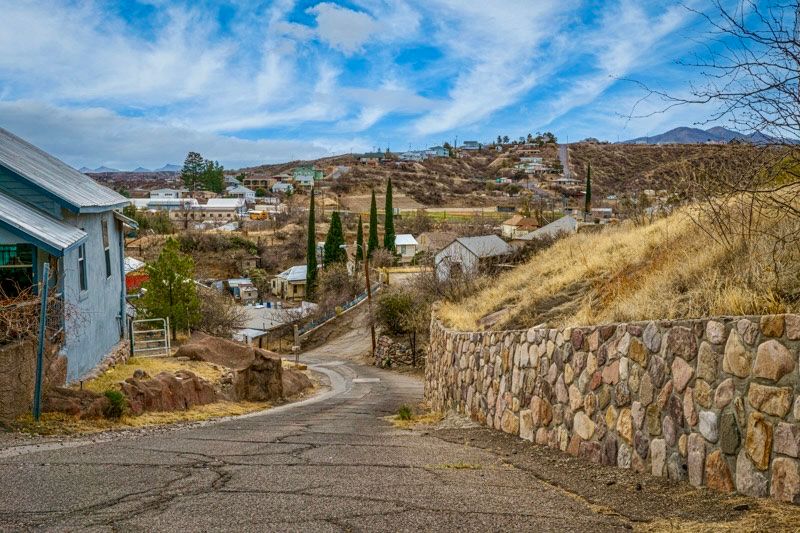
Some towns hide their age behind fresh paint, but this one wears its history proudly. Out in the hills of east-central Arizona, a small city that began as a rough mining camp around 1875 is still going strong.
Home prices here can still land under $250,000, which feels almost unheard of in a state where costs keep climbing. That alone makes people look twice.
But the real draw is the mix of history, small-town pace, and a community that has stuck together for well over a century. Keep reading to learn where this town sits, how it got started, what keeps it running today, and who might feel right at home there.
By the end, you will know whether this old mining town deserves a spot on your moving or visiting list.
A County Seat in the Arizona Hills
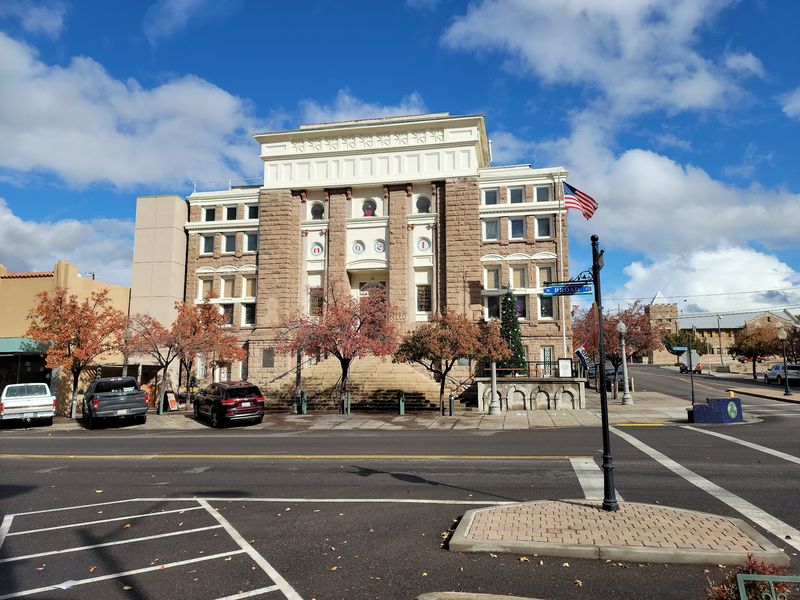
Finding it on a map is the first step. Globe is a city in Arizona, USA, and it serves as the county seat of Gila County.
That title matters more than it sounds. Being the county seat means government offices and public services are part of daily life here, and they help keep the local economy steady.
The town is small by any standard. As of the 2020 census, the population of the city was 7,249, so this is a place where faces become familiar fast.
For home shoppers, size and setting work together. A modest population, a long history, and a steady government presence create the kind of town where prices have not raced out of reach.
Many Arizona cities have grown so fast that their old character got paved over. Globe still has a clear sense of what it is and where it came from.
That identity is a big part of the appeal. Buyers are not only getting a house here, they are getting a town with a backstory worth knowing, and that story starts with a mining camp.
Born as a Mining Camp Around 1875
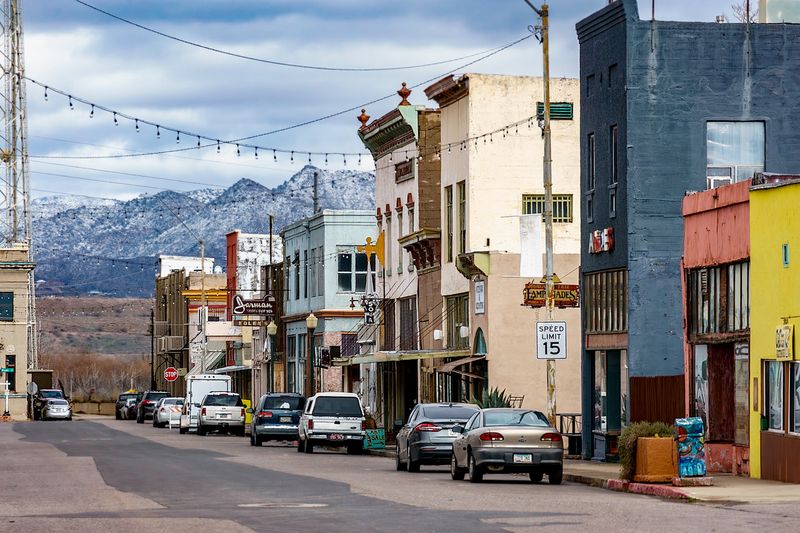
Long before anyone talked about affordable real estate, people came here to dig. Globe was founded around 1875 as a mining camp.
Camps like this one often popped up quickly and faded just as fast. Globe did something different, because it kept going and grew into a real city with a lasting role in the region.
That staying power is a quiet point of pride. A town that has lasted roughly 150 years has seen good times and hard times, and it is still here.
For newcomers, this history is more than trivia. It shapes the feel of the place, giving it a working-town spirit that newer suburbs simply cannot copy.
Here is a fun bit to chew on. Mining did not just start the town, it remains one of its most important industries today, so the founding story is still being written.
Few places can say their first chapter and current chapter share the same main character.
Mining Still Pays the Bills
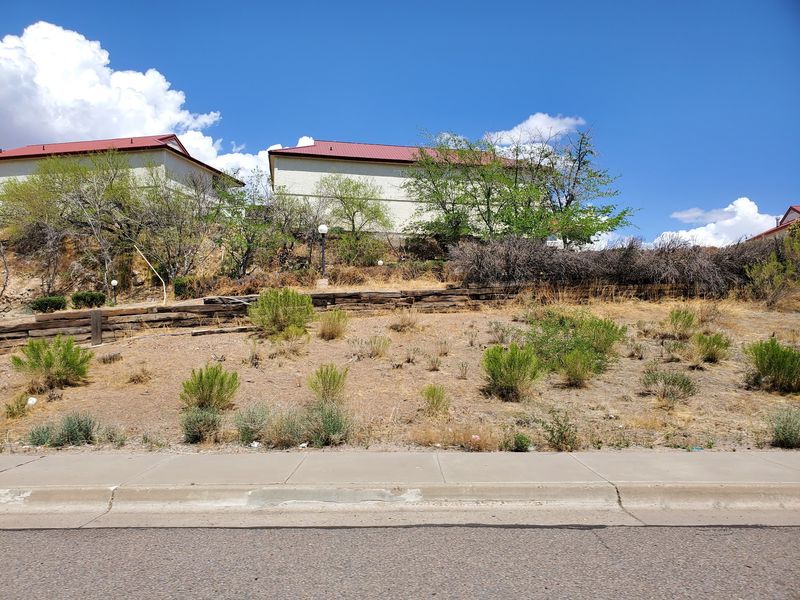
Plenty of former mining towns now only remember their glory days. Globe still counts mining among the most important parts of its present-day economy.
That is a meaningful detail for anyone thinking about moving here. An active industry means jobs and a reason for the town to keep functioning year after year.
Mining also gives Globe its no-nonsense personality. It is a place built by people who work hard, and that attitude still shows in the community.
Of course, an economy leaning on one industry can feel risky. The good news is that Globe does not rely on mining alone, which helps balance things out.
Think of mining as the backbone rather than the whole body. Other sectors share the load, and together they keep the town steady enough for families and retirees to put down roots.
Digging deeper into the local economy reveals a surprisingly well-rounded picture, and the next pieces fit right in.
Tourism With a Historic Twist
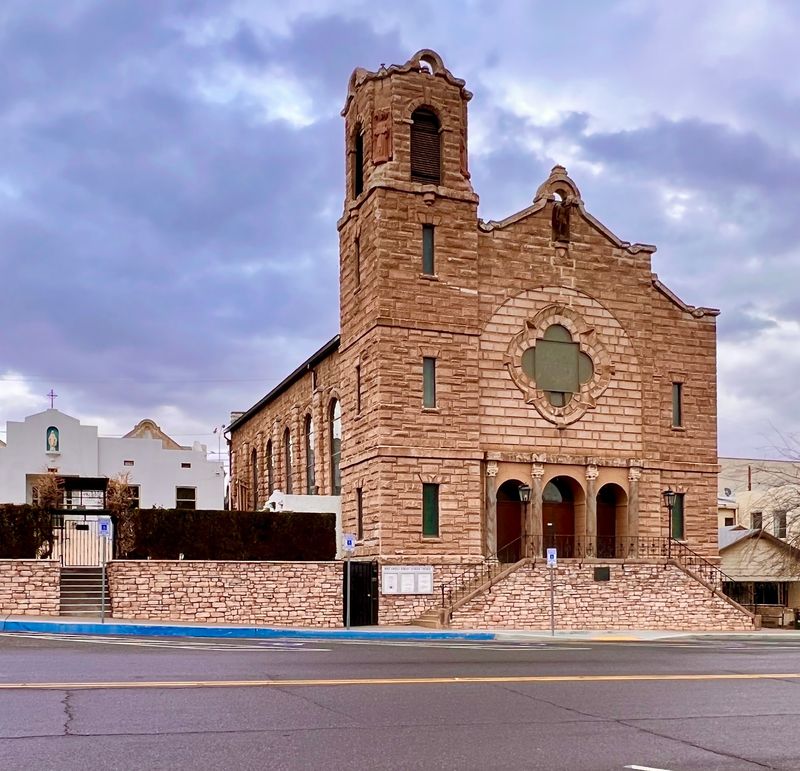
History has a way of attracting curious travelers. In Globe, tourism ranks as one of the most important pieces of the present-day economy.
A town that started as a mining camp in the 1870s naturally has stories that outsiders want to hear. That interest brings people in, and they help support local businesses.
For residents, tourism adds a little extra life without turning the town into a crowded resort. It is a helpful balance for anyone who wants activity but not chaos.
Homeowners may also appreciate what tourism signals. When people choose to visit a place, it usually means the town has character worth preserving.
That character is exactly what the headline promises. Globe is not a cookie-cutter development, and its visitors seem to come precisely because it feels like the real thing.
So the next time someone asks why a small mining town draws a crowd, the answer is simple: authenticity sells, even when the houses are priced kindly.
Government Jobs and Steady Footing
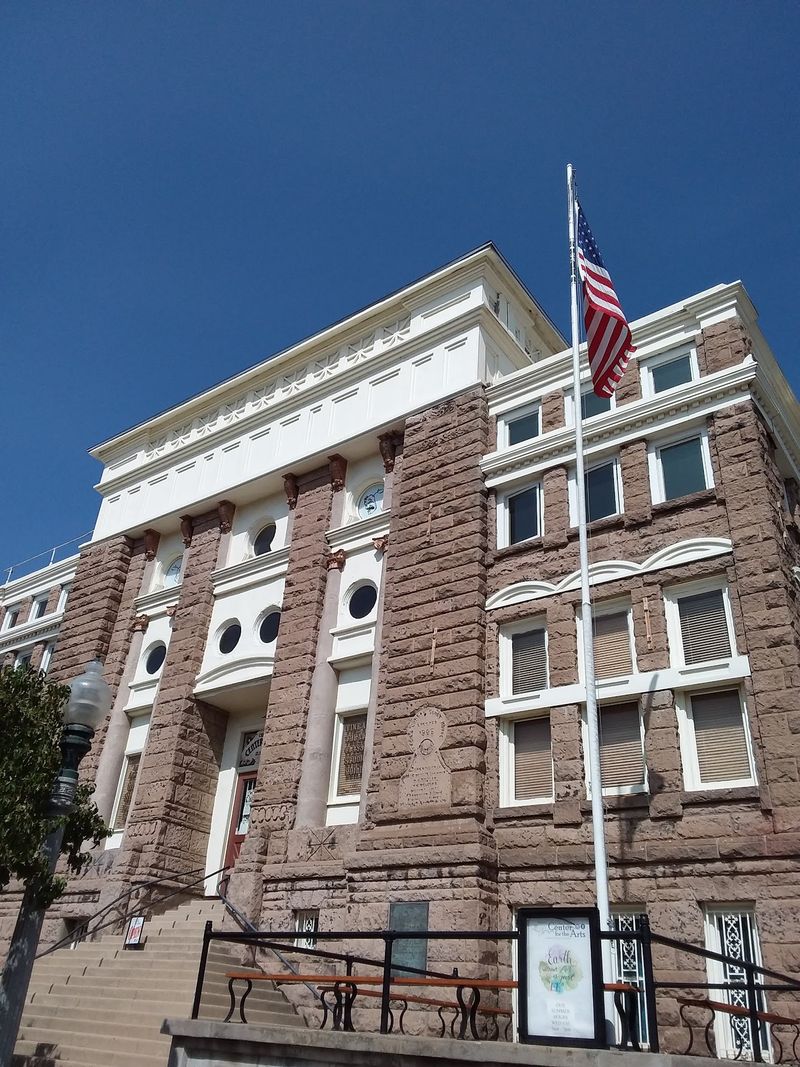
County seats rarely sit still. Because Globe is the seat of Gila County, government work is one of the main pillars of its economy.
Public sector jobs tend to be reliable, and that reliability spreads through a community. Steady paychecks help local shops, services, and the housing market stay on even ground.
For buyers weighing a move, this is a reassuring piece of the puzzle. A town with a mix of mining, tourism, and government is less likely to swing wildly in one direction.
It also means residents have easy access to county services. Handling official business does not require a long drive to another city.
Small towns sometimes struggle to offer stable careers outside a single employer. Globe has a little more variety than many places its size, which counts for a lot.
Steady may not sound exciting, but when it comes to choosing a hometown, steady is often exactly the word people want.
Why Retirees Keep Showing Up
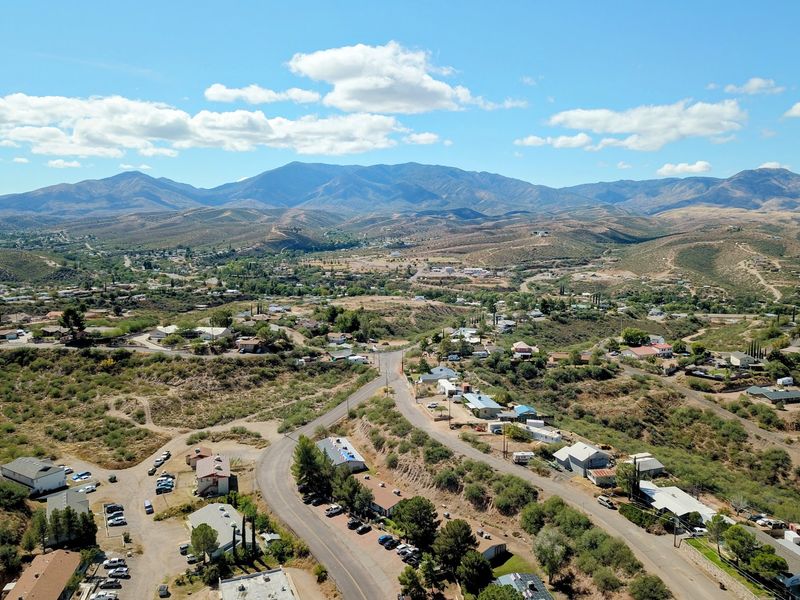
Retirement math can be tough. Fixed incomes stretch further when housing costs stay reasonable, and that is one reason retirees play a big role in Globe.
In fact, retirees are listed among the most important parts of the town’s present-day economy. Their presence shapes the community as much as mining or tourism does.
A small population of around 7,249 people gives the town a manageable scale. It is easier to get to know neighbors and settle into routines.
Homes still selling under $250,000 make the idea even more practical. For many people leaving pricier markets, that number opens doors that seemed closed.
Retirees also bring time and energy to a community. They often become the volunteers, regulars, and familiar faces that give a small town its warmth.
The result is a place where slowing down feels normal rather than unusual, and that suits plenty of people just fine.
Character You Cannot Build From Scratch
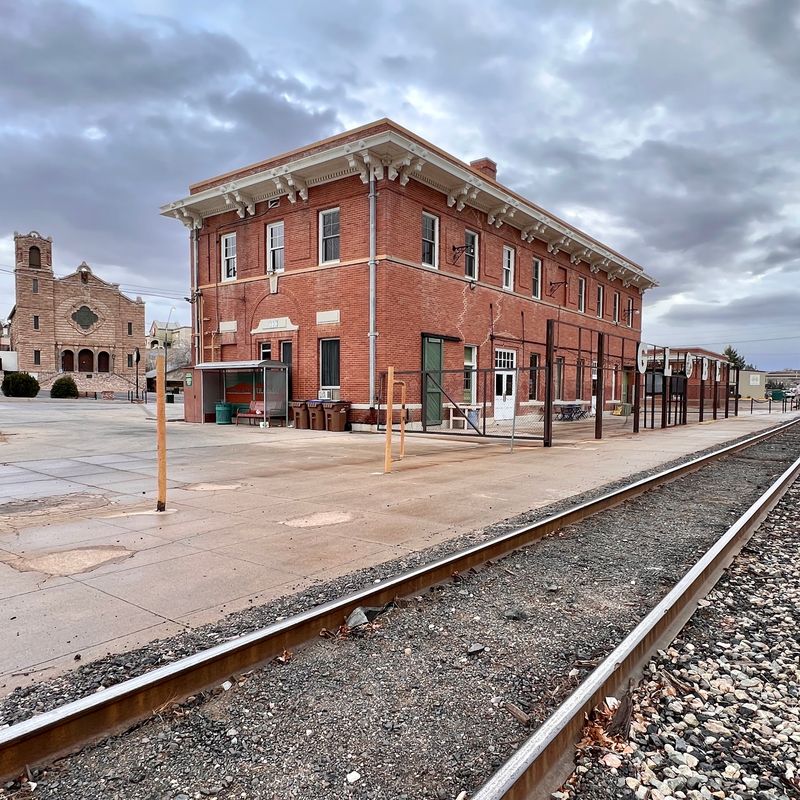
New developments can copy a style, but they cannot copy 150 years. That gap is where Globe quietly wins.
A mining camp that turned into a county seat carries layers of history in its streets and buildings. Buyers here are often drawn to homes that feel connected to that past.
Affordable prices and genuine character rarely show up together in Arizona today. In Globe, they still do, and that pairing is the heart of the town’s appeal.
It suits a certain kind of person. Fans of history, folks who like a slower pace, and anyone tired of identical subdivisions may find this a refreshing change.
It may be less ideal for someone wanting big-city amenities on every corner. With roughly 7,000 residents, Globe is unapologetically small.
Knowing that tradeoff ahead of time helps people decide whether this town fits their life, and for the right buyer, it fits like a well-worn pair of work boots.
A Fair Verdict on This Old Mining Town
So, is Globe worth a closer look? For many buyers, the answer leans toward yes.
Here is the short version. Globe is the county seat of Gila County, home to about 7,249 people, and rooted in a mining camp founded around 1875.
Its economy rests on mining, tourism, government, and retirees. That mix gives the town more stability than its size might suggest.
Homes that still sell under $250,000 add a strong practical reason to visit. In a state where prices have climbed in many places, that matters.
The best move is to spend time in town before making any decisions. Walking the neighborhoods and talking with locals will reveal far more than any listing photo.
Globe is not trying to be flashy. It is a hardworking town with deep roots and a door that is still open to newcomers, and that might be exactly the kind of place worth calling home.
Enjoyed this story?
Add Fast Food Club as a preferred source to see more of our reporting on Google.