



We’ve all been told to avoid certain foods because they’re “bad” for us. But what if some of those so-called guilty pleasures actually have surprising health benefits?
Science is starting to show that many foods we’ve labeled as junk can do real good when eaten in the right amounts. Get ready to look at your favorite snacks in a whole new way.
Peanut Butter
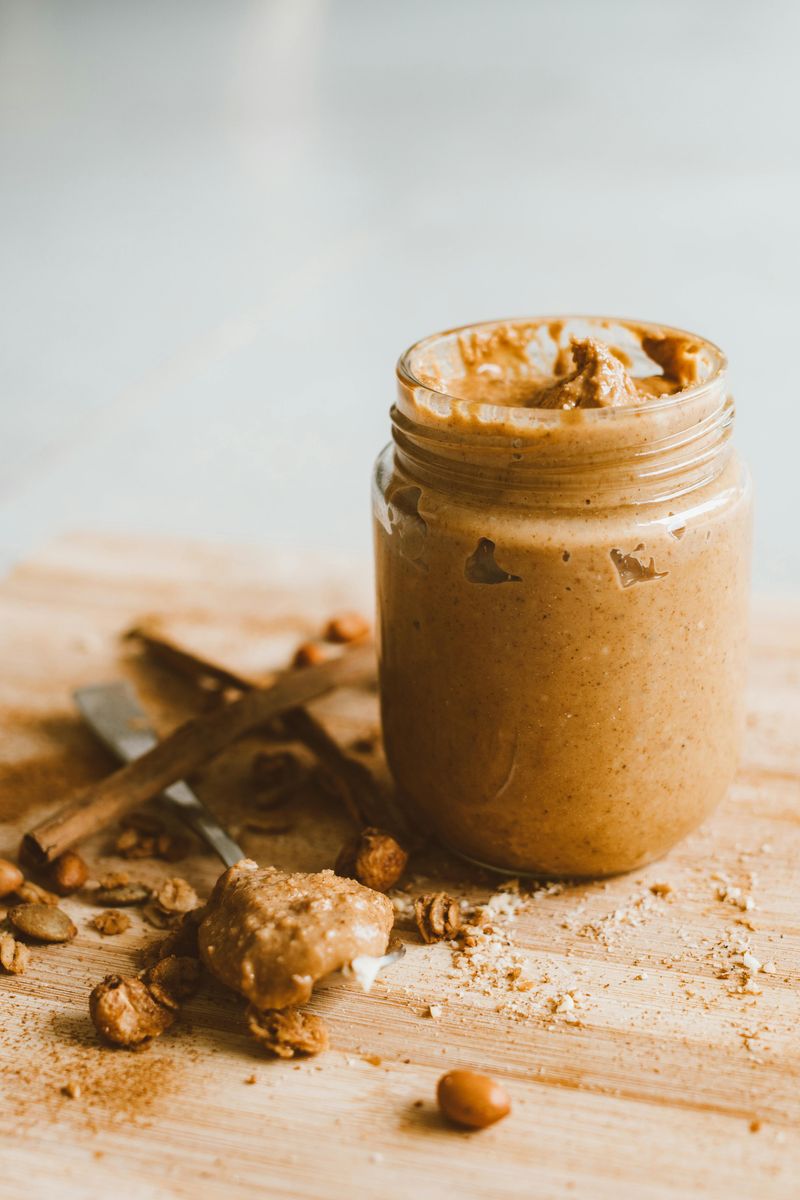
Thick, creamy, and utterly satisfying, peanut butter is more than just a sandwich staple. It’s rich in healthy monounsaturated fats, which are the same heart-friendly fats found in olive oil.
These fats help reduce bad cholesterol levels over time.
Peanut butter also delivers protein and magnesium, nutrients that support muscle function and energy. Choose natural versions with minimal added sugar or salt to get the most out of every spoonful.
Coffee

Millions of people start their day with coffee, and it turns out that ritual comes with some solid health perks. Coffee is one of the richest sources of antioxidants in the average person’s diet.
Regular consumption has been linked to a lower risk of type 2 diabetes and certain liver diseases.
Caffeine also sharpens focus and boosts physical performance. Stick to moderate amounts, roughly two to three cups a day, and skip the heavy cream and sugar when you can.
Red Wine

Red wine has long been associated with the Mediterranean lifestyle, where people tend to live longer and have healthier hearts. The secret ingredient is resveratrol, a plant compound found in grape skins that acts as a powerful antioxidant.
It may help protect the lining of blood vessels and reduce inflammation.
Moderation is the magic word here. One small glass for women or up to two for men per day is what researchers typically consider beneficial.
Cheese

Cheese has been unfairly blamed for weight gain for decades, but research is softening that reputation. Full-fat cheese contains calcium, phosphorus, and vitamin K2, nutrients that work together to keep bones and teeth strong.
Some studies even suggest that moderate cheese consumption is linked to a lower risk of heart disease.
Fermented varieties like aged cheddar or gouda also contain beneficial bacteria. A small portion with meals can be both satisfying and genuinely nutritious.
Popcorn

Popcorn often gets a bad reputation because of the buttery, salty versions sold at movie theaters. But plain air-popped popcorn is actually a whole grain packed with fiber.
Fiber helps your digestive system run smoothly and keeps you feeling full longer.
It also contains antioxidants called polyphenols, which help protect your body’s cells. Skip the heavy toppings and enjoy popcorn as a genuinely smart snack choice.
Eggs

For years, eggs were villainized because of their cholesterol content, but the science has changed dramatically. Eating whole eggs does not significantly raise bad cholesterol for most healthy people.
Instead, they deliver a near-perfect package of protein, vitamins B12 and D, and choline, a nutrient essential for brain health.
The yolk, once tossed aside, is actually where most of the nutrition lives. Two eggs at breakfast can power your morning better than many processed cereals.
Potatoes

Potatoes get lumped in with junk food because of how they’re usually prepared, think fries and chips. But a plain baked or boiled potato is genuinely impressive nutritionally.
It’s one of the best food sources of potassium, a mineral that helps regulate blood pressure.
Potatoes also contain vitamin C and resistant starch, which feeds good gut bacteria. How you cook them matters enormously, so boil or bake instead of frying for maximum benefit.
Pasta

Pasta has been avoided by carb-fearers for years, but it might deserve a second look. When cooked al dente and eaten in reasonable portions, pasta has a lower glycemic index than many other refined carbs.
That means it raises blood sugar more slowly and keeps energy levels steadier.
Pair it with protein and vegetables, and you have a balanced meal. Whole grain pasta bumps up the fiber content even further, making it an even smarter choice.
Pizza

Pizza might be the most beloved “bad” food on the planet, and surprisingly, it has some real nutritional value. The tomato sauce is rich in lycopene, a powerful antioxidant linked to lower cancer risk.
Mozzarella adds calcium and protein, while a whole grain crust brings fiber to the table.
Load up on vegetable toppings and go easy on processed meats to make pizza work in your favor. Homemade versions give you full control over what goes in.
Dark Chocolate

Here’s something sweet to chew on: dark chocolate is loaded with antioxidants called flavonoids that support heart health. Studies have found it can help lower blood pressure and improve blood flow to the brain.
That’s a pretty impressive resume for something that tastes like dessert.
The key is choosing chocolate that is at least 70% cacao. A small square or two a day is all you need to enjoy the benefits without going overboard.
Ice Cream

Nobody needs science to enjoy ice cream, but here’s a fun fact: it actually contains calcium and phosphorus, two minerals that support strong bones. Some research has even suggested that people who eat full-fat dairy products weigh less on average than those who avoid them entirely.
Of course, portions matter. A single scoop enjoyed mindfully is very different from eating half a carton.
When ice cream is part of a balanced diet, there’s room for joy and nutrition together.
Burgers

A juicy burger doesn’t have to be the dietary disaster it’s made out to be. Beef patties are a solid source of iron, zinc, and complete protein, all essential for energy, immunity, and muscle repair.
The problem is usually the size, the extras, and the frequency, not the burger itself.
Choosing a leaner cut, loading up on veggie toppings, and opting for a whole grain bun transforms a burger into a genuinely balanced meal worth savoring.
French Fries

Oven-baked fries made from real potatoes aren’t quite the nutritional villain their deep-fried cousins are. Potatoes naturally contain potassium, vitamin C, and fiber, especially when the skin is left on.
Baking rather than frying keeps the calorie count reasonable while preserving those nutrients.
Seasoning with herbs and spices instead of mountains of salt makes them even better. Enjoying a small portion of baked fries alongside a protein-rich meal is a perfectly reasonable choice.
Chocolate Milk

Athletes have known this secret for years: chocolate milk is one of the most effective post-workout recovery drinks around. It delivers the ideal ratio of carbohydrates to protein needed to refuel muscles after exercise.
The natural sugars in milk help replenish glycogen stores quickly.
It also provides calcium, vitamin D, and electrolytes like potassium and sodium. Compared to many commercial sports drinks, chocolate milk is cheaper, more natural, and honestly a lot more delicious.
Granola Bars
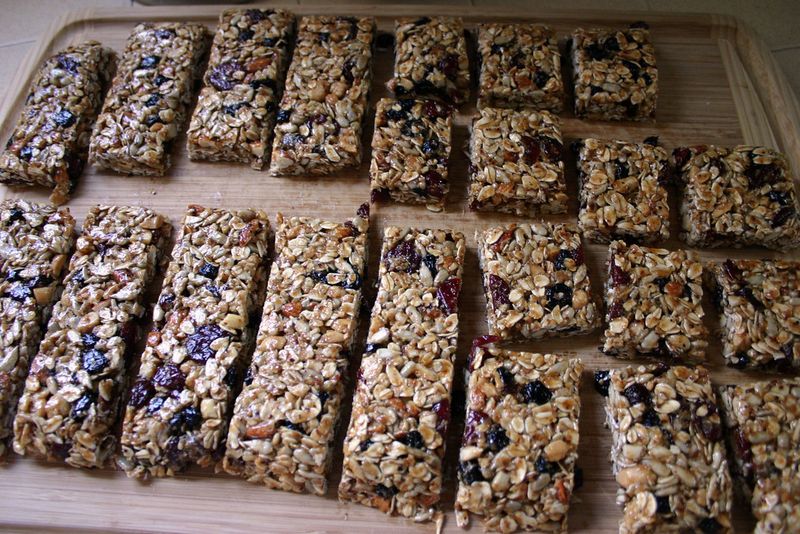
Granola bars get mixed reviews because the store-bought kind can be loaded with sugar and artificial ingredients. But the base of most granola bars, rolled oats, nuts, and seeds, is genuinely nutritious.
Oats provide beta-glucan fiber that helps lower cholesterol, while nuts add healthy fats and protein.
Reading labels carefully makes all the difference. Bars with fewer than 8 grams of sugar and recognizable ingredients give you a quick, portable snack that actually fuels your day.
Cereal
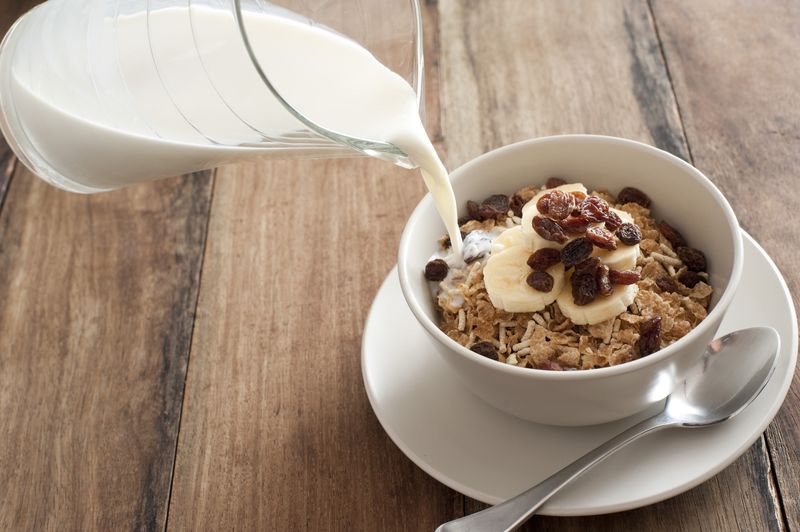
Not all cereals are created equal, but the right bowl can be a surprisingly powerful breakfast. Whole grain cereals are fortified with iron, B vitamins, and folic acid, nutrients that many kids and adults don’t get enough of.
The fiber in whole grains also supports healthy digestion and steady energy levels.
Pairing cereal with milk adds protein and calcium to the mix. Choosing options with less than 8 grams of sugar per serving is the simplest way to make breakfast count.
Trail Mix
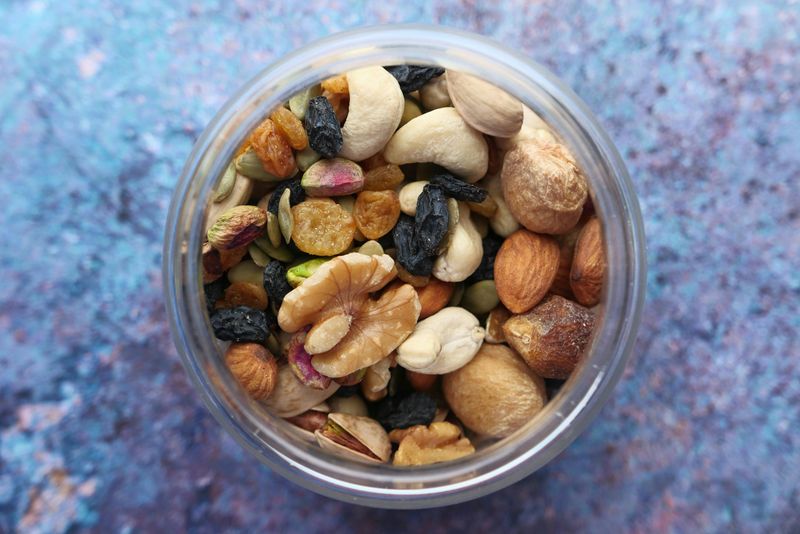
Trail mix has fueled hikers, climbers, and road-trippers for generations, and for good reason. A well-crafted mix of nuts, seeds, and dried fruit delivers healthy fats, plant-based protein, and quick-burning natural sugars all in one handful.
Nuts like almonds and cashews are especially rich in magnesium and vitamin E.
The tricky part is portion control since trail mix is calorie-dense. A small handful as a midday snack keeps energy up without overdoing it.
Yogurt with Added Sugar

Flavored yogurt often gets dismissed because of its sugar content, but there’s more going on in that cup than sweetness. Even yogurts with added sugar retain live probiotic cultures, the beneficial bacteria that support gut health and strengthen the immune system.
A healthy gut has been linked to better mood, clearer skin, and stronger digestion.
Choosing a yogurt with active cultures and pairing it with fresh fruit balances out the sweetness naturally. It’s still a far better snack than most processed alternatives.
Smoothies

Smoothies have a reputation for being either super healthy or liquid sugar bombs, and honestly, they can be either. When made with whole fruits, leafy greens, and a protein source like Greek yogurt or nut butter, a smoothie is a nutritional powerhouse.
Blending keeps the fiber intact, unlike juicing, which strips it away.
Fruits like bananas and berries add vitamins, antioxidants, and natural energy. Making smoothies at home gives you full control over what goes in the blender.
Sandwiches
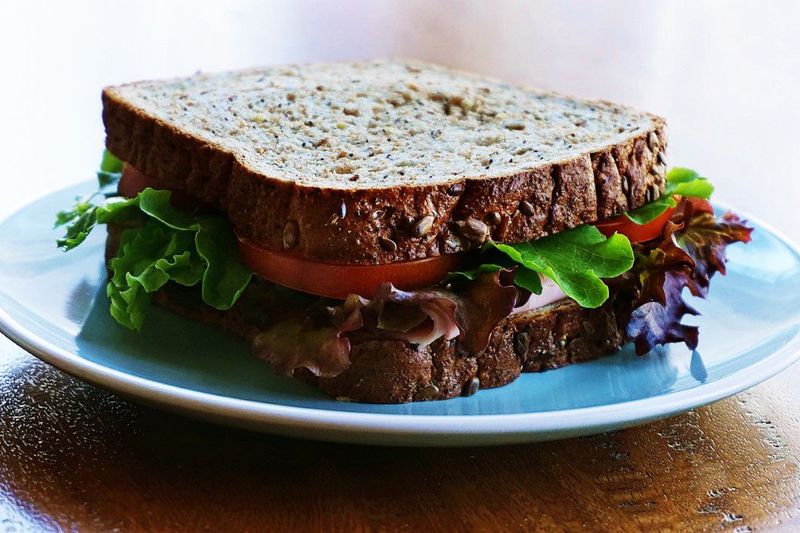
A sandwich is basically a blank canvas, and what you put on it determines whether it’s a nutritional win or a miss. Whole grain bread provides complex carbohydrates and fiber that digest slowly and keep you full.
Add lean protein like turkey or chicken, and you’ve already built a solid foundation.
Layer in avocado for healthy fats, leafy greens for vitamins, and sliced tomatoes for lycopene. Sandwiches are proof that convenient food and healthy food don’t have to be opposites.
Enjoyed this story?
Add Fast Food Club as a preferred source to see more of our reporting on Google.