


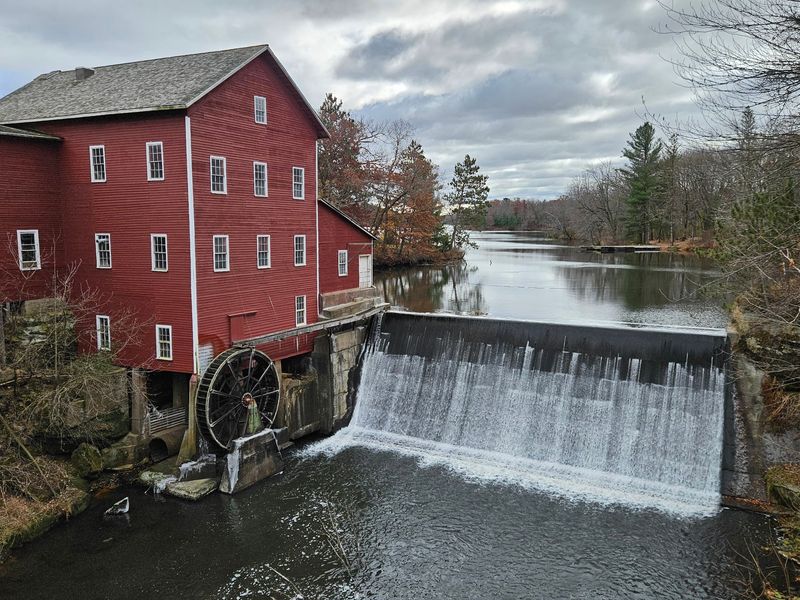
Some trail stops hand you a snack, and some hand you a slice of Wisconsin history along with fresh bread for the road. Near Augusta, a tall wooden mill still sits beside the water, and its old wheel is grinding grain again after years of quiet.
Hungry hikers come for loaves, pies, and jams worth stacking into a hearty trailside sandwich, and they leave knowing the story of one of the state’s last standing mills. Keep reading to learn where it is, what the tours show, and how to time your trip so you do not find the doors locked.
A Wooden Landmark on County Road V
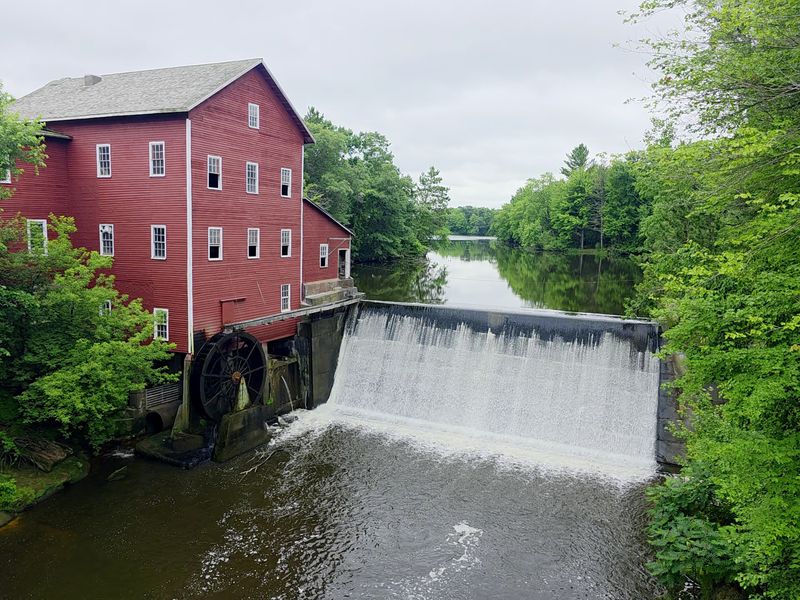
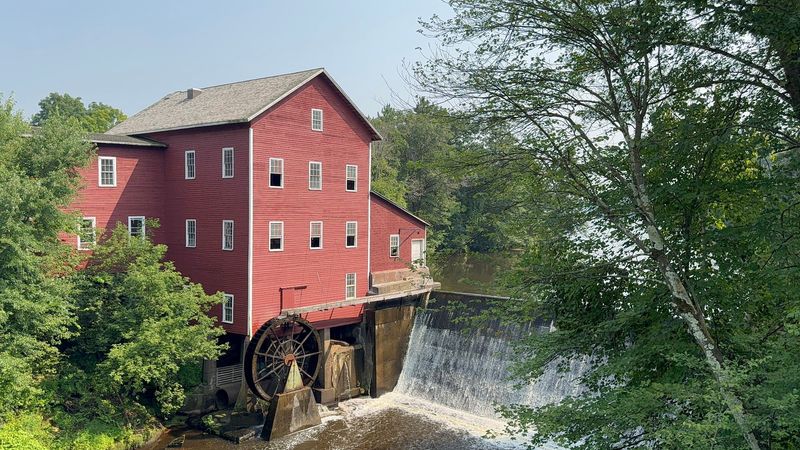
Roads around Augusta can feel quiet and empty, and then a tall timber mill appears beside rushing water. That building is The Dells Mill and Museum, a historical place and museum that has become a favorite pause for road trippers and hikers.
You will find it at E18855 Co Rd V, Augusta, WI 54722, in the rural western part of Wisconsin. The setting has been called a sweet little place in the middle of nowhere, and that description fits well.
The mill is not just a backdrop for a quick stop. It has been restored and now works again, grinding grain on site the way it was built to do.
Inside, there is more than machinery. A store stocks Amish baked goods, flour, jams, and pantry items, while an antique shop fills other rooms with tools and handmade pieces.
Hikers looking to refuel will appreciate the shelves of fresh bread and spreads, which make a solid base for a big homemade sandwich at the next picnic table. The food is the reward, but the building is the headliner.
Small towns often hide their best stories down back roads. This one just happens to have a water wheel attached, and the next part of the tale explains why it is still turning.
A Family Story Spanning Generations
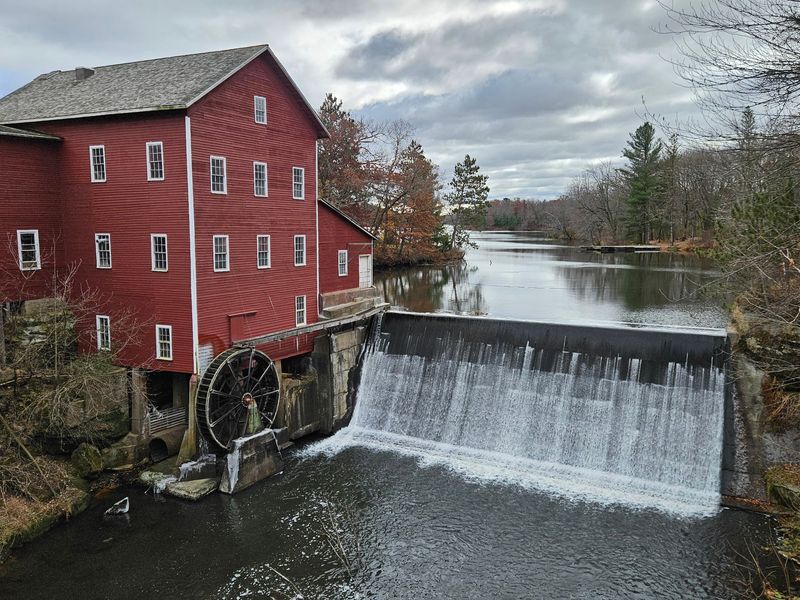
Few buildings can claim the same family connection for more than 130 years. The Clark family owned this mill for that long, and a family member, John Clark, has volunteered out front, greeting guests with a short history lesson.
An older gentleman often sits near the entrance and shares stories about the mill. Many people leave saying those front porch chats were a highlight of the stop.
Today the mill belongs to Herman, the current owner and mill operator. He has spent roughly the last decade restoring the structure, and his pride in that work comes through clearly on tours.
Some guests first came here on school trips as children. Thirty years later, they return to find the place not only standing but working again.
That matters more than it might seem. Only a handful of mills like this remain standing in Wisconsin, which makes this building a rare survivor.
Restoration is slow, careful work, and the results show in the wood, the gears, and the wheel. Herman knows the history of each repair and happily explains it.
A building with this much backstory deserves to be seen in motion. Fortunately, that is exactly what the restoration made possible.
The Wheel That Woke Back Up
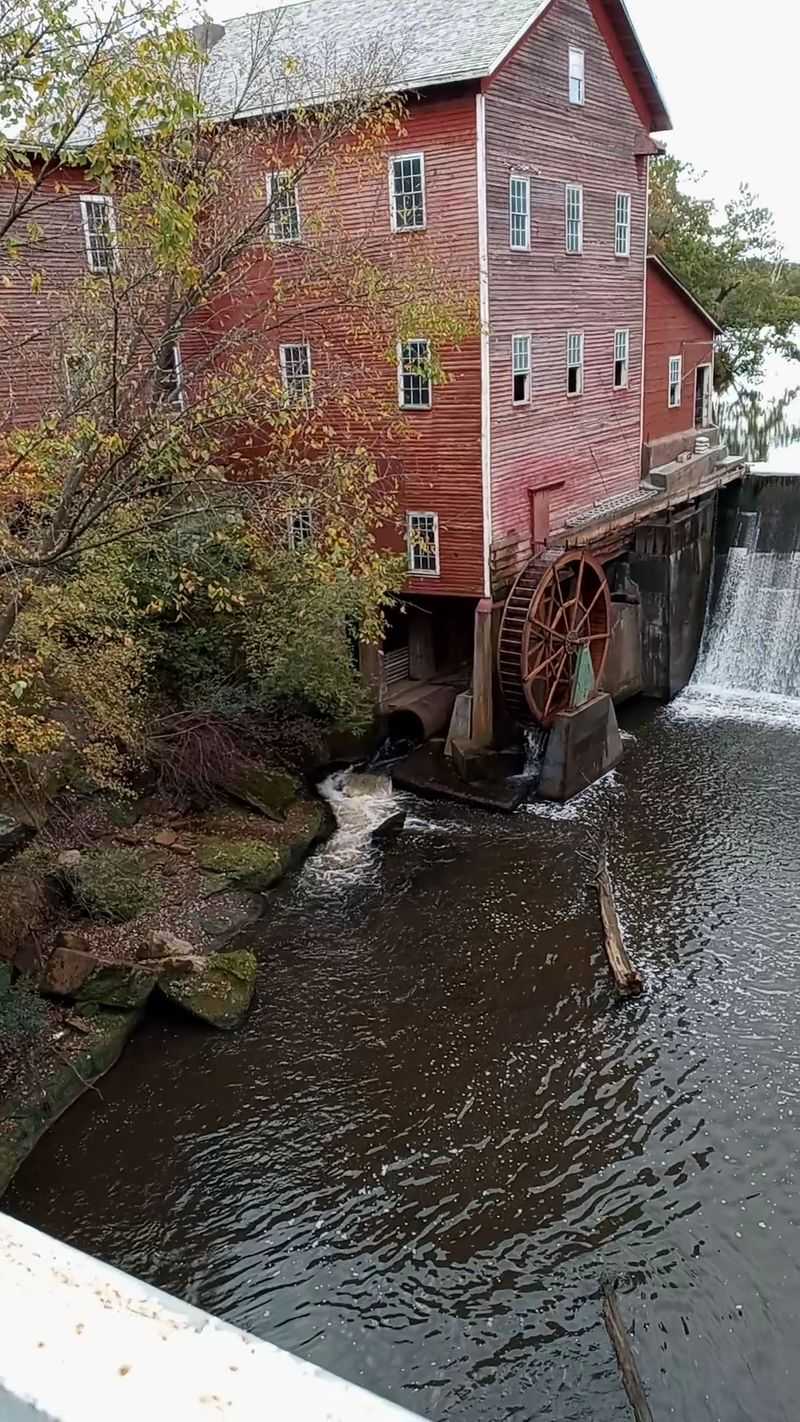
Grain goes in, flour comes out, and centuries of engineering handle everything in between. Watching that process is the main draw for many who make the trip.
The water wheel and turbine power the mill, and seeing them up close ranks among the most talked about parts of a visit. Families especially enjoy watching the system that turns river current into real work.
Grinding wheat into flour is not a demonstration with fake props. The mill is processing grain on site, and the results end up for sale in the store.
That makes this a working museum rather than a frozen one. Gears, belts, and grinding stones all have a job to do.
For kids, it is a hands-on way to learn where flour actually comes from. For adults, it is a reminder of how communities once depended on mills like this one.
Herman explains the machinery in plain terms, so nobody needs an engineering degree to follow along. Questions are welcome, and he answers them with obvious enthusiasm.
Hikers who have spent a morning on the trail may relate to the wheel. It rested for a long while, got some care, and came back stronger, which is a pretty good model for a lunch break.
Top Floor to Basement on the Big Tour
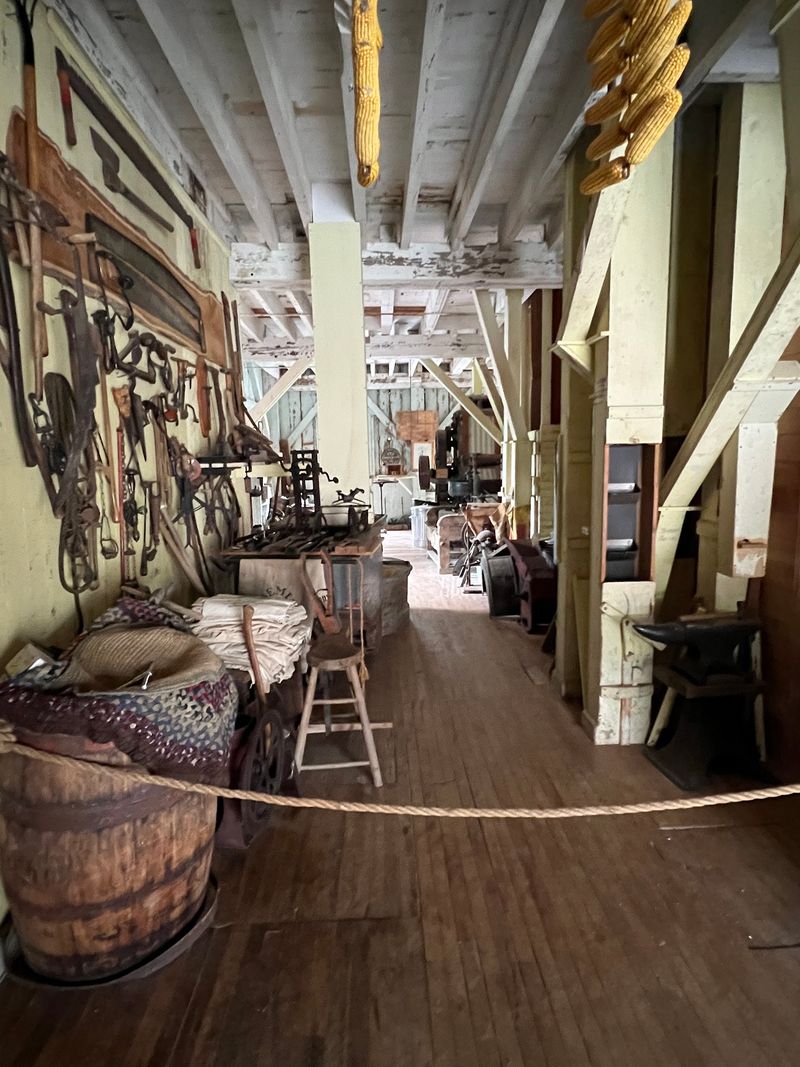
Ten dollars buys a ticket to every corner of the building. The big tour costs $10 per person and takes guests all the way from the top floor down into the basement.
That vertical journey is the best way to understand how a mill works. Grain moves through the floors in stages, and following that path makes the whole system click.
Guided tours run on the days the mill is open, which are Fridays and Saturdays. Arriving a little early gives you time to browse the store while waiting for the next group to start.
Herman often leads the way, and his tours are known for being engaging and full of detail. He covers the history of the mill as well as the restoration choices he made over the years.
Not every trip includes a guide. Some guests have explored on their own and still found their way around without trouble, with friendly staff nearby to help.
Wear sturdy shoes for the stairs, which hikers will likely already have on. The climb is part of the fun.
By the time you reach the basement, the mill will feel less like a museum and more like a machine you finally understand. And all that stair climbing builds a proper appetite for what waits in the store.
Bread, Pies, and Sandwich Supplies
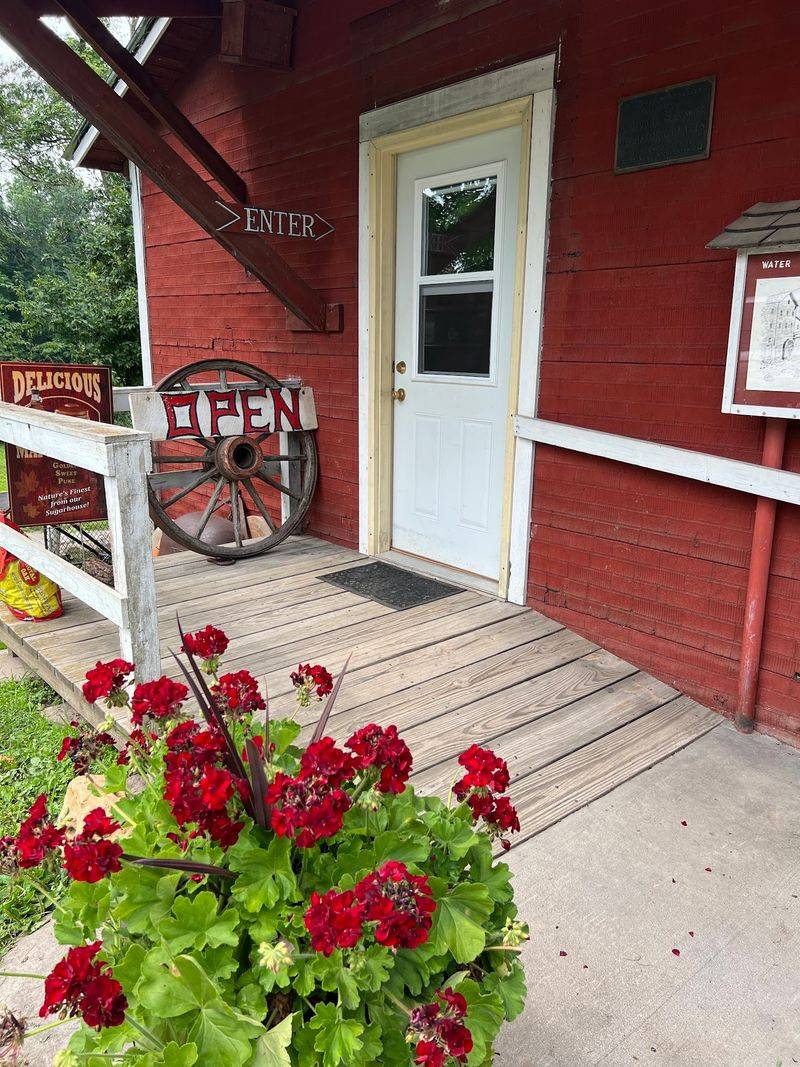
Here is where the hungry hiker part of the headline earns its spot. The store at the mill carries Amish baked goods, and they are a big reason people stop in on the way out.
Shelves hold bread, pies, and jams, along with homemade pickles and maple syrup. There is also flour milled right on site, plus a range of healthy organic and whole grain products.
For anyone planning a trail lunch, that lineup is a ready-made sandwich kit. Grab a fresh loaf, a jar of jam, and a jar of pickles, and the next picnic spot becomes a very satisfying stop.
Giant sandwiches are a matter of personal ambition here. The mill supplies the bread, and you supply the stacking skills.
Many guests call the baked goods a bonus to the tour, and some come specifically for them. The pies tend to disappear quickly from carry bags once back at the car.
One tip worth remembering: the store keeps limited hours. If you show up on a closed day, the shelves stay out of reach, so plan ahead to avoid a hungry drive home.
Fuel for the body and a bag of flour for later baking make this stop doubly useful. The next room offers something to feed the home instead.
Antiques, Cutting Boards, and Amish Craft
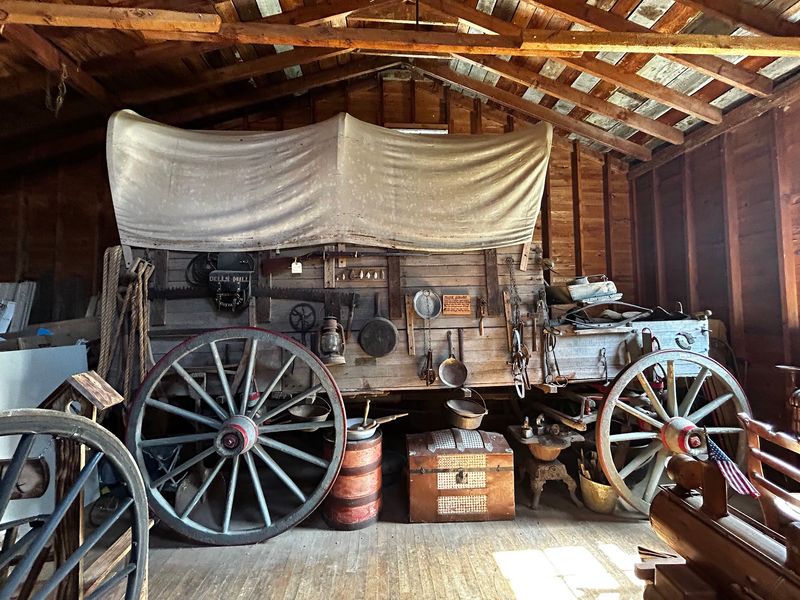
Antiques come up more than almost any other topic when people talk about this place. The shop is packed with old pieces, historical tools, and handmade goods.
A large collection of old and new Amish farming tools and crafts is on display and for sale. Some of the tools are genuinely historical, which makes browsing feel like a second museum tour.
The woodwork gets plenty of attention too. Handmade cutting boards are a standout, and they make a practical souvenir that will actually get used.
The shop is Amish run, and the people working there are known for being friendly and welcoming. Smiles seem to be part of the inventory.
Collectors can spend a long time here, so build some extra minutes into your schedule. It is easy to come for a quick look and leave much later.
Hikers with limited pack space may want to leave larger finds in the car. A cutting board fits nicely next to a fresh loaf of bread, and the pairing makes sense.
Between the tools upstairs and the milling gear in the building, history shows up everywhere you turn. Outside, though, the scenery has its own fan club with cameras in hand.
A Postcard View From the Bridge
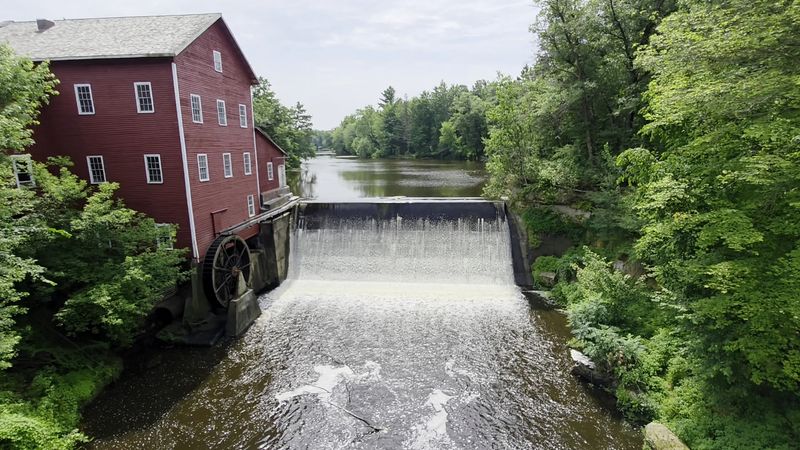
Photography is the single most mentioned topic connected to the mill. With a waterfall, an old timber building, and a nearby bridge, it is easy to see why.
The view from the bridge is considered iconic for the area. Locals who finally make the trip often say they wish they had come sooner.
Getting a clean shot takes a bit of patience. Traffic passes regularly on the road, so wait for a gap before setting up near the waterfall.
A goodwill donation is requested for photographs, and a posted sign has asked for $2 or more from those who take pictures. That money supports a privately restored historic property, so keep a few dollars handy.
Many people stop just to admire the mill even when it is closed. A quick photo break still feels worthwhile, according to the steady flow of camera-carrying travelers.
Fall is a popular wish for return trips, as the season adds color around the water. Spring and summer have their charm as well.
For gamers, there is a small bonus: the site has a gym and two Pokestops for Pokemon Go players. Those details are fun, but timing the trip right matters even more.
Timing a Trip to a Two-Day Week
Calendars matter a lot at this mill. It opens only on Fridays and Saturdays, from 9 AM to 5 PM, and stays closed Sunday through Thursday.
Several people have arrived to find the store and museum locked, especially early in the season. A quick check of the official website at dellsmill.com before heading out can save a disappointing drive.
Budget around $10 per person for the big tour, plus a little extra for baked goods, flour, or antiques. Bring a few dollars for the photo donation as well.
Getting there means heading to the Augusta area and following County Road V to the mill. The rural route is part of the experience, so allow time to enjoy it.
Families, history fans, photographers, and hungry hikers all find something to like. The mix of a working mill, a friendly owner, and a well-stocked store gives the place broad appeal.
Overall, the mill holds a 4.7 star standing from more than 250 people, which says a lot about how much they enjoy it. Words like unique and well worth the trip come up often.
So pack an empty bag, lace up those trail shoes, and aim for a Friday or Saturday. The wheel will be turning, the bread will be waiting, and your next sandwich might just be the best one of the season.
Enjoyed this story?
Add Fast Food Club as a preferred source to see more of our reporting on Google.