


When your stomach feels off, even favorite foods can suddenly become suspects. The tricky part is figuring out what to dial back without feeling deprived.
Consider this your friendly guide to the usual culprits that can stir up bloat, cramps, or reflux. If you want calmer days and easier meals, these simple swaps and mindful tweaks can help you feel better fast.
Spicy dishes
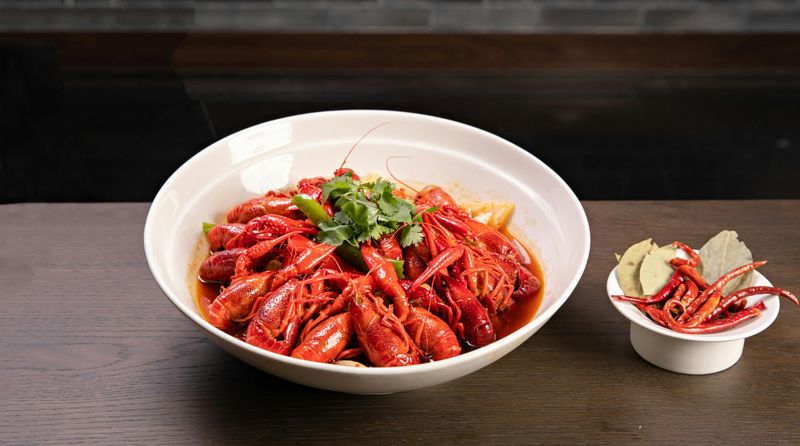
Spicy dishes bring excitement, but your gut might read them as stress. Capsaicin can irritate the stomach lining and prompt acid reflux, especially when you are already sensitive.
For some, heat speeds things up too quickly, leading to urgency and discomfort. That fiery thrill can become a next day regret.
You could dial back the chilies and swap in warming spices like ginger or cumin. Add yogurt, coconut milk, or avocado to mellow the burn.
Eat smaller portions and avoid spicy foods late at night. Track which peppers bother you most, then tailor the heat to your comfort.
Dairy milk

Dairy milk can be nourishing, yet lactose often complicates digestion. If the enzyme lactase is low, milk sugars ferment in the gut and create gas and bloating.
You might also notice cramps or loose stools after larger servings. Even if symptoms are subtle, they add up over the day.
Try lactose free milk or plant based options like oat, almond, or soy. Start with small amounts to see how your body responds.
Pair milk with food rather than drinking it alone. When in doubt, keep a simple log so patterns become obvious and easier to navigate.
Cheese-heavy meals
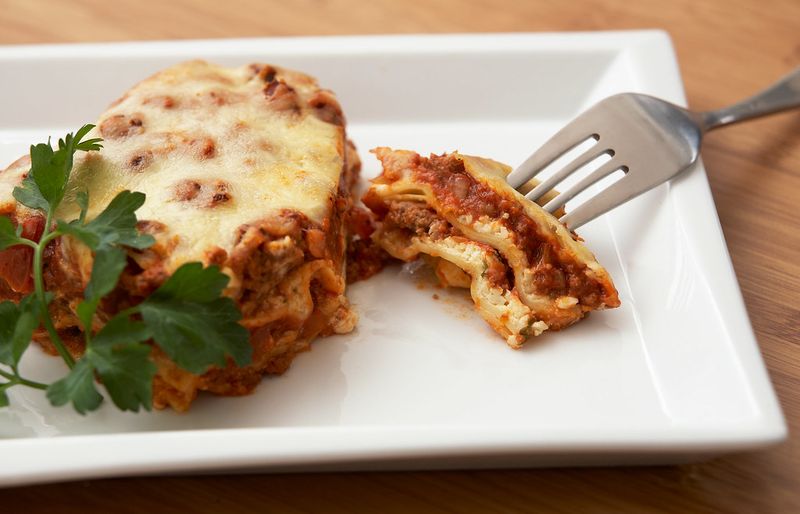
Cheese heavy meals can weigh you down quickly. High fat and lactose together slow gastric emptying and may encourage reflux.
That delicious stretch of melted cheese often translates to lingering fullness and pressure. If your gut is touchy, this combo can feel like too much of a good thing.
Lighten it by mixing in flavorful vegetables, tomato sauce, or herbs. Choose sharper cheeses so you can use less without losing impact.
Consider lactose free options or harder cheeses, which tend to be lower in lactose. Smaller portions, slower bites, and balanced sides can keep things comfortable.
Ice cream

Ice cream feels like a sweet escape, but your gut might disagree. The trio of lactose, sugar, and saturated fat is a common trigger.
Cold temperature can also prompt cramps in sensitive folks. If you notice post dessert bloating or bathroom sprints, that scoop could be the culprit.
Try sorbet, lactose free ice cream, or coconut based options with simpler ingredient lists. Serve a small portion and let it soften to reduce cold shock.
Pair it with berries for fiber and natural sweetness. A mindful bowl can satisfy cravings without the after effects that derail your evening.
Beans
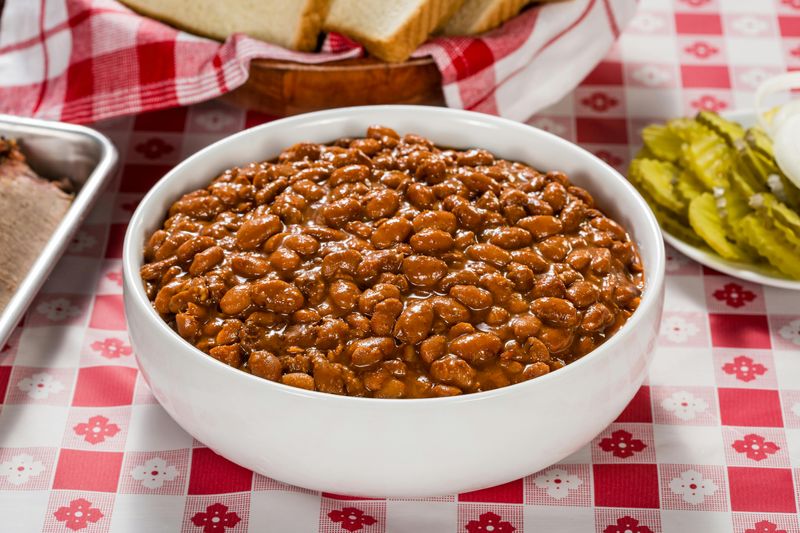
Beans are nutrient dense, yet their fibers and oligosaccharides can cause gas. If your gut feels unsettled, that extra fermentation may be uncomfortable.
Soaking, rinsing, and cooking them thoroughly helps reduce bothersome compounds. Starting small is smart when you are rebuilding tolerance.
Use split or canned beans, which tend to be gentler. Add ginger, cumin, or asafoetida to your pot to aid digestion.
Blend beans into soups or dips to change the texture and ease processing. Keep portions modest, notice your response, and increase slowly so you keep the benefits without the bloat.
Lentils
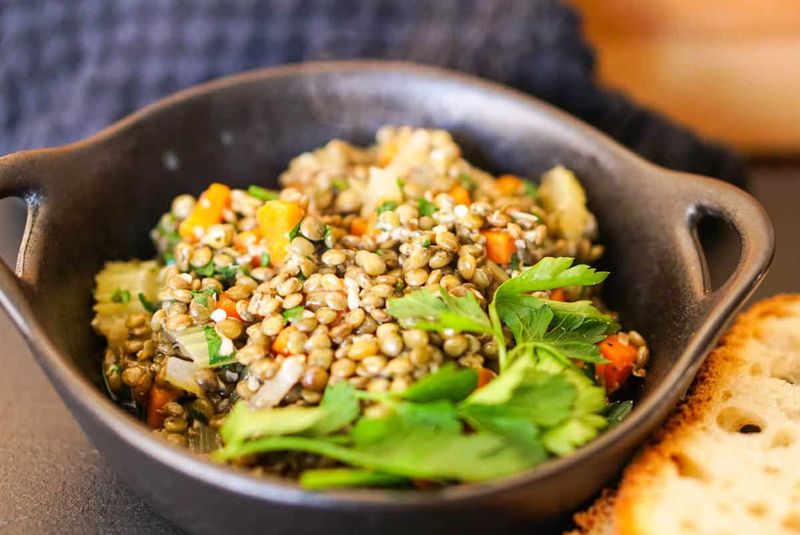
Lentils are packed with fiber and protein, but that same fiber can challenge a sensitive gut. Rapid increases often mean extra gas, pressure, and discomfort.
Red lentils usually cook softer and may be easier to tolerate than firmer varieties. Overcooking slightly can make them gentler on digestion.
Start with small servings and pair lentils with well cooked vegetables and soothing spices. Rinse thoroughly and skim foam while cooking to remove some starches.
Consider pureed soups when symptoms flare. With practice and patience, you may reintroduce lentils comfortably and still enjoy their steady energy, minerals, and the satisfying heartiness they bring.
Carbonated drinks

Carbonated drinks deliver bubbles that can expand in your stomach. That fizz may lead to burping, pressure, and uncomfortable bloating.
Sweeteners or acids in sodas can add irritation on top of the gas. When your gut already feels off, the extra volume is rarely helpful.
Try still water infused with citrus or mint for refreshment without the bloat. If you love bubbles, choose lightly carbonated mineral water and sip slowly.
Keep cans chilled to reduce foaming, and avoid using a straw. Notice whether carbonation on an empty stomach feels worse, then time your drinks thoughtfully.
Cabbage
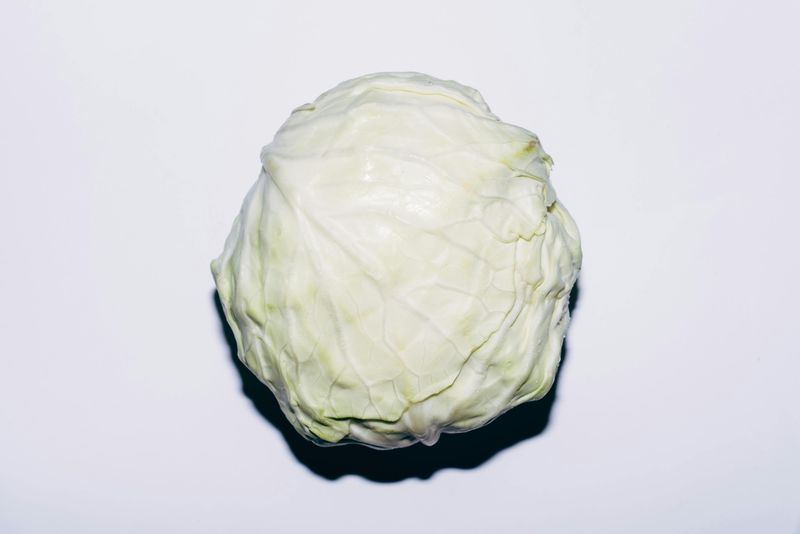
Cabbage is nutritious, but cruciferous fibers can ferment quickly and cause gas. Raw slaws often hit hardest when your gut is sensitive.
Overeating can lead to bloating and cramping that lingers. If your digestion is already unsettled, timing and preparation matter a lot.
Try cooking cabbage until tender, then season with caraway or fennel to ease digestion. Start with small portions and pair with lean protein.
Fermented versions like sauerkraut may be easier for some, but can be intense for others. Track your response and choose gentler vegetables on tough days.
Broccoli
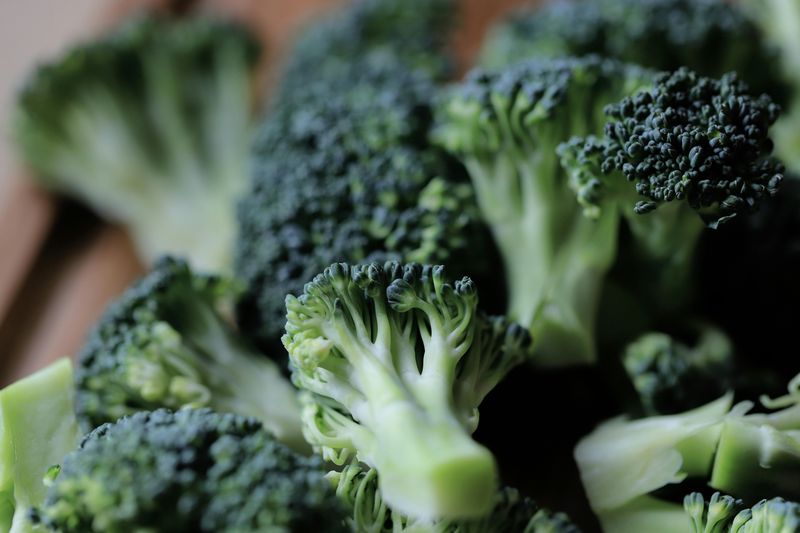
Broccoli seems virtuous, yet its fiber and sulfur compounds can rile a sensitive gut. When your digestion feels off, those cruciferous sugars may ferment quickly, building gas and pressure.
That can leave you bloated, crampy, and second guessing dinner. Raw florets are typically the toughest for uneasy stomachs.
If you still want it, try smaller portions and cook it until tender. Steaming or roasting helps break down fibers so your system works less.
Pair with lean protein, chew thoroughly, and give your gut a calm night to recover. Start with a few bites and notice how your body responds.
Cauliflower
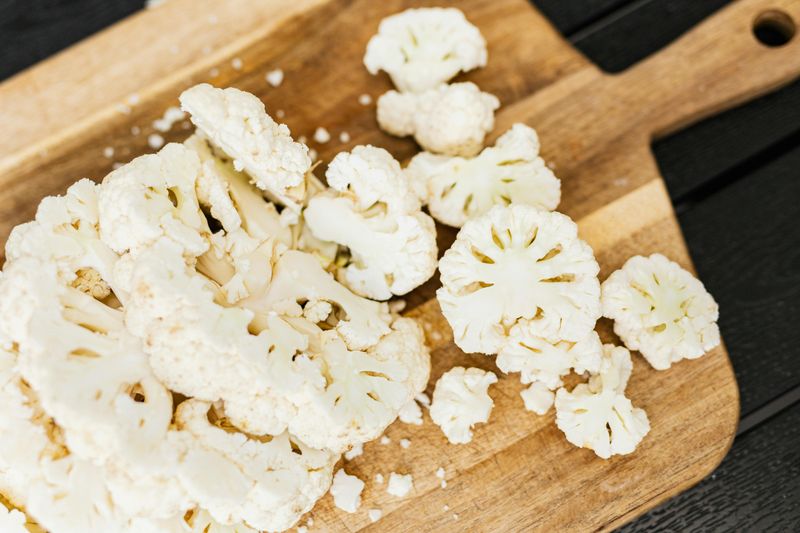
Cauliflower carries many of the same gut triggers as broccoli. Its raffinose sugars and dense fiber can ferment fast, producing gas that stretches an uneasy belly.
When your system is already grumbling, that pressure may spark cramps and sour burps. Raw rice-style crumbs can feel especially volatile after a long day.
Cook it thoroughly, season lightly, and keep the portion modest. Mashing with olive oil often sits gentler than high-cheese bakes.
Pairing with carrots or zucchini can dilute the cruciferous load. If your gut calms down later, you can gradually increase servings, watching how bloating, bathroom habits, and energy respond.
Onions
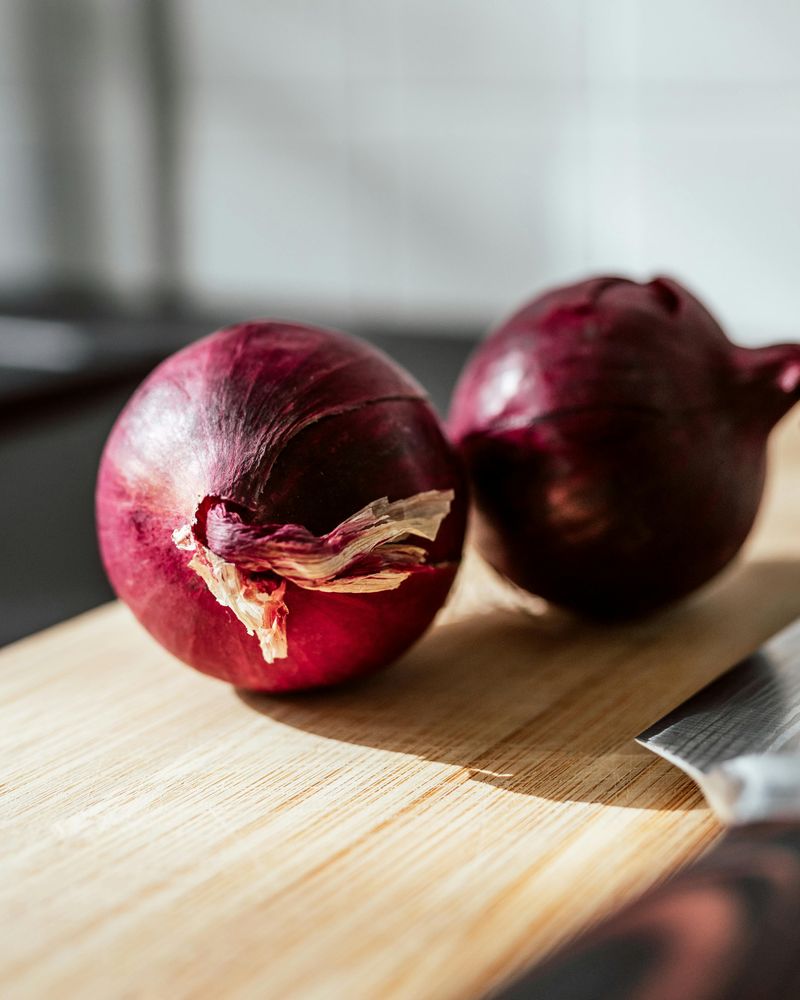
Onions bring punchy flavor, but their fructans can inflame a sensitive gut. Those carbs draw water into your intestines, then ferment, building gas and urgency.
Raw slices are the usual culprits, especially in salads and burgers. When your stomach already feels unsettled, that sharp bite can tip everything into discomfort.
Try sautéing low and slow until sweet, and stick to small amounts. Swap shallots, chives, or the green tops of scallions for milder options.
You can also infuse oil with onion, then discard the pieces. That trick gives flavor while limiting the fibers most likely to irritate you.
Garlic
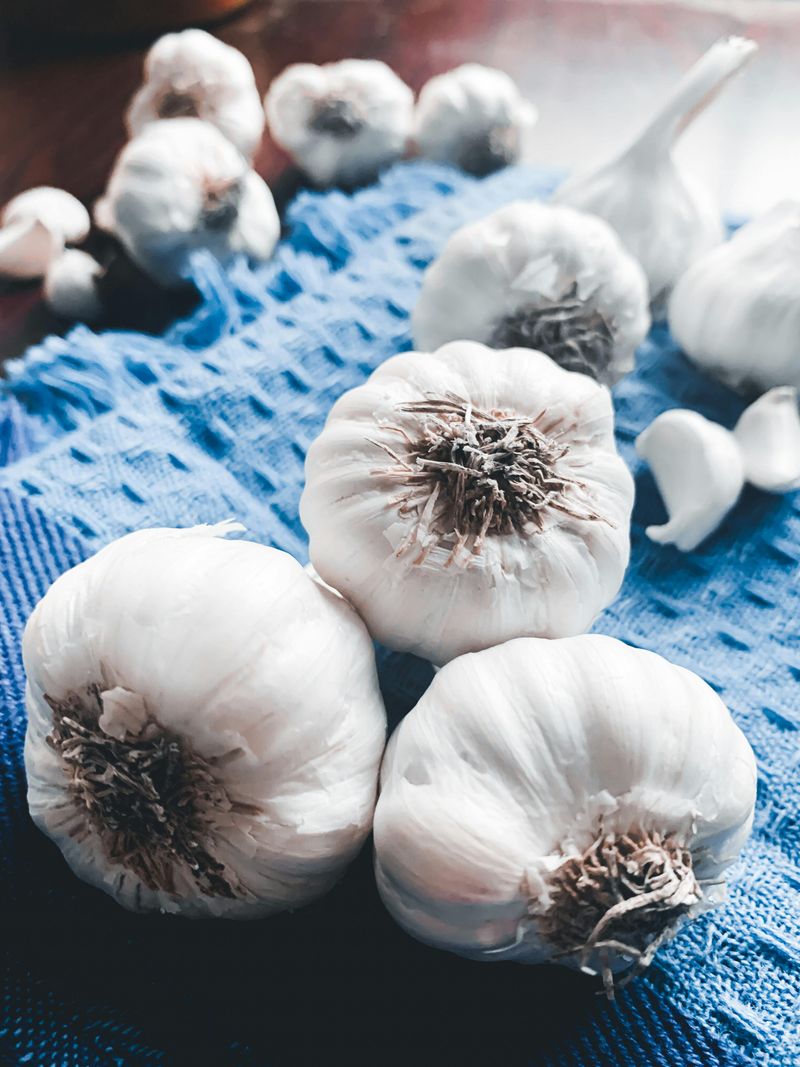
Garlic can be a stealthy gut agitator when you already feel off. Like onions, it is rich in fructans that ferment rapidly and fuel gas.
Raw cloves feel particularly fiery, sometimes stinging from esophagus to belly. A heavy garlicky sauce may seem delicious, yet the aftermath can be surprisingly intense.
If flavor matters, cook it gently and use less. Garlic-infused oil is another smart workaround, delivering aroma without most fermentable carbs.
Powder can hit milder than raw mince. Pair your meal with soothing sides like rice or mashed potatoes, and sip water slowly to reduce lingering burn and bloat.
Processed meats

Processed meats often combine high fat, salt, and additives that challenge a touchy gut. Sausages, hot dogs, and deli slices can sit heavy, then spark reflux or cramps.
When digestion is already strained, that combo may stall motility and invite bloating. Nitrates and seasonings can also irritate, amplifying discomfort afterward.
Keep portions small, add fiber from vegetables, and drink water. Choose leaner options like roasted turkey when possible.
If cravings hit, balance the plate with gentle carbs, such as rice or sourdough. Notice how you feel two hours later, and let that feedback guide whether processed meats deserve a pause.
Red meat
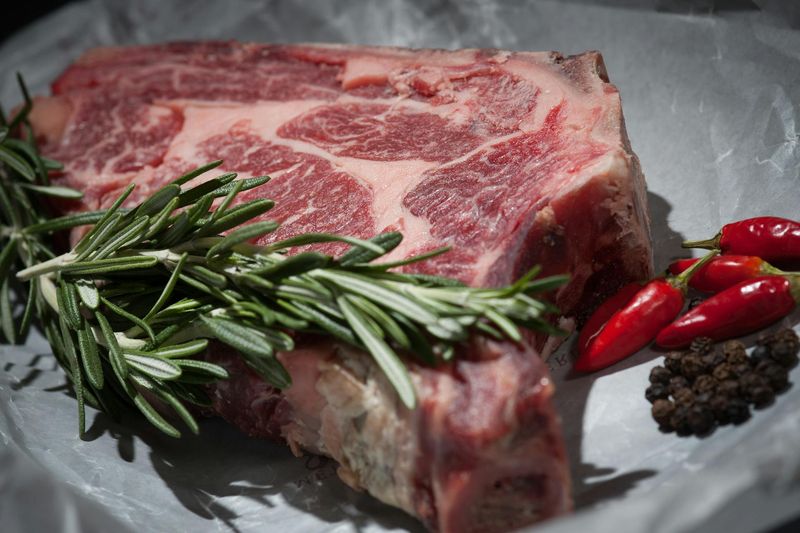
Red meat can be tough to digest, especially when your gut already feels unsettled. Its dense protein and fat require more time in the stomach, which can encourage heaviness and reflux.
Rich cuts like ribeye linger even longer. If you are already bloated, that slow transit can magnify pressure and discomfort.
Opt for smaller portions, chew thoroughly, and choose leaner cuts. Slow-cooking can soften fibers and ease the load.
Pair with cooked vegetables and a simple starch to steady digestion. If symptoms flare, shift toward fish or tofu for a few days, then reintroduce red meat mindfully when your gut steadies.
Alcohol

Alcohol can irritate the gut lining and speed or slow digestion unpredictably. That mixed effect often leads to nausea, loose stools, or painful gas when you already feel off.
Spirits with sugary mixers pile on another trigger. Even a couple drinks may disturb sleep, reducing your gut’s overnight repair window.
If you drink, go slow and alternate with water. Choose clear spirits or a small glass of wine, and avoid heavy cocktails.
Eat a balanced meal beforehand to buffer absorption. If your gut protests, skip alcohol entirely for a bit and notice how your energy, bathroom habits, and mood stabilize.
Coffee

Coffee stimulates acid production and gut motility, which can backfire when you feel fragile. The combo may trigger urgency, heartburn, or shaky nerves that tighten your belly.
Add cream and sweeteners, and the risk climbs higher. An empty-stomach cup is often the harshest, especially after a restless night or heavy dinner.
If you need it, try half-caf, sip slowly, and pair with food. Oat or lactose-free milk might sit better than regular cream.
Cinnamon can add warmth without more acidity. If symptoms spike, take a short break and support energy with water, short walks, sunlight, and a protein-forward breakfast instead.
Chocolate
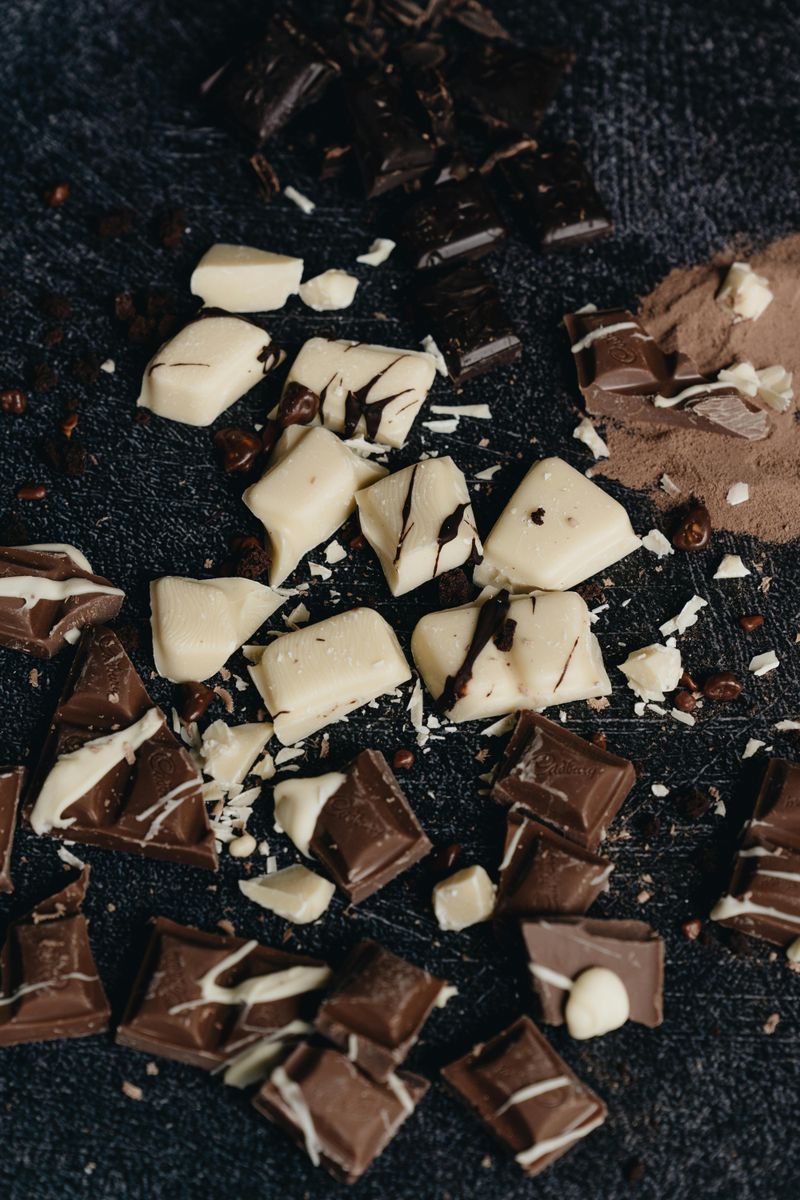
Chocolate can be tricky when your stomach feels unsettled. Caffeine, fat, and sometimes lactose create a trio that taxes digestion.
Dark bars are lower in sugar yet still stimulating. Milk chocolate adds dairy that may bloat or cramp sensitive bellies.
Rich brownies or ganache can linger, inviting reflux and restless sleep.
Scale down portions, choose quality, and savor slowly. Pair with a meal rather than eating it solo.
If symptoms track with cocoa, try carob or a small piece of white chocolate. You can also skip it for a week, then reintroduce deliberately to see whether your gut feels calmer or crankier.
Fast food
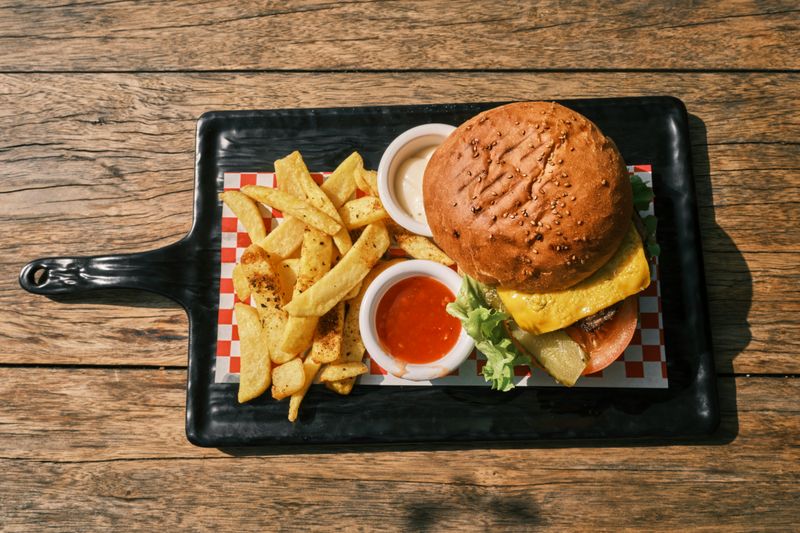
Fast food sounds convenient when your stomach feels unpredictable, but it rarely sits light. Many menu items marry refined carbs with high fat, creating a sluggish digestive combo.
Add salt and hidden sugars, and fluid retention plus gas can follow.
If you already feel off, that quick bite can snowball into bloating or heartburn. Choose grilled proteins, baked potatoes, and side salads with olive oil to keep things steadier.
If drive thru is the only option, skip cheese, creamy sauces, and extra fries, and slow down while eating. Sip water between bites to help your gut pace itself.
Greasy takeout
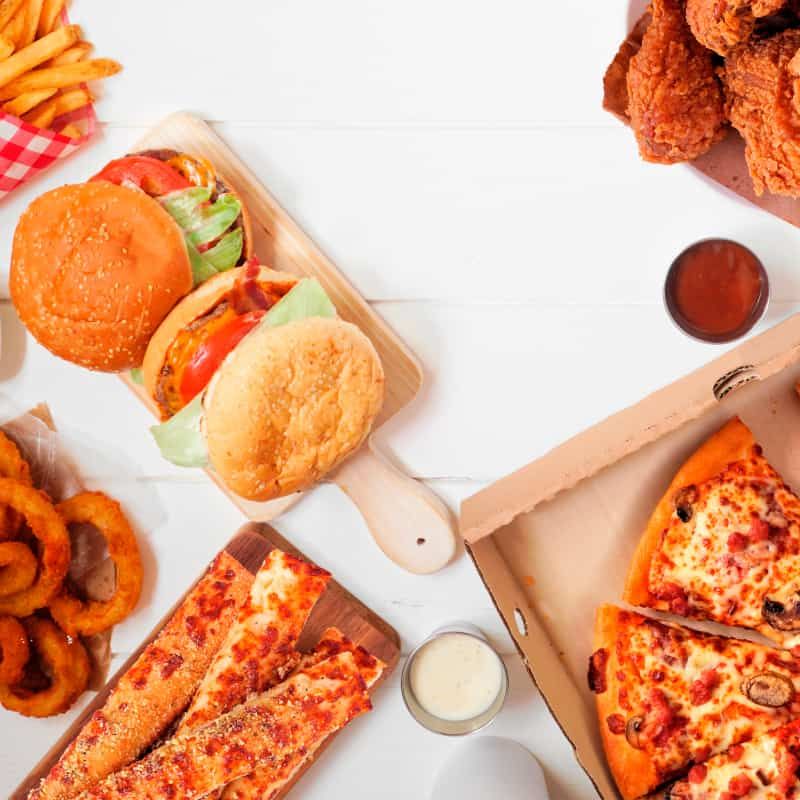
Greasy takeout often feels heavy before the first bite lands. Oil saturated noodles, slick stir fries, and buttery crusts can linger in your stomach, delaying emptying.
That lag can amplify nausea, burping, and a sour aftertaste that shadows the rest of your day.
When ordering, you can ask for less oil, extra vegetables, and steamed sides to lighten the load. Blot pizza with a napkin, pick broth based soups, or split a portion to prevent overdoing it.
Chew slowly, pause halfway, and let fullness cues catch up before you commit to more. Your gut will thank you.
Cream sauces
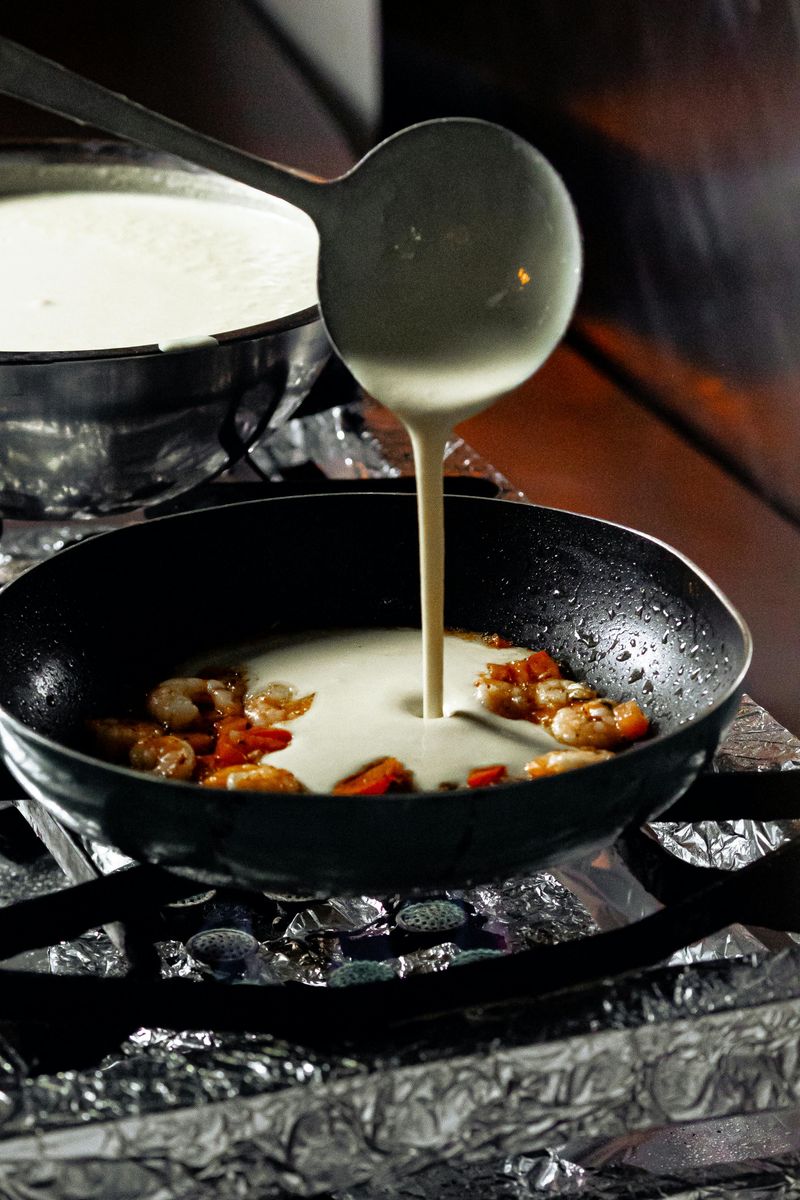
Cream sauces can cloak pasta or chicken in richness that your gut struggles to process. The blend of dairy fat and thickeners slows digestion, which can spark bloating and reflux.
Some versions also hide garlic and onion powders that quietly stir up gas.
When cravings hit, you could switch to a lightened sauce with olive oil, lemon, and parsley. Ask for sauce on the side, then add sparingly so your stomach sets the pace.
If eating at home, whisk lactose free milk or blended cauliflower into sauces for creaminess without the heavy aftermath. Smaller portions help, too.
Sugary snacks

Sugary snacks can spike energy fast, but your gut might push back just as quickly. Big hits of sugar draw water into the intestines and can trigger cramping or loose stools.
Many packaged treats also bring sugar alcohols that ferment in the gut, bubbling into gas.
If a craving roars, pair a small sweet with protein or fat to slow things down. Try dark chocolate covered almonds, yogurt with berries, or a date stuffed with peanut butter.
Read labels for sorbitol and maltitol, sip water, and stop at satisfied instead of full so your system can rebalance.
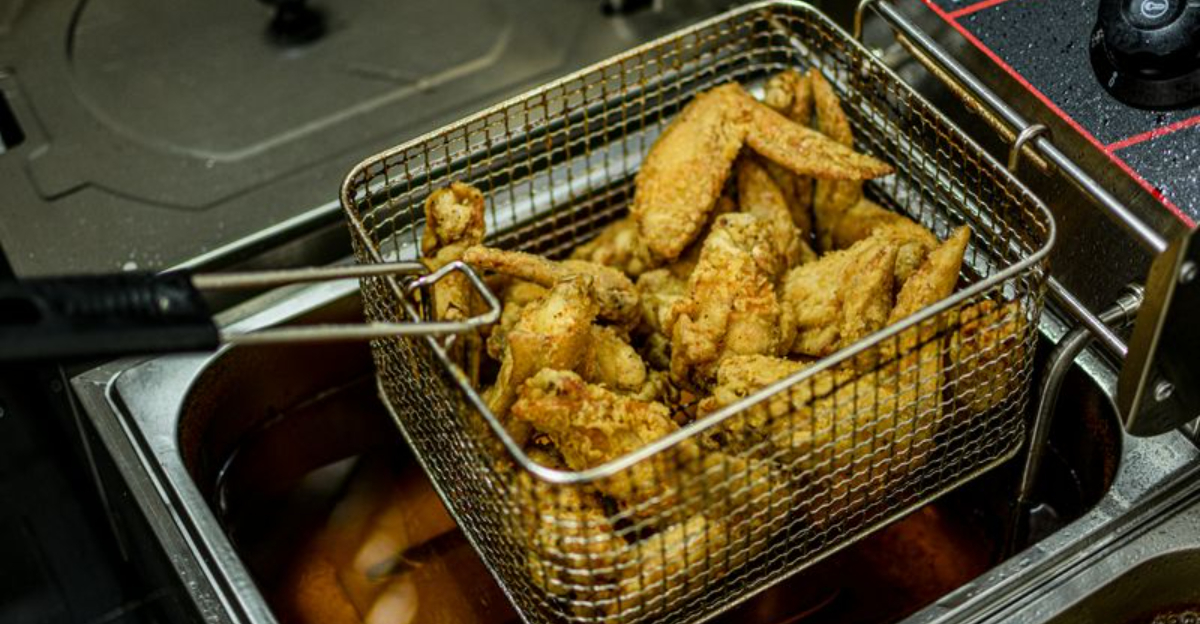
Fried foods
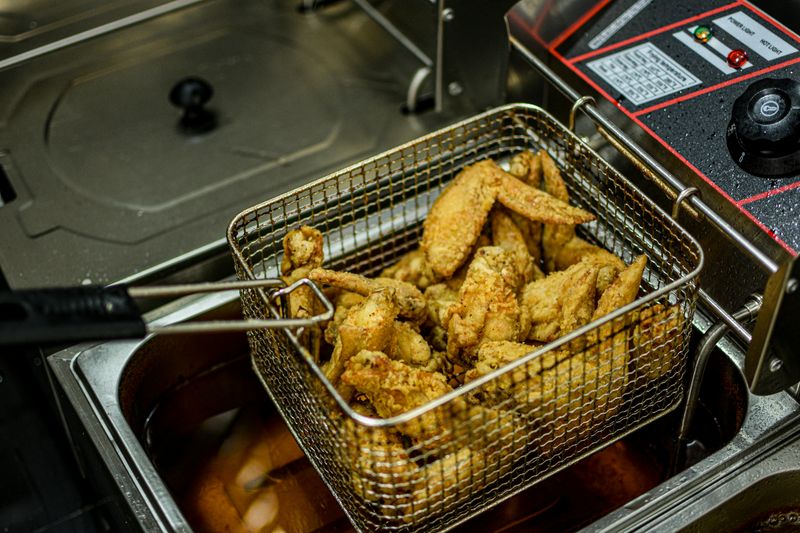
Fried foods can feel comforting, yet they often hit your gut hard. The high fat content slows digestion, which may trigger bloating and nausea.
Crunchy breading also soaks up oil, compounding heaviness and heartburn. If your stomach already feels off, that combo can quickly overwhelm.
Try baking, air frying, or pan searing with less oil instead. Choose lighter coatings like cornmeal or rice flour to reduce grease.
Pair with fiber rich sides to help things move smoothly. Notice how you feel after smaller portions, then adjust from there.
Gradual swaps beat drastic changes when your gut needs patience.
Enjoyed this story?
Add Fast Food Club as a preferred source to see more of our reporting on Google.