


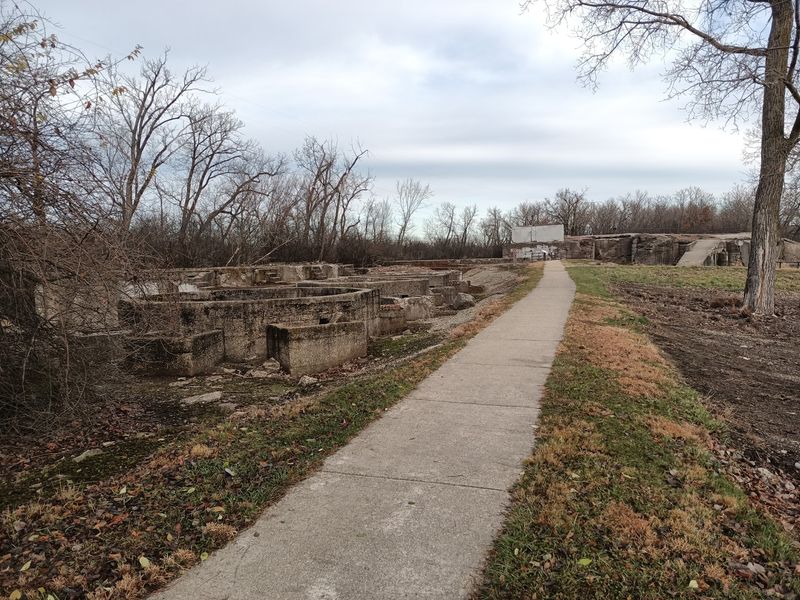
Tucked along a canal trail in northern Illinois sits a place where towering industry once roared and now stands silent. Rusted arches, brick foundations, and stone walkways trace the shape of buildings that shut down decades ago.
A paved path threads through it all, past little ponds and prairie grass, with signs that explain what happened here long before you arrived. If curiosity about forgotten places and old industry pulls at you, this quiet trail rewards a closer look, and there is more to it than crumbling walls.
Where the Iron Once Flowed
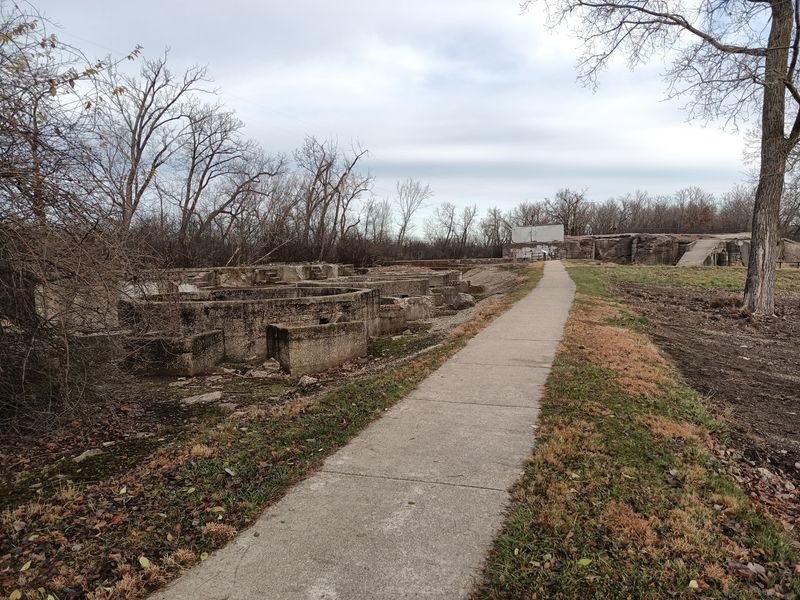
Along the I&M Canal Trail in Joliet, Illinois, the Joliet Iron Works Historic Site occupies land at 31 Columbia St, Joliet, IL 60432. What remains is an open air stretch of ruins where a massive iron plant once operated.
The site is managed as part of the local forest preserve system, and it welcomes walkers, cyclists, and history buffs alike. Admission is free, and so is the parking lot on site.
Brick foundations, rusted structures, and stone walkways spread across the grounds. A paved path guides you through the heart of it, connecting one section of remains to the next.
The setting mixes crumbling industry with native grasses and small ponds. It gives the whole area a distinct character that draws people who love old, abandoned places.
People rate this spot highly, and it holds a strong reputation as a free and unusual thing to do near Joliet. The combination of history and easy access makes it a memorable stop.
A Factory That Went Quiet in 1936
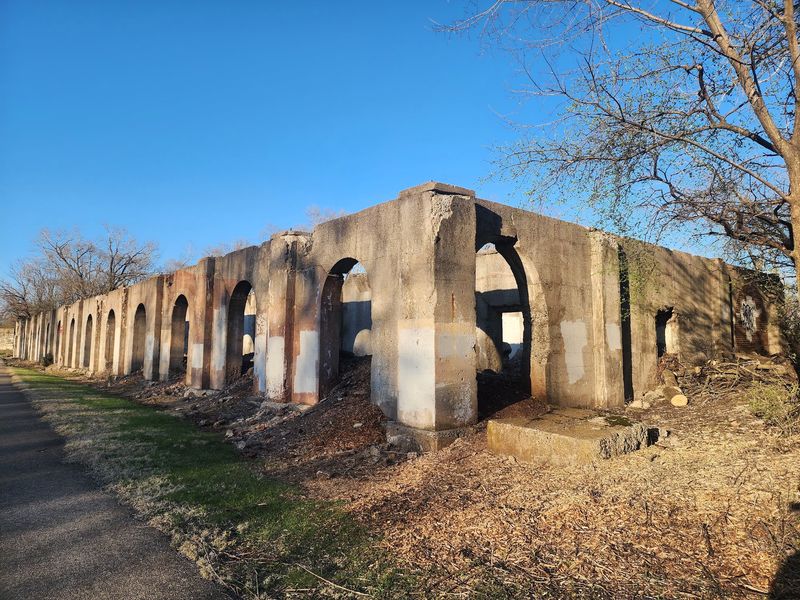
The Joliet Iron Works closed its doors in 1936, ending decades of heavy industry on this ground. Nearby, the US Steel Plant across the way shut down in the early 1980s, marking the slow fade of the region’s iron era.
What survives now are the bones of that industrial past. Foundry remains, smelting areas, and building foundations tell the story of a place that once employed many hands.
Signs scattered across the property explain what job life was like back in the day. Some of the older markers offer honest looks at the demanding nature of the work.
The history here connects deeply to labor and industry, which makes it a meaningful stop for anyone with ties to trade unions or manufacturing. Learning about the men who worked here adds weight to every rusted beam.
Standing among the remnants, it becomes easier to grasp how much this operation shaped Joliet. The site keeps that memory alive without needing a single ticket.
The Ruins That Steal the Show
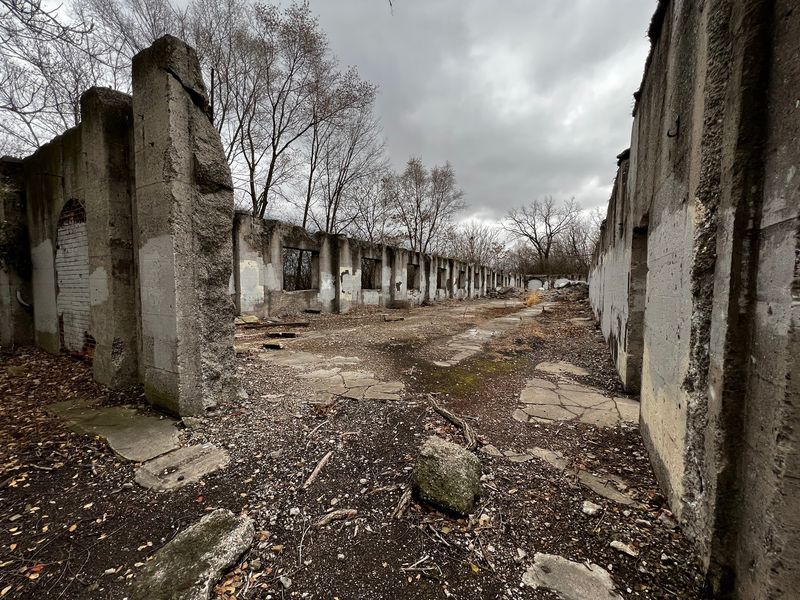
Rusted structures and brick arches form the centerpiece of the whole experience. The ruins pull people in more than any other feature, and it is easy to understand why once you see them.
Caverns, tunnels, ramps, arches, and remnants of old buildings scatter across the grounds. Each piece hints at what the structure once did, though not every function is spelled out.
The bricked smelting areas rank among the standout highlights of the walk. Their weathered surfaces trace the outline of the industrial process that once ran here.
Some of the larger rusted buildings are fenced off, likely due to spray paint damage and safety concerns. Even from behind the fencing, they make a striking impression.
People often describe the atmosphere as magical and historical, with a distinctly abandoned feel. The blend of decay and preservation gives the ruins a character all their own.
Signs That Teach as You Stroll
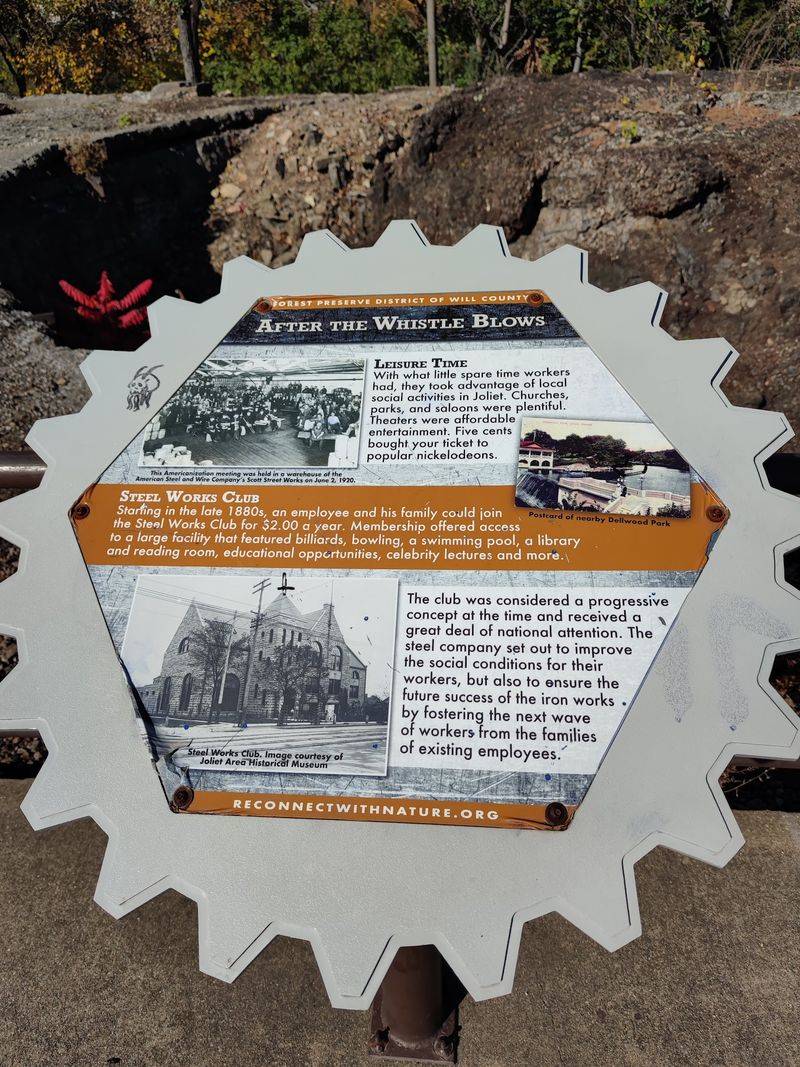
Scattered along the path, information signs turn a simple walk into a lesson. Placards describe foundry times, the history of the iron works, and what daily labor involved.
Some markers focus on the site as a whole and the factory’s broader story. A handful of information disks appear along the way, giving context to what you see.
The signs make the site function like an open air museum. History buffs especially appreciate the chance to read and reflect at each stop.
Not every marker explains the exact building in front of you, and some people wish for more building specific detail. Still, the general information adds real value to the experience.
Sadly, a few of the information plates have been damaged over time. Even so, plenty remain to guide you through the story of Joliet’s industrial roots.
Reading them slowly rewards you with a deeper appreciation of the place. The signs are worth pausing for, not just passing by.
A Trail Made for Walking and Wheels
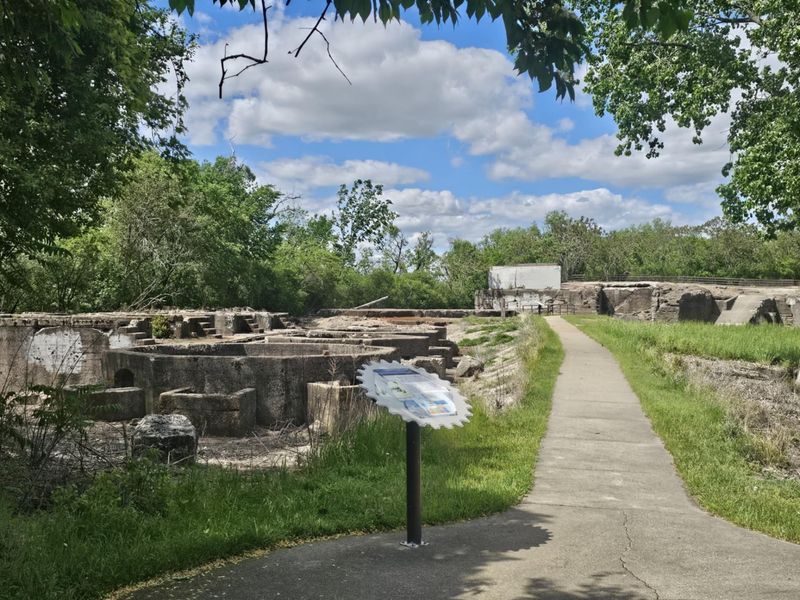
A well maintained path runs right alongside the ruined sites, making movement easy for everyone. Walking, running, and biking all flow smoothly on the paved and finely graveled surface.
The trail is stroller friendly, which opens it up to families with young children. Its gentle nature means almost anyone can enjoy the route without difficulty.
Route markers appear along the clearly marked trails, so keeping your bearings is simple. Separate options exist for hiking and cycling, adding flexibility to your visit.
Past the main ruins, the path continues into the woods with small ponds along the sides. This wooded stretch gives the walk a peaceful, natural extension beyond the industrial core.
The out and back through the ruins runs a little over two miles total. That length makes it manageable for a short outing or a longer, slower exploration.
Bike trails here look inviting and stay in good shape. The mix of smooth surfaces and scenery keeps the trail popular year round.
Where History Meets a Quiet Wilderness
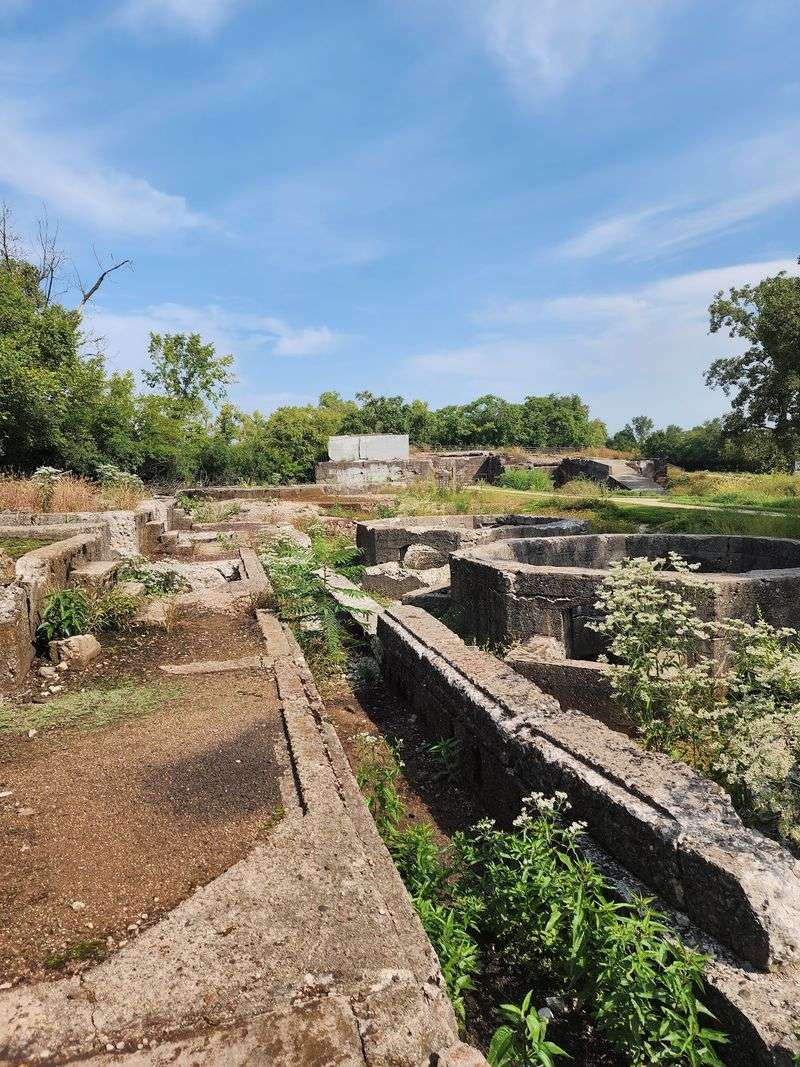
Nature reclaims much of this site in beautiful ways. Prairie grasses and native grasslands spread across the grounds, softening the edges of the old industry.
The fall setting brings a wash of color that some find distracting from the ruins, though there is plenty to see either way. Autumn adds a layer of beauty to the historic bones.
Small ponds sit beside the wooded trail, creating calm spots along the walk. Native foliage lines the path and keeps the surroundings green and alive.
The rusted landscapes make interesting backdrops, drawing photographers who love unusual scenery. The contrast between metal and meadow is part of the appeal.
In the distance, the old Joliet Prison rises behind a fence, adding another layer of history to the view. You are not allowed past that fence without permission, but it is fascinating to see.
Trains pass by every so often, and watching them roll through adds a lively touch. The mix of wilderness and industry gives the place its unique mood.
Picnics, Pavilions, and Family Days
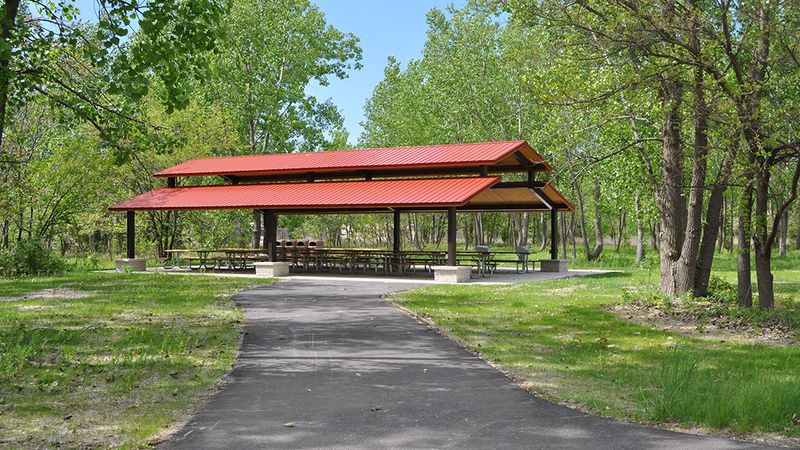
Families find plenty to enjoy here beyond the ruins themselves. A picnic pavilion sits on site, along with a park area full of benches and tables.
The setup makes it a fine choice for a weekend picnic with the family. You can pair a relaxing meal with a stroll through history.
Because the paved trail is stroller friendly, parents can bring little ones along with ease. The site earns a reputation as a family friendly outing that costs nothing.
Restrooms are available in the summer months, and portable options sit at the beginning of the walkways. That practical touch helps longer visits go smoothly.
The parking lot even hosts a regular Farmers Market on a weekly basis. That extra activity gives families another reason to swing by.
Between the pavilion, the open space, and the easy trail, it works well as an affordable day out. Kids and grown ups alike can find something to hold their interest.
Watch Your Step Among the Remnants
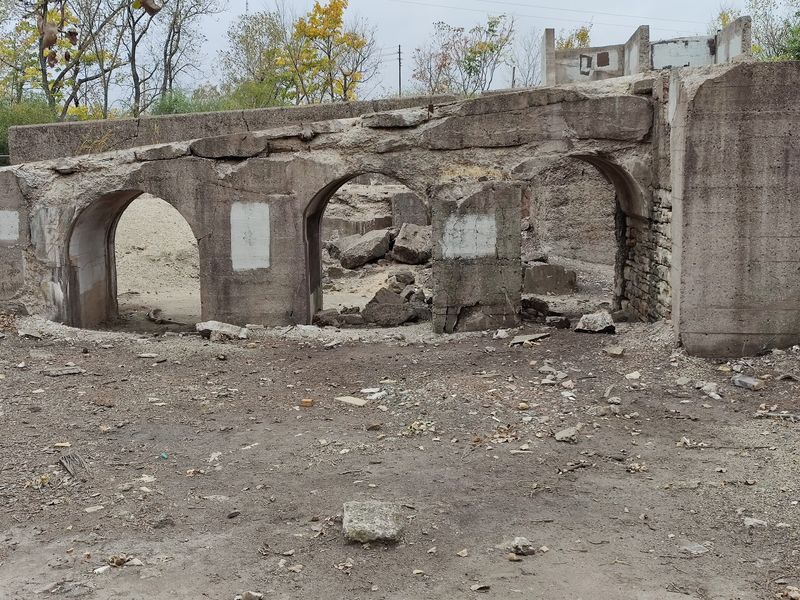
Exploring these ruins comes with a few things to keep in mind. Nails and uneven surfaces dot the ground, so careful footing matters as you wander.
Some sections hold broken glass left behind by careless visitors. Keeping children on the walkway or close by is a smart move for safety.
The area sits somewhat isolated, and some people prefer not to explore it alone. A police presence patrols the grounds, which adds a sense of security.
The site is not recommended for very young children left unsupervised or for those touring entirely on their own. Staying aware of your surroundings makes the visit smoother.
Despite these cautions, the setting draws people who enjoy an apocalyptic style atmosphere and old abandoned places. The slightly rugged nature is part of what makes it memorable.
A little common sense goes a long way here. Stick to the paths, watch the ground, and the experience stays rewarding.
Planning Your Visit
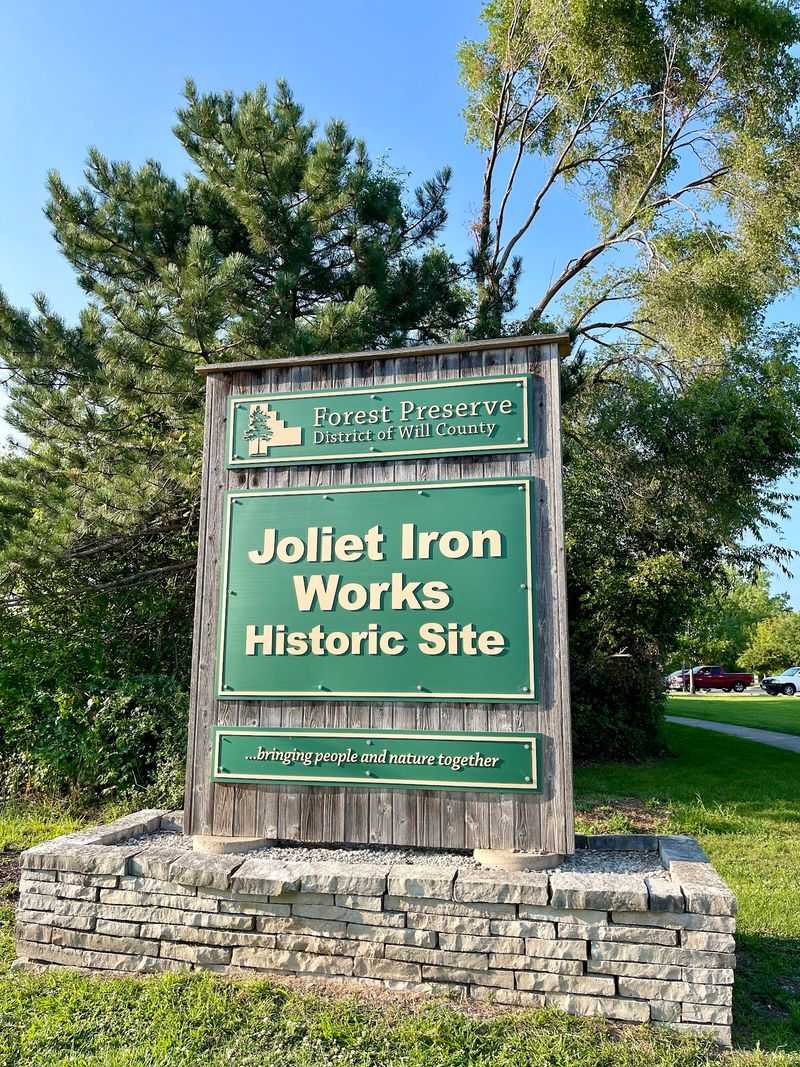
Getting here is straightforward, with the site located at 31 Columbia St, Joliet, IL 60432, along the I&M Canal Trail. Free parking sits right on the property, so arrival is easy.
Admission is always free, which makes it a budget friendly outing for anyone in the area. There is no cost to walk, explore, or read the historical signs.
The trail closes at sundown, so plan to arrive with daylight to spare. You can see the main highlights in a couple of hours or linger to explore more slowly.
Restrooms open during the summer months, and portable facilities sit near the start of the walkways. Bringing water and comfortable shoes helps for the roughly two mile loop.
The nearby Old Joliet Prison sits within view and adds another historic stop to consider. Both sites together make for a full day of exploring Joliet’s past.
With free entry, easy parking, and a strong reputation, this spot earns its place on any local history lover’s list. It quietly proves that a walk through old industry can be well worth the trip.
Enjoyed this story?
Add Fast Food Club as a preferred source to see more of our reporting on Google.