


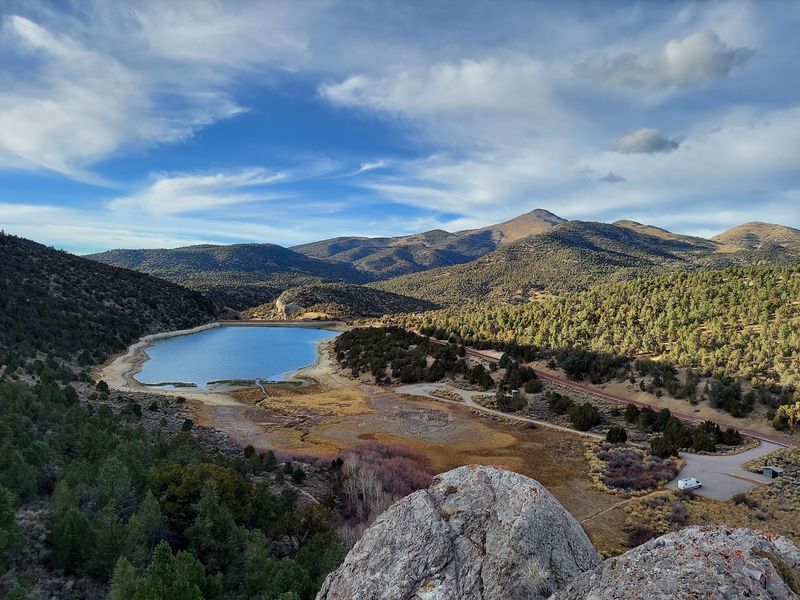
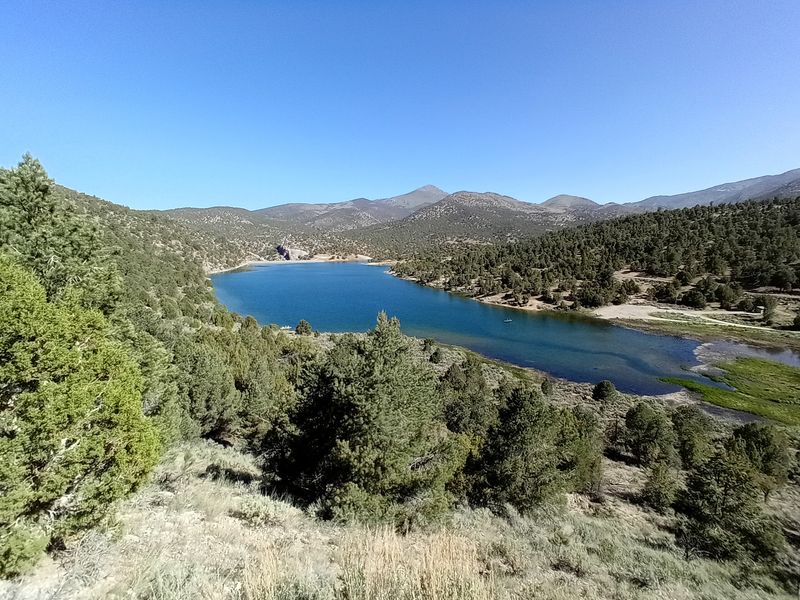
High in the mountains of eastern Nevada sits a small reservoir that many road trippers pass without ever knowing. The water sparkles a turquoise green in warm months, freezes solid for ice skating in winter, and stays stocked with trout for anyone patient enough to cast a line.
Trails wind along the shore and up into the rocky hills, campsites tuck into the foliage, and hot showers wait at the end of a long day outdoors. What makes this place worth the drive is how much it packs into a quiet corner most people never explore.
Keep reading, because this hidden reservoir has a story, a season for everyone, and a few practical secrets that make all the difference before you go.
A Reservoir Tucked Off Highway 93
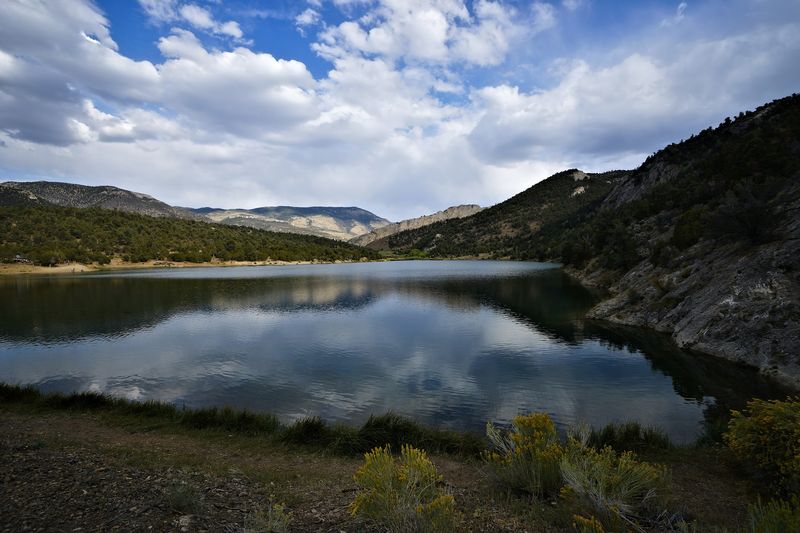
Roughly 20 minutes south of the historic town of Ely, a small sign off the highway points toward one of Nevada’s quieter outdoor escapes. Cave Lake State Park sits along US Highway 93-Success Summit, Ely, NV 89301, spread across thousands of acres of high country.
The centerpiece is a mountain reservoir that draws people for fishing, boating, swimming, and hiking. It is part of the Nevada State Park system, and it stays open year round.
Many travelers stumble onto it by accident while driving through, then find themselves wishing they had planned to stay longer. The turnoff is easy to miss, which is part of the appeal.
Sitting at high elevation, the park feels far removed from the desert stretches that surround much of the state. Cliffs, pines, and open water combine to create scenery that catches people off guard in the best way.
The Drive Through Boulder Mountains
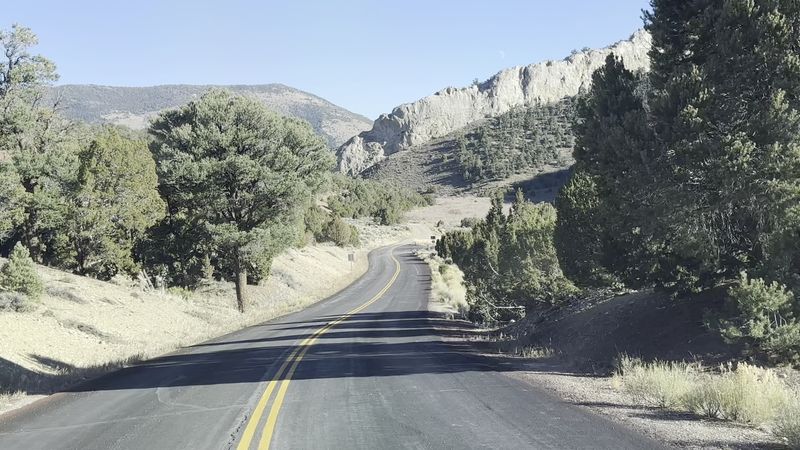
Getting there is half the reward. The route in climbs through the Boulder Mountains, past cliffs and rock walls that surprise first-time visitors who expect flat desert.
People describe the approach as completely unexpected, with dramatic scenery unfolding as the road rises. Pull-off vistas and trailheads dot the way, giving plenty of reasons to slow down.
The park sits at an elevation of roughly 7,300 feet, so the air feels cooler and the views stretch far. That height also means the seasons shift more sharply than they do down in the valley.
A gravel access road leads into parts of the park, and the campground roads themselves are narrow and twisty. Larger rigs need to plan carefully, but the scenery on the way makes the careful navigation worthwhile.
By the time the reservoir comes into view, the effort of the climb already feels repaid.
Trout Fishing At The Water’s Edge
Anglers keep coming back for one reason above the rest. The reservoir has a reputation for excellent trout fishing, with the lake well stocked when water levels are high.
Fly fishing works nicely here, and spoons and spinners in the deeper water tend to produce results. Some seasons run better than others, and a few days can turn slow even for seasoned hands.
There is talk of bass being added at some point, which would give the lake even more variety for those who cast a line. A fish cleaning station on site makes the end of a good day easier to handle.
In winter, the fishing shifts to a whole different game as anglers head out onto the frozen surface for ice fishing. That change of pace turns the reservoir into a year-round destination for people who love the sport.
Bring patience and the right tackle, and the water usually rewards you.
Trails That Climb And Flow
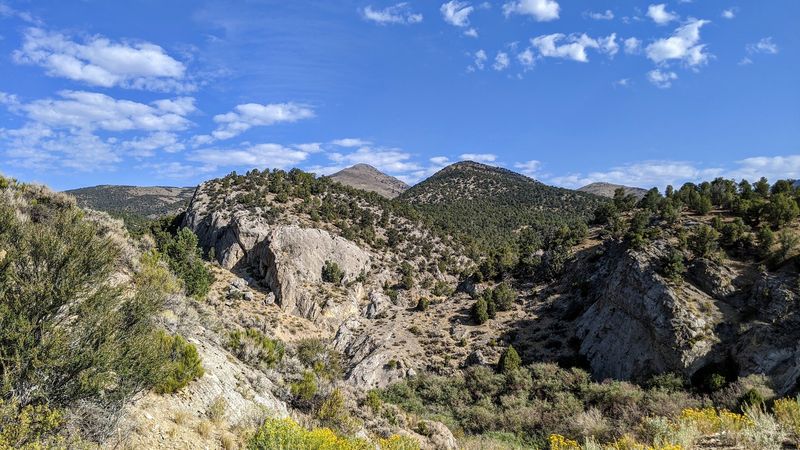
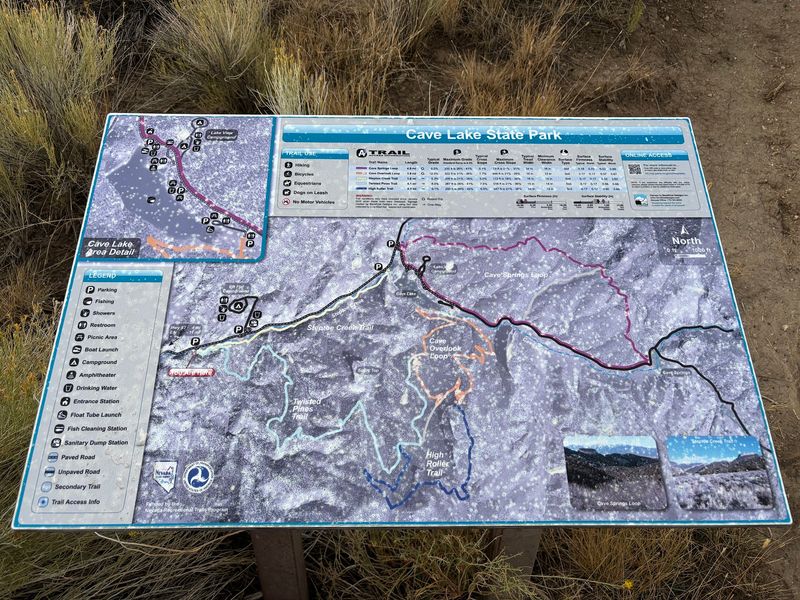
Boots and bikes both find plenty to love on the ground here. The trail system earns steady praise for clean climbs, flowing downhills, and even fun routes that loop back toward the parking area.
Hiking trails are well marked and offer a range of challenges, so both casual walkers and serious hikers can find something to match their energy. Trailheads scatter throughout the park, making it easy to start an outing right from camp.
Mountain biking access adds another layer, and riders often single it out as a highlight worth the trip. For those who want to skip the vehicle entry fee, you can park outside the park and pay a small per-bike fee instead.
Beyond the marked paths, there are OHV trails and open country for wildlife viewing and exploring. The variety keeps repeat visitors busy across many trips.
Whatever your pace, the trails give the park its restless, active heartbeat.
Swimming And Paddling On The Reservoir
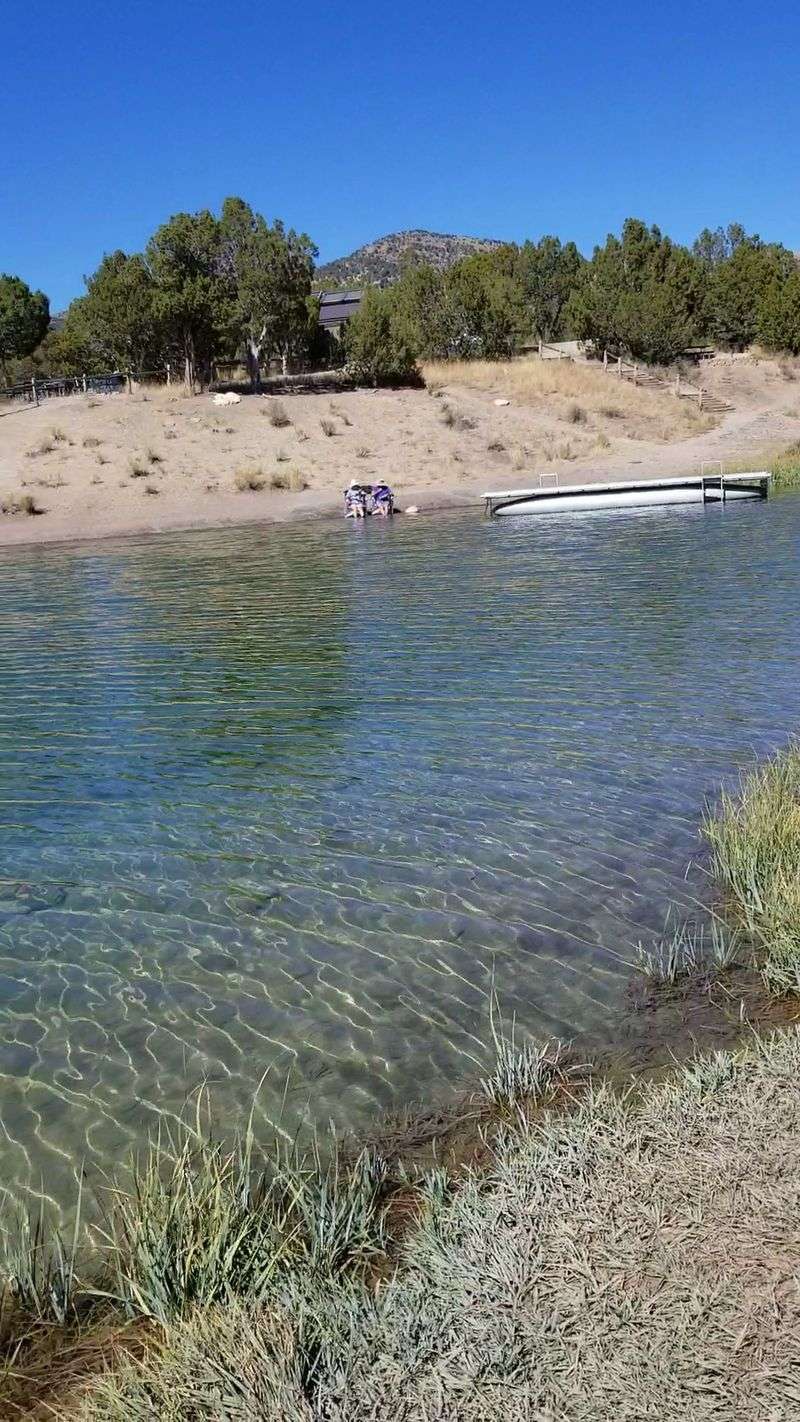
Warm months turn the roughly 32-acre reservoir into a playground on the water. Swimming, kayaking, canoeing, and boating all have their place here when the temperatures climb.
Paddlers seem especially fond of the calm surface, gliding across water that has been described as a turquoise green in good conditions. The lake feels small and manageable, which suits families and casual boaters.
Kayak owners often mention that they skip motorized boating entirely and simply enjoy exploring the shoreline at their own pace. The scale of the lake means you can circle much of it without wearing yourself out.
Because it is a reservoir held back by a dam, the water levels have shifted over the years, but at capacity the lake shines. When it is full, the color and the mountain backdrop make it a memorable spot for a swim.
Bring a paddle and a swimsuit, and the summer days practically plan themselves.
The Dam And Its Long Repair Story
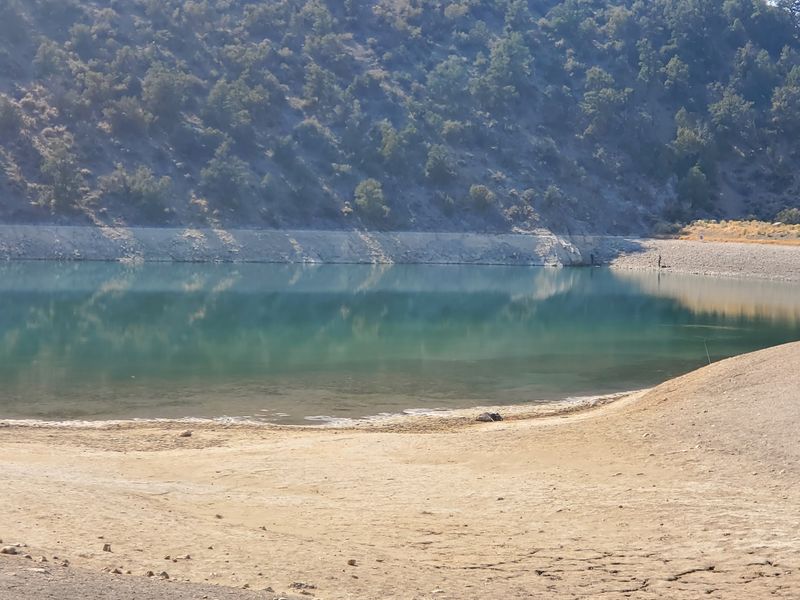
Behind the pretty water lies a chapter of hard work. The lake is held back by a dam, and for more than five years the reservoir was drained to fix a structure that had become unstable.
The dam repair became a recurring topic among returning guests, many of whom were disappointed to arrive and find the lake empty. Some visited during that stretch and had to settle for a picnic rather than a paddle.
Patience paid off. With the work completed, the reservoir has refilled and returned to its scenic self, drawing back the anglers and paddlers who had been waiting.
The long project is a reminder that the lake exists because of engineering, not just nature. Keeping it safe took time and attention.
Now that the water is back, the wait has faded into a footnote, and the park feels whole again.
Two Campgrounds With Different Personalities
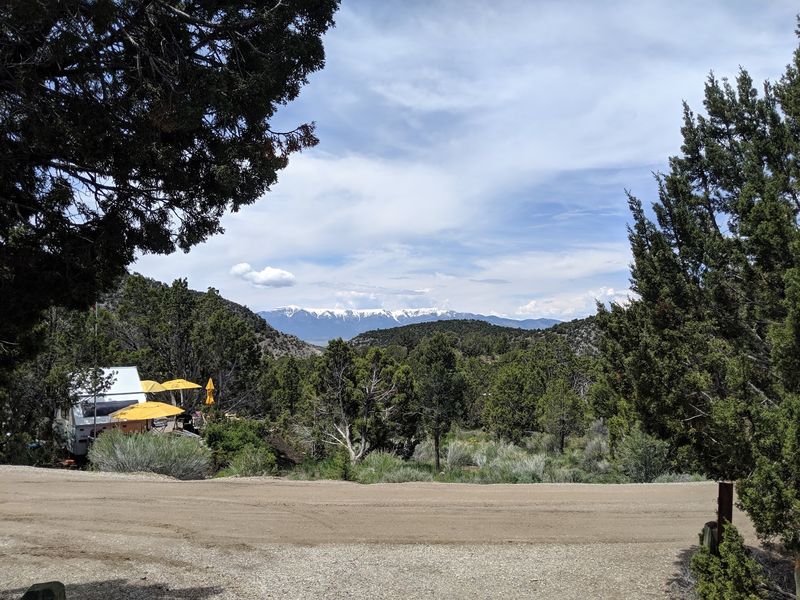
Overnight guests choose between two options, each with its own character. Lakeview and Elk Flat serve as the park’s campgrounds, and camping is by far the most talked-about activity here.
Lakeview lives up to its name, with many sites offering views of the lake and the surrounding mountains. Elk Flat, meanwhile, wins fans for its foliage, which gives more privacy between sites.
Both campgrounds have narrow, twisty roads that are not well suited to large RVs, and many sites measure only about 10 feet wide. Some big rigs do squeeze in, but drivers with longer campers should study the layout first.
For larger campers, sites 32, 33, and 34 come recommended because they avoid the tightest sections of road. Elk Flat has a dump station, while Lakeview does not, a detail worth remembering.
Pick the campground that matches your setup, and the stay goes far more smoothly.
Amenities That Make Camping Comfortable
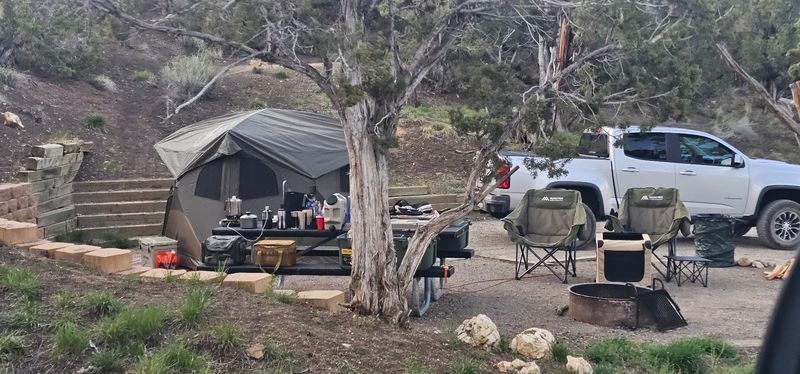
Roughing it here comes with a few welcome comforts. Water spigots run throughout each campground, and both flush toilets and hot showers are available for those staying over.
The hot showers earn frequent shout-outs, a genuine luxury after a day on the trails or the water. A dump station and fish cleaning station round out the practical facilities.
There is no electricity at the sites, so this is dry camping in the truest sense. A few charcoal grills sit near the lake for those who want to cook outdoors.
Maintenance has drawn mixed remarks lately, with occasional notes about full trash bins, low supplies, or showers that were temporarily out of order. Some feel the upkeep has slipped from what it once was.
Even so, the core amenities hold up, and a helpful caretaker often keeps the grounds in good shape and shares local history with those who ask.
Winter Turns The Lake Into A Rink
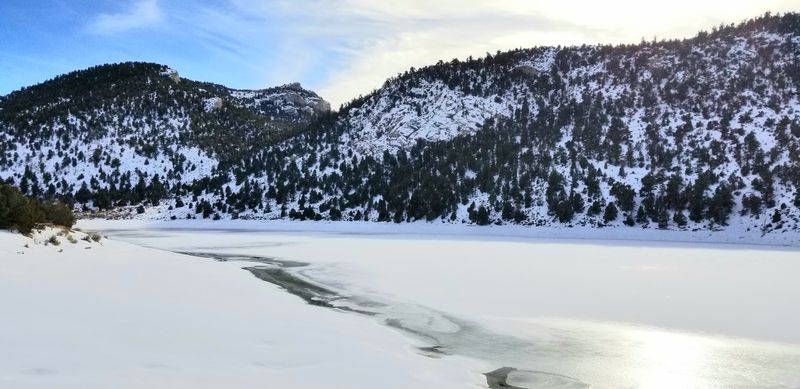
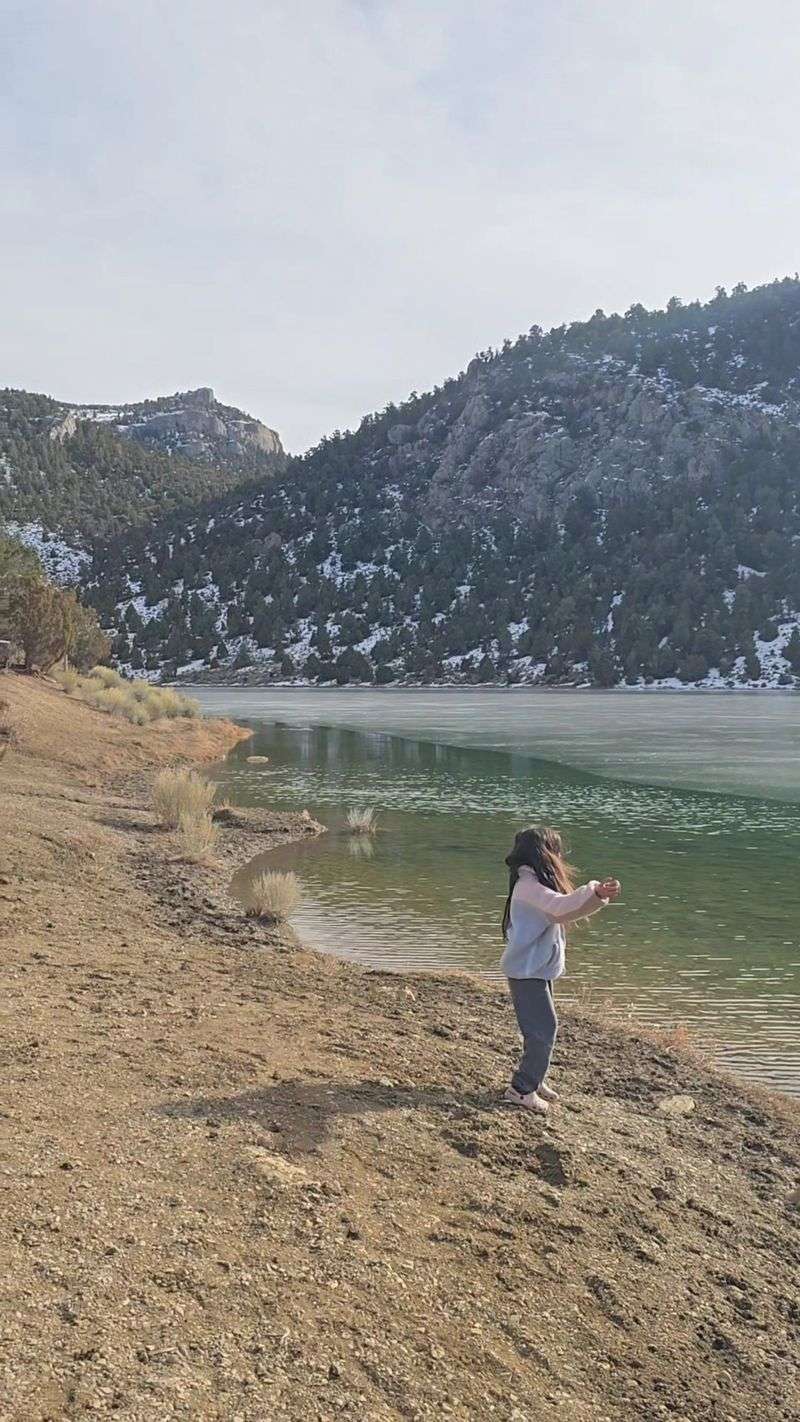
Cold weather flips the entire park into a different world. When temperatures drop, the reservoir freezes over and opens up for ice fishing, ice skating, and cross-country skiing.
Off-season travelers sometimes catch the lake frozen for the first time in their lives, a novelty that leaves a strong impression. The ice does not always reach the shore, and it can be thin near the edges, so caution matters.
Snow blankets the surrounding hills, giving skiers open terrain to explore across the high country. The elevation helps hold the winter conditions longer than lower spots nearby.
Fewer people show up in the colder months, which means quieter trails and easier access. One traveler even found a camping spot on a Sunday night in the off season when summer would have been packed.
For anyone who loves winter recreation, the frozen version of this park is a season all its own.
The Quiet That Draws People In
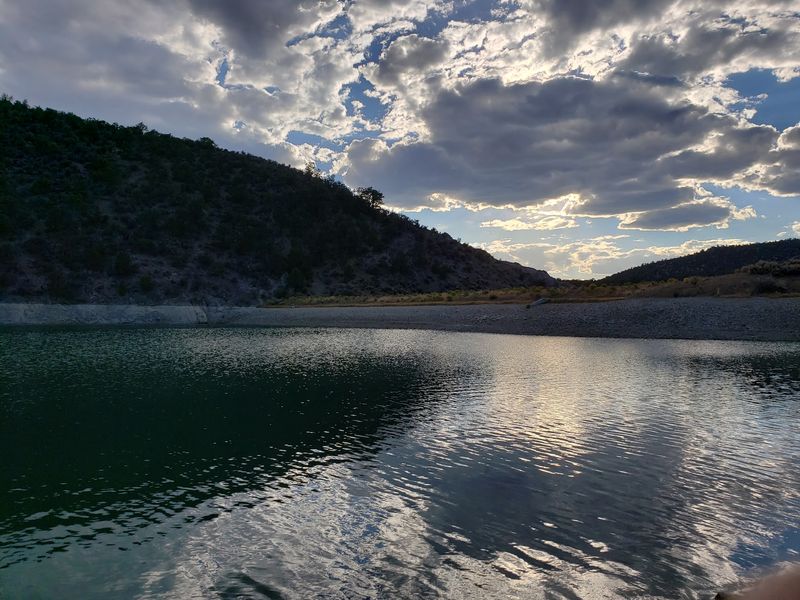
Peace is one of the park’s biggest selling points, at least at the right times. At night, the grounds can grow quiet enough to hear birds and distant coyotes calling across the hills.
Daytime tells a different story on busy weekends, when the campground fills up and privacy gets thin. A few generators running through the day can break the calm for those seeking pure quiet.
The park reportedly sees around 50,000 visitors a year, so timing your trip makes a real difference. Off-season and weekday stays lean toward solitude, while warm-weather weekends bring the crowds.
Even when it is busy, the setting keeps its rustic charm, with the lake and mountains softening the bustle. Many people return year after year specifically for this blend of activity and calm.
Choose your dates wisely, and the stillness that draws so many admirers is easy to find.
History Waiting Just Down The Road
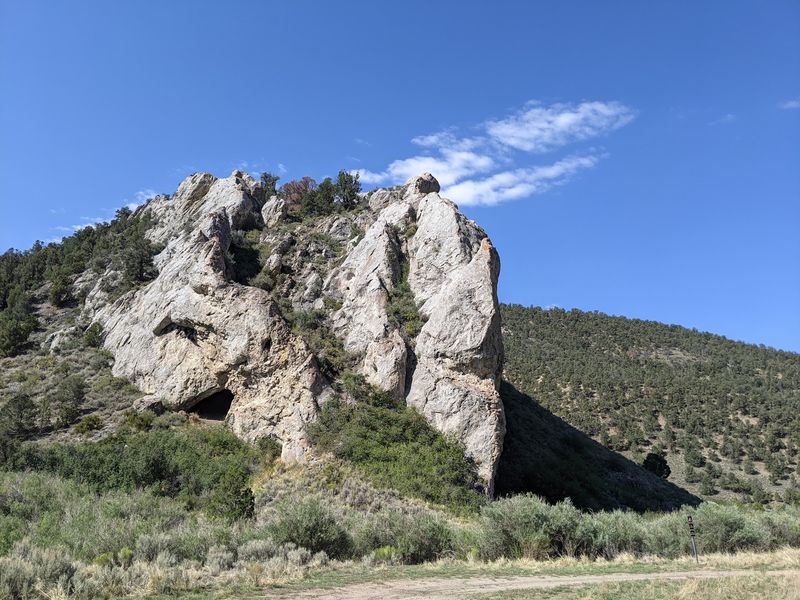
The area around the lake carries stories worth chasing. The park sits close to the historic town of Ely, home to the Northern Nevada Railroad Museum and part of the Great Basin Historic District and the Steptoe Valley.
A short trip away leads to the Ward Charcoal Ovens, huge beehive structures once used to make charcoal during the region’s mining boom. Hiking in to see them offers a window into how the land was reshaped over a century ago.
The surrounding country was once stripped of trees for miles to feed those ovens, and the landscape is still recovering from that era. Learning about the Ward Historical District adds depth to a visit that might otherwise focus only on the water.
Combining the natural draw of the reservoir with these historic sites turns a simple camping trip into a fuller exploration. History buffs will find plenty to keep them curious nearby.
Hours, Fees, And Booking Tips
A little planning goes a long way here. The park opens at 6 AM and stays open until 11 PM every day of the week, giving early risers and late hikers plenty of room.
Day use and camping can be booked online through the Nevada State Park system or paid at the site. Camping rates have climbed over time, with recent nightly fees noted around 20 to 30 dollars, up from earlier years.
Out-of-state park entry has been listed at 10 dollars, with a lower 5 dollar rate for Nevada residents, and cyclists can enter for a small 2 dollar per-bike fee from outside the gate. A camping limit of seven days within any thirty-day window has also been in place.
Weekends in the warm season fill fast, so reservations well in advance are strongly advised. Arriving without one during peak times risks leaving without a spot.
Lock in your dates early, and the rest of the trip falls into place.
Why This Reservoir Earns Its Fans
Add it all up, and the picture becomes clear. Between fishing, paddling, swimming, hiking, biking, and winter sports, this small reservoir packs a remarkable range into one quiet corner of eastern Nevada.
The high praise it collects speaks to how much people connect with the place, many returning across years and even generations. Families have grown up visiting, and newcomers often leave already planning a return.
The park is not flawless, with tight campground roads and occasional upkeep gripes worth knowing before you arrive. Still, the beauty of the water, the strength of the trail system, and the year-round activities keep the overall verdict warm.
Cave Lake State Park rewards those willing to take the turnoff and climb into the mountains for something calmer than the usual desert route. It is the kind of stop that turns a road trip into a memory.
Pack your gear, plan ahead, and let this quiet mountain reservoir show you why so many keep coming back.
Enjoyed this story?
Add Fast Food Club as a preferred source to see more of our reporting on Google.