


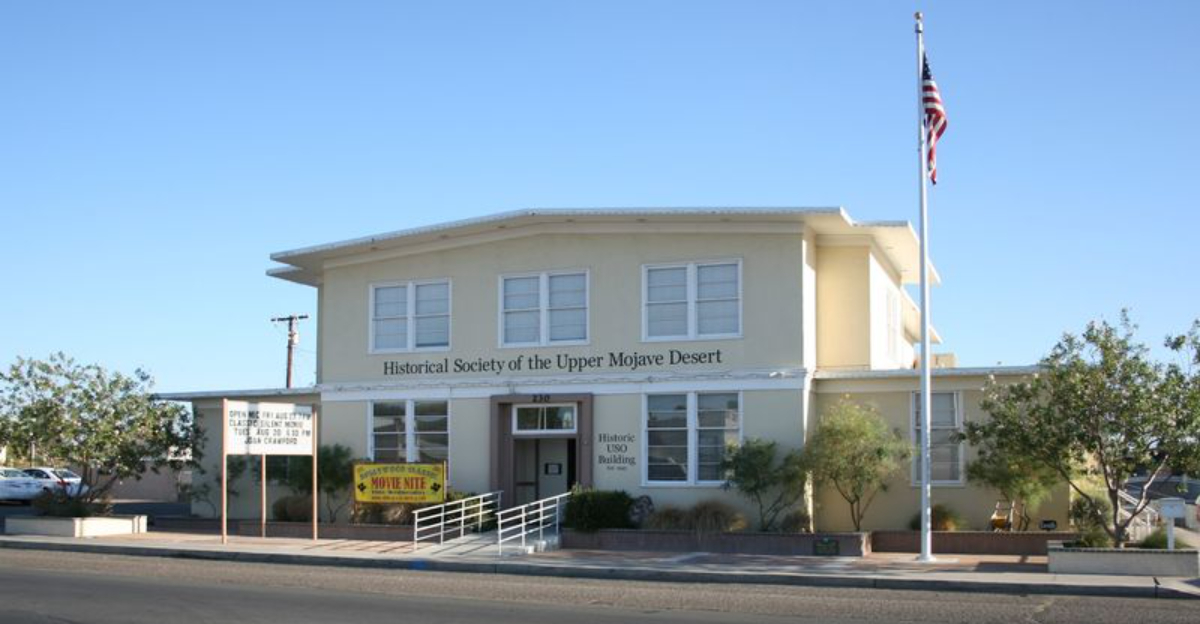
California and affordable housing rarely appear in the same sentence, yet a small city in the high desert keeps proving that the two can coexist. Out here, monthly costs stay low, the streets stay quiet, and a modest budget still buys a real place to call home.
The wide-open valley wraps around neighborhoods that feel calm and unhurried, far from the traffic and noise most people expect from the Golden State. Curious where this pocket of possibility sits, what daily life looks like, and how a family might land a tidy house without draining every last dollar?
Keep reading, because the details ahead paint a full picture of a community that many drivers pass right by on the highway. By the end, you will understand exactly why budget-minded buyers keep pointing their maps toward this corner of the desert.
Where the Desert Bargain Begins
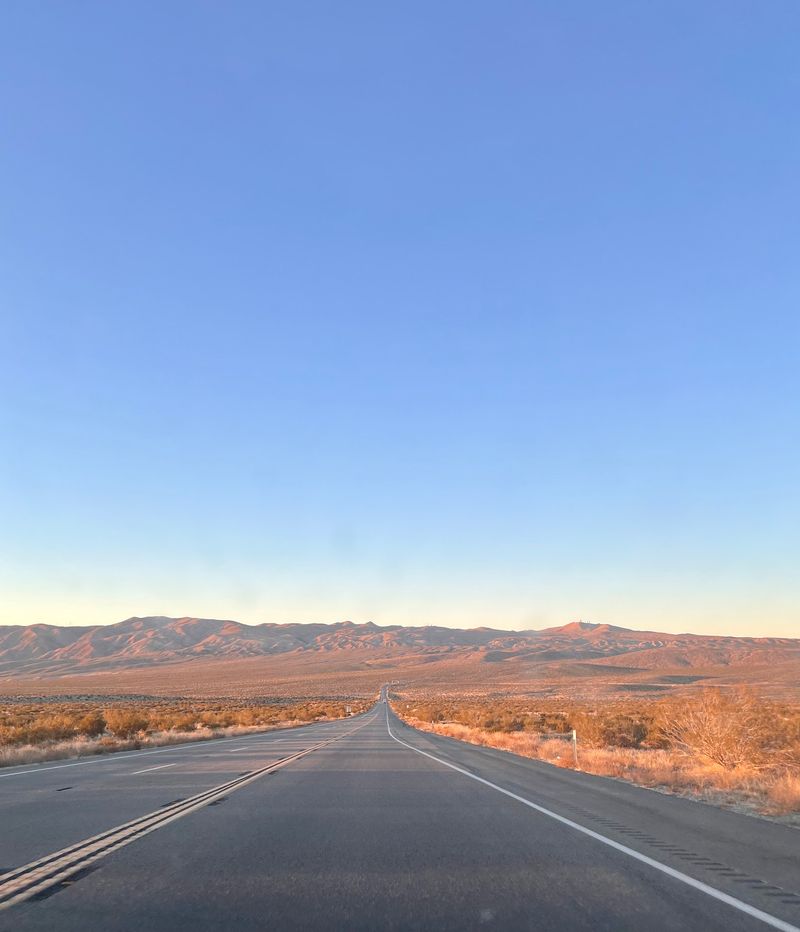
Tucked into the Indian Wells Valley of northeastern Kern County, Ridgecrest carries the simple mailing footprint of California 93555. The city sits along U.S.
Route 395, the long highway that threads through the eastern side of the state.
Kern County spreads across a huge chunk of central and southern California, and Ridgecrest anchors a quieter northeastern edge of it. The surrounding valley gives the community plenty of room to breathe, with open desert stretching in every direction.
Its official web home lives at ridgecrest-ca.gov, where the city shares local information for residents and newcomers alike. That online front door reflects a place that runs like a real working town rather than a tourist stop.
What draws budget-focused buyers here is the gap between California prices and desert reality. Homes in the range of around one hundred fifty thousand dollars still surface in a state famous for numbers many times higher.
The address may look plain on paper, but it points to a genuine community with schools, shops, and neighborhoods. Ridgecrest proves that a California zip code does not always mean a coastal price tag.
A City Born in 1963
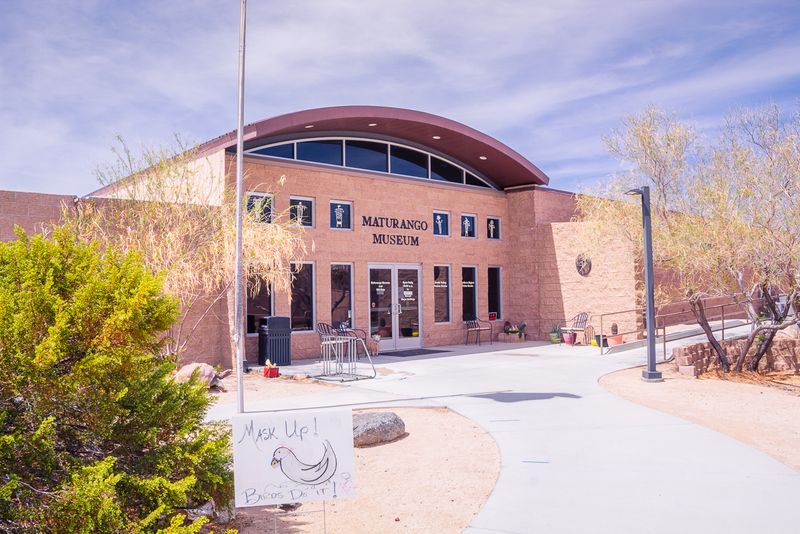
Ridgecrest officially became a city in 1963, a relatively young milestone compared with many older California towns. Before that formal step, the settlement had already been growing steadily in the valley.
Much of that early growth tied closely to the nearby naval presence, which drew workers and families to the area. As jobs anchored the region, homes and streets followed, and a small community took shape.
Incorporation gave residents their own local government and a chance to guide the city’s direction. Decisions about roads, services, and neighborhoods started to reflect the people living there rather than distant offices.
The 1963 date marks a turning point when Ridgecrest moved from a desert outpost into an organized city. Over the following decades it expanded into the recognizable community that budget buyers now explore.
Understanding that history helps explain the layout and character of the place today. A city built around steady work tends to feel practical, grounded, and welcoming to newcomers looking for stability rather than flash.
Life Beside China Lake
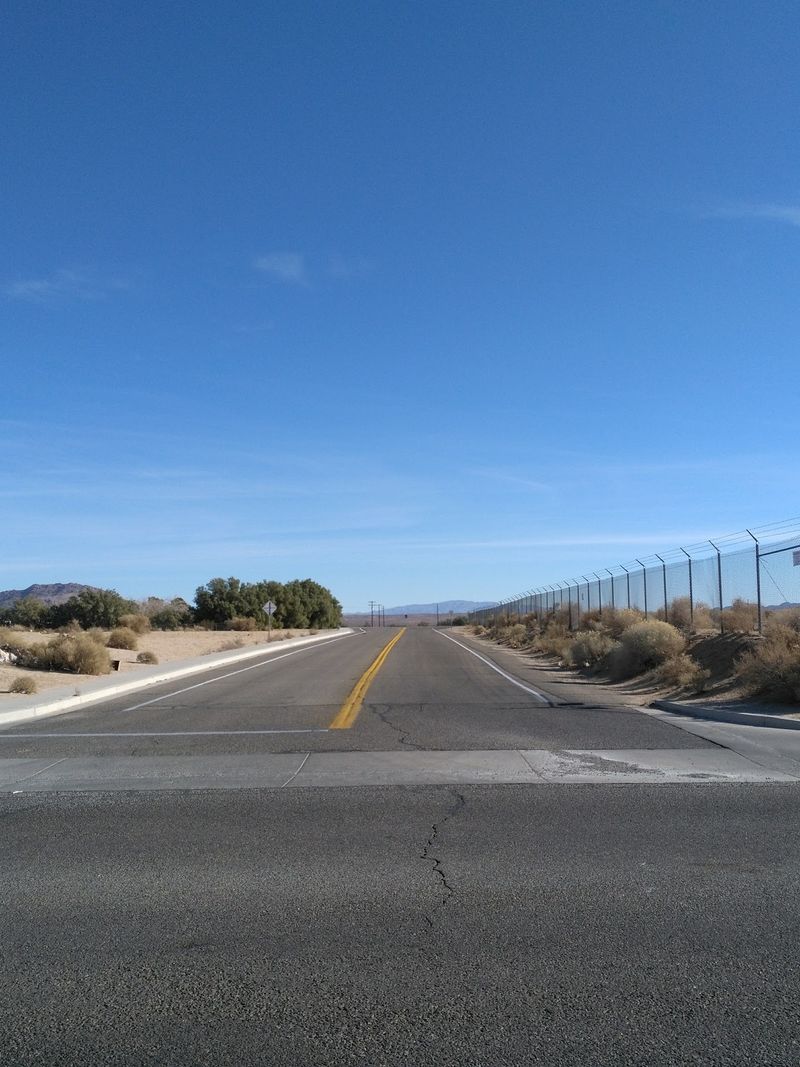
Right next door sits the Naval Air Weapons Station China Lake, a major installation that has shaped Ridgecrest for decades. The base gives the region a steady economic backbone that many small desert towns lack.
Employment tied to the station brings engineers, technicians, and support staff into the valley. That flow of steady jobs helps keep the local housing market active without pushing prices into the extreme range seen elsewhere in California.
Families connected to the base often settle in Ridgecrest because it offers homes close to work at manageable costs. The result is a community with a practical, professional undercurrent.
Beyond the paychecks, the base gives the city a sense of purpose and identity. Ridgecrest grew up as a companion community to China Lake, and that relationship still defines much of daily life.
For buyers weighing the area, the base signals long-term stability. A town with a durable employer tends to hold its footing, which reassures anyone spending savings on a first home.
The Indian Wells Valley Setting
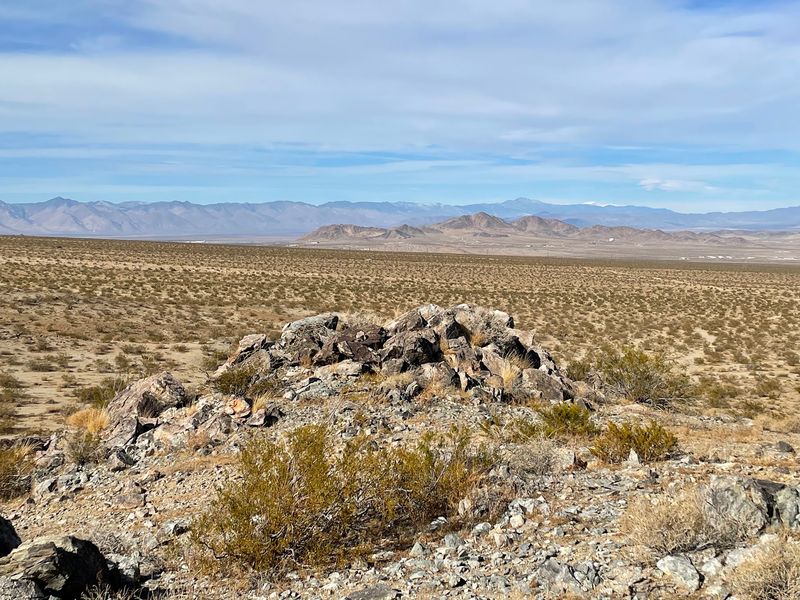
Cradled by mountains on multiple sides, the Indian Wells Valley gives Ridgecrest a distinct high-desert setting. Open land rolls toward the horizon, offering long views that feel rare in crowded parts of the state.
The valley floor sits at an elevation typical of the high desert, which shapes the climate and the pace of life. Days tend to run bright and dry, and the surroundings stay wide and uncluttered.
Living in a broad valley means neighborhoods spread out with elbow room rather than stacking tightly together. That spacing is part of why property here can stay more affordable than in dense coastal cities.
The natural backdrop also invites outdoor exploration for those who enjoy desert landscapes. Nearby ranges and open spaces frame the community and keep the scenery interesting.
Geography and price go hand in hand here. Room to build and room to grow help explain how Ridgecrest keeps modest homes within reach of everyday budgets.
Move-In-Ready Homes Under the Radar
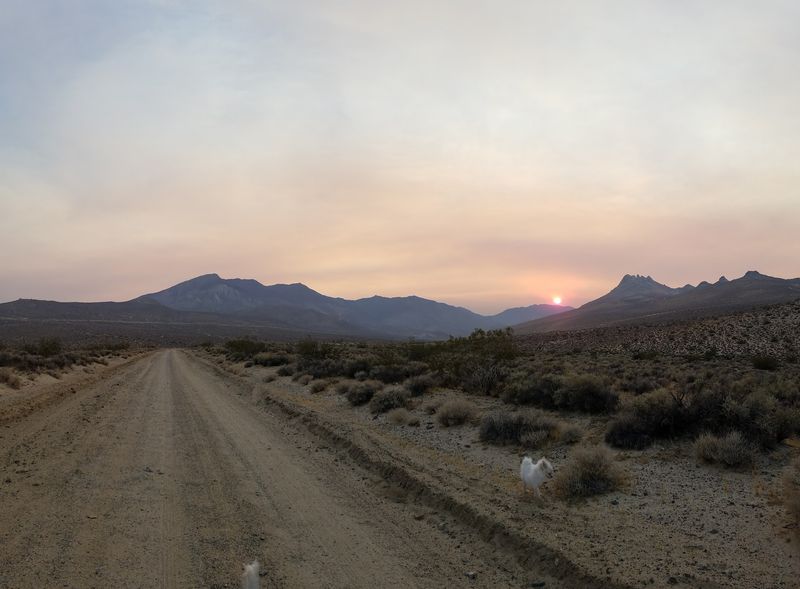
The real headline for many newcomers is the housing itself. Move-in-ready homes near the one hundred fifty thousand dollar mark still appear here, a figure that turns heads across the rest of California.
Instead of fixer-uppers demanding months of repairs, buyers can find places ready for keys and boxes on day one. That combination of low price and livable condition is the rare draw pulling attention toward the valley.
Affordability at this level opens doors for first-time buyers, retirees, and families stretching a limited budget. Ownership becomes a realistic goal rather than a distant dream.
Lower entry costs also leave more room in the monthly budget for daily needs. A smaller mortgage can ease the pressure that squeezes households in pricier regions.
Ridgecrest earns its spotlight precisely because it defies the expectation that California always costs a fortune. For anyone chasing a foothold in the state, these homes represent a genuine and grounded opportunity.
Getting There Along Route 395
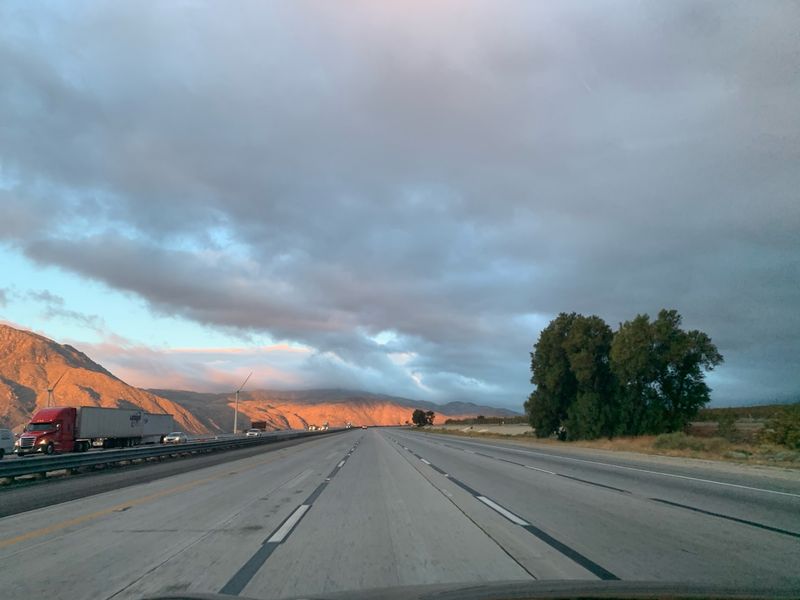
Reaching Ridgecrest usually means a drive along U.S. Route 395, the highway that carries travelers through the eastern spine of California.
The road links the city to the wider region and keeps it connected despite its remote feel.
Route 395 makes Ridgecrest a natural pause point for drivers heading toward the eastern Sierra or the desert country beyond. Fuel, food, and rest stops sit within easy reach off the highway.
The city’s placement in northeastern Kern County means it sits away from the dense freeway tangles closer to the coast. That distance trades big-city convenience for quieter roads and simpler travel.
For newcomers scouting the area, the highway approach offers a first look at the open valley leading into town. The transition from empty desert to organized streets sets the tone for what life here feels like.
Access without gridlock is part of the appeal. Ridgecrest stays reachable while keeping the calm that heavy traffic tends to erase.
A Community That Runs Like a Real Town
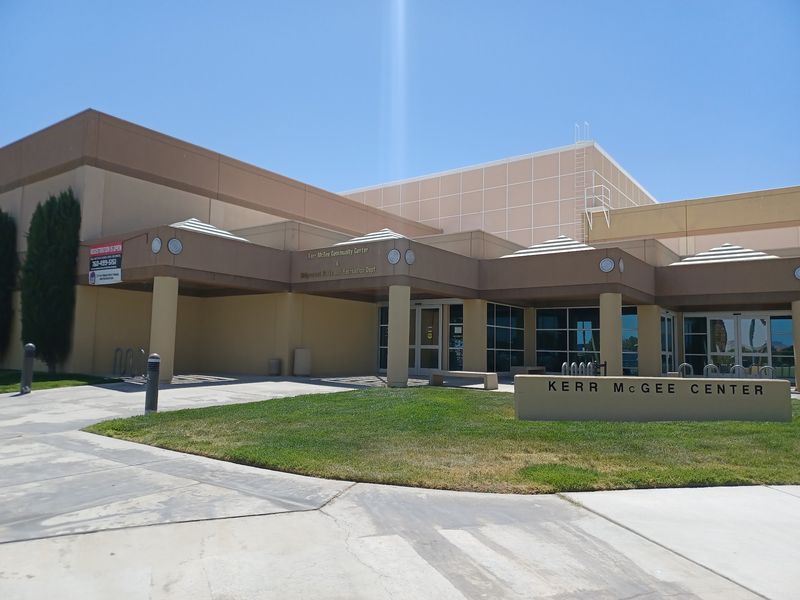
Beyond the housing numbers, Ridgecrest functions as a full working city rather than a sleepy waypoint. Local government, city services, and everyday businesses keep the community operating on its own terms.
The presence of an official city website at ridgecrest-ca.gov points to organized public services for residents. From local resources to community updates, the town handles the practical side of daily living.
Everyday errands stay manageable within the city, which matters for anyone relocating from a larger metro area. Life here leans toward the straightforward and self-contained.
Because Ridgecrest grew as a genuine community rather than a resort, it carries the fixtures of ordinary life. Neighborhoods, schools, and shops form the backbone of the place.
That practicality reassures buyers who want more than a cheap house. A real town with real services makes the affordable price feel like a solid foundation rather than a compromise.
Who Thrives in the High Desert
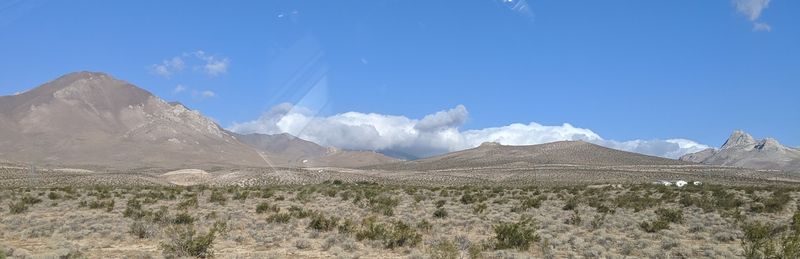
Certain kinds of buyers tend to feel right at home in Ridgecrest. First-time owners looking to escape steep rents often find the price point finally within reach.
Retirees on fixed incomes appreciate the lower cost of living and the calm surroundings. Stretching savings goes further where housing does not swallow every dollar.
Families connected to the nearby base slot in naturally, thanks to the short commute and steady employment. The community has long welcomed households built around that work.
People drawn to open desert country rather than crowded coastlines also gravitate here. The wide valley suits those who prefer space and quiet over constant activity.
Not everyone craves the bright lights of a big metro, and Ridgecrest speaks to that crowd. For anyone valuing affordability, room to breathe, and a grounded pace, the high desert offers a genuine fit.
The Cost of Living Advantage
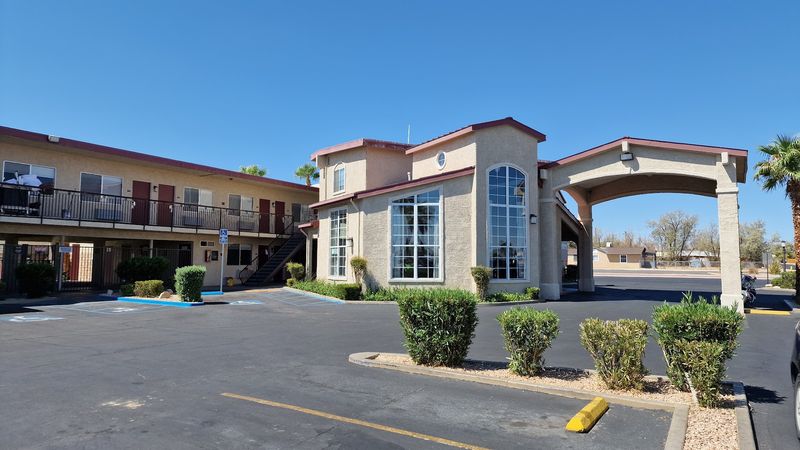
Affordability in Ridgecrest reaches beyond the price of a house. Lower home costs tend to ripple through the broader budget, easing the pressure many California households feel.
A modest mortgage frees up money for daily needs and savings. That breathing room is exactly what draws people priced out of pricier regions.
Because the valley sits away from expensive coastal markets, everyday life here leans toward the practical rather than the premium. The town runs on function over flash.
Buyers weighing a move often compare the difference between a coastal payment and a desert one. The gap can be striking, and it reshapes what a family can realistically afford.
The takeaway is simple math with a big impact. When housing stops draining the budget, other goals suddenly move within reach, and Ridgecrest turns that idea into a real address.
Open Skies and Outdoor Space
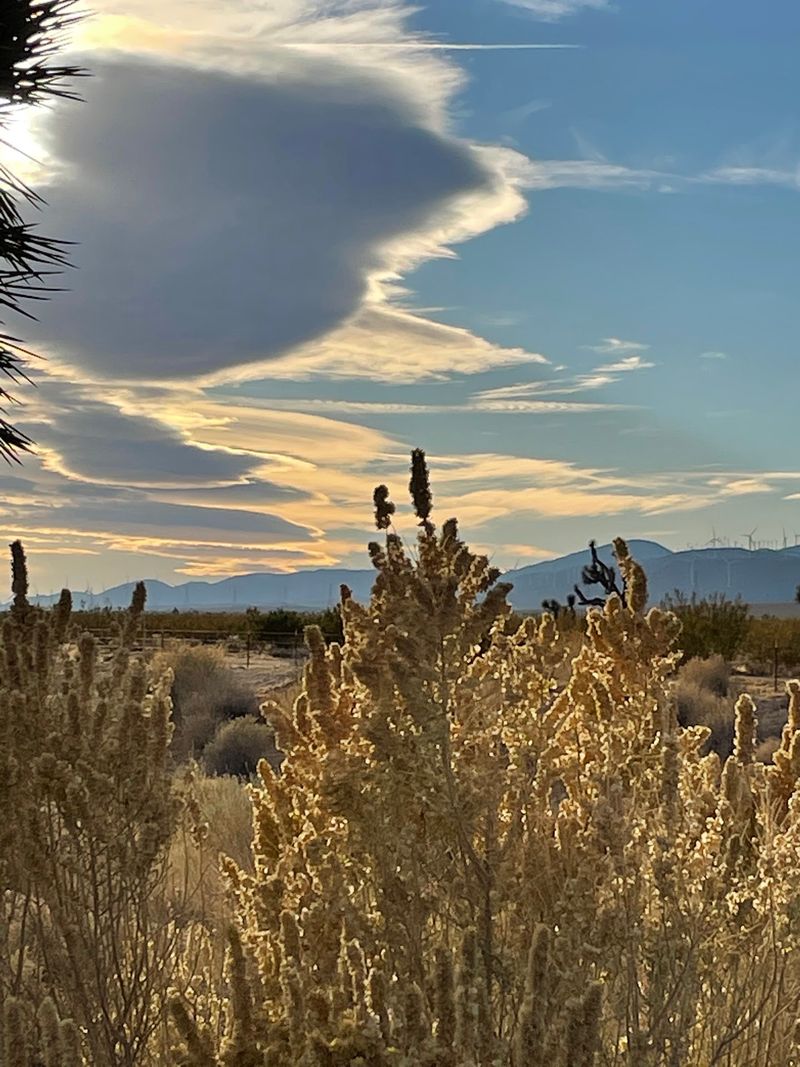
The high-desert location surrounds Ridgecrest with open land and long horizons. Nearby mountain ranges frame the valley and give outdoor enthusiasts plenty to explore.
Wide desert terrain invites the kind of open-air recreation that crowded regions cannot offer. Room to roam is one of the quiet perks of settling in the valley.
The clear, dry climate typical of the high desert keeps many days bright and open for exploring the surroundings. Outdoor plans rarely feel boxed in by weather.
Living where the land stretches uninterrupted appeals to people who value space over density. The scenery stays raw and expansive rather than paved and packed.
For buyers, the outdoors becomes part of the value. A home here comes with a backyard of open desert country, a bonus that no coastal condo can match.
Planning Your Visit Before Buying
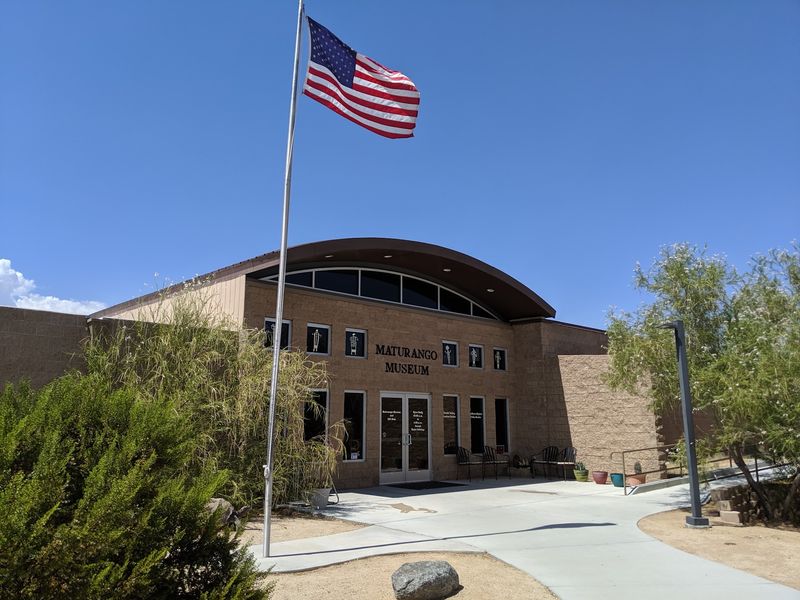
Scouting Ridgecrest in person is a smart move before committing to a purchase. Driving in along Route 395 gives a real sense of the valley and the pace of the community.
The city website at ridgecrest-ca.gov offers a practical starting point for local information. Checking official resources helps newcomers understand services and daily logistics.
Touring neighborhoods on the ground reveals what listings alone cannot show. Seeing the streets, the layout, and the surroundings paints a clearer picture of everyday life.
Because the city sits in northeastern Kern County, a visit doubles as a chance to gauge the drive to nearby regions. That travel time matters for anyone weighing work or family connections.
Spending time here before signing anything turns a listing into a lived experience. A short trip can confirm whether the affordable desert lifestyle truly fits.
Why the Desert Deal Still Holds
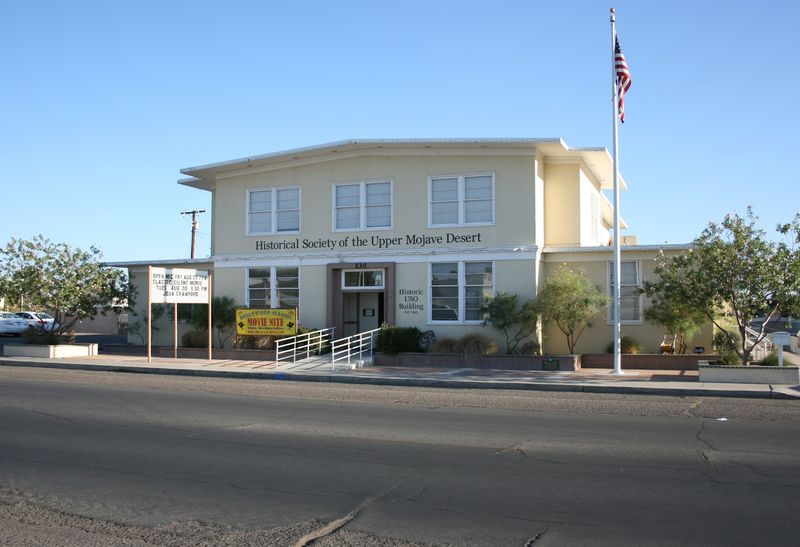
Ridgecrest earns its reputation as a rare pocket of affordability in a notoriously expensive state. Move-in-ready homes near one hundred fifty thousand dollars remain a genuine reason to look closer.
The combination of steady employment near China Lake, an organized city government, and wide-open desert space gives the community real staying power. It functions as a place to build a life, not just to buy cheap.
Life in the Indian Wells Valley trades crowds and coastal prices for room, quiet, and a grounded pace. For the right buyer, that trade feels like a win rather than a sacrifice.
Ridgecrest may not headline glossy travel guides, yet it quietly delivers something many Californians chase for years. Ownership at a reasonable price still lives here.
For anyone weary of watching home prices climb out of reach, this desert city offers a hopeful alternative. The bargain is real, the community is genuine, and the address is worth remembering.
Enjoyed this story?
Add Fast Food Club as a preferred source to see more of our reporting on Google.