


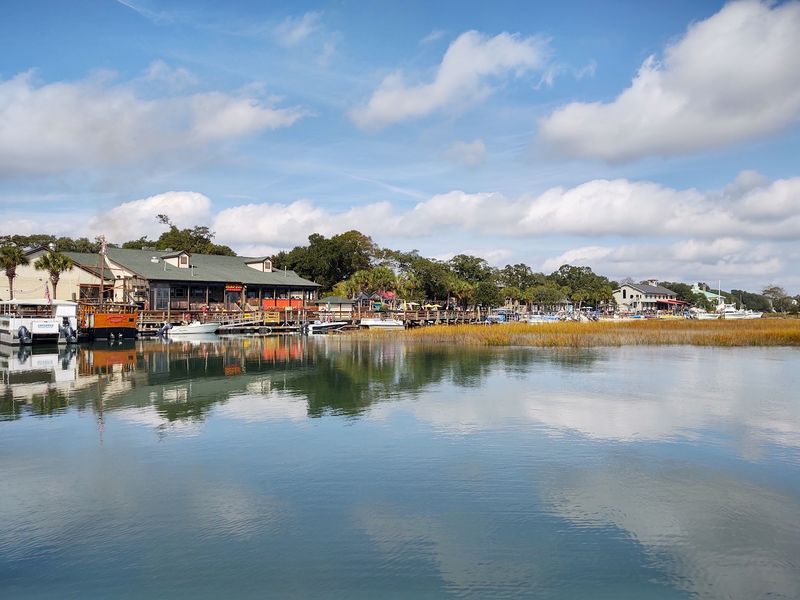
Ask anyone house hunting along South Carolina’s coast, and you will hear the same worry: the good spots are getting too expensive. That is why a small Lowcountry city named Georgetown keeps coming up in conversations about value by the water.
It is old, it is modest in size, and it does not get the same buzz as bigger beach names. So let’s look at what we actually know about Georgetown and whether it deserves a spot on your shortlist.
A Small City Anchoring Georgetown County

Pull up a map of South Carolina, slide your finger down the coast toward the Lowcountry, and you will land on a place that has been holding its ground for a very long time. Georgetown sits in ZIP code 29440, and it serves as the county seat of Georgetown County.
In other words, it is not just a dot near the water, but the working center of an entire county.
For anyone who likes precise directions, the city’s location is listed at roughly 33.376834 latitude and -79.2944964 longitude. Plug those numbers into your phone and you will be pointed straight at the heart of town.
It is a handy trick when you are planning a scouting trip and want to know exactly where you are headed.
Why does the county seat label matter for someone curious about affordability? County seats tend to be where local government business happens, so residents are close to the offices that handle everyday civic needs.
That kind of convenience is worth something, even if it never shows up on a price tag.
Georgetown also lives in the Lowcountry, a region name that instantly brings coastal South Carolina to mind. Before weighing costs, it helps to understand the place itself, and that story starts with its age.
Roots Older Than Most of the State
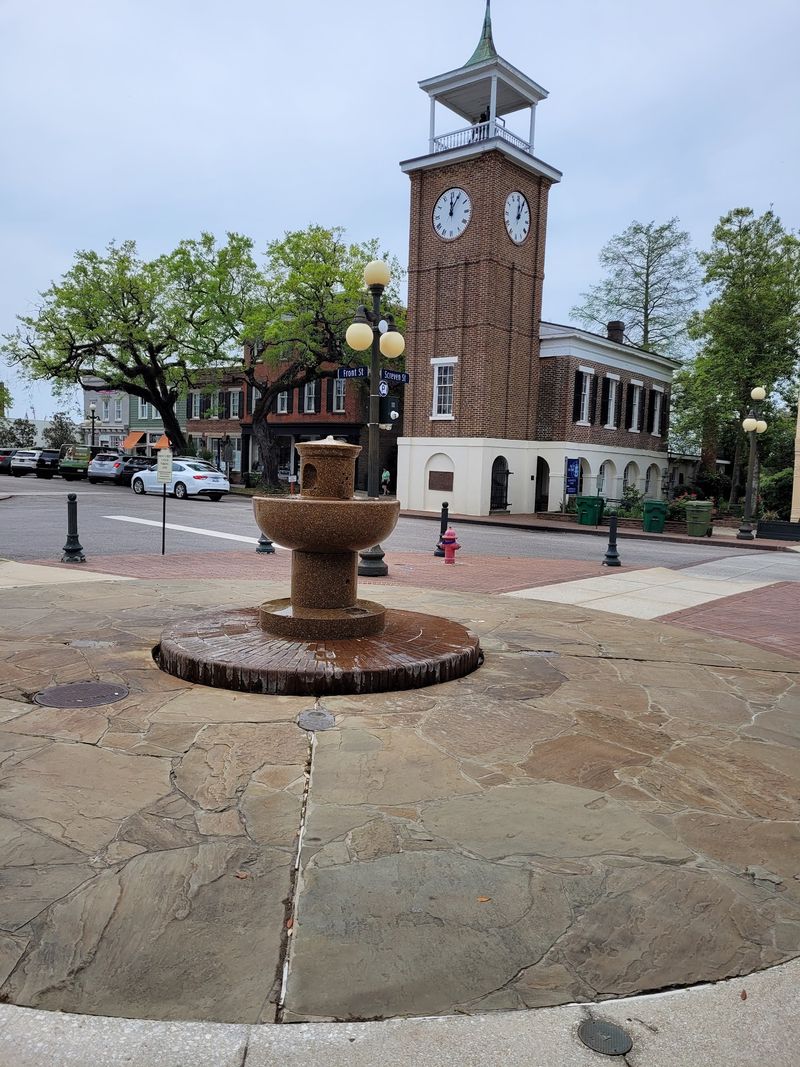
Here is a fun one to share at dinner: Georgetown is the third-oldest city in South Carolina. Only two other cities in the entire state can claim a longer history.
That puts it in rare company for a place with such a small population today.
Age changes the feel of a town. Older cities often grew slowly, street by street, long before modern planners showed up with cookie-cutter layouts.
Many people who hunt for a coastal home are really hunting for that sense of layered history, the feeling that someone walked these same blocks generations ago.
Think about what that means compared with newer resort-style developments. A brand-new coastal community might offer shiny amenities, but it cannot offer centuries of backstory.
Georgetown can, and for a certain kind of buyer or visitor, that is the whole point.
There is also a practical angle. A city that has lasted this long has clearly figured out how to keep going through good times and hard ones.
That staying power can be reassuring if you are thinking about putting down roots.
So when people debate whether Georgetown is a bargain, remember that its value is not only about square footage. Part of what you are weighing is a connection to one of South Carolina’s earliest chapters.
What the Census Numbers Reveal

Numbers can tell stories, and Georgetown’s latest census figures tell a surprising one. In 2010, the city counted 9,163 residents.
By the 2020 census, that number had slipped to 8,403.
Do the quick math and you get a drop of 760 people, or a little more than 8 percent over ten years. That might not sound dramatic, but it runs against a common assumption about coastal South Carolina.
Many people picture every town near the water swelling with newcomers, yet Georgetown actually got smaller during that decade.
A population of about 8,400 also tells you something about daily life. This is a genuinely small city, the kind of place where running errands probably will not mean fighting big-city crowds.
For folks escaping traffic and sprawl, that size alone can be a selling point.
Of course, a census count is a snapshot, not a crystal ball. It does not explain why the population dipped, and it does not predict what the next ten years will bring.
Anyone drawing conclusions should treat these figures as one clue among many.
Still, when the topic is affordability, a shrinking head count is a detail worth paying attention to. The next section looks at why.
Reading Between the Lines on Demand
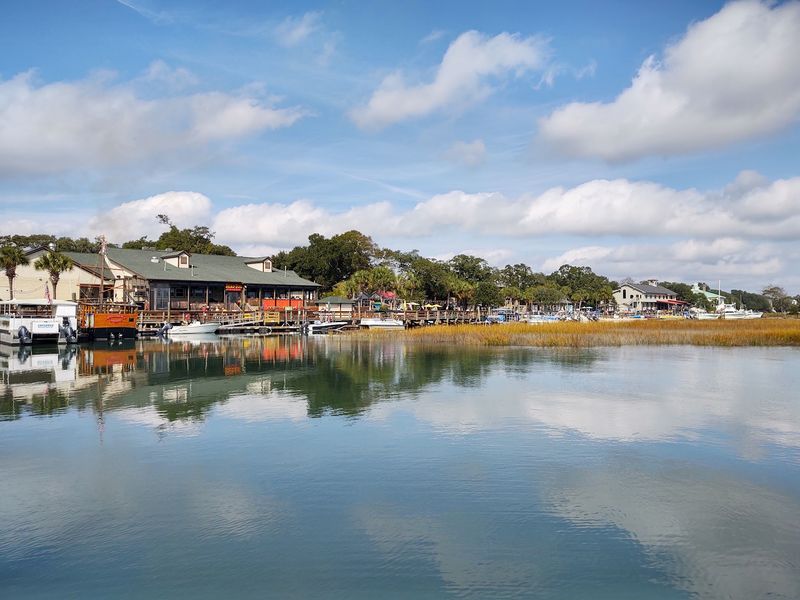
Picture two coastal towns side by side. One is adding residents every year, and the other is losing a few.
If you had to guess which one might offer more breathing room on price, most people would point to the second.
That line of thinking is the main reason Georgetown shows up in affordability conversations. A town that did not grow between 2010 and 2020 is, at least on paper, not facing the same crush of demand that pushes prices up in booming areas.
Less competition can sometimes mean more options for buyers and renters.
Here is the honest caveat, though. A population number alone cannot confirm what homes actually cost today, and the data available here does not include current prices or rent figures.
So the idea that Georgetown is cheaper is a reasonable hypothesis, not a proven fact.
The smart move is to treat the census trend as a reason to look closer rather than a reason to sign papers. Compare real listings, talk with local agents, and check recent sales before deciding anything.
Those steps will tell you far more than any headline.
What the numbers do suggest is that Georgetown is not the overheated hot spot some coastal markets have become. For a patient shopper, that alone makes it worth a serious look.
The Pull of the Lowcountry Landscape
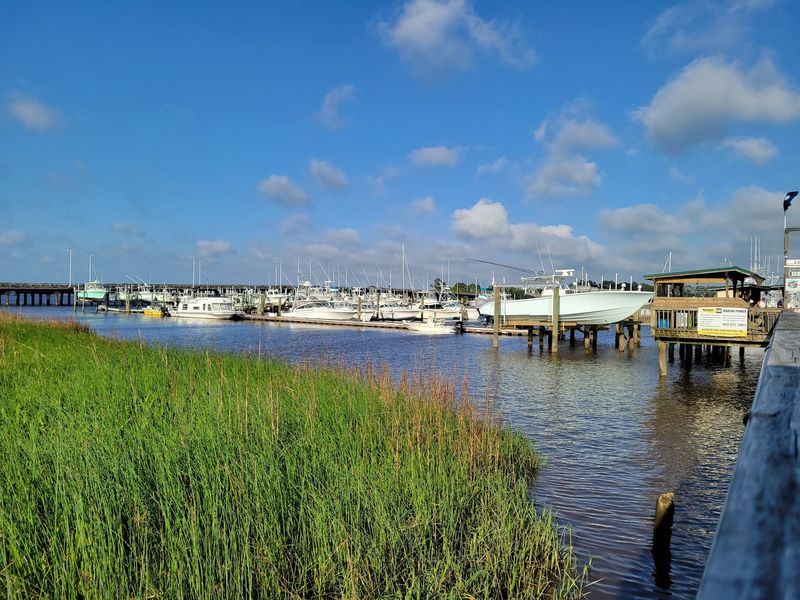
Say the word Lowcountry to a South Carolinian and watch their face soften a little. The term carries images of coastal living, slower rhythms, and a deep regional identity.
Georgetown sits squarely inside that region.
Being part of the Lowcountry is a big piece of what makes the city appealing to people shopping for a waterfront lifestyle. You are not buying into an anonymous suburb.
You are choosing a place with a strong sense of regional character that has been shaped over centuries.
It is easy to get swept up in the romance, and there is nothing wrong with that. Still, part of being a savvy buyer is separating the feeling from the facts.
The Lowcountry setting is real, but the specific waterfront features you want, whether that is a dock, a view, or easy water access, will vary from property to property.
That is why a personal visit matters so much. Photos and maps can only show you so much about how a neighborhood actually feels at sunrise or after a rainstorm.
Walking the streets yourself lets you judge whether the setting matches the dream in your head.
For many visitors, that first look at the Lowcountry around Georgetown is what turns casual curiosity into genuine interest. Just make sure the practical details line up too.
Everyday Perks of a County Seat

Nobody moves to the coast dreaming about paperwork. Yet anyone who has ever driven an hour to renew something at a county office knows how much location matters.
As the county seat of Georgetown County, Georgetown puts residents close to the center of local government.
That convenience is easy to overlook when you are scrolling through listings and admiring water views. Over years of living somewhere, though, the small stuff adds up.
Shorter trips for official business mean more time for the things that actually drew you to the coast in the first place.
County seats also tend to function as working towns rather than purely seasonal getaways. That can give a place a steadier, year-round feel compared with spots that empty out once vacation season ends.
For full-time residents, that sense of continuity can be comforting.
If you want to see what the local government offers, the city keeps an official website at cityofgeorgetownsc.com. It is a sensible first stop for anyone researching services, local updates, or ways to get in touch with city offices.
None of this makes Georgetown flashy. It simply makes it practical, and practical is often what separates a place that looks good on vacation from one that works for real life.
A Do-It-Yourself Affordability Checklist
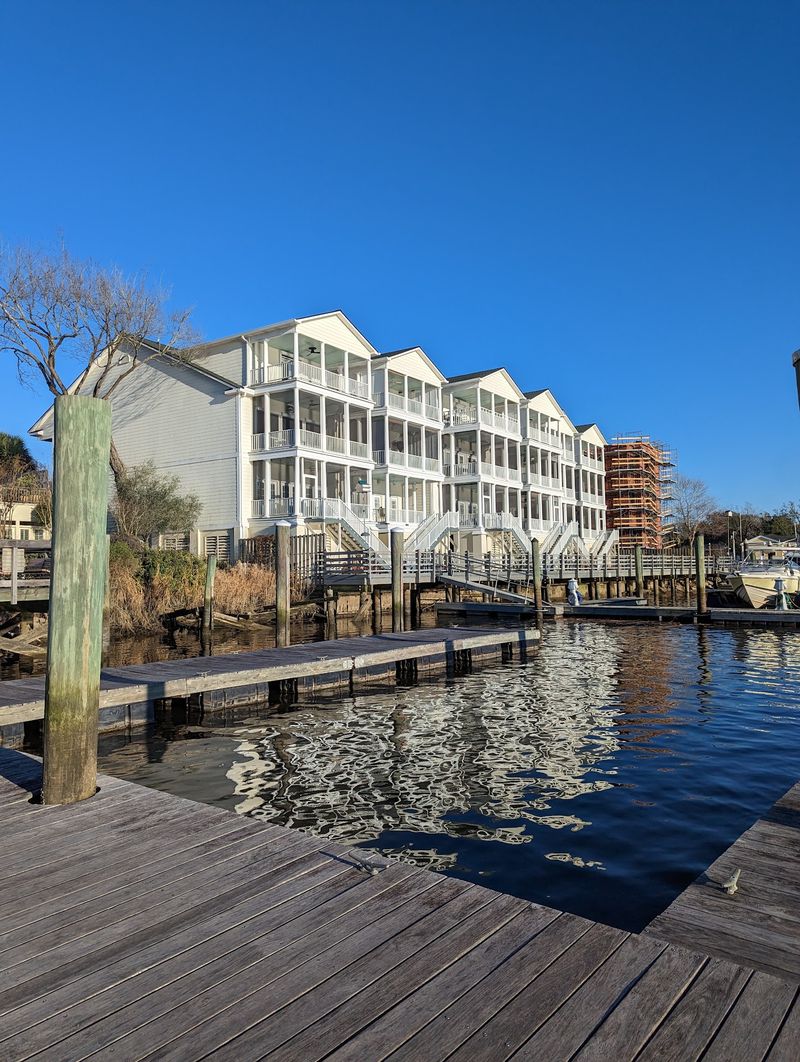
Want to know whether Georgetown is truly the budget-friendly pick of the coast? The best answer is the one you calculate yourself.
Headlines and hunches are fun, but your own numbers are what count.
Start by comparing current home or rental listings in the 29440 ZIP code against other coastal towns you are considering. Look at similar properties, not just the cheapest option in one place versus the fanciest in another.
An apples-to-apples comparison keeps you from fooling yourself.
Next, think beyond the purchase price. Insurance, taxes, and ongoing upkeep can change the math quite a bit, especially for properties near water.
Ask local professionals for estimates so you are working with real figures instead of guesses.
Then factor in your lifestyle. A home that costs less but forces you to drive long distances for everything might not feel like a bargain after a year.
On the flip side, living in a county seat could save you time on certain errands.
Finally, remember the population trend covered earlier. A town that shrank slightly between 2010 and 2020 may give buyers more room to negotiate, but only current market data can confirm that.
Keep your checklist handy, and let the evidence lead you to a decision rather than the other way around.
Who Tends to Click With Georgetown

Some towns fit everyone a little. Georgetown seems more likely to fit certain people a lot.
History lovers are an obvious match. Living in the third-oldest city in South Carolina offers a daily reminder of the past, and that appeals to folks who find new construction a bit soulless.
If you enjoy imagining the generations who came before you, this is fertile ground.
People craving a smaller community should also take note. With a population of about 8,400, Georgetown is compact enough that it will never feel like a sprawling metro.
Retirees, remote workers, and families who want a calmer pace could all find that appealing.
Budget-conscious coastal dreamers are the group this whole article is really about. If the bigger beach names feel out of reach, a modest, historic Lowcountry city is a logical place to widen your search.
Just remember to verify prices on your own before getting your hopes up.
Who might not click? Someone who wants nonstop nightlife or big-city amenities around every corner could find a small county seat a bit quiet.
That is not a flaw so much as a personality difference. Knowing which camp you fall into will save you time and help you decide if Georgetown deserves a closer look.
The Unhurried Rhythm of an Old Coastal City
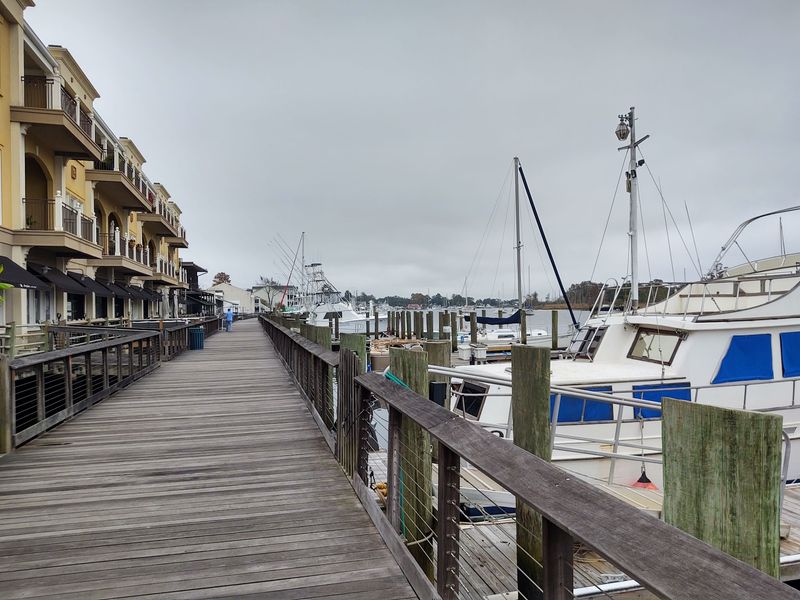
Imagine waking up somewhere that has been around for centuries and has no interest in rushing. That is the kind of mood many people hope to find in a small, historic Lowcountry city like Georgetown.
Size plays a big role in atmosphere. A town of roughly 8,400 residents simply does not generate the same noise and bustle as a large city.
For anyone burned out on traffic jams and crowded stores, that difference can feel like a deep breath.
History shapes the vibe too. A city ranking as South Carolina’s third-oldest carries a certain weight, a sense that it has watched trends come and go without losing itself.
Many visitors find that kind of steadiness charming rather than sleepy.
The fact that the population dipped between the last two census counts adds another layer. It suggests Georgetown has not been overrun by rapid growth, which can help a place hold on to its small-town personality.
Whether that stays true in the future remains to be seen.
The best way to judge the atmosphere is to spend real time there. Visit on a weekday, not just a weekend, and notice how the town feels when it is simply going about its business.
That everyday rhythm is what you would actually be living with.
Planning a Scouting Trip
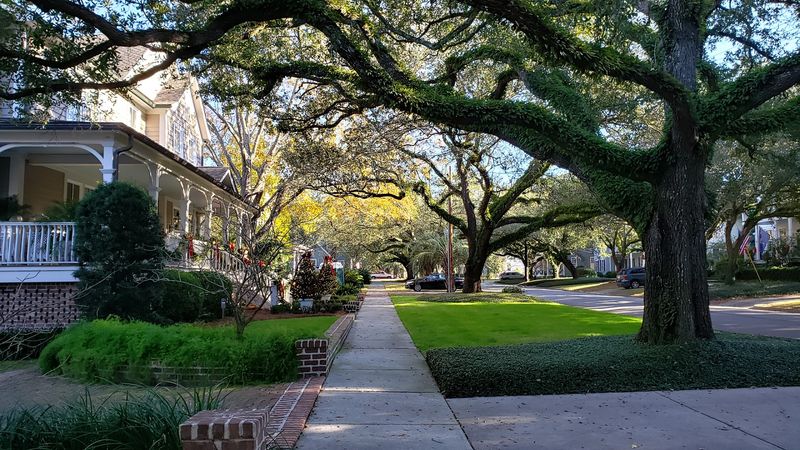
Ready to see Georgetown for yourself? A little prep goes a long way, especially if you are visiting with a possible move in mind.
Start with the basics. The city is located in South Carolina with the ZIP code 29440, and its coordinates are approximately 33.376834, -79.2944964.
Dropping those numbers into a navigation app is the simplest way to get turn-by-turn directions from wherever you are starting.
Before you go, visit the official city website at cityofgeorgetownsc.com. It is the most reliable source for local information, updates, and contact details for city offices.
If you have questions about services or upcoming happenings, that is where to begin.
Because Georgetown is a city rather than a single attraction, there are no general opening hours or admission prices to worry about. Individual businesses and sites will set their own schedules, so check those separately for anything specific you want to see.
A few smart habits can make the trip more useful. Bring a notebook or use your phone to jot down impressions of each neighborhood.
Take photos, note how long common drives take, and compare everything later against other coastal towns on your list. Treat the visit like research, and you will come home with answers instead of just souvenirs.
A Measured Verdict on Georgetown’s Value

So, is Georgetown the most affordable waterfront town left on South Carolina’s coast? The honest answer is that it could be a strong contender, but only current prices can crown a winner.
What the facts do show is encouraging. Georgetown is the third-oldest city in the state, the county seat of Georgetown County, and a true Lowcountry community.
Its population fell from 9,163 in 2010 to 8,403 in 2020, which suggests it has not been swept up in the same growth frenzy as some coastal hot spots.
That combination of history, practicality, and modest size makes it an easy town to recommend for your shortlist. It offers character that newer developments cannot copy, along with the everyday convenience of being a county seat.
Still, the smartest buyers let data have the final word. Compare listings, crunch the full cost of ownership, and visit in person before making any decisions.
If the numbers line up with the charm, you may have found exactly the coastal foothold you were hoping for.
Georgetown might not shout for attention. For the right person, that quiet confidence could be its greatest selling point.
Enjoyed this story?
Add Fast Food Club as a preferred source to see more of our reporting on Google.