


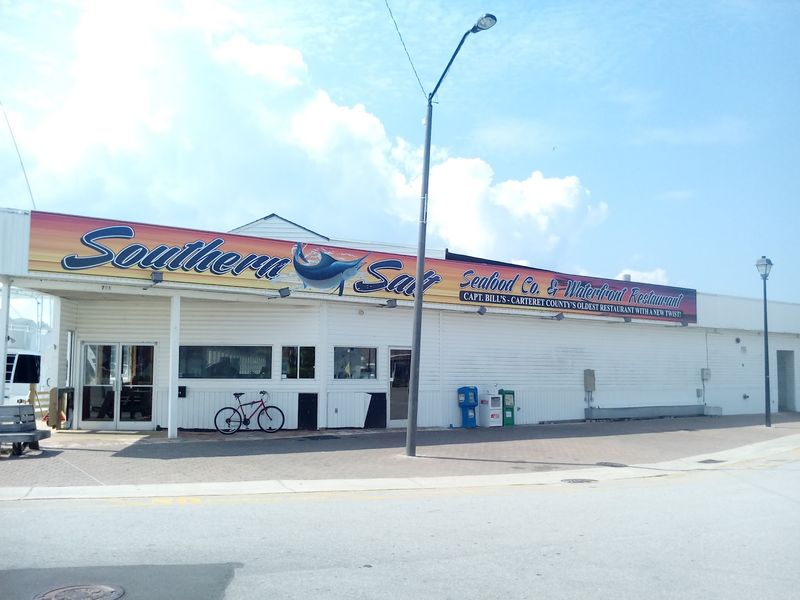
Every coastal town has a restaurant that older locals still bring up at the dinner table. In Morehead City, one waterfront fish house opened its doors in 1938, before many of today’s beach traffic jams existed.
For decades, families came here for fried flounder, sound views, and a meal by the water. Its later years were a lot bumpier, and the full story holds a few surprises.
Fried flounder fans, history buffs, and anyone curious about the Crystal Coast’s dining past will find plenty here. Stick around to learn where this place sits, what made it famous, why opinions split so sharply, and what happened to the building on the water.
By the end, you will know whether the local legend still holds up, and what to keep in mind before planning a seafood stop along this stretch of North Carolina.
A Waterfront Address With Deep Roots
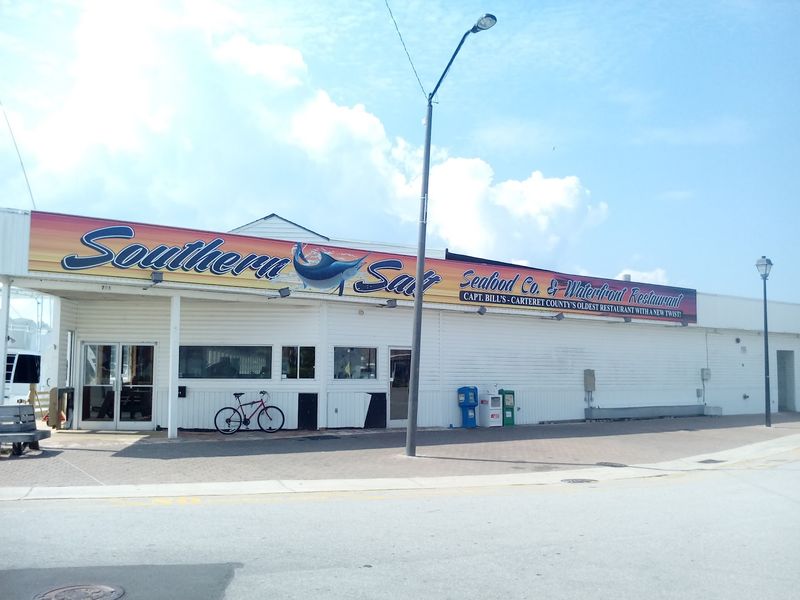
Some restaurants open and fade within a season, but this one lasted for generations. Captain Bill’s Seafood sits at 701 Evans St, Morehead City, NC 28557, in the United States.
Evans Street runs along the Morehead City waterfront, where fishing boats and sound views set the tone for the whole district. The restaurant claimed a spot right on that edge, facing Bogue Sound.
Morehead City is part of North Carolina’s Crystal Coast, a stretch of shoreline known for fishing culture and seafood traditions. That setting gave the restaurant a natural audience of families, travelers, and seasonal residents.
The address matters for another reason. Evans Street is home to several seafood spots, so diners here always had neighbors competing for their attention.
Over the years, the building on this corner became a familiar landmark to people who grew up in the area. Many locals can point to it without needing a map.
Before getting to the famous flounder, though, the story of how this place began deserves a closer look, because it starts long before most of the town’s current restaurants existed.
Born in 1938
Long before smartphones and food apps, there was 1938. That is the year this seafood stalwart got its start in Morehead City.
The restaurant proudly promoted itself as the oldest restaurant in town. That title carried weight in a place where fishing has shaped daily life for generations.
Staying open across so many decades is no small feat for any business. Owners came and went, menus changed, and the town around it grew from a working harbor into a busy vacation stop.
Through all of that, the name Captain Bill’s stuck around. For many families, it was the place grandparents had eaten before their grandchildren were born.
That kind of history builds loyalty, and it also builds expectations. A restaurant with roots this deep carries the weight of everyone’s memories.
Longevity alone does not explain the flounder talk, though. The next piece of the puzzle sits right outside the windows.
Front Row Seats on Bogue Sound
Location was never the problem here. Even the harshest critics of the restaurant agreed that the setting was outstanding.
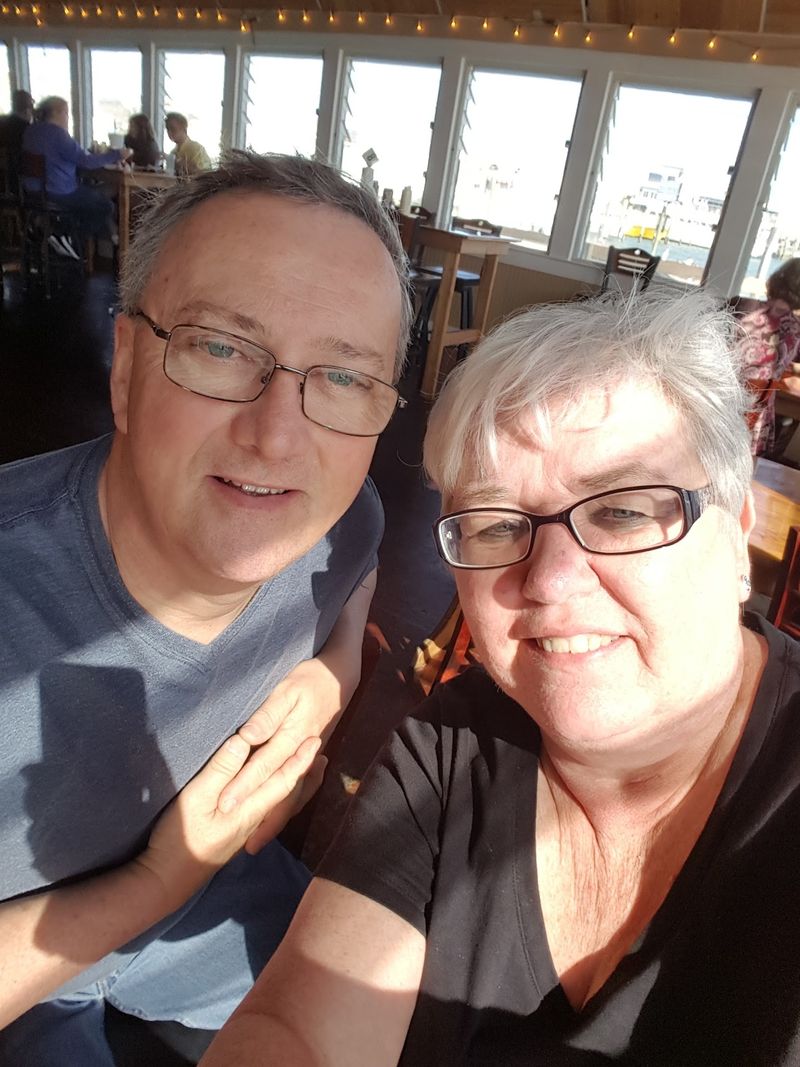
The dining room overlooked Bogue Sound, the body of water that separates Morehead City from the barrier islands. Tables near the windows put diners right next to the water.
Plenty of guests chose the restaurant for exactly that reason. One couple called it the best place for a date night, mainly because they sat beside the water the whole meal.
Families with homes nearby also described the setting as sublime. For a casual coastal lunch, a waterfront table is hard to beat.
Water came up again and again in conversations about the place. It was the headline feature, the backdrop, and the reason many people walked through the door in the first place.
A great view can carry a restaurant a long way. Still, sooner or later, the plate has to hold its own, and that is where the flounder enters the picture.
The Fried Flounder Legend
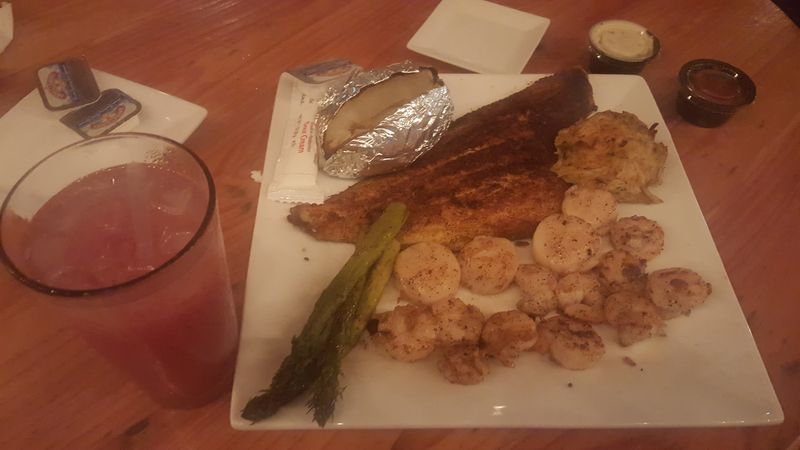
Ask an old-timer on the Crystal Coast about fried flounder, and the conversation often turns nostalgic. Flounder is a staple of coastal North Carolina cooking, and fish houses like this one built their reputations on it.
Here is the honest part. The available records about Captain Bill’s do not include specific details about its flounder recipe or how it was prepared.
What is clear is that the restaurant operated as a classic seafood house for decades. Fried fish plates were the bread and butter of places like this along Evans Street.
The local legend likely grew from that long run and from family memories passed down over the years. Many people remember the restaurant more than any single dish.
Later accounts of the food were far less glowing, as the next sections explain. Some diners found the seafood good, while others were sharply disappointed.
So the flounder story lives somewhere between memory and menu. It is a reminder that a legend can outlast the kitchen that started it.
More Than Seafood on the Menu
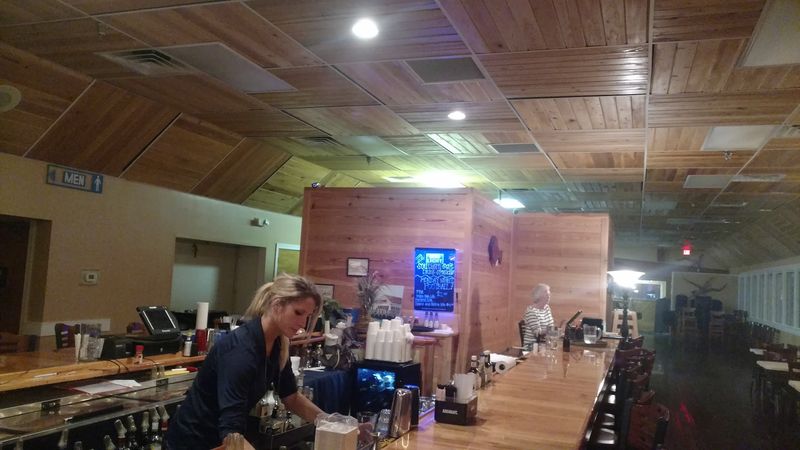
Not everyone at the table wants fish, and the restaurant knew it. Alongside its seafood, the menu covered land-based options for diners who preferred to stay off the water.
A children’s menu was also part of the lineup. That made the spot an easy choice for parents trying to feed a whole crew after a beach day.
Seafood stayed at the heart of things, with a focus on fresh-caught options. Staff kept a list of what was fresh-caught, and guests could ask about it when ordering.
Some families found the kids’ plates hit or miss. A few mentioned seasoning that missed the mark for younger diners.
Side items were sold separately in some cases, which surprised people expecting a bundled plate. Small add-on charges came up more than once.
The broad menu reflected a classic family restaurant model. It aimed to please everyone, which is a tall order for any kitchen, especially one feeding a steady stream of travelers.
Rustic Rooms and Country Decor
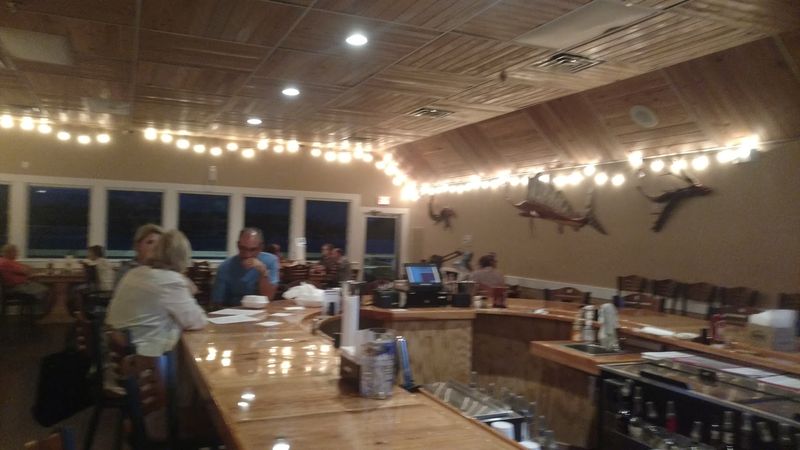
Fancy was never the goal. The interior leaned rustic, with country-style decor that matched its long history on the waterfront.
For some guests, that old-fashioned feel was part of the charm. It suited a restaurant that had been around since the 1930s.
Others felt the space showed its age. A few diners noted that cleanliness did not always meet their expectations, and some felt the building looked tired.
Tables came up often in conversations about the place, mostly because of where they sat. A seat near the window could make the visit, while other spots felt less special.
Quiet afternoons were common in the later years. Some guests arrived to find the dining room nearly empty while neighboring lots filled up.
That mix of history and wear defined the atmosphere. It worked best for diners who came for the view and the story, not for polished modern design.
A Tale of Two Experiences
Few restaurants split opinion quite like this one. Some guests left smiling, while others left vowing never to return.
On the bright side, several diners praised friendly waitresses and quick food. One guest loved how fast the meal arrived and how close the table sat to the water.
Another simply called the food good, not fantastic, and seemed puzzled by the harsh talk around town. Even unhappy guests often said their server was nice.
The flip side was rough. Long waits, slow ordering, and staff who seemed distracted came up repeatedly during the restaurant’s later years.
Food complaints followed a similar pattern. Some found dishes bland or overly salty, and soups and chowders drew particular criticism.
Tension between management and staff also showed at times. A few guests noticed servers being corrected in front of tables, which made the experience feel uneasy.
The overall score settled at 2.8 stars, a number that captures the divide well. It was a place of very good days and very tough ones.
What a Meal Cost on the Waterfront
Waterfront dining usually comes with waterfront prices, and this spot was no exception. Several diners felt the menu ran on the expensive side for what arrived.
A few numbers help paint the picture. A cup of soup cost about $5, and a baked potato came as a $1.50 add-on.
One family lunch for a group reached roughly $85 before a discount. That total felt steep to them, especially for a midday meal.
These figures come from the restaurant’s later years, more than a decade ago. Prices at any waterfront spot today would likely look different.
Value is personal, of course. Diners who prized the sound views often felt the setting justified the bill, while those focused purely on the plate were less forgiving.
The takeaway is simple. Budget a bit extra for a table by the water, and check current menus before settling in at any seafood house along Evans Street.
Neighbors on Evans Street
Competition along this stretch of Morehead City is fierce, and diners have options. Evans Street and the surrounding waterfront hold a cluster of seafood restaurants within easy walking distance.
Chef 105 sat right across the street. Some diners who left Captain Bill’s walked over there instead and had a great meal.
Sammy’s and the Ruddy Duck also earned mentions from locals as nearby alternatives. Both drew people who wanted a different take on waterfront dining.
That kind of neighborhood keeps every restaurant on its toes. When guests can cross the street in minutes, consistency becomes everything.
The busy strip also makes the waterfront a fun place to wander. A stroll along Evans Street offers boat watching, shops, and plenty of menus to compare.
For travelers, the lesson is helpful. Morehead City rewards a little exploring, and the best plan often involves checking out several spots before picking a table.
Closed Doors and a New Name
Every long story eventually reaches a turning point. For Captain Bill’s, that moment came when the restaurant closed and the building went up for sale.
After decades on Evans Street, the closure marked the end of an era for the oldest restaurant in town. Longtime locals took notice.
The building did not stay empty for good. Around ten years ago, the space reopened under a new name, Southern Salt.
Early guests of the new restaurant were upbeat. They mentioned good food, good wait staff, and the same prime seats beside the water.
That change matters for anyone searching for Captain Bill’s today. The name lives on mostly in memories and old listings rather than on a working storefront.
Plans to visit the address should start with a quick check of what currently operates there. Hours and menus from the original restaurant no longer apply, so confirming details ahead of time saves a wasted trip down Evans Street.
The Verdict on a Waterfront Legend
Legends are funny things. They often outlive the facts that started them, and Captain Bill’s is a fine example.
The restaurant gave Morehead City decades of waterfront meals, family outings, and a strong claim to being the town’s oldest dining spot. That history alone earns it a place in local lore.
Its later chapter was far rockier, with mixed food, uneven service, and eventually a closed door. The fried flounder fame belongs more to memory than to recent menus.
The setting, though, never lost its appeal. A table overlooking Bogue Sound remains one of the best seats on the Crystal Coast, whatever name hangs over the door.
For flounder fans, the smartest move is to treat Evans Street as a whole adventure. Walk the waterfront, compare menus, and find the plate that becomes your own family story.
Captain Bill’s may have handed off the spotlight, but its spot by the water still invites people to sit down and stay a while.
Enjoyed this story?
Add Fast Food Club as a preferred source to see more of our reporting on Google.