


Food halls are everywhere now, with neon signs and lines out the door. One Bronx market was doing the same job back in 1940, without the hype.
It still serves the neighborhood today, six days a week, with butchers, delis, produce stands, and a cigar shop where people roll cigars by hand. Its story says a lot about how a community feeds itself and holds on to its roots.
Stick around to learn where it is, what makes it special, and how to plan a trip that is worth the ride uptown.
An Indoor Market on a Famous Bronx Street
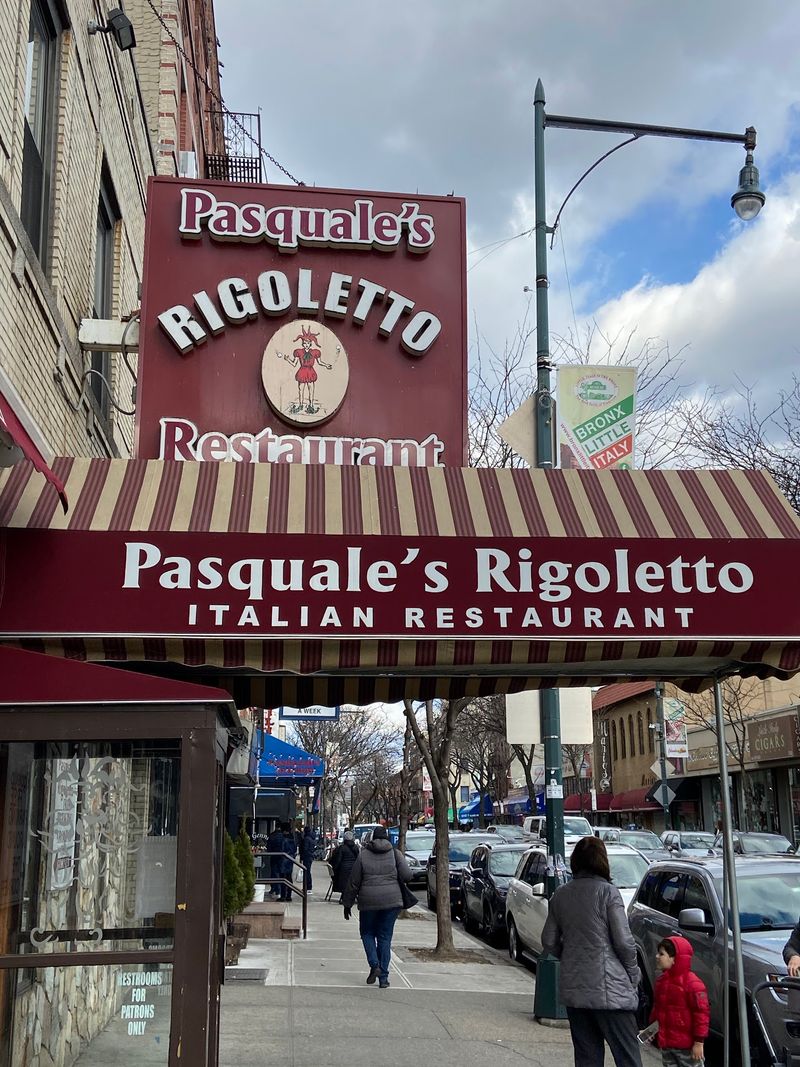
Some of the best places in New York hide behind plain brick walls. The Arthur Avenue Retail Market sits at 2344 Arthur Ave, Bronx, NY 10458, in the heart of the neighborhood many people call the Bronx Little Italy.
It is listed as a produce market, but that label only covers part of the picture. Inside, a roomy hall holds Italian specialties like cured meats, cheeses, breads, and pastries, plus a low-key cafe.
The street outside is part of the draw too. Arthur Avenue is lined on both sides with places to eat and shop, so the market works as a natural starting point for a longer stroll.
Many first-timers make this hall their very first stop in the area. That makes sense, since so much of the neighborhood is packed under one roof.
The building itself does not shout for attention. It simply opens its doors at 9 AM and gets to work, the same way it has for decades.
Think of it as the neighborhood pantry, only with a lot more personality. And that personality has a long backstory worth knowing.
A 1940 Opening Day That Still Matters
Back in 1940, nobody was calling anything a food hall. That year, the Arthur Avenue Retail Market opened to serve the mostly Italian neighborhood around it.
The goal was simple. Give local families one indoor spot to buy what they needed for the kitchen table.
More than eight decades later, it is still doing that job. The market belongs to a group of public food halls across New York City.
Its sister markets include Essex Market on the Lower East Side, La Marqueta in Harlem, the Moore Street Market in Brooklyn, and the Jamaica Farmers Market in Queens. Each one grew from the same idea of a covered marketplace for the community.
What sets this one apart is how closely it still matches its original purpose. It was built for an Italian neighborhood, and Italian goods still fill most of the stalls.
Plenty of people describe a trip here as a way to relive a century-long Italian tradition. The hall keeps that thread going without turning it into a museum piece.
So the next time a shiny new food hall opens downtown, remember who got there first. The Bronx had this figured out before it was cool.
The Old-School Look Inside
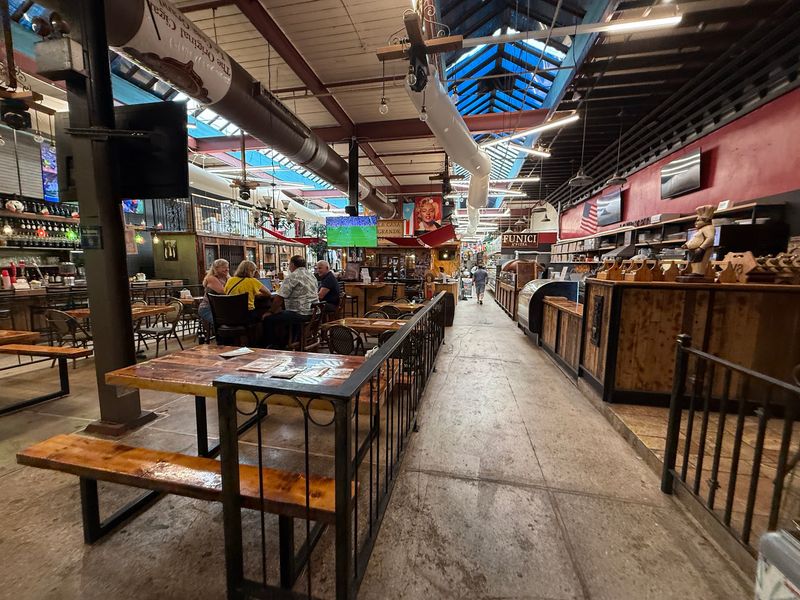
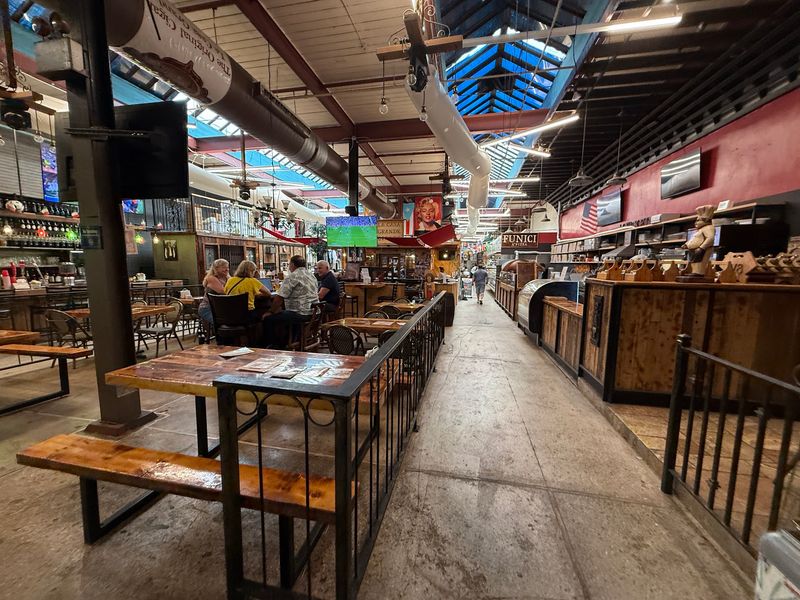
Nobody comes here for slick design. The interior has an old-school, slightly gritty character, and that is exactly the charm.
Small shops sit side by side under one roof. Each stall has its own owners, its own specialties, and its own way of doing things.
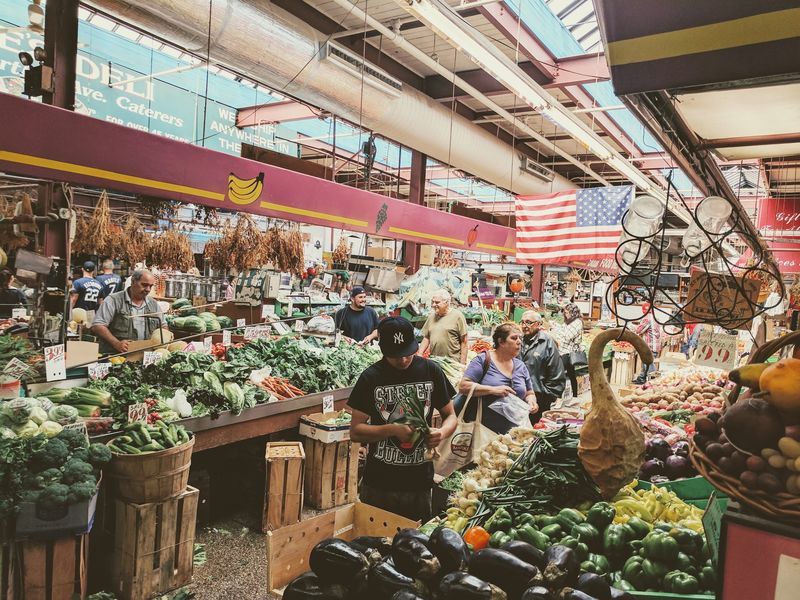
Fresh flowers appear around the hall. Barrels of olives and large containers of olive oil sit near hanging meats and stacks of bread.
Many people say it feels like a trip to old-world Italy. Others notice it is smaller than they expected, so set your expectations for a cozy hall instead of a giant warehouse.
That compact size has a perk. You can see most of the market in one easy loop, then go back to the stalls that caught your eye.
Family-run businesses give the space its steady, lived-in mood. Everything feels practical, built for regulars who shop here every week.
It is the kind of place that rewards a slow walk. Rush through and you will miss half of what makes it tick.
Cigars Rolled Right Before Your Eyes
Of all the surprises tucked inside, this one gets talked about the most. A small cigar shop in the market has workers rolling cigars by hand in full view.
It is a rare craft to see up close in New York. The process plays out right there, one cigar at a time.
Plenty of people stop to watch even if they never smoke. The traditional technique is interesting enough on its own.
The setup looks a bit like a miniature workshop running in the middle of a grocery hall. That mix of craft and commerce is a big part of why the market feels different from a regular store.
Hand-rolled cigars come up again and again when people describe the place. For many, it ranks as the most memorable stop of the whole trip.
Keep in mind that it is a working shop, not a staged show. Watch respectfully and give the rollers room to do their thing.
Few markets anywhere can claim this kind of side attraction. Here, it is just another Tuesday.
Delis, Butchers, and Pork Store Classics
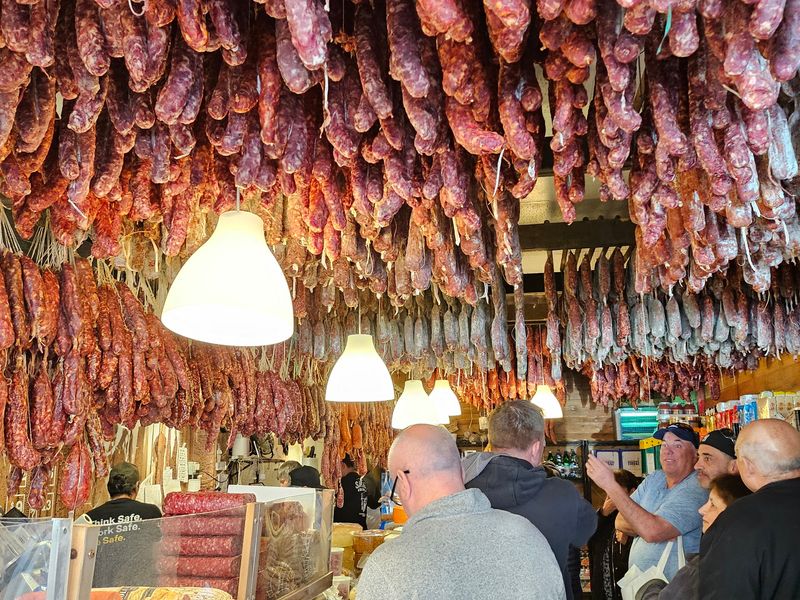
Meat lovers, this is your aisle. The market packs in delis, a butcher shop, and pork store counters loaded with cured meats.
Calabria Pork Store is known for its prosciutto. Peter’s earns strong praise for its sausage, which plenty of regulars call the real deal.
The butchers carry a wide range of specialties. Offerings can include offal and fresh rabbit, which you will not find at most chain grocers.
Mortadella shows up often in conversations about the place. So does the deep cheese selection, including fresh mozzarella made daily.
Pasta lovers are covered too. Fresh pasta sits alongside imported dry goods and Italian specialties.
A cooler bag is a smart idea if you plan to shop seriously. It is easy to leave with more than you planned.
The counters here are built for people who cook. Bring a list, then expect it to grow.
Mike’s Deli and the Sandwich Question
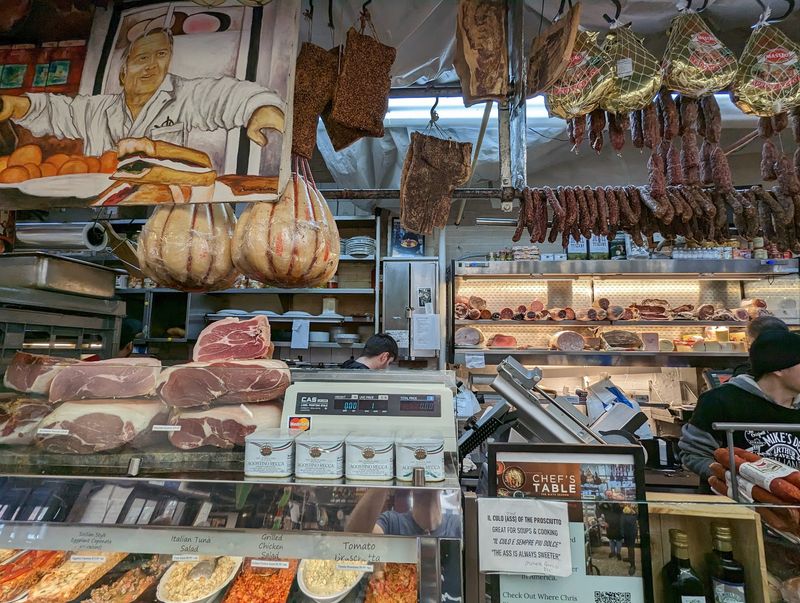
Hungry? Head toward the back.
Mike’s Deli sits in the rear on the right when you come in from Arthur Avenue.
It is a favorite for many regulars. The sandwiches are famously large, so arrive with an appetite.
You can order off the menu or grab something pre-made. The ready-to-go options help when time is short.
A mortadella and broccoli raab combo is one example of what people order here. Fried artichokes also get warm mentions.
The deli also serves cooked Italian food. That makes it a solid choice for a full lunch, not just a quick bite.
Seating is limited. There are a few tables near the back, and it is not always clear who can sit where, so be ready to eat on the go if needed.
A big sandwich and a walk down Arthur Avenue is not a bad plan anyway. Sometimes the best lunch has no table at all.
Produce Stands With Neighborhood Roots
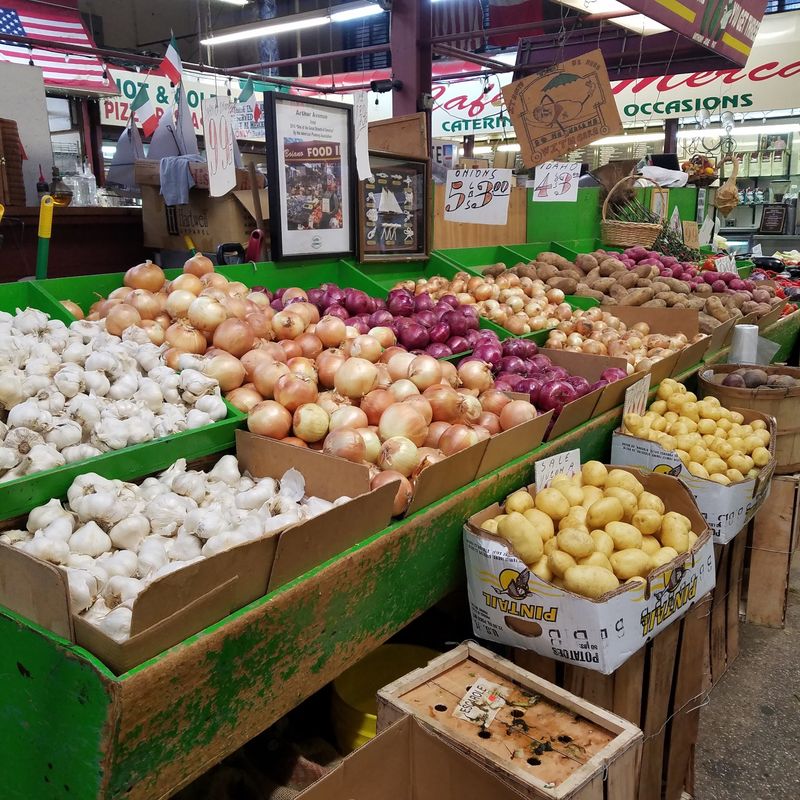
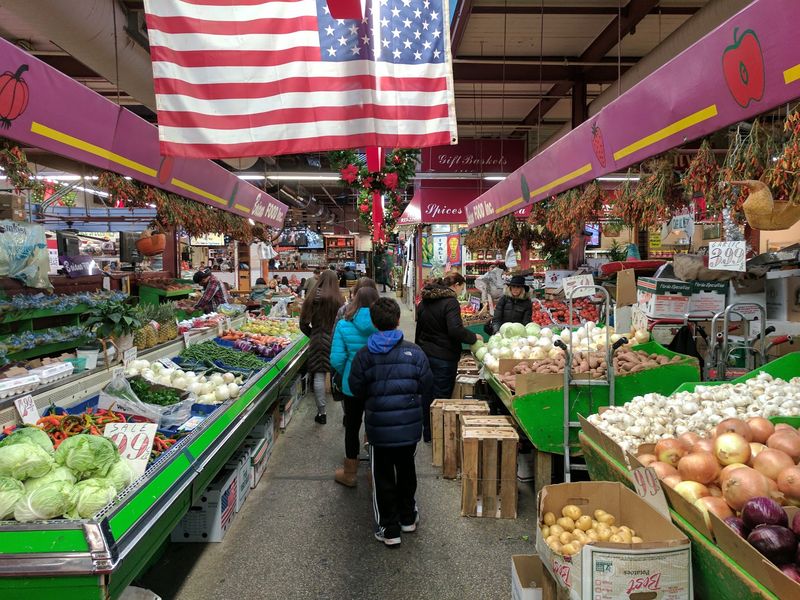
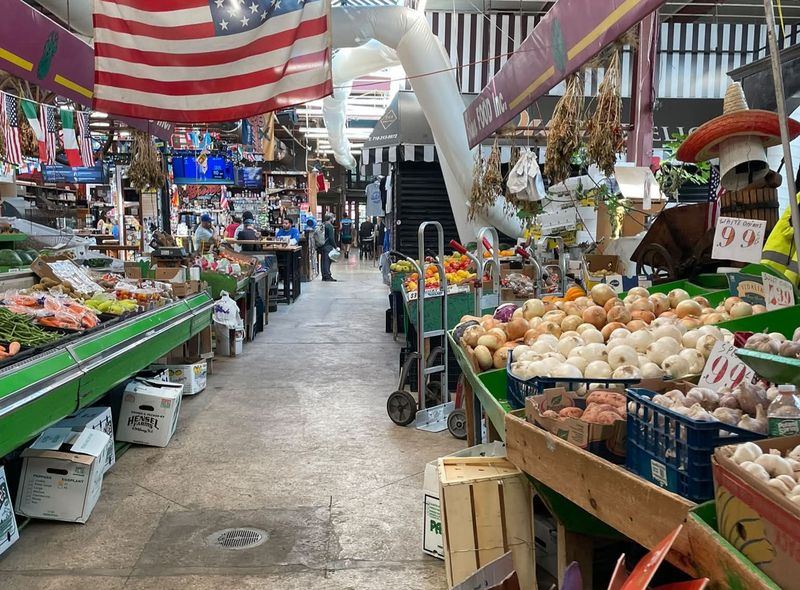
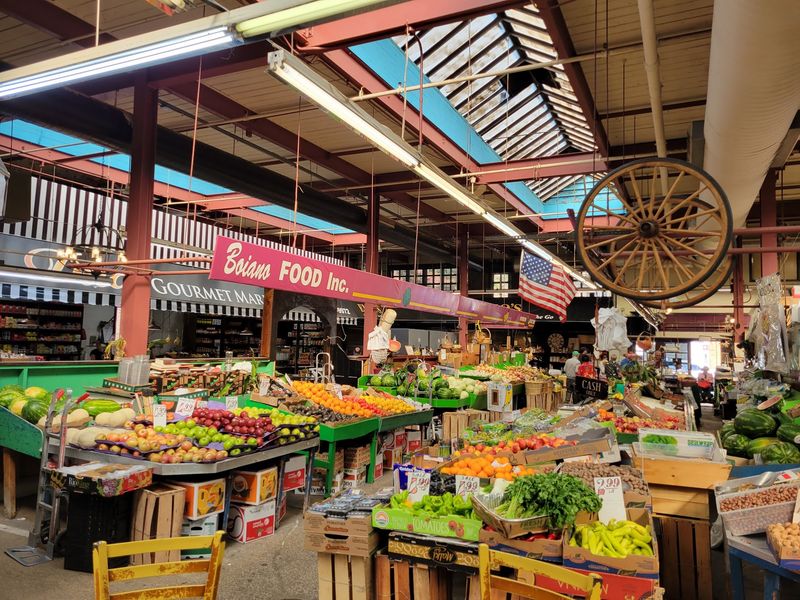
Officially, Google files this hall under produce market. That is no accident, since fresh fruit and vegetables remain a core part of the business.
The produce stands sit alongside the meat and cheese counters. Locals can pick up vegetables and deli items in one trip.
Olives get special attention here. They come in big barrels, ready to scoop.
Many travelers wish they had more time in town just to shop the produce. It is the kind of selection that makes a hotel room feel like a missed opportunity.
For neighbors, though, it is everyday grocery shopping. That daily use keeps the market grounded and real.
Go earlier in the day for the widest choice. With a 9 AM opening, morning shoppers get first pick.
Not every great find comes wrapped in prosciutto. Sometimes it is a simple crate of greens.
Bakery Treats and Pizza Breaks
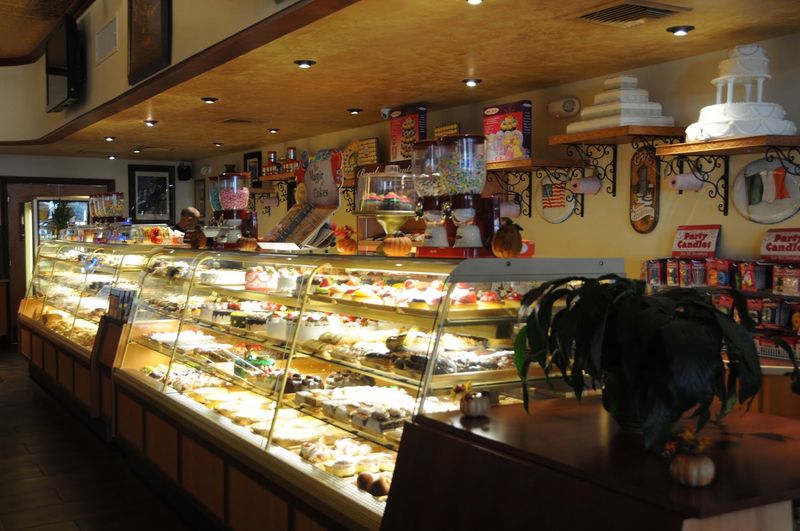
Save room for dessert. The market sells breads and pastries, and cannoli are a highlight.
De Lillo Bakery is one place people point to for cannoli. Many say the pastries taste handmade rather than mass-produced.
Pizza is another quick favorite. It is made fresh and works well as a snack while you keep browsing.
Ice cream is also part of the lineup. That gives younger shoppers something to look forward to.
The bakery side pairs well with the coffee counter. Plenty of people grab a pastry and take a short break before continuing their loop.
Holiday seasons bring extra energy. The market is a popular stop for picking up Italian goods for family gatherings.
A sweet ending is basically required here. Consider it part of the tour.
Coffee Counter and a Place to Pause
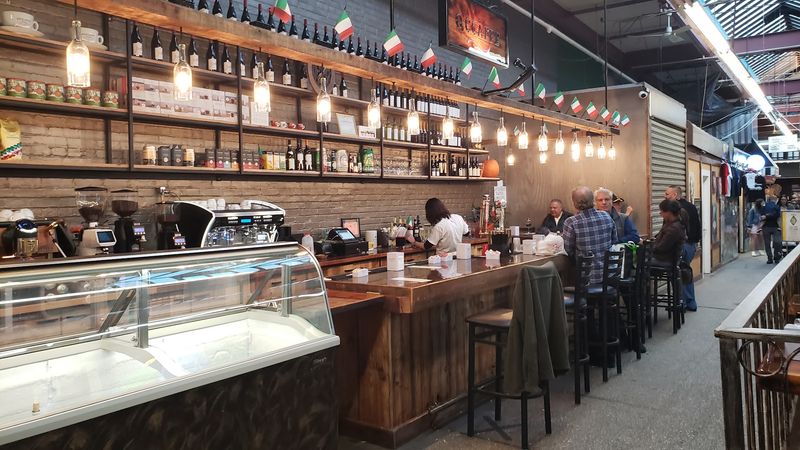
Shopping is hard work, so a cafe is a welcome sight. The market includes a low-key cafe and coffee spot inside.
A cappuccino here makes for an easy pause between stalls. It is casual, not fussy.
The back area also has a few restaurant-style spots. Some serve sit-down Italian meals cooked on site.
That mix lets the hall work for different moods. You can grab and go, or slow down and stay a while.
Many people say you could spend a few hours here without trying. Breaks at the cafe help stretch the visit.
Seating is not huge, so timing matters. A weekday visit may give you better odds of a table.
The cafe is where the market stops being a store and starts being a hangout. Stay long enough and it starts to feel like your neighborhood too.
Hours, Transit, and the Parking Puzzle
Plan ahead, because Sunday is a no-go. The market is open Monday through Saturday from 9 AM to 5 PM and closed on Sundays.
That schedule favors daytime visits. Arriving late in the afternoon leaves little time to explore.
Getting there by car is possible, but parking is a known headache. Street spots fill fast, and meters can cut a visit short.
Public transit is a good alternative. The BxM4 bus runs from Manhattan and is a popular choice for the trip.
Bring a bag for groceries, especially if you are taking transit home. Cured meats and cheeses travel better with a little planning.
Service at the counters can vary from stall to stall. A polite approach, like asking before tasting anything, goes a long way.
A little prep turns a good outing into a smooth one. Your future self, carrying three bags of groceries, will thank you.
Why the Original Still Wins
Trends come and go, but this hall never needed one. With a 4.7-star standing across more than a thousand opinions, it clearly keeps people coming back.
Its appeal is easy to explain. Family-run shops, Italian specialties, hand-rolled cigars, and a real neighborhood purpose all live under one roof.
It suits home cooks stocking up for the week. It also works for day-trippers who want a taste of the Bronx Little Italy in one stop.
Those hoping for a massive modern food hall may find it smaller than expected. Those looking for character will feel right at home.
Pair it with a walk along Arthur Avenue for the full experience. The street and the market belong together.
Since 1940, this place has fed its community without chasing attention. That steady approach is exactly why it still matters.
Food halls may be trendy now. This one was simply early, and it is still open for business.
Enjoyed this story?
Add Fast Food Club as a preferred source to see more of our reporting on Google.