


Some foods seem to last forever, and that’s actually a really good thing. Whether you’re building an emergency pantry, prepping for a camping trip, or just trying to waste less food, knowing which items have a long shelf life can save you money and stress.
From ancient staples like honey to modern freeze-dried meals, these foods are built to last. Stock up wisely and you’ll always have something reliable on hand.
White Rice
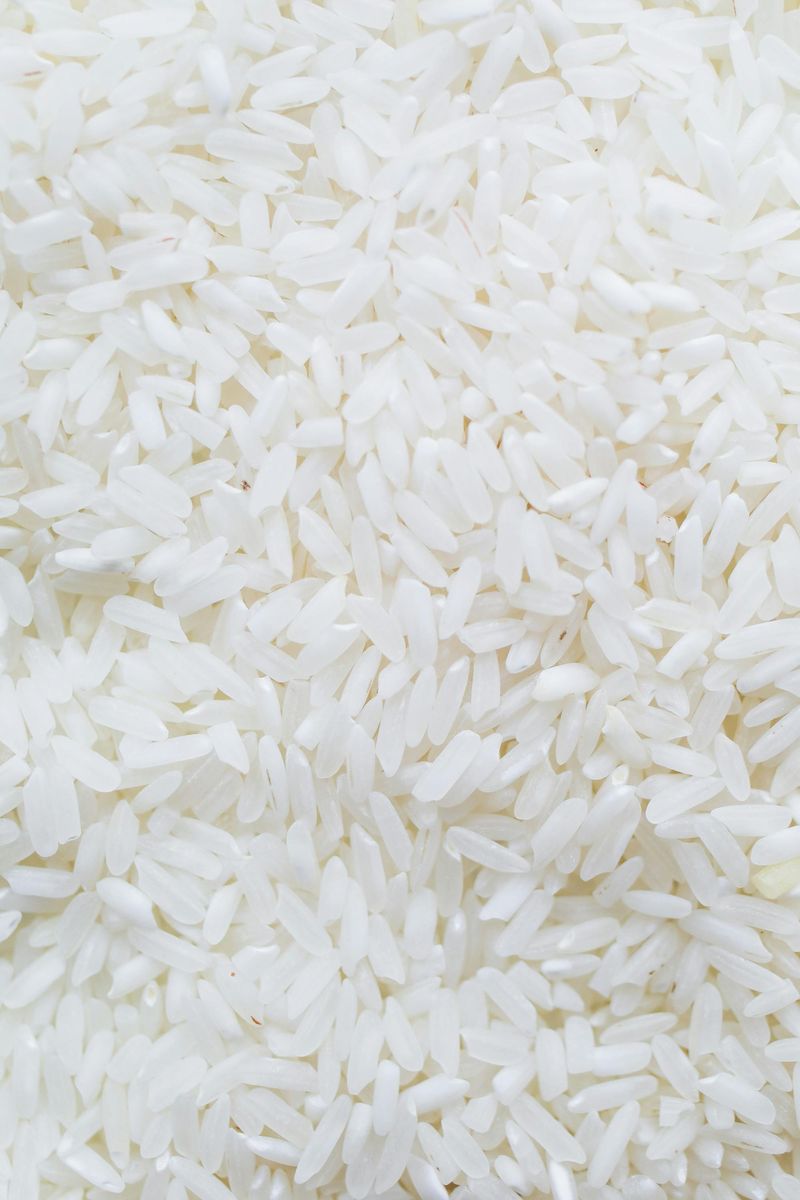
White rice is one of the most reliable staples you can store. Unlike brown rice, which contains oils that go rancid, white rice has had those oils removed, giving it a dramatically longer shelf life.
Stored in a sealed, airtight container away from heat and moisture, white rice can stay fresh for up to 25 to 30 years. It’s affordable, filling, and incredibly versatile in the kitchen.
Pair it with canned beans or vegetables and you have a complete, satisfying meal ready to go.
Dried Beans
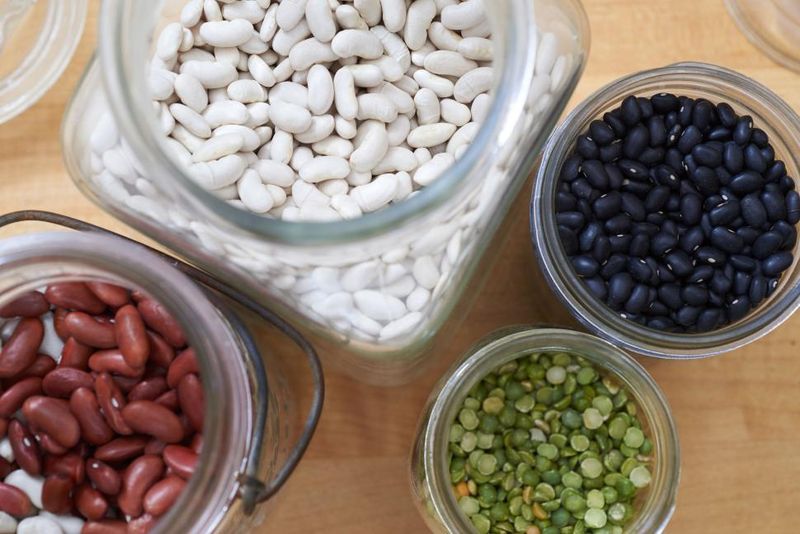
Dried beans have fed civilizations for thousands of years, and there’s a good reason they’ve stuck around. Stored properly in airtight containers, they can last anywhere from 8 to 10 years or even longer without spoiling.
They’re packed with protein and fiber, making them one of the most nutritious long-term food options available. One thing to keep in mind: older beans may take longer to cook and soften.
Soaking them overnight before cooking helps a lot and makes the whole process much easier.
Lentils
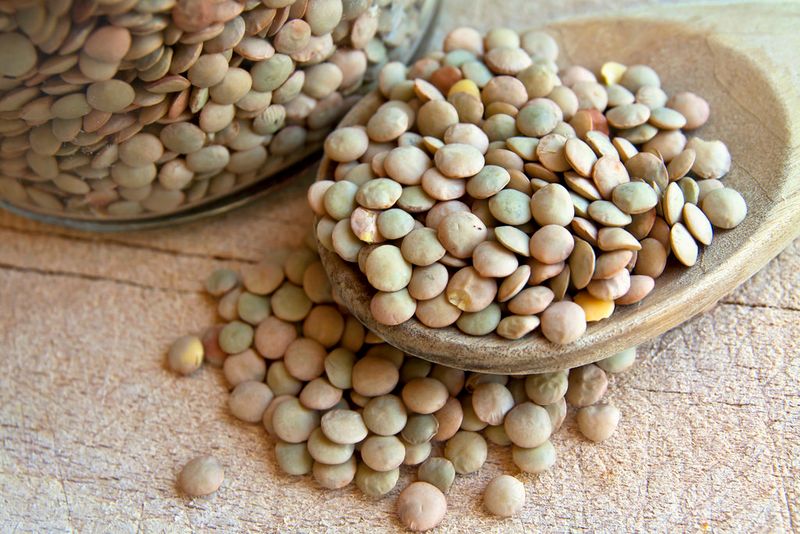
Lentils might be small, but they’re mighty when it comes to nutrition and shelf life. Rich in protein, iron, and fiber, they’re a powerhouse ingredient that can last up to 10 years when stored in a cool, dry, airtight container.
Unlike dried beans, lentils don’t require soaking before cooking, which makes them a quick and easy go-to meal option. They work wonderfully in soups, stews, and even salads.
For emergency food storage, lentils are one of the smartest choices you can make.
Pasta
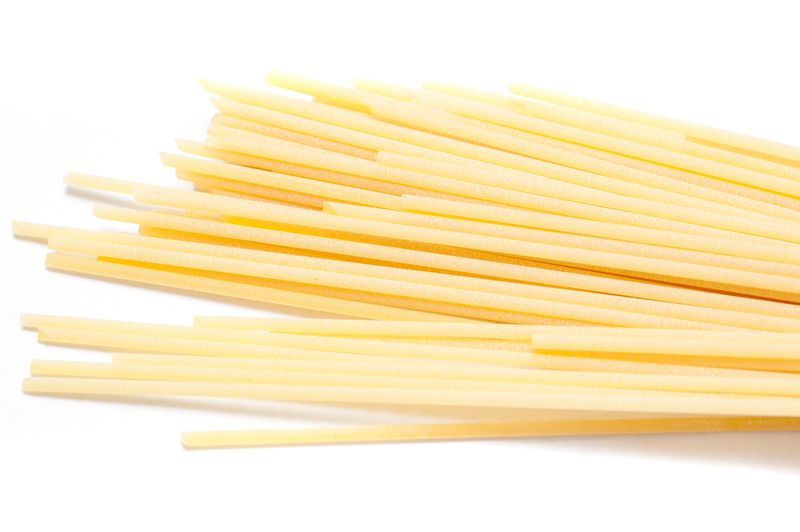
Dry pasta is practically a pantry superhero. Made from durum wheat and water, it contains almost no moisture, which means bacteria and mold have a very hard time growing on it.
Unopened pasta stored in a cool, dry place can last up to two years past its printed date, and some sources suggest even longer when vacuum sealed. It cooks up quickly, tastes great with just about any sauce, and is incredibly affordable.
Few foods offer this much convenience with such a long shelf life.
Oats
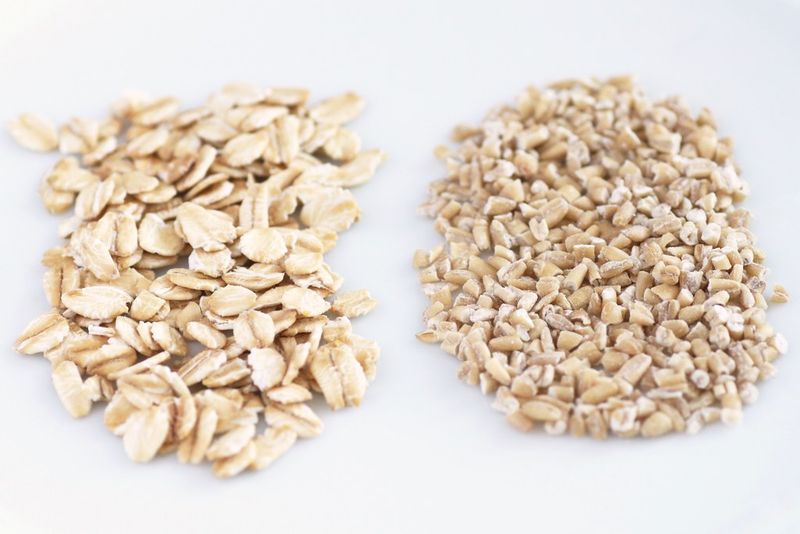
Warm, filling, and wonderfully simple, oats have been a breakfast staple for centuries. Rolled oats stored in an airtight container can last up to two years, while steel-cut oats may last even longer due to their minimal processing.
For truly long-term storage, vacuum-sealed oats can stay good for up to 30 years. They’re rich in fiber and complex carbohydrates, giving you lasting energy throughout the day.
Whether you’re making overnight oats or a hot bowl of porridge, this grain always delivers comfort.
Powdered Milk
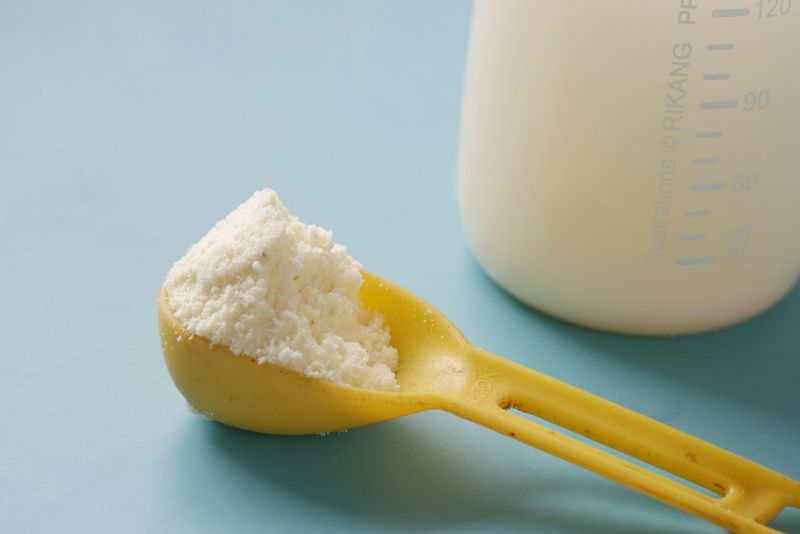
Fresh milk spoils in days, but powdered milk is a completely different story. When sealed properly and stored in a cool, dry environment, non-fat dry milk can last up to 25 years.
That’s the kind of shelf life that makes it a staple in emergency food kits worldwide.
It’s a great source of calcium and protein, and it can be used in baking, cooking, or simply mixed with water for drinking. Whole powdered milk has a shorter shelf life than non-fat versions due to its fat content, so choose wisely based on your storage goals.
Canned Vegetables
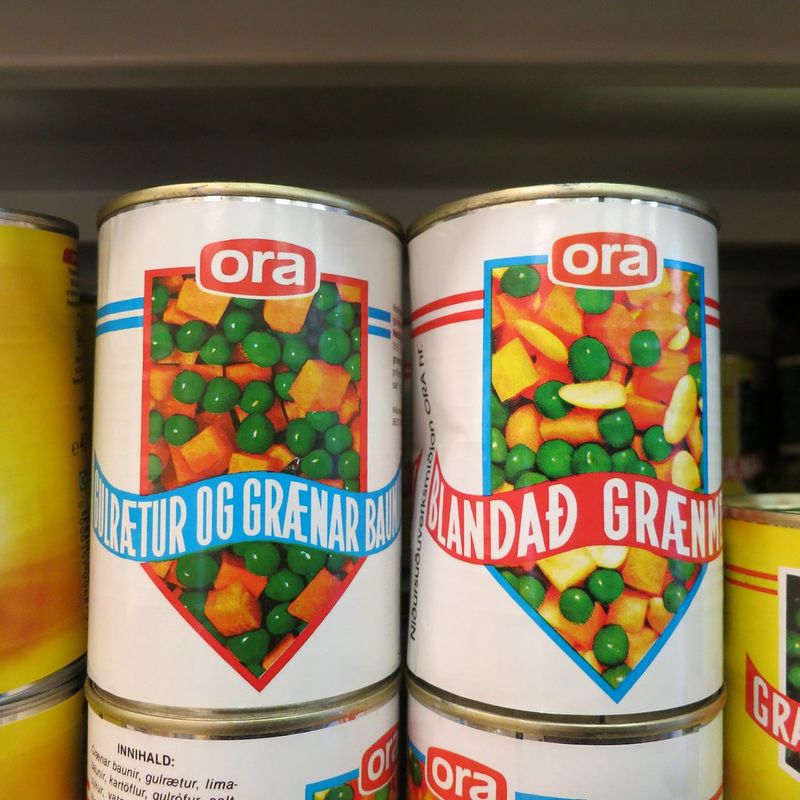
Canned vegetables are one of the easiest ways to keep nutritious food on hand for years. The canning process removes oxygen and seals in nutrients, allowing most canned vegetables to stay safe and edible for two to five years or more.
High-acid vegetables like tomatoes tend to have a slightly shorter shelf life than low-acid ones like corn or green beans. Always check for bulging lids, rust, or foul smells before eating.
Rotating your stock regularly ensures you’re always using the oldest cans first and never wasting a thing.
Canned Meats
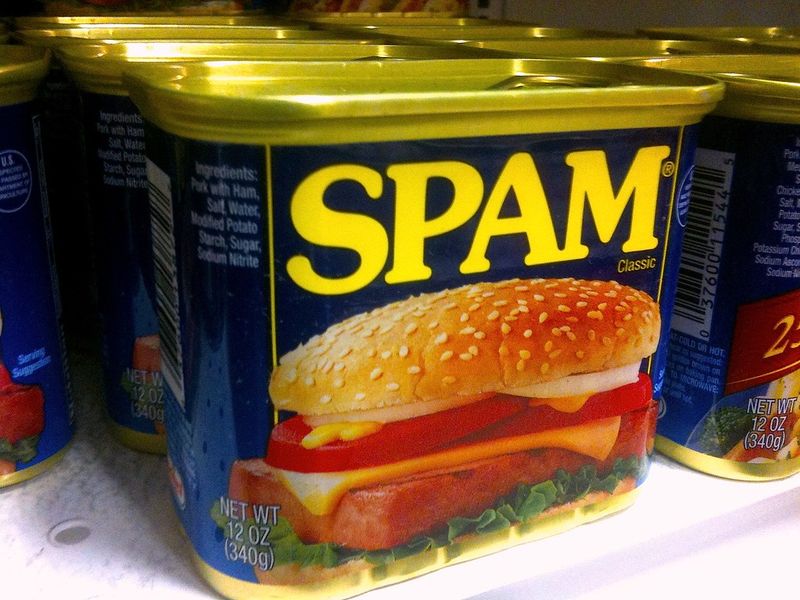
Canned meats might not sound glamorous, but when it comes to long-term protein storage, they’re hard to beat. Products like canned chicken, beef stew, and SPAM can stay safe to eat for two to five years when stored in a cool, stable environment.
Some military-grade canned meats have reportedly remained edible for decades. They’re fully cooked inside the can, so they’re ready to eat straight away in a pinch.
For anyone building a serious emergency food supply, canned meats are a practical and filling choice worth keeping stocked.
Canned Fish
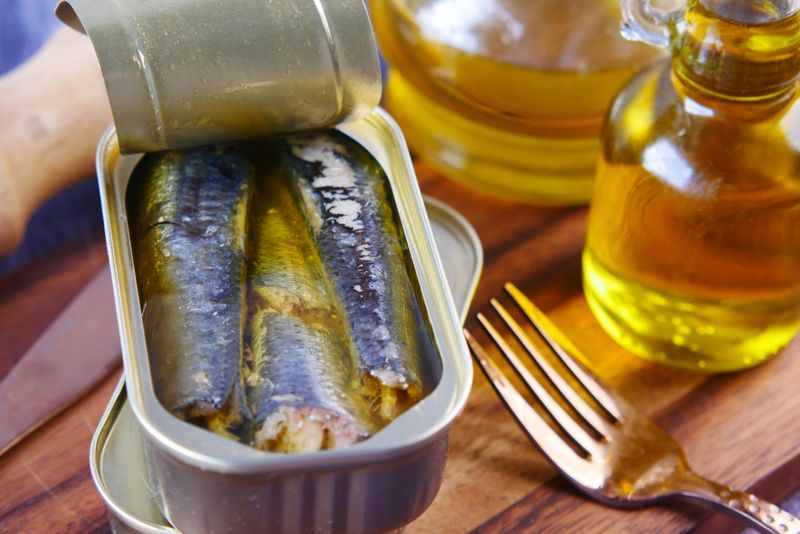
Canned tuna, sardines, and salmon are pantry gold. Loaded with omega-3 fatty acids and protein, they’re as nutritious as they are long-lasting.
Most canned fish stays safe and flavorful for three to five years, and some varieties remain edible well beyond that.
Sardines packed in olive oil are especially popular for their rich taste and added healthy fats. They make quick meals on crackers, in salads, or stirred into pasta.
Keeping a few cans on hand means you always have a fast, protein-rich meal option available without any cooking required.
Honey
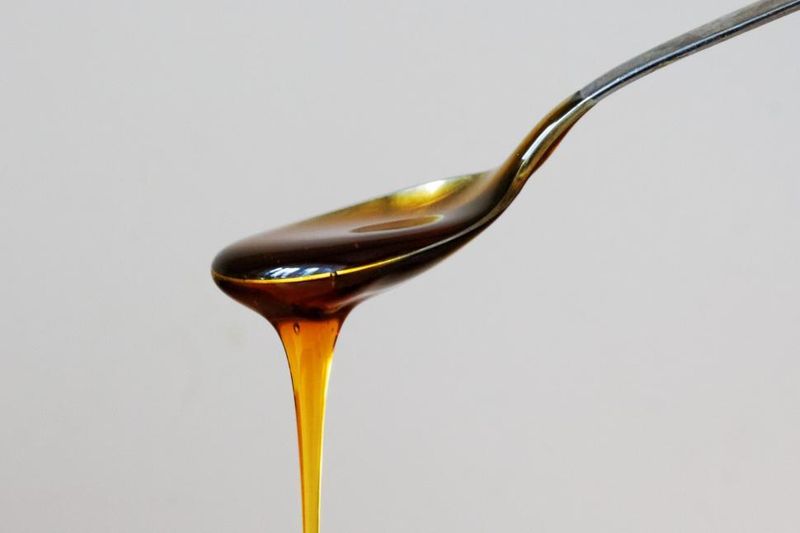
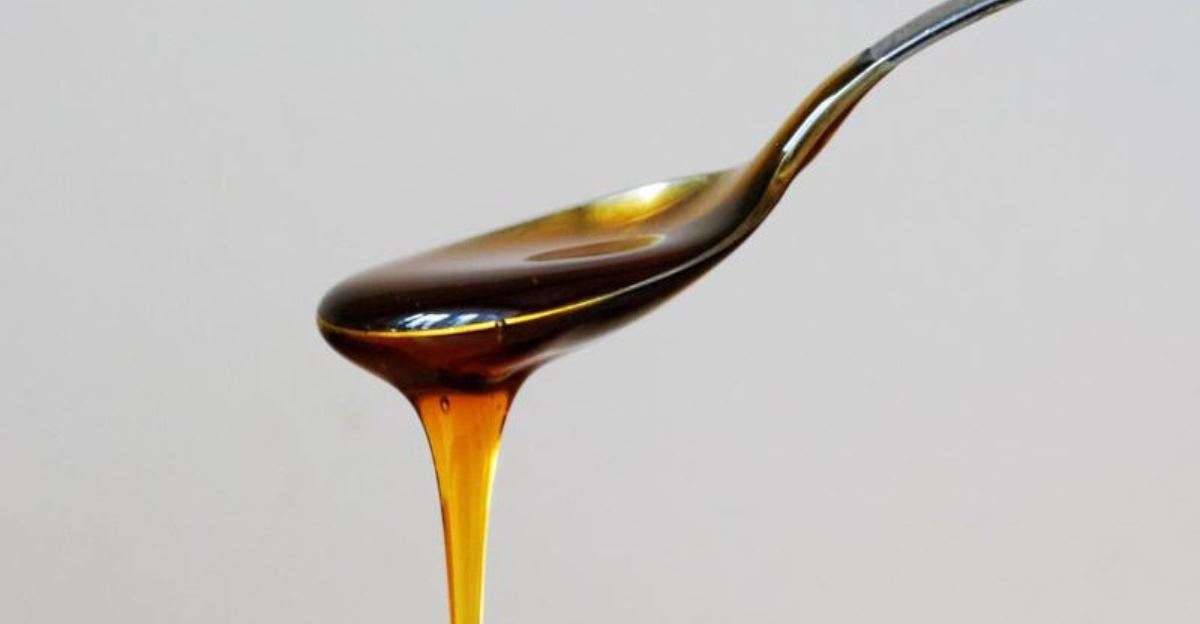
Archaeologists once found honey in Egyptian tombs that was over 3,000 years old and still perfectly edible. That’s not a typo.
Honey’s natural chemistry makes it nearly impossible for bacteria to survive inside it.
Its low moisture content and acidic pH create a hostile environment for microbes. As long as you keep it sealed and away from moisture, honey stored at room temperature can last indefinitely.
It may crystallize over time, but warming it gently brings it right back to its smooth, golden self.
Peanut Butter
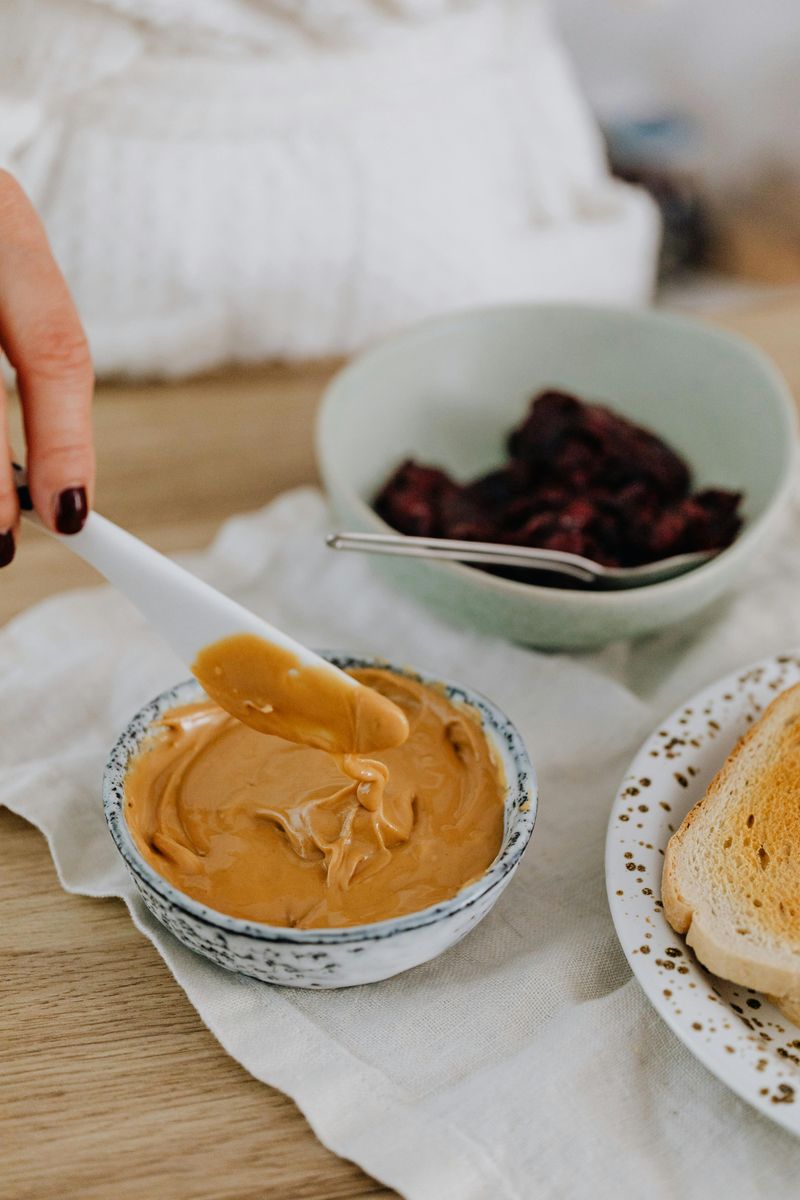
Few things hit the spot like a spoonful of peanut butter, and the good news is it sticks around for a long time. Commercially processed peanut butter can last one to two years unopened, thanks to its low moisture content and added stabilizers.
Natural peanut butter has a shorter shelf life because it lacks preservatives, so it should be refrigerated after opening. Peanut butter is packed with healthy fats, protein, and calories, making it a go-to energy source during emergencies or outdoor adventures when quick, hearty fuel is a must.
Sugar
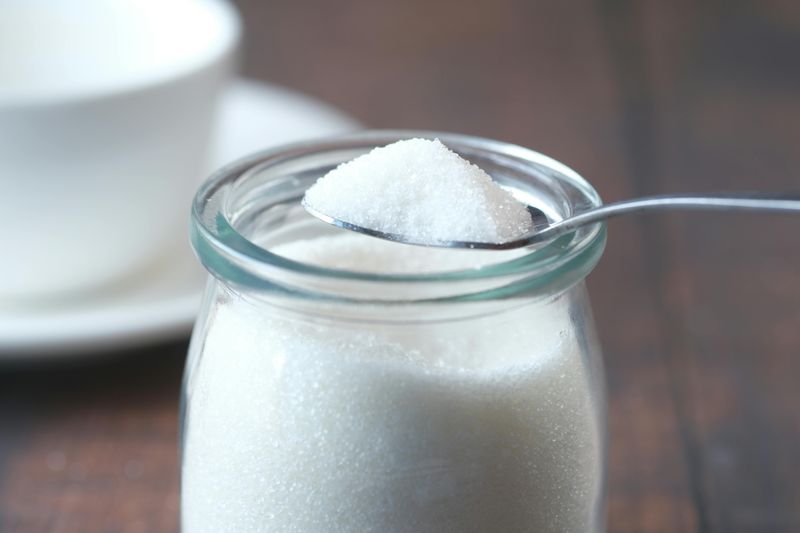
Sugar is one of those rare foods that, when stored correctly, essentially never expires. Its ability to absorb moisture actually helps preserve other foods, which is why it’s been used in food preservation for centuries.
White granulated sugar stored in an airtight container away from moisture can last indefinitely. Brown sugar and powdered sugar behave similarly but can harden over time.
A few marshmallows tossed into your brown sugar container will keep it soft and pliable. Sugar’s long shelf life makes it an essential item in any well-stocked pantry.
Salt
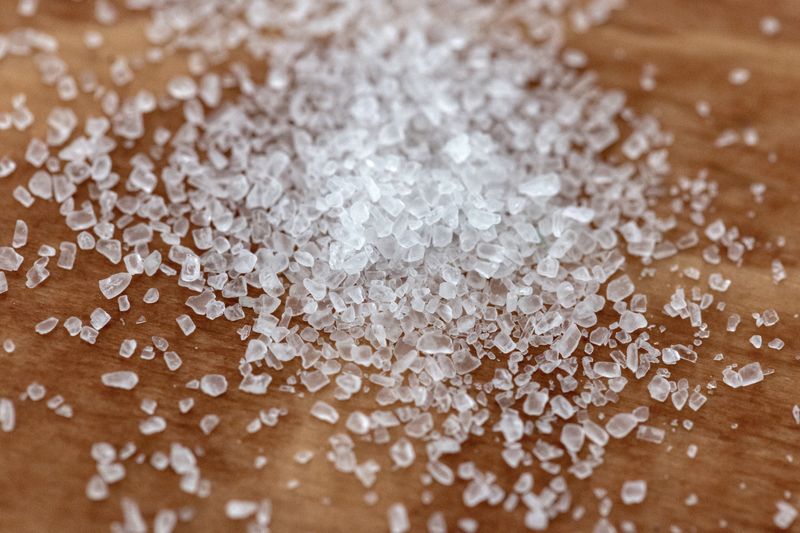
Salt is one of humanity’s oldest and most trusted food preservatives. Ancient civilizations used it to cure meat and fish long before refrigeration existed, and for good reason.
Salt doesn’t spoil. Ever.
Pure table salt, sea salt, and kosher salt can all last indefinitely when kept dry and sealed. Iodized salt may lose some of its iodine content over time, but it remains safe to eat.
Beyond seasoning, salt is essential for curing, pickling, and fermenting, making it one of the most multi-purpose long-lasting foods you can store.
Cornstarch
Cornstarch is one of those quiet, unsung heroes of the kitchen that lasts practically forever. When stored in a cool, dry place inside an airtight container, cornstarch remains effective and safe to use indefinitely.
It doesn’t harbor bacteria because it contains almost no moisture, and its chemical structure stays stable over time. Used as a thickening agent for gravies, soups, sauces, and even desserts, it’s a kitchen essential you don’t want to run out of.
Stocking extra cornstarch costs very little and takes up almost no space.
Soy Sauce
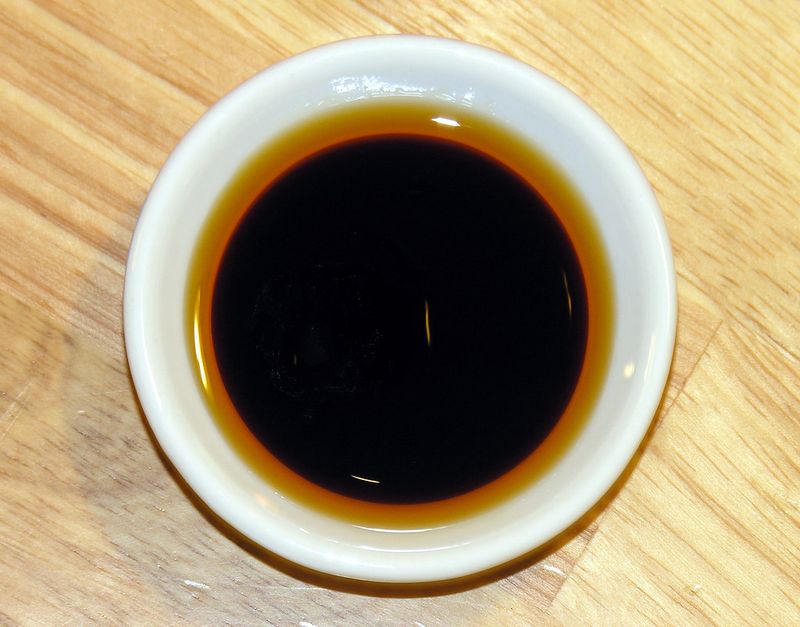
Soy sauce has been a culinary staple in Asian cooking for over 2,500 years, and part of its staying power is its remarkable shelf life. The high salt content acts as a natural preservative, preventing bacterial growth even after the bottle is opened.
An unopened bottle of soy sauce can last almost indefinitely. Once opened, it stays good for about three years at room temperature and even longer when refrigerated.
Its deep, savory umami flavor enhances everything from stir-fries to marinades, making it a pantry must-have that truly earns its shelf space.
Vinegar
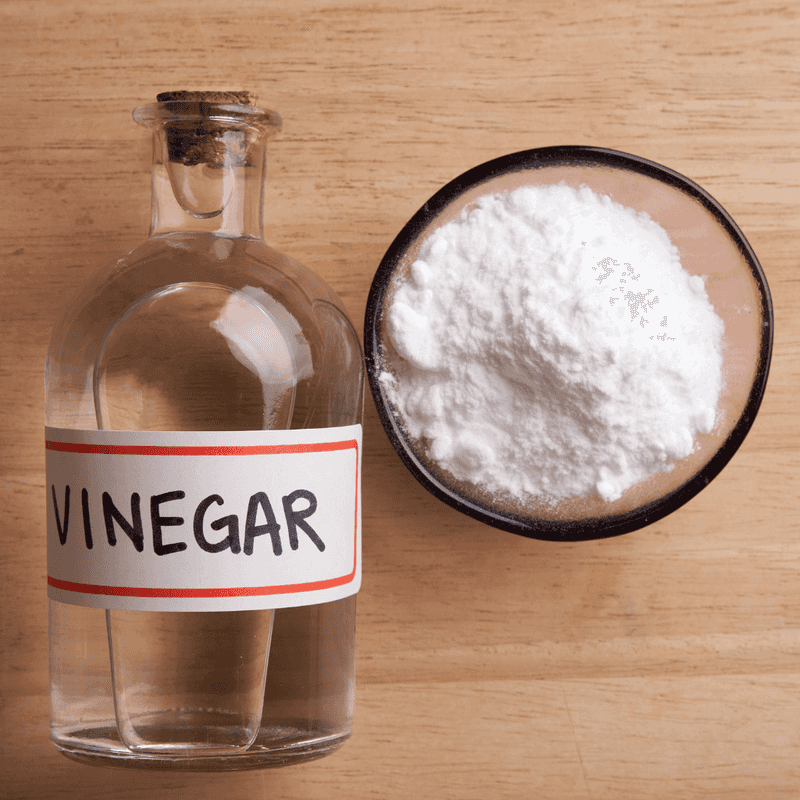
Vinegar is essentially self-preserving. Because of its high acidity, it creates an environment where harmful microorganisms simply cannot survive.
This is the same reason vinegar is used to pickle and preserve other foods.
White distilled vinegar has an indefinite shelf life when stored in a sealed bottle away from direct sunlight. Apple cider vinegar and balsamic vinegar may develop some sediment over time, but they remain safe and flavorful.
Vinegar is endlessly useful in cooking, cleaning, and food preservation, making it one of the most versatile items in your long-term pantry.
Hardtack
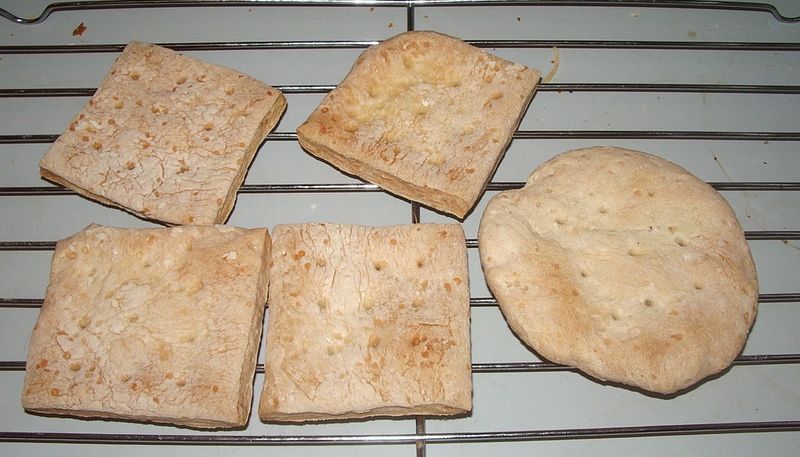
Hardtack is basically the original survival food. This dense, dry cracker made from flour, water, and salt has been feeding sailors, soldiers, and explorers for hundreds of years.
Civil War soldiers called it “tooth dullers” for good reason.
When kept dry and free from moisture and pests, hardtack can last for decades. Some historical accounts suggest pieces have been found and eaten after 150 years.
While it won’t win any culinary awards, it provides reliable carbohydrates in emergencies and can be softened by soaking in water or soup before eating.
Dehydrated Fruits
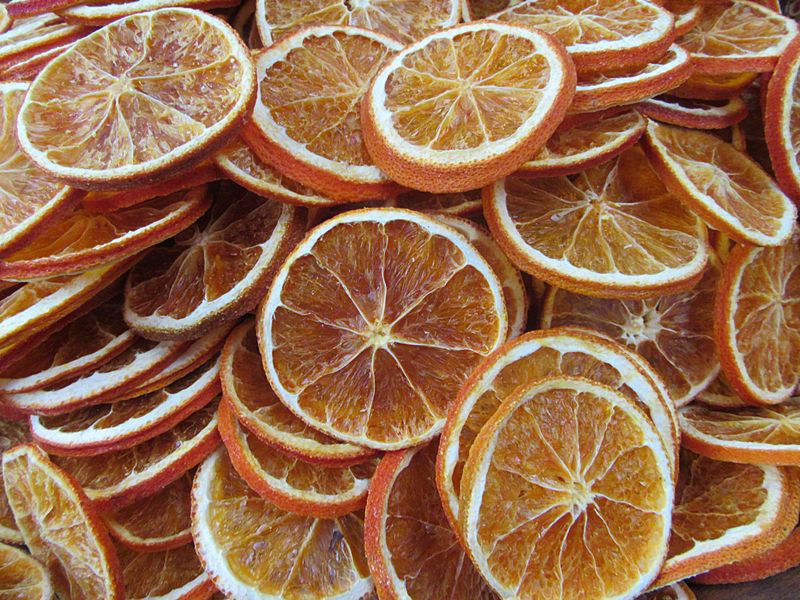
Removing moisture from fruit is one of the oldest food preservation techniques known to humans. Dehydrated fruits like raisins, dried apricots, dried mango, and apple rings can last one to five years when stored in airtight containers away from heat and light.
For even longer storage, vacuum sealing or using oxygen absorbers can extend their freshness significantly. They pack a concentrated punch of natural sugars and nutrients, making them excellent trail snacks or recipe additions.
Homemade dehydrated fruits are surprisingly easy to make with a food dehydrator or even a low-temperature oven.
Freeze-dried Meals
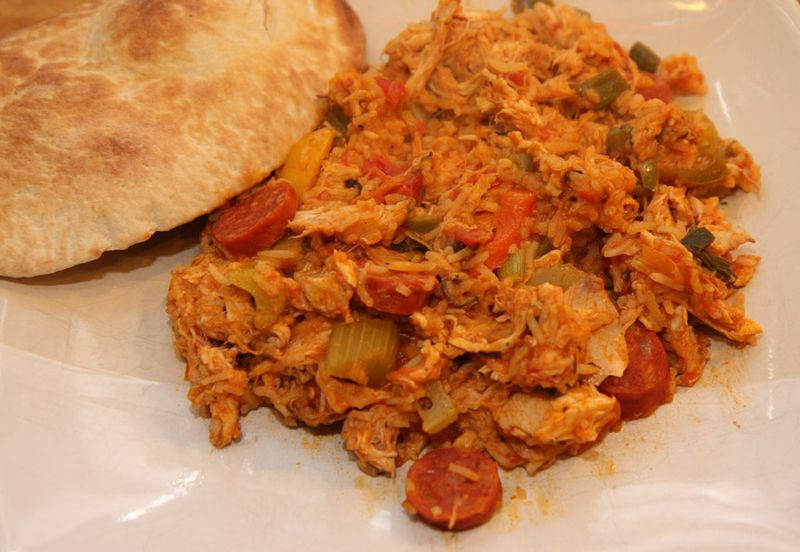
Freeze-drying is one of the most advanced food preservation methods available, and it produces some truly impressive results. By removing up to 98% of a food’s moisture while keeping its structure and nutrients intact, freeze-drying allows meals to last 25 to 30 years when stored properly.
These meals are popular with hikers, campers, and emergency preppers because they’re incredibly lightweight and only require hot water to rehydrate. Options range from scrambled eggs to beef stew.
The taste and texture are often surprisingly close to freshly cooked food, which makes them a top-tier long-term storage choice.
Instant Coffee
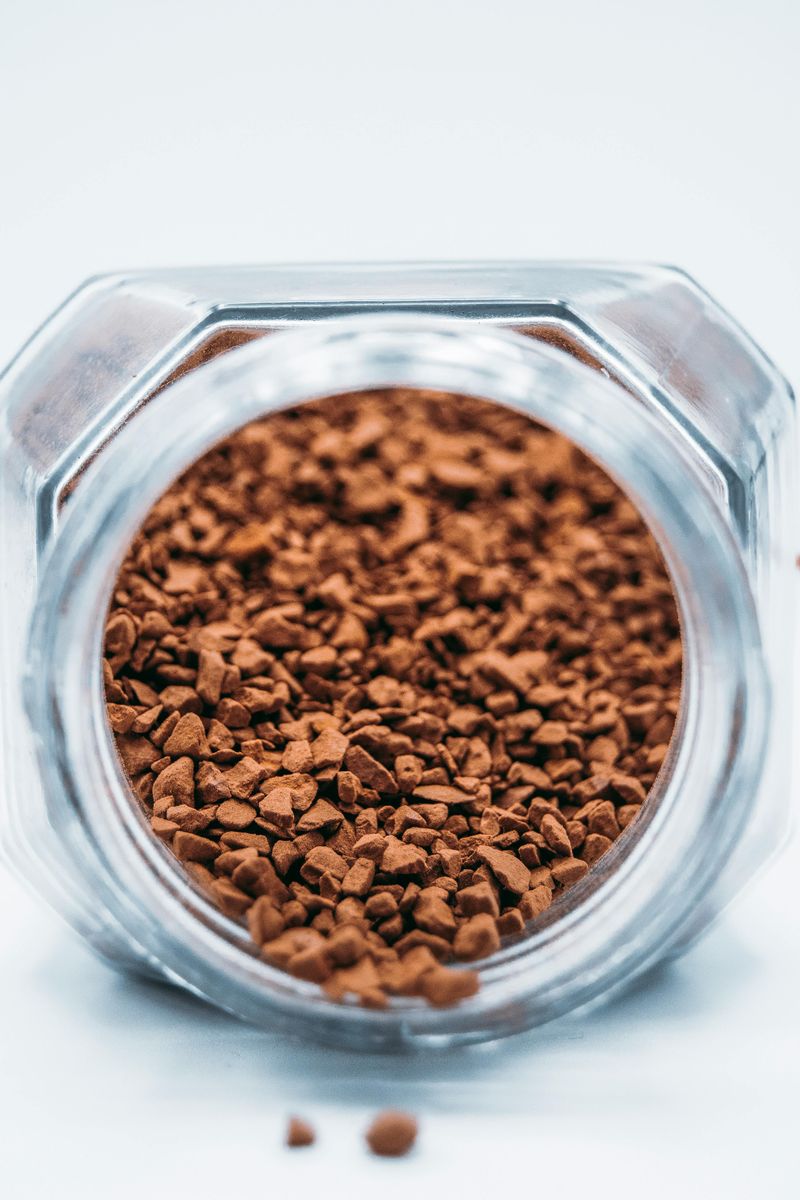
For coffee lovers, the idea of running out during an emergency is genuinely distressing. Luckily, instant coffee has a long shelf life that can ease that worry.
An unopened jar of instant coffee can last up to 20 years when stored in a cool, dark, and dry location.
Once opened, it stays good for one to two years if kept tightly sealed. While coffee connoisseurs might prefer freshly ground beans, instant coffee’s convenience, compact size, and long-lasting nature make it a smart addition to any emergency pantry or camping supply kit.
Tea Leaves
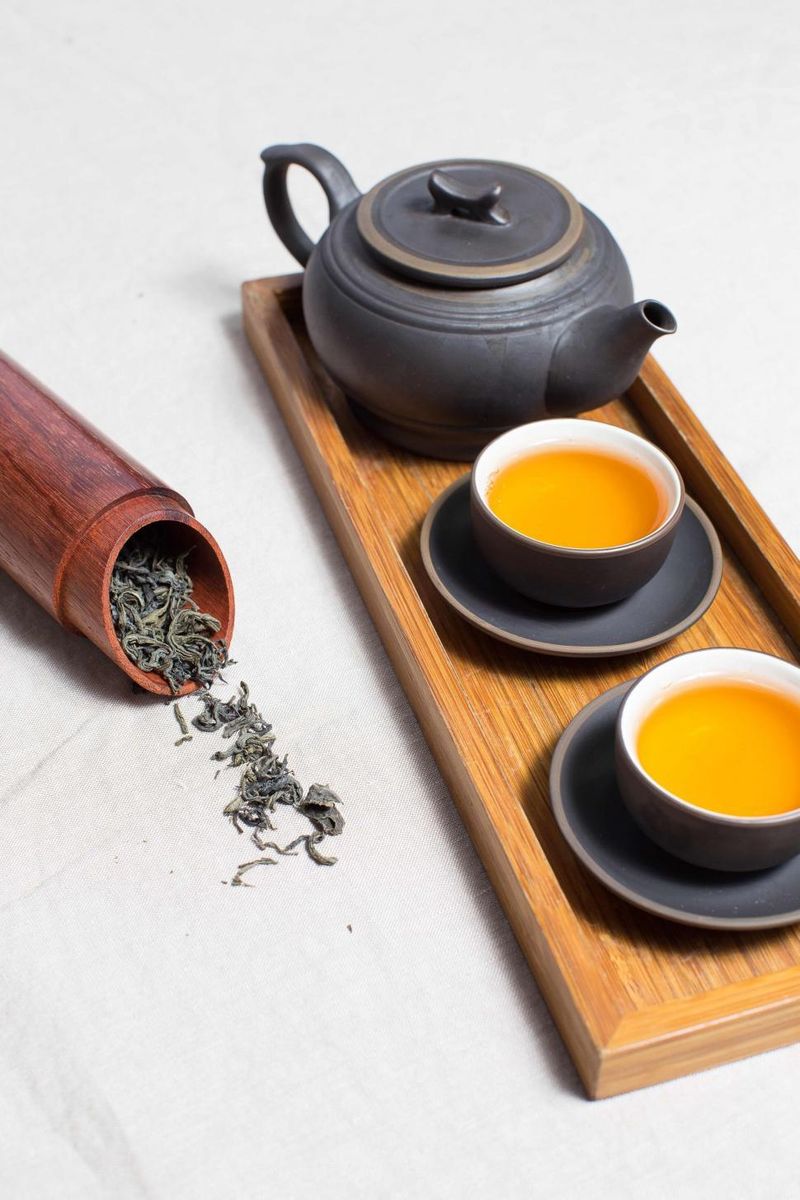
A perfectly brewed cup of tea is one of life’s simple pleasures, and the good news is dried tea leaves are built to last. Properly stored loose-leaf tea or tea bags can retain their quality for one to three years, and some teas like pu-erh actually improve with age.
Keep tea in airtight, opaque containers away from strong odors, heat, and moisture for best results. Tea not only provides a calming ritual during stressful times but also delivers antioxidants and a gentle caffeine boost.
It’s a lightweight, comforting pantry staple worth stocking in generous quantities.
Bouillon Cubes
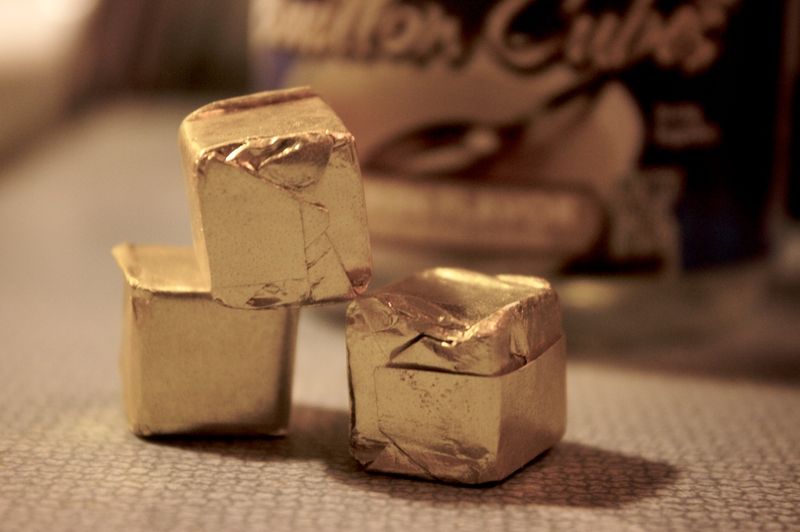
Bouillon cubes are tiny flavor bombs that punch way above their weight. These compact, salt-heavy cubes of concentrated stock can transform plain rice, pasta, or boiled vegetables into something that actually tastes like a real meal.
When stored in a cool, dry place, bouillon cubes can last up to two years or longer past their best-by date. Their foil wrapping helps protect them from moisture and air.
They’re incredibly affordable, take up almost no storage space, and add depth and savory richness to virtually any dish, making them a no-brainer pantry addition.
Shelf-stable Cheese
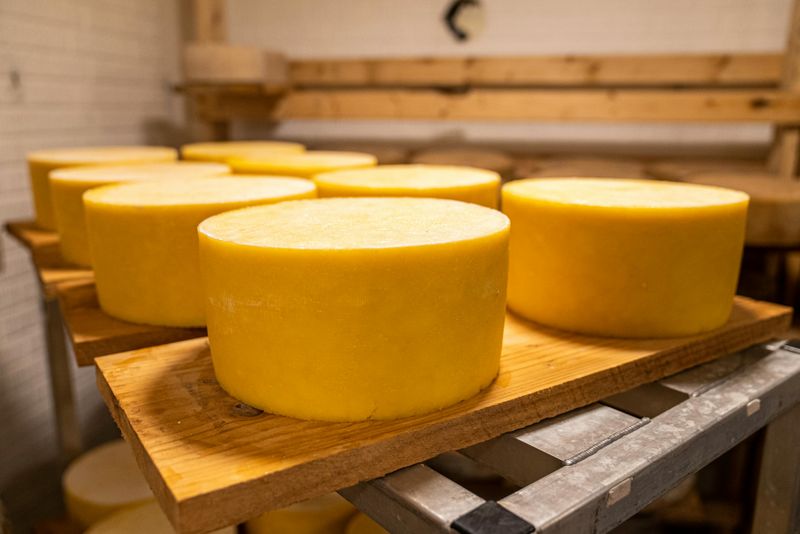
Cheese and long shelf life don’t usually go together in the same sentence, but shelf-stable varieties are a real thing. Wax-coated hard cheeses like parmesan, gouda, and cheddar can last up to 25 years when properly sealed and stored in a cool environment.
The wax coating acts as a protective barrier against air and moisture, which are the main culprits of spoilage. Commercially produced shelf-stable cheese spreads and canned cheeses are also available with multi-year shelf lives.
For anyone who can’t imagine emergency food prep without cheese, these options are genuinely exciting to discover.
Dried Herbs
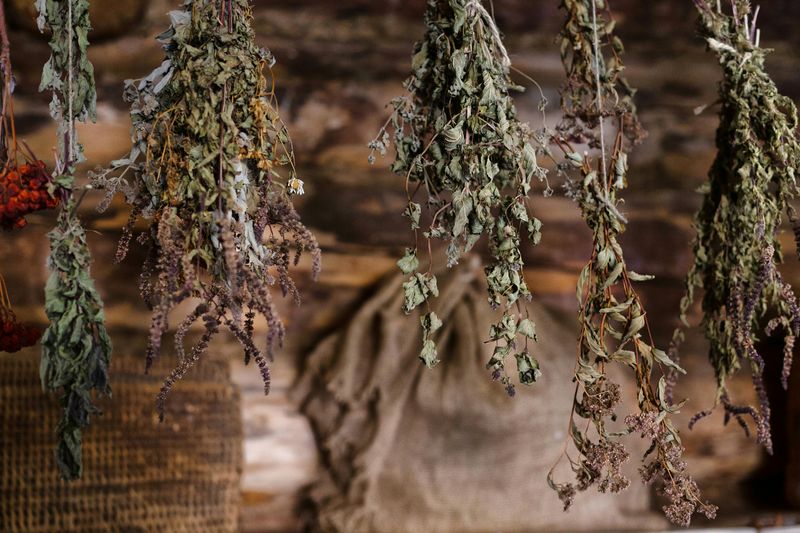
Fresh herbs wilt within days, but their dried counterparts are a completely different story. Dried herbs like oregano, thyme, basil, and rosemary can maintain their flavor and potency for one to three years when stored in sealed containers away from heat and sunlight.
They won’t technically spoil after that, but their flavor does fade noticeably. Crush a pinch between your fingers to check.
If you can still smell the aroma, they’re still worth using. Stocking a variety of dried herbs means you can season meals with real flavor even when fresh produce isn’t available.
Spices
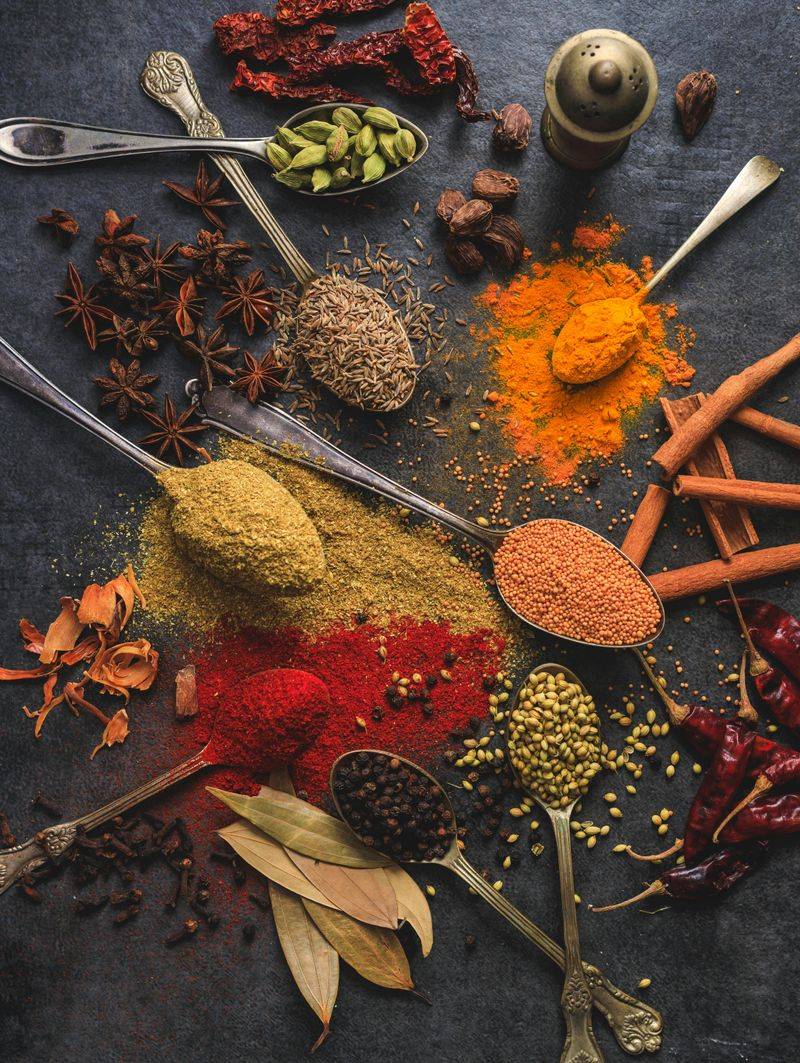
Ground spices like cumin, turmeric, paprika, and cinnamon can last two to four years when stored properly, while whole spices can stay potent for up to five years or more. They don’t become unsafe after that point, but their flavor strength does diminish over time.
Storing spices in dark, airtight containers away from heat and steam helps preserve them longer. Buying whole spices and grinding them as needed is a great way to maximize freshness.
A well-stocked spice collection can make even the simplest long-term storage meals feel flavorful, varied, and genuinely enjoyable to eat.