


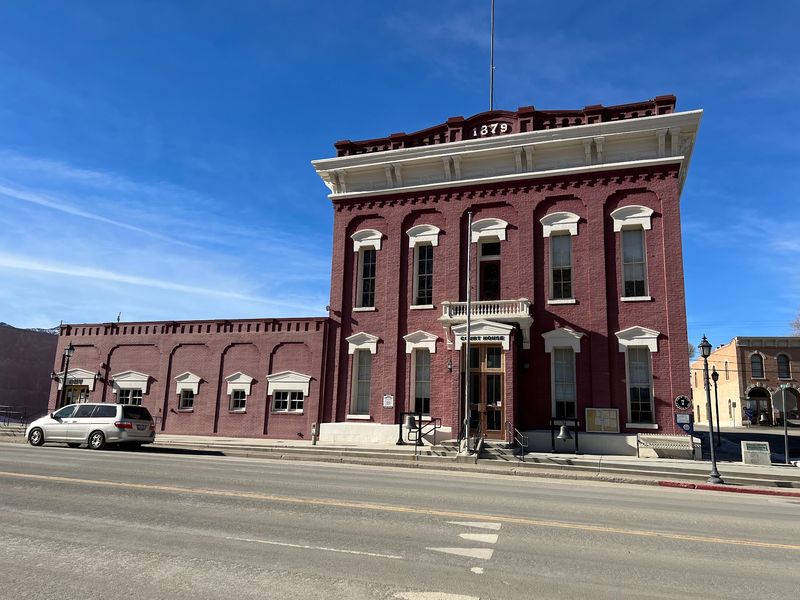
Somewhere along the loneliest stretch of Highway 50, a two-story building from 1879 still holds a printing shop frozen exactly as it was left decades ago. The type trays are set, the presses stand ready, and old newspaper clippings paper the walls like a scrapbook that never closed.
A quiet mining town in central Nevada keeps this place open a few days each week, and the people who wander in tend to stay far longer than they planned. Upstairs waits a second surprise, packed with pieces of frontier life most travelers never expect to find in such a small spot.
If a slow weekend of walkable streets and honest history sounds good right now, this corner of Nevada delivers more than its size suggests. Keep reading to learn where it is and why it earns the detour.
A Landmark Building on North Monroe Street
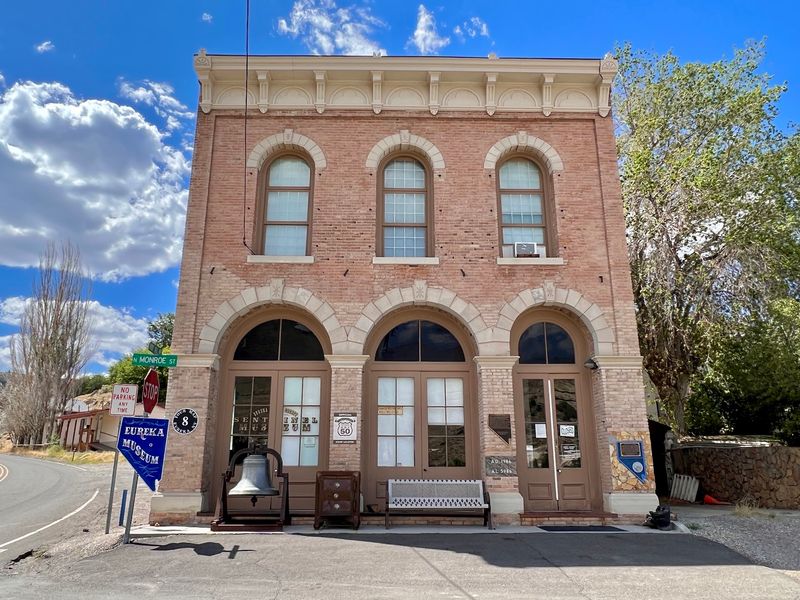
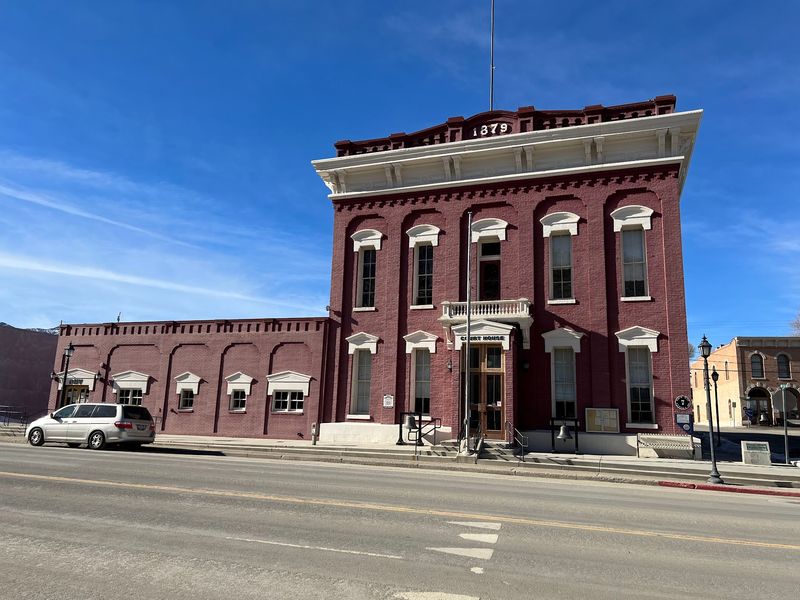
Right in the heart of a small Nevada mining town sits the Eureka Sentinel Museum, at 10 N Monroe St, Eureka, NV 89316. The address is easy enough to find, since Eureka itself is a compact place where nearly everything sits within a short walk.
The structure went up in 1879 at a cost of ten thousand dollars, designed by architect C.M. Bennett.
That price tag meant something serious back then, and the building has held its ground ever since.
Its walls once housed a working newspaper operation, and today they hold the story of the whole region. The setting fits the theme of a slow weekend perfectly, with no crowds pushing you along and no need to rush.
Travelers rolling through on Highway 50 often make this their first stop in town. The location keeps it central, close to other landmarks worth seeing, and the reception you get inside tends to set a warm tone for the rest of the visit.
The Newspaper That Ran for Eight Decades
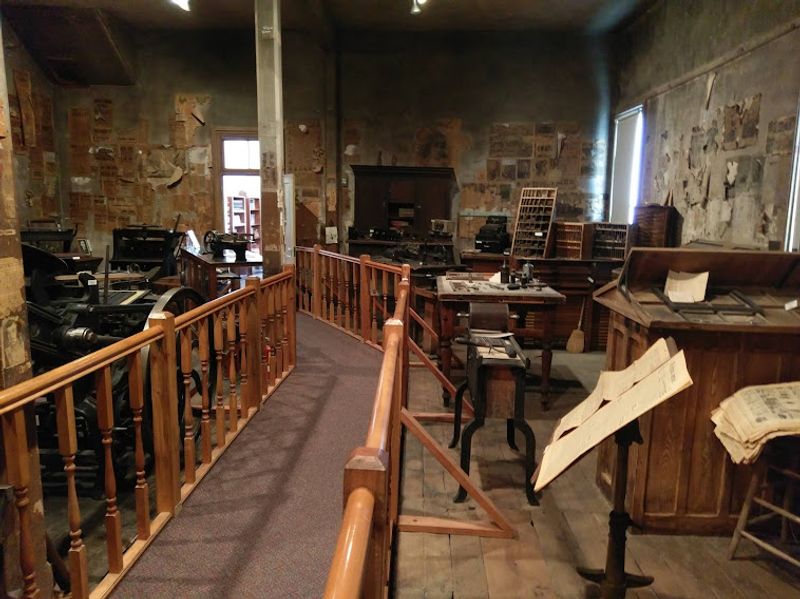
Long before it became a museum, the building earned its name from the Eureka Sentinel, a newspaper published here from 1879 all the way to 1960. That is more than eighty years of local news coming out of one address.
Three generations of the Skillman family, Archibald, Edward, and Willis, edited the paper across the decades. The last editor, Edward J.
Moyle, had spent over fifty years with the Sentinel before taking the editorial chair in 1944.
Those names carry the weight of a town’s memory. Reading them on the historic marker gives you a sense of how deeply the paper was woven into daily life here.
The story of the Sentinel is really the story of Eureka itself, printed one issue at a time. Understanding that history first makes everything you see inside land with a lot more meaning.
A Printing Shop Frozen in Time
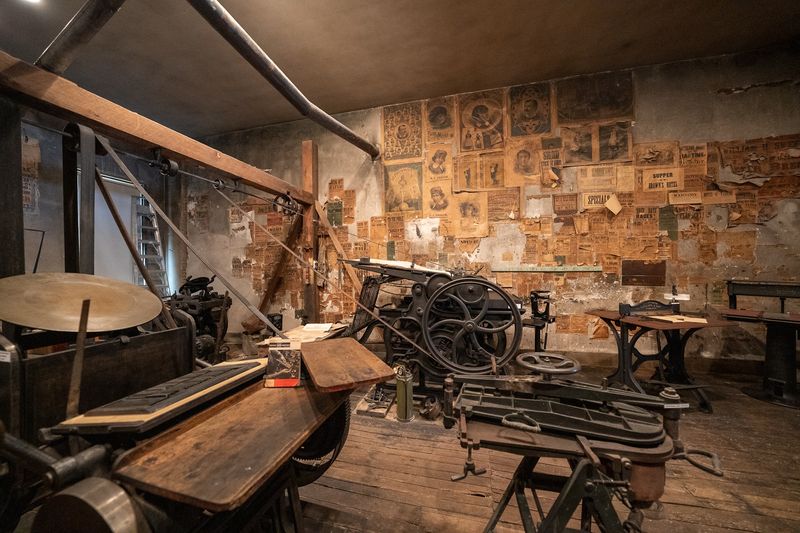
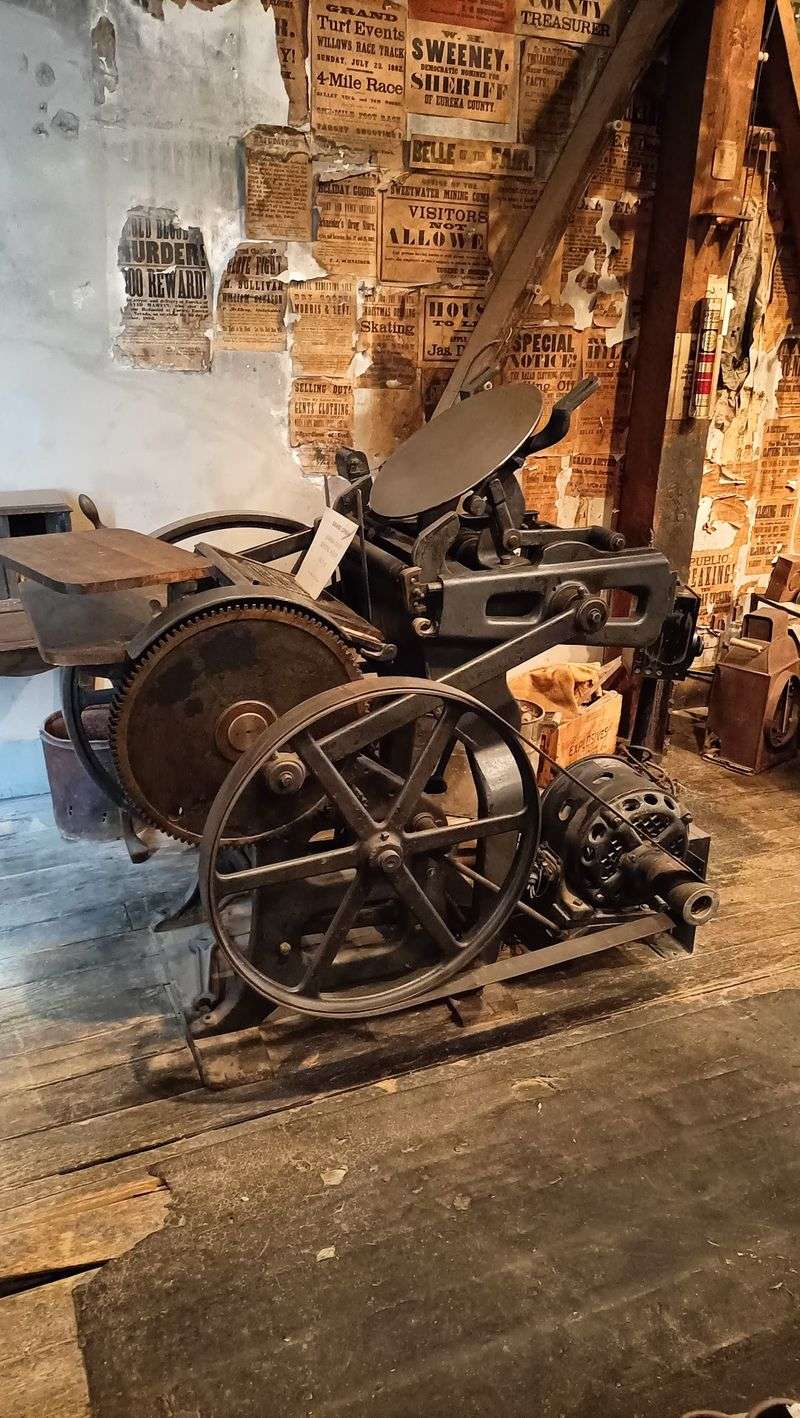
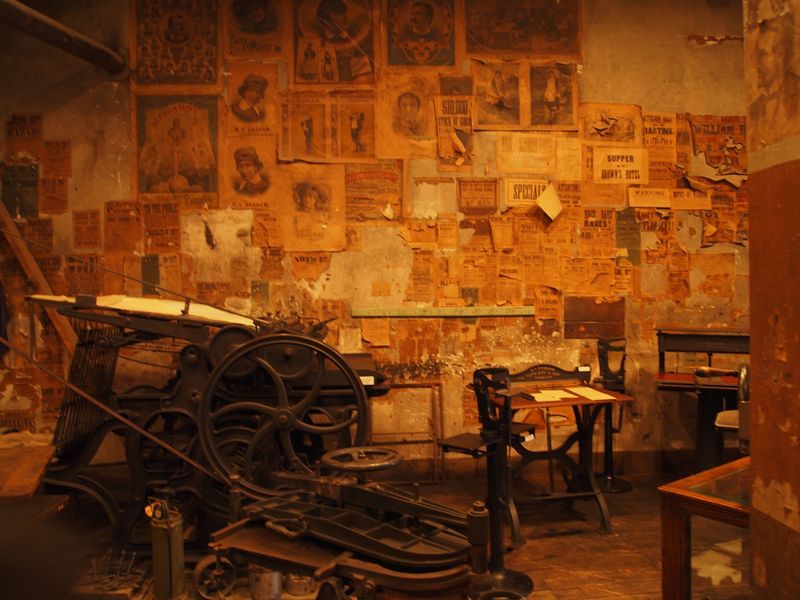
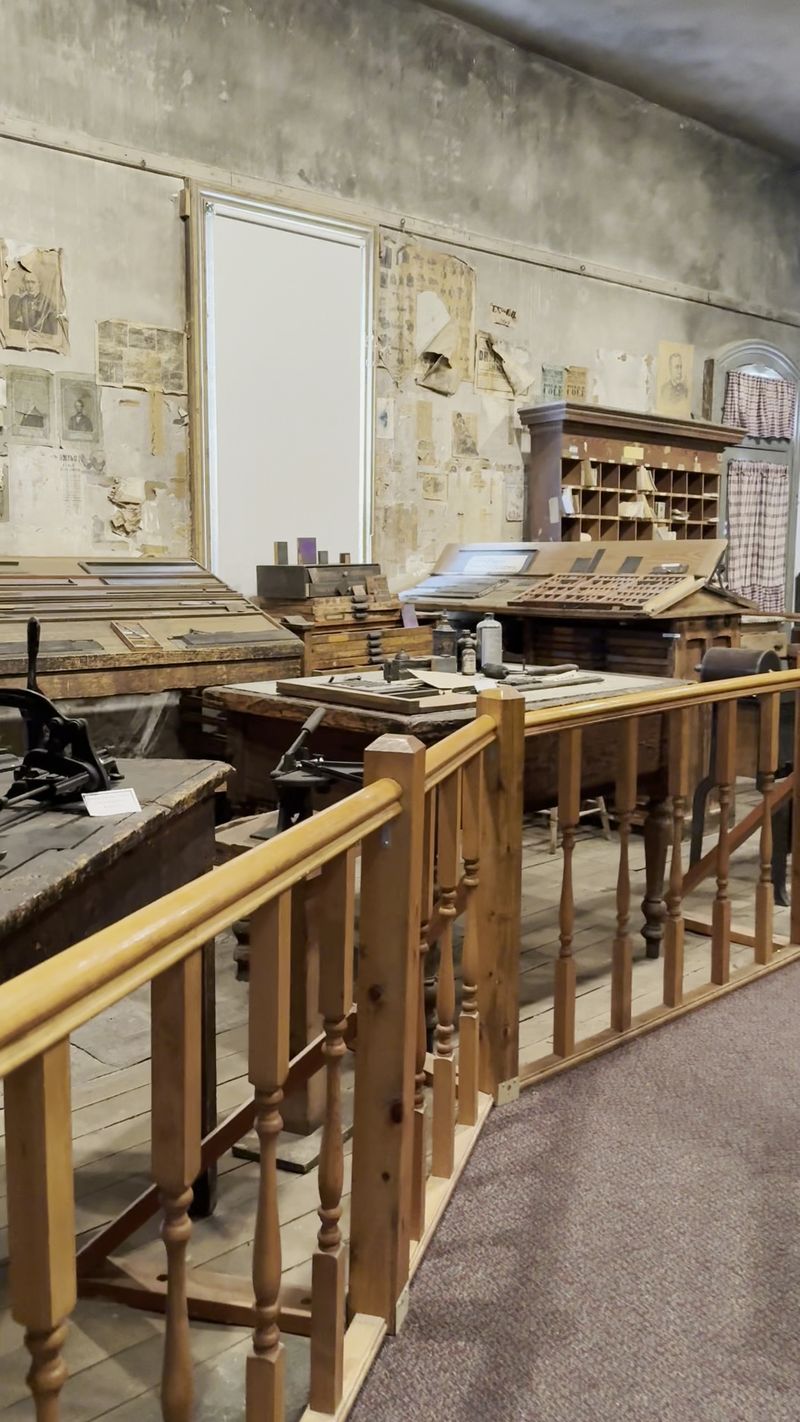
Down on the first floor, the printing shop stops people in their tracks. Much of the equipment sits exactly as it was left when operations ended in 1960, as if the workers simply stepped out for a break and never came back.
The presses, the type, and the tools all date to the era when the building was new. Standing among them feels like walking into a working shop that time forgot to shut down.
The walls add another layer, papered over with original clippings and articles from the period. Every direction you look holds another fragment of the past waiting to be read.
History buffs and anyone curious about how newspapers came together will find plenty to study here. The preservation is the real draw, and it explains why so many travelers rank the print room as the highlight of the whole building.
Vintage Typewriters Worth Lingering Over
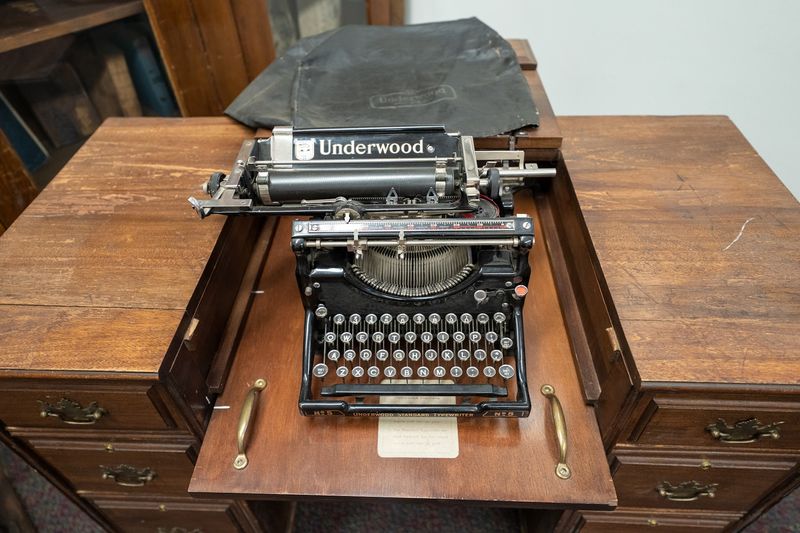
Anyone with a soft spot for old machines could lose track of the clock in here. The museum keeps a display of vintage typewriters, and several of them are genuine beauties from another age.
Fans of journalism and graphic design tend to gravitate straight toward these pieces. Each one represents a different chapter in how words got onto the page.
The collection pairs naturally with the printing equipment nearby, telling a fuller story of the written word. Together they turn a quick look into a proper stop.
People who enjoy reading and studying the details often mention spending far more than a few minutes at these cases. The typewriters reward slow attention, which suits a museum built for an unhurried afternoon.
An Upstairs Full of Frontier Surprises
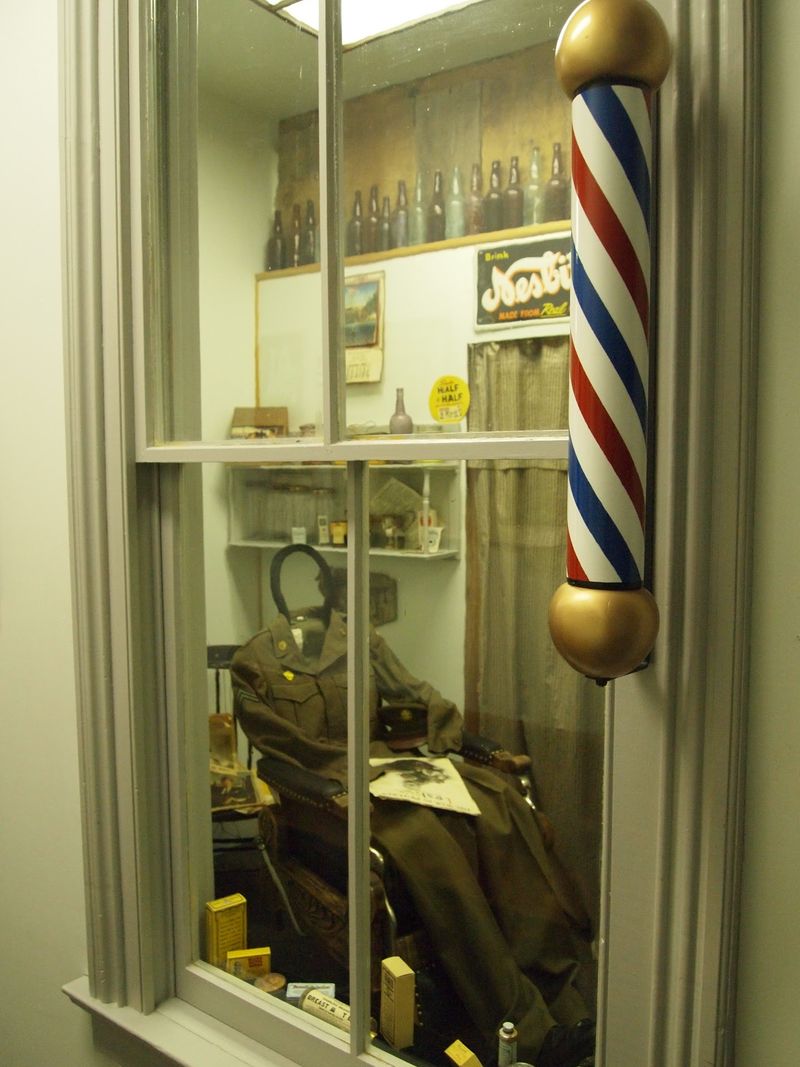
Just when you think you have seen it all, the second floor opens up with a whole other collection. Upstairs waits a surprisingly full museum covering many aspects of Eureka history.
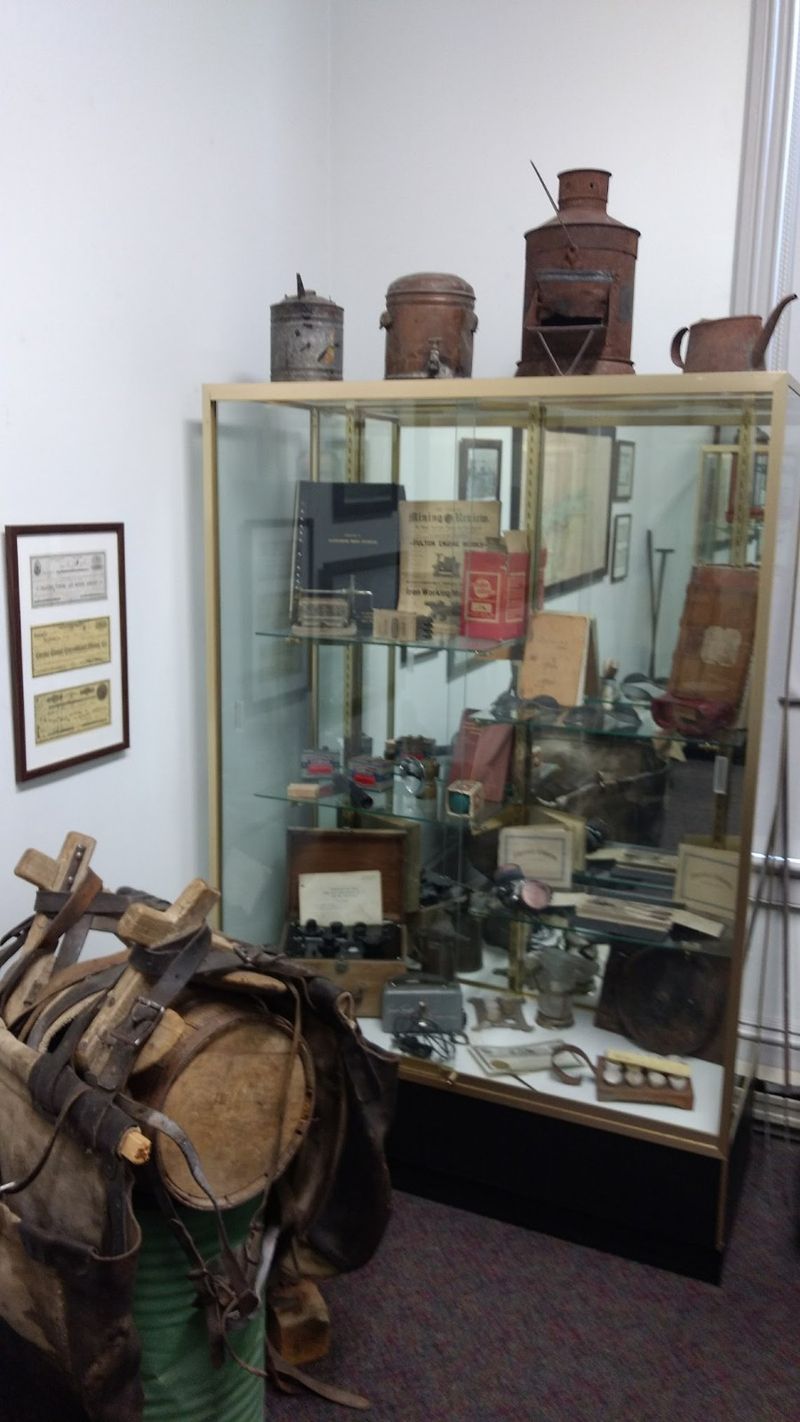
An old barbershop setup sits among the displays, alongside sports memorabilia and other pieces of frontier life. Each corner offers something different to examine.
The variety keeps the pace lively, moving from one theme to the next without ever feeling repetitive. There is genuinely plenty to look at.
Many travelers admit they did not manage to see everything in one visit. That kind of depth is rare in a town this size, and it makes the climb upstairs well worth the effort.
Firefighting Gear and Fraternal Regalia
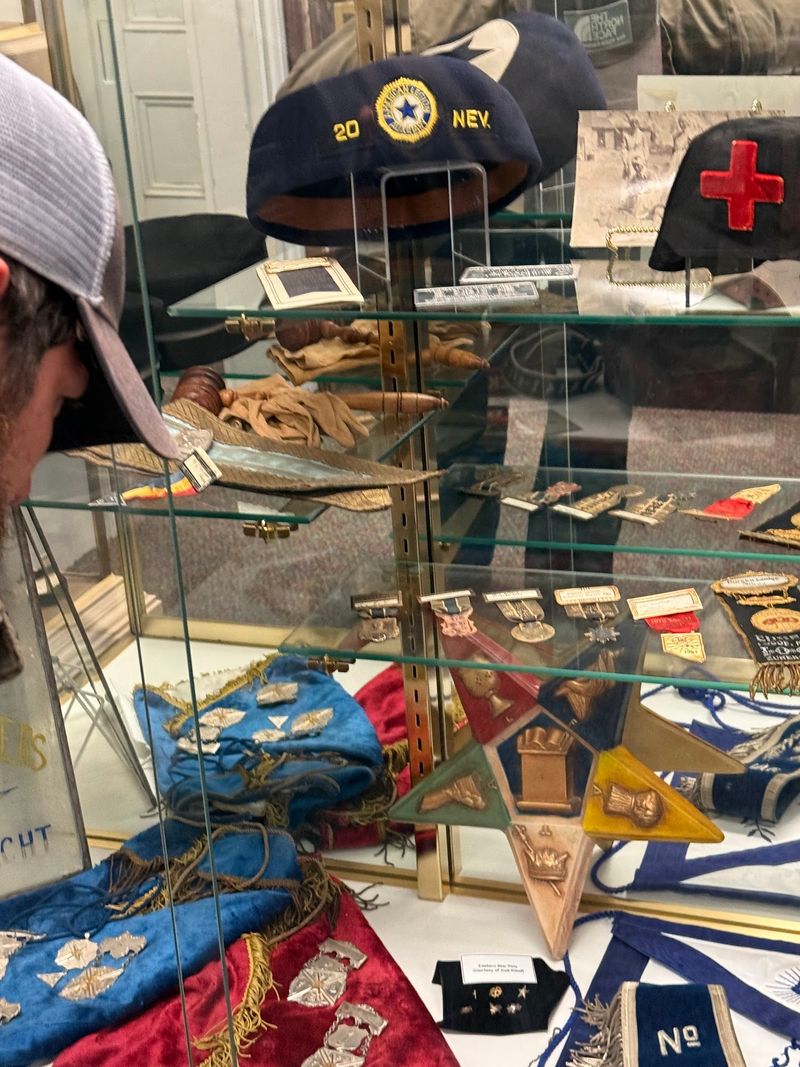
Among the newer additions, one room brings out the community side of old Eureka. Antique firefighting equipment shares the space with regalia from fraternal organizations that once shaped the town’s social life.
These pieces speak to how people banded together in a remote mining settlement. The gear and the ceremonial items each tell part of that story.
Displays like this keep evolving, since the museum continues installing new exhibits over time. Return visitors may spot something fresh they missed before.
The firefighting artifacts in particular draw curious eyes, offering a window into how the town protected itself. It is the kind of detail that rounds out a fuller picture of frontier survival.
Digging Into Eureka’s Mining Roots
Beneath all the newspaper history runs a deeper story of the land itself. The museum features displays about the deep mining history of Eureka, Nevada, the very reason the town exists at all.
Mining built this place, and the exhibits help visitors understand that foundation. The connection between the ore below and the community above becomes clear as you move through the rooms.
For anyone exploring the old historic towns along Highway 50, this context matters. It ties the whole route together.
The mining material makes the museum a natural must-stop for travelers tracing Nevada’s frontier past. Learning why people came here in the first place gives everything else its shape.
The Welcome That Locals Talk About
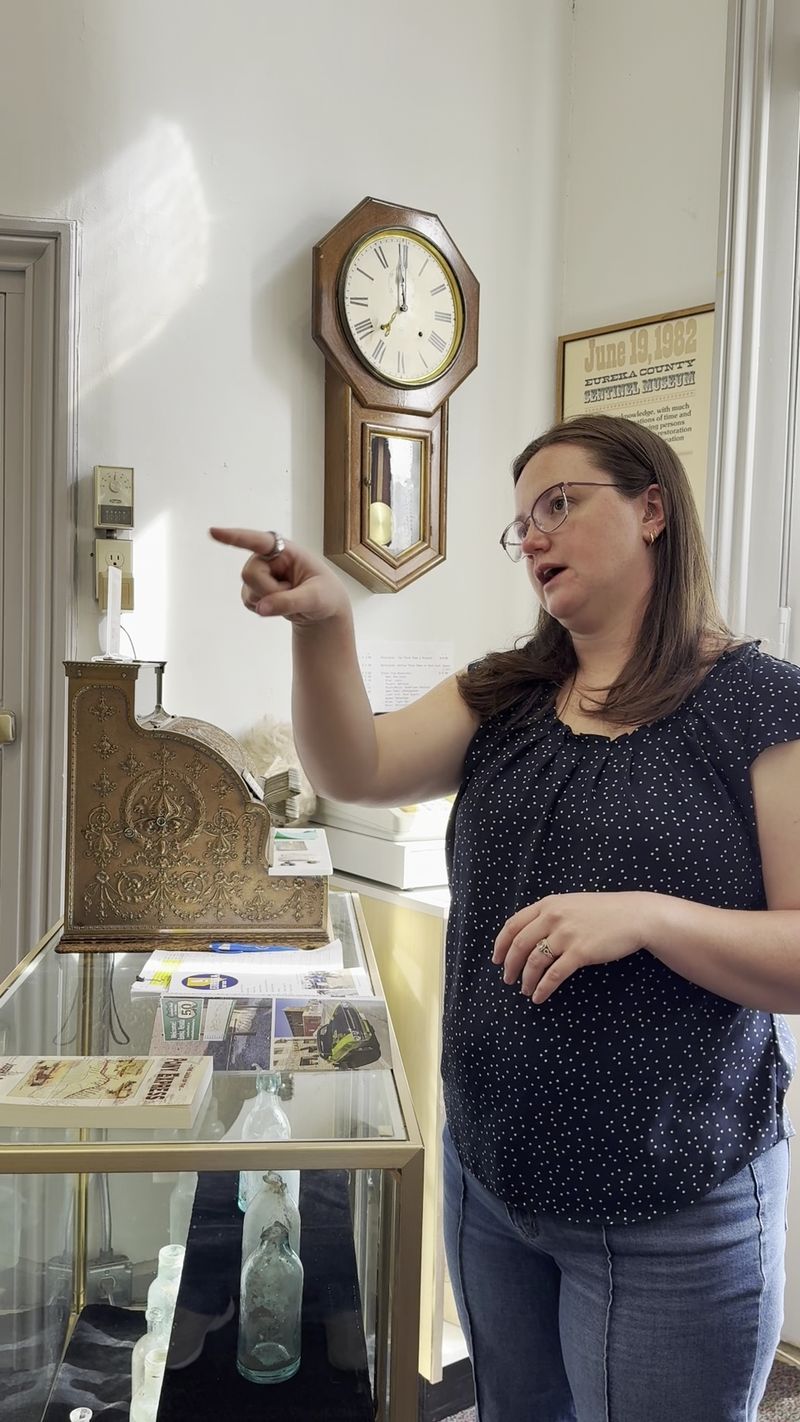
Part of what keeps people coming back is the person waiting inside. The staff here earn steady praise for being knowledgeable, helpful, and genuinely warm with everyone who walks through the door.
Ask a question and you are likely to get a rich slice of local history in return. That personal touch turns a self-guided look into a real conversation.
Travelers from as far away as France have left glowing notes about the welcome they received. Kindness clearly travels well here.
The person running the museum has even helped guests with the US-50 challenge, going beyond the basics to make a stop memorable. That kind of attention is hard to find and easy to appreciate.
Souvenirs and Old Coins to Take Home
No trip feels complete without something small to carry away. The little gift shop stocks souvenirs, local history books, and a few unexpected treasures.
Collectors will notice Indian Head pennies and buffalo nickels among the offerings. Coins like these give the shop a charm all its own.
The books cover local history in depth, perfect for readers who want to keep the story going after they leave. Entertainment and learning sit side by side on the shelves.
Making a purchase, along with leaving a donation, helps keep the doors open. It is an easy way to support a place that gives so much for so little.
A Nevada Historical Landmark
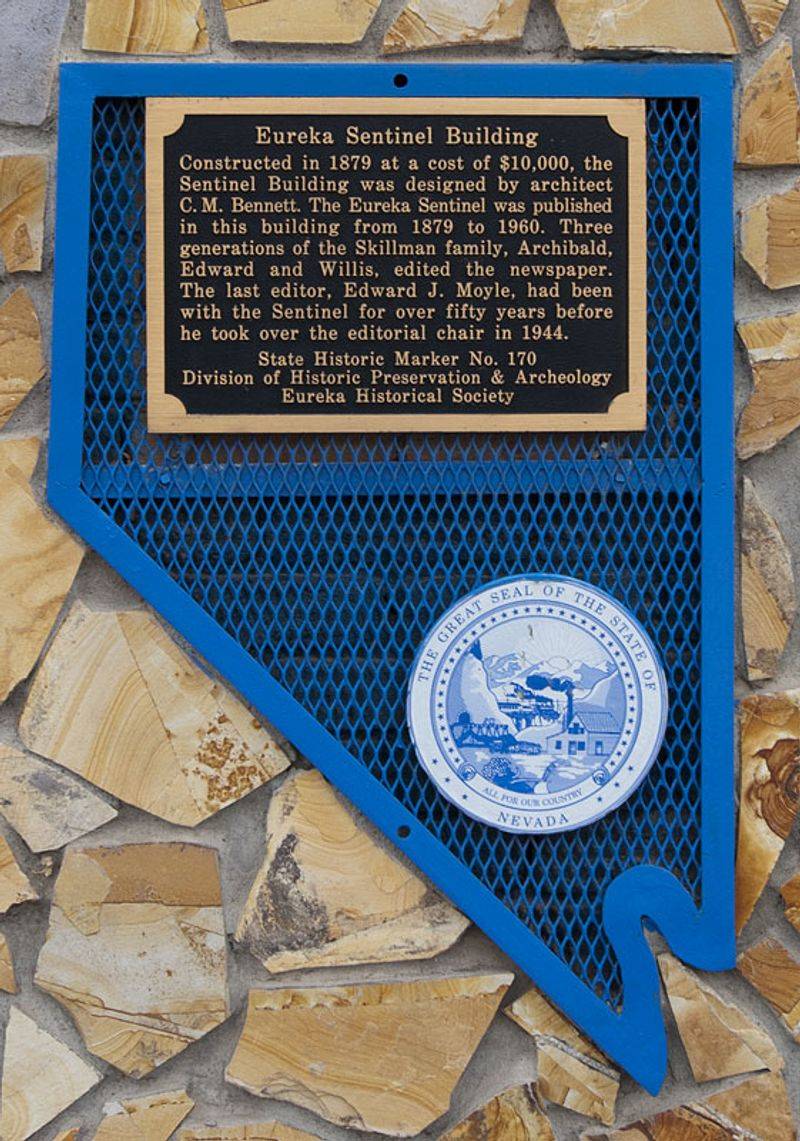
Official recognition backs up everything the building represents. The Eureka Sentinel Building carries the title of Nevada Historical Landmark 170.
The historic marker out front lays out the key facts, from the 1879 construction to the decades of newspaper publishing. Reading it before you head inside sets the stage nicely.
Landmark status means this is more than a local curiosity. It holds a recognized place in the state’s story.
Standing beside the marker gives you a moment to appreciate the scale of what happened here. Few small-town buildings can claim such a formal seat in history.
A Walkable Stop Along Highway 50
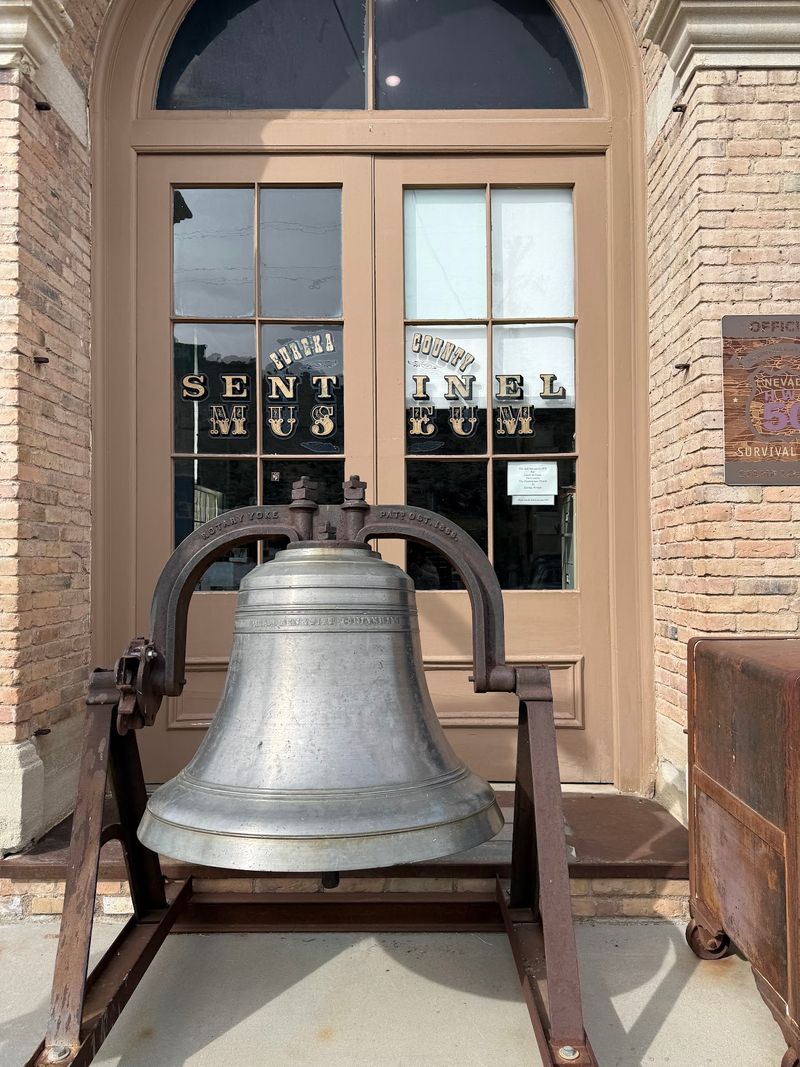
The setting is half the appeal for a slow weekend. Eureka sits right on Highway 50, the famous stretch of road that links a chain of old historic towns across central Nevada.
Everything in town stays close and easy to reach on foot. The museum anchors a walkable district where you can wander from one landmark to the next without hurry.
Nearby stops include the courthouse and the opera house, both worth a look while you are in the area. A small cafe called the Eureka Depot sits west, around the corner from the pharmacy.
The compact layout makes it simple to fill an afternoon without ever getting in a car. That relaxed rhythm is exactly what a quiet getaway calls for.
Planning Your Visit: Hours and Days
Timing your trip matters here, so a little planning pays off. The museum opens Tuesday through Saturday from 8 AM to 4 PM.
Sunday and Monday are closed days, which is worth remembering before you make the drive. A few travelers have felt let down by arriving on a day the doors stayed shut.
Aim for a weekday or Saturday morning to give yourself plenty of room. With so much to see across two floors, an early start helps.
Knowing the schedule ahead of time saves the disappointment of a locked door. Plan around those hours and the visit tends to go smoothly.
Who Will Love This Slow-Paced Stop
Certain travelers walk out of here absolutely delighted. History buffs top that list, drawn to the layers of newspaper, mining, and frontier stories packed into one building.
Anyone interested in journalism, graphic design, or printing finds the press room especially rewarding. The typewriters and equipment turn a casual look into a deep pull.
Road trippers tracing Highway 50 fit right in too, since the museum makes an ideal pause between long stretches of open country. Families curious about the American pioneer past will find plenty to spark conversation.
Holding a 4.6 rating across its feedback, the museum clearly connects with the people who take the time to stop. If you like reading, poking around old artifacts, and asking questions, this is your kind of place.
Why the Detour Is Worth It
Some places pack far more into their walls than their size would suggest, and this is one of them. A preserved printing shop, a room of vintage typewriters, mining history, and a surprising upstairs collection all wait behind one 1879 facade.
The unhurried pace makes it a natural fit for a slow weekend, especially paired with the town’s walkable streets and nearby landmarks. There is no pressure to rush, only an invitation to look closer.
Travelers passing through Eureka on Highway 50 rarely regret pulling over. The warmth of the welcome and the depth of the history leave a lasting mark.
For a quiet trip built on curiosity and charm, the Eureka Sentinel Museum earns every mile of the drive. Give it an afternoon and it will give you far more in return.
Enjoyed this story?
Add Fast Food Club as a preferred source to see more of our reporting on Google.