


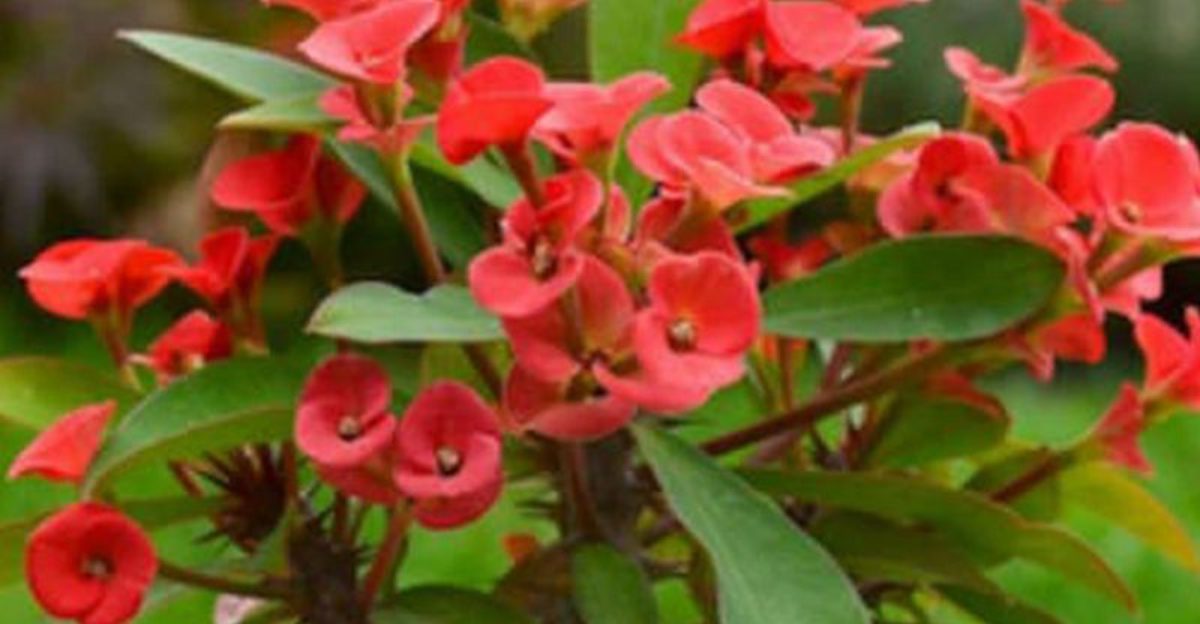
Florida’s sunshine is beautiful, but it can be brutal on plants that need constant watering. The good news is that plenty of plants thrive in the Florida heat without needing much water at all.
Whether you are redesigning your yard or just trying to keep things alive through a dry summer, these low-water plants deliver color, texture, and life without draining your hose. Get ready to meet some of the toughest and prettiest plants Florida has to offer.
Coontie Palm
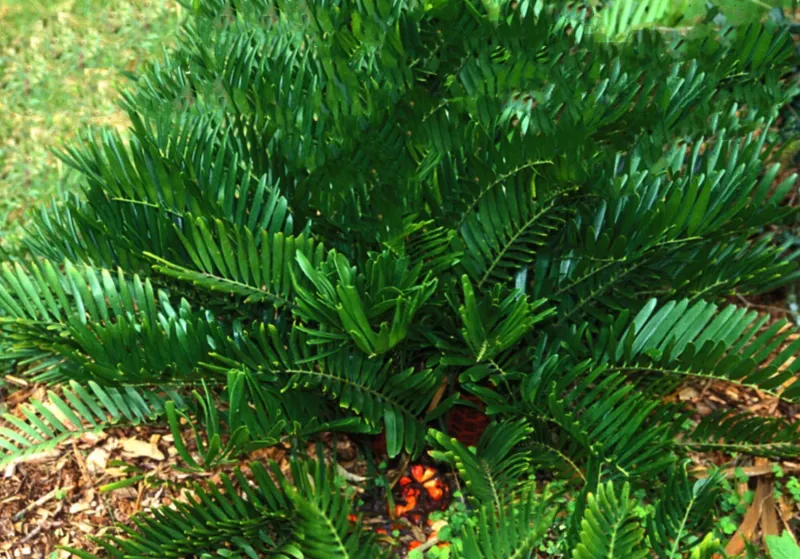
Native to Florida, the coontie palm has been around since the days of the dinosaurs, and it shows no signs of slowing down. This tough little cycad looks like a miniature tropical palm but requires almost no water once established.
It handles drought, poor soil, and full sun like a champion. Plant it along borders or as a ground cover for a lush, prehistoric vibe without the upkeep.
Firebush
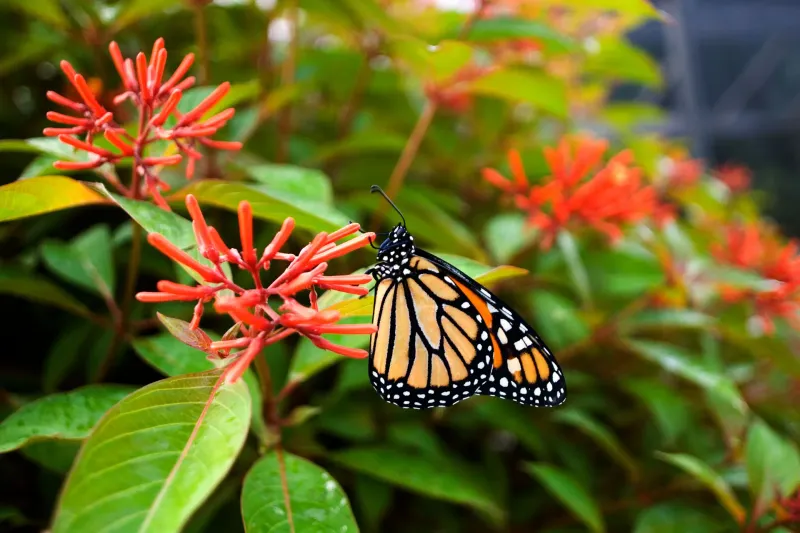
Few plants put on a show quite like firebush. Its bright orange-red tubular flowers blaze through the summer heat, attracting hummingbirds and butterflies like a living magnet.
Originally from tropical America, firebush thrives in Florida’s sandy soils and full sun with minimal irrigation. It grows fast, stays full and bushy, and practically takes care of itself.
For a bold splash of color in a dry landscape, firebush is hard to beat.
Muhly Grass
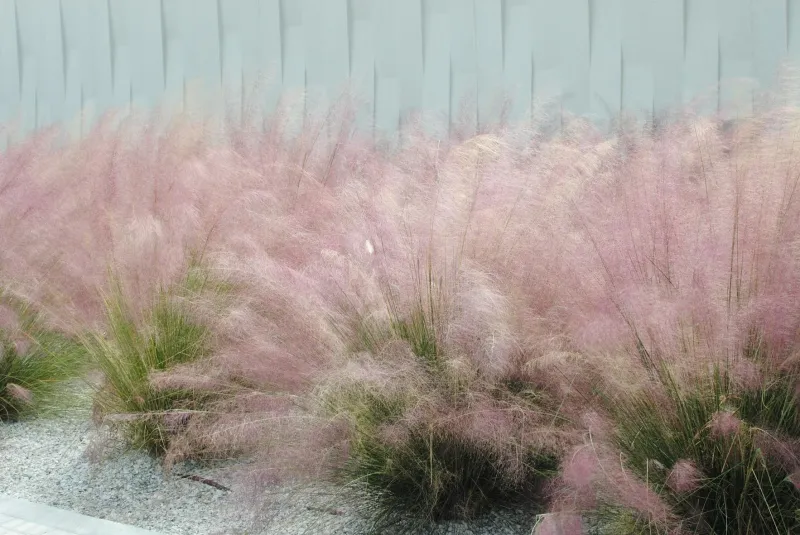
Every October, muhly grass turns Florida yards into something magical. Those soft, cotton-candy pink plumes catch the breeze and glow in the afternoon sun, making the whole yard feel alive.
This native ornamental grass is incredibly drought-tolerant and asks for almost nothing in return for its beauty. Plant it in groups for a dramatic cloud effect.
It looks equally stunning as a border plant or accent piece near a walkway.
Portulaca
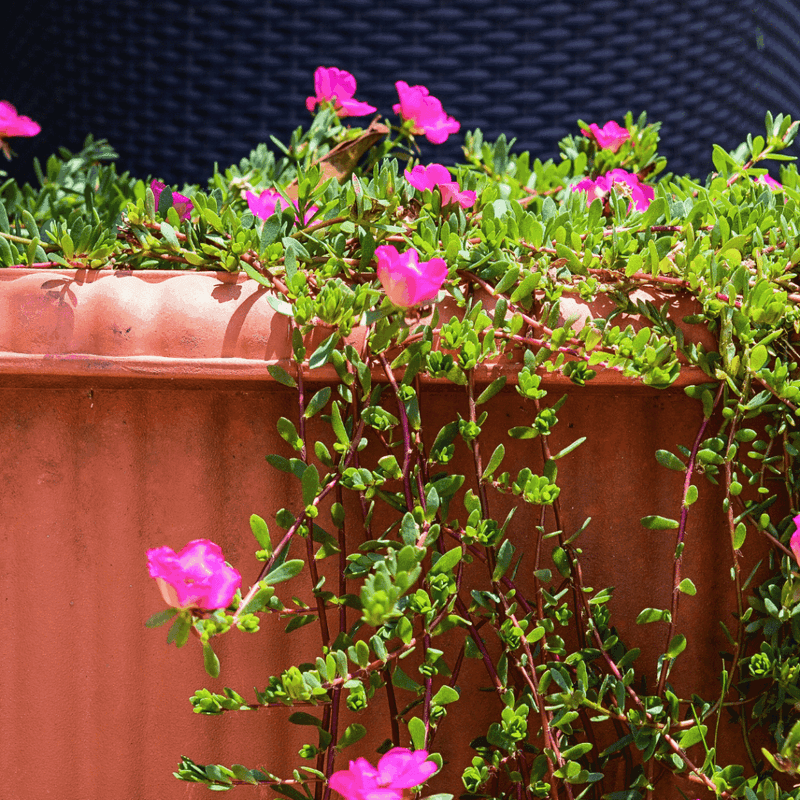
Sometimes called moss rose, portulaca is basically built for Florida summers. It loves baking heat, sandy soil, and dry conditions, thriving in spots where most other flowers would give up entirely.
The jewel-toned blooms open wide in sunlight and close at night, creating a daily rhythm of color in the garden. It works perfectly as a ground cover or spilling over container edges.
Best of all, neglect seems to make it bloom even more.
Spanish Bayonet (Yucca aloifolia)
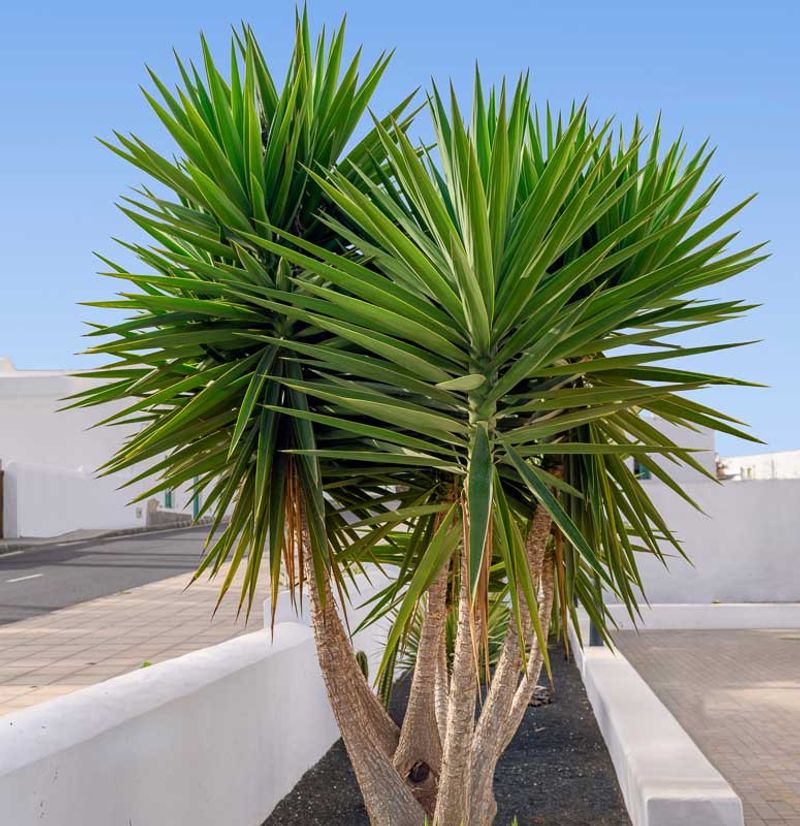
With sword-like leaves and a bold vertical form, Spanish bayonet makes a serious architectural statement in any Florida yard. This native yucca is built for coastal conditions, handling salt spray, sandy soil, and drought without complaint.
Its tall white flower spikes are a striking bonus in spring. Use it as a focal point or natural barrier planting.
Just give it space, because those sharp leaf tips mean business and demand respect.
Lantana
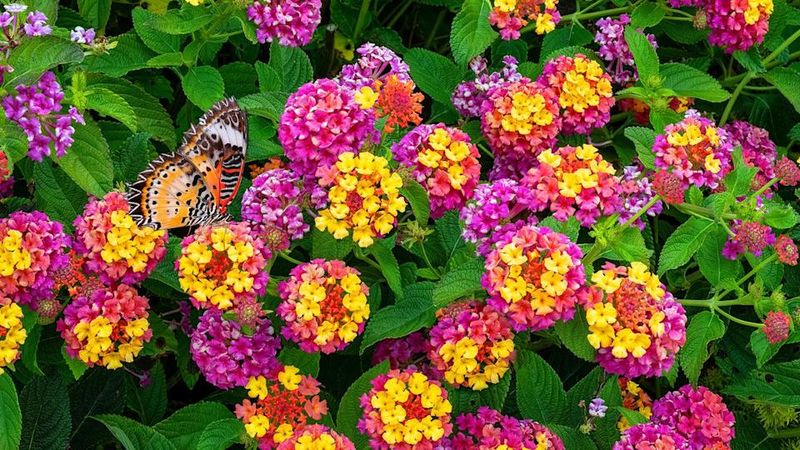
Lantana is one of Florida’s most reliable performers, blooming almost year-round in the state’s warm climate. The clusters of tiny flowers shift color as they age, creating a natural confetti effect across each stem.
Butterflies and pollinators absolutely love it. Lantana handles heat, drought, and poor soil without skipping a beat.
It works well as a ground cover, border plant, or container specimen, and it requires very little maintenance to keep looking full and colorful.
Gaillardia (Blanket Flower)
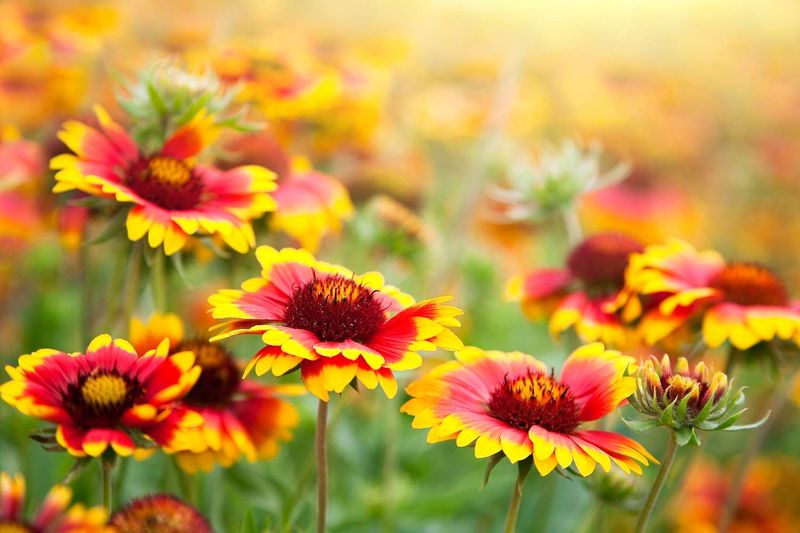
Gaillardia earned its nickname honestly. Those bold red and gold daisy-like blooms look like a patchwork quilt tossed across the garden, and they keep on blooming through Florida’s hottest, driest months.
This cheerful wildflower is native to North America and thrives in sandy, well-drained soil with full sun. Deadhead spent flowers to encourage more blooms, or leave them for the birds to enjoy.
Either way, gaillardia delivers maximum color for minimal effort.
Simpson’s Stopper
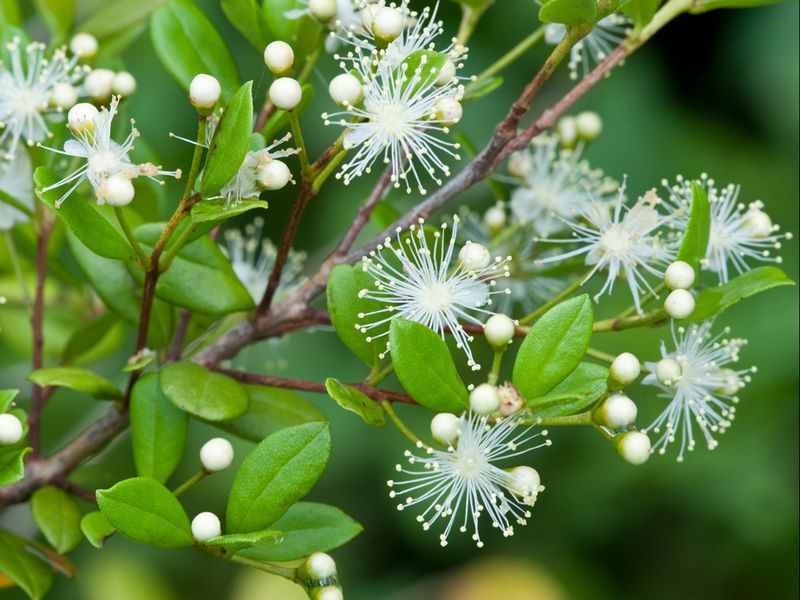
If you want a plant that works hard and looks good doing it, Simpson’s stopper delivers on every level. This Florida native evergreen shrub produces fragrant white flowers followed by colorful berries that birds cannot resist.
It handles drought, salt, and even light shade once established. Its dense, glossy foliage makes it ideal for privacy hedges or natural borders.
Homeowners who plant it rarely regret it, because it just keeps growing beautifully with almost zero fuss.
Saw Palmetto
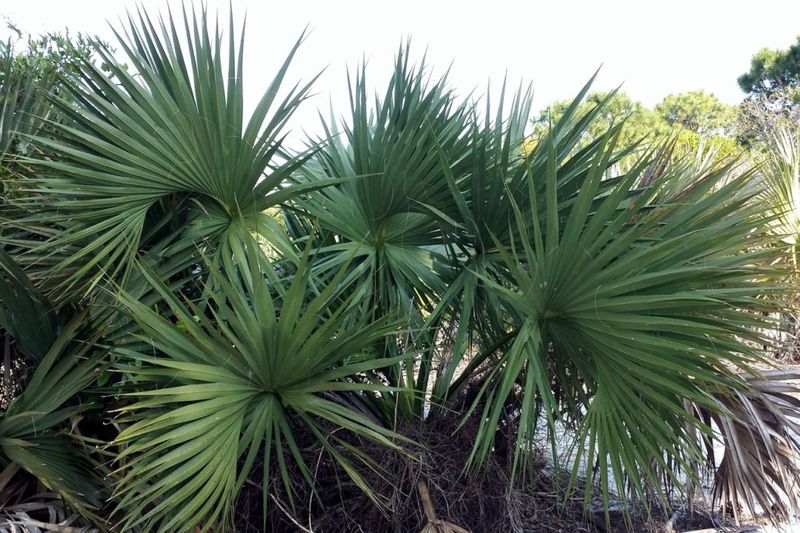
Saw palmetto is practically synonymous with Florida. You will find it growing wild across the state’s scrublands and pine flatwoods, thriving in conditions that would challenge almost any other plant.
Once established in the yard, it needs no supplemental water and very little attention. Its fan-shaped fronds create a tropical texture that looks naturally at home in Florida landscapes.
It also provides critical habitat for wildlife, making it both a beautiful and ecologically valuable addition to any yard.
Agave
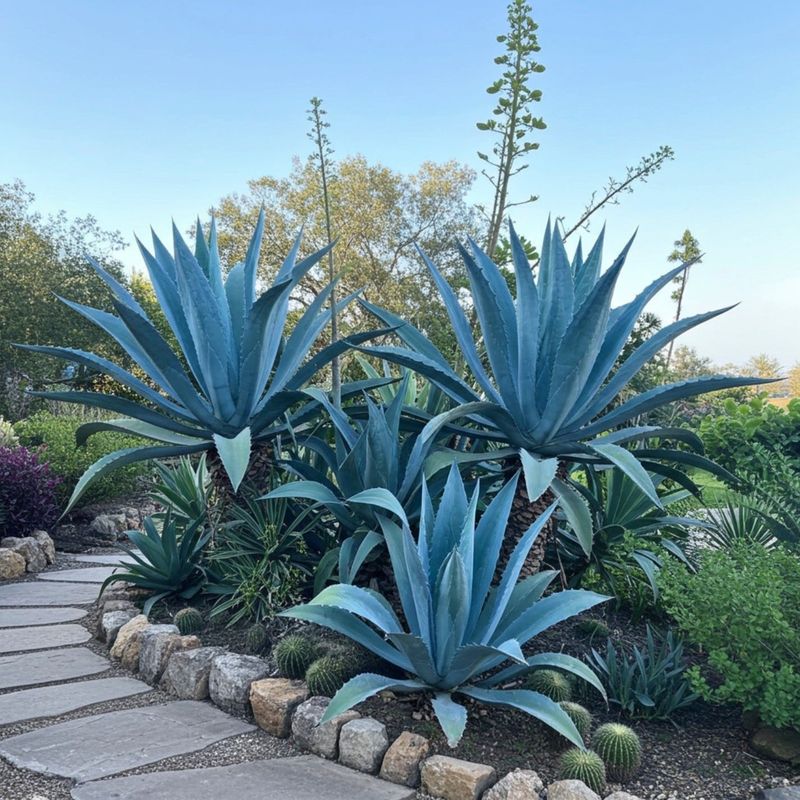
There is something almost otherworldly about a well-grown agave. Its thick, architectural rosette of spiky leaves commands attention in any landscape, and it asks for almost nothing in return except good drainage and sunshine.
Agave stores water in its fleshy leaves, making it one of the most drought-resistant plants you can grow in Florida. Use it as a bold focal point in a xeriscape garden or rocky border planting.
Just watch those sharp tips.
Beautyberry
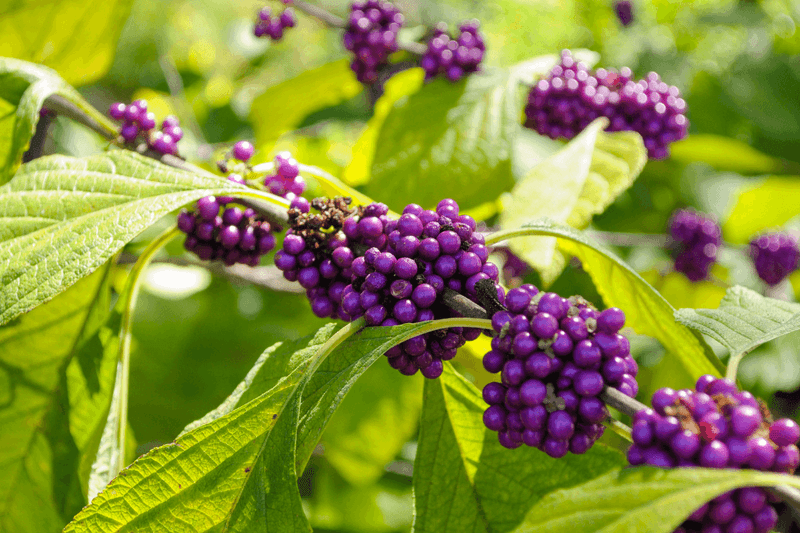
Nothing stops visitors in their tracks quite like beautyberry in full fruit. Those shocking clusters of metallic purple berries lining every branch look almost artificial, like someone decorated the shrub for a party.
American beautyberry is a Florida native that handles drought, shade, and poor soils with remarkable ease. It grows quickly, requires minimal pruning, and provides food for dozens of bird species.
Cut it back hard in late winter and it will bounce back lush and full every spring.
Pentas
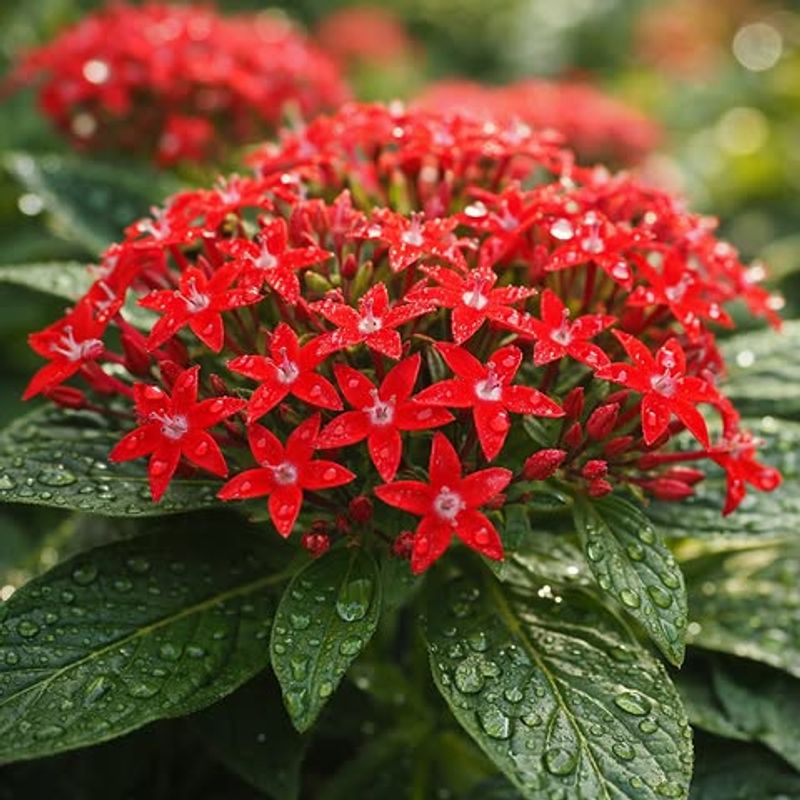
Pentas might be the most butterfly-friendly plant you can add to a Florida garden. Those star-shaped flower clusters in red, pink, white, or lavender are practically a buffet for swallowtails, monarchs, and skippers.
This tropical plant loves Florida’s heat and handles dry spells well once established. It blooms almost continuously from spring through fall, making it one of the longest-performing annuals in the state.
Plant it in containers or garden beds for reliable, pollinator-packed color all season long.
Walter’s Viburnum
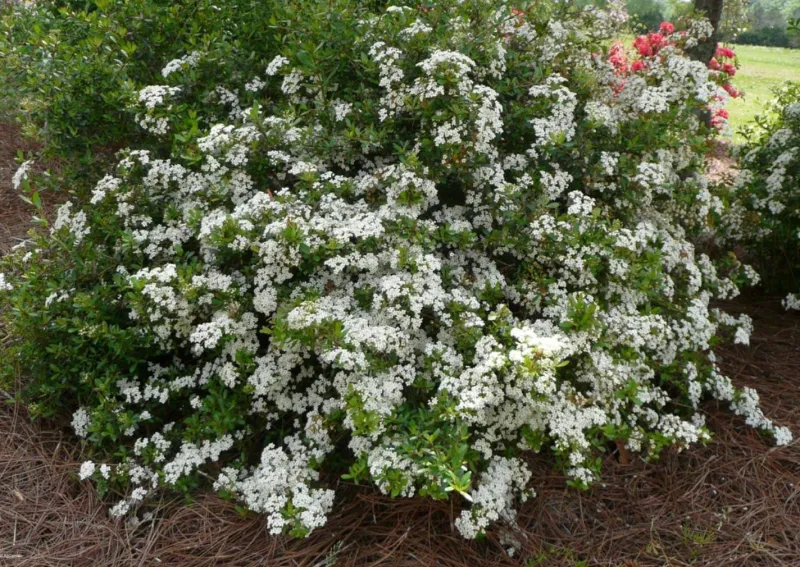
Walter’s viburnum is the kind of plant that experienced Florida gardeners quietly recommend to everyone. This native evergreen shrub grows into a full, rounded form covered in fragrant white flower clusters each spring.
It handles drought, salt spray, and various soil types without complaint. After flowering, it produces small dark berries that birds devour enthusiastically.
Whether used as a privacy screen, specimen plant, or informal hedge, Walter’s viburnum brings year-round beauty with very little irrigation needed.
Fakahatchee Grass
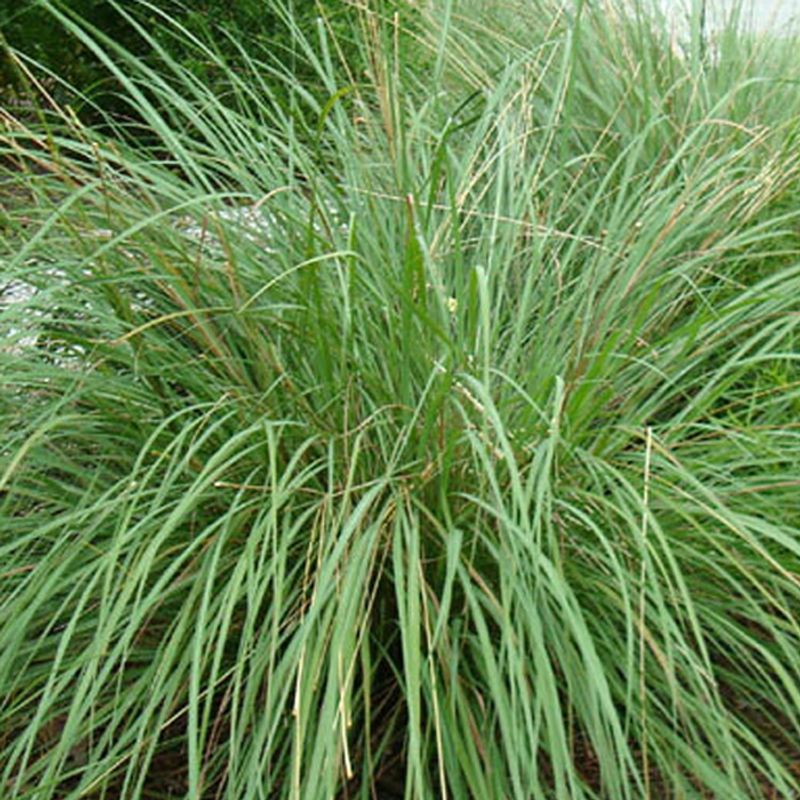
Fakahatchee grass is a Florida native that thrives where many ornamental grasses struggle, including shady spots and moist or dry soils. Its long, gracefully arching blades create a soft, flowing texture that works beautifully in naturalistic garden designs.
Unlike many grasses, it tolerates shade quite well, making it useful under trees or along shaded borders. Established plants need little to no supplemental watering.
It is low-maintenance, evergreen, and genuinely elegant in a subtle, understated way.
Bougainvillea
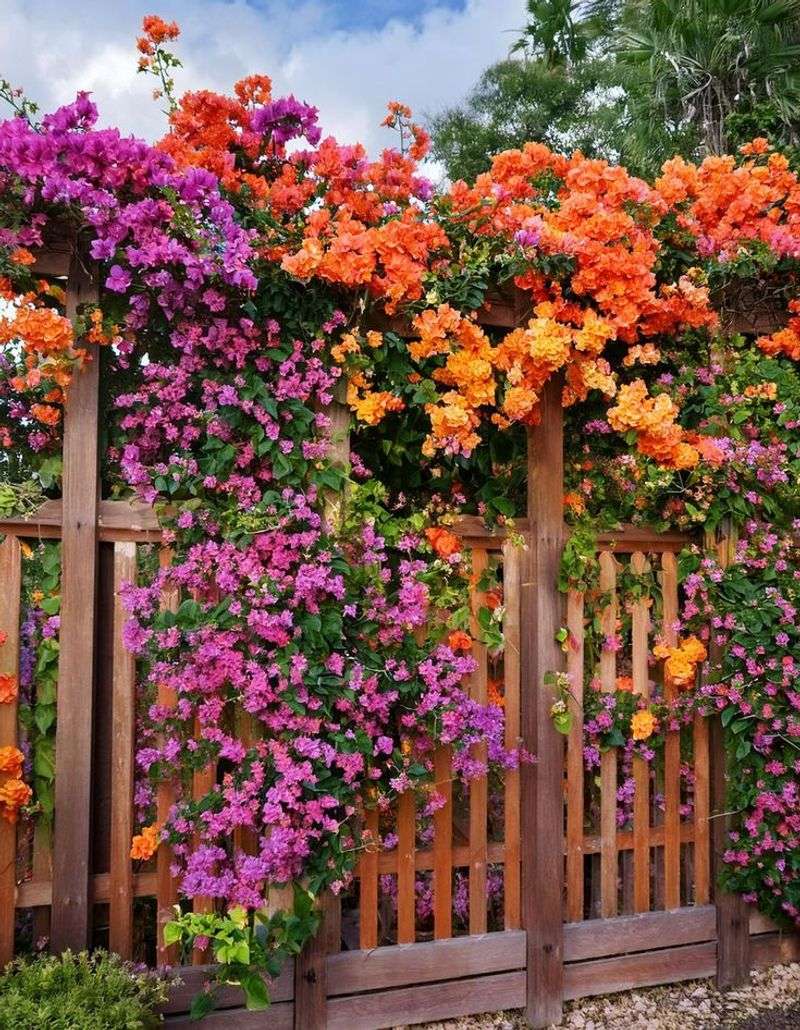
Bougainvillea is the drama queen of the Florida landscape, and nobody minds one bit. Those brilliant papery bracts in hot pink, orange, red, or purple are actually modified leaves, not flowers, and they last for weeks at a time.
This vigorous vine actually blooms more when water is withheld slightly, making it perfectly suited to Florida’s dry spells. Train it over fences, trellises, or walls for a breathtaking cascade of tropical color that needs very little pampering.
Rosemary
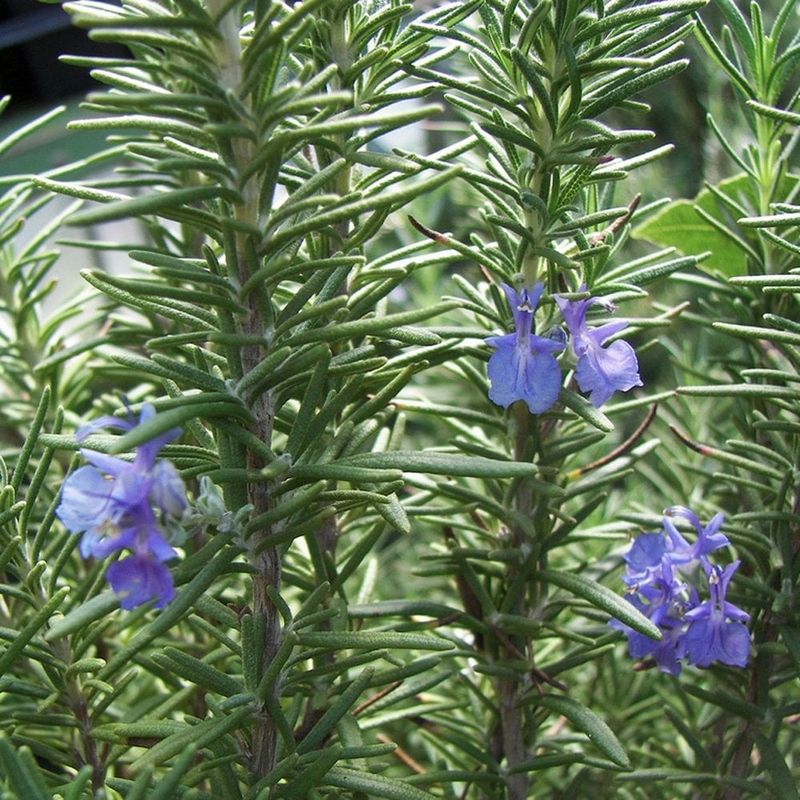
Rosemary pulls double duty in the Florida landscape as both a culinary herb and a handsome ornamental shrub. Its silvery-green aromatic foliage stays attractive year-round, and in late winter it produces small blue flowers that bees adore.
Once established, rosemary is remarkably drought-tolerant and actually prefers to dry out between waterings. It works beautifully as a low hedge, border plant, or container specimen.
Snip a few sprigs for dinner while you admire how good it looks in the yard.
Crown of Thorns
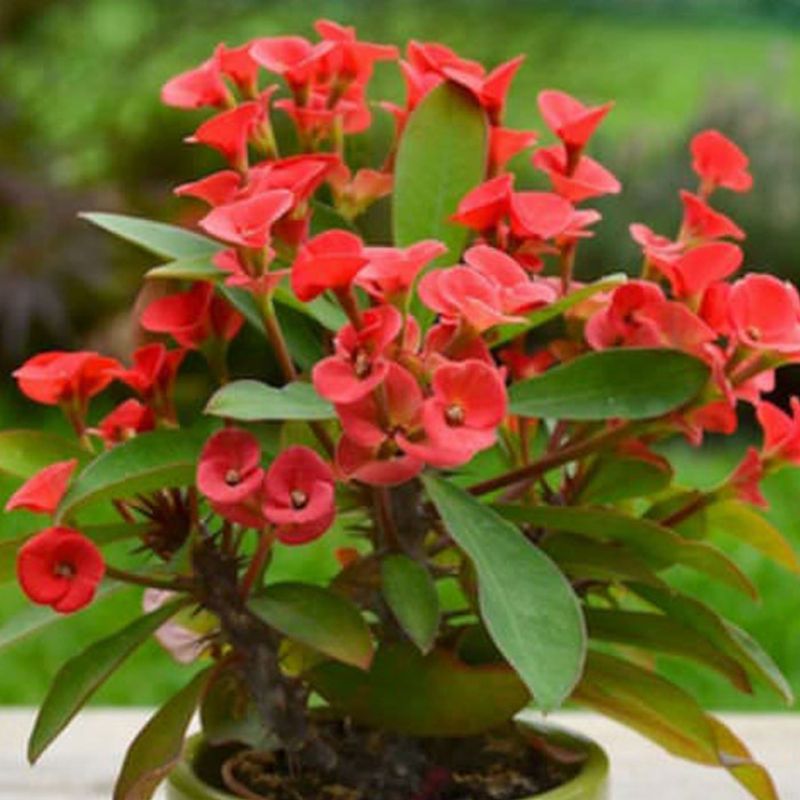
Crown of thorns has one of the longest bloom seasons of any plant you can grow in Florida, often flowering nearly year-round in the state’s warm climate. Its cheerful clusters of small flowers in red, pink, yellow, or white appear on thick, thorny stems above glossy leaves.
This succulent-like plant from Madagascar handles drought, heat, and neglect with impressive composure. It works great in containers, rock gardens, or as a low barrier planting where its thorns serve a practical purpose.
Prickly Pear Cactus
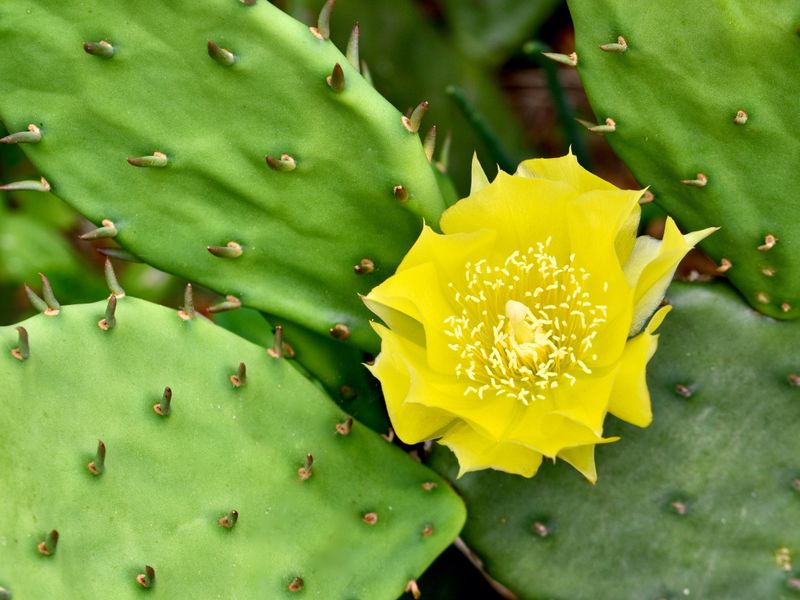
Prickly pear cactus is a true Florida native with a long history on the peninsula. Its flat, paddle-shaped pads produce large yellow flowers in spring, followed by deep red fruits that wildlife and humans alike find delicious.
Few plants are better adapted to Florida’s dry, sandy soils. It needs virtually no supplemental water once established and looks striking in xeriscape designs, rock gardens, or naturalistic plantings.
Handle it carefully, though, because those tiny glochid spines are sneaky and painful.
Blue Daze
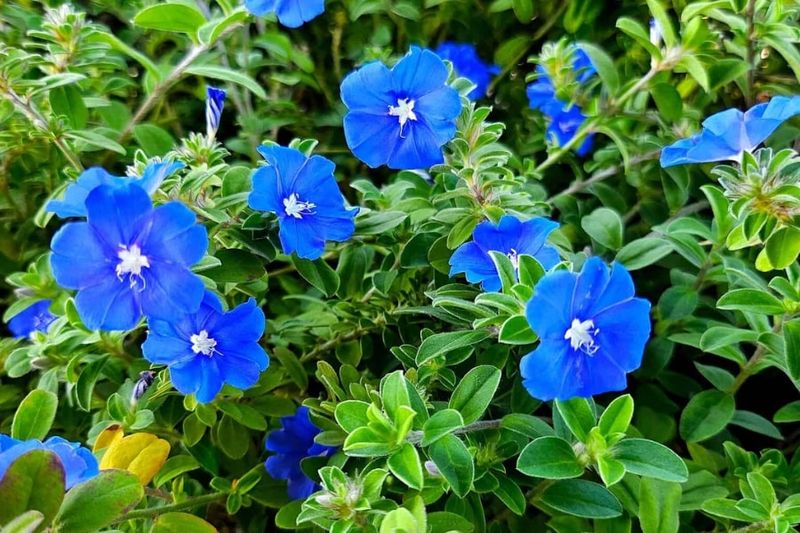
Sky-blue flowers are rare in any garden, which makes blue daze a real standout in Florida landscapes. This low-growing ground cover produces a continuous flush of small, sky-blue trumpet flowers from spring through fall, creating a carpet of cool color in the heat.
Blue daze handles drought well and thrives in full sun with sandy, well-drained soil. It spills beautifully over container edges and works wonderfully along sunny borders.
The silvery-green foliage stays attractive even when the plant is not in bloom.
Plumbago
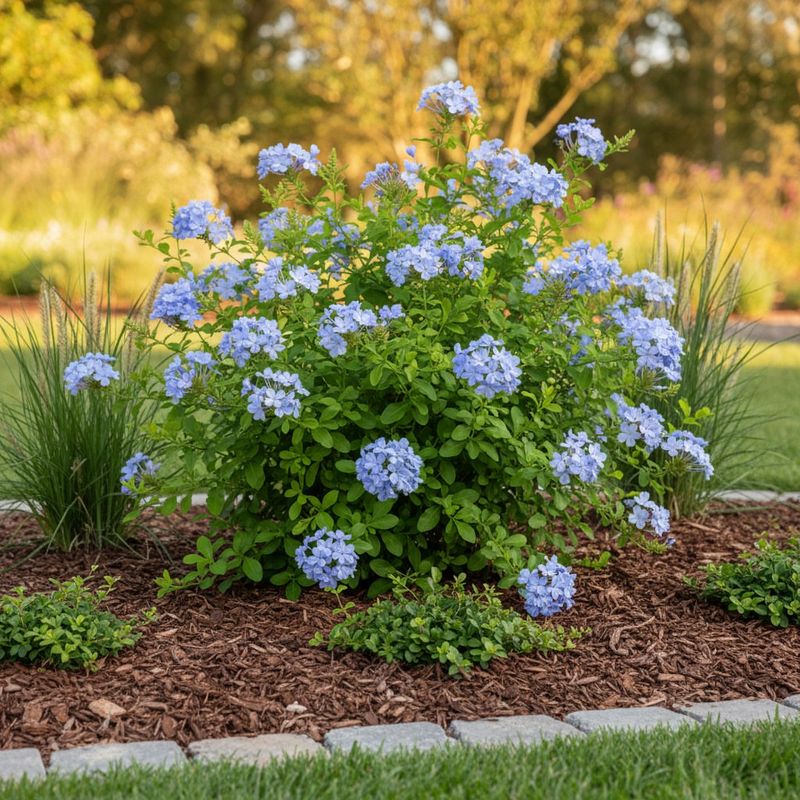
Plumbago is one of those plants that experienced Florida gardeners keep coming back to, and for good reason. Its clusters of pale blue flowers bloom almost continuously in warm weather, creating a soft, airy look that pairs well with bolder plants.
This tough shrub handles drought, heat, and humidity without missing a beat. Butterflies, especially swallowtails, love visiting the blooms.
Plant it as a sprawling border shrub, a foundation planting, or let it spill over a low wall for a relaxed, tropical effect.
Dwarf Fakir
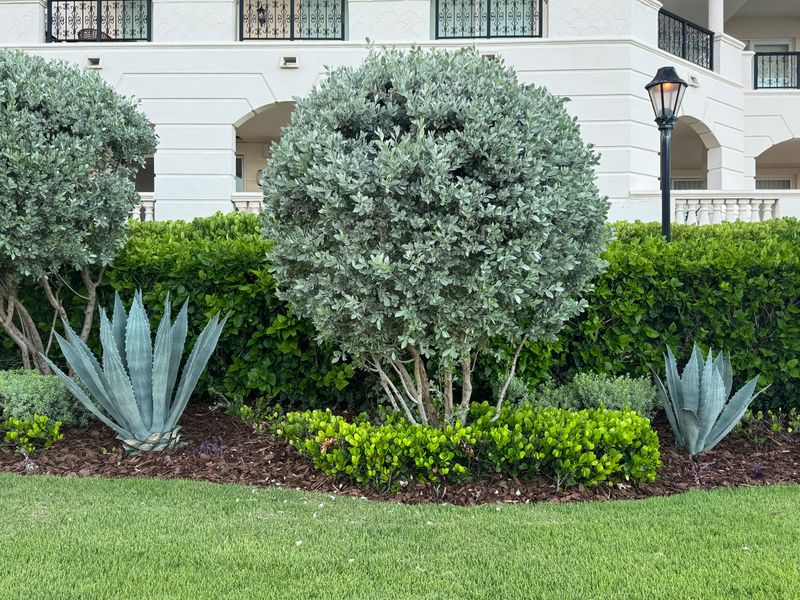
Dwarf fakir, also known as silver buttonwood in its shrubby form, brings a cool, silvery-blue color to Florida landscapes that is genuinely hard to find elsewhere. Its soft, rounded leaves catch the light and shimmer in the breeze, creating a calming contrast against brighter flowering plants.
This plant handles coastal conditions, salt spray, and dry soils like a seasoned pro. Use it in xeriscape designs, coastal gardens, or mixed borders where its unique color and texture can truly shine.
Perennial Salvia
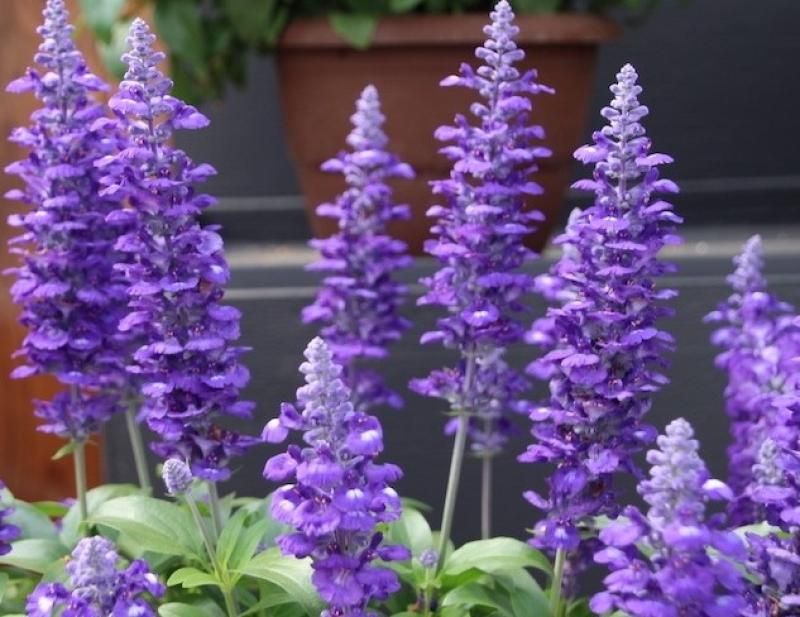
Perennial salvia is a workhorse in Florida gardens, sending up tall spikes of deep blue, purple, or red flowers that hummingbirds and bees find absolutely irresistible. Unlike annual salvias, the perennial varieties come back year after year with minimal care.
These plants thrive in full sun with well-drained soil and tolerate dry conditions once established. Cut them back after each bloom cycle to encourage fresh new growth and another wave of flowers.
For a low-maintenance pollinator magnet, few plants compete.
Railroad Vine
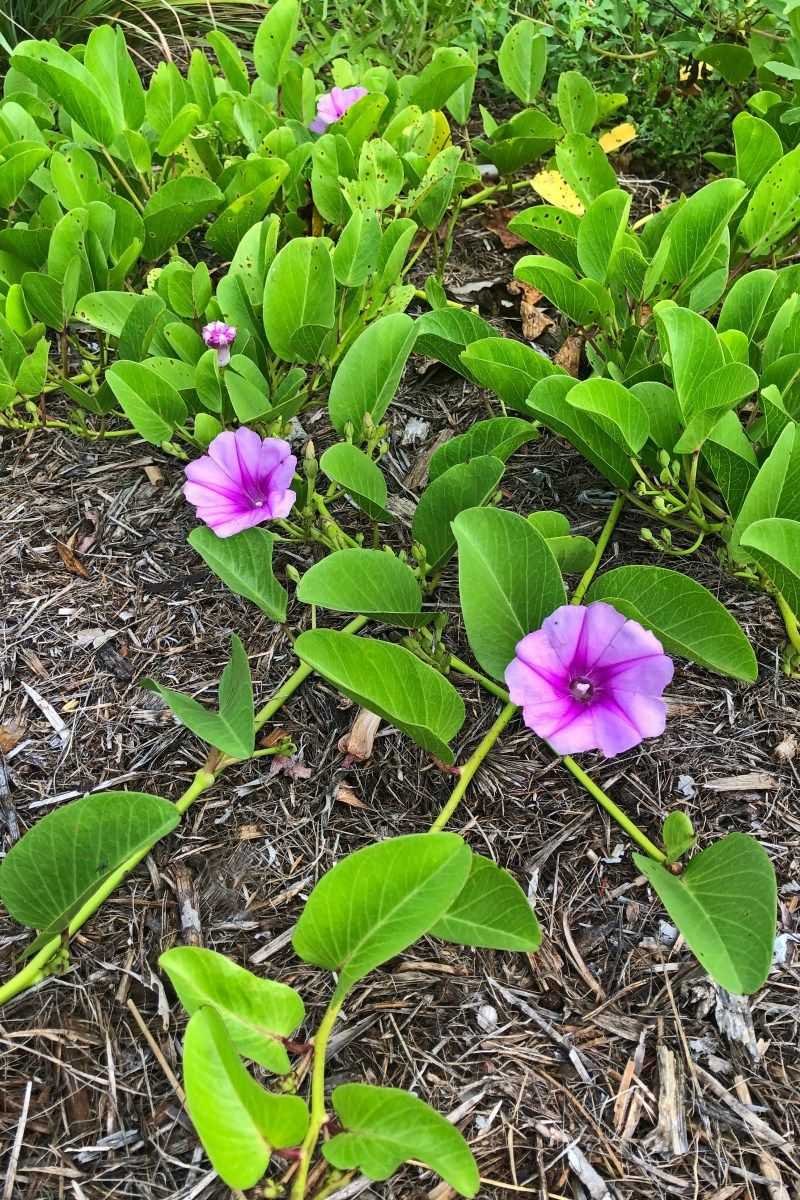
Railroad vine does something truly impressive: it stabilizes Florida’s coastal dunes while looking beautiful doing it. This fast-spreading ground cover sends long runners across sandy soil, producing large, vivid purple morning glory-like flowers throughout warm months.
It handles salt, wind, heat, and drought without flinching, making it one of the most resilient plants available for coastal Florida landscapes. Beyond dunes, it works as a tough ground cover for sunny slopes or open sandy areas where little else wants to grow.
Enjoyed this story?
Add Fast Food Club as a preferred source to see more of our reporting on Google.