


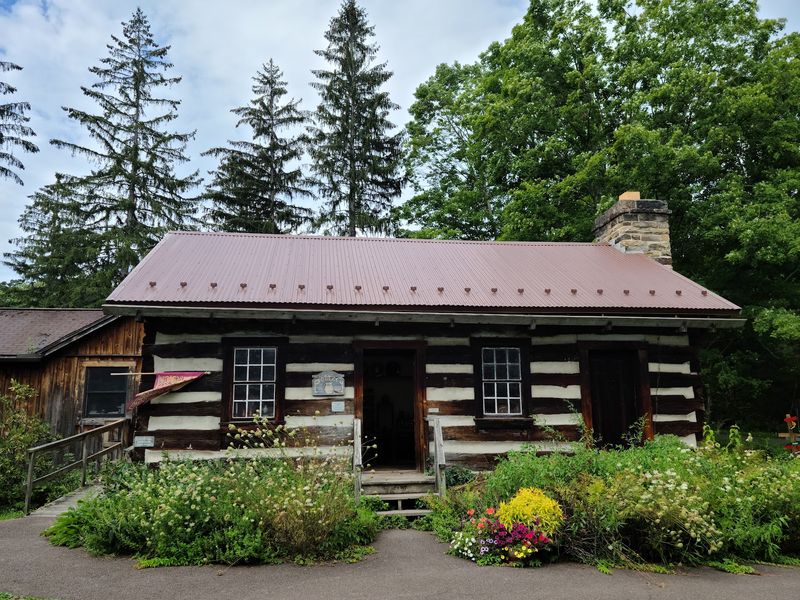
Tucked into the mountains of western Maryland sits a cluster of weathered log cabins where real artists spend their days shaping metal, throwing clay, and carving birds so lifelike they look ready to fly. These are not costumed performers going through the motions.
They are full-time craftspeople who let you watch them work and chat while they do it. The setting feels like a walk backward through a few centuries, complete with historic buildings and a stone bridge nearby.
For anyone hunting a low-key day trip with something genuinely handmade at the end of it, this quiet corner delivers more than its small footprint suggests. Keep reading to find out where it is, who works there, and how to plan a visit that fits neatly into a single afternoon.
Where To Find This Mountain Hideaway
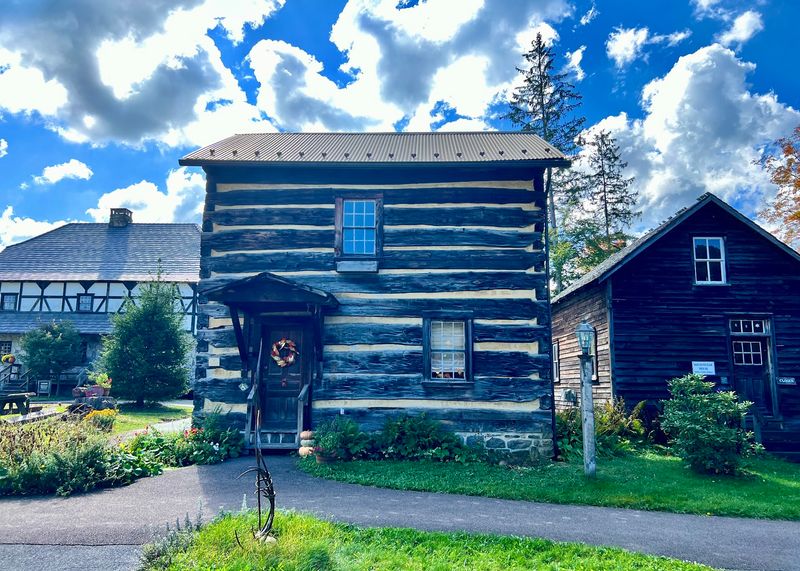
Grantsville, Maryland holds a small treasure at 177 Casselman Rd, where Spruce Forest Artisan Village spreads across a shady patch of the Appalachian foothills. The address puts you in the far western tip of the state, close to the Pennsylvania line and an easy hop off Interstate 68.
The village is a collection of restored log cabins and historic buildings, each one repurposed into a working studio or shop. It sits right beside the Casselman River, with the old stone bridge just a short walk away.
Because it hugs the mountains, the drive up rewards you with rolling countryside long before you arrive. Travelers heading toward Deep Creek Lake or passing through on their way to Washington often make it a stop.
The whole layout is compact and walkable, so you can wander from cabin to cabin without much effort. Parking is simple, and there is no sprawling complex to navigate.
What ties it all together is that sense of stepping into an older, slower version of Maryland, all within a short detour from the highway.
A Village Built From History
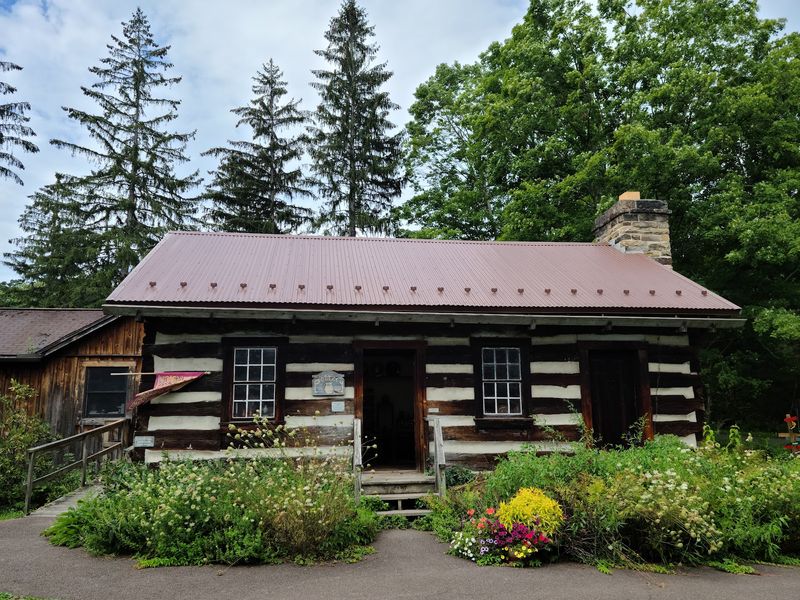
Long before it became a hub for artists, this spot carried real history in its timbers. The cabins and homes were preserved and gathered here to keep the region’s past standing, and today they house the crafts instead of families.
One of the standout structures is the Yoder house, an intriguing historical display that gives visitors a look at how earlier residents lived. There is also an old schoolhouse you can peek inside, adding another layer to the story.
Guests often describe the feeling of being transported back in time, and that is exactly the point. The buildings themselves are part of the attraction, not just backdrops for the shops.
Weather has tested the village over the years, and a tornado once damaged some of the older structures. The community has worked to keep the place standing and true to its roots.
Photographers find plenty to love, with charming corners waiting around nearly every turn. History and craft blend so seamlessly here that it is hard to say which draws people more.
The Blacksmith And His Surprising Jewelry
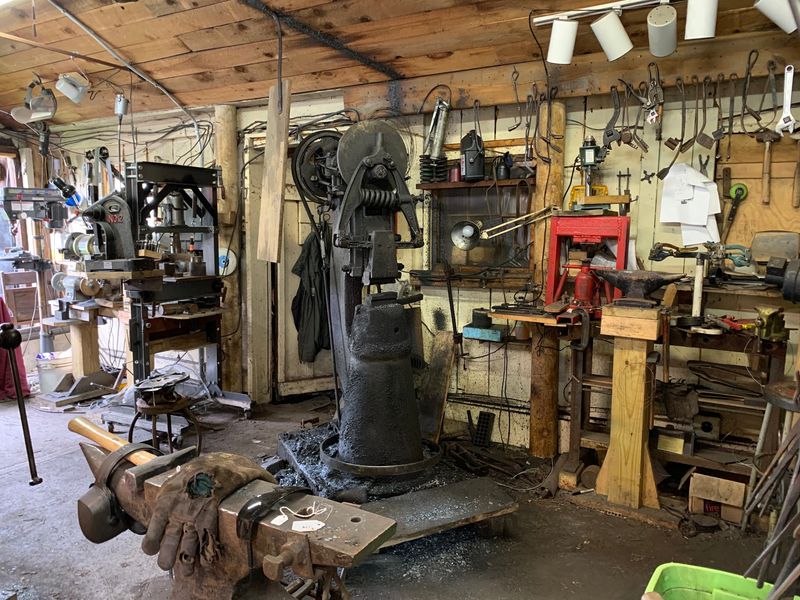
Fire, hammer, and anvil are the tools of the trade in one of the village’s most talked-about cabins. The blacksmith here does far more than bend heavy iron into hooks and hardware.
Guests are often caught off guard by the delicate jewelry that comes out of this workshop. It seems almost unlikely that the same hands working hot metal can also produce fine, one-of-a-kind pieces you would wear proudly.
The metalsmith trade earns steady mentions from those who wander through, and for good reason. Watching raw material take shape at the forge turns shopping into something closer to a show.
Steelwork pieces of all kinds fill the space, from practical items to decorative art. The variety keeps the cabin lively and full of surprises.
Talking with the smith adds to the appeal, since these artists genuinely enjoy explaining what they do. The blacksmith house lands near the top of many favorites lists, and a stop here shows you exactly why.
Watching The Potter At The Wheel
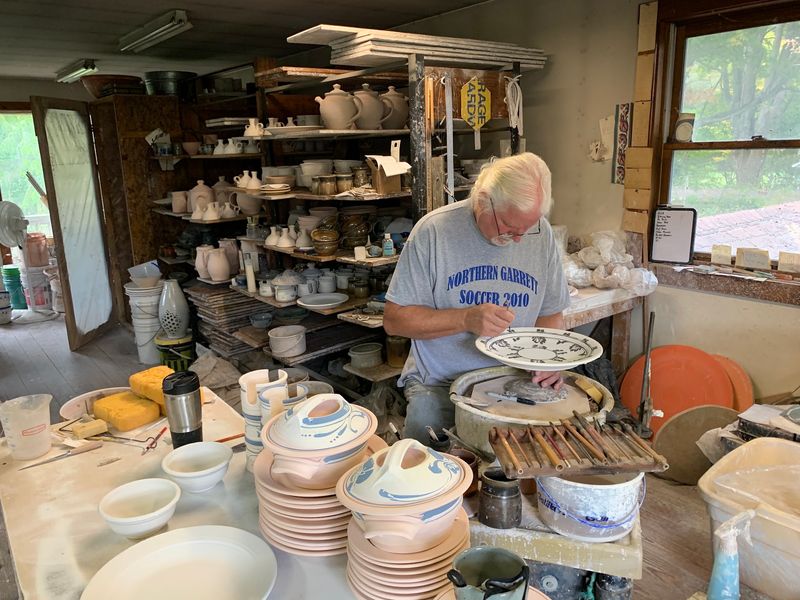
Clay spins into form inside one of the coziest cabins on the grounds, where the potter keeps the wheel turning throughout the day. Pottery earns some of the most frequent nods from those who visit, and the potter’s house ranks among the crowd favorites.
There is something quietly captivating about watching a lump of clay become a bowl or mug in real time. The finished pieces line the shelves, each shaped by hand rather than a machine.
Guests appreciate that these are usable, well-made goods, not mass-produced souvenirs. You can take home a piece knowing exactly who made it and where.
The potter, like the others here, welcomes conversation and questions. That openness turns a simple purchase into a memory attached to a person.
Glassware and other crafted goods also appear throughout the village, but the pottery studio holds a special draw. For anyone who has ever wanted to see the craft up close, this cabin delivers.
The Bird Carver Who Makes Wood Breathe
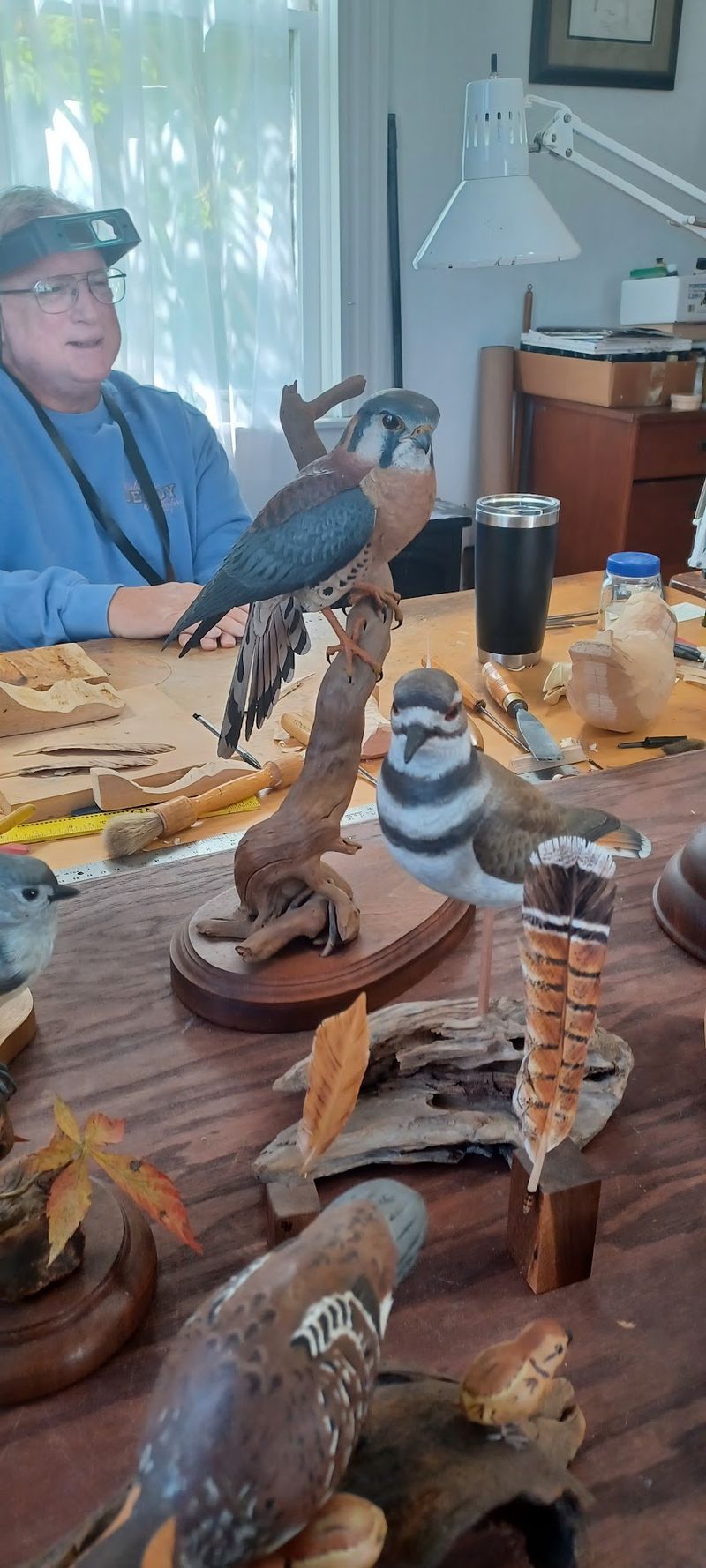
Few things in the village spark as much admiration as the carved birds that come out of one particular studio. The artist behind them, Gary Yoder, is regarded as one of the finest bird carvers anywhere.
His work goes far beyond simple woodwork. The birds look ready to lift off, and the carved feathers appear so real that it is hard to believe they began as blocks of wood.
People return to the village trip after trip just to see what new pieces he has created. That kind of loyalty says plenty about the quality on display.
Woodturning and other wood crafts round out this side of the village, giving the whole place a strong connection to the material. But the bird carver remains the headliner.
Detail this fine takes patience and mastery, and watching it happen is a rare treat. A stop at this cabin often becomes the moment guests remember most.
Quilts, Weaving, And Handmade Yarns
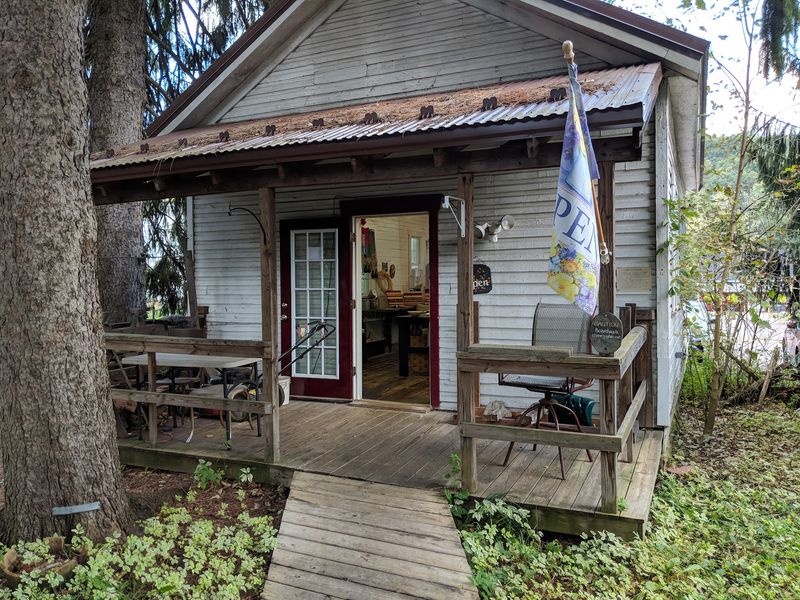
Soft crafts fill several of the cabins, and the quilting shop draws especially warm praise. Quilts come up again and again among those who explore the village, hinting at the care stitched into each one.
The weaving studio adds another dimension, with a loom turning thread into fabric before your eyes. Handmade yarns spun right here give knitters and crafters something special to bring home.
There is even a quilling shop, where paper is rolled and shaped into intricate designs. Families visiting have gotten to try quilling themselves, which makes it a hit with kids.
These textile arts show off skills that take years to master. The results range from practical to purely decorative, all made by hand.
Guests often note how welcoming the artists are as they work. Between the quilts, the weaving, and the yarns, this corner of the village celebrates craft that has warmed homes for generations.
More Makers Around Every Corner
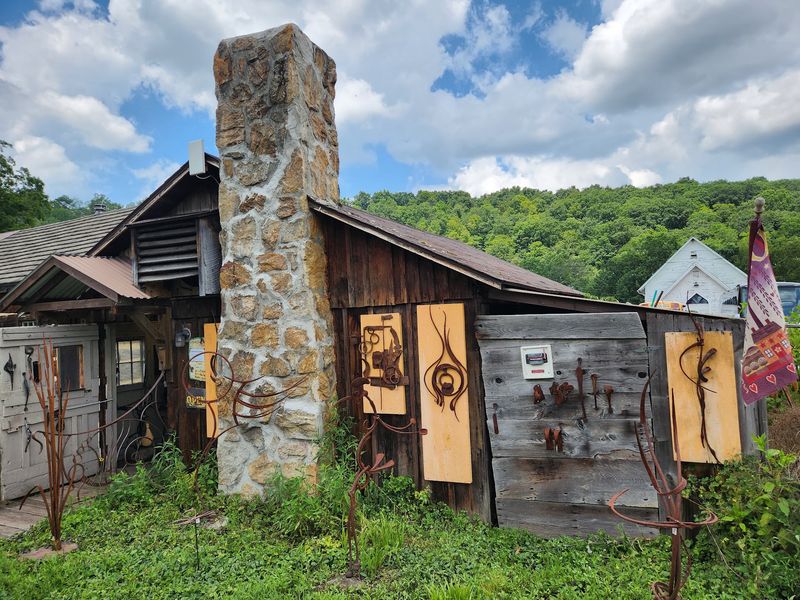
The roster of talent stretches well beyond the headline studios. A soap maker turns out handmade bars and lotions, filling one of the cabins with goods you cannot find in a chain store.
Leather workers craft everything from small mementos to sturdier pieces, while candle makers add their own handmade touch. Every cabin seems to hold a different specialty.
Artists working in watercolor and colored pencil bring a fine-art angle to the mix. Pencil drawings earn quiet appreciation from those who take the time to look closely.
Basket makers round out the lineup, keeping alive a craft that stretches back centuries. The range means no two cabins feel alike.
Because these are working artists rather than performers, the variety shifts with who is present that day. Saturdays tend to bring out the fullest crowd of makers, giving you the best shot at seeing everyone at their craft.
The Welcoming Mood And Who Will Love It
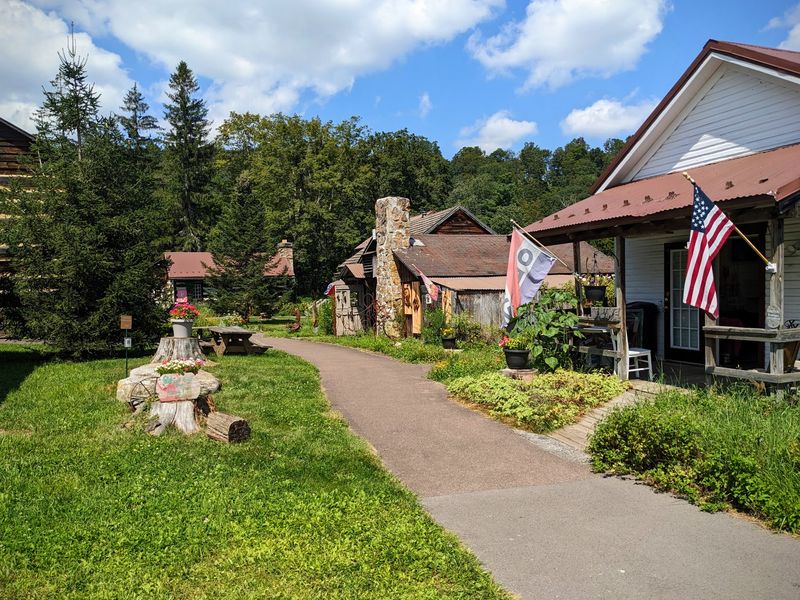
Friendliness runs through the whole place, and that warmth is a big part of the draw. The artists are knowledgeable and happy to talk, turning a casual walk-through into real conversation.
Families do especially well here, since the makers engage kids and even let them try their hand at crafts like quilling. A rainy day can be rescued by an afternoon among the cabins.
Couples, hobbyists, and history lovers all find something to enjoy. The pace is unhurried, which suits anyone looking to slow down and browse.
With a 4.7-star standing across nearly 200 opinions, the village clearly leaves people glad they came. Many make it a repeat stop whenever they pass through the region.
A small note worth keeping in mind: the selection of open studios can feel limited on quieter days. Coming when more artists are present makes for a fuller experience, so timing matters if you want to see it all.
Planning Your Visit And Nearby Bites
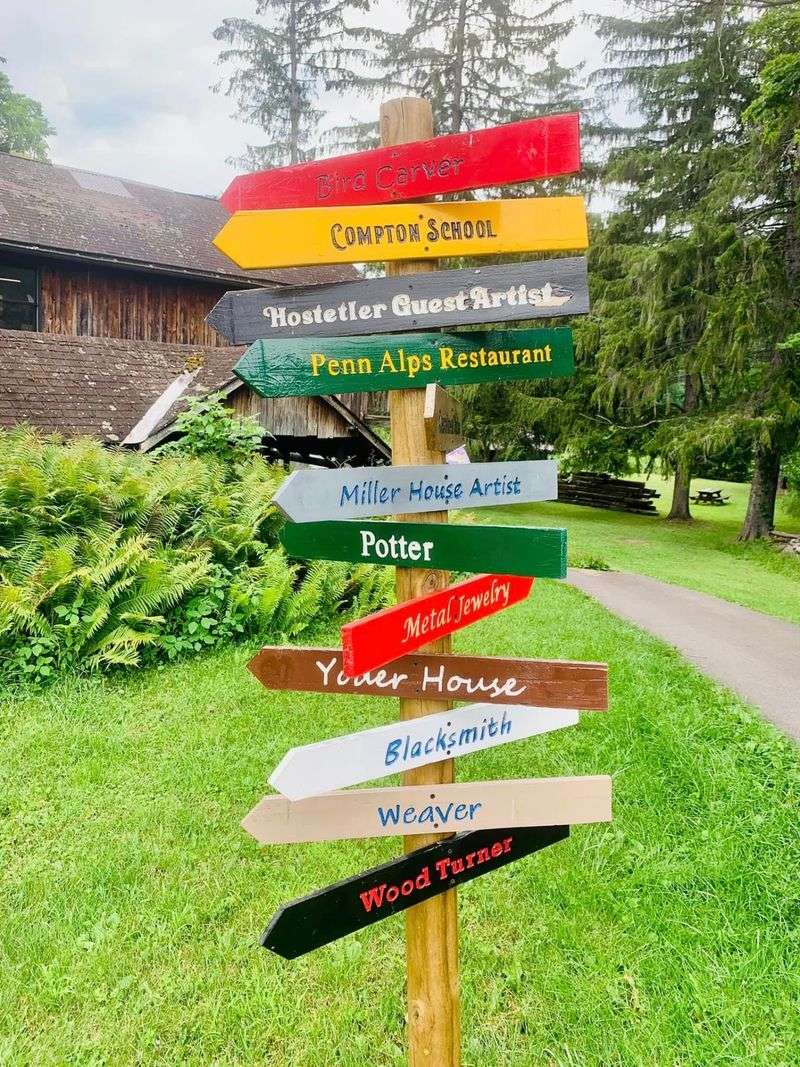
Timing your trip well makes all the difference. The village opens Thursday through Wednesday but closes on Sundays, and it also shuts down during the winter months, so plan around those gaps.
Hours run 11 AM to 4 PM most days, stretching to 10 AM to 5 PM on Fridays and Saturdays. Saturday is the recommended day, since that is when the greatest number of artists are on hand.
Right next door sits Penn Alps, offering traditional Mennonite country fare along with a craft store. Cornucopia serves up more modern plates and has a cozy fireplace, and a winery adds another option on site.
Access to the Casselman River bridge is just a few steps away, making an easy add-on to your walk. Shopping and food options adjacent to the village round out the day nicely.
You can reach the village by phone at 301-895-3332 or check spruceforest.org before heading out. A little planning turns this quiet mountain stop into a full and satisfying day trip, well worth the detour off the highway.
Enjoyed this story?
Add Fast Food Club as a preferred source to see more of our reporting on Google.