


Most Florida beaches make you fight for a towel spot. Just north of downtown Jacksonville, there is a stretch of sand where you might share the shoreline with only three other groups.
Sand dollars wash up, driftwood stands along the dunes, and turtles sometimes cross the road on the way in. The best part is that parking costs about the same as a fancy coffee.
This article walks through where the park is, what makes its beach so quiet, how the campground works, and the small tips that make a trip easier. By the end, you will know exactly why so many people keep this place on their short list of favorite Florida escapes.
A Barrier Island Hiding in Plain Sight
Few big cities keep a wild beach this close to their back pocket. Little Talbot Island State Park sits at 12157 Heckscher Dr, Jacksonville, FL 32226, in northeast Florida, United States.
The park covers a barrier island that has stayed largely natural. Instead of hotels and boardwalk shops, the island offers sandy beaches, dunes, and coastal forest.
It is run as a Florida state park, and the official description sums it up neatly. This is a barrier-island nature area built around beaches and wildlife, with room for kayaking, surfing, and picnicking.
Heckscher Drive is also the coastal route that links this island to its neighbor, Big Talbot Island State Park. That road gives the whole area a scenic, slow-down feel before you even park.
The park has earned a 4.7-star average from more than 2,800 people on Google Maps. That is a strong score for any place, and especially for one with so few frills.
So what makes a beach this close to a major city stay so quiet? The answer starts with the sand itself.
Room to Spread Out on the Sand
Crowds are the usual price of a Florida beach day. Here, that bill rarely comes due.
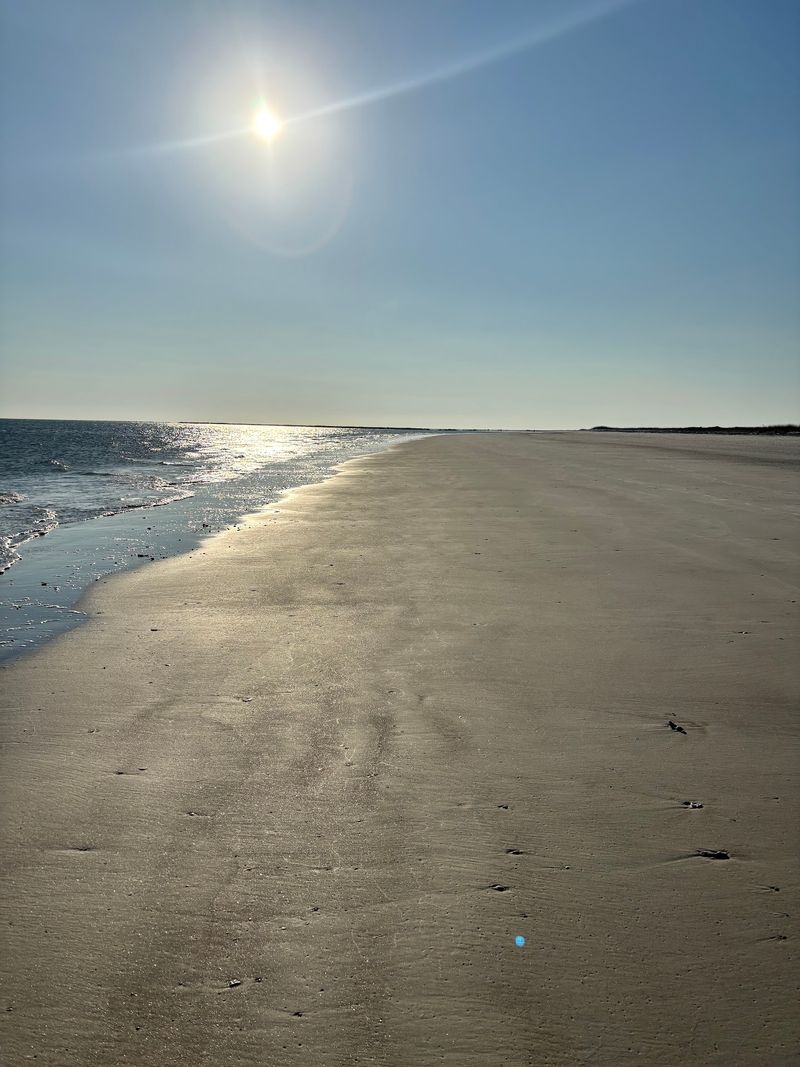
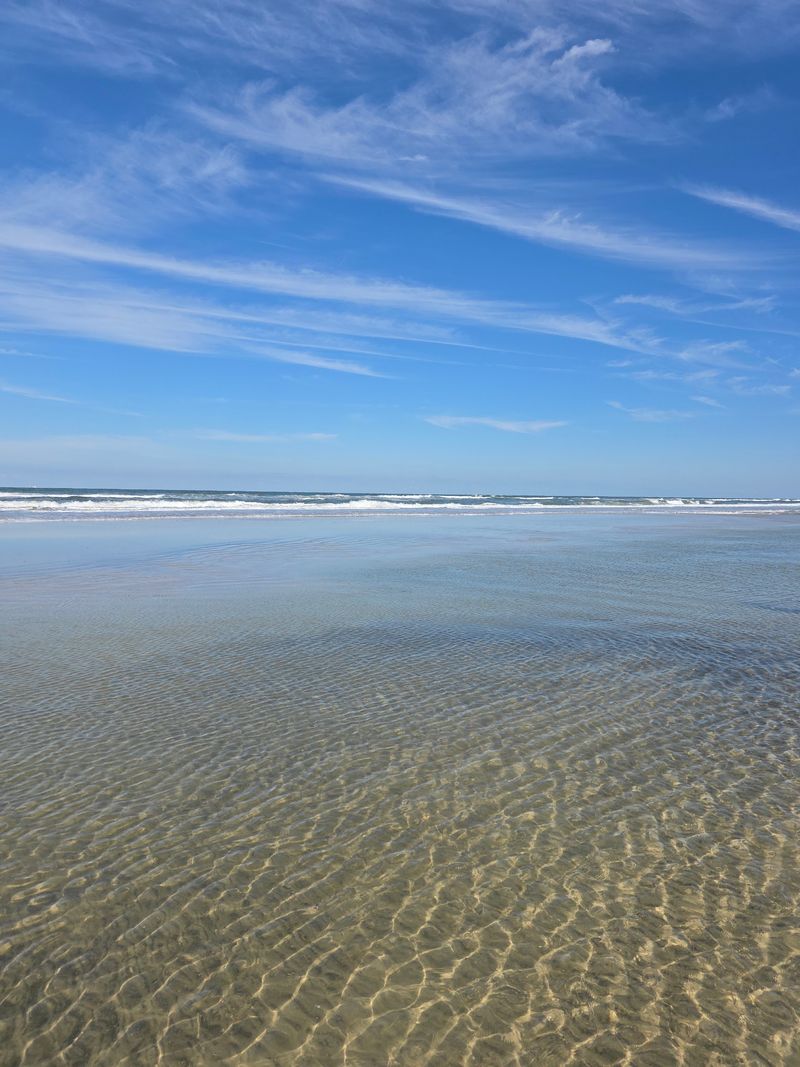
The beach is big, and it stays surprisingly uncrowded. Even on a Sunday afternoon with a fairly full parking area, the shoreline can feel open and relaxed.
Families have plenty of space to spread out without bumping elbows. On several recent trips, some groups found only themselves and maybe three other parties along the sand.
Cloudy, cooler days can bring true solitude. It is not unusual to be the only people out on the beach during the off-season.
Weekends are a different story for parking, though not always for the shoreline. Saturdays in spring can fill the lot, and weekend beach access can get busy.
The secret is simple length. With miles of shoreline, people tend to scatter, so a full lot does not always mean a packed beach.
That open space leaves plenty of room for the park’s favorite hobby, which involves looking down rather than out.
Shells, Sand Dollars, and Shark Teeth
Treasure hunters, bring a small bag. Shelling is one of the biggest draws here, and the beach delivers.
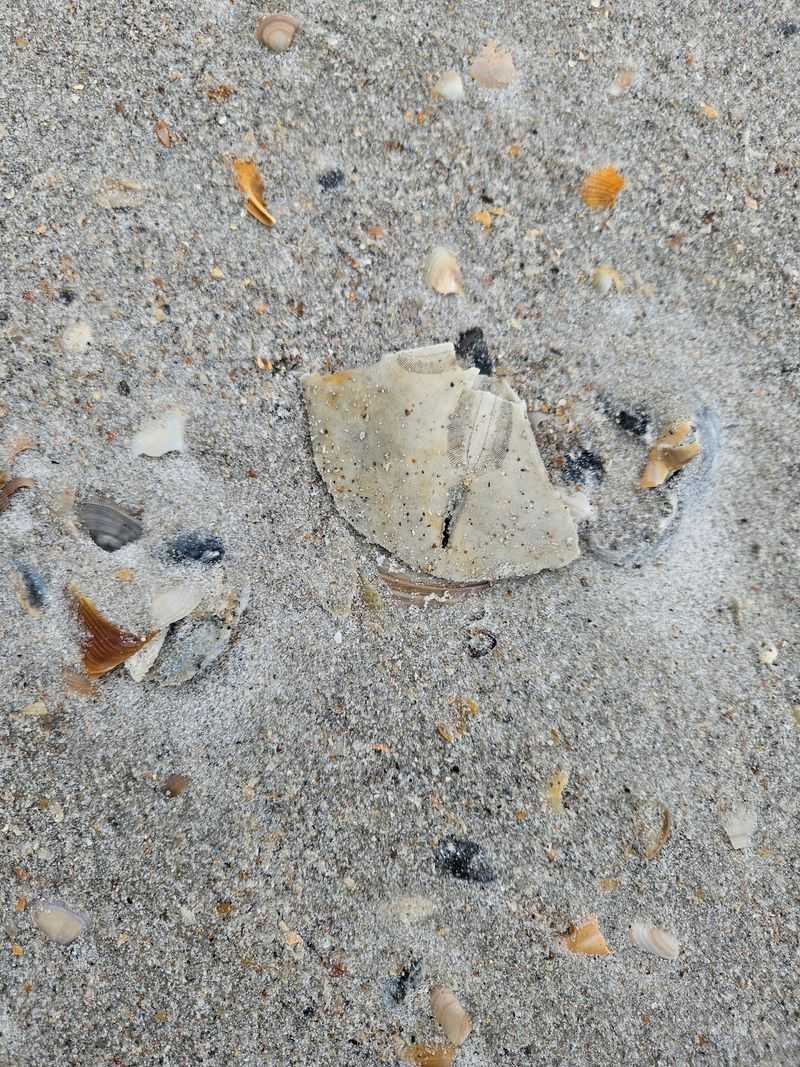
Shells come up again and again as a highlight, with some days described as having tons of them. Sand dollar pieces are a common find along the waterline.
Lucky searchers have turned up an Angel Wing shell, a delicate find that feels like a small prize. Others spend their walks scanning for shark teeth, which also appear in the sand.
Shark teeth take patience. They are small and dark, so slow walking along the tide line tends to work better than a quick stroll.
The beach is also described as great for walking and finding sand dollars. That makes it easy to combine exercise with a little low-key scavenger hunt.
Kids especially enjoy turning a beach walk into a contest over who finds the best piece. It costs nothing and can fill a whole morning.
Just remember the park is well conserved, so check current state park rules before taking anything home. Leave the living creatures right where you found them.
The Driftwood Stretch Called Boneyard Beach
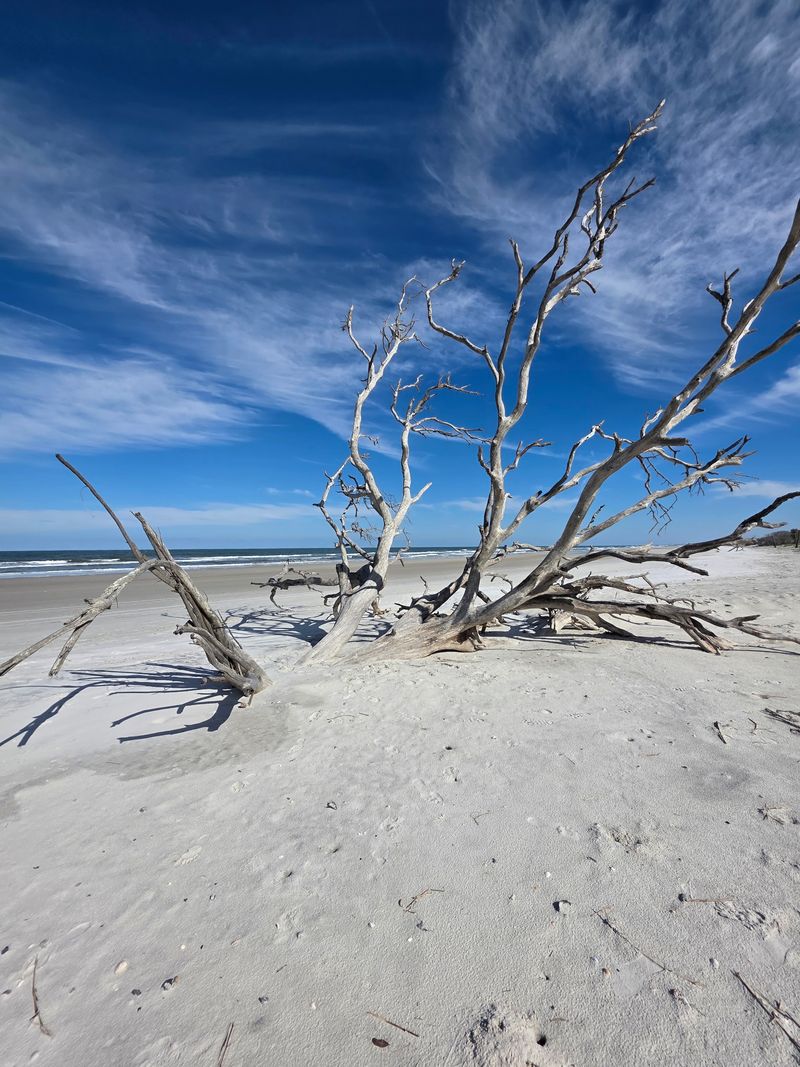
Some beaches have palm trees. This area has an entire collection of weathered trees lying and standing right on the sand.
Boneyard Beach is the nickname for the driftwood-lined shore in the Talbot Islands area. It is reached by a hike through the woods, which makes arriving there feel like a reveal.
The trees create a striking backdrop for photos. Along the coastal highway, people stop at a scenic overlook to view these bare trees on the beach.
A sign at the overlook shows common birds to look for. That turns a quick photo stop into a short nature lesson.
Driftwood shows up in many accounts of Little Talbot, too, along with the natural dunes. The mix gives the coastline a rugged, untouched look.
Photographers tend to love the area for good reason. The shapes of the old trees against open sand make almost any shot look planned.
Wear sturdy shoes for the walk in and give yourself time. The trail is part of the fun, and the destination rewards anyone who keeps going.
Turtles, Ghost Crabs, and Hooting Owls
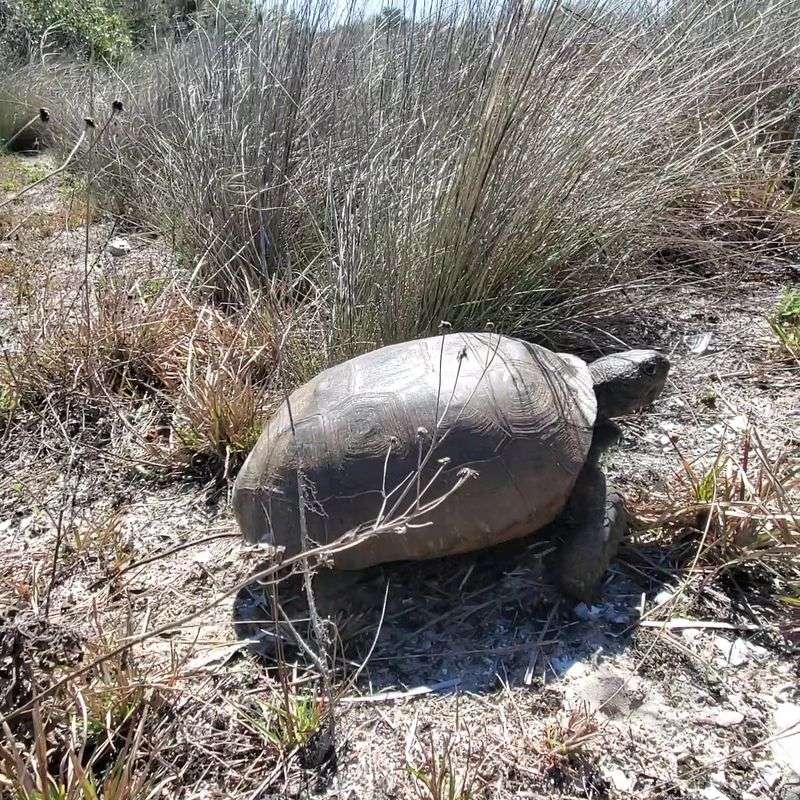
Wildlife here does not wait for an appointment. Sometimes it shows up right on the road.
Turtles are spotted often, and drivers are reminded to watch for them while heading into the park. Tortoises also come up as a familiar sight in the area.
On the beach, an Atlantic ghost crab encounter is a real possibility. These pale crabs dart across the sand and disappear into burrows.
Snakes and crabs are part of the cast as well. A morning bike ride or run can turn into a casual wildlife count.
Night brings a different crew. Campers mention a lot of hooting owls after dark, which gives the campground a wild soundtrack.
Birders get help from observation decks along the nearby boardwalk. Those platforms make it easier to spot shorebirds without disturbing them.
Not every trip guarantees a sighting, of course. Some days the animals stay hidden, and the scenery has to carry the show on its own.
Give creatures space, keep pets leashed, and drive slowly. The island stays wild because people treat it gently.
Forest Paths Behind the Dunes
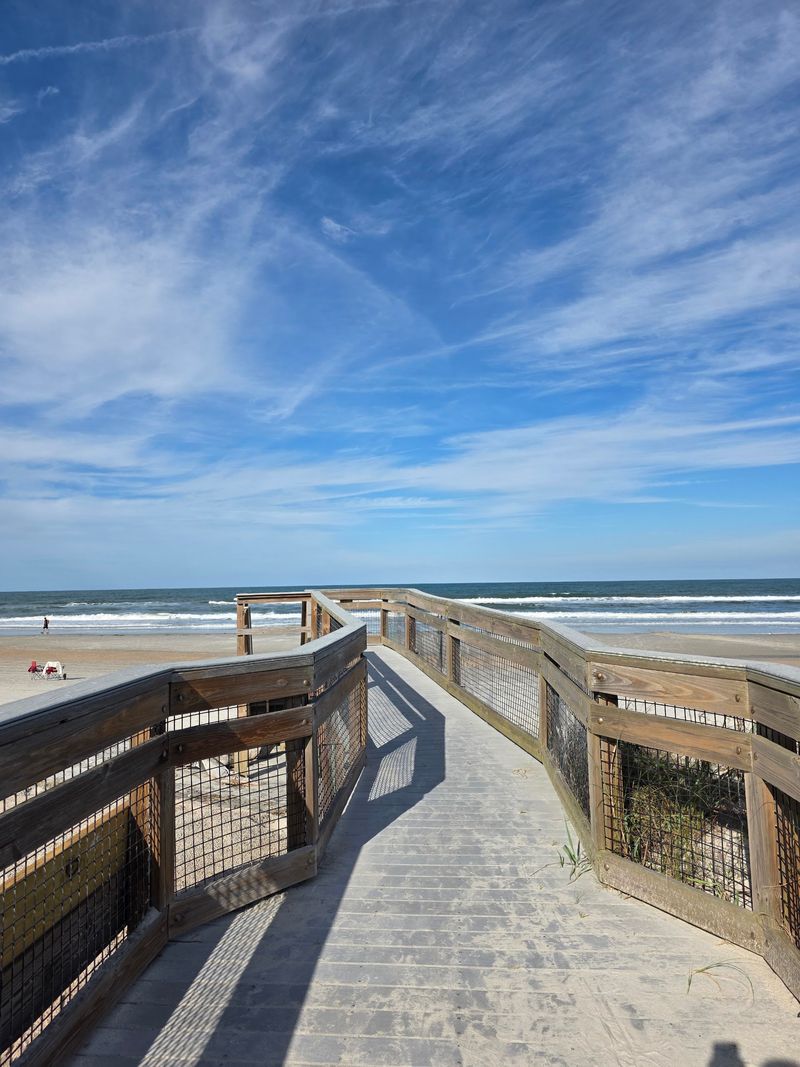
Turn your back on the ocean for a bit and a whole other landscape opens up. The island holds a mix of palm and pine forest behind its dunes.
Trails wind through these woods and are often called unbeatable. They offer a shaded break from the open beach.
The hike to the driftwood shore runs through this forest. It is a good example of how the park blends woodland and coastline in one outing.
Natural dunes act as the border between the two worlds. Three beach access points with walkovers help people cross without damaging the fragile sand.
Those walkovers protect plants that hold the dunes together. Staying on them is one small habit that keeps the island healthy.
Bug spray is a smart packing choice for any wooded walk. Mosquitoes can be a real nuisance, especially near the campground.
Plenty of water helps too, since services are not close by. A light pack with the basics keeps a trail walk easy.
The forest side may not get the headlines, but it gives the beach its wild frame.
Pedal Power Along the Coast
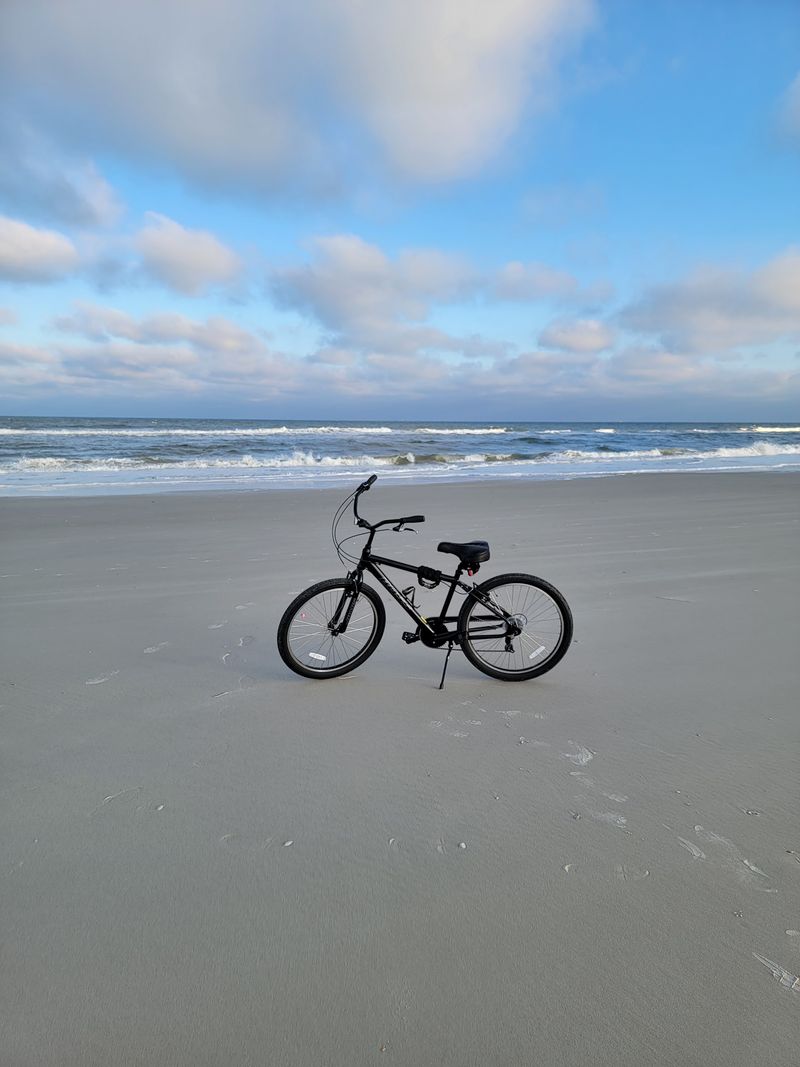
Bikes might be the most underrated beach gear here. Bike paths connect the park to a surprising amount of coastline.
Riders head from Little Talbot to Big Talbot Island State Park along a nice boardwalk overlooking the water. Bridges and bird-viewing decks break up the ride.
Along the way, there are paddle launches, boat ramps, fishing piers, and rest areas. Electric bikes and scooters share the route, too.
Ambitious riders go much farther. One popular route runs about 20 miles from the campground to Kingsley Plantation.
Plenty of people start the day with a bike ride or run, then finish on the beach. That combo makes for a full and satisfying day outdoors.
Bring bug spray and plenty of water if you plan a longer ride. Shade comes and goes, and stores are not right around the corner.
Cars and motorcycles use the highway nearby, so stay alert at crossings. A helmet and a steady pace keep things safe.
On two wheels, the islands start to feel connected in a way a car window never shows.
Paddles, Boards, and Fishing Lines
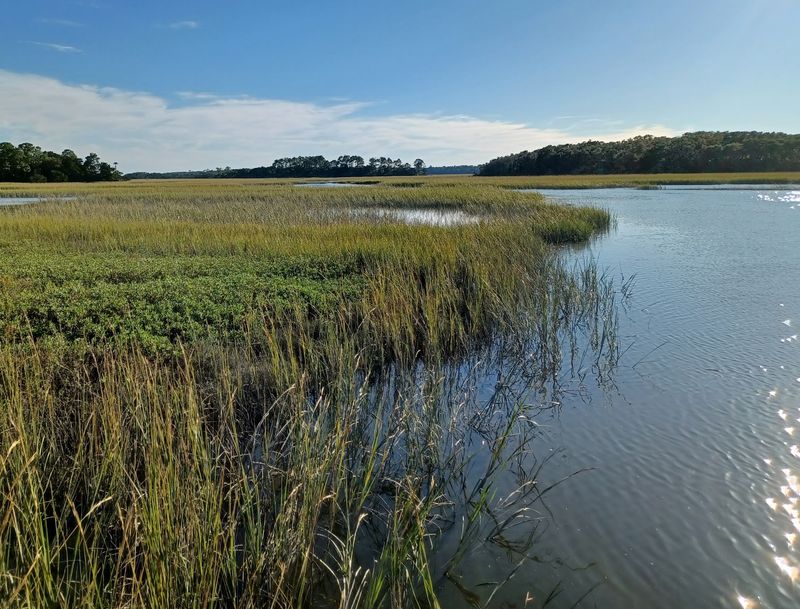
Water lovers have more options than a beach towel. The park lists kayaking and surfing among its main activities.
A small kayak or canoe launch sits behind the campground near sites 19 and 20. It gives campers quick access to the marsh.
Paddlers should plan around the tide. Even at high tide, some low spots and a winding waterway can make navigation tricky.
Checking tide charts before launching saves a lot of scraping and backtracking. Shorter trips are a smart start for first-timers.
Fishing is another major highlight. Plenty of opportunities exist, and some people have watched a nice-sized fish come in right before sunset.
Nearby paddling spots and fishing piers along the coastal route add more choices. The broader Talbot Islands area is full of water access points.
Surfers can try their luck on the Atlantic side. Conditions vary, so it pays to watch the waves before paddling out.
Whatever the gear, the quiet water here rewards patience more than speed.
Day-Use Comforts Worth Knowing
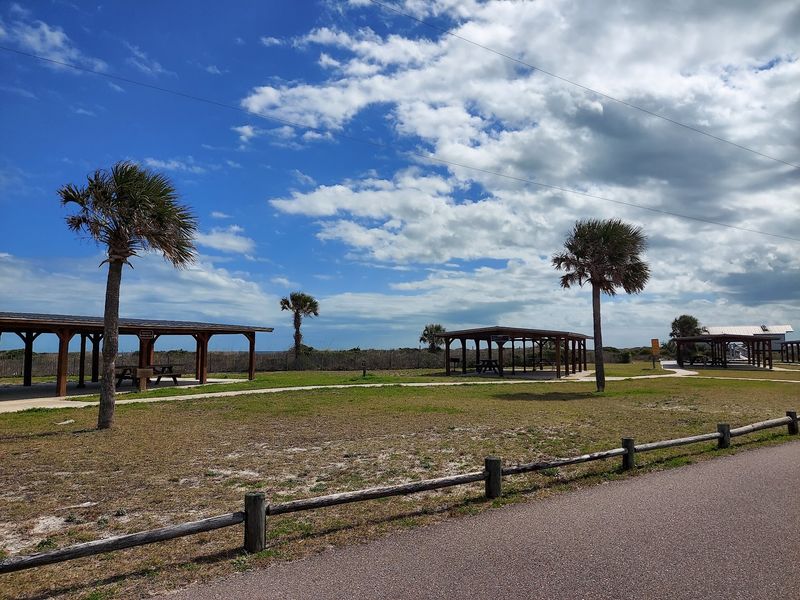
Wild does not have to mean rough. The day-use area covers the basics nicely.
Bathhouses are well maintained, with showers and restrooms near the beach parking. Families with kids often point to the clean facilities as a big plus.
Picnic areas include tables, barbecue grills, and covered gazebos. Those overhead roofs come in handy on rainy days.
Parking sits close to the beach, so hauling coolers and chairs is not a long trek. Ample space is available on most days.
Weekends are the exception. Arriving early is the best way to make sure you get a spot.
Three separate beach access points with walkovers spread people out along the shoreline. Pick one and you are only a short walk from the water.
The park has a clean, family-friendly reputation. Staff work to keep it that way, and it shows.
Pack everything you need to eat and drink before you arrive. Services are not super close, so a forgotten lunch means a long drive.
A Small Campground Across the Road
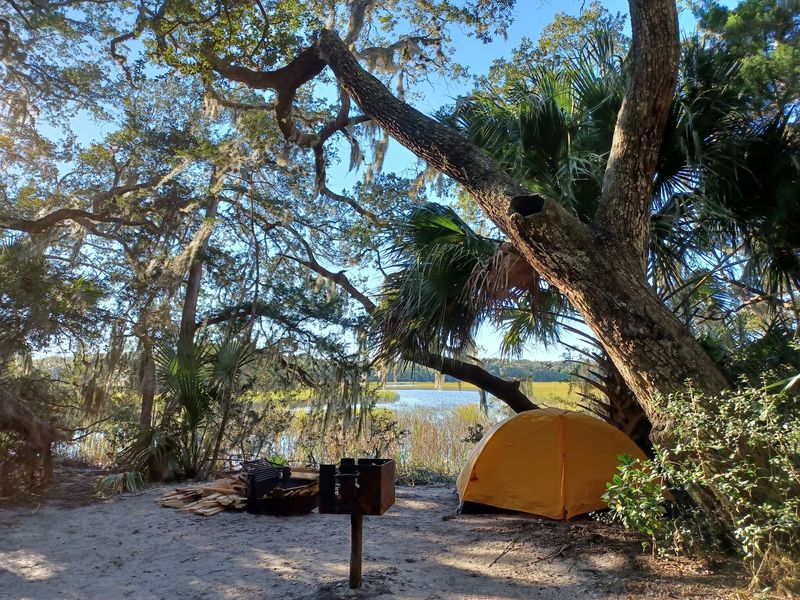
Thirty-six sites is not much, and that is exactly the appeal. The campground sits across the street from the beach.
Each RV and tent site comes with a picnic table, fire ring, and electric and water hookups. Two bathhouses offer showers and flush toilets.
The bathhouses look fairly new, with four stalls, four sinks, and three showers. An ADA-accessible site has a paved surface and direct access to facilities.
RV campers should note the limit. Rigs longer than 30 feet will not fit.
Roads inside are narrow, allowing one vehicle at a time, with low-hanging branches. Some sites can be tricky to back into.
Site 21 gets praise for being private and set apart. Sites 19 and 20 sit quite close together.
Check-in happens on the beach side, and the campground is gated. The beach is reachable on foot or by car any time, day or night.
Pets are welcome on a leash. A playground keeps kids busy, and the campground sells firewood and ice.
Fair Warnings Before You Go
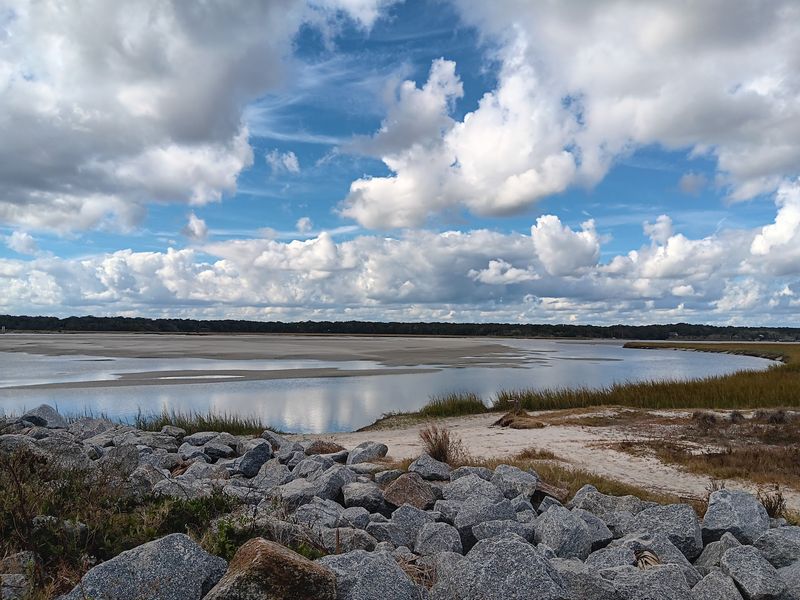
Every great spot has a few quirks. Knowing them ahead of time keeps a trip smooth.
Mosquitoes top the list. At the campground, they can be more bothersome than anything else, so bring repellent.
Road noise from the nearby highway can carry into the campground at night. Light sleepers may want earplugs.
Water issues have popped up in the past, including low pressure in bathrooms. Arriving with a filled water tank is a wise backup plan.
Cell coverage can be weak, especially for Verizon. Download maps and confirmation details before you lose signal.
The campground road has seen rough patches, though improvements appeared to be underway. Washers and dryers listed online were not available during at least one stay.
Cooler weather means chilly showers, since the bathhouses do not have heat. Pack layers for winter trips.
None of these issues stop people from booking return visits. A bit of preparation turns small hassles into minor footnotes.
Five Dollars and a Free Sunset
Here is a budget detail that surprises out-of-towners. Parking runs about $5, cheaper than many city garages.
That low price unlocks forests, dunes, trails, and miles of beach. For very little money, the variety is hard to beat.
Bring cash for extras. The ranger station sells shirts, magnets, and stickers.
Rangers and staff earn steady praise for being friendly and helpful. The team also plans special events, such as activities for Public Lands Day.
Timing matters for crowds. Weekday and off-season trips offer the most solitude, while weekend mornings call for an early arrival.
Late arrivals should keep closing time in mind. The park does close in the evening, so confirm hours on the official Florida State Parks website before heading out.
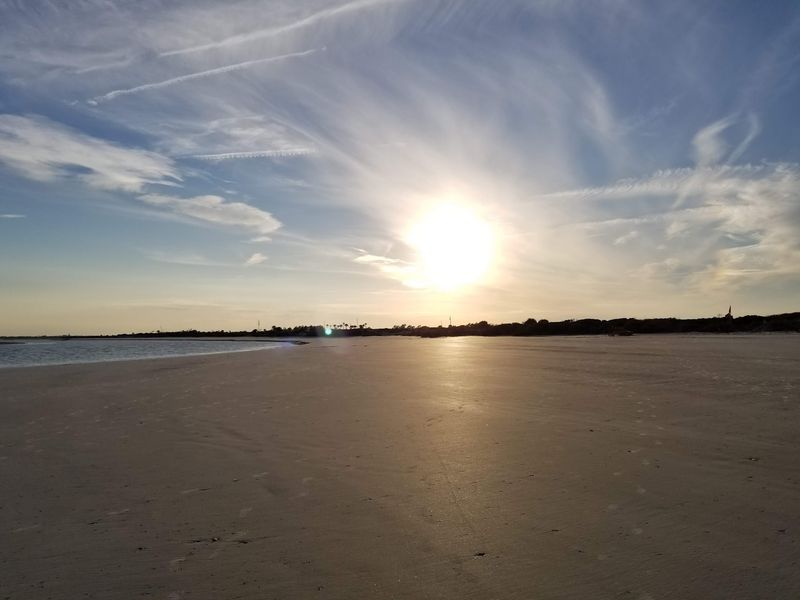
Even a quick stop near closing can pay off. Sunsets here are often called a highlight, with the marsh and dunes in soft evening light.
Bring a jacket on cooler evenings and stay until the colors fade.
Why the Quiet Keeps Calling People Back
Some people drive in from Atlanta year after year just for a quiet beach day. That kind of loyalty says plenty.
The island suits shell hunters, cyclists, paddlers, anglers, and campers who prefer small over flashy. Families like the clean facilities and open space.
Photographers find endless material in the driftwood and dunes. Nature fans get turtles, crabs, and owls as bonus guests.
The trade-off is simplicity. There are no shops or snack stands nearby, so self-sufficient travelers fit best.
A little planning goes a long way. Pack food, water, bug spray, and cash, then arrive early on weekends.
Campers who book once often reserve a return stay before checking out. That habit sums up the pull of the place.
For a slice of authentic Florida coast near Jacksonville, this park is worth the drive. The beach may stay almost empty, but a day here rarely feels anything less than full.
Enjoyed this story?
Add Fast Food Club as a preferred source to see more of our reporting on Google.