


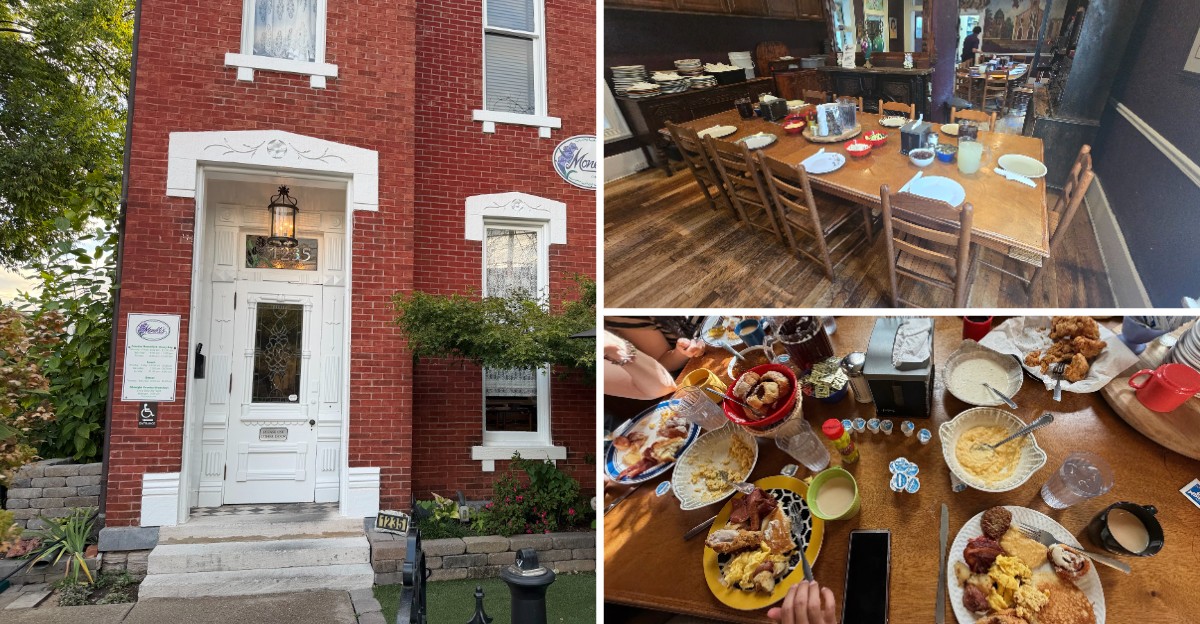
Nashville has a breakfast spot where nobody gets a private table, and nobody seems to mind. A party of two walks in and sits down beside a family of five, a couple from out of state, and maybe a local who has been coming for years.
Platters of fried chicken travel from hand to hand, and before the bowls make a second lap, strangers are swapping first names and travel tips. It sounds like a social experiment, yet this Southern kitchen has run on the idea for more than three decades.
Keep reading to learn how the seating works, what lands on the table, when to show up to beat the line, and why so many people walk out already planning a return trip.
An Old House on 6th Avenue North
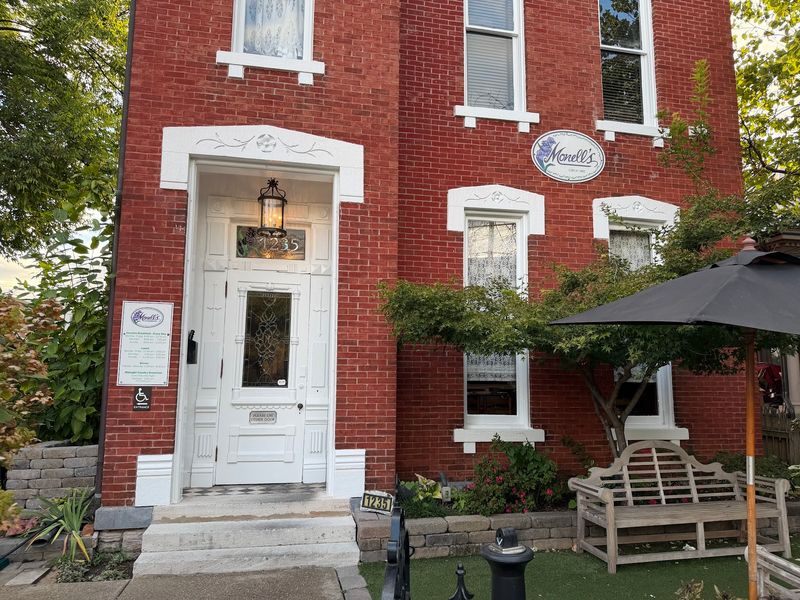
Monell’s sits at 1235 6th Ave N, Nashville, TN 37208, in a historic building that looks more like somebody’s family home than a restaurant.
That first impression fits the mission. The place is a Southern restaurant built around one simple promise, which is that a meal should feel like a family gathering, even when the family is made up of people who met five minutes ago.
A sign out front spells out the house philosophy: “Enter as Strangers, Leave as Friends.” Plenty of restaurants hang slogans on the wall, but few commit to them as fully as this one does.
The format is communal and all-you-can-eat. Guests do not order from a menu and wait for individual plates.
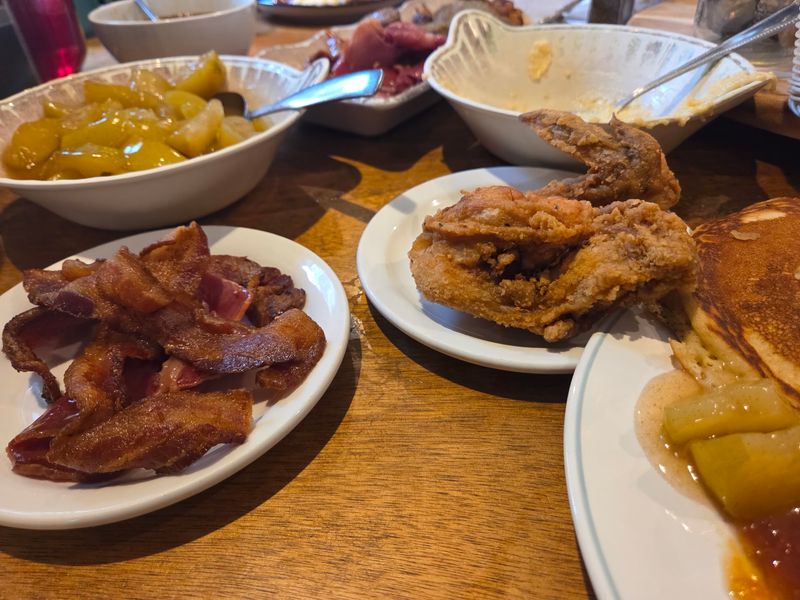
Instead, staff seat parties together at long shared tables, then bring out platters and bowls of Southern cooking to be passed around. The fried chicken gets top billing in nearly every conversation about the place.
Breakfast runs every day of the week, and dinner service is added on most evenings. Prices land in the $10 to $20 range per person, a friendly number for a meal that keeps coming until the table finally says enough.
Nashville has no shortage of places to eat. This one turned a simple seating rule into a local tradition, and that story starts with the house itself.
Three Decades of Homespun Decor
Some restaurants chase trends every few years. This one has spent more than 30 years doing close to the opposite.
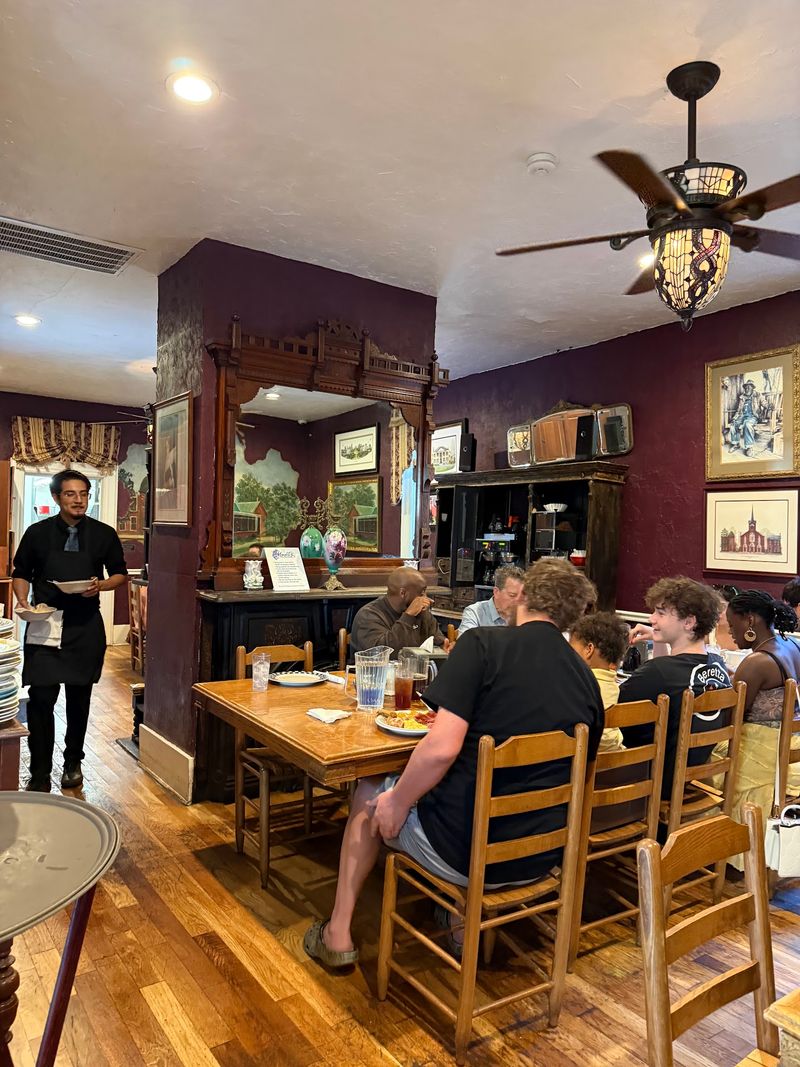
The dining rooms are set inside a very old house, and the interior leans into that history rather than hiding it. Plain wooden chairs line the tables, white tile covers the floors, and vintage holiday decorations add a homespun touch.
Nothing about the look is fancy or staged. It feels lived-in and unpretentious, which suits the family-style concept perfectly.
Because the building was a house first, seating is spread across several separate rooms rather than one big open hall. That layout matters more than it might seem.
Each room holds its own tables and its own small community of diners. The result is a meal that never feels like a crowded cafeteria, and conversations stay at a level where people can hear one another across the table.
The historic surroundings also give the place a sense of permanence in a city that changes quickly. New spots open all over Nashville every year, while this address has become a steady city staple with regulars who have returned for years.
There is no velvet rope and no dress code here. There is just an old house with its doors open and a lot of chairs waiting to be filled, and who fills them is where things get interesting.
The Seating Rule That Changes Everything
Here is the twist that makes first-timers pause at the door: there are no private tables.
Staff usually start by asking whether a party has been in before. Newcomers get a quick explanation of how the seating works, which helps, since it is not how most restaurants operate.
Tables seat around twelve people. A party of two might be placed at an empty table, then joined by a family of five, then a couple from another state, until every chair is taken.
Early arrivals sometimes share a table with a longtime regular who keeps the conversation going until the next group sits down. Then come the next people, and the next, until the table is complete.
Food usually starts flowing once the table is nearly full, so the whole group begins the meal together. Drinks are often already waiting when guests sit down, and a small first round may show up while everyone settles in.
Bigger parties fit into the system too. A group of eight arriving for breakfast can be seated right away alongside another family, and the rhythm carries on as usual.
The rule quietly removes one decision from the day. Nobody debates booth versus window seat, because everyone ends up at the same table anyway, shoulder to shoulder with brand-new company.
Fried Chicken on the Move, Passed to the Left
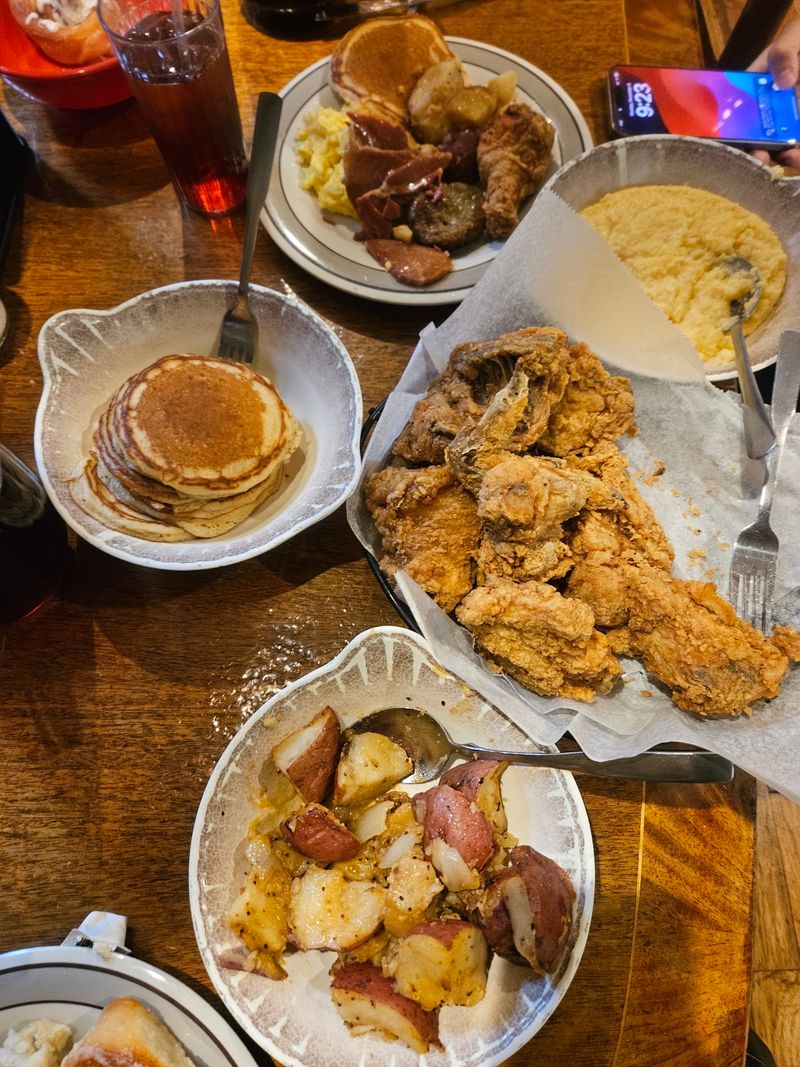
Fried chicken may be the headliner, but the real show is how it travels.
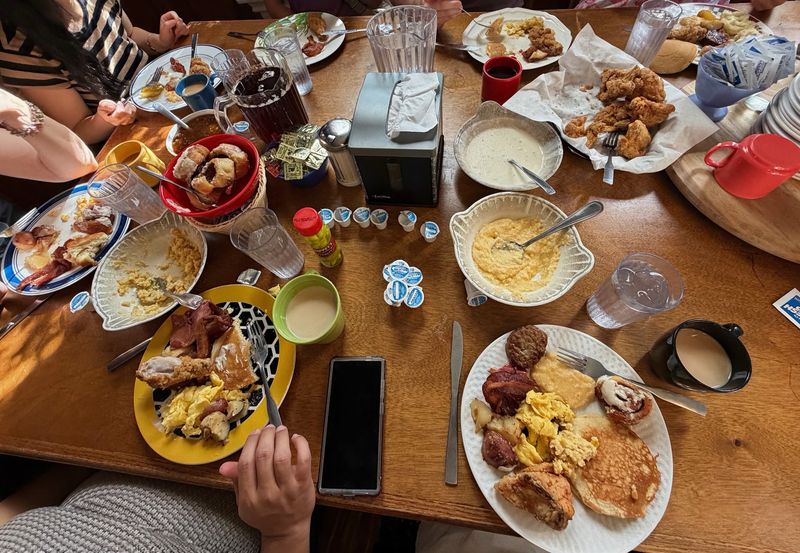
Platters and bowls arrive one or two at a time and get passed around the table, traditionally to the left. Each person takes a helping and hands the dish along, so the meal becomes a group effort from the very first serving.
The spread goes well beyond the chicken. Servers bring out a long lineup of Southern sides, breads, and dessert, and the selection shifts between breakfast and dinner.
Since it is all-you-can-eat, the staff takes refills seriously. When a bowl runs low, servers replenish it on request, and they check on tables often.
Regulars share one key piece of advice with newcomers: pace yourself. The dishes keep appearing, and loading up on the first platter can leave little room for everything that follows.
Many people find a single round is plenty, even though seconds are always an option. Some end up asking for a second plate anyway.
The fried chicken earns strong praise and shows up at both breakfast and dinner. Seasoned diners suggest taking a modest first piece, since the rest of the table deserves attention too.
Nobody really leaves hungry, and the kitchen seems determined to keep it that way.
Where Small Talk Turns Into Travel Tips
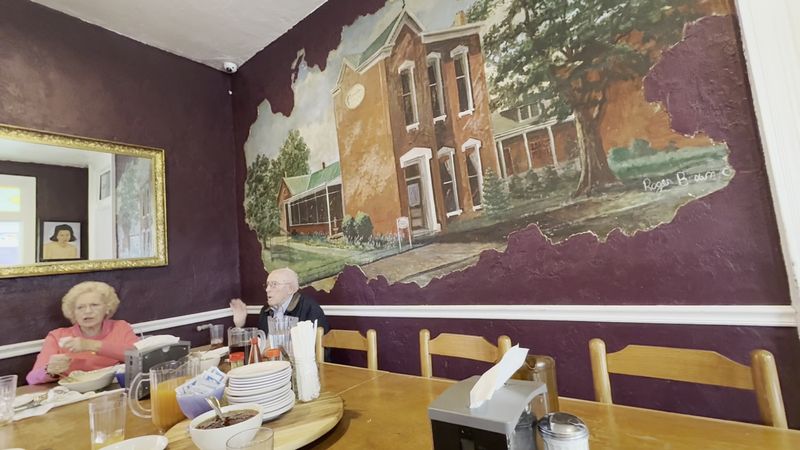
Nobody signs up for a meet-and-greet when they come for breakfast, yet that is roughly what happens here, and people love it.
Meeting new people ranks among the most talked-about parts of the experience. A single meal might introduce a table to a couple from Texas, locals celebrating a birthday, and a family on vacation.
Road-trippers from Germany have shared a table with Nashville residents who handed out recommendations for places to explore around town. That kind of exchange is hard to plan and easy to remember.
Some diners joke that the strangers beside them turned into cousins by the end of the meal. Passing a platter gives everyone a built-in reason to talk.
The noise level surprises many first-timers. Even at a long table, a request to pass the next dish can be heard without anyone raising their voice, so real conversation is possible.
Friendly staff help set the tone. Servers are known for being warm and attentive, and the whole place moves at a relaxed pace that invites people to linger a little.
Many restaurants introduce you to a menu. This one introduces you to a room full of people.
The sign out front makes a bold claim about strangers and friends, and judging by how often guests leave trading names and stories, it holds up better than most mottos.
Solo Diners, Big Families, and Reunion Crowds
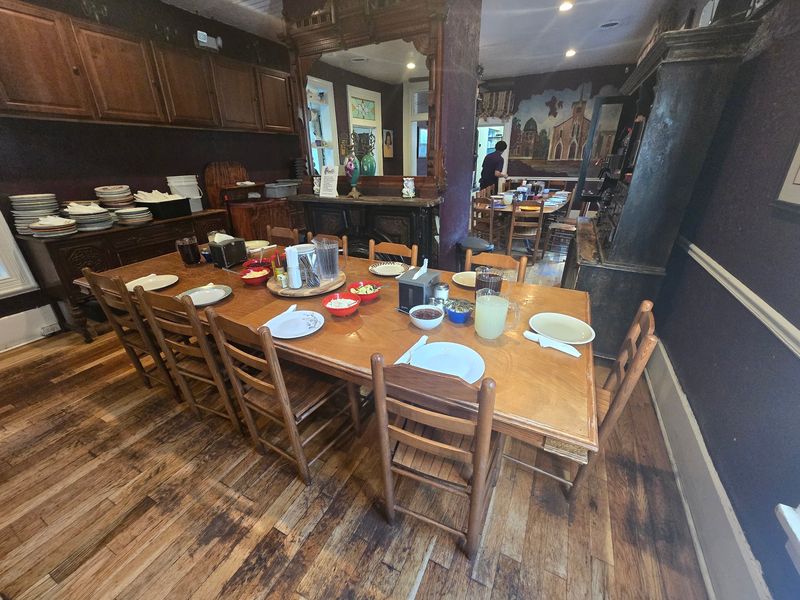
A quiet candlelit table for two is not part of the deal.
Solo diners are welcome, though, and some of the happiest guests are people who show up alone. The staff simply seats them with others, and breakfast turns into a group affair.
A little extroversion helps. Guests who prefer privacy during meals may find the format a stretch, while anyone who enjoys chatting with new faces tends to have a great time.
Families traveling together get a double benefit. They enjoy time with their own relatives and meet new people at the same time, which many describe as a cultural experience as much as a meal.
Large events are another strength. One family reunion booked a reservation for 70 people, filling essentially the entire restaurant, and the group also used the outdoor garden for a ceremony.
The venue is popular for rehearsal dinners as well. Planners should know that guests end up eating in different rooms, so a portable microphone and speaker help if someone needs to address everyone.
Group reservations are only taken after 8, and even bookings made months ahead may involve waiting for earlier diners to finish. Planning well in advance is still the smart move.
For most people, the fit is simple. Curiosity, an appetite, and a little patience for new company are the only real requirements.
Hours, Costs, and the Morning Line
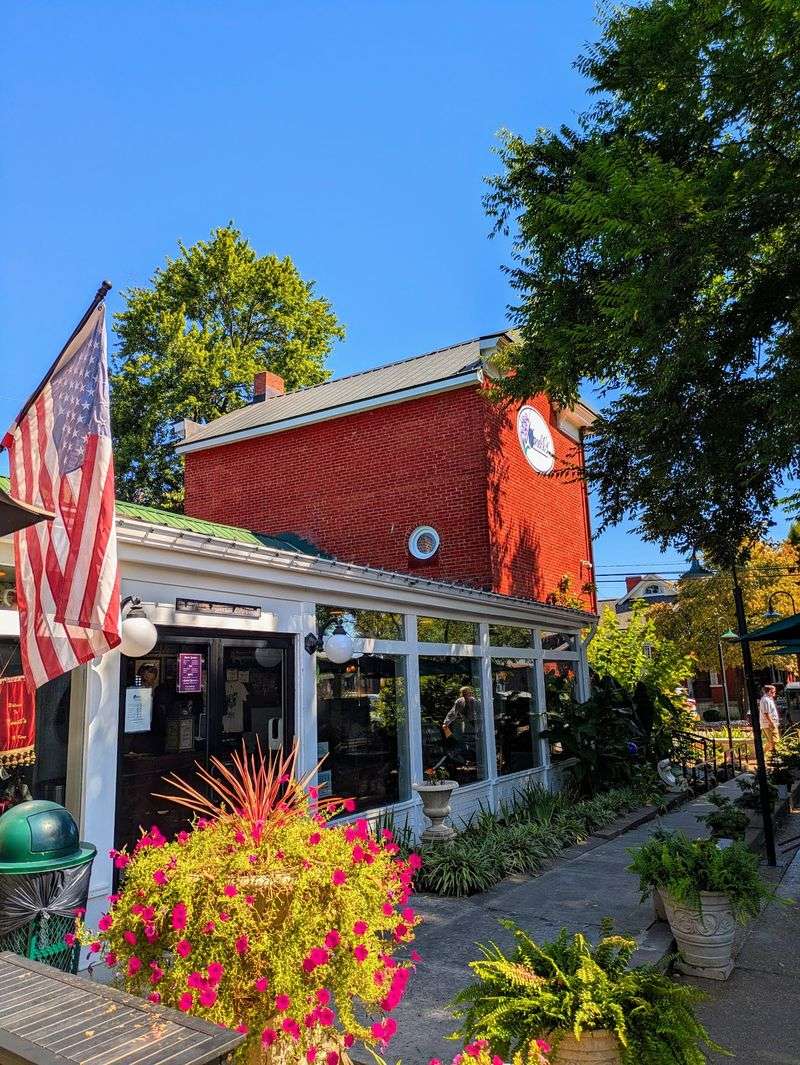
A little planning goes a long way at a restaurant that does not take reservations for everyday dining.
Doors open at 8 AM every day. Daytime service runs until 3 PM Monday through Saturday and until 4 PM on Sunday.
Dinner adds a second window from 5 to 8:30 PM on Tuesday, Wednesday, Thursday, Friday, and Saturday. Sunday and Monday are daytime only, so evening plans on those days need a backup.
Costs sit in the $10 to $20 range per person. A recent breakfast came to about $19.70 before tip, and a full dinner spread with dessert runs around $20, which many consider a steal for unlimited servings.
Weekends bring waits, and they can be sizable. A group arriving at 8:15 AM was seated immediately, while people showing up around 9:15 AM heard about a 30-minute wait.
Weeknight evenings tend to be easier. Parties arriving right at the 5 PM opening on a Thursday, or around 5:45 PM on a Wednesday, have been seated without delay.
Parking nearby can be a bit pricey, so set aside a few extra dollars. The meal price usually makes up for it.
Hours can change, so a quick check of the official website at monellstn.com before heading over is always a good idea.
A Table Worth Sharing
Plenty of restaurants promise hospitality. Few hand guests a seat next to strangers and trust the meal to handle the rest.
That trust pays off here. For more than three decades, Monell’s has shown that a shared table and a steady parade of platters can turn an ordinary breakfast into a story people carry home.
The appeal is not complicated. Southern cooking arrives in generous amounts, the fried chicken makes its rounds, and the staff keeps bowls full without rushing anyone out the door.
What lingers afterward is usually the company. A birthday celebration at one end of the table, a road-tripping family at the other, and a local sharing favorite spots around town make each visit a little different from the last.
The format will not suit every mood. On days when privacy matters most, a regular restaurant might be the better call.
On most other days, this old house offers something rare in a busy city: a reason to put the phone down and talk to the person next to you.
Arrive early, pace yourself at the table, and leave some room for dessert. Chances are good the group heading out the door will be a lot friendlier than the one that walked in.
Enjoyed this story?
Add Fast Food Club as a preferred source to see more of our reporting on Google.