


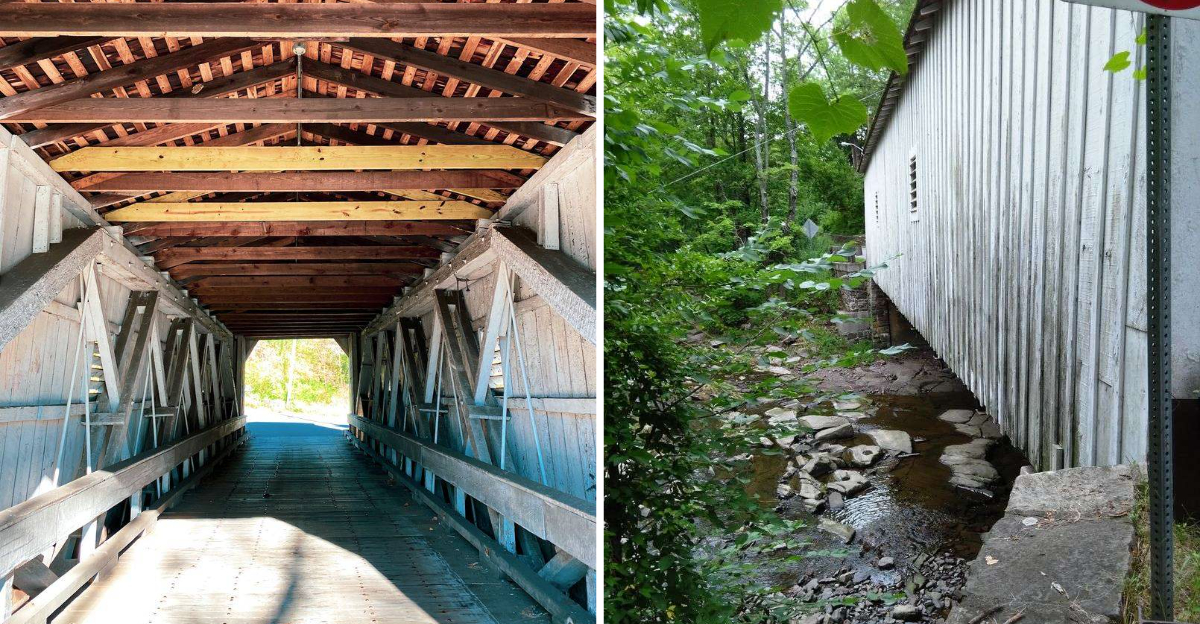
Tucked away along a quiet country road in Stockton, New Jersey, the Green Sergeant Covered Bridge has been standing strong since 1872. Most people passing through the Garden State have no idea this charming wooden landmark even exists.
At over 150 years old, it holds a special place in history as one of only two public covered bridges left in all of New Jersey. Whether you love history, photography, or just a good road trip, this hidden gem is absolutely worth the visit.
A Bridge Built in 1872 That Still Carries Traffic Today
Back in 1872, when Ulysses S. Grant was president and the Civil War had only recently ended, workers were busy hammering together what would become one of New Jersey’s most beloved landmarks.
The Green Sergeant Covered Bridge was built to span Wickecheoke Creek, and amazingly, it still carries real traffic today.
That means real cars drive through it every single day, making it a living piece of history rather than just a museum piece. Not many structures from that era can say the same.
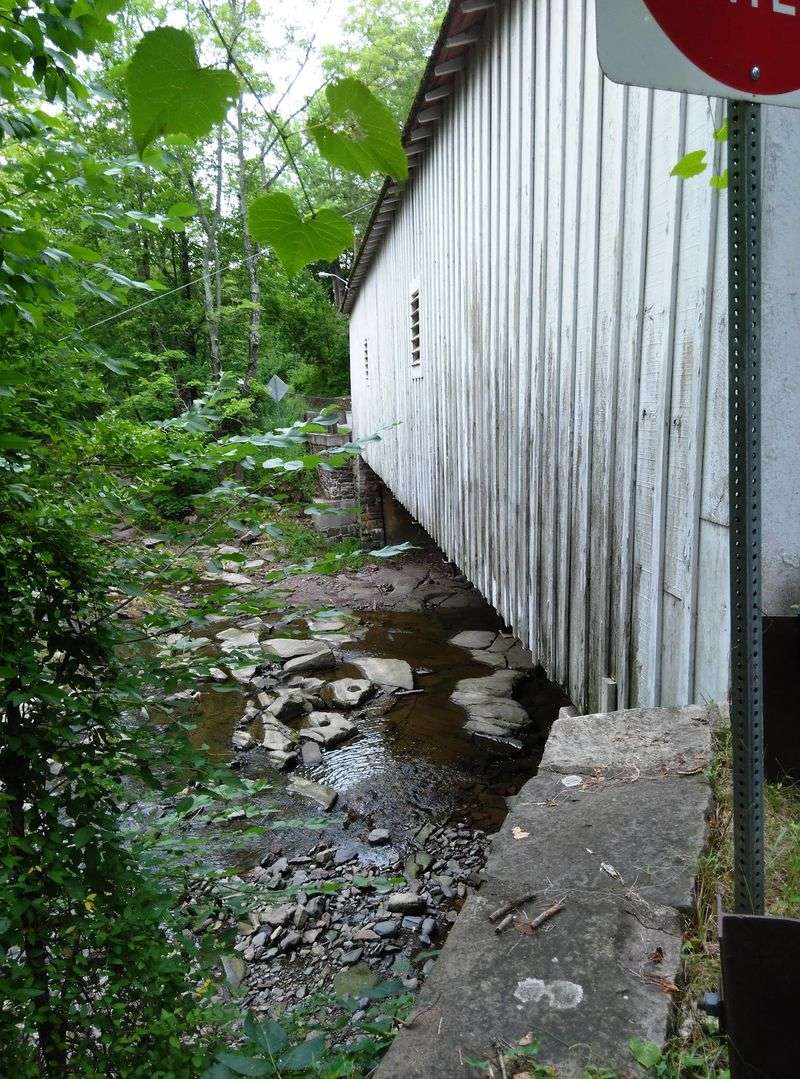
The bridge sits on stone abutments that are even older, dating back to Colonial times, which adds another layer of jaw-dropping history beneath its wooden frame.
Visiting this bridge feels like stepping into a time machine. You pull up, hear the boards creak under your tires, and suddenly 150 years of New Jersey life comes rushing right at you.
One of Only Two Public Covered Bridges Left in New Jersey
Here is a number that might surprise you: out of all the covered bridges that once dotted New Jersey’s countryside, only two remain open to the public today. The Green Sergeant Covered Bridge is one of them, with the Scarborough Bridge in Cherry Hill being the other.
Pennsylvania’s Bucks County alone has dozens of covered bridges, which makes New Jersey’s rare survivors feel even more precious. Knowing that you are looking at one of just two left in the entire state gives the experience a completely different weight.
You are not just seeing a cool old bridge; you are witnessing something that nearly vanished forever.
Several private covered bridges do exist elsewhere in New Jersey, but the public cannot access them freely. The Green Sergeant bridge is a shared treasure, and the local community has worked hard to make sure it stays that way for future generations to enjoy.
The Unique Truss Design That Sets It Apart From Every Other Bridge
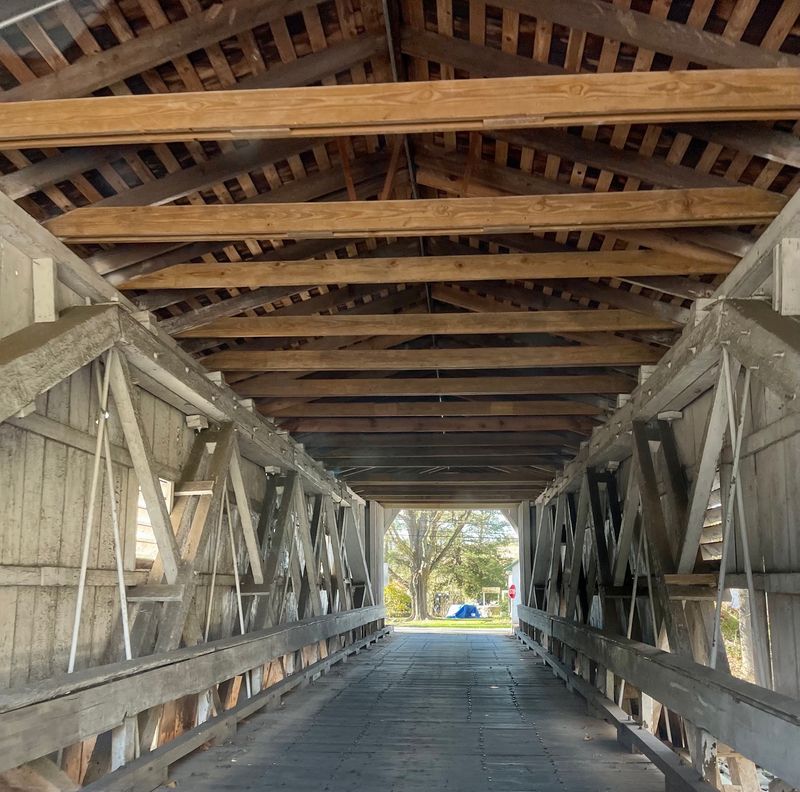
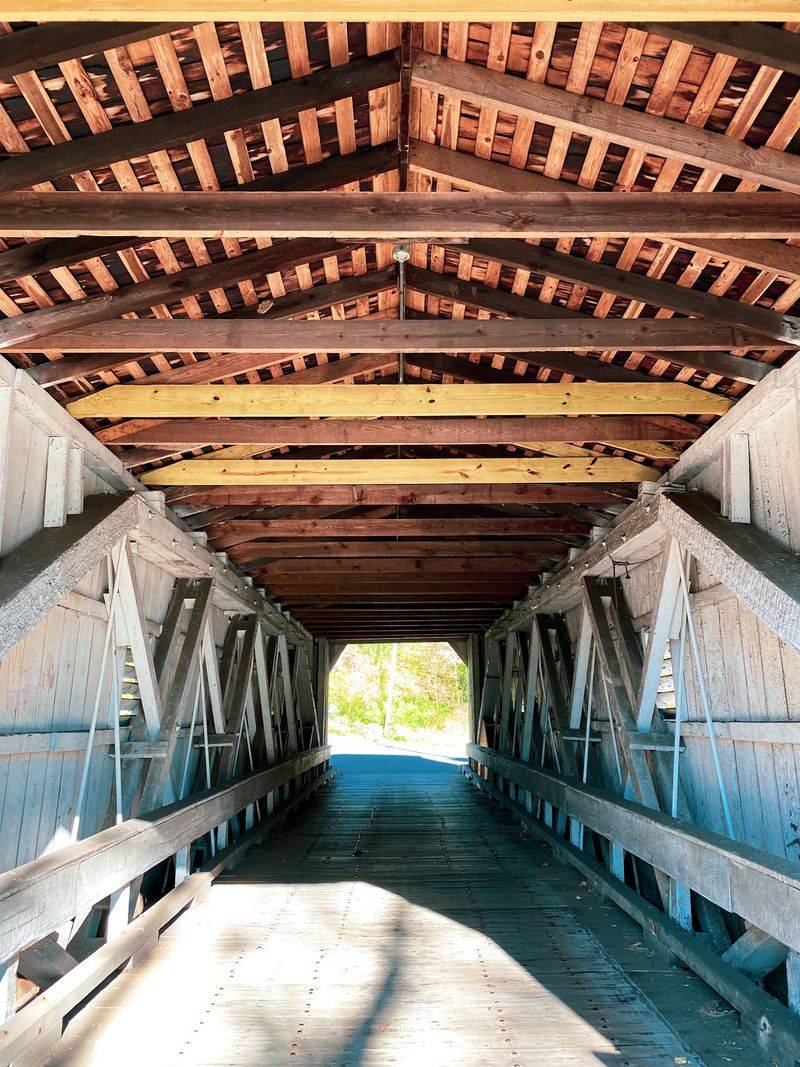
Most covered bridges follow pretty standard building plans, but the Green Sergeant bridge plays by its own rules. The builder used a Queenpost truss design as a starting point, then modified it so heavily that the actual Queenposts were removed entirely.
Some historians believe the builder may have borrowed ideas from a Smith-type truss as well.
The result is a hybrid design that engineers and history buffs find genuinely fascinating. Walk inside the bridge and look up at the wooden framework overhead.
You will see a system of beams and supports that tells the story of a creative builder who was not afraid to think differently.
Bridge enthusiasts from across the country have made special trips just to study this truss system up close. For most visitors, it is simply beautiful to look at, but for those who know structural engineering, it is a one-of-a-kind puzzle worth admiring.
How a Determined Community Saved This Bridge From Being Demolished
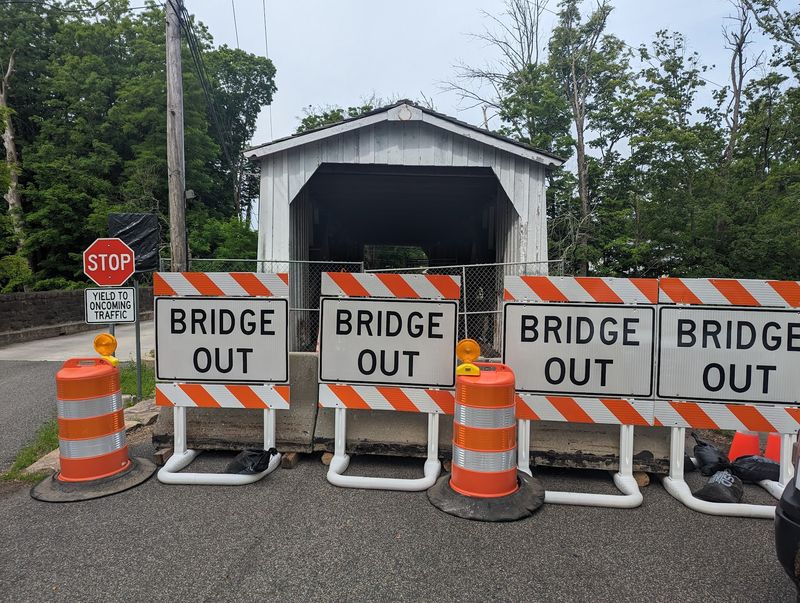
At one point, the Green Sergeant Covered Bridge came dangerously close to being torn down and thrown away. County officials were ready to scrap it, but a passionate group of local residents refused to let that happen.
Their love for this bridge and what it represented to their community was simply too strong to ignore.
Because of their efforts, the bridge was saved, restored, and given a second chance at life. Stories like this remind us that historic places survive not because of government programs alone, but because real people care enough to fight for them.
The bridge became a symbol of what communities can accomplish when they stand together.
Next time you drive through it, think about those determined neighbors who refused to give up. Their stubbornness, in the best possible way, is the reason you get to experience this 150-year-old treasure at all.
The Wickecheoke Creek Running Beneath It Is Worth a Long Look
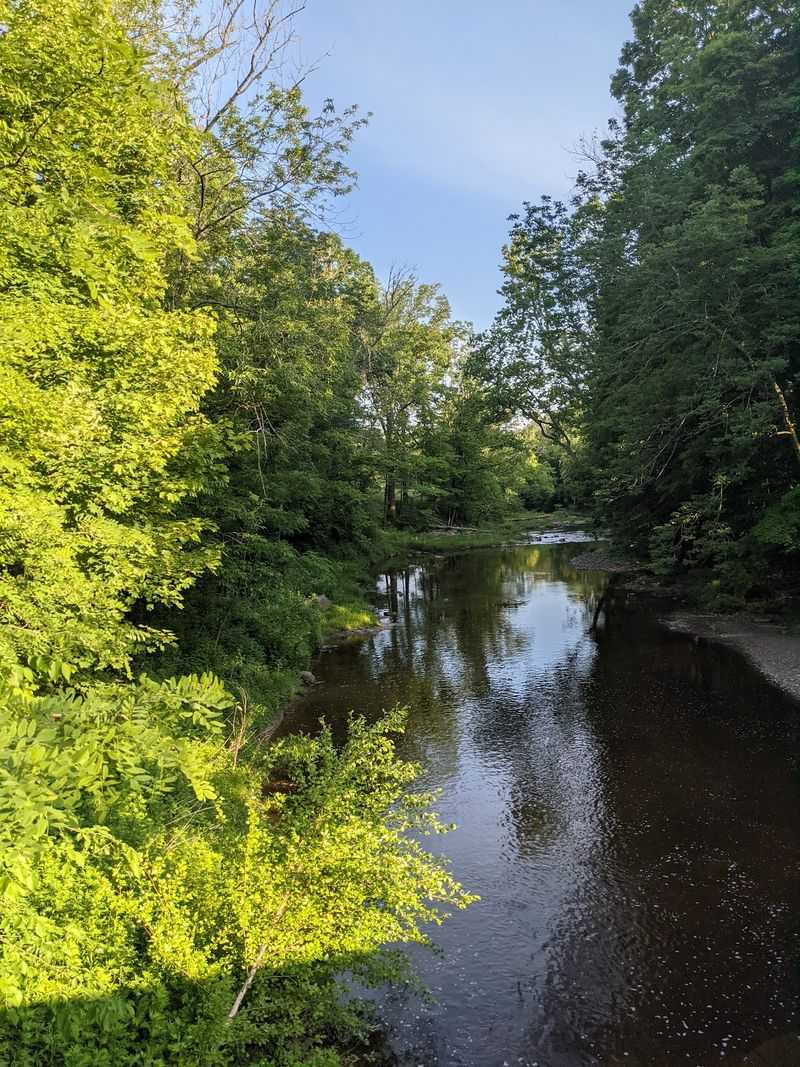
Forget the bridge for just a moment and look down. Wickecheoke Creek flows gently beneath the Green Sergeant bridge, and it is honestly one of the prettiest little waterways in all of Hunterdon County.
The water is clear, the banks are lined with trees, and on a warm day, the whole scene looks like something out of a painting.
Visitors who park along Lower Creek Road and walk to the water’s edge often say the creek view is just as rewarding as the bridge itself. Kids love watching the water rush over the rocks, and photographers find endless angles to shoot from.
The sound of the creek paired with birdsong from the surrounding woods makes this spot feel genuinely peaceful.
Many people end up spending far longer here than they planned, simply because the combination of the old bridge and the sparkling creek creates a calm that is hard to leave behind.
What the Colonial-Era Stone Abutments Tell Us About Early New Jersey
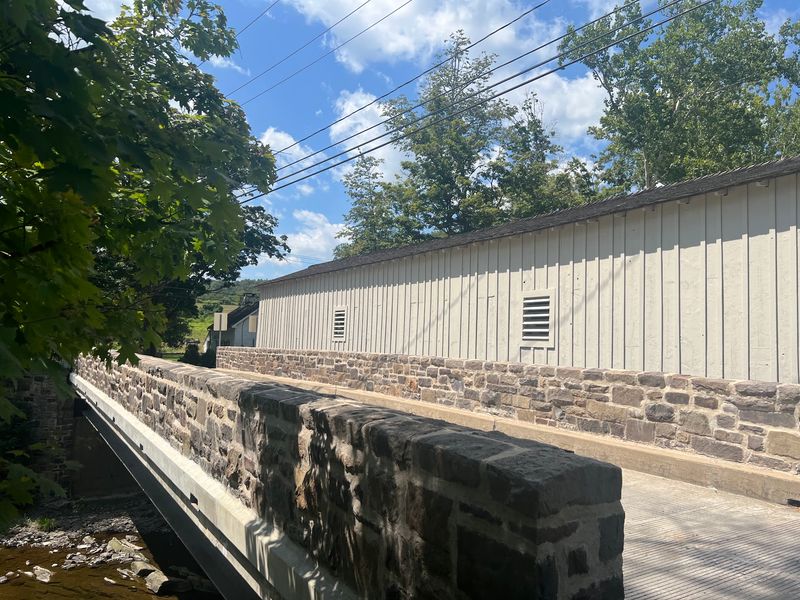
Long before the wooden bridge was built in 1872, an earlier crossing already existed at this very spot. The stone abutments supporting today’s Green Sergeant bridge date back to Colonial times, meaning people have been crossing this creek at this location for centuries.
That fact alone makes the ground beneath your feet feel historic.
Stone abutments like these were built by hand using locally quarried rock, and they were designed to last. Clearly, they succeeded.
The craftsmanship of early New Jersey settlers was remarkably durable, outlasting the original bridge they once supported and now holding up its wooden successor with steady confidence.
Running your hand along those old stones, you are literally touching a piece of early American history. Colonists who lived in a world without electricity, cars, or modern tools built something that has survived into the 21st century.
That is worth pausing to appreciate for a quiet moment.
Photography Tips for Capturing This Gorgeous Landmark at Its Best
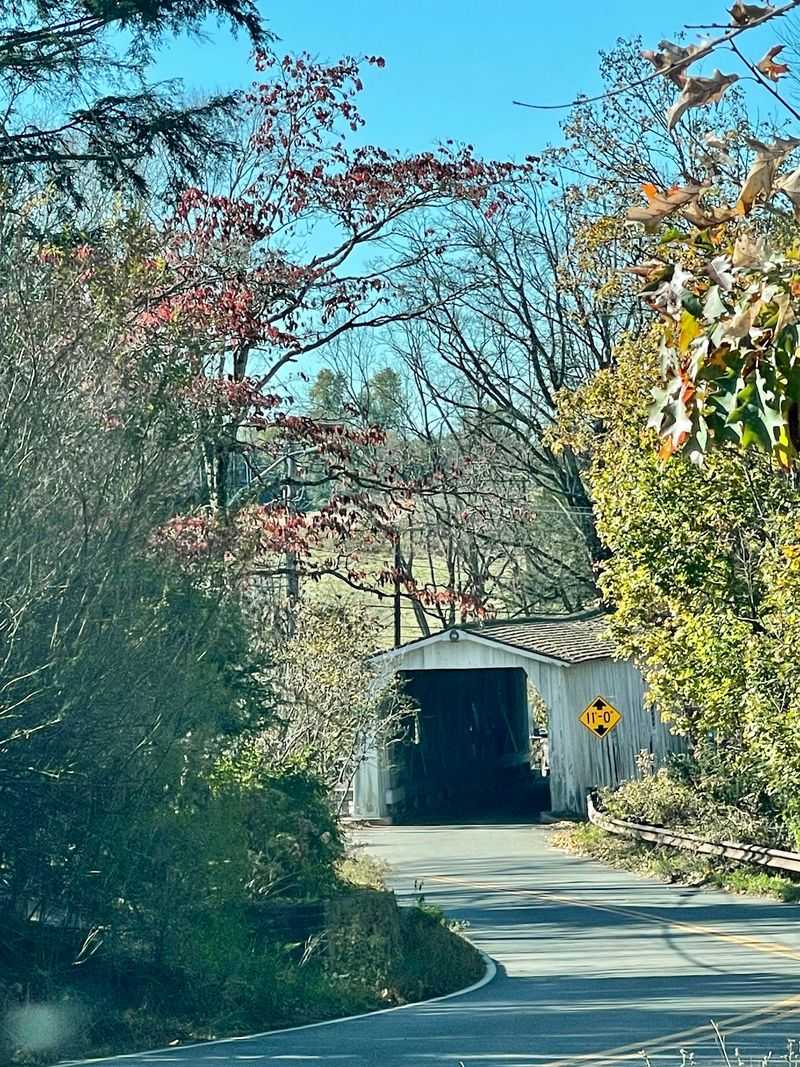
Photographers absolutely love the Green Sergeant bridge, and it is easy to see why. The wooden structure framed by trees, with the creek shimmering below, offers compositions that practically photograph themselves.
Morning light filtering through the bridge opening creates a warm, golden glow that makes every shot look professionally done.
For the best results, visit during the golden hour, which is roughly the first hour after sunrise or the last hour before sunset. The soft light at those times eliminates harsh shadows and gives the old wood a rich, honey-toned color.
Autumn is especially spectacular, when the surrounding trees turn red and orange and reflect in the creek below.
Parking along Lower Creek Road gives you the best walking access to multiple angles. Bring a wide-angle lens if you have one, since capturing the full bridge from a distance really shows off its charming scale against the surrounding landscape.
Getting There: What You Need to Know Before Your Visit
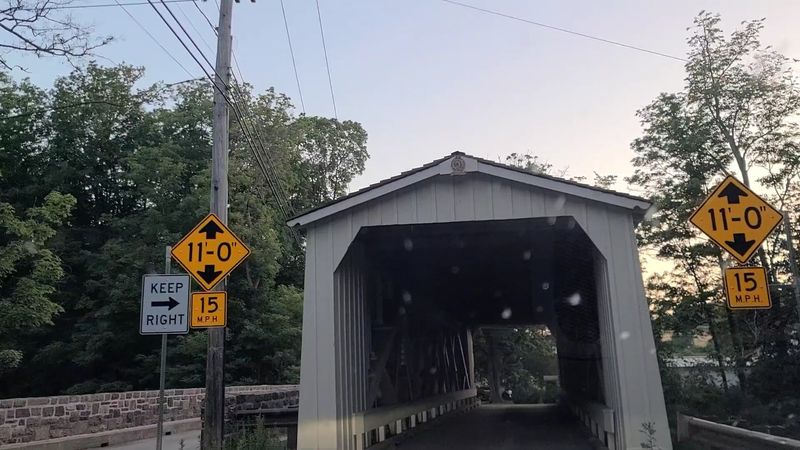
Finding the Green Sergeant Covered Bridge takes a little effort, but that is part of the adventure. The address is 707 Rosemont Ringoes Rd, Stockton, NJ 08559, and plugging it into your GPS will get you close.
The bridge sits just down the hill from the charming village of Sergeantsville, making the surrounding drive a scenic bonus all on its own.
One important heads-up: the bridge comes up quickly around a bend in the road, so slow down well before you expect to see it. Drivers who ignore the speed limit have caused damage to the bridge in the past.
Be a responsible visitor and take it easy on the approach.
Parking directly at the bridge is limited, so many visitors park along Lower Creek Road nearby and walk. The bridge is open 24 hours a day, every day of the week, so timing your visit around sunrise or sunset for great photos is totally doable.
Why This Bridge Is Listed on the National Register of Historic Places
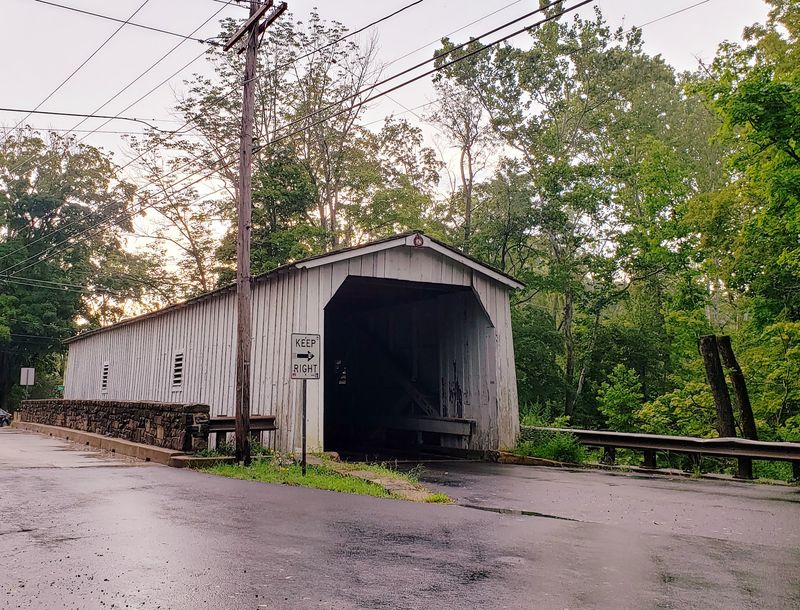
Being listed on the National Register of Historic Places is not something just any old structure can claim. The Green Sergeant Covered Bridge earned that distinction because of its age, its architectural uniqueness, and its cultural importance to the region.
That federal recognition helps protect it and ensures that future generations can still visit it.
Listing on the National Register also opens doors to preservation funding and grants, which are critical for maintaining an aging wooden structure exposed to weather year-round. Without that status, the bridge would be far more vulnerable to neglect and eventual loss.
The designation is essentially the federal government acknowledging that this bridge matters to American history.
Knowing the bridge carries that official stamp of significance changes how you experience it. You are not just driving through a quirky old structure on a back road.
You are crossing a piece of officially recognized American heritage, and that is genuinely cool.
The Charming Village of Sergeantsville Just Up the Hill
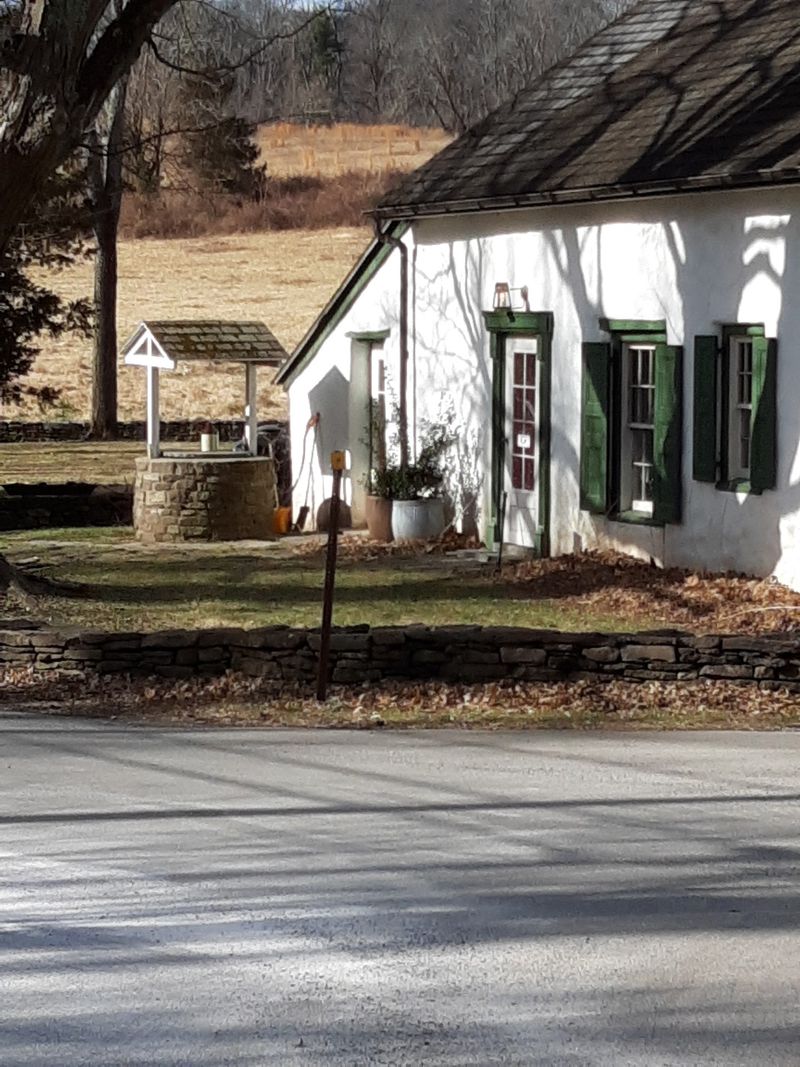
Right up the hill from the bridge sits Sergeantsville, a tiny and wonderfully preserved New Jersey village that feels like it has barely changed in a hundred years. The streets are quiet, the buildings are historic, and the overall vibe is one of unhurried small-town life that most people think only exists in movies.
Pairing a bridge visit with a short walk or drive through Sergeantsville makes for a perfect half-day outing. The village has a charming character that complements the bridge beautifully, and together they paint a picture of rural New Jersey that most residents of the state never get to see.
It is the kind of place where you instinctively slow down and breathe a little deeper.
Local roads surrounding Sergeantsville are also popular with cyclists and motorcyclists who love winding through the Hunterdon County hills. If you ride, this area deserves a spot on your route map without question.
How the Bridge Was Rebuilt in 1961 and What Happened After
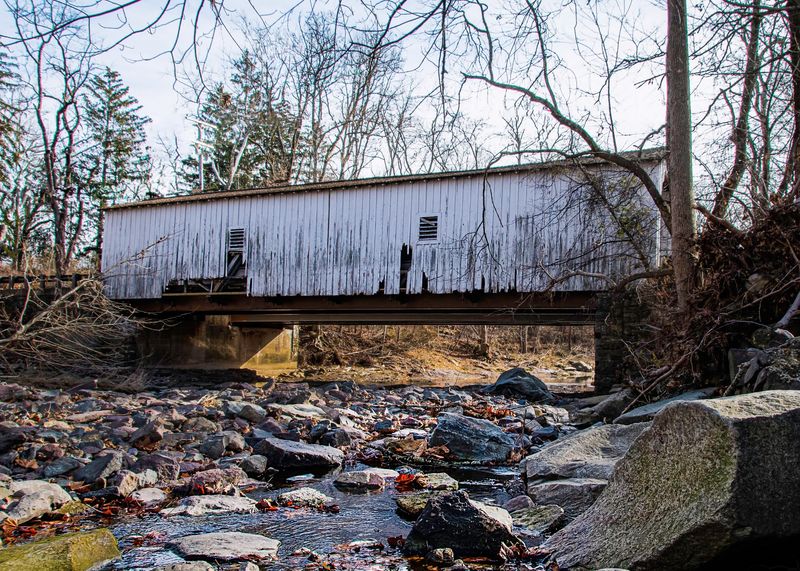
After nearly 90 years of service, the Green Sergeant bridge underwent a significant rebuilding in 1961. Workers restored its structure while trying to preserve as much of the original character as possible.
For a while, the rebuilt bridge looked fresh and sturdy, giving locals hope that it would last another century without issue.
Unfortunately, the decades following the rebuild brought new challenges. Weather, traffic, and the slow passage of time took their toll.
Some of the side panels eventually detached, leaving sections of the bridge open to rain, wind, and sun. Gaps and missing boards became visible, sparking concern among preservation advocates and regular visitors alike.
The ongoing maintenance struggle is a reminder that preserving a 150-year-old wooden bridge is not a one-time job. It requires constant attention, funding, and community commitment.
The bridge has survived this long because people keep showing up for it, and that tradition needs to continue.
What Makes a Covered Bridge Different From a Regular Bridge
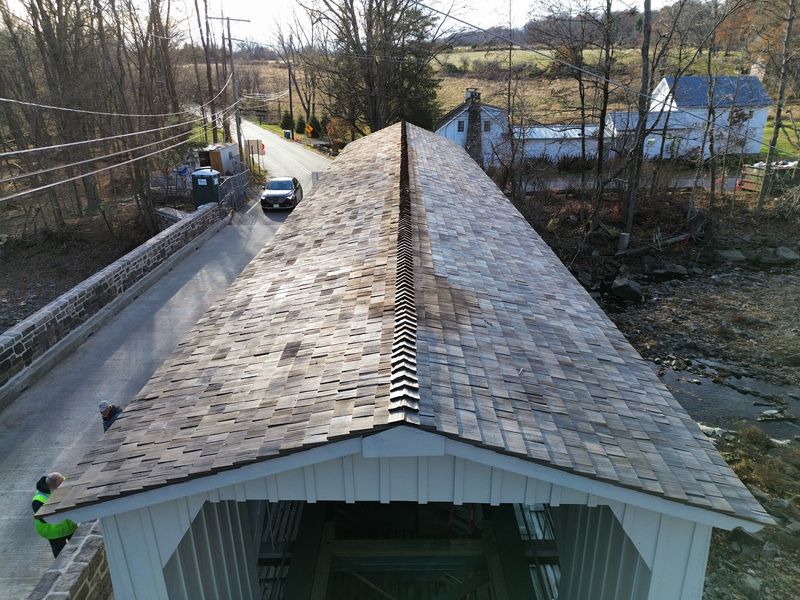
You might wonder why anyone would bother putting a roof and walls on a bridge. The answer is surprisingly practical.
Without a cover, wooden bridge decks and trusses would be exposed to rain, snow, and sun, causing them to rot within a decade or two. The cover acts like a protective shell, keeping the structural wood dry and dramatically extending the bridge’s lifespan.
Think of it like putting a raincoat on your bridge. That simple idea allowed wooden bridges to last 50, 80, even 150 or more years, which is exactly what happened with the Green Sergeant bridge.
The design was common across rural America in the 1800s, when wood was cheap and abundant but replacement costs were high.
Today, most covered bridges have been replaced by steel and concrete, making surviving examples like the Green Sergeant bridge genuinely rare. They are engineering history lessons wrapped in beautiful, weathered wood.
Reasons to Make Green Sergeant Covered Bridge Your Next Day Trip
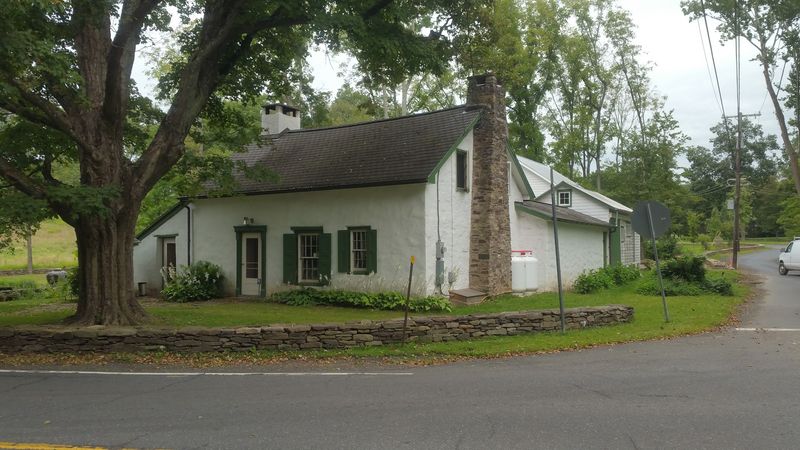
Sometimes the best road trips are the ones nobody talks about. The Green Sergeant Covered Bridge sits in a corner of New Jersey that most residents have never explored, surrounded by rolling hills, farmland, and winding country roads that make the drive itself a joy.
You do not need a whole weekend to enjoy it either. A few hours is plenty.
Bring a picnic, park along Lower Creek Road, and spend some time by the water. Watch the creek, listen to the birds, and let the kids explore the rocky banks.
The bridge is open every single day, all day long, with no admission fee and no crowds to fight through. That combination is increasingly rare.
Whether you are a history lover, a nature fan, a photographer, or just someone looking for a fresh excuse to get out of the house, this little Hunterdon County gem will deliver more than you expect every single time.
Enjoyed this story?
Add Fast Food Club as a preferred source to see more of our reporting on Google.