


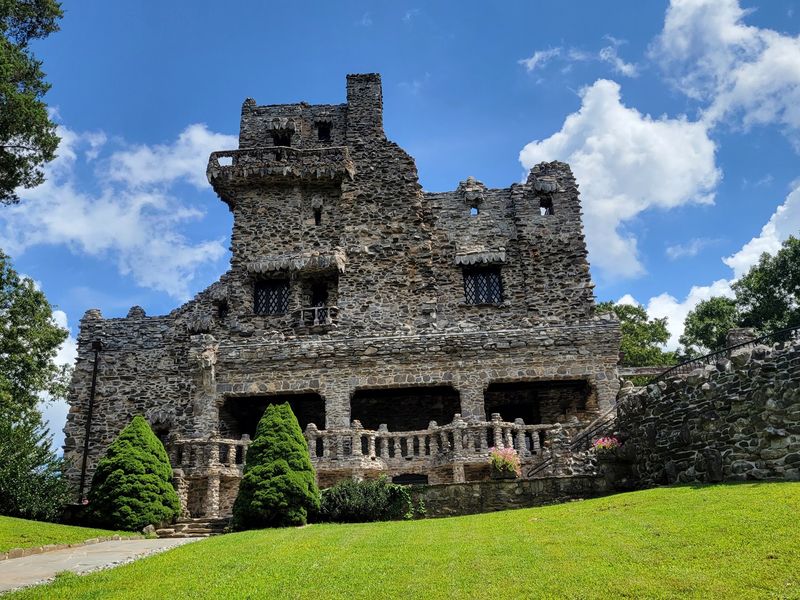
High above the Connecticut River sits a stone house that looks like it wandered out of a storybook and decided to stay. Summer brings packed weekends and quick-selling tour slots, but once the crowds thin out, plenty of drivers on the river road never bother to turn in.
That is a mistake worth fixing. The house was built by an actor famous for playing a certain pipe-smoking detective, and he filled it with hand-carved doors, puzzle-like locks, and a table made just for his cats.
Outside, a web of trails follows the path of his old private railroad, complete with a stone tunnel. Parking costs nothing, and a self-guided tour runs about six dollars.
Keep reading to learn when the inside is open, how the timed tickets work, and which trail hides the best surprise.
A Stone Mansion on River Road
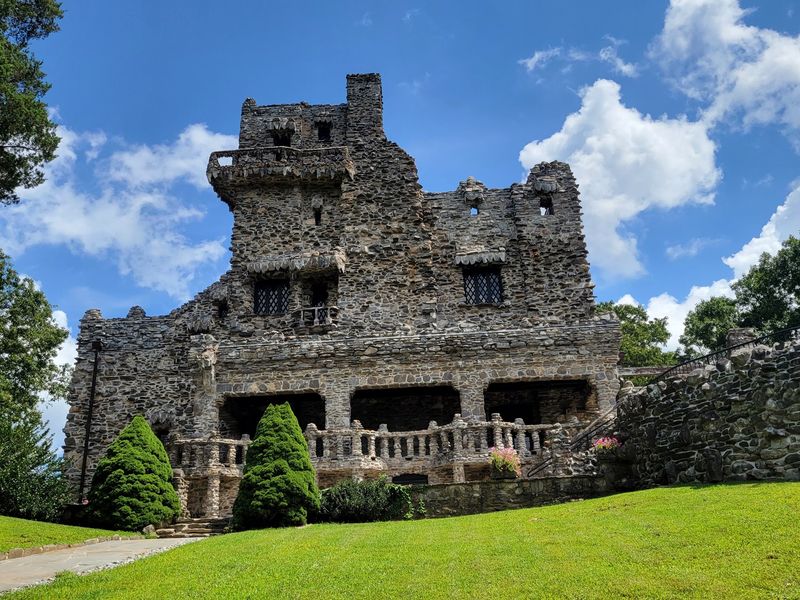
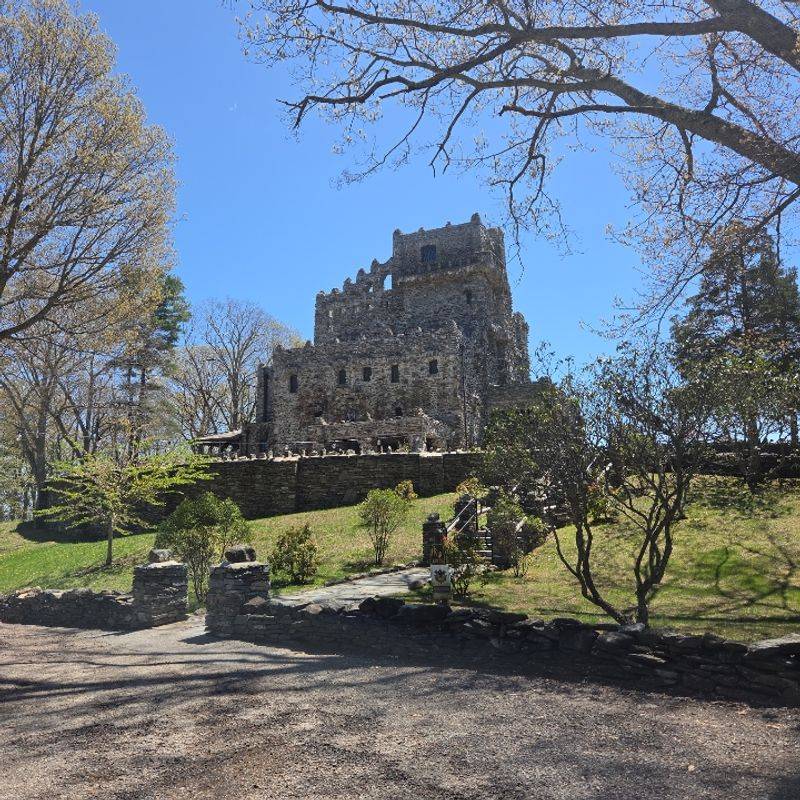
Turn off the river road at 67 River Rd, East Haddam, CT 06423, and the trees soon open onto something nobody expects to find in New England. Gillette Castle State Park wraps around a medieval-style stone mansion that sits on a hill overlooking the Connecticut River.
The house belonged to actor William Gillette. He built it more than a century ago, and it still stands as one of the most unusual homes in Connecticut.
Plenty of longtime state residents admit they drove past the signs for years before finally stopping. Once they arrive, the reaction tends to be the same: surprise that a castle like this exists in this corner of the country.
The park is managed by the state, and it covers far more than the house itself. Trails, picnic areas, a visitor center, and riverside views fill the grounds.
Getting close is easy. There is plenty of parking, and the lot sits near enough that the castle is almost a drive-up attraction.
The castle holds the spotlight, but the land around it deserves just as much attention. Before exploring either, it helps to know a little about the man who dreamed it all up.
The Actor Behind the Turrets
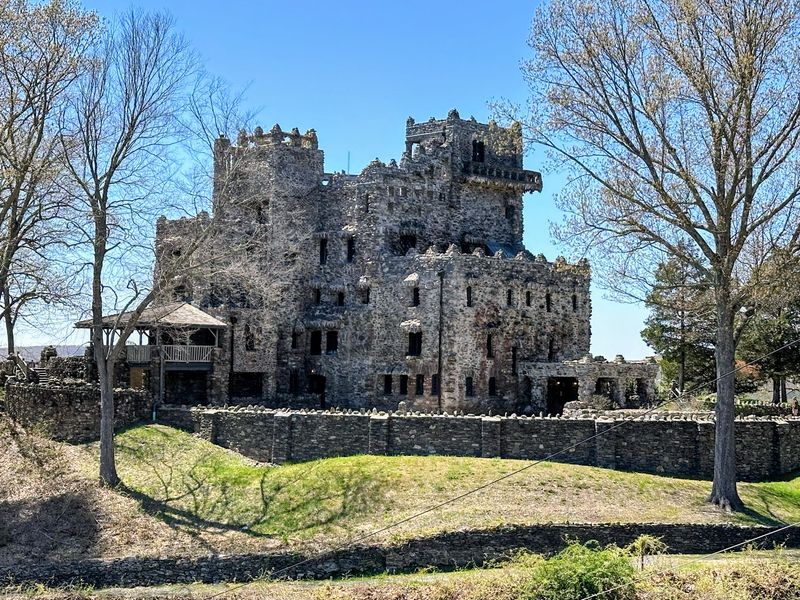
Long before streaming services and blockbuster reboots, William Gillette made his name playing Sherlock Holmes on stage. His success gave him the means to build a home that matched his imagination, and he clearly did not settle for anything ordinary.
The mansion was built around 110 years ago from fieldstone. Its rugged exterior gives it a look that some compare to a spooky holiday setting or a wizard school.
Here is a fun bit of reassurance for nervous guests. Nobody ever passed away in the castle, so it carries no haunted legends, despite the dramatic look.
A good first stop is the visitor center near the house. A short video there covers Gillette’s life and gives helpful background before heading inside.
The castle also hosted plenty of well-known guests during its heyday. Many historical figures passed through its doors, which adds another layer of interest to the rooms.
Nearby, a small history building tells the story of Yukitaka Osaki, who lived and worked with Gillette. It explains how people in town protected him during World War II, a moving chapter that many people never hear about.
With the backstory in place, the next question is obvious. What exactly did Gillette put inside those stone walls?
Puzzle Locks and Hand-Carved Everything
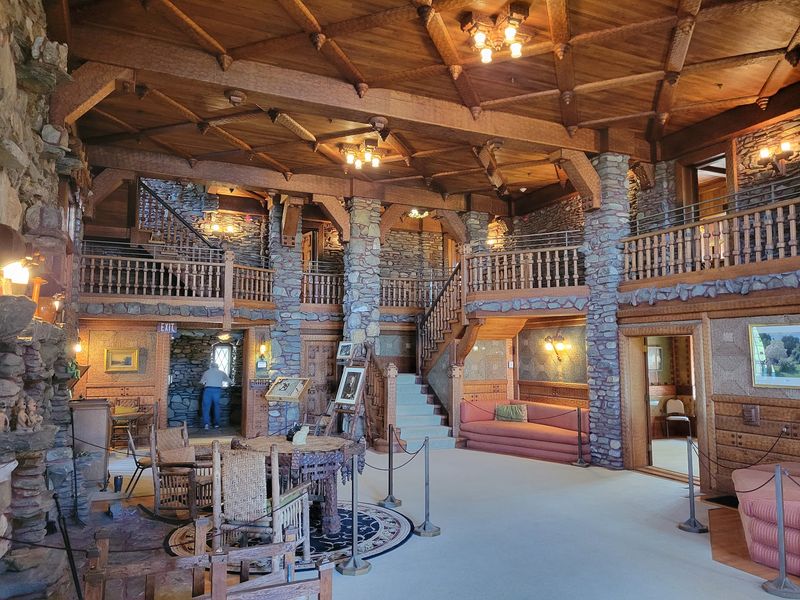
Gillette had a thing for gadgets, and his house proves it room after room. The door locks are wooden contraptions he designed himself, and many have never been copied anywhere else.
Almost everything inside appears to be custom made. Light switches, tables, handrails, and doors were carved by hand, and no two pieces look mass-produced.
The window locks follow the same clever streak. So does an early fire suppression system that still impresses people who see how advanced it was for its era.
Secret features tucked into the house add a playful touch. Guests often leave talking about hidden details they would never have noticed without a guide pointing them out.
Then there is the cat table. Gillette loved his cats, and he built a custom table decorated with wooden toys for them.
Even the wall coverings show careful thought and unusual materials. Fans of woodwork tend to linger here longer than they planned.
A recent restoration of over 11.5 million dollars brought the interior back into fine shape. The house now looks remarkably well preserved, which makes every carved latch easier to admire.
All of that craftsmanship sits behind a door that opens only at set times, so planning the tour matters.
How the Timed Tours Actually Work
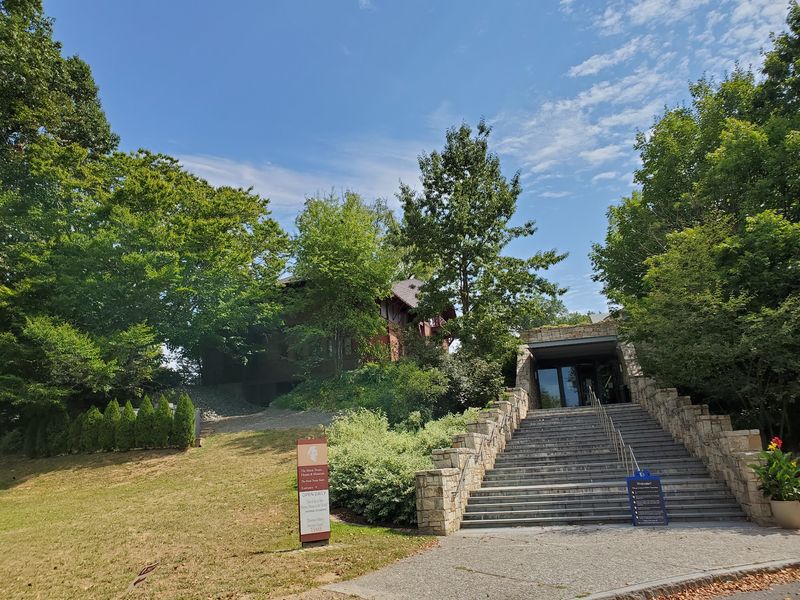
Timing is everything here, and the staff takes the start time seriously. Groups enter about every 15 minutes, and once a group goes in, the door shuts.
The castle is fairly small and cannot hold hundreds of people at once. That is why tickets come in limited slots that fill up quickly on busy weekends.
Tickets can be bought at the park, but buying ahead on the state website is the safer move. Many people book early simply because they cannot guess how crowded the day will be.
After a short opening explanation, the pace loosens up. The tour becomes mostly self-guided, and guests work their way upward through the floors.
Knowledgeable staff stand at the entrance and on the first and second floors. They share extra facts with the group and give quick explanations to anyone moving ahead.
Families with toddlers can move along faster without missing the highlights. Adults in no hurry can stay and soak up the deeper details from the guides.
The route ends at an upstairs exit that leads out to the back of the house. From there, the outdoor half of the adventure begins.
Rail Trails and a Hidden Tunnel
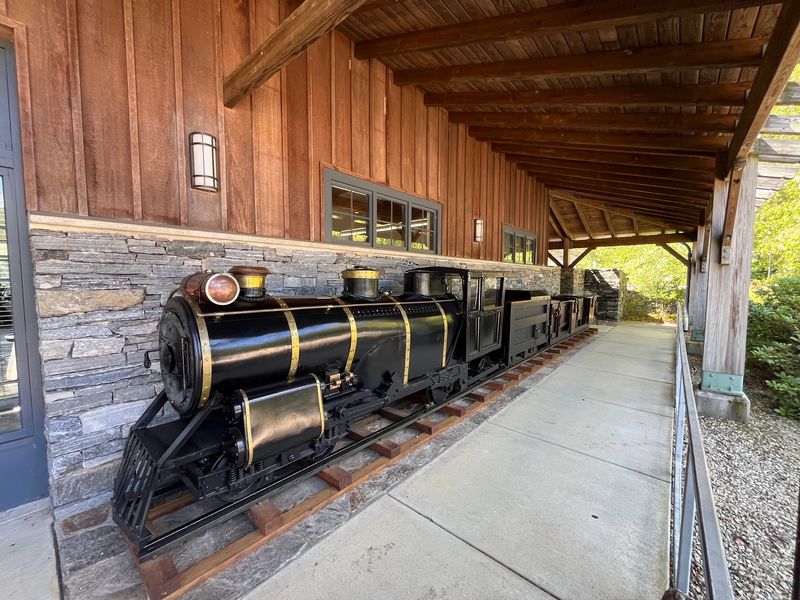
Gillette did not stop at building a castle. He also ran a miniature railroad around his property, and its old route now forms part of the park’s trail system.
Remnants of that railroad still turn up along the paths. Bridges cross the woods, and an old stone tunnel waits for anyone willing to follow the purple rail trail north.
That tunnel is a highlight that many first-time guests miss entirely. The walk to it passes through pleasant scenery, which makes the trip feel worth every step.
Trails loop through the woods in a wide web around the castle. Some are easy strolls, while others are tougher than they look, so sturdy shoes are a smart choice.
Shaded spots and benches are scattered along the way. They make good stops for anyone who wants a quiet break among the trees.
Photographers find plenty to work with here, from the stone house to wooded bridges. Fall color adds extra appeal, even after the peak has passed.
One small heads-up for hikers. Snakes do appear in the park, so keep an eye on the trail ahead.
The trails eventually point toward the water, which is where the views open up.
River Views, Sunsets, and a Ferry Ride
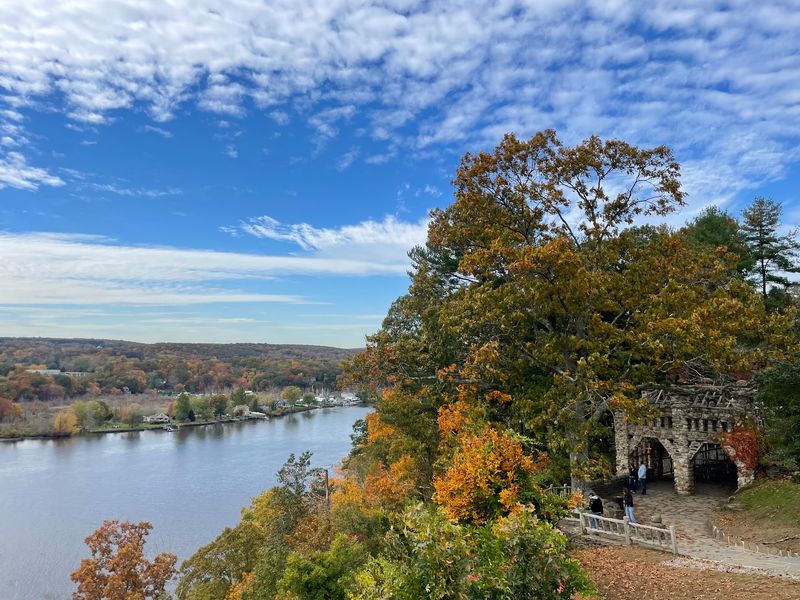
Gillette picked his hilltop for a reason. The grounds look out over the Connecticut River, and those views come up again and again as a favorite part of the visit.
Sunsets here have a loyal following. People return just to catch the evening light over the water from the castle grounds.
Down in front of the castle, a beach mixes sandy and rocky stretches. The path down can be tricky, so sneakers are the minimum footwear.
Grassy areas near the water work well for cookouts. The riverfront space adds a relaxed option for those who want more than trails.
A ferry crosses the river nearby, offering another way to arrive or leave. Taking it makes the trip feel like a small adventure, and the longer drive around remains an option too.
Back near the house, a greenhouse is part of the castle complex. It includes a small fountain, and a water garden on the property earns plenty of fans as well.
The grounds stay well maintained and easy to walk. Even guests who skip the tour can spend hours out here without running out of things to see.
Who Will Love This Place Most
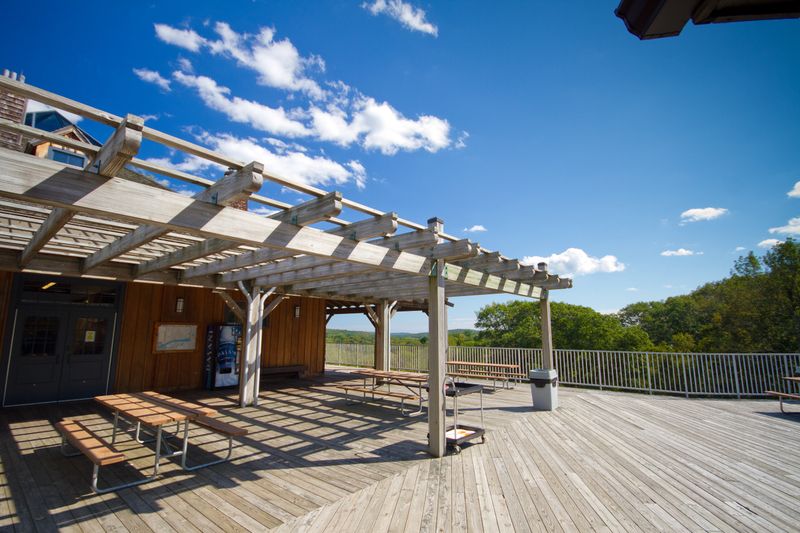
History buffs, hikers, and families with picnic baskets all find a reason to stay. The park works for all age groups, which is not something every historic house can claim.
Picnic tables near the shop area make an easy lunch stop. Bringing a packed meal is a popular choice, though a small canteen is also on site.
The visitor center is small, and so is the gift shop. Restrooms are available in the shop area, a detail parents with little ones will appreciate.
Staff members get high marks for being polite, helpful, and full of information. Even strangers on the paths tend to wave and say hello.
The mood across the grounds is calm and unhurried. Many people come simply to clear their heads and feel far away from daily routines.
Fans of architecture will stay busy inside. Nature lovers will stay busy outside, and some never make it back to the parking lot until late afternoon.
Motorcyclists and road trippers often treat the ride itself as part of the outing. Back roads in fall make the trip there almost as pleasant as the destination.
With so much appeal, the real trick is choosing the right moment to go.
Tickets, Seasons, and a Quiet Verdict
Here is the good news for budget planners. Parking is free, and self-guided tour tickets have run about six dollars for adults and seniors.
Library passes can bring a heavy discount on tickets. Some guests, including a fully disabled veteran, have received free entry.
Seasons matter more than most people realize. The inside of the castle is not always open, so check the state park website before counting on a tour.
Fall trips may mean seeing only the outside, while spring has been a time when the interior welcomed guests. Holiday decorations also draw people back later in the year.
Winter has its own perks. The lot gets plowed, parking spaces are easy to find, and a peek through the lower windows is still possible when tours are not running.
The house stays cool in summer and warm in winter. That makes off-season visits more comfortable than many expect.
So why do so many drivers roll past once summer ends? Mostly habit, and that is a shame.
A castle, a river, a hidden tunnel, and a cat table all wait just off River Road. Few places reward one quick turn of the steering wheel quite this well.
Enjoyed this story?
Add Fast Food Club as a preferred source to see more of our reporting on Google.