


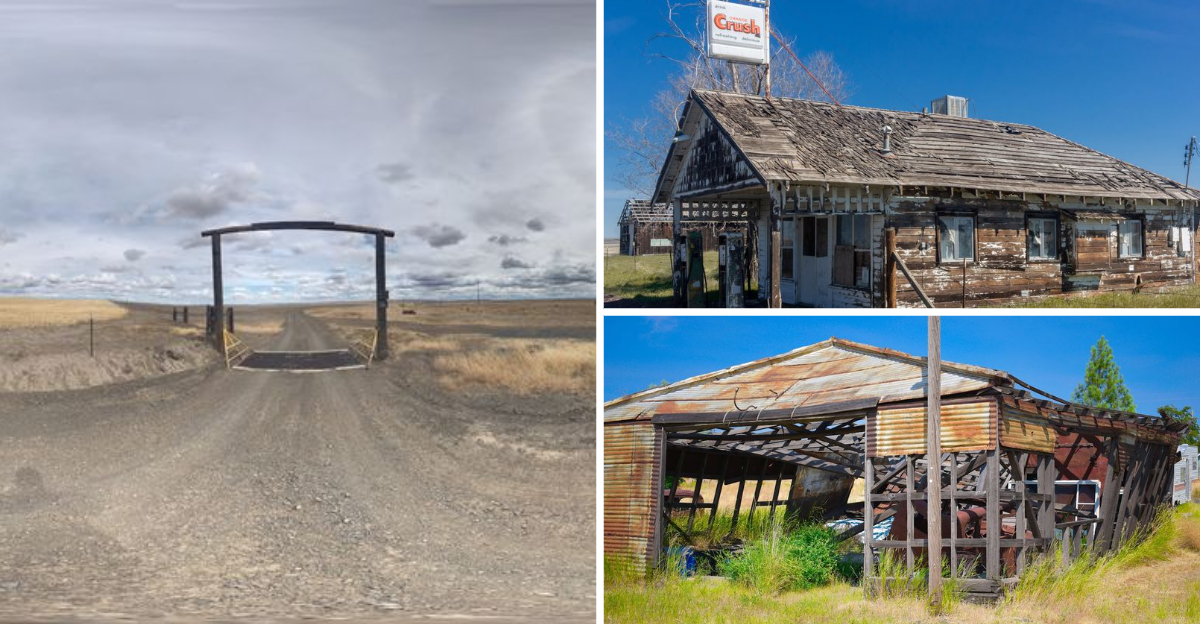
Tucked along U.S. Route 97 in Sherman County, Oregon, the tiny community of Kent feels like a place that time simply forgot.
Once a bustling stop for travelers and settlers moving through the high desert, Kent has slowly been swallowed up by nature in the most breathtaking way. Old structures crumble quietly while sagebrush, wild grasses, and wind take over what was once a lively crossroads.
If you love history, mystery, and the raw beauty of Oregon’s landscape, Kent is a story you have to hear.
The Forgotten Crossroads of Sherman County
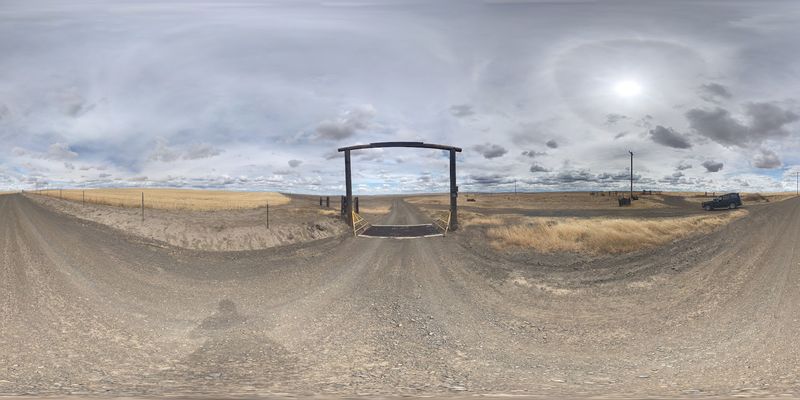
Long before smartphones and GPS guided travelers across Oregon, Kent was the kind of place you simply could not miss. Sitting right at the junction of U.S.
Route 97 and Dobie Point Road, this tiny community once served as a reliable stop between Grass Valley to the north and Shaniko to the south.
Drivers, ranchers, and merchants passed through constantly, making Kent a quiet but important dot on the map. The crossroads still exists today, but the buzz of activity is long gone.
What remains is a hauntingly beautiful stretch of road flanked by open sky and dry Oregon terrain.
Standing at that intersection now, it is easy to imagine the wagons and early automobiles that once rolled through. The silence feels almost sacred, like the land itself is holding onto the memory of those early travelers.
A Post Office That Still Holds On
Here is something genuinely surprising about Kent, Oregon: it still has a working post office. With the ZIP code 97033, this little post office is one of the last signs that Kent is technically still an active community rather than a fully abandoned ghost town.
Most ghost towns lose their postal service decades before anyone starts calling them abandoned. Kent held on, and that small detail makes it oddly fascinating.
Mail still gets sorted and delivered here, even as the surrounding buildings quietly crumble into the earth.
For history lovers, the post office feels like a stubborn little anchor to the past. It is a reminder that real people still live in and around this remote Sherman County community.
Sometimes the most remarkable things about a forgotten place are the ordinary ones that somehow managed to survive everything else.
Sagebrush Taking Over the Streets
Walk through Kent today and one of the first things you will notice is the sagebrush. It is absolutely everywhere, pushing through cracked pavement, climbing along old fence lines, and filling in the spaces where buildings and yards once stood.
Nature here does not wait for an invitation.
Sagebrush is one of the toughest plants in the Pacific Northwest, thriving in dry, rocky soil with very little rainfall. In Sherman County, it is practically unstoppable.
Once people stopped maintaining the land around Kent, the sagebrush moved in fast and settled in for good.
There is something almost poetic about watching it happen. The same landscape that settlers once fought to clear is now quietly reclaiming every inch of ground.
Walking through the sagebrush-covered remains of Kent feels less like visiting a ghost town and more like stepping into a living, breathing history lesson.
The High Desert Landscape That Surrounds Everything
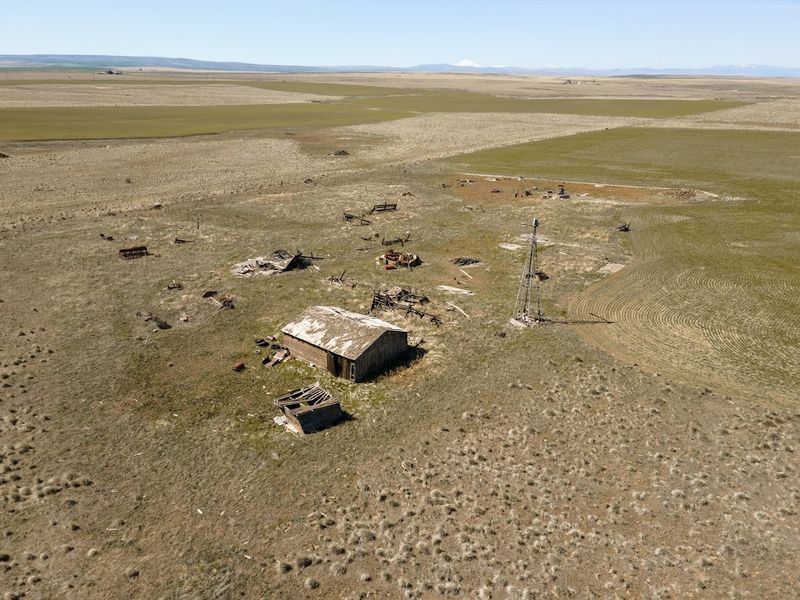
Kent sits in the middle of Oregon’s high desert region, and the landscape here is unlike anything you will find in the lush, rainy western part of the state. Think wide-open skies, rolling golden hills, and a kind of silence so deep it almost has a sound of its own.
Sherman County gets very little rainfall each year, which gives the area a rugged, almost cinematic quality. The terrain stretches out in every direction with very few trees to interrupt the view.
On a clear day, you can see for miles across the plateau.
That dramatic backdrop makes Kent feel even more mysterious. The emptiness of the high desert amplifies the eeriness of abandoned structures and overgrown lots.
Photographers especially love this area because the light hits the land differently here, creating golden tones that are hard to capture anywhere else in Oregon.
Crumbling Buildings Frozen in Time
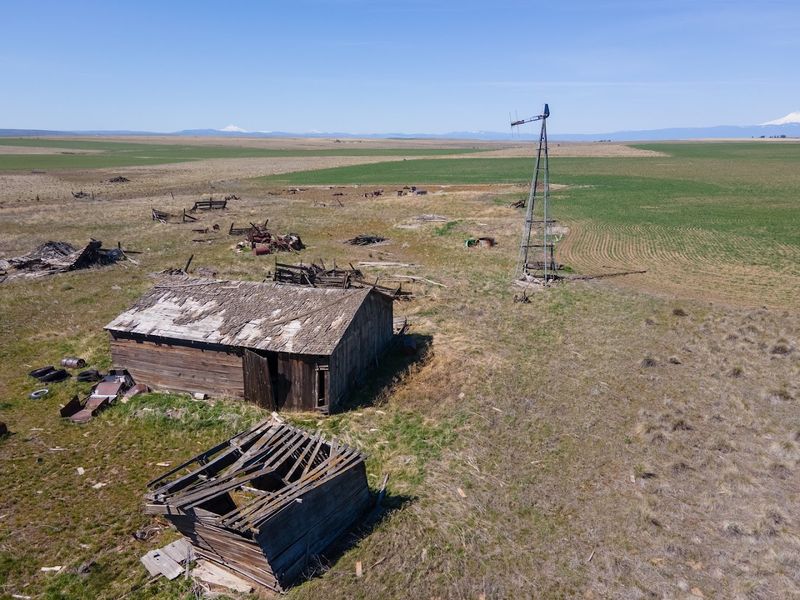
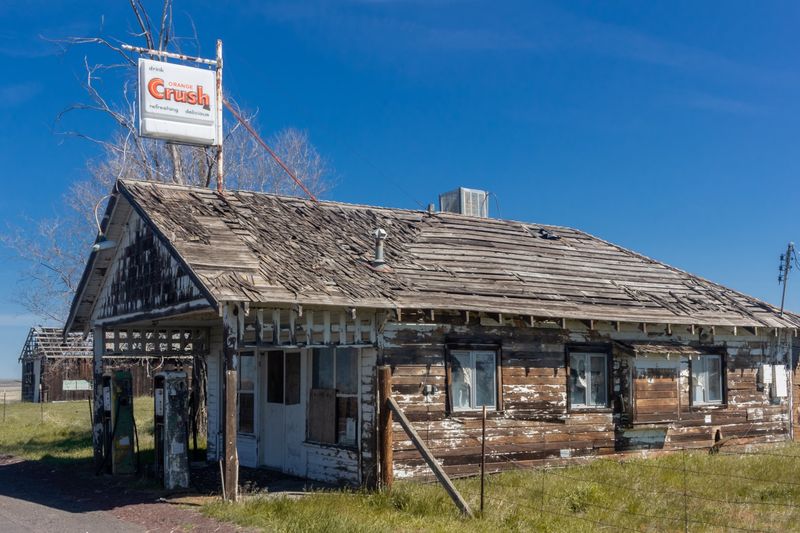
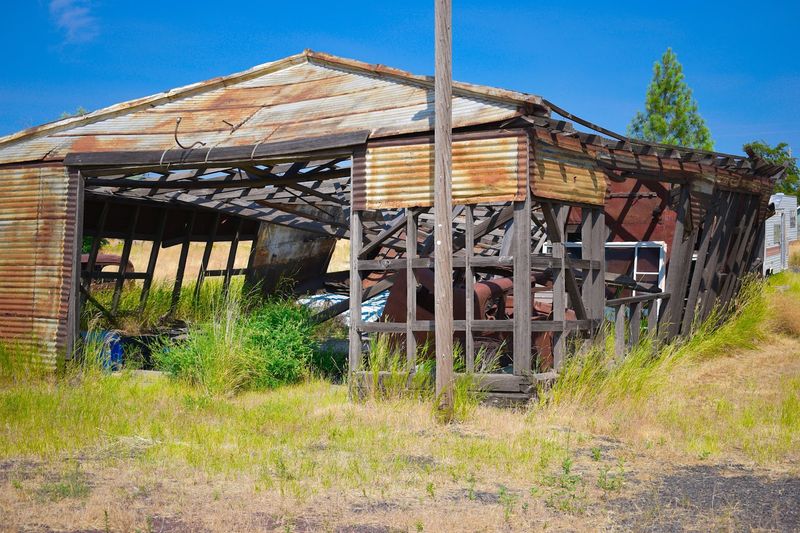
Some of the most striking sights in Kent are the old buildings that still stand, barely. Weathered wood, collapsed rooftops, and broken windows tell the story of a community that once had real ambition.
Each structure is like a chapter in a book that nobody finished writing.
What makes these ruins so compelling is the detail still visible in them. You can spot old hardware, remnants of interior walls, and even hints of what some buildings were originally used for.
Time and the elements have done their work, but the bones of Kent are still there if you look closely enough.
Visiting these crumbling buildings feels oddly emotional. You find yourself wondering about the families who built them, the decisions that were made inside them, and why everyone eventually left.
Kent does not give you easy answers, but it gives you plenty of beautiful, haunting questions to sit with.
The Shaniko Connection That Shaped Kent’s Story
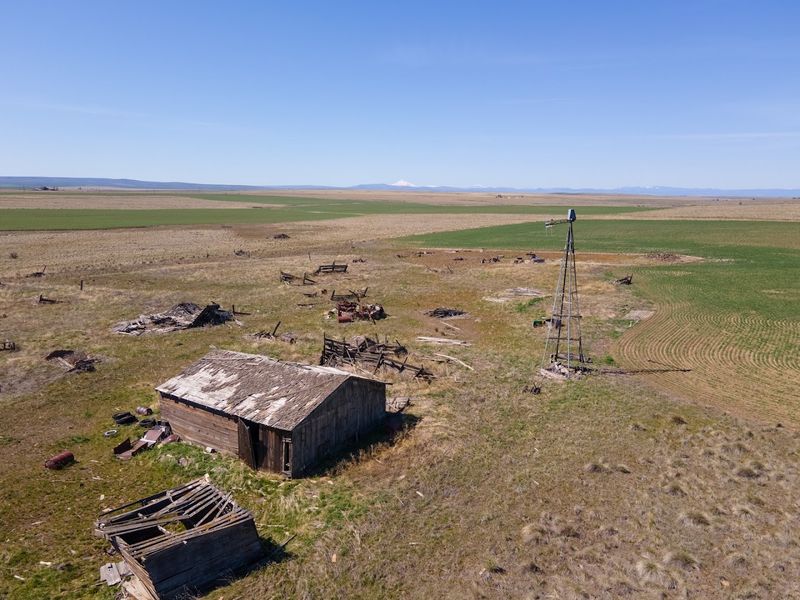
You cannot talk about Kent without mentioning Shaniko, its neighbor to the south. Shaniko was once called the wool capital of the world, and its rise and fall had a direct impact on every small community nearby, including Kent.
When Shaniko boomed, traffic through Kent increased. When Shaniko declined, so did Kent.
This kind of regional connection is common in rural Oregon history, where small towns depended heavily on each other for trade, supplies, and survival. Kent was never the main attraction, but it was part of a larger web of communities that made life in Sherman County possible.
Today, Shaniko itself is a well-known tourist ghost town, drawing visitors curious about Oregon’s Wild West past. Kent sits quietly nearby, less visited but equally fascinating.
Knowing the Shaniko connection adds a whole new layer of meaning to the stillness you feel when you stand in Kent today.
Wild Grasses Weaving Through the Ruins
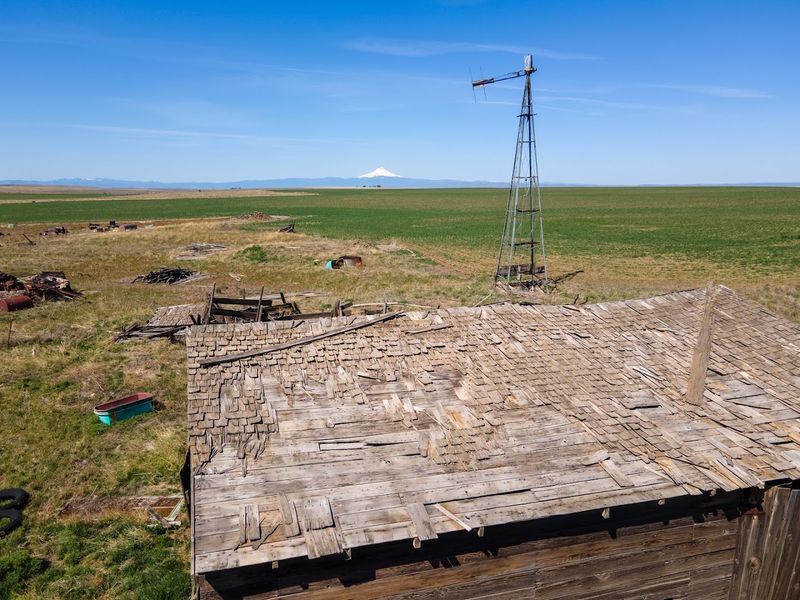
If sagebrush is the bold conqueror of Kent, wild grasses are the quiet artists. They weave through floorboards, grow up through cracked concrete, and soften the hard edges of every ruin they touch.
In the right light, they make the whole ghost town look almost painterly.
Several varieties of native grasses thrive in Sherman County’s dry climate, including bluebunch wheatgrass and Idaho fescue. These grasses are incredibly resilient, bouncing back each season regardless of drought or wind.
Once they find a foothold in an old building, they are nearly impossible to stop.
Watching the grasses move in the breeze while surrounded by the silent ruins of Kent is one of those experiences that stays with you. There is a gentleness to it that contrasts sharply with the harshness of the high desert.
Nature here is not aggressive, it is patient, and patience always wins.
The Role of U.S. Route 97 in Kent’s Rise and Fall
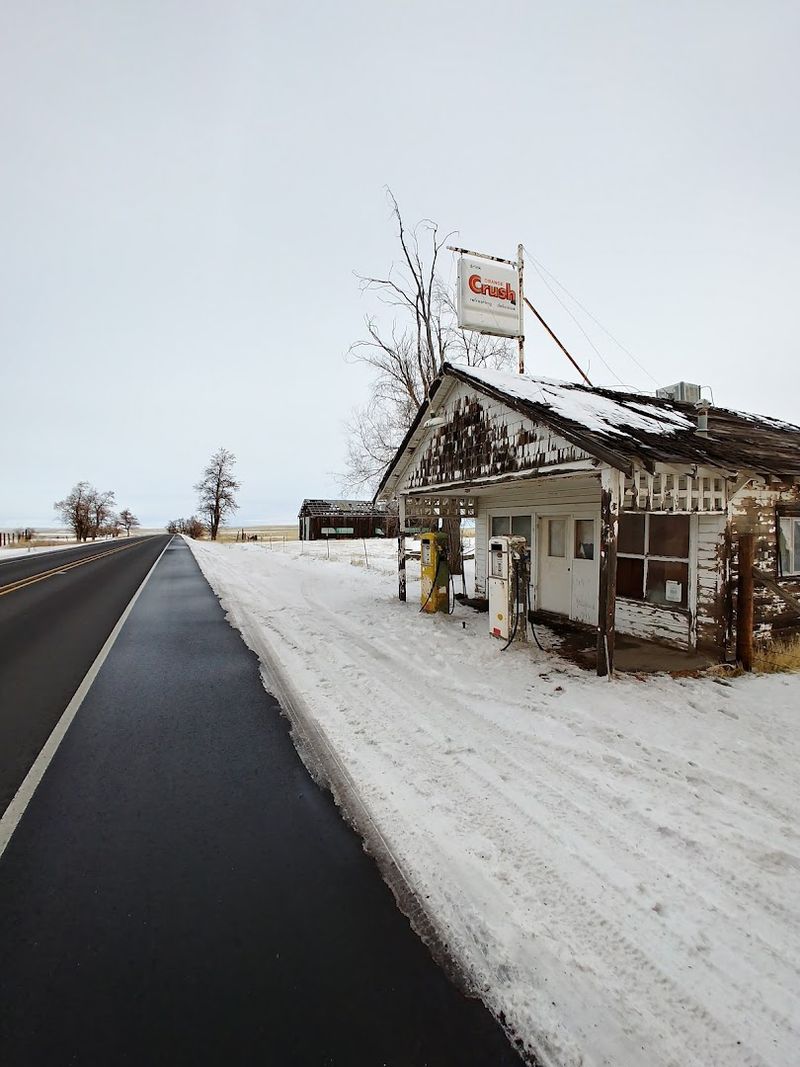
U.S. Route 97 is one of Oregon’s most important highways, running the full length of the state from north to south.
For Kent, this highway was once a lifeline. Being located directly on Route 97 meant a steady stream of travelers, commerce, and connection to the wider world.
But highways are double-edged gifts for small towns. As roads improved and cars got faster, travelers had less reason to stop.
Towns that once thrived as necessary rest stops became optional detours. Kent felt that shift deeply, and the community slowly emptied out as the highway carried people right past without a second glance.
That irony is not lost on visitors today. The same road that once gave Kent its purpose now quietly bypasses its ruins.
Standing on the shoulder of Route 97 and looking at what remains of Kent is a powerful reminder of how quickly things can change when the traffic stops stopping.
Grass Valley’s Shadow: Kent’s Northern Neighbor
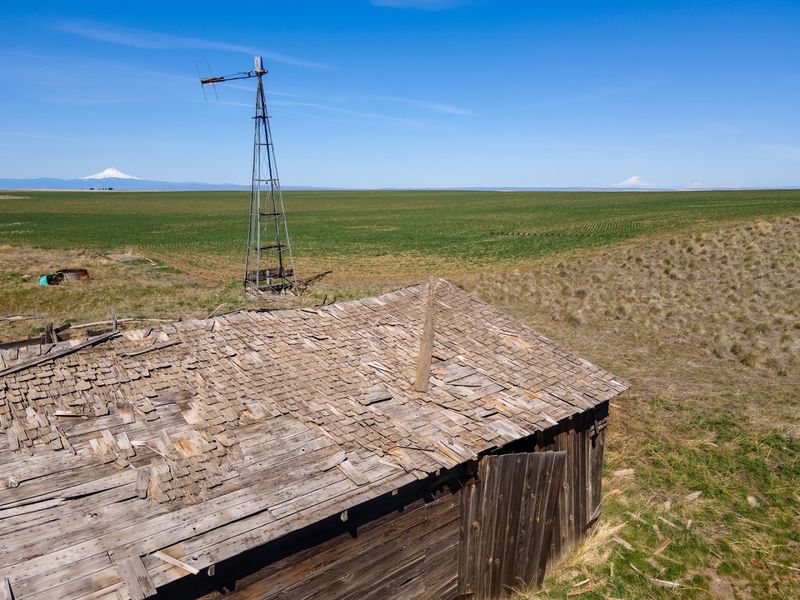
Just to the north of Kent lies Grass Valley, another small Sherman County community that managed to hold on a little better than its southern neighbor. Grass Valley still has a school, a few businesses, and a community that works hard to keep things running.
Kent, by comparison, faded much faster.
The contrast between the two towns is fascinating for anyone interested in rural history. Both communities faced the same economic pressures, the same geographic isolation, and the same shifts in transportation.
Yet their outcomes were strikingly different. What Grass Valley had that Kent lacked is a question historians and locals still debate.
Visiting Kent with Grass Valley in mind gives the ghost town experience a richer context. You start to see Kent not just as a place that failed, but as a community that simply ran out of the resources and timing it needed to survive.
That distinction matters a great deal.
Oregon’s Unincorporated Communities and What They Mean
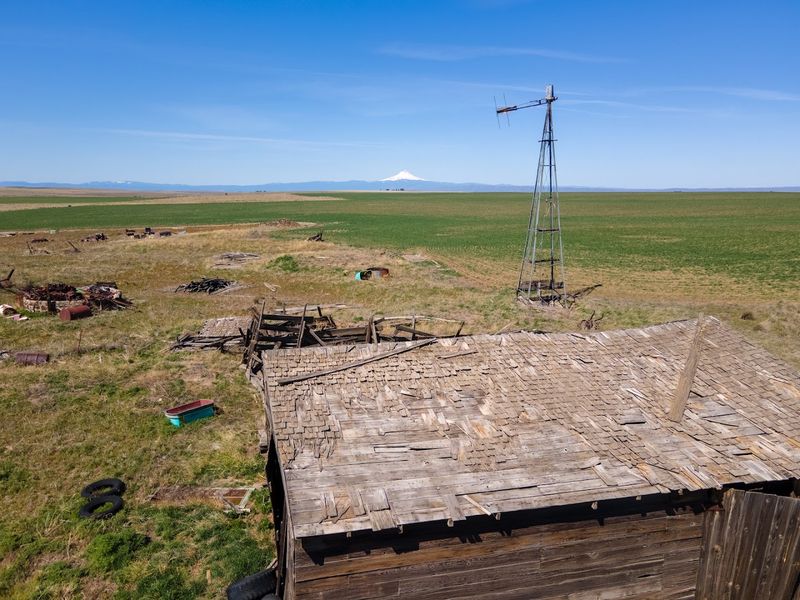
Kent is officially classified as an unincorporated community, which means it falls under county government rather than having its own city council or mayor. This classification is common for very small rural settlements across Oregon, especially in the sparsely populated eastern and central parts of the state.
Being unincorporated has real consequences for a place like Kent. Without its own local government, the community has fewer resources for maintenance, infrastructure, and development.
Things that a city might fix quickly, like a broken road or a crumbling building, can linger for years in an unincorporated area.
For ghost town enthusiasts, this status is actually part of the appeal. Unincorporated communities often remain more authentic and less touched by modern renovation efforts.
Kent has not been cleaned up or turned into a tourist attraction, and that raw, unfiltered quality is exactly what makes it so compelling to explore and photograph.
The Wind That Never Stops Blowing
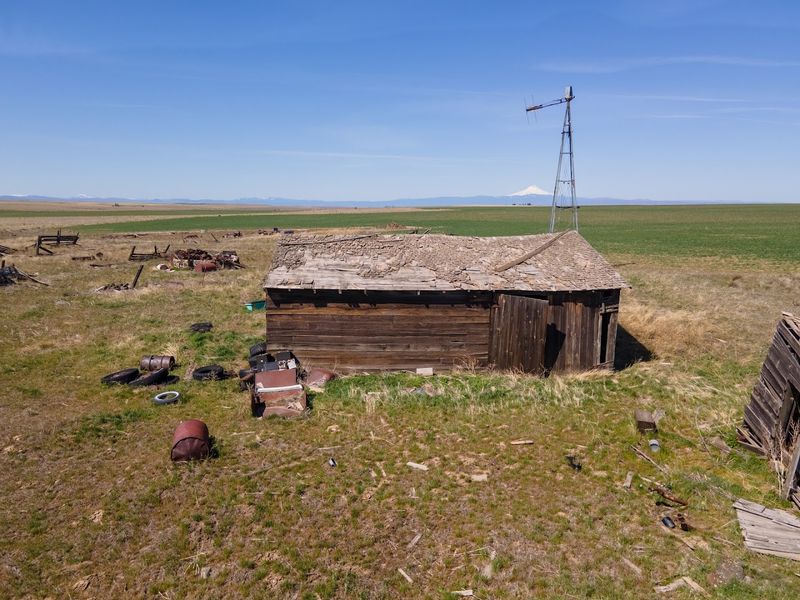
Ask anyone who has spent time in Sherman County and they will tell you the same thing: the wind here is relentless. It blows in from the Columbia River Gorge, sweeps across the plateau, and hits everything in its path with a force that feels almost personal.
In Kent, that wind has been one of nature’s most powerful tools for reclaiming the land.
Wind accelerates decay in ways that are easy to underestimate. It pulls shingles from rooftops, works moisture into wooden beams, and carries seeds of plants into every crack and corner of an old structure.
Over decades, the wind has done as much work as any bulldozer in reshaping what Kent looks like today.
But that same wind is also part of what makes visiting Kent so atmospheric. It howls through broken windows and rustles the wild grasses in a way that makes the whole place feel alive, even as it slowly falls apart.
Photography Gold: Why Explorers Keep Coming Back
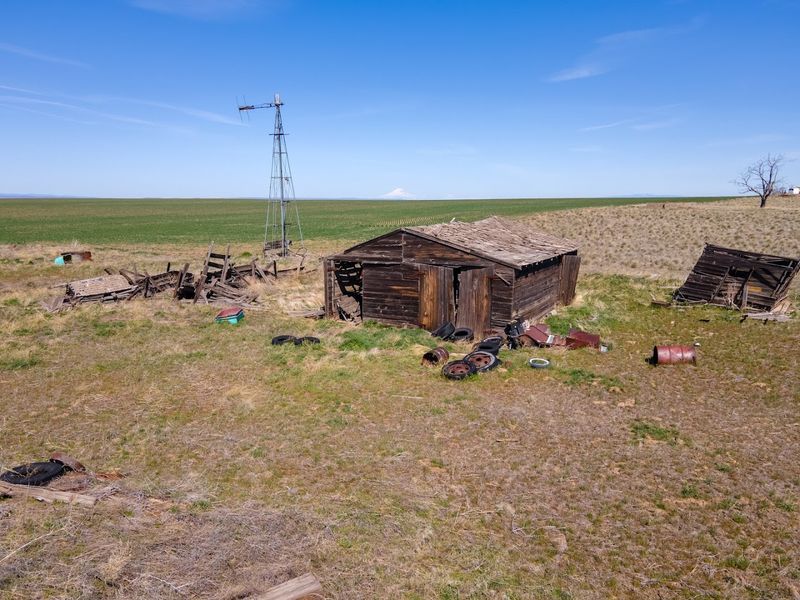
Word has quietly spread among photographers and urban explorers that Kent, Oregon is something special. The combination of crumbling architecture, sweeping high desert scenery, and dramatic natural light makes it one of the most photogenic ghost towns in the Pacific Northwest.
And because it is not heavily promoted, it still feels genuinely undiscovered.
Golden hour light in Kent is particularly magical. The low sun catches the weathered wood and old metal in a way that turns ruins into something that looks almost like fine art.
Many photographers who visit once end up returning in different seasons to capture how the landscape shifts throughout the year.
If you plan to visit and photograph Kent, go prepared. Bring sturdy shoes, plenty of water, and a sense of adventure.
Cell service is limited, and the nearest services are several miles away. The remoteness is part of the charm, but it also means you need to plan ahead carefully.
What Kent Teaches Us About Rural America’s Past
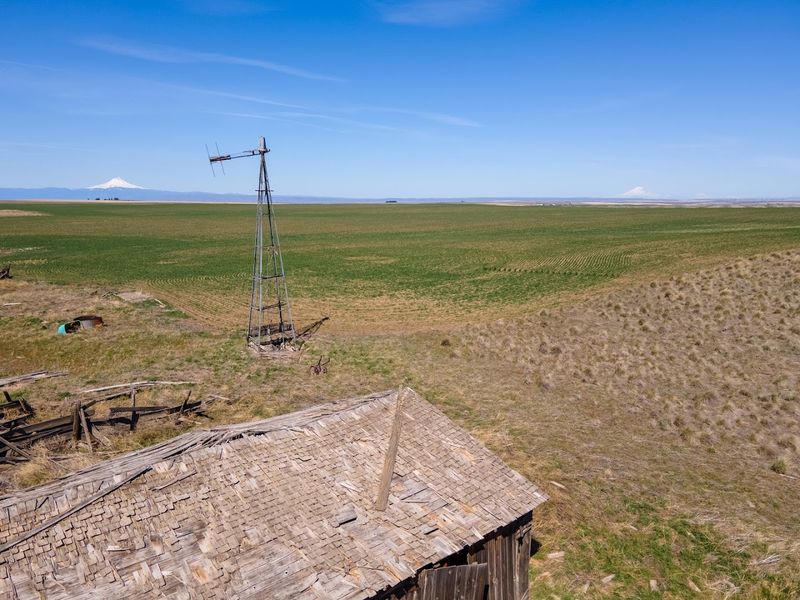
Kent is not just an Oregon curiosity. It is a mirror held up to the story of rural America, showing what happens when the economic forces that built a community eventually move on.
Thousands of towns across the United States share a version of Kent’s story, from the wheat belt to the mining west.
What makes Kent worth studying is how quietly it happened. There was no single disaster, no dramatic event that emptied the streets.
People just gradually left, following jobs and opportunity elsewhere, until the community reached a point where it could no longer sustain itself. That slow fade is more common than most people realize.
Visiting Kent invites a kind of reflection that is rare in our fast-moving world. It asks you to slow down, look carefully, and think about what we build, what we leave behind, and what nature does with everything we abandon.
That is a pretty powerful lesson for a tiny dot on the Oregon map.
Enjoyed this story?
Add Fast Food Club as a preferred source to see more of our reporting on Google.