


Deep in the Florida Panhandle, a quiet bluff on the Apalachicola River holds one of the most dramatic stories in early American history. There are no gift shops, no crowds, and no roller coasters here.
What you get instead is a flagpole, some raised earth, and a past packed with international intrigue, people chasing freedom, and a single cannon shot that changed everything. Long before cowboys rode across the desert Southwest, this corner of Florida was the real frontier, sitting on the edge of Spanish territory.
The site has carried more than one name over the years, and each name tells a different chapter. It sits within a national forest near the small town of Wewahitchka, far from any highway rush.
Keep reading to learn what happened here, what remains today, and how to plan a respectful, curious visit to a place many history books skipped.
A Bluff Above the Apalachicola
Some history hides in museums, and some waits patiently at the end of a forest road. Fort Gadsden belongs firmly in the second group.
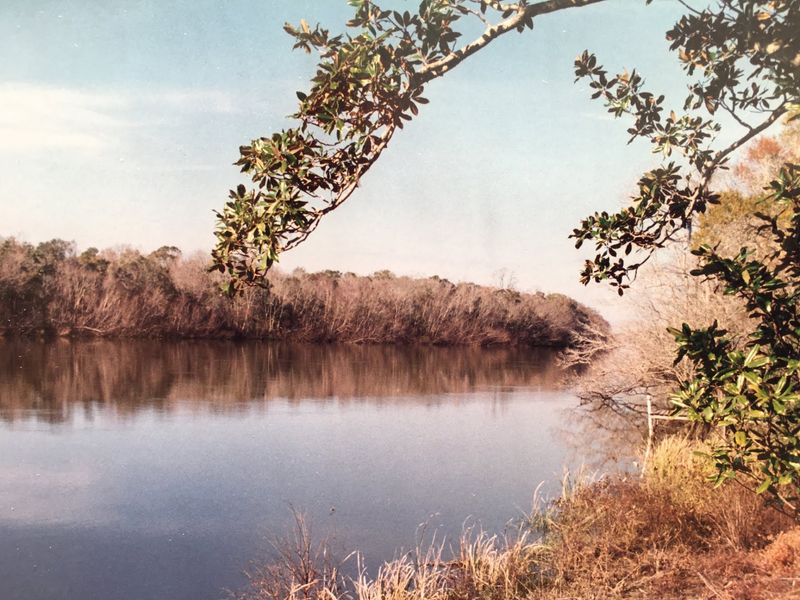
The historic site is listed with the address Wewahitchka, FL 32465, United States, and it sits inside the Apalachicola National Forest in the Florida Panhandle. The ruins rest on a bluff beside the Apalachicola River, one of the most important waterways in the region’s early history.
Officially, the place is classified as a historical landmark. The U.S.
Forest Service manages it as part of the Apalachicola recreation areas, so information about the site lives on the national forest’s official web page.
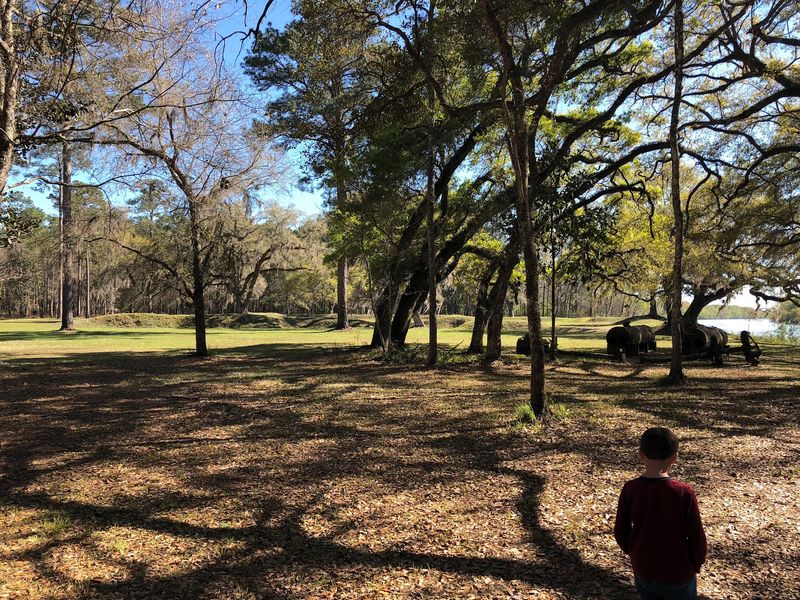
Do not expect a towering stone castle. What remains today is mostly earthwork, open ground, and interpretive features that help explain what once stood here.
That simplicity is part of the appeal. The landscape gives the story room to breathe, and the river that shaped events two centuries ago still flows right alongside the grounds.
The location also explains why the site mattered so much. Rivers were the highways of the frontier, and a fort on a bluff could watch everything that moved up or down the water.
Small details like that turn a quiet clearing into a chapter of the past worth reading slowly, and the next chapter starts long before the fort carried its current name.
The Frontier Nobody Talks About
Ask most people to name the American frontier, and they will point west toward cactus and canyons. Florida rarely makes the list.
Yet long before the Western movies, this part of the Panhandle was the edge of the known map for the young United States. It belonged to Spanish Florida at the time, which made it a borderland full of competing interests.
Spain claimed the land. Britain had influence in the region during the War of 1812 era.
The United States watched closely from the north.
Caught between those powers were people with their own urgent reasons to be here. Some were escaping slavery in the states to the north.
Others were Native people seeking refuge after losing their lands.
That mix created a story full of international intrigue, the kind of plot a screenwriter might struggle to invent. Some call this region the Old Southwest, a label that reflects how it was viewed in that period.
Writers and historians have been returning to this story in recent years. Many are looking beyond the Civil War for earlier chapters that deserve a second look, and this bluff keeps coming up.
Once that wider frontier picture comes into focus, the fort itself makes a lot more sense, and its first name carries most of the weight.
Names That Changed With the Story
Few places in Florida have worn as many labels as this one. Each name reflects who was speaking and when.
In its earliest form, American settlers of the period called the outpost the Negro Fort. Descendants of the African American community connected to the site later referred to it as the Colored Fort.
Those names point to who held the fort. It became a stronghold for people of African descent who had escaped bondage and found a foothold in Spanish territory.
The name Fort Gadsden came later. It arrived only after a young American engineer rebuilt a fort on the same ground, and his name stuck to the location.
Today, the broader area is often discussed as Prospect Bluff, a reference to the high ground above the river. Seeing several names attached to one patch of earth is a helpful reminder that history depends on perspective.
Books have been written about the fort from different points of view. Some focus on military events, while others center the people who sought freedom inside its walls.
Keeping all of those names in mind adds depth to a trip. A sign or marker may use one label, but the full story needs all of them, and the most famous moment here is still ahead.
One Shot From the River
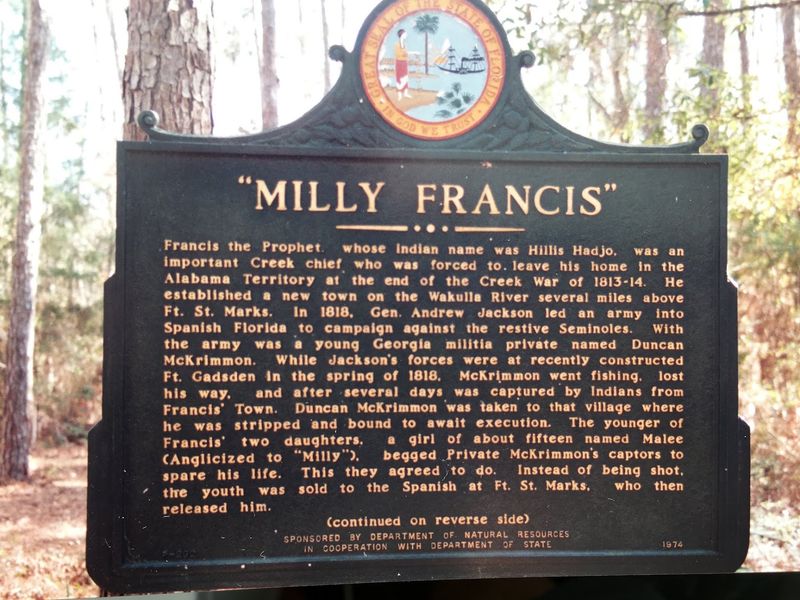
History sometimes turns on a single moment. On this bluff, that moment came from the water in 1816.
A U.S. Navy vessel known as Gunboat No. 154 was on the Apalachicola River.
It fired heated cannon shot, called hot shot, toward the fort.
One of those shots landed in the fort’s powder magazine. That storehouse held around 300 barrels of black powder.
The resulting explosion ended the fort almost instantly. Roughly 270 people inside, many of them freedom seekers and their families, did not survive the blast.
Only a small number of people made it through. The event is often described as one of the most destructive single cannon shots in American military history.
It is a sobering chapter, and the site treats it with that weight. Coming here means standing near the place where a community built on hope met a sudden end.
For many people, this is the reason to make the drive. The story is not widely taught, so learning it on location can feel like uncovering something that was hidden in plain sight.
Calm reflection fits the setting best here. The river looks peaceful today, which makes understanding its role in 1816 even more striking, and the bluff did not stay empty for long afterward.
The Engineer’s Rebuild
After the destruction, the strategic value of the bluff did not vanish. A high spot above a major river was simply too useful to ignore.
A young American engineer oversaw the construction of a new fort on the same ground. That engineer was James Gadsden, and the rebuilt outpost took his name.
The new fort served American military goals in the region during a tense period. Spanish Florida was still foreign territory, and the borderland remained unsettled.
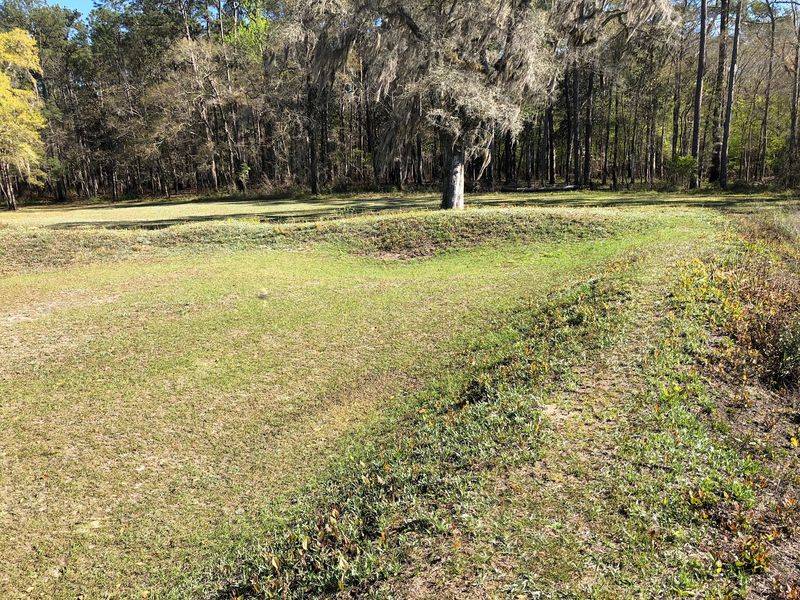
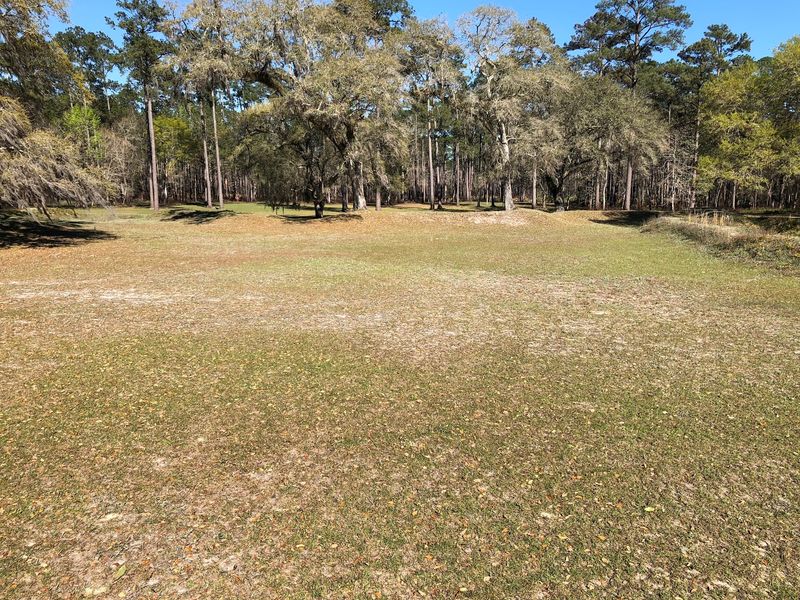
Much of what survives today relates to this later fort. Raised ground on the site roughly marks portions of Fort Gadsden’s layout.
Those earthen outlines may not look like much at first. Spend a moment tracing them, though, and the footprint of the old walls begins to make sense.
It helps to remember that two very different forts share this bluff. The first was a refuge for people seeking freedom, and the second was an American military post.
Holding both stories at once is part of what makes the place so unusual. Few historic sites carry such sharply contrasting chapters on a single piece of ground.
So when the raised earth comes into view, think of it as a layered page. The visible lines belong to Gadsden, while the earlier story sits right underneath, waiting for the archaeologists in our next section.
Steamboat Boilers on the Grounds
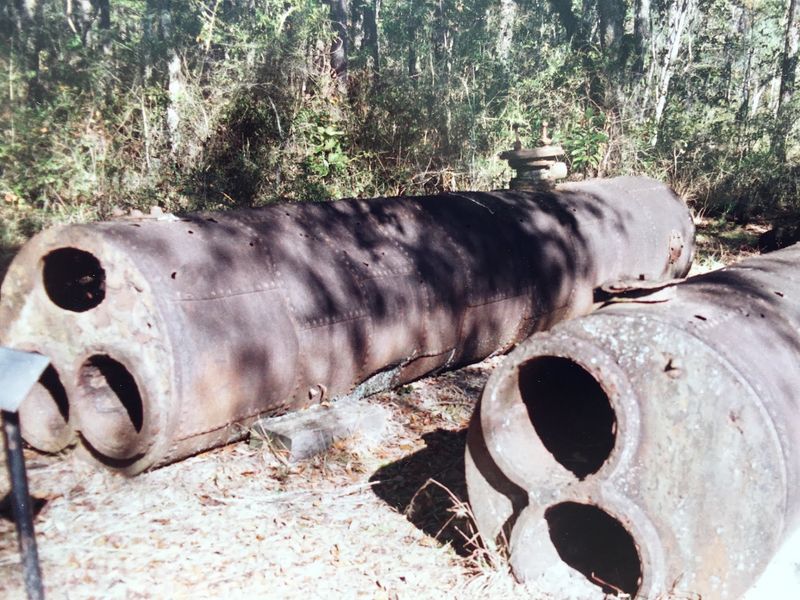
Not every artifact here dates to the fort era. Some arrived much later, pulled straight from the river.
Back in the mid-1990s, the site held very little beyond a flagpole, some raised ground, and old steamboat boilers recovered from the Apalachicola River. Those boilers are a reminder that the river stayed busy long after the forts were gone.
Steamboats once traveled the Apalachicola carrying goods and passengers. The river linked inland areas with the Gulf, so traffic on the water was part of daily life for decades.
Seeing heavy machinery from that era next to frontier earthworks adds an unexpected twist. It shows how a single riverbank can collect stories from very different centuries.
History buffs who enjoy the industrial side of the past will appreciate this detail. It turns a fort visit into a broader lesson about how the river shaped the Panhandle.
Exactly what remains on display can change over time, especially after storms and site improvements. Checking the Forest Service page before a trip is a smart move for anyone hoping to see specific pieces.
Even so, the idea alone is fun to chew on. A boiler that once pushed a paddlewheel now rests beside the ground where frontier soldiers stood, and storms have played their own part in reshaping what is visible.
Hurricane Michael and Hidden Clues
Storms usually take things away. At this site, one storm also handed something back.
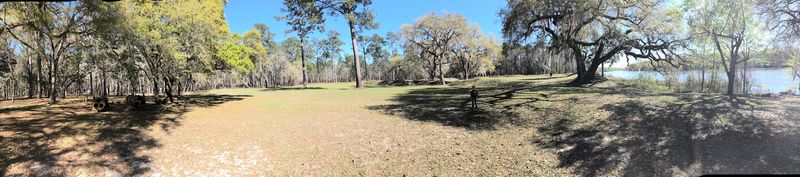
Hurricane Michael tore through the Florida Panhandle in 2018 and knocked down many trees around the fort grounds. That damage changed the landscape in a big way.
Archaeologists took advantage of the disruption. With trees uprooted, researchers gained a fresh chance to study the soil and look for traces of the site’s earlier history.
Reports from the period described the storm as unearthing hidden history connected to the Negro Fort. It is a rare case where a natural disaster opened a new window into the past.
For anyone curious about how historians learn new things, this chapter is a great example. Research at the site is not frozen in time, and new findings can reshape what people understand about it.
The storm’s effects also mean the grounds may look different from older photos. Fewer trees in some spots and newer features in others are both part of the current picture.
It is a good reminder that historic places are living projects. Scholars, land managers, and nature itself all keep adding pages to the story.
That ongoing work leads nicely into what the site offers today in terms of signs and structures for curious minds.
Signs, Structures, and Self-Guided Learning
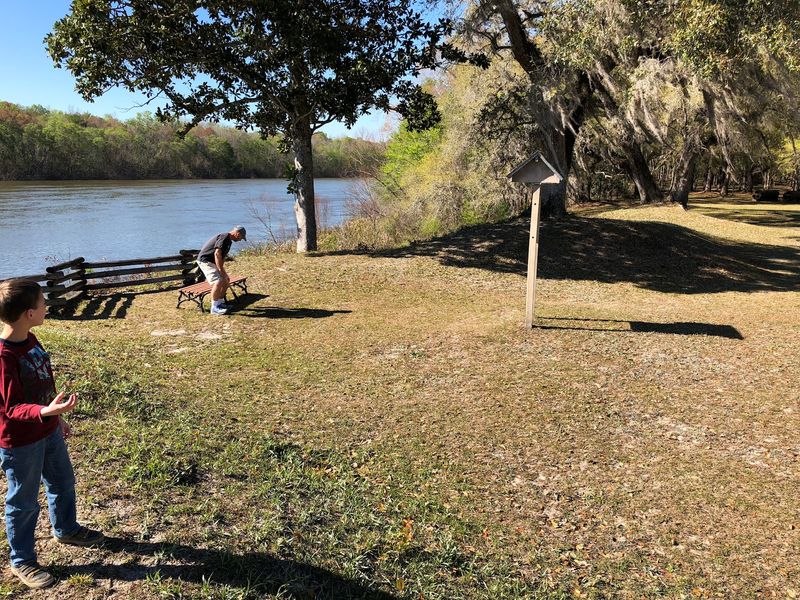
Compared with its bare-bones past, the site has grown more welcoming to curious minds. Interpretive structures and facilities have been added since the 1990s.
Those additions help explain the layers of history on the bluff. Instead of guessing what a mound of earth means, people can read about it on location.
The experience is largely self-guided. That suits travelers who like to move at their own pace, pause at each marker, and take in the story bit by bit.
Bringing some background reading makes the trip richer. Several books and articles explore the fort from differing points of view, including works focused on the Battle of Negro Fort.
A little homework turns a short stop into a meaningful one. Knowing the names, the dates, and the people involved helps every sign land with more impact.
There is also a strong case that the site deserves more attention. Many history lovers feel the story is big enough for a full museum someday.
For now, the outdoor setting does the teaching. The river, the bluff, and the earthworks act as the exhibits, while the panels fill in the details.
Families with older kids can treat the visit like a reading scavenger hunt. Finding each marker and connecting the dots makes the history stick far better than a textbook page.
Quiet Forest, Big Story
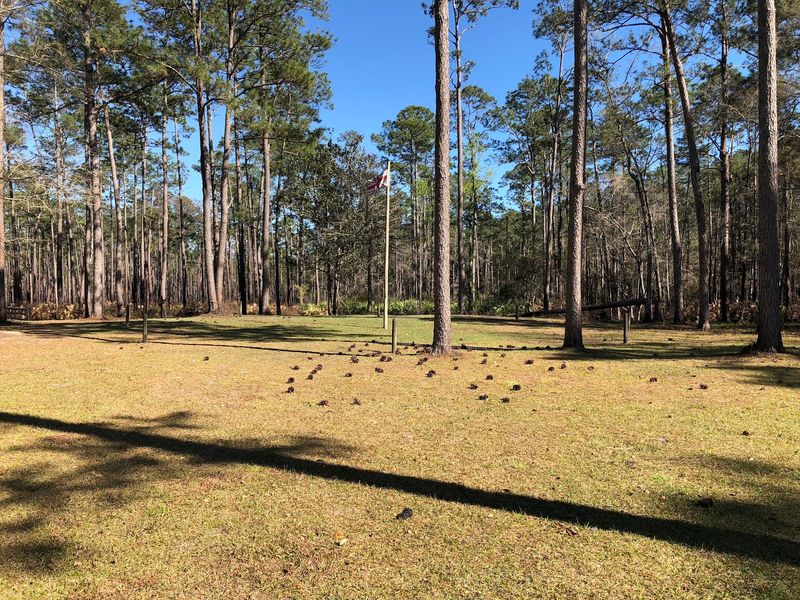
Silence might be the most surprising feature of this landmark. The setting inside the Apalachicola National Forest keeps the crowds and traffic far away.
That calm suits the subject well. A story this heavy benefits from space to think, and the remote location provides plenty of it.
Small numbers of people tend to make the trip, which means there is often room to linger. Nobody is rushing anyone through an exhibit hall or a ticket line.
The atmosphere leans reflective rather than lively. It feels more like a place to read, think, and talk quietly than a spot for loud group outings.
Those who appreciate it most tend to rank it highly. Most of the small group sharing opinions online gave it top marks, with an overall score of 4.2 out of 5.
The one low mark simply noted a closure during the COVID-19 period. That detail says more about timing than about the site itself.
So the vibe here is simple and steady. It rewards patience and curiosity rather than a checklist mindset.
Travelers who enjoy off-the-beaten-path history will feel right at home. Those craving lots of activity may want to pair the stop with other plans, which raises the question of who will enjoy it most.
Who Will Love This Stop
History lovers sit at the top of the list, no contest. Anyone fascinated by early America, the War of 1812 era, or Spanish Florida will find plenty to unpack.
Readers interested in African American history should also put this place on their radar. The fort’s story centers people who sought freedom and built a community on the frontier.
Students of Native American history will find connections too. People seeking refuge after losing their lands to the north were part of this borderland world.
Road trippers exploring the Panhandle can treat it as a meaningful detour. The site pairs well with time spent in the surrounding national forest.
Photographers who like quiet landscapes and historic earthworks may enjoy the open grounds. Just keep the somber history in mind when planning shots.
Families with curious older children can turn it into a learning trip. Younger kids may need some context ahead of time, since the main story involves a tragic event.
People who want restaurants, shops, or flashy attractions nearby might feel underwhelmed. The appeal here is the story and the setting, not extra entertainment.
Know your crew before you go. The right audience leaves with a fresh view of Florida’s past, so the next step is figuring out the practical side of getting there.
Planning the Trip
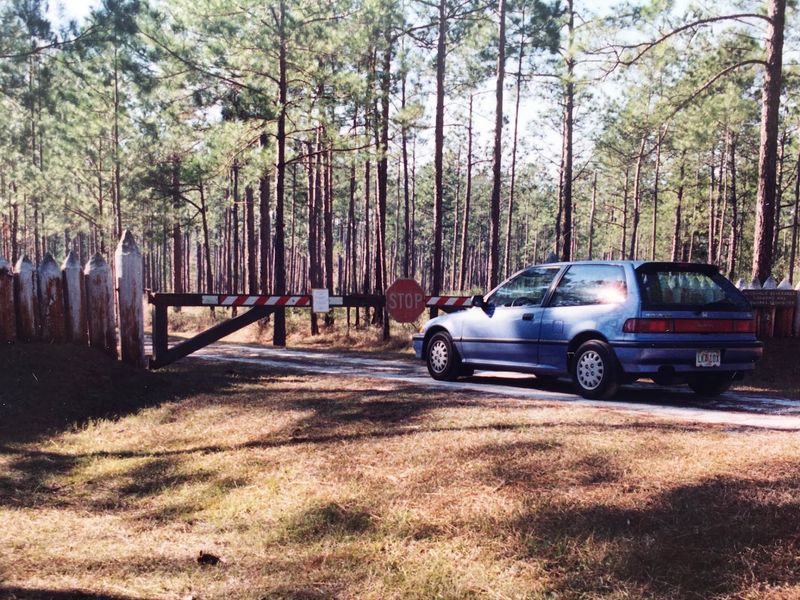
Practical prep makes a remote site far more enjoyable. A little planning goes a long way out here.
The U.S. Forest Service manages the site as part of the Apalachicola National Forest.
Its official recreation area page is the best source for current hours, access details, and any fees.
Checking that page before leaving home is strongly recommended. The site has closed before, including during the COVID-19 period, so access is not something to assume.
Storm recovery and research projects can also affect what is open. Hurricane Michael’s impact in 2018 is a good reminder that conditions can change.
The listed location is Wewahitchka, FL 32465. Plan your route ahead of time, because a national forest setting can mean limited services along the way.
Pack the basics for a self-sufficient outing. Water, snacks, sun protection, bug spray, and a downloaded map are all smart choices.
Comfortable walking shoes help when exploring the grounds and earthworks. Bringing a printed article or a book about the fort adds plenty of value too.
Give yourself enough daylight to enjoy the visit without rushing. A forest drive after dark is no one’s idea of a fun bonus round, and good timing sets up a better visit overall.
A Bluff Worth the Detour
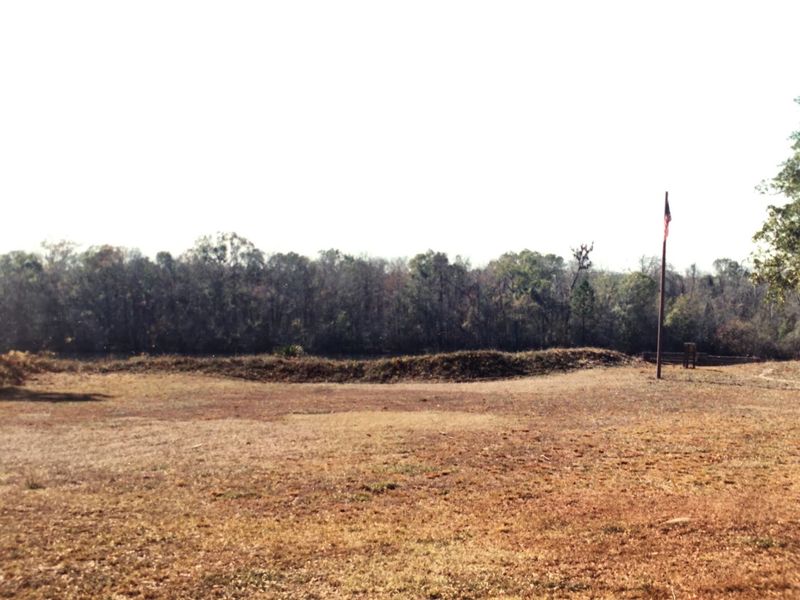
Not every important place comes with fanfare. This one comes with a flagpole, a river, and a story that deserves far more attention than it gets.
Fort Gadsden packs centuries of history onto a single bluff. There is the refuge of the earlier fort, the devastating event of 1816, the rebuilt American post, and later reminders of river traffic.
Add in the role of Hurricane Michael in reopening the past, and the site feels unfinished in the best way. Research continues, and the story keeps growing.
Many history fans believe the location deserves a full museum someday. Until then, the outdoor setting and interpretive features carry the load with quiet dignity.
Expectations matter here. Arrive looking for a short, thoughtful walk through meaningful ground, and the visit will likely feel well spent.
Arrive expecting big attractions, and the quiet may catch you off guard. The value lies in understanding rather than spectacle.
For travelers exploring the Panhandle near Wewahitchka, it makes a fitting stop. It turns a scenic drive into a lesson few classrooms ever covered.
The river keeps rolling past, just as it did in 1816. Standing beside it with the full story in mind is the kind of experience that lingers long after the drive home.
Enjoyed this story?
Add Fast Food Club as a preferred source to see more of our reporting on Google.