


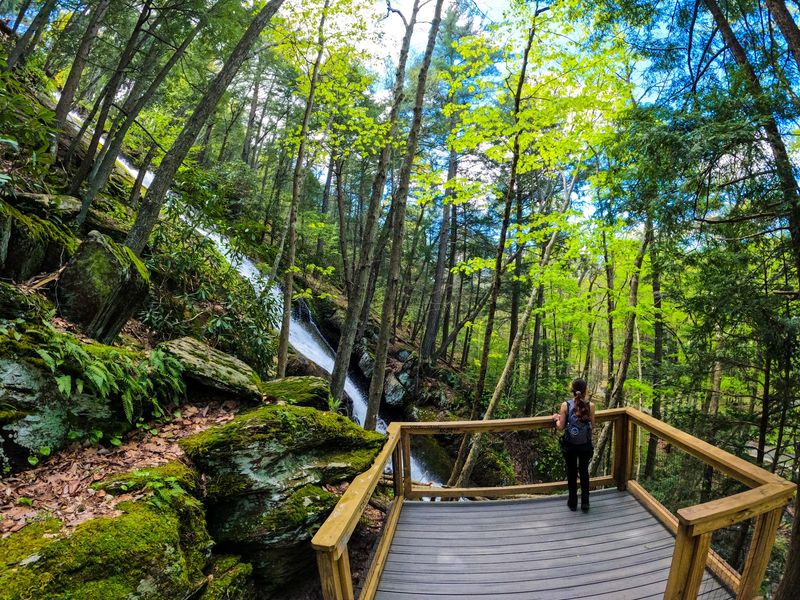
Most impressive waterfalls make you earn the view with a sweaty climb and muddy boots. Not this one.
Tucked into the forested northwest corner of New Jersey, the tallest waterfall in the state pours down a rocky cliff just a short walk from where you leave your car. That means grandparents, little kids, and anyone who would rather skip the workout can still catch the whole show.
There is a wooden stairway for the adventurous who want the top-down view, but nobody is required to climb a single step to be wowed. The catch is a bumpy dirt road and spotty cell service that trip up first-timers.
Read on to learn exactly where it hides, when the water runs strongest, and how to get there without getting lost.
Where This Waterfall Hides in Sussex County
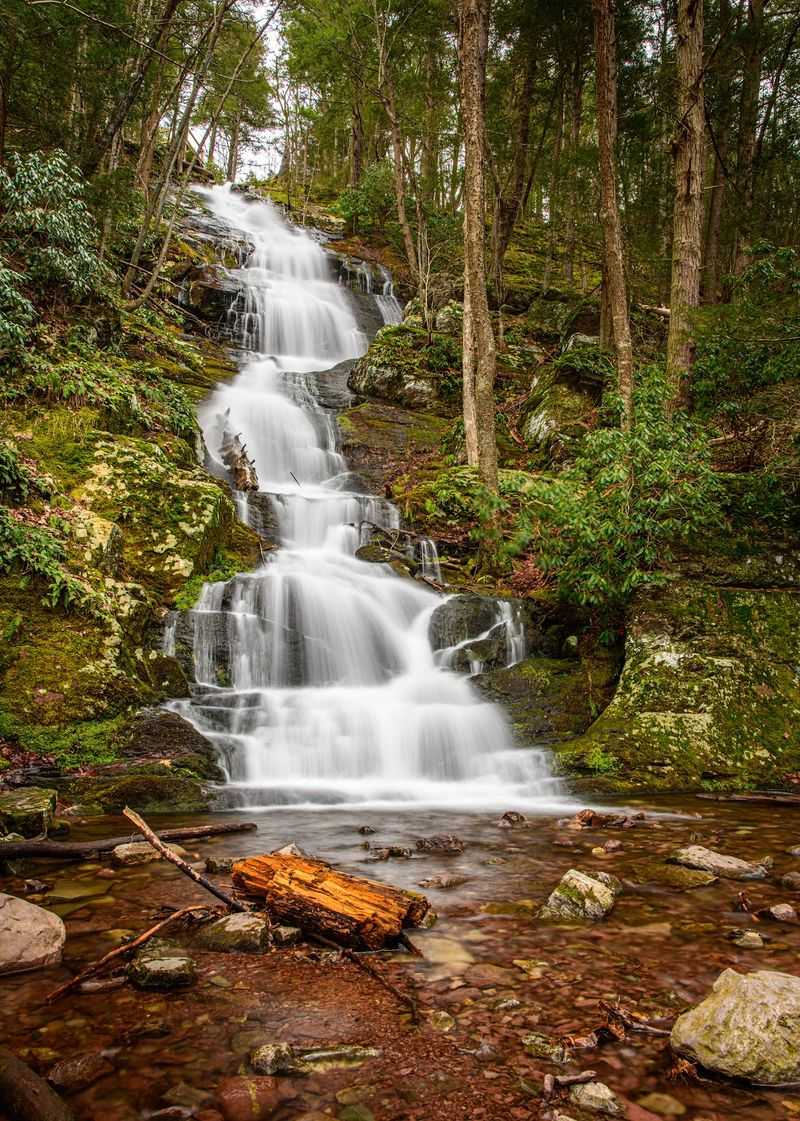
Deep in the western forests of Sussex County, along Mountain Road in Layton, New Jersey, sits Buttermilk Falls. The address is simple enough on paper, but the journey there has its own personality.
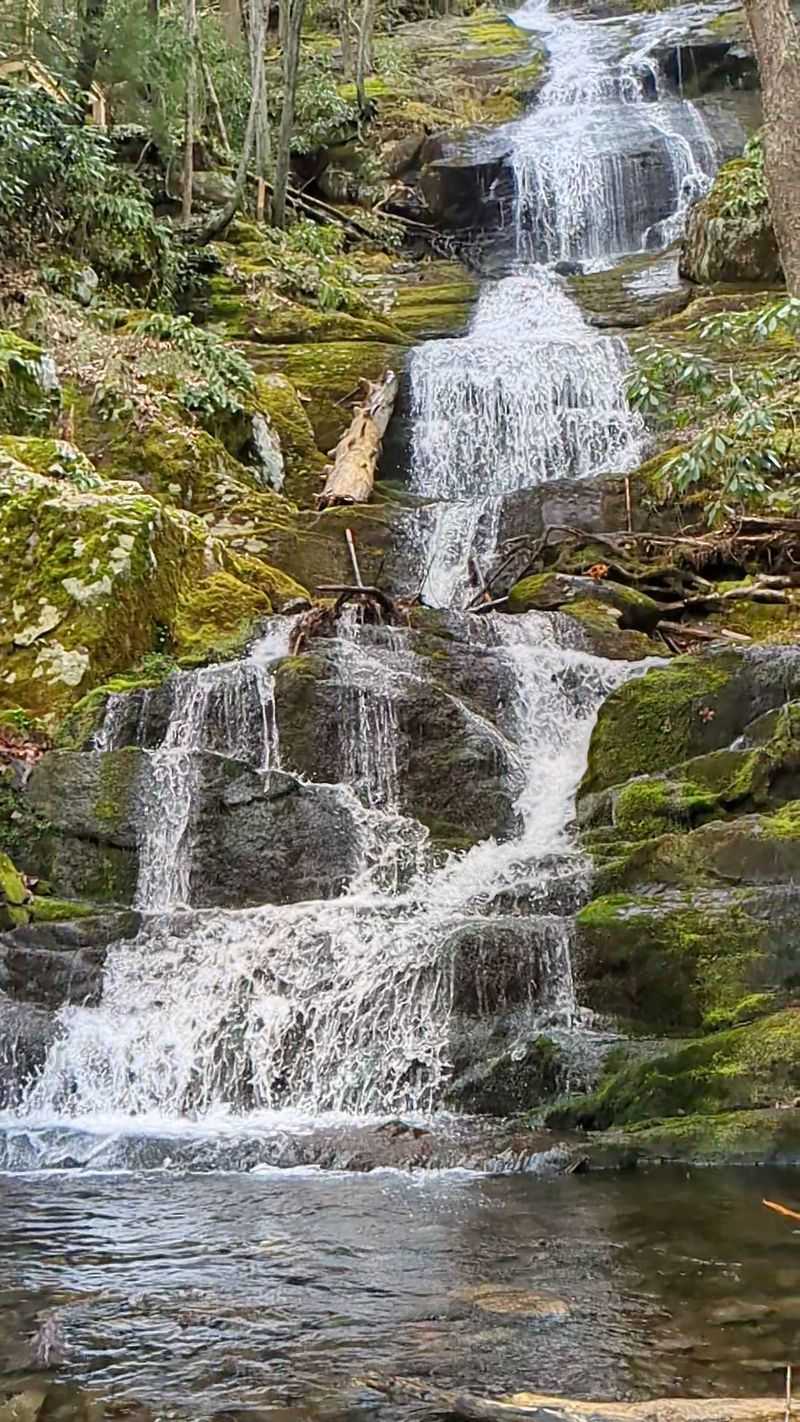
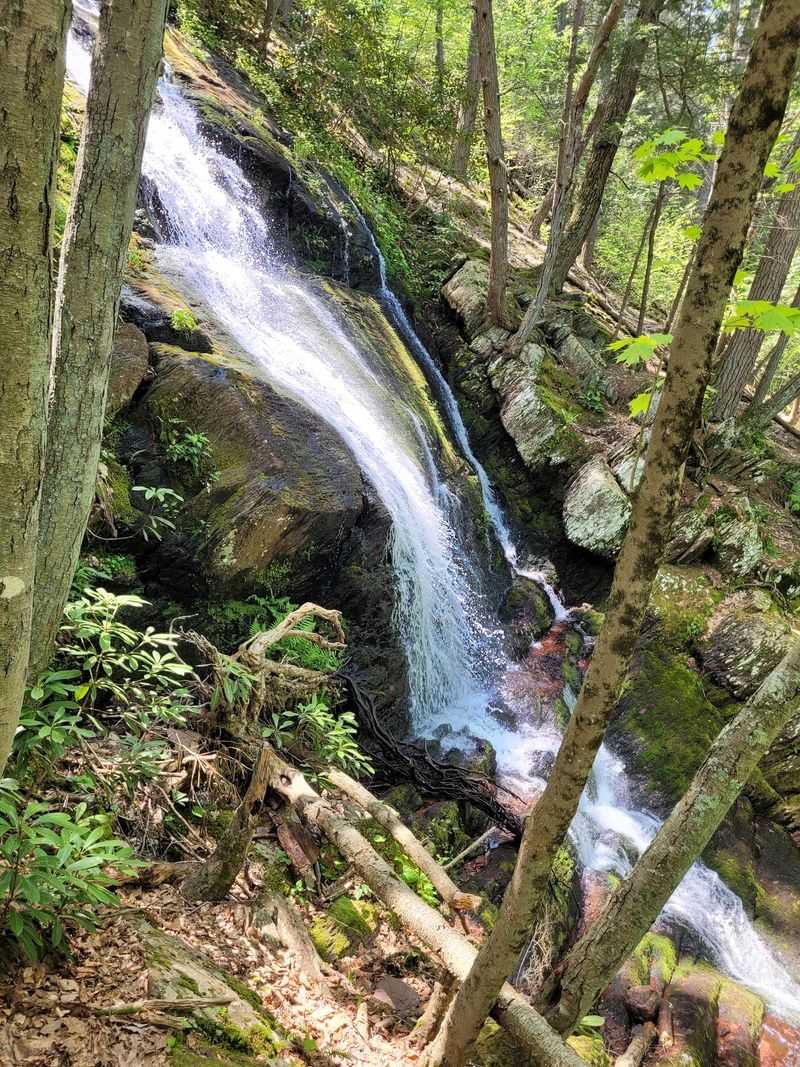
Part of the Delaware Water Gap National Recreation Area, the falls tumble down a steep rock face and hold the title of the tallest waterfall in the state. The water drops in stages, feeding a stream that runs through the surrounding woodland.
The setting feels remote, which is exactly the point. Dense trees line the seasonal road, and once you arrive, the parking lot sits right across from the base of the falls.
Managed by the National Park Service, the area also connects to a wider web of trails, including links to the Appalachian Trail and nearby Tillman Ravine. For a spot this striking, the near-instant access from the lot is almost surprising.
The State’s Tallest Falls, Right at Your Feet
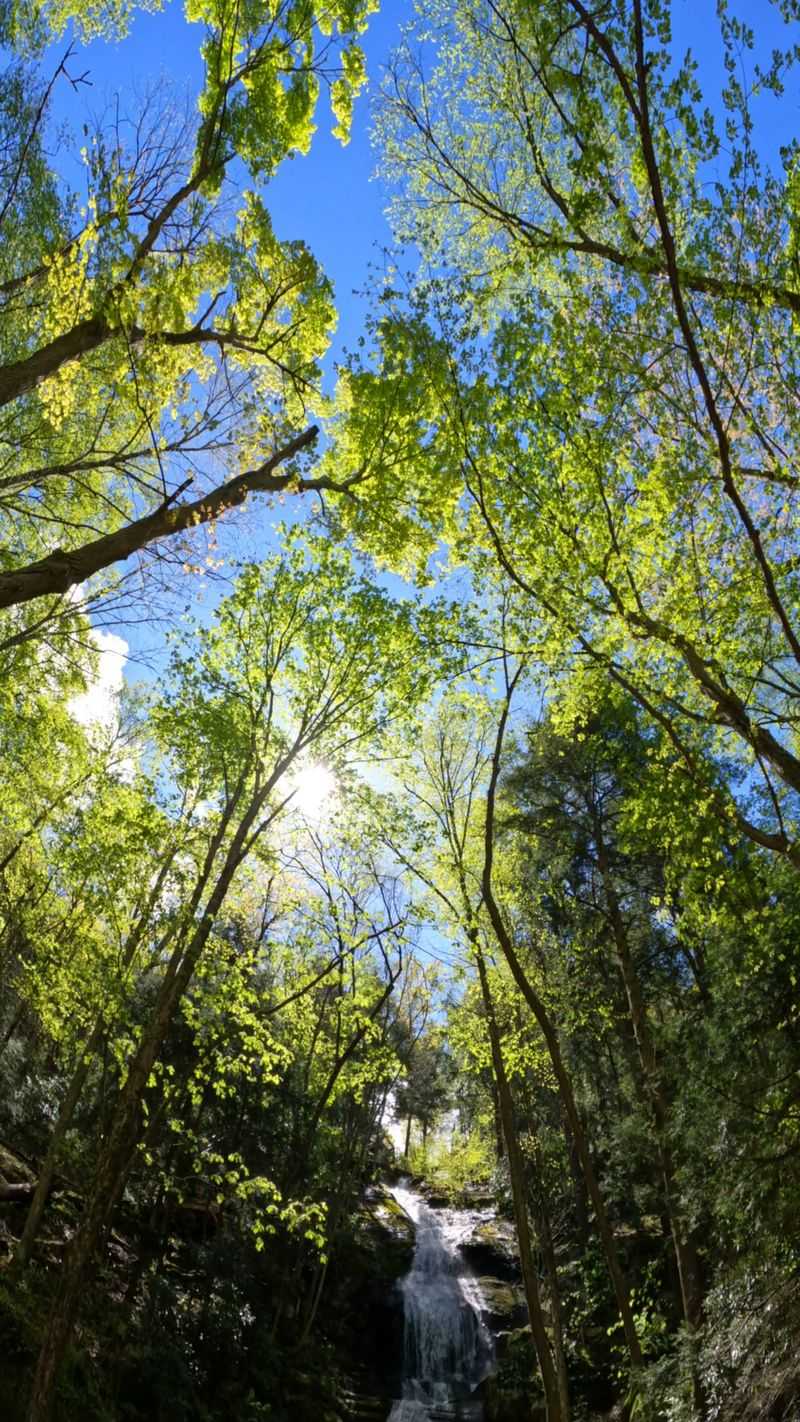
Bragging rights matter, and this waterfall carries the big one for New Jersey. It stands as the tallest in the state, a distinction that draws people from across the region.
What makes the reputation stick is how easy it is to enjoy. The falls sit directly across from the parking lot, so the moment you step out of your vehicle, the main attraction is already in front of you.
No scrambling over boulders. No mile-long march before the payoff.
The base of the falls is reachable on flat, level ground, which opens the experience to families with strollers, older relatives, and anyone who is not in the mood for a trek.
Rated 4.6 stars across more than a thousand pieces of feedback, the place clearly lands well with the crowds it attracts. The height of the falls combined with the low effort to see them is a rare combination, and it explains why so many make the drive out.
A Bumpy Dirt Road That Tests Your Suspension
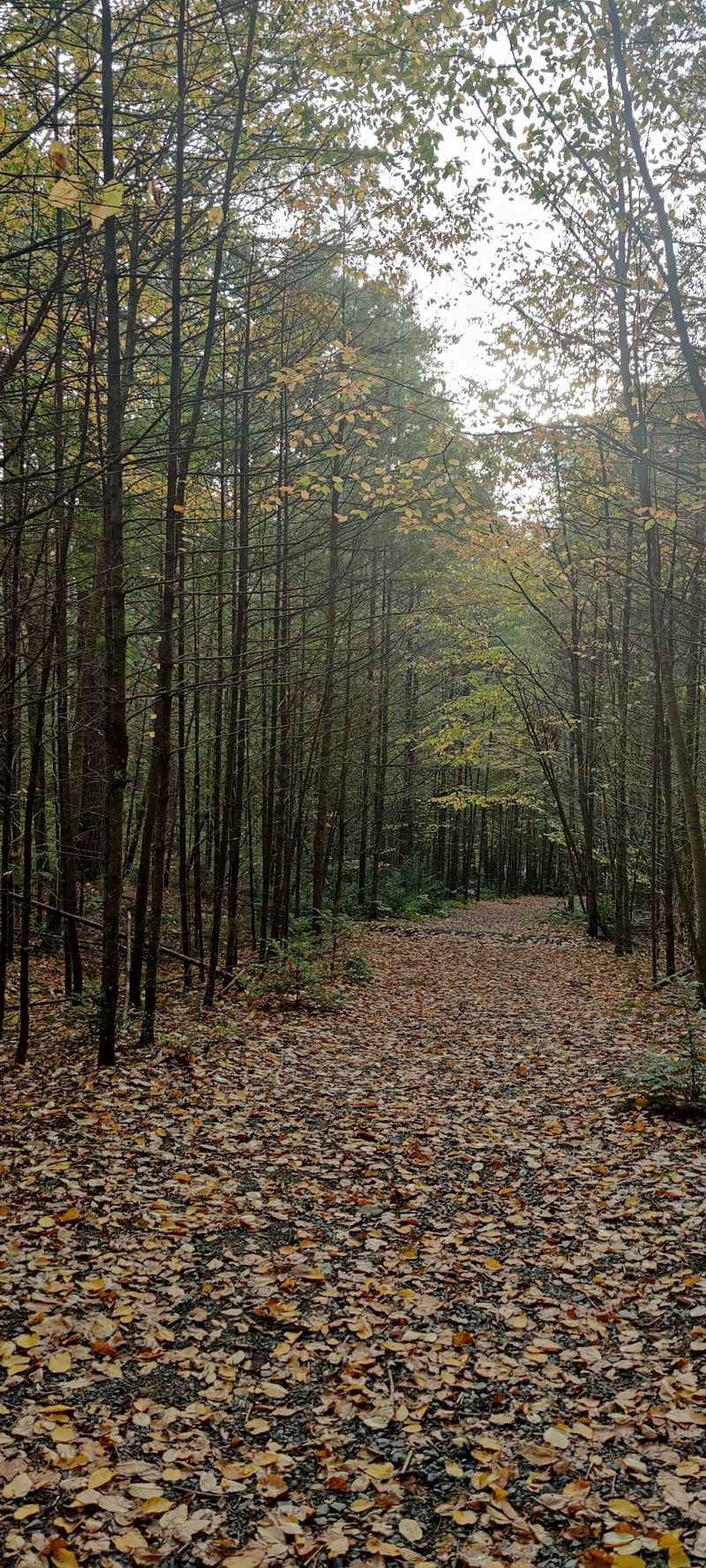
Before the beauty comes the bounce. The road leading to the falls is dirt and gravel, dotted with potholes that have a way of catching drivers off guard.
Cars that sit low to the ground get the toughest ride, and after a few days of rain, watery potholes make it hard to guess how deep the dips really are. Plenty of standard vehicles make the trip just fine, but slow and steady is the smart approach.
Four-wheel drive helps, though it is not a strict requirement. The key is patience and a willingness to weave around the rough patches rather than plow through them.
In winter, snow can hide the potholes entirely, so extra caution pays off during the colder months. Regulars mention that the seasonal drive through the thick western New Jersey forest is actually part of the fun.
Treat the road as the opening act, not an obstacle. Once you clear it, the reward waiting at the end more than settles the score.
The Wooden Stairway for the Curious Climber
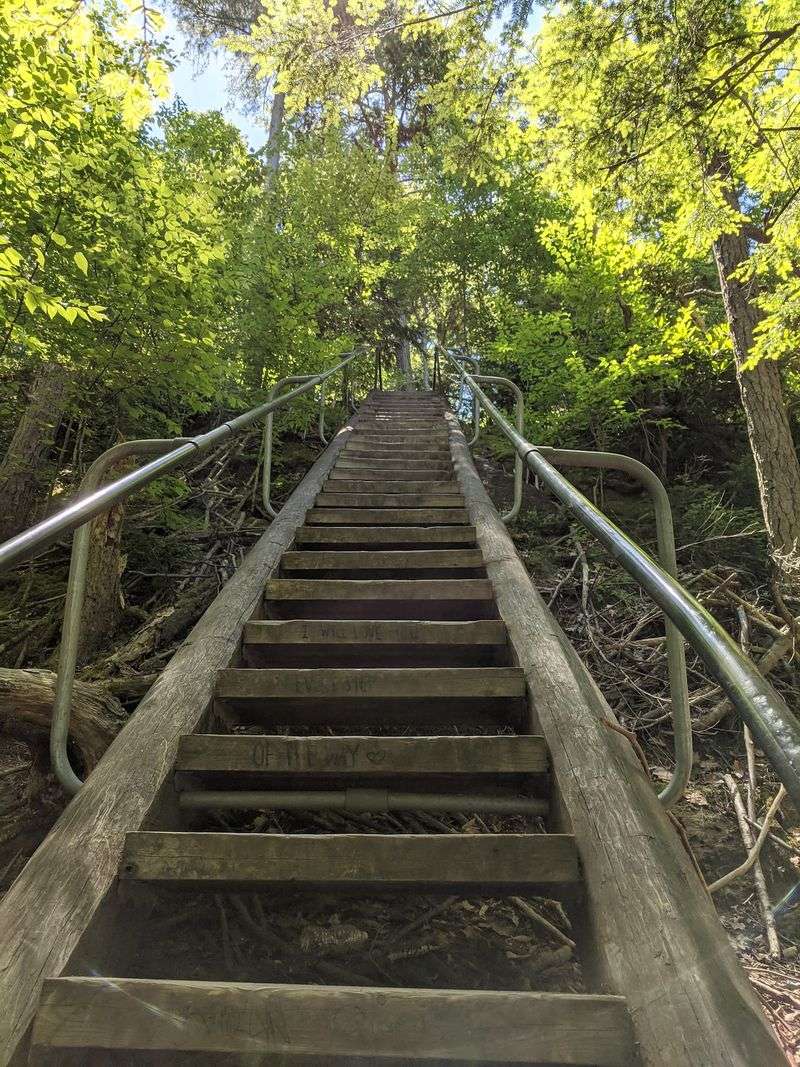
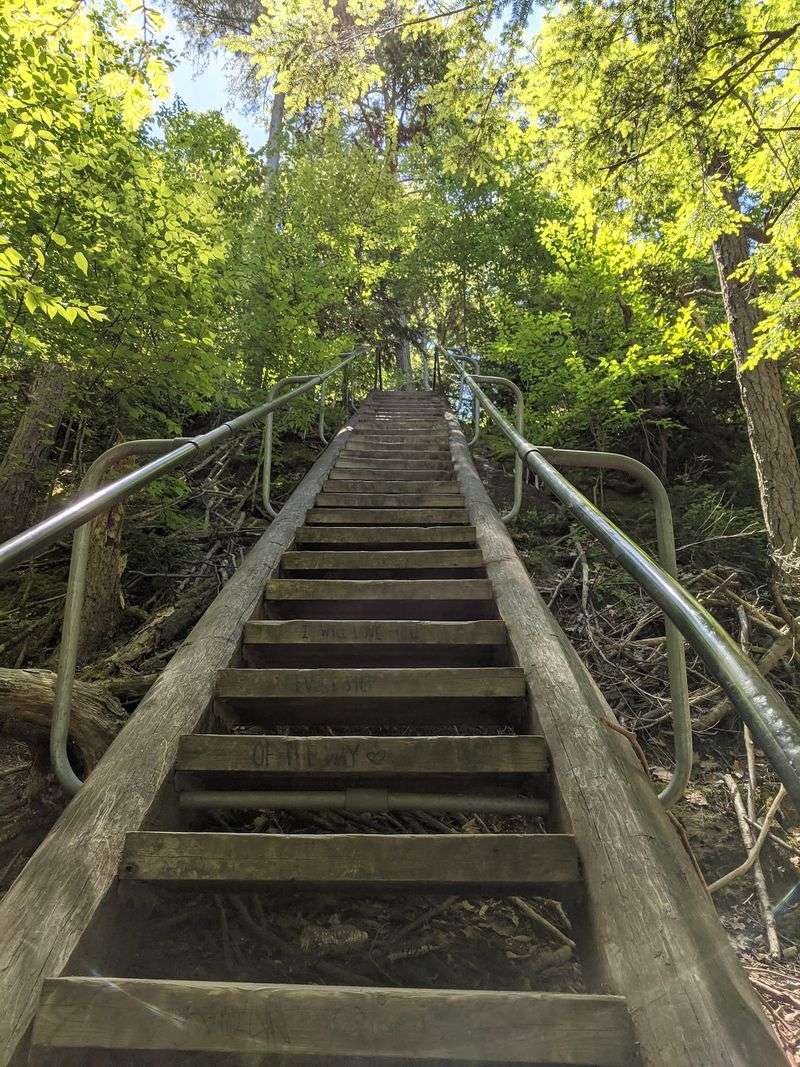
For those who want more than the ground-level view, a wooden stairway climbs alongside the falls to the top. It is optional, which is the whole charm, but it rewards the effort with a different perspective.
The steps are steep in places, and there are many of them. Some sections come with railings, which offers a bit of reassurance for anyone wary of heights.
The full trip to the top and back runs about half a mile round trip from the parking lot, making it a short but real workout. The stairs are often spaced out, giving climbers natural spots to pause and catch their breath.
On busy days, a little courtesy goes a long way, since climbers heading up need to make room for those coming down. The view from the top is frequently called the highlight for those who make the climb.
Skip it or conquer it, the choice is entirely yours. Either way, the waterfall delivers.
When the Water Roars Loudest
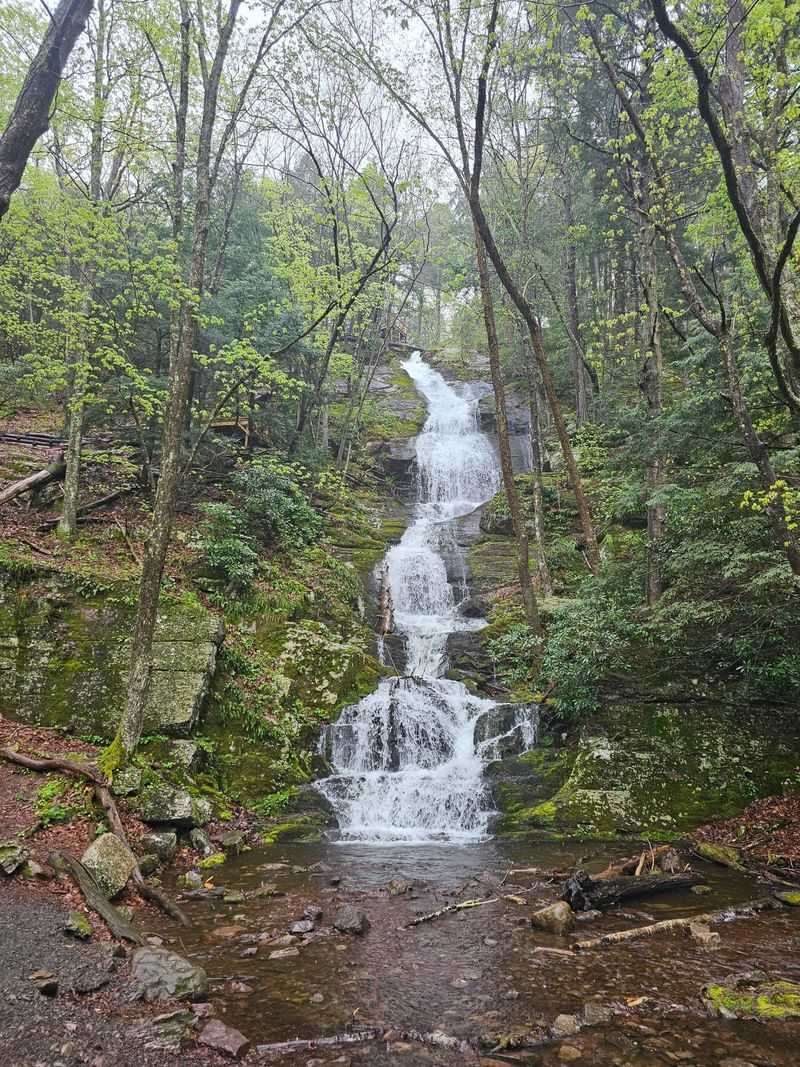
Timing changes everything with a waterfall, and this one has clear peak seasons. Early spring, when the mountain is thawing, sends the flow surging at its most powerful.
Rain is your friend here. The day or two right after a good downpour brings the falls to their fullest, turning a pretty cascade into a genuine spectacle.
As summer settles in and the drier months arrive, the water level drops noticeably. The falls are still worth seeing, but the volume shrinks compared to the springtime rush.
Winter offers its own surprise. A fresh coating of snow can transform the scene into something quietly dramatic, though it demands careful driving on the hidden potholes.
Late afternoon on a sunny day earns special praise, since the angled sun lights up the colorful features of the rock and water. Plan around recent weather, and you will catch the falls at their most memorable.
Fall Colors Turn the Forest Into a Canvas
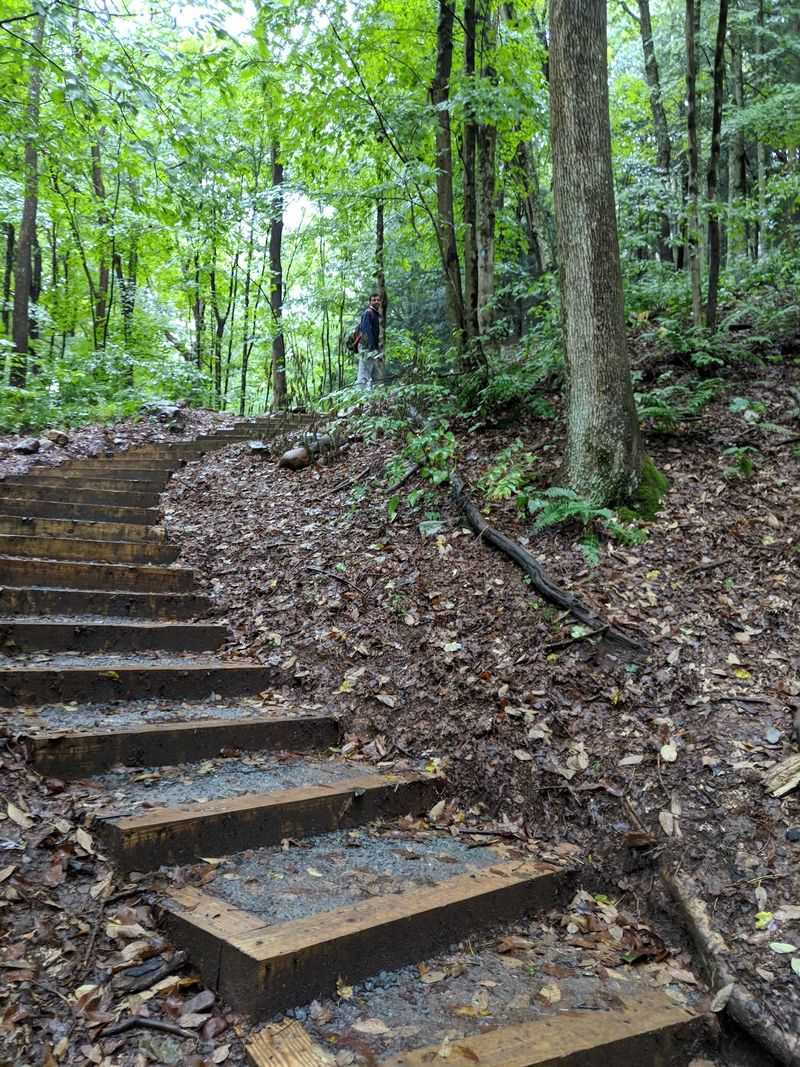
Autumn brings a whole new reason to make the drive. The dense western New Jersey forest that surrounds the falls lights up with fall colors, and the seasonal road becomes a scenic route in its own right.
The winding approach through the woods is genuinely enjoyable when the leaves turn, giving you a preview show before you even reach the water. Early October often starts the transformation, with plenty of leaves already shifting shades.
Cooler air and crisp surroundings make it a favorite time for a relaxed outing. The combination of the tall falls framed by colorful trees is hard to beat.
Because the spot is popular, autumn weekends can draw a crowd, so arriving earlier in the day helps with the limited parking. Even with company, the space rarely feels cramped.
Bring a camera and take your time. The fall backdrop turns an already pretty waterfall into a full-on postcard moment.
Trails That Stretch Far Beyond the Falls
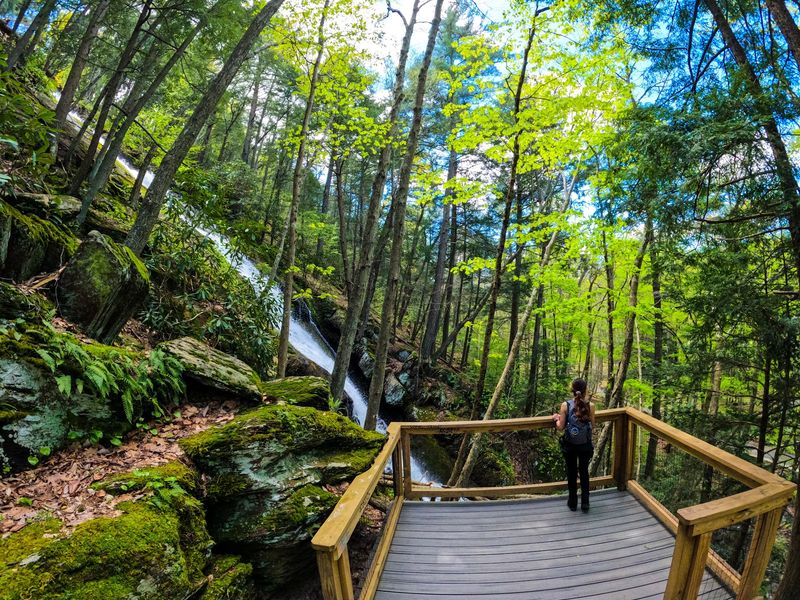
Serious hikers find a playground here that goes well past the waterfall itself. The falls serve as a launching point for long, challenging loops that tie into the Appalachian Trail and nearby Tillman Ravine.
Ambitious walkers have built routes stretching five, ten, and even more miles by connecting to spots like Woods Trail Pond and Crater Pond Loop. The elevation gain on these ascents provides a real workout.
The terrain can be rocky and steep, with loose stone in places that demands proper footwear. Running shoes simply do not cut it on the rougher stretches.
While the higher trails often lack sweeping views, the steady sound of running water keeps the walk engaging the entire way. The blue trail and various connecting paths give repeat visitors plenty to explore.
Reaching the Appalachian Trail at the end of a climb feels like a small trophy. For anyone chasing a bigger adventure, the falls are only the beginning.
An Outing That Welcomes Every Age and Ability
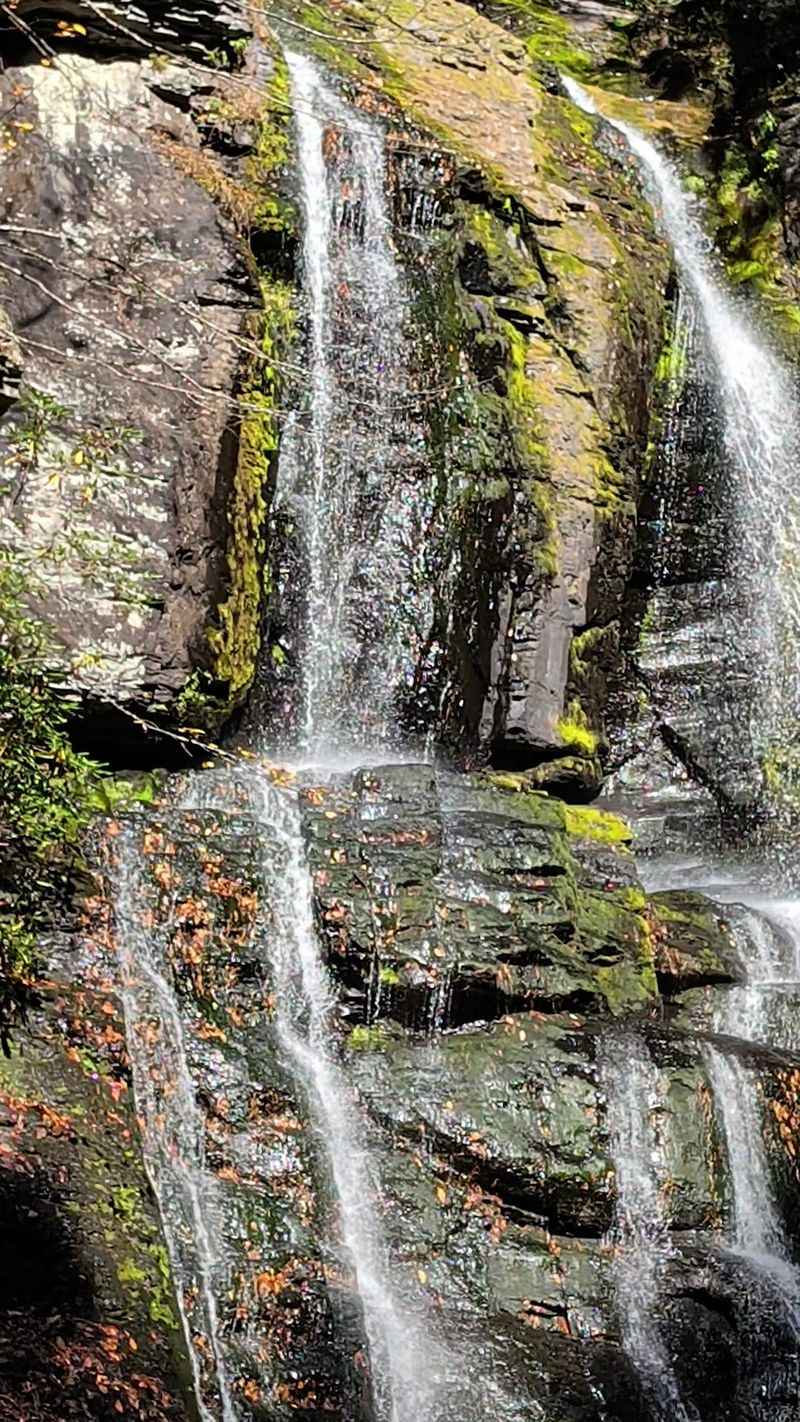
Few outdoor spots manage to please both hardcore hikers and grandparents on the same visit. That balance is exactly what makes this waterfall special.
The base of the falls sits on mostly flat, easily accessible ground right by the parking area. That means a family member who cannot hike or climb still gets the full view without any strain.
Kids handle it well too, and the short distance keeps little legs from tiring out. The spot suits all ages, levels, and physical abilities, which is a rare thing for a natural attraction.
Those wanting a challenge can tackle the stairs or the longer trails, while everyone else stays comfortable near the water. Picnic space is plentiful once you arrive, making it easy to turn a quick stop into a leisurely afternoon.
Multi-generational trips work here in a way they rarely do at rugged destinations. Something for the climbers, something for the loungers, and a waterfall for all.
Getting There Without Losing Your Way
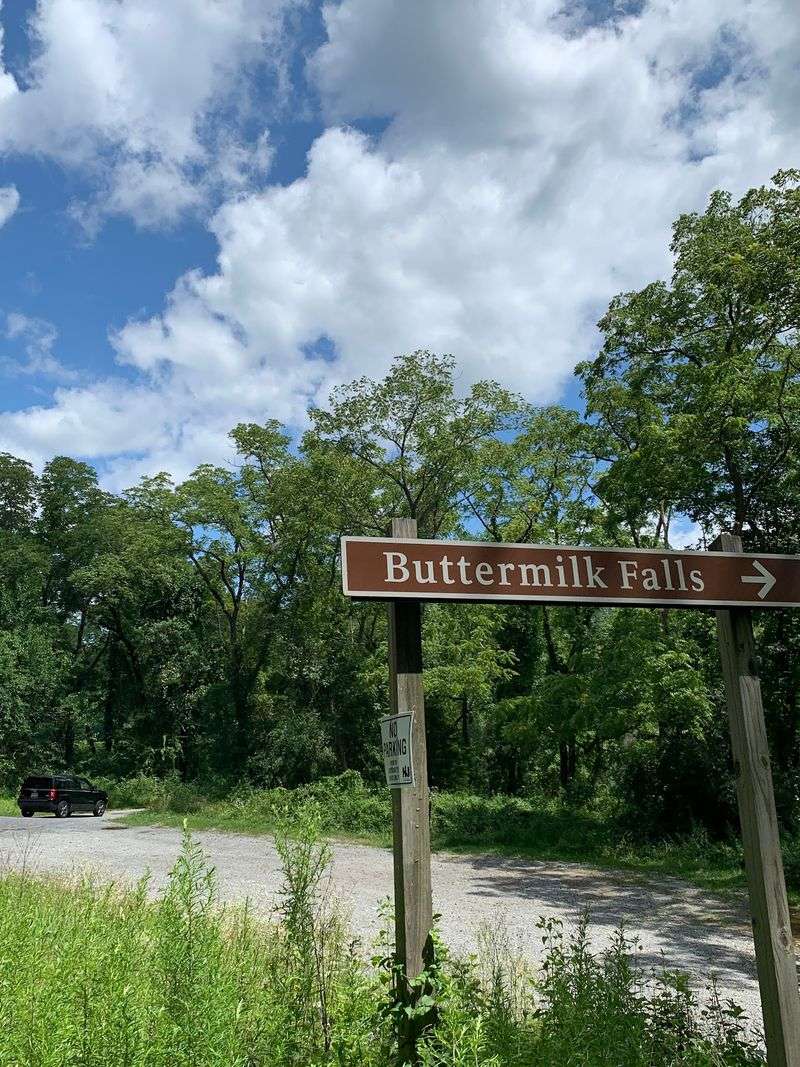
Navigation is the sneaky challenge of this trip. GPS has a habit of routing drivers to a bridge roughly a mile and a half from the falls, and that bridge is closed to cars.
When that happens, you park and walk the rest along a wide service road that stays mostly flat. The stroll runs about 25 to 30 minutes and often passes smaller waterfalls and pretty spots along the way.
There is a second entrance that lets you drive directly to the base of the falls, so knowing which route to aim for saves a lot of confusion. Following signs to the parking lot at the bottom of the waterfall is the reliable move.
Local anglers near the closed bridge have been known to point lost travelers in the right direction. Detours and road closures pop up from time to time, so a little flexibility helps.
Plan your approach ahead of arrival. The falls are worth the extra care it takes to reach them.
Download Your Map Before Cell Service Vanishes
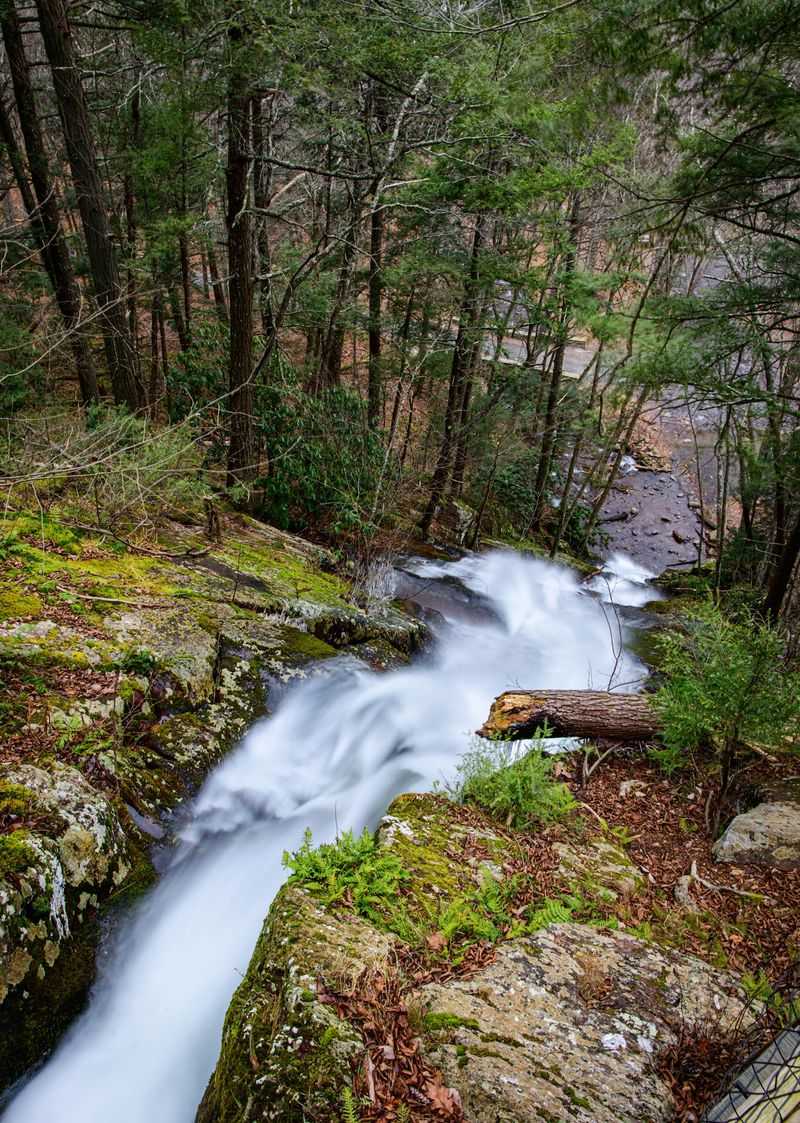
Here is a tip that saves a headache: cell reception in the area is practically nonexistent. Once you get close, do not count on pulling up directions on the fly.
The smart move is to download an offline map before you leave home. Navigation apps often still track your position even without signal, but a downloaded map removes the guesswork entirely.
First-timers who skip this step frequently end up disoriented near the closed bridge, with no way to call for help or search for alternate routes. A local pointing the way is lucky, not guaranteed.
The dead zone is simply part of the remote charm, since the falls sit deep in protected forest far from towers. Embrace the disconnection, just prepare for it first.
A few minutes of planning at home turns a potential wrong turn into a smooth arrival. Load the map, then let the wilderness take over.
Parking Is Limited So Timing Matters
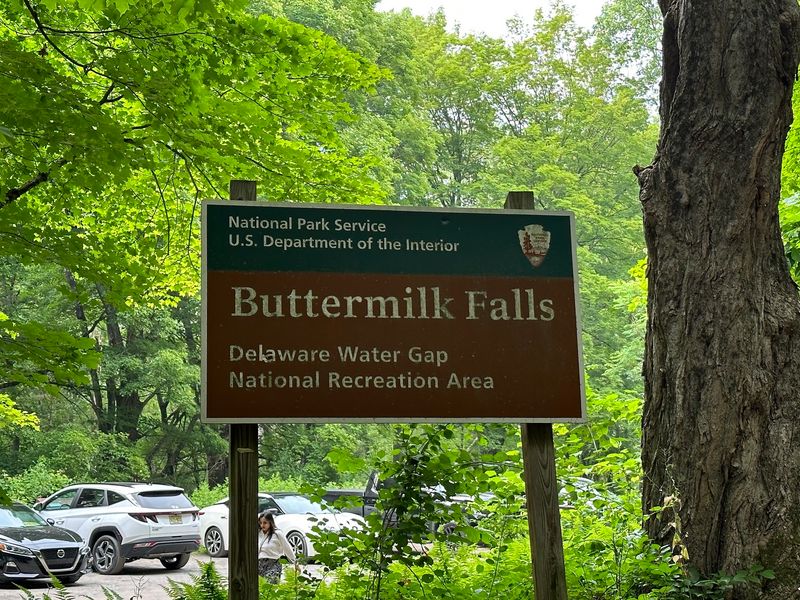
The convenience of parking right across from the falls comes with one catch: there is not much of it. Space in the area is limited, and popular days fill up fast.
Weekends, holidays, and peak fall color season see the heaviest traffic, so arriving early gives you the best shot at a spot. The lot sits directly across from the base of the falls, making it the prime place to leave your vehicle.
When the closer entrance is unavailable due to a closed bridge or detour, the walk-in option becomes your backup. That longer approach doubles as a pleasant warm-up stroll.
Because the road is rough, drivers with low-clearance cars should give themselves extra time to navigate carefully rather than rush for a space. A calm, early arrival beats circling on a bumpy road.
Plan the timing and the parking piece falls neatly into place. Beat the crowd, claim your spot, and enjoy the falls at their most peaceful.
Safety Notes for the Trails and the Water
A little awareness keeps the adventure smooth. The walking paths can turn dangerous with loose rock, so steady footing and proper shoes are must-haves for anyone venturing beyond the flat base.
Rocky, uneven ground is common on the trails, and gravel underfoot means this is not the place for flimsy footwear. Sturdy hiking shoes make the difference between confident steps and a wobbly slog.
The area is also home to venomous snakes, particularly near water and along the big rock outcroppings of the Appalachian Trail. Staying on marked trails and watching your foot and hand placement keeps everyone safe.
The stairs up the falls get steep and can be tricky when crowds move in both directions, so patience helps. Railings cover part of the climb for added security.
None of this should scare anyone off, since the flat base view carries none of these worries. Respect the terrain, mind the wildlife, and the falls stay a joy from start to finish.
Picnics, Photos, and Quiet Moments by the Water
Beyond the climb and the drive, the falls invite you to simply linger. There is plenty of open space to spread out a picnic and make an afternoon of it.
Families have turned visits here into yearly traditions, hauling in lunch, exploring a bit, and soaking up the setting near the top of the falls. The room to roam means you are rarely crowded even when the lot is full.
Photographers find endless angles, from the towering drop to the smaller cascades scattered along the walk-in route. Late afternoon sun on a clear day lights the scene beautifully for pictures.
A nearby quiet lake near the alternate entrance draws people who prefer calm water and fishing over the rush of the falls. It adds a gentler option to the day.
Whether you stay ten minutes or several hours, the space adapts to your pace. Slow down, settle in, and let the water set the mood.
Why This Waterfall Earns the Trip
Some destinations demand a full day of sweat before they reveal anything special. This one hands over its best feature the moment you step out of the car.
The tallest waterfall in New Jersey, easy access from the lot, and a wooden stairway for those craving a little more all add up to a spot that fits nearly everyone. The bumpy road and missing cell service are minor prices for what waits at the end.
Time your visit after rain or in early spring for the fullest flow, or come in autumn when the forest puts on its color show. Bring good shoes if you plan to climb, a downloaded map either way, and a bit of patience for the drive.
Highly rated and well loved across seasons, it rewards both the casual sightseer and the trail-hungry hiker. Layton keeps its treasure a little hidden, but the falls make the effort feel small.
Point the car toward Mountain Road and go see the state’s tallest cascade for yourself.
Enjoyed this story?
Add Fast Food Club as a preferred source to see more of our reporting on Google.